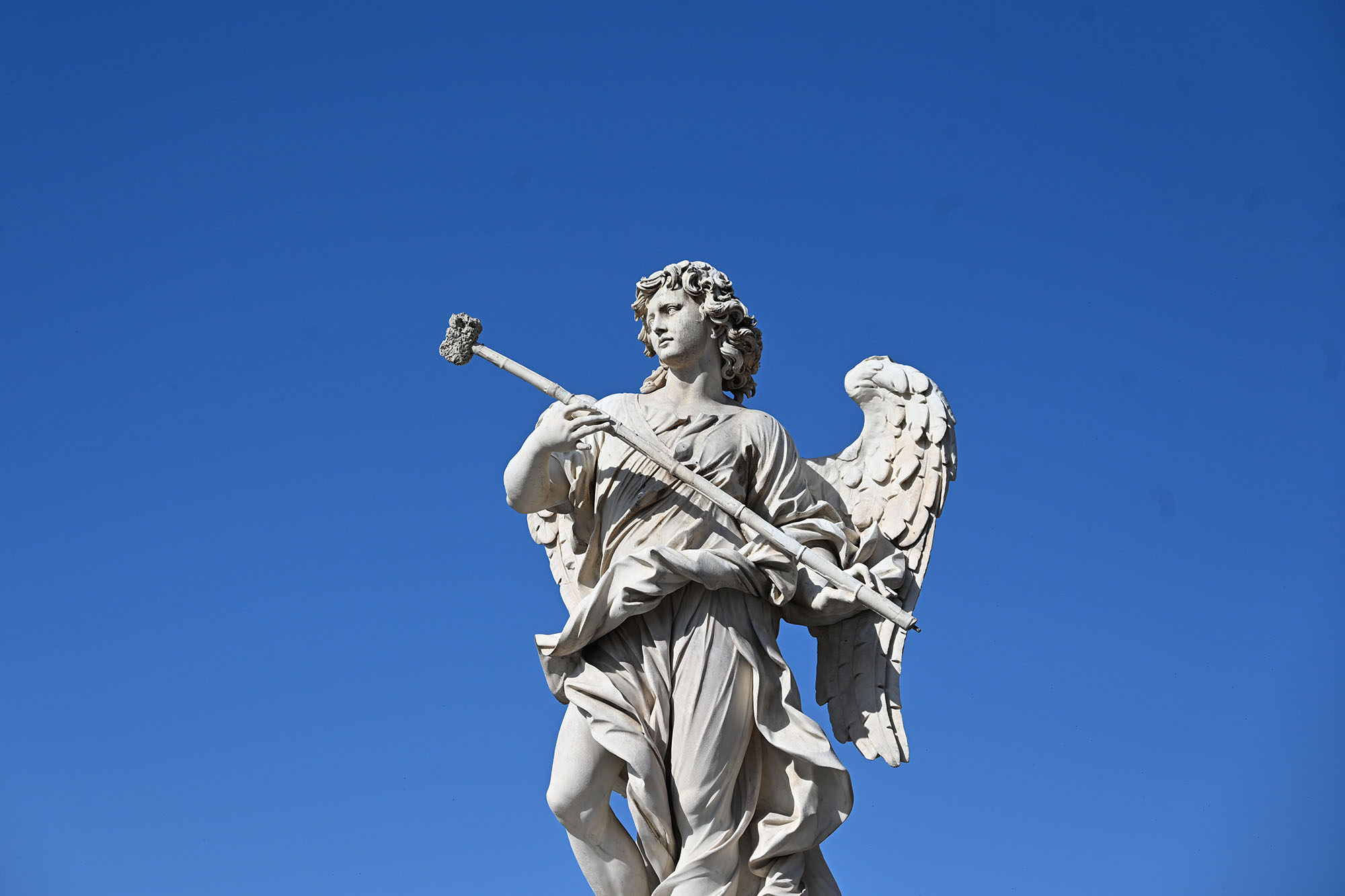
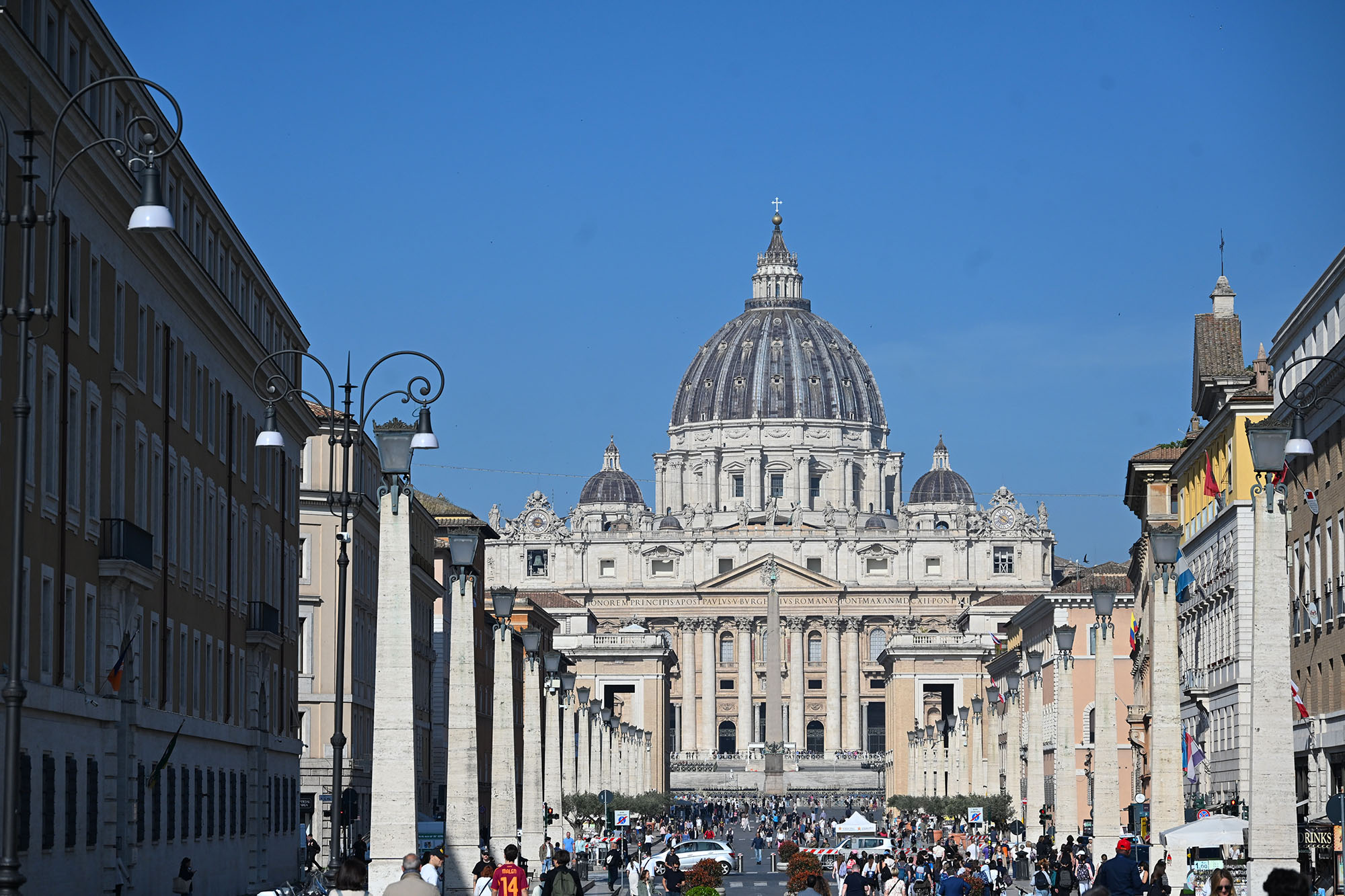
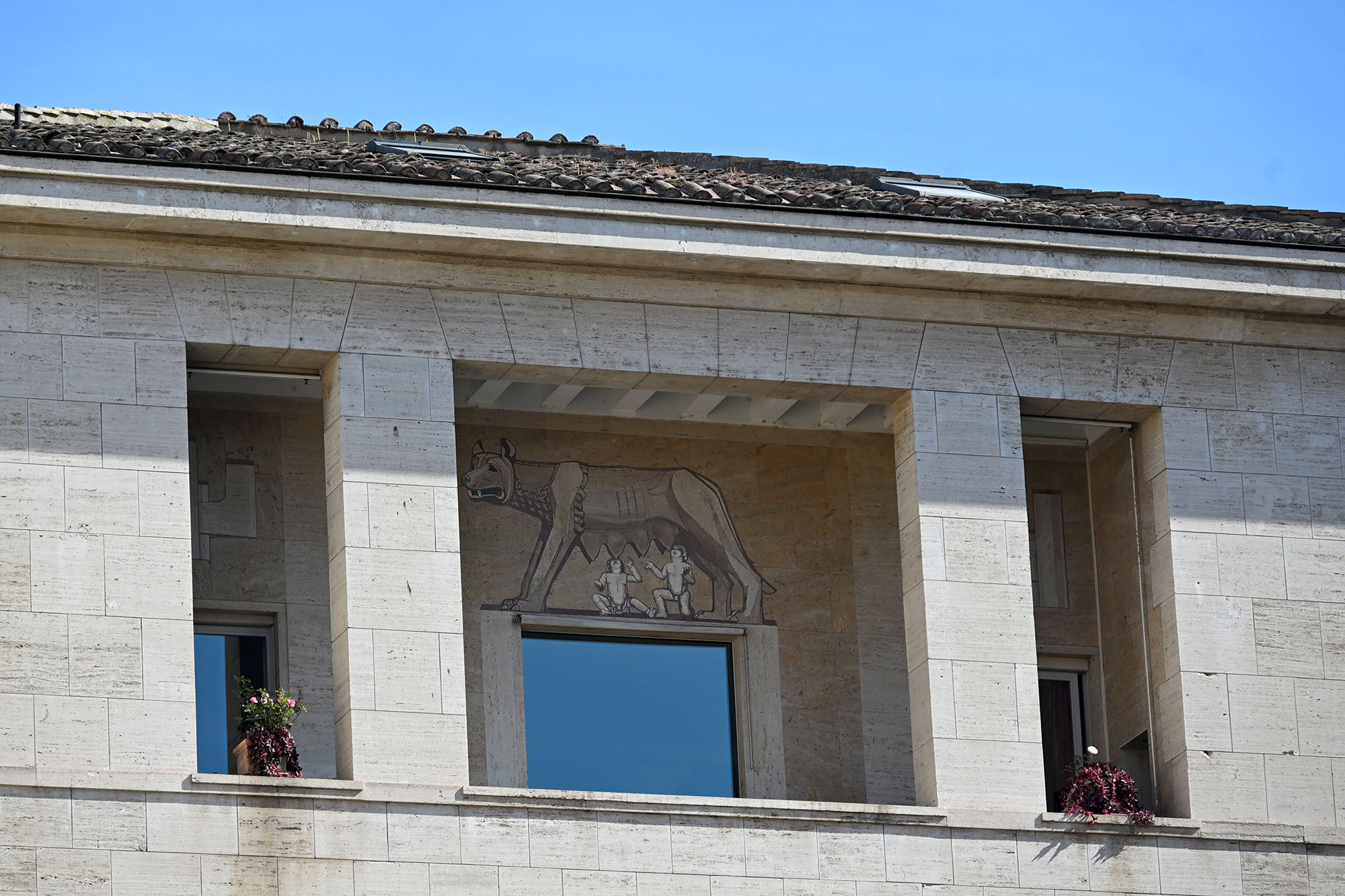
Going to Rome feels like visiting your impossibly wealthy and impossibly old yet still stunningly beautiful aunt, whom everybody talks about, and everyone admires, but all you do while you’re there is sit on her expensive and uncomfortable furniture and listen to her life stories. Very adventurous and intriguing, but you’ve heard them before. All her assorted friends and acquaintances are also there, plus a crowd of strangers fascinated by her expensive china.
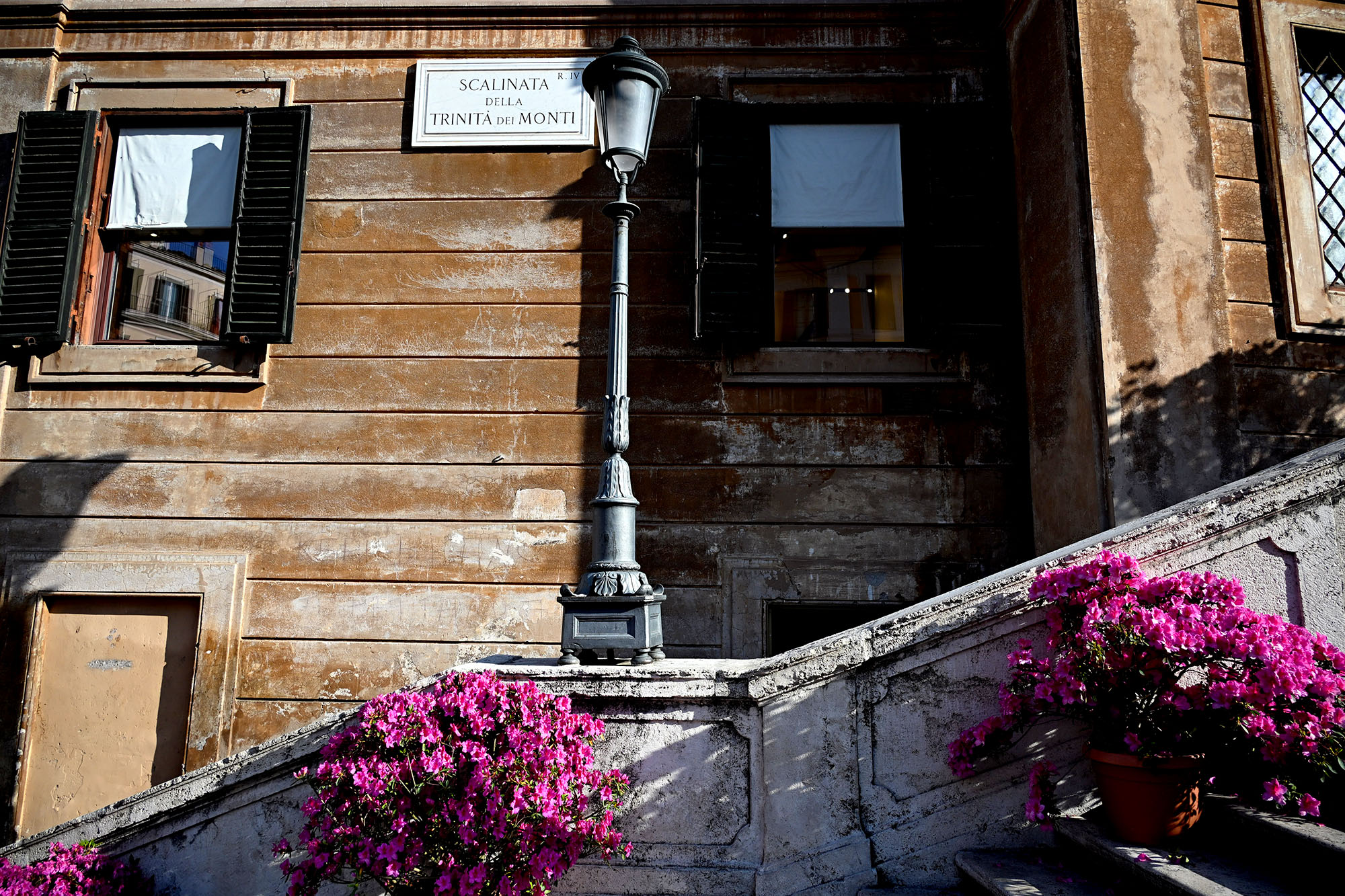
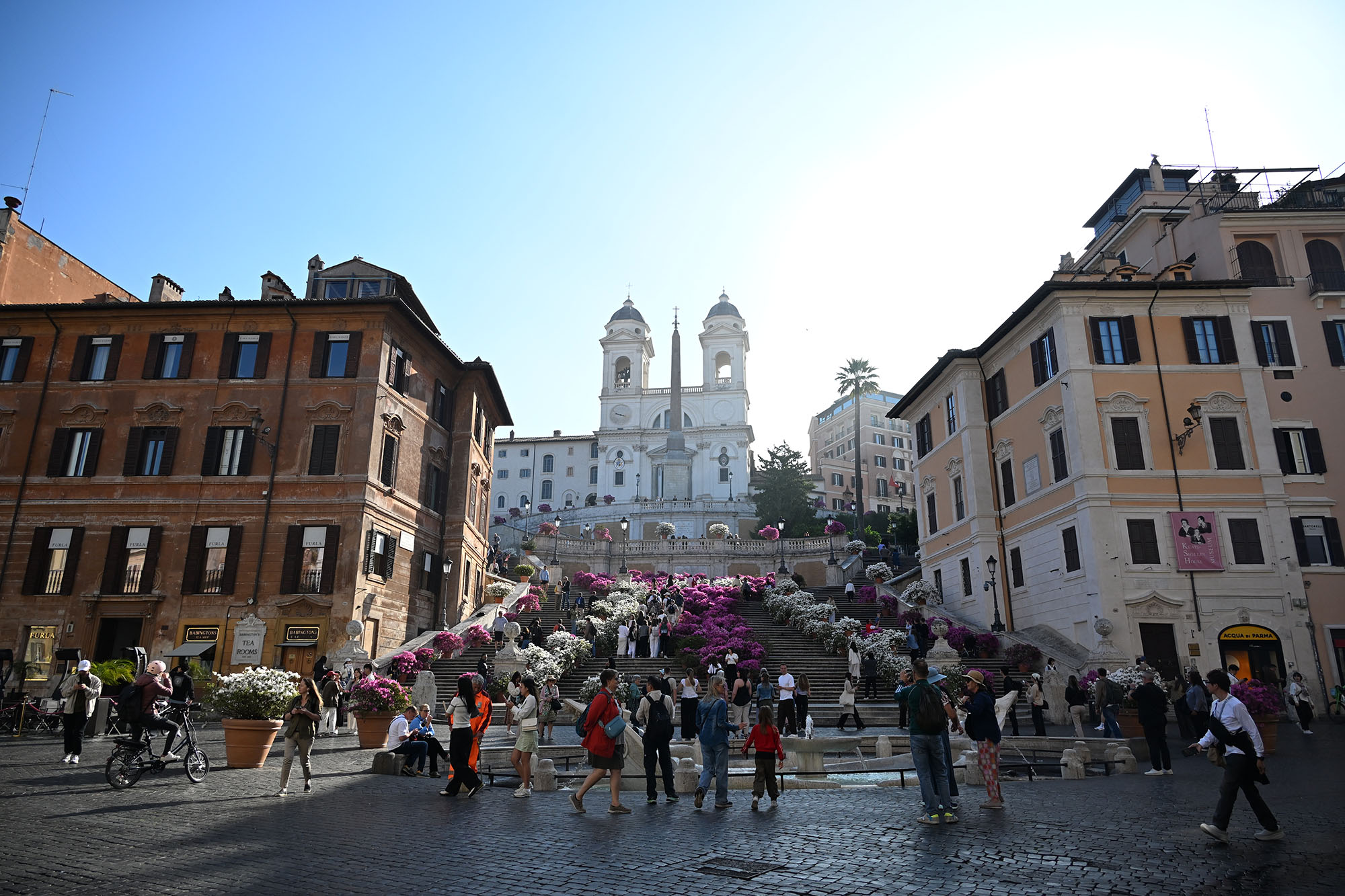
I have an abstract understanding of why one would visit such an aunt, and, in extension, why people visit Rome. But I keep wondering: should I be in Rome? Is there anything meaningful in my adding plus one to this frenzied throng streaming towards the Spanish Steps? (Contrary to rumours, no fee is being charged, at least not in the morning hours when we visited. People are however politely asked not to block traffic by taking hundreds of selfies. Not everyone complies.) I have seen the mandatory monuments before, and I am not really a museum person, either. Quite the contrary: the endless corridors of the Musei Vaticani felt like a prologue to purgatory. If there’s a form of Italian tedium in which I’d agree to spend the better part of an eternity, give me an ever-repeating Cagliari-Reggiana 0-0 on a balmy Sunday afternoon. Even on a rainy afternoon, just not yet another room of paraphernalia collected by various Popes. Rome is wasted on me, like diamonds thrown at pigs. I was born in the year of the water pig and I’ve accepted that.
But I did go to Rome, mainly because connections to Budapest are frequent and convenient and I hoped there would be good weather in mid-spring. And there was good weather, and the connections worked perfectly. Ryanair flies to Ciampino, which is the smaller airport serving Rome. While some of Ryanair’s airport choices are rather outlandish (thinking of you, Paris Beauvais), Ciampino is marginally closer to the centre than Fiumicino, and, on a good day, delays will be minimal, as it is mainly a Ryanair hub serving private, military and official flights in parallel. Bus connections to the Termini train station are synchronised to arrivals, so we had no trouble finding one as soon as we extricated ourselves from the unfussy arrival area. Returning to Ciampino can be a bit more challenging, as there is a schedule of departures from Termini, but it is tentative at best. The mechanism at work is that as soon as one bus is quite full, it will leave for the airport and then all next departures will become somewhat adjusted to this change, leaving either earlier or later, depending on chance, and the bus will crawl along what used to be the Appian Way, which is quite exciting, but traffic can be heavy at times. This being said, if you give yourself enough of a buffer, you should be fine, as the security lines aren’t very long and all gates are clustered in the same area. On the upside, and this is perhaps one of the most useful bits of information I can provide, the duty-free area is solidly stocked.
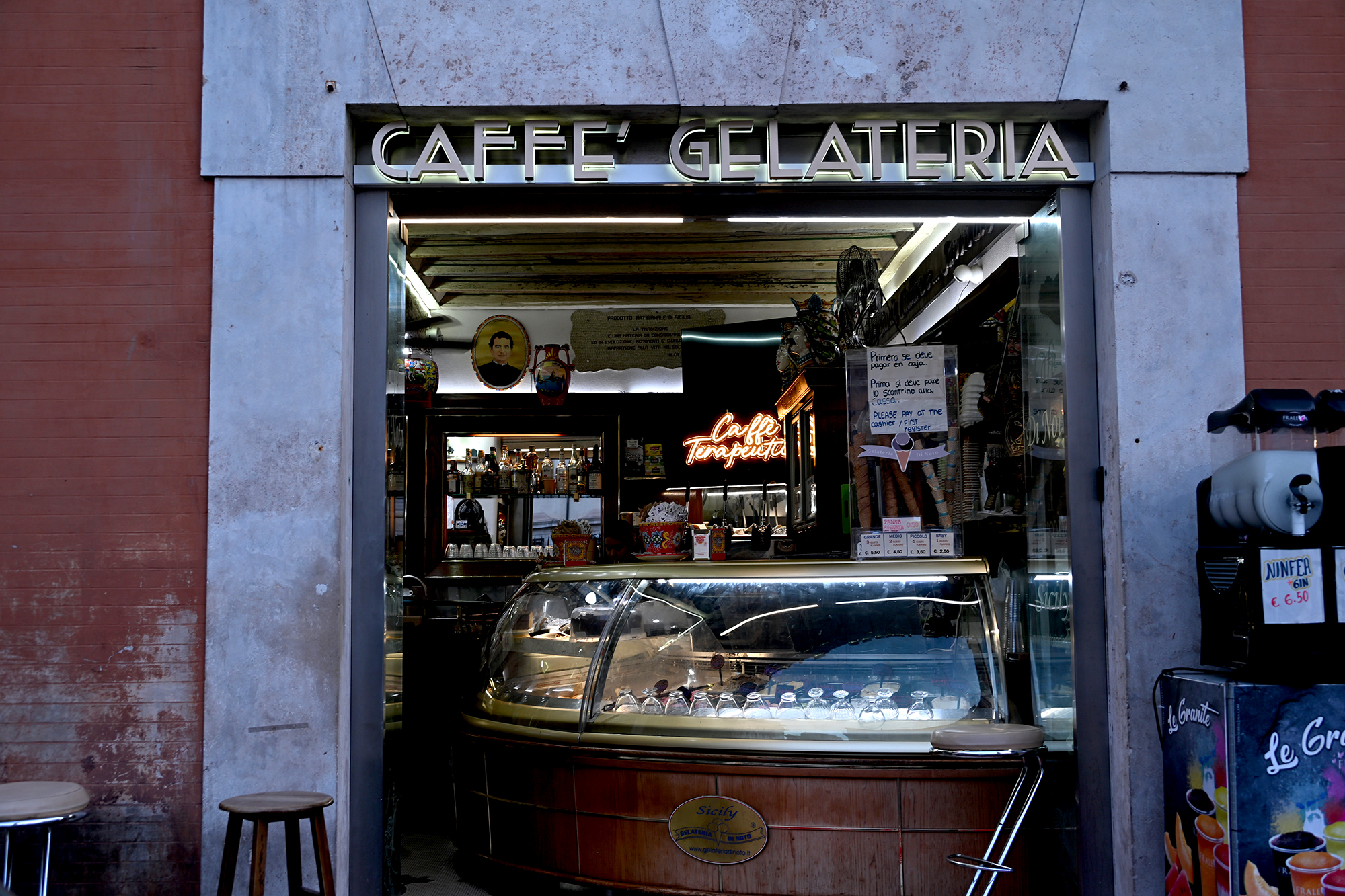
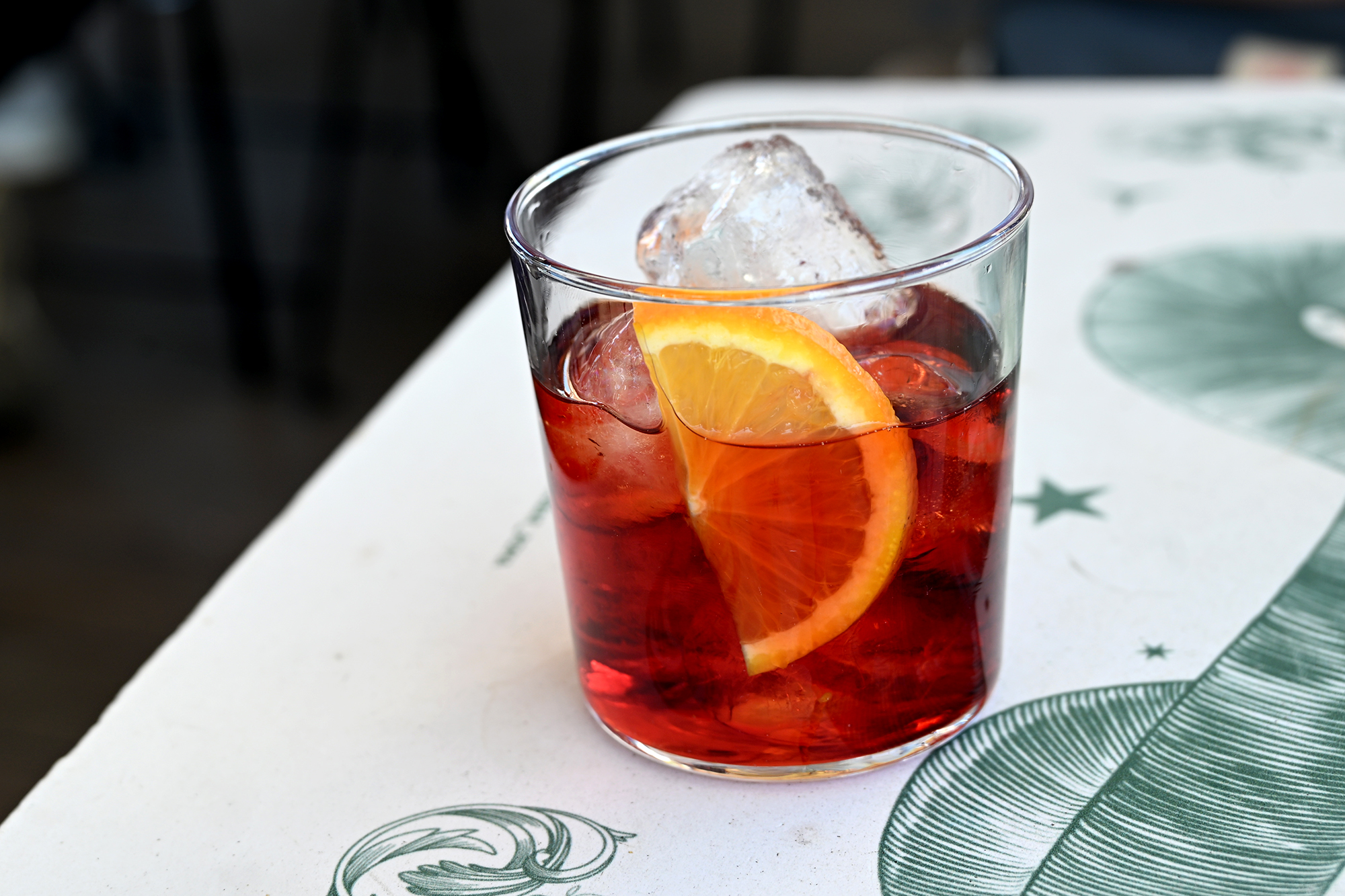
What DID we do in Rome then? Walk around, mostly. Sit around, perhaps in the comforting company of a Negroni. Taste various amari. Have espressos in little bars. Become horrified when we bumped into some very famous place. Like that square where everyone was packed around something, and I sent the blog’s industrious photographer to investigate, and he came back to inform me it’s the Trevi Fountain. Eat a lot of pasta. Here’s my hot take: I think pizza abroad can be top notch, but pasta will never taste quite the same. The most basic little osteria will have a carbonara that beats anything you can find outside Italy, even in the most exclusive restaurants, and for a fraction of the price. In the square that hosts the prime minister’s office and Marcus Aurelius’s column I exclaimed, overcome with joy at the sight: look, a Uniqlo store! Their recent catalogue is now proudly displayed on my coffee table, alongside an illustrated edition of Marcus Aurelius’s ‘Meditations’. I believe he may have frowned at the association.
So, here’s a summary of places we visited and liked, which even more conscientious explorers of the eternal city might shoehorn in between all the churches, palaces and museums we haven’t been to. Fiaschetteria Marini is a perfect spot for lunch, with delicious carbonara and a homemade amaro that the blog’s industrious photographer very much regrets not buying for takeaway, as we foolishly decided against checked-in luggage. It is quite popular with locals, so it might get rather packed around lunch, which peaks around 1 PM on a weekday.
Which brings me to another top tip: we’ve been trying to stick to an intermittent fasting schedule (very elder millennial of us indeed), and an 11 AM to 7 PM eating window is perfect in Italy if you want to avoid crowds. While not all restaurants open at 11, those that do will usually have free tables available before noon. Most people prefer later hours in the evening, so 6 PM is also perfect to land a table even in busier restaurants (same caveat: some places will only open at 7 PM anyway). It was at 6 PM that we gained entrance into Taverna Bacchus, which fits the description of my favourite kind of restaurant: checkered tablecloths, staff that seem to run the place since the beginning of time, idiosyncratic music and décor. Here we tried the polpette- which are meatballs but always give me a lost in translation feeling, as the name is very close to the Romanian ‘pulpe’, which denotes the thigh meat, most frequently that of a chicken. The polpette were nevertheless delicious, and we were also delighted to have soldiered through an Italian dinner with a primo made of a pasta and then a secondo, the polpette. We skipped dessert and had the amaro instead- another revolutionary outcome of this Rome outing is that we managed to shed the Balkan instinct of having the shot right away, and postponed the amaro till the end, when it could fulfill its digestive role.
Another thing that irks me on trips is having to book anything ahead. The whole point of being on holiday is that you don’t have to fit into strict schedules, and having even one fixed time slot, especially in the evening, will put my entire day under the tyranny of that one engagement. Many popular Roman spots have such calendars- restaurants that should be booked months ahead and don’t take walk ins. Normally I would have eschewed them all, but the blog’s industrious co-photographer is a bit of a steak fiend, so we did end up booking Ornelli Black Angus Steakhouse– a rather baroque affair, as they require bank card details and insist on conducting the procedure over WhatsApp. It was, however, very much worth it. The service is excellent, and we got to taste Wagyu beef for a very reasonable price, accompanied by some delicious Cesanese wine. If this were to shock any wine snobs who believe the two are not a good match, the water pig in me cannot be bothered. I just love to try local wines wherever I go, and pair them with whatever I feel like eating.
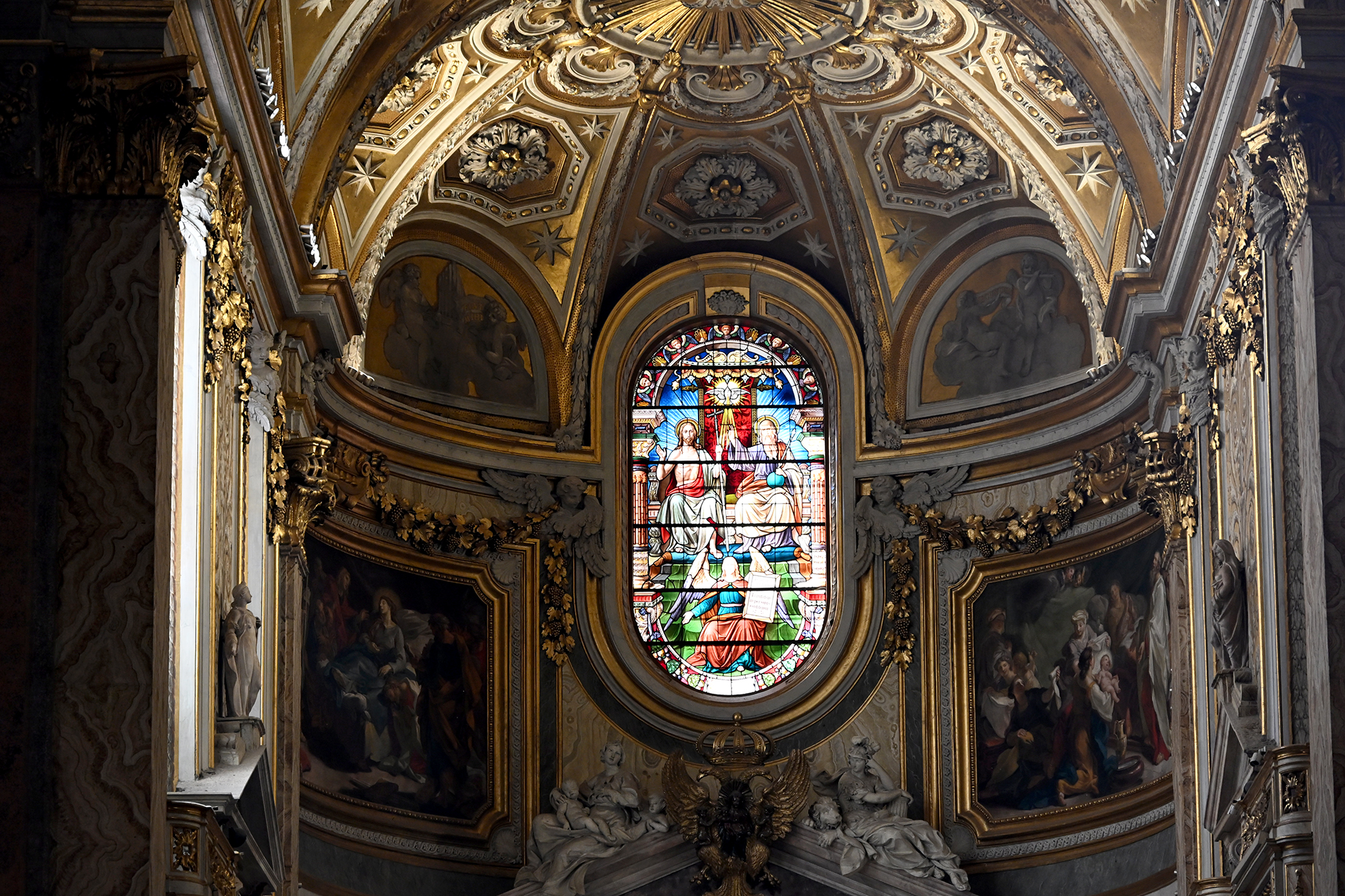
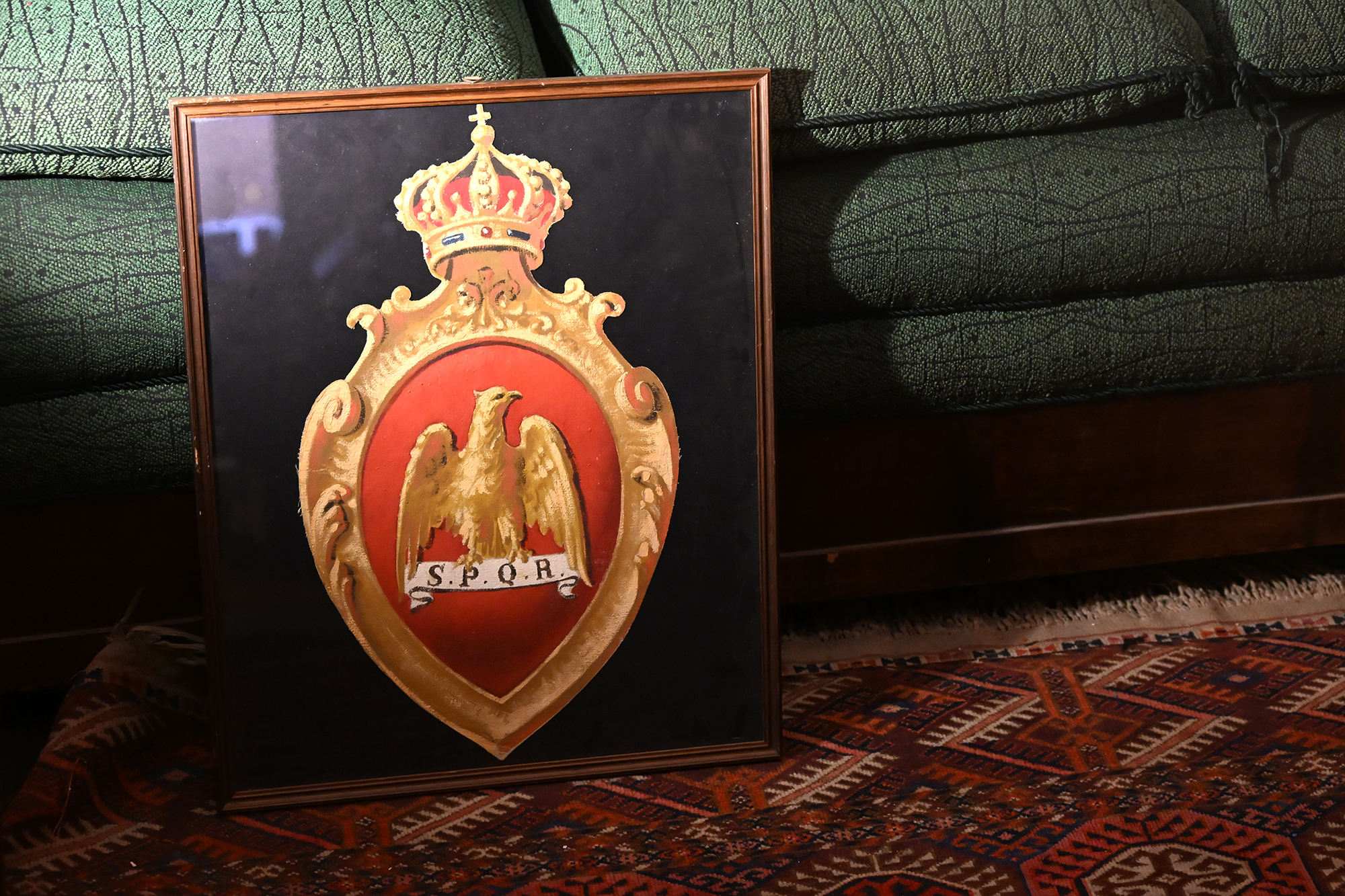
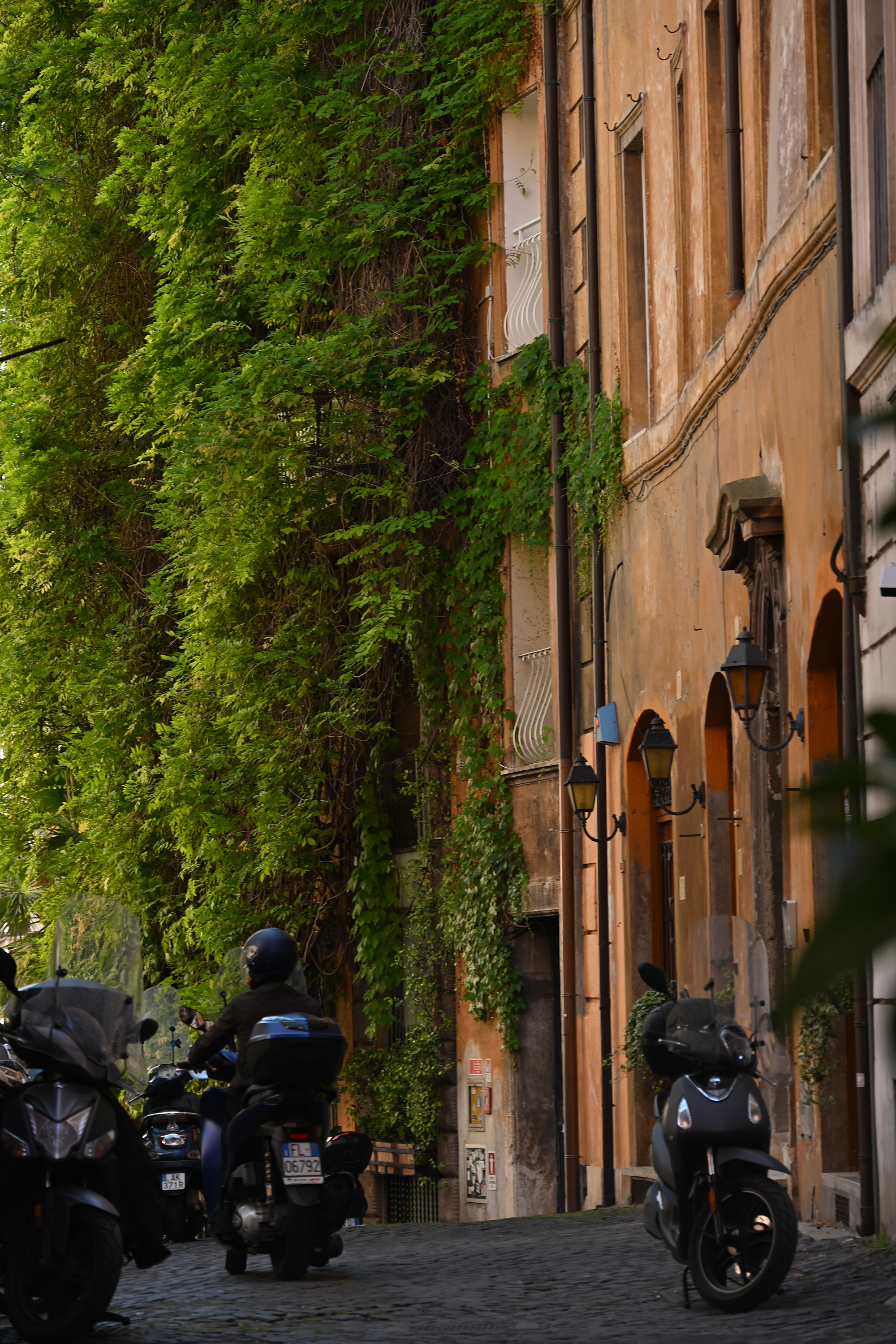
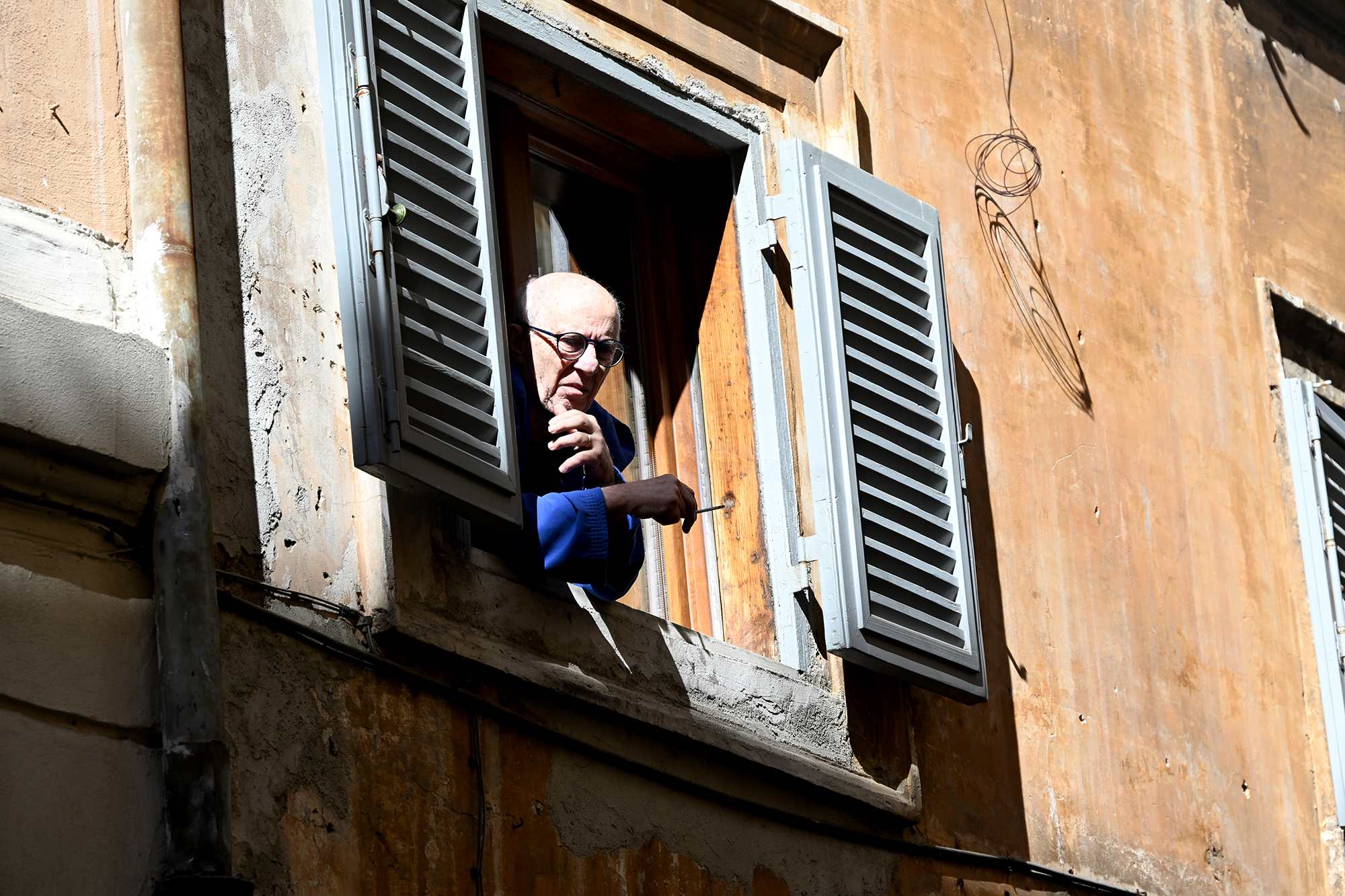
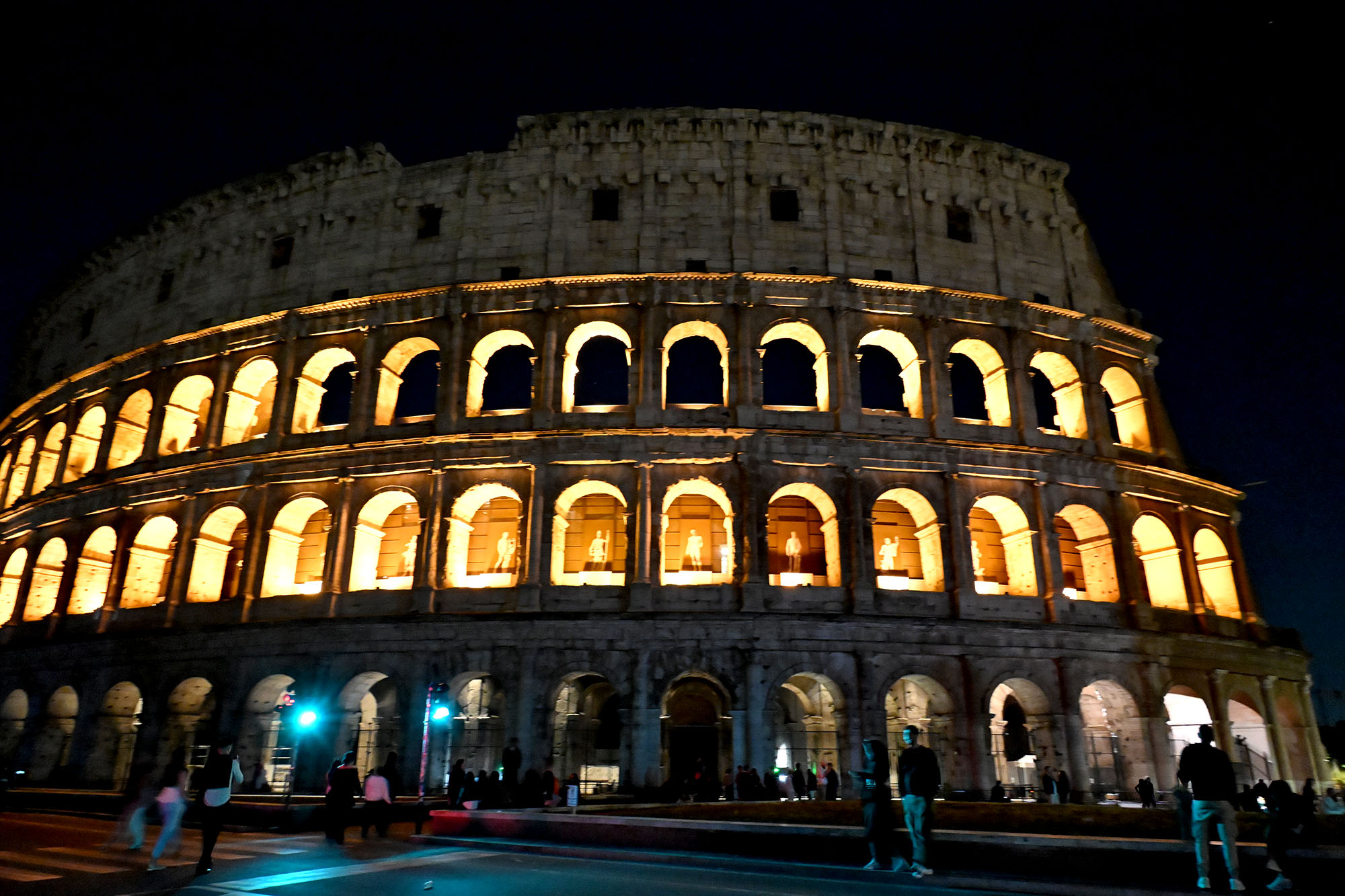
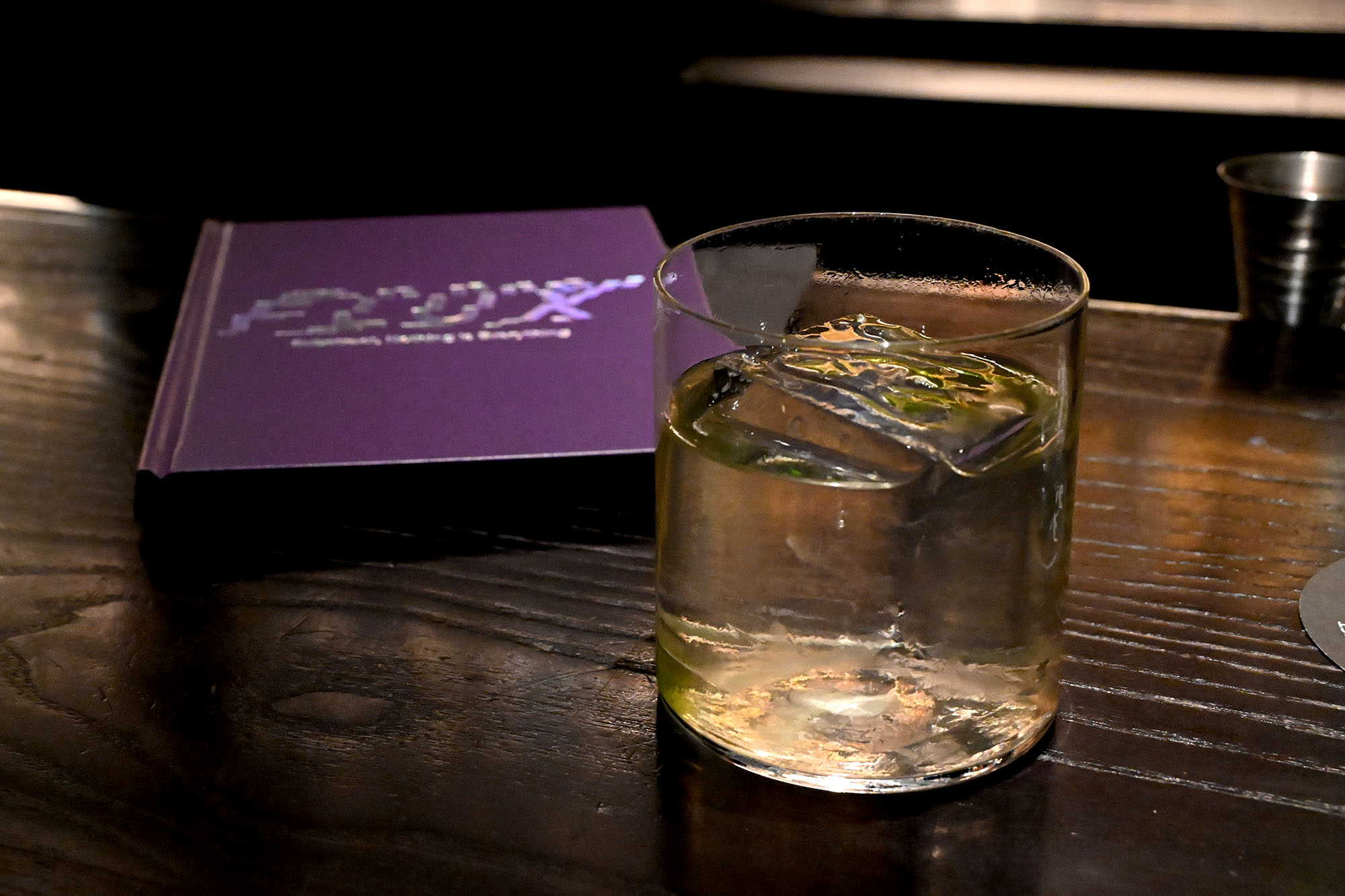
Late one night we did catch a glimpse of the Colosseum, and I will admit that it is quite breathtaking under the starry sky and the waxing moon, though I was not overly impressed by one gentleman’s endeavour to propose to his girlfriend right then and there- she apparently said yes and applause ensued, but I cannot help but feel that such public stunts might pressure someone into saying yes even if they didn’t mean it. We then fought our way over the Oppian hill, along Nero’s Domus Aurea, to go to a cocktail bar. I do realise that the kind of people who constantly think about the Roman Empire would find such details tantalisingly delightful, but I realised that I am the kind of person who constantly thinks about Ancient Greece, and we are not the same. Nevertheless, Drink Kong is a brilliant establishment, rightfully featured on the most recent Top 50 bars of the world list. They favour intriguing taste combinations over strength in alcohol, enabling headache free morning afters, and further to the drinks included in the menu, they will be more than happy to whip up specials for the discerning guest.
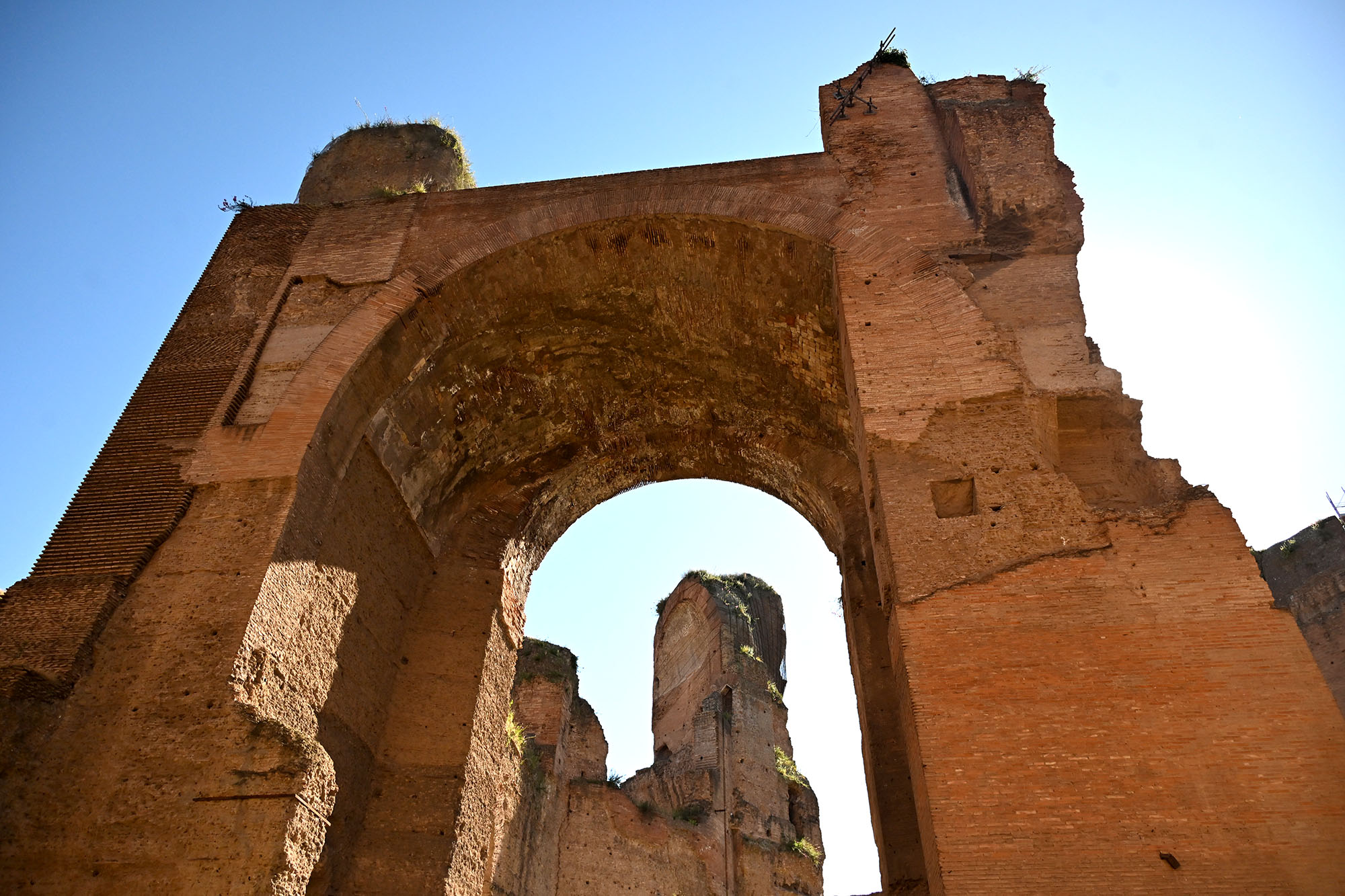
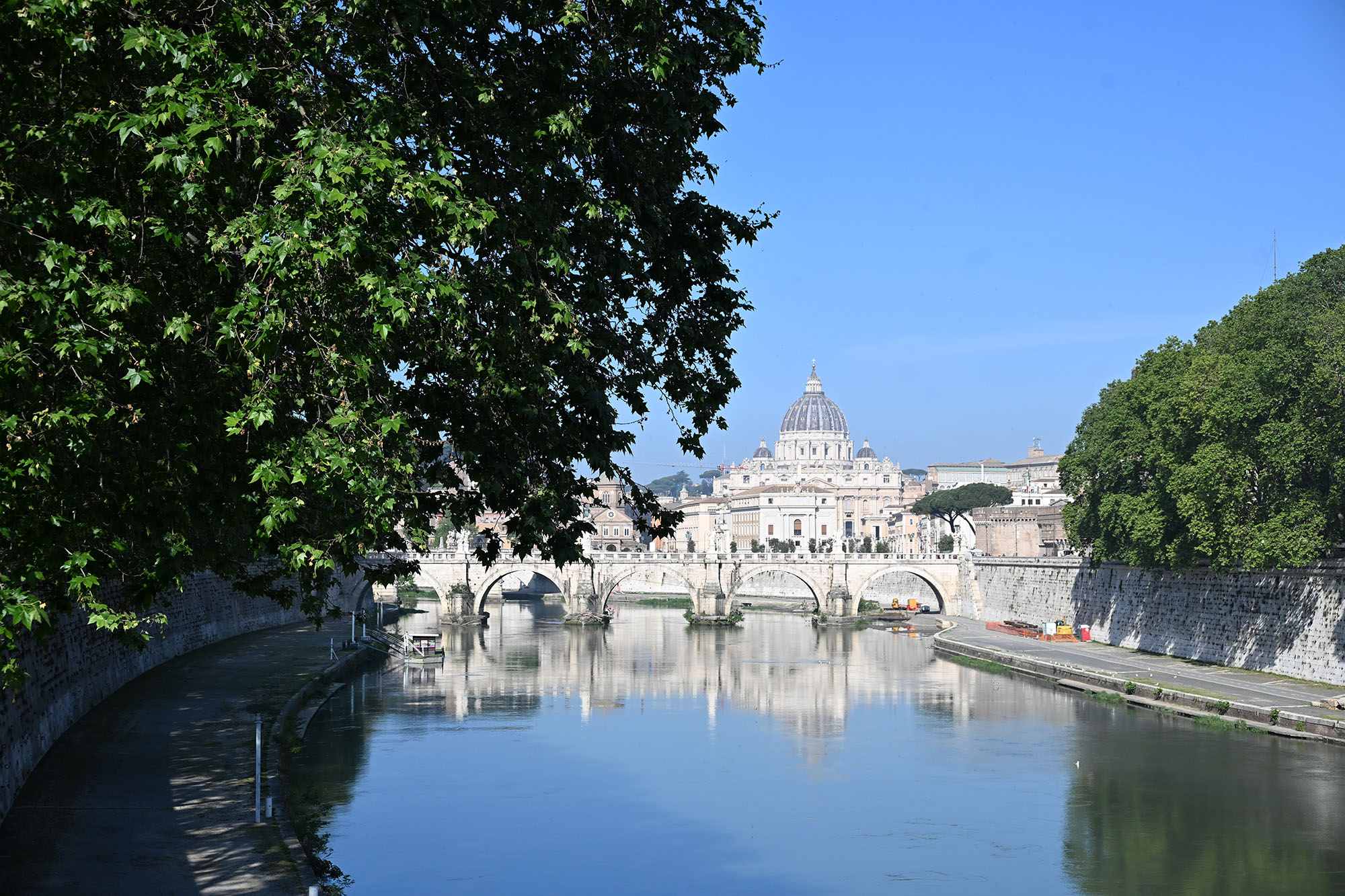
There’s no trip without books for me, so the Bibliobar felt like a perfect spot: close to the Castel San Angelo, by the river, it combines a small library with casual drinks and cocktails. Previously, we’d paid a visit to the Antica Libreria Cascianelli, which is more of a cabinet of curiosities than a bookstore, and is therefore most suited for Americans still iterating the elusive Grand Tour and looking for a fancy stuffed pheasant and a 19th century engraving for their sunroom. Which brings me to the naked truth that there’s no beating behemoths like Feltrinelli and Libraccio when it comes to finding the most obscure titles on your shopping list. A more conscientious buyer would have likely ordered ahead, with pickup in the bookstore, but in the end, I resorted to ordering some books to Budapest, which is still a great deal, as postage costs seven euros. The Feltrinelli I haunted was the one by the Baths of Diocletian- which we failed to visit, but in our one concession to touristy things, we did go to the Baths of Caracalla, to which we gained free entry on account of it being a national holiday. We’d picked up some beers along the way, which were only moderately frowned upon by the staff ushering us into the Baths, at what seemed to be festival involving running and biking, sports which, alongside tennis, have skyrocketed in popularity since Italy has dismally discovered, for a third time, that they suck at men’s football. The book that accompanied my trip, Giovanni Arpino’s exquisite ‘Azzurro Tenebra’, tells the debacle of a talented but aging Italian team at the 1974 World Cup, in Germany, where we discover that to an Italian soul, the only thing worse than a footballing defeat is German food. Fast forward half a century and bumbling in the group stages feels positively aspirational. It must be mentioned that most football novels (and films) are often quite terrible, so Arpino’s book is a small miracle of the genre, being thoroughly enjoyable as literature and not simply sporting trivia.
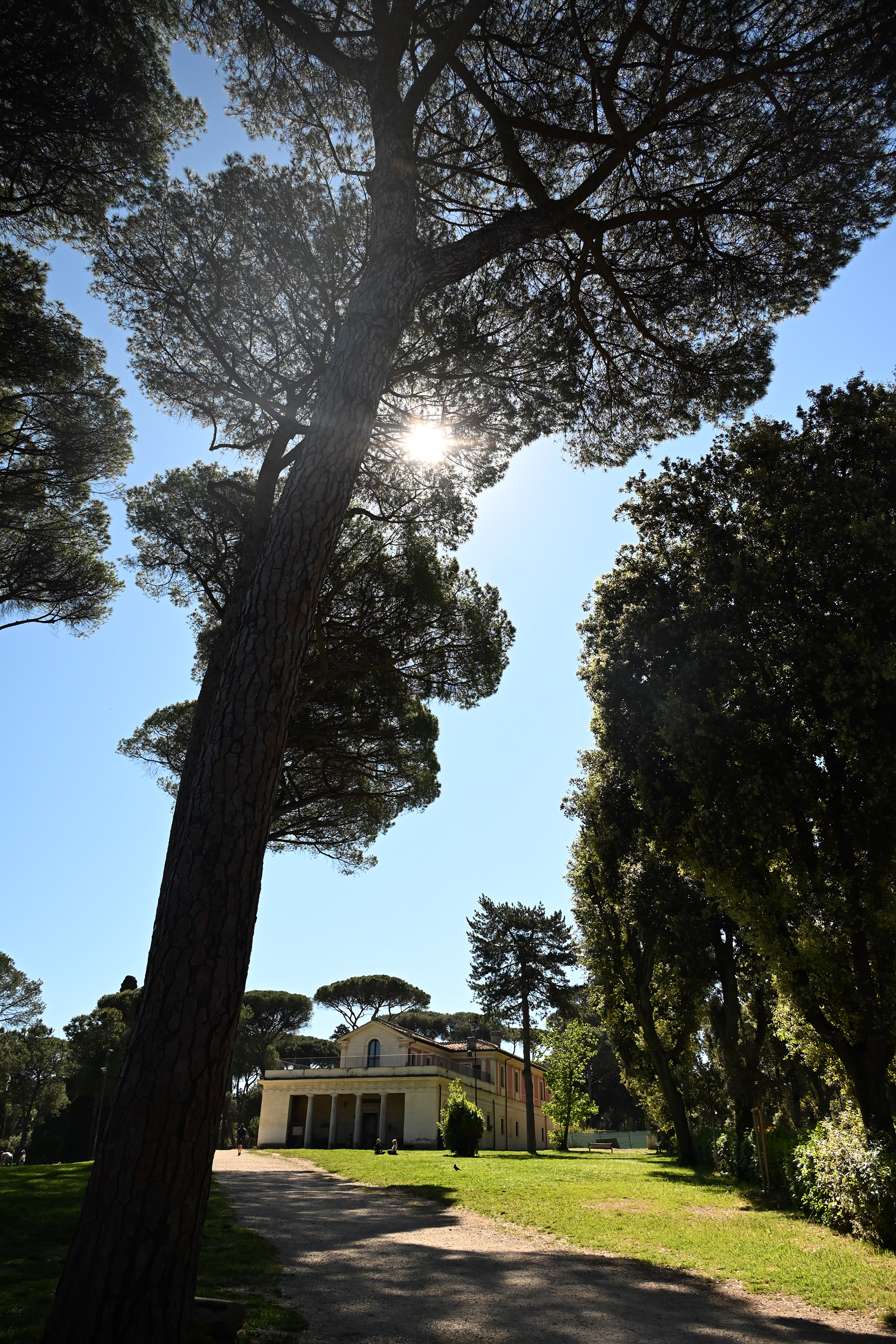
Speaking of fearsome things: beware the runners in the Borghese gardens. They come in compact groups wearing neon pink bibs and are harangued into performance by an irate man with a loudspeaker. Thankfully, we managed to escape their menacing presence by exploring the somewhat disappointing secret gardens, and we then crossed paths with an inquisitive squirrel that kindly waited until I achieved the desired camera settings. On our way to the gardens, we made a breakfast pit stop in Mammarella , advertising itseld as ‘popolare ma chic’, a promise it does live up to, with a crowd made up of a mixture of tourists lusting for avocado toast and local grandpas shotting their espessos at the counter. ‘Popolare’ is another term that can be a little lost in translation- an establishment described as such is not necessarily a popular place (though they often are), but rather a place defined by its more working class attendance. It was such places that we ended up enyoing the most. In the aunt analogy, it’s escaping to the kitchen for a chat with the staff, which can prove much more enlightening than stiff dining room conversations. In the end, Rome is big enough to have place for us all. (Not just figuratively, as it is the largest capital by area in the European Union, and third behind Moscow and London in the whole of Europe.)