You go to Greece for the sunlight, you take it for granted, not just any light, any sunlight, but Greek light, Greek sunlight, the one which is purest, strongest, and immutable. There is an expression in French, probably invented for the Mediterranean weather of the French riviera, but I only ever associated it with Greek summers: beau fixe. Fixed beauty. Summer which is unassailed. That cannot be tarnished. The skies are always blue. Deep blue, so deep and so blue it would have been hard to imagine such a blue if it didn’t already exist. The sun is always glorious and golden, spilling out of the heavens from morning to night. But a thought had been creeping at the back of my mind for some time now, call it an intrusion of the real world into a daydream: the simple, undeniable fact that storms exist. That the more often I traveled to Greece, the greater the statistical probability that I would walk into one of these storms.
We hadn’t planned to go to Hydra again this year, as we’d already been there in April. New islands awaited, or so we thought, until the unavailability of direct connections to the island we’d singled out made us reconsider. We should have had a plan B, but possibly, at the back of my mind, that plan B had always been Hydra. Or maybe, it was even plan A, before I’d known about it. The very first, adventurous, pandemic time we visited was partly facilitated by how easy it had been to reach Hydra from Budapest, because come what may, there will always be an Athens flight to hop on. I’ve increasingly grown to like the Athens part too, the fact that before our island stay, I can spend some days in that beautiful, hot mess. It’s like a necessary framework that makes Hydra stand out more, its silence, its unrushed ways, the fresh, fragrant smell of its mountain herbs enhanced by coming so suddenly after a teeming, buzzing, fume laden metropolis.
Not in my plan A, B or Z either, was storm Daniel. When I thought about the possibility of a storm, I was thinking about the tamer, friendly kind of storm, the one that breaks the heat and gives you some respite, lets you lounge inside for a few hours, before you reemerge, refreshed into the cool air still bearing the scent of rain. Watching TV in my hotel room in Athens I’d noticed the insistence of reporting about the κακοκαιρία, the bad weather that would soon envelop Greece, but I was more fascinated by what seemed to be a local TV series, in which the villain scared a kissing couple by breathing on their window. I was still blissfully unaware of just what lay in store when we boarded the Flying Cat. Sure, the skies in Athens had darkened, but it wasn’t apocalyptic, the air was warm, if humid, and I ate my tyropita and downed my black coffee without a worry in the world as the boat set off. The sea remained mostly calm until we reached Poros. I think we did, because the lady let us know in a firm voice that we would dock at Poros with immediate departure, and by now I also have an inner chonometre for the boat ride to Hydra. But I didn’t see Poros. All I could see was a big mass of grayness, rather milkier than menacing at first, then growing gradually thicker and darker as we got closer to Hydra. I spared a thought for those whose first arrival on Hydra this would be. Hopefully they will have liked it enough to return, for the sight of the port on a sunny day is unmatched. But I had seen it before, so any regrets were pushed to the back of my mind. I felt smugly prepared for our current circumstances with my foldable raincoat. This might lead you to believe I am a person who is prepared for anything, bad weather included, but, in fact, the raincoat had been gifted to me at some company junket, where they were dispensing trinkets with corporate branding, and I had remembered, while packing, that some rain was forecast for the first days of our trip.
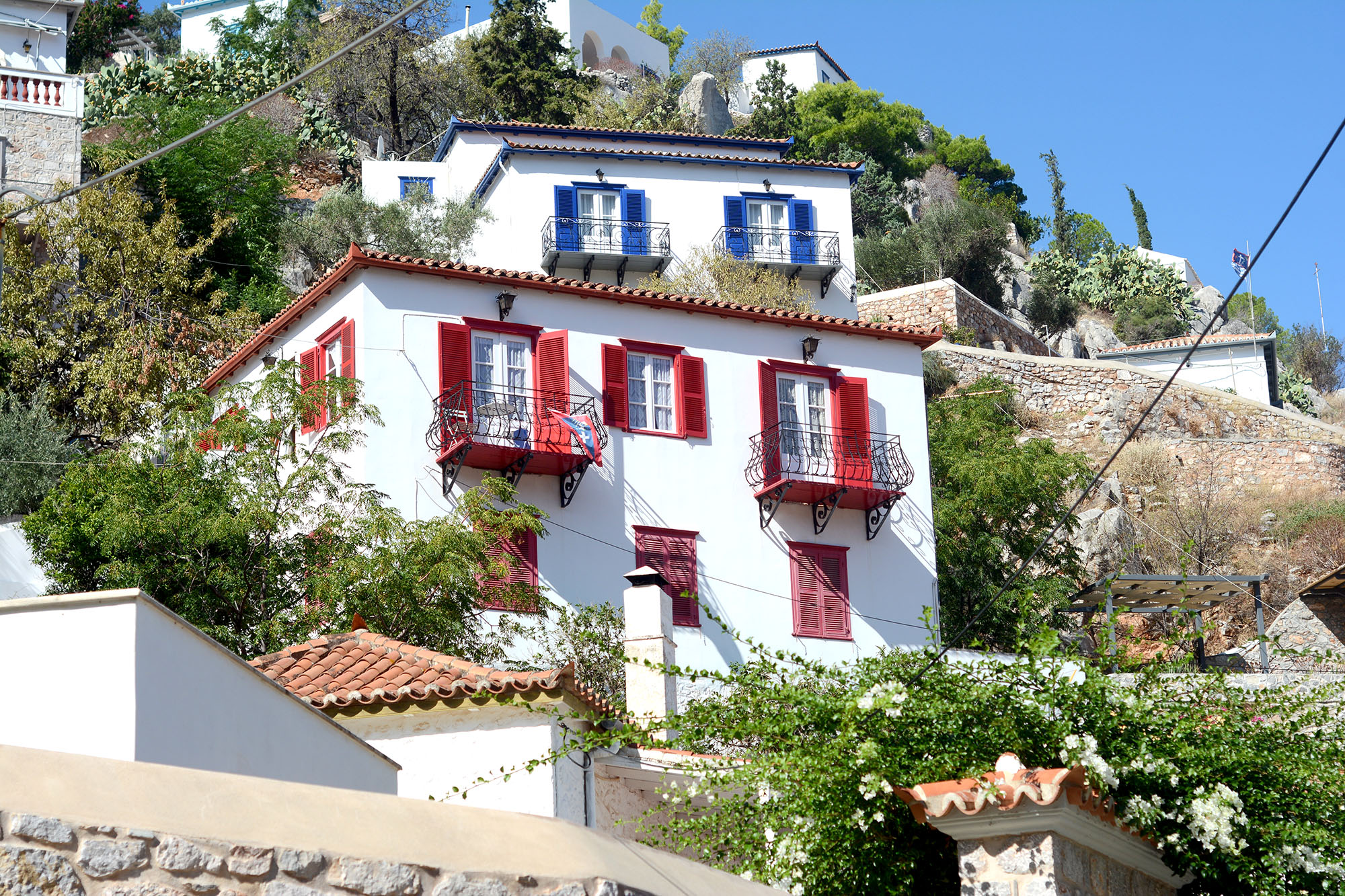
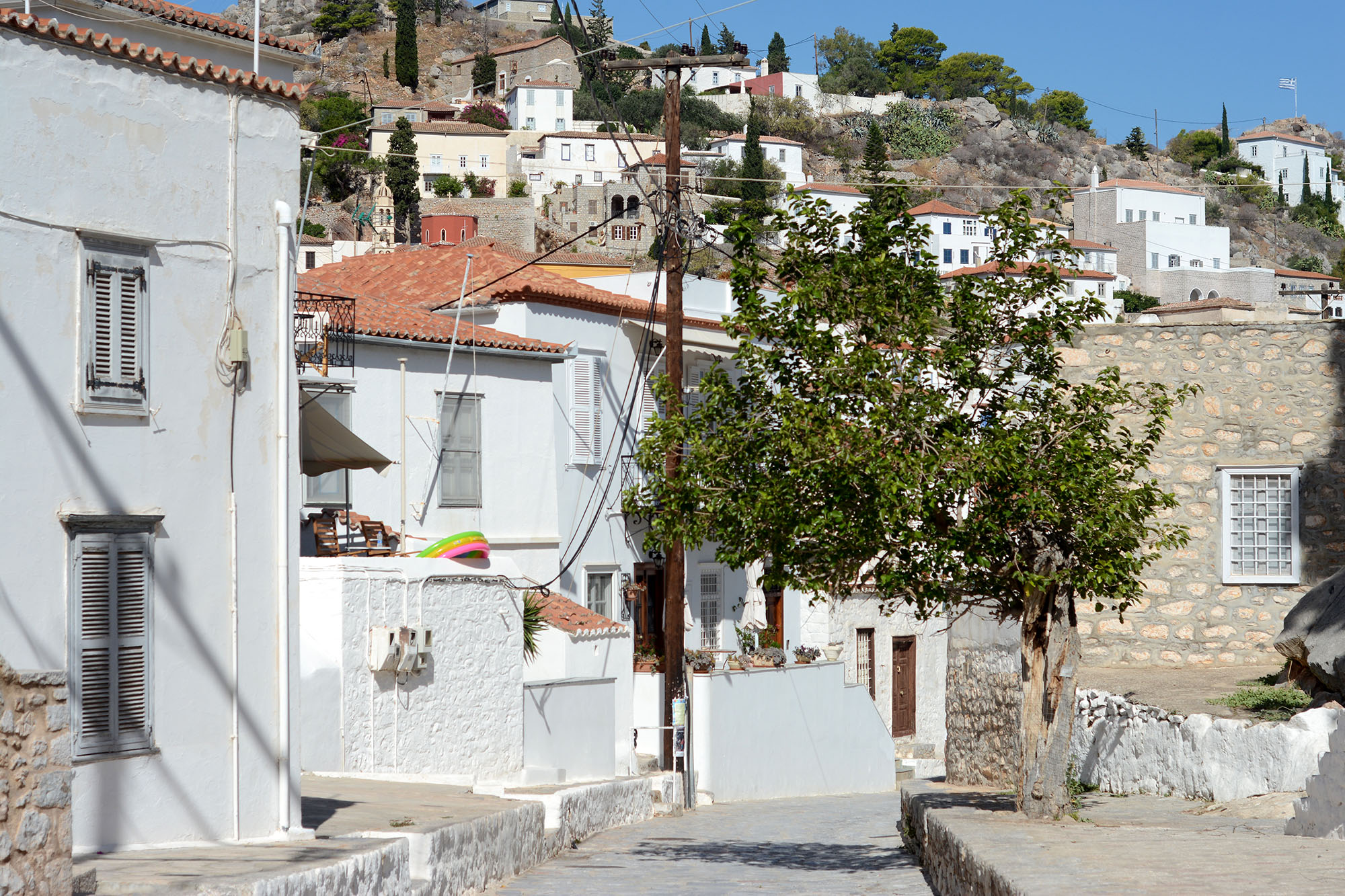
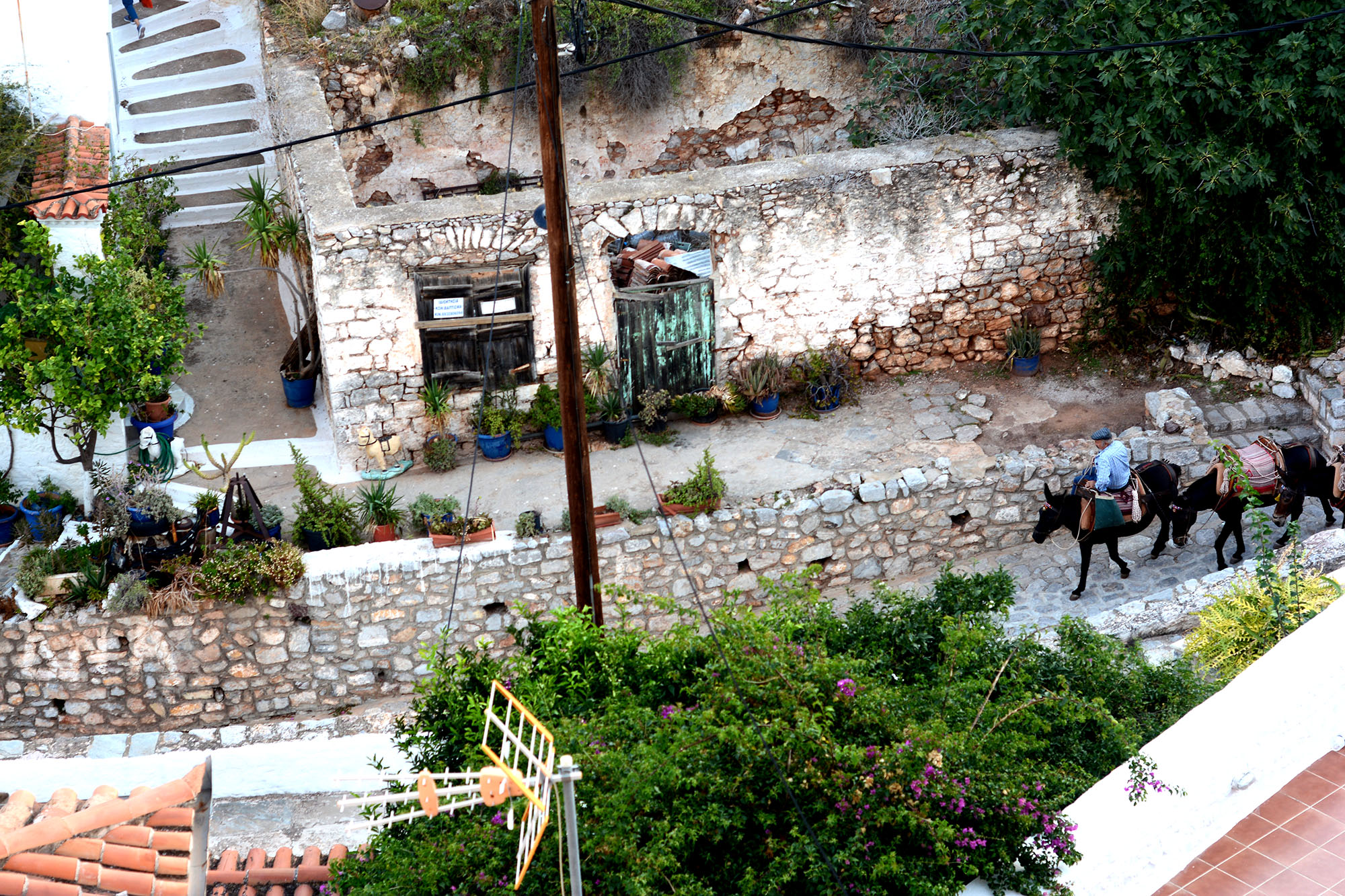
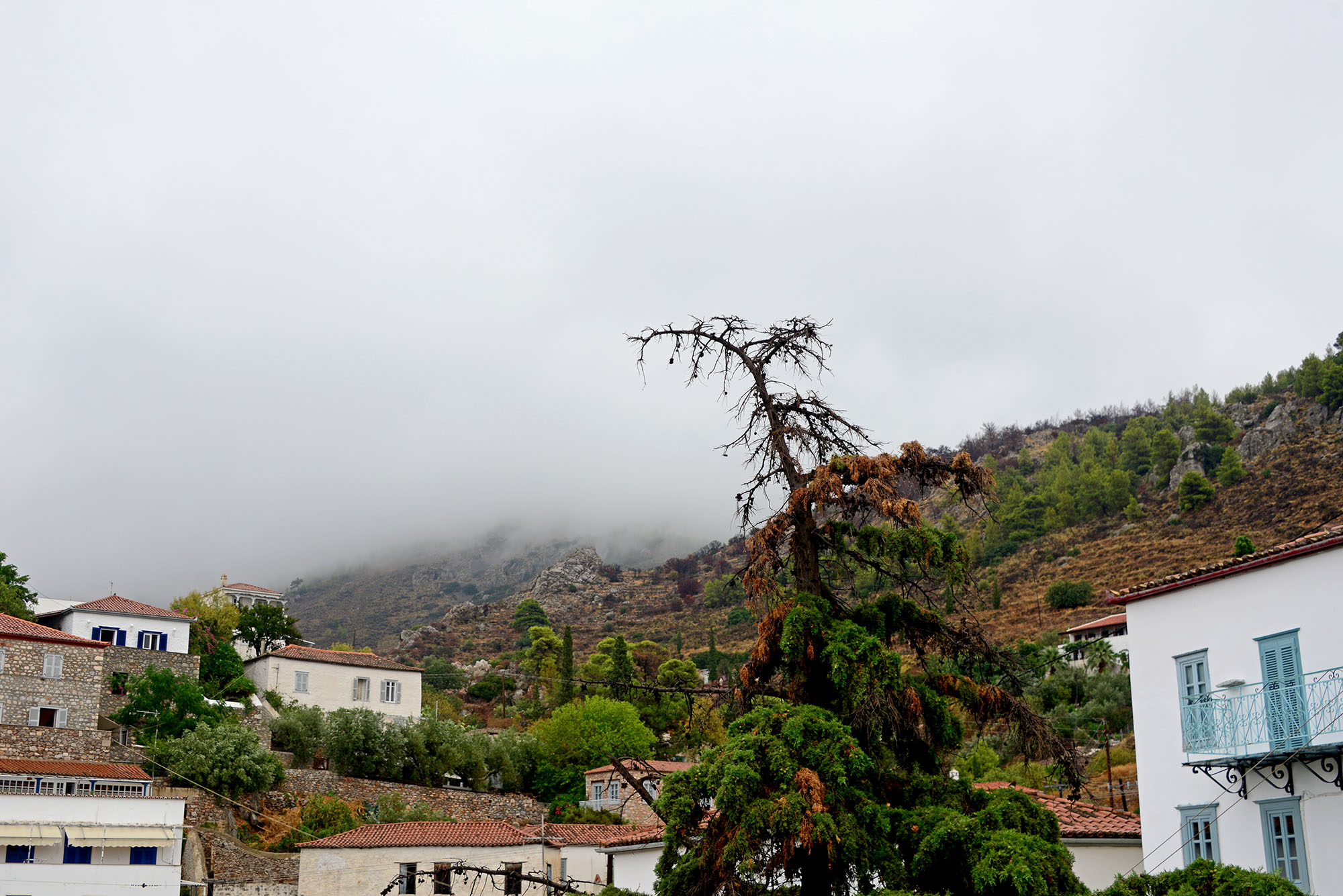
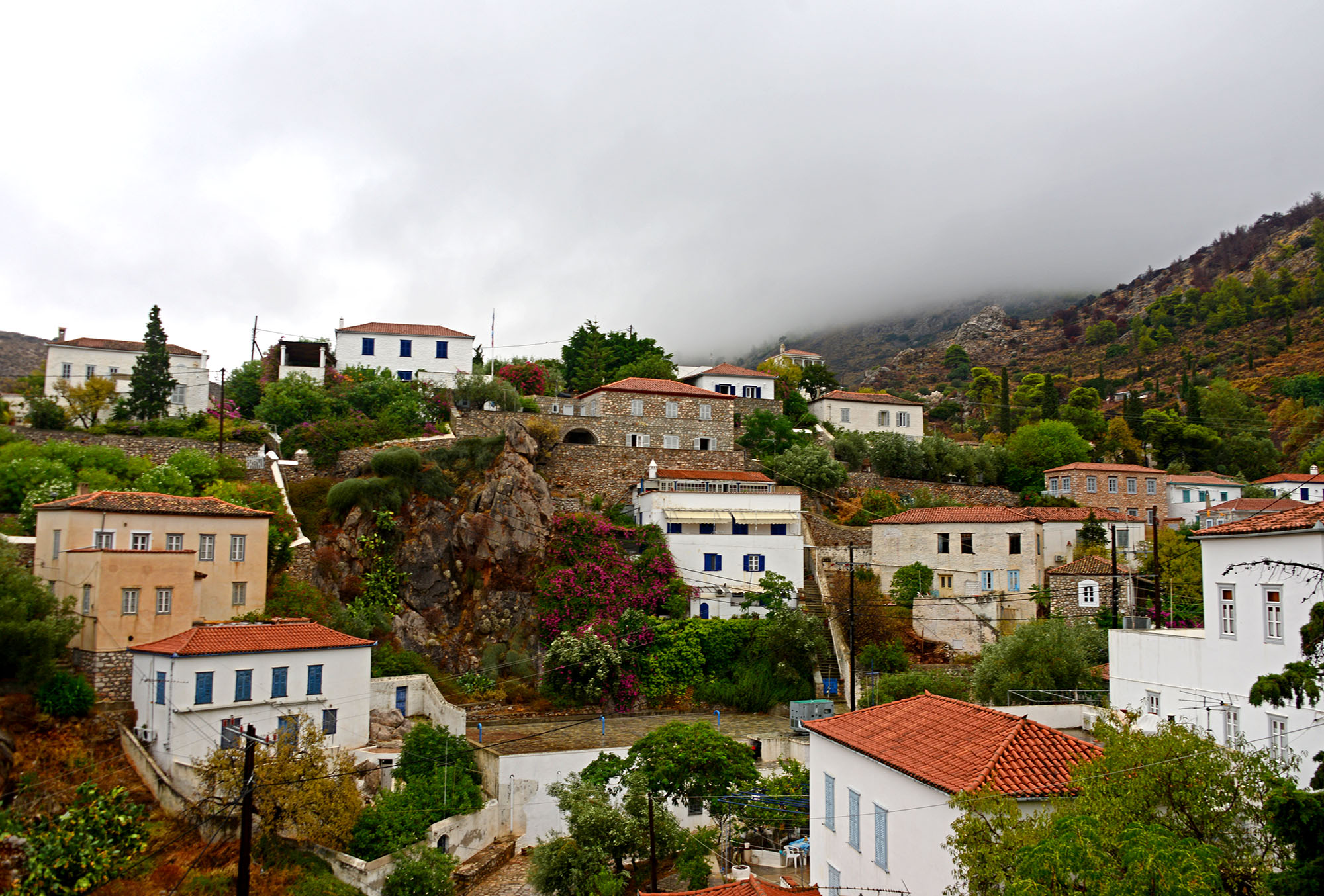
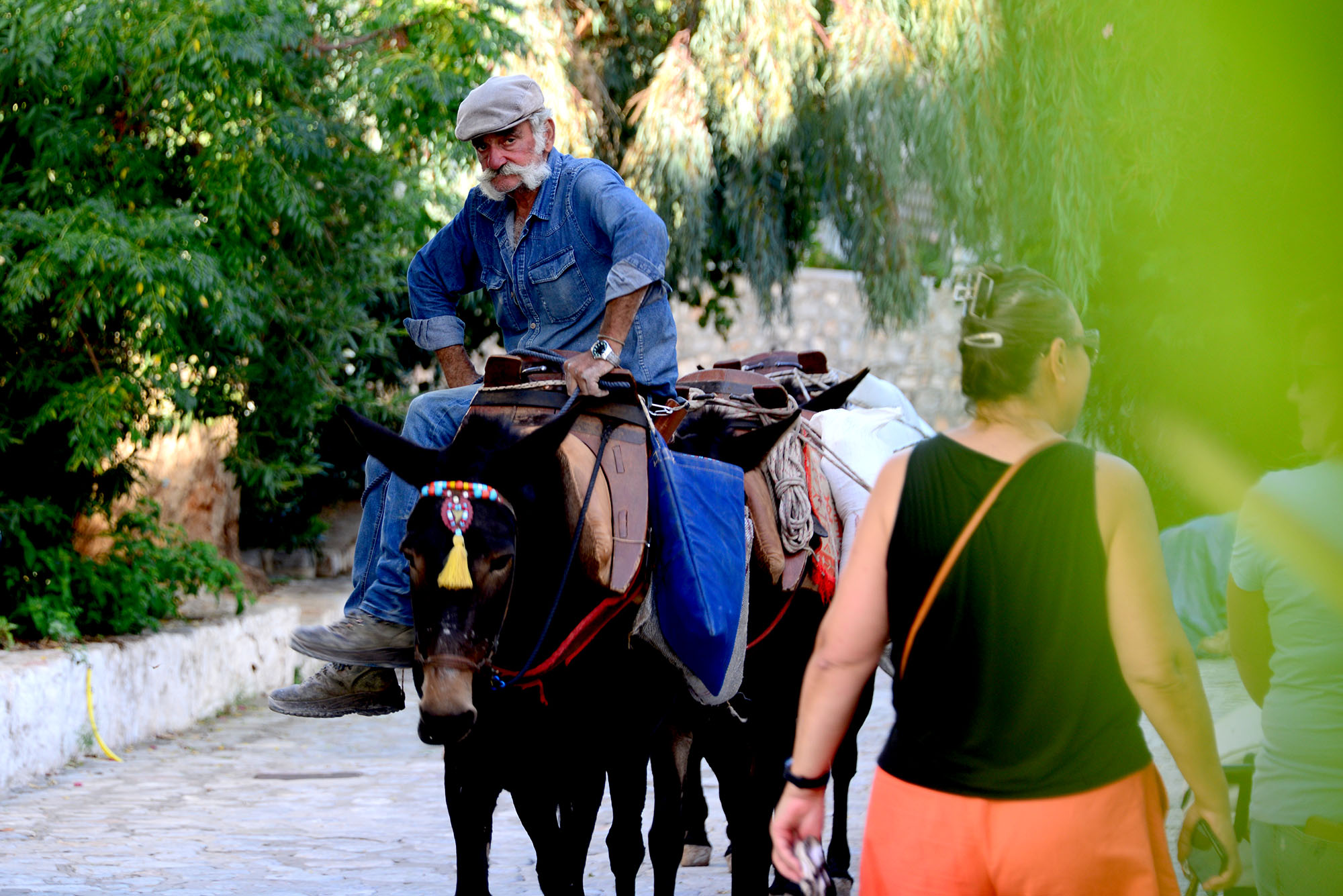
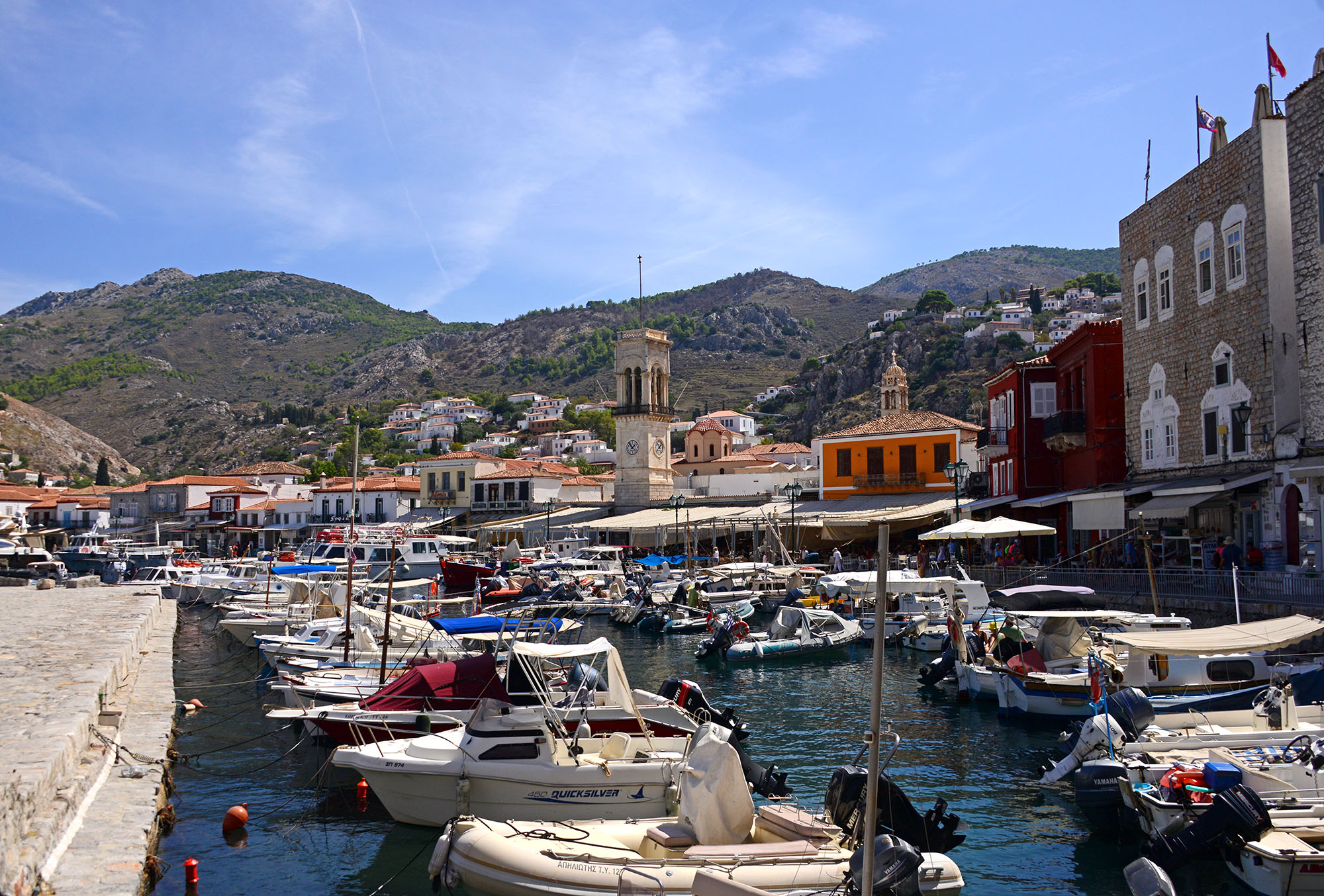
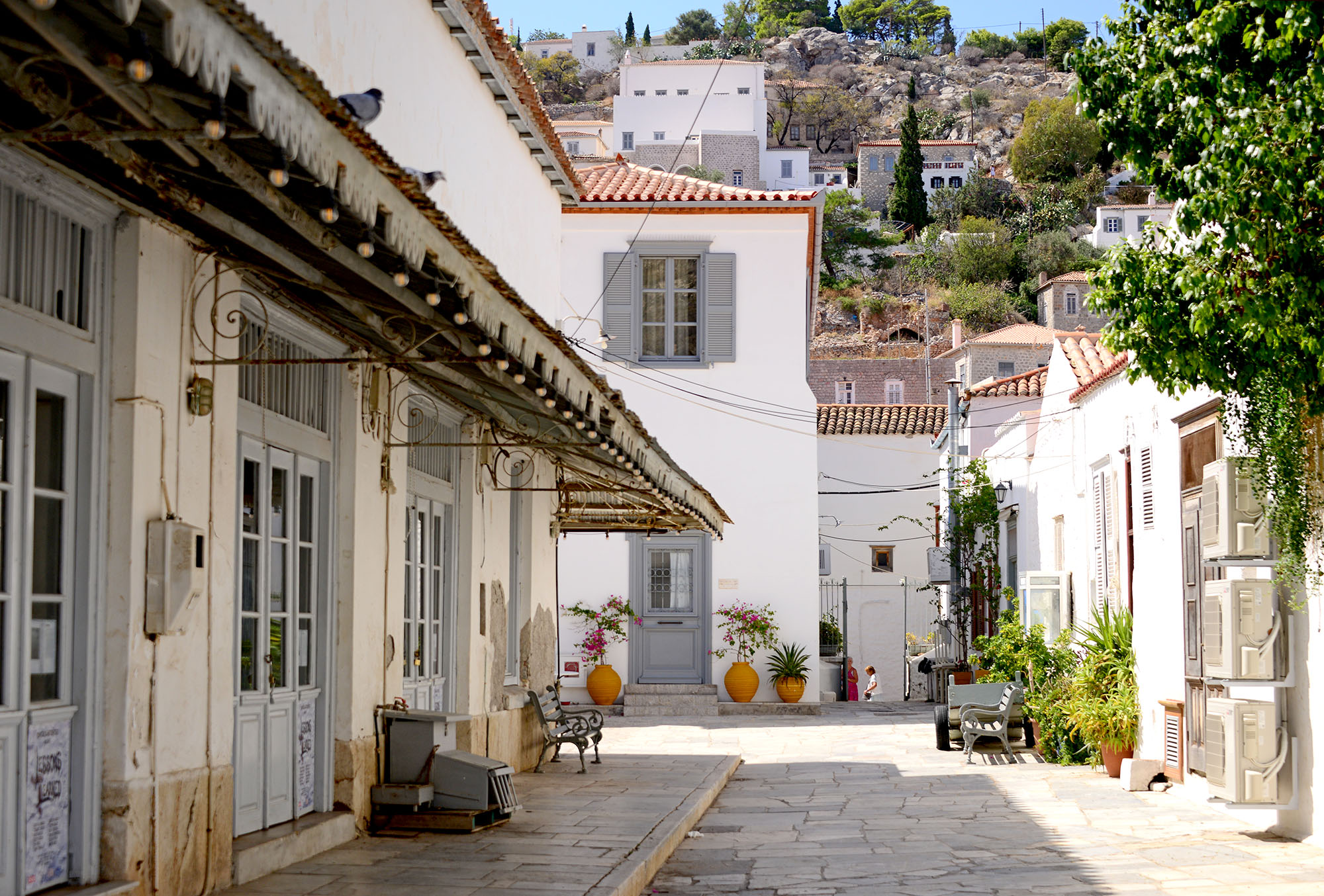
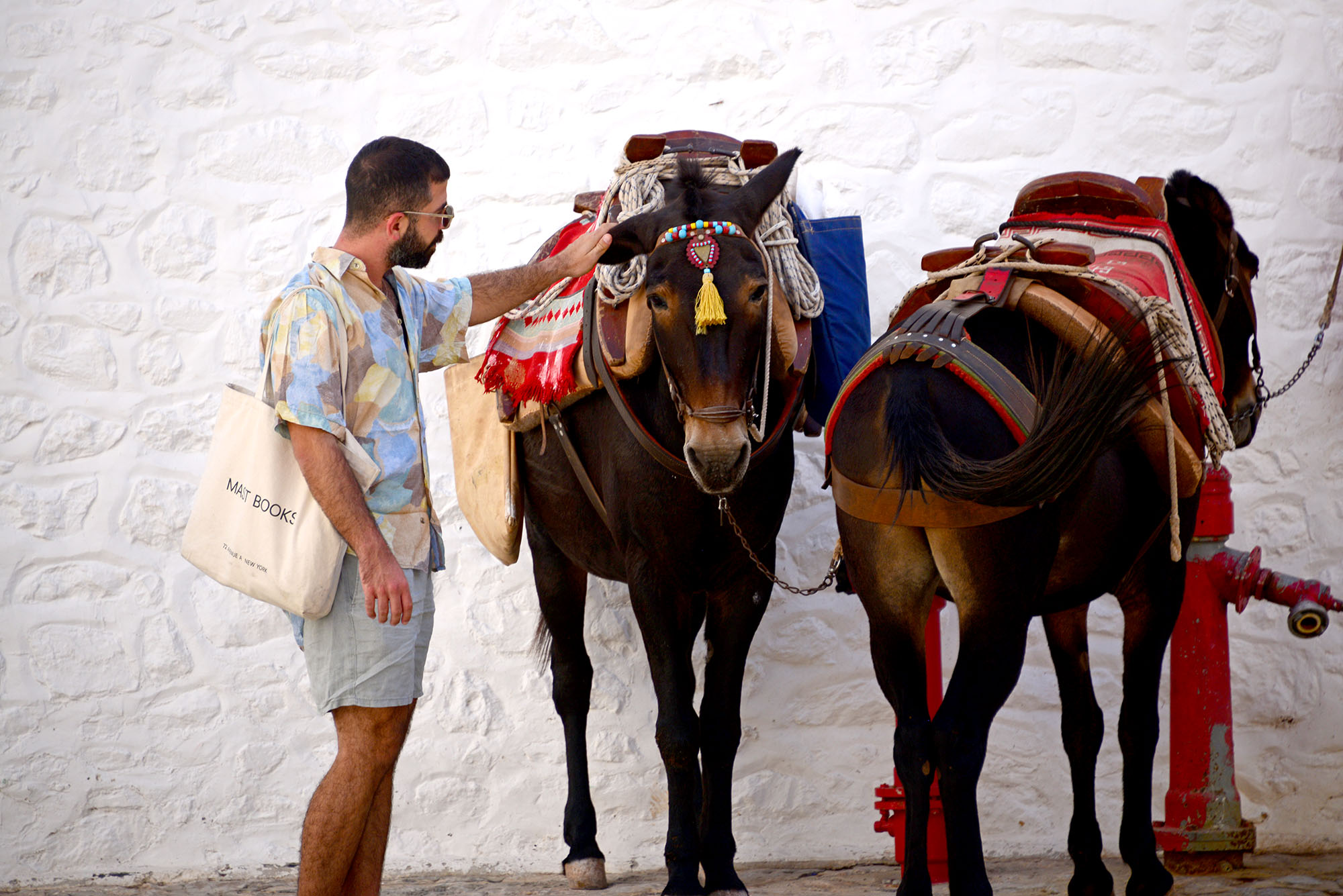
Some rain turned out to be a lot of it. The foldable raincoat provided minimal protection. Soon, as what I took to be the silhouette of the Flying Cat pulled out of the port (but might as well have been the leviathan or the monster of Loch Ness), I was standing under a shader, soaking wet. It was meant to be a shader, so, naturally, it did a bad job at protecting one from the rain. We were huddled under it, locals, freshly arrived tourists, and donkeys. The donkeys seemed the most non plussed, almost as if they rejoiced in a day of little to no work- having them climb the wet stones in such inclement weather was too risky. We ended up hauling our own luggage all the way to our villa, a pretty affair with whitewashed walls, wine red windows and a stunning view of both the port and the mountain. For the next two days, the storm came and went. White fog travelled across the crests of the hills above the village, the sky above the port lightened and darkened. Rivulets formed on the slopy streets, growing into torrents when the rain pelted down hard.
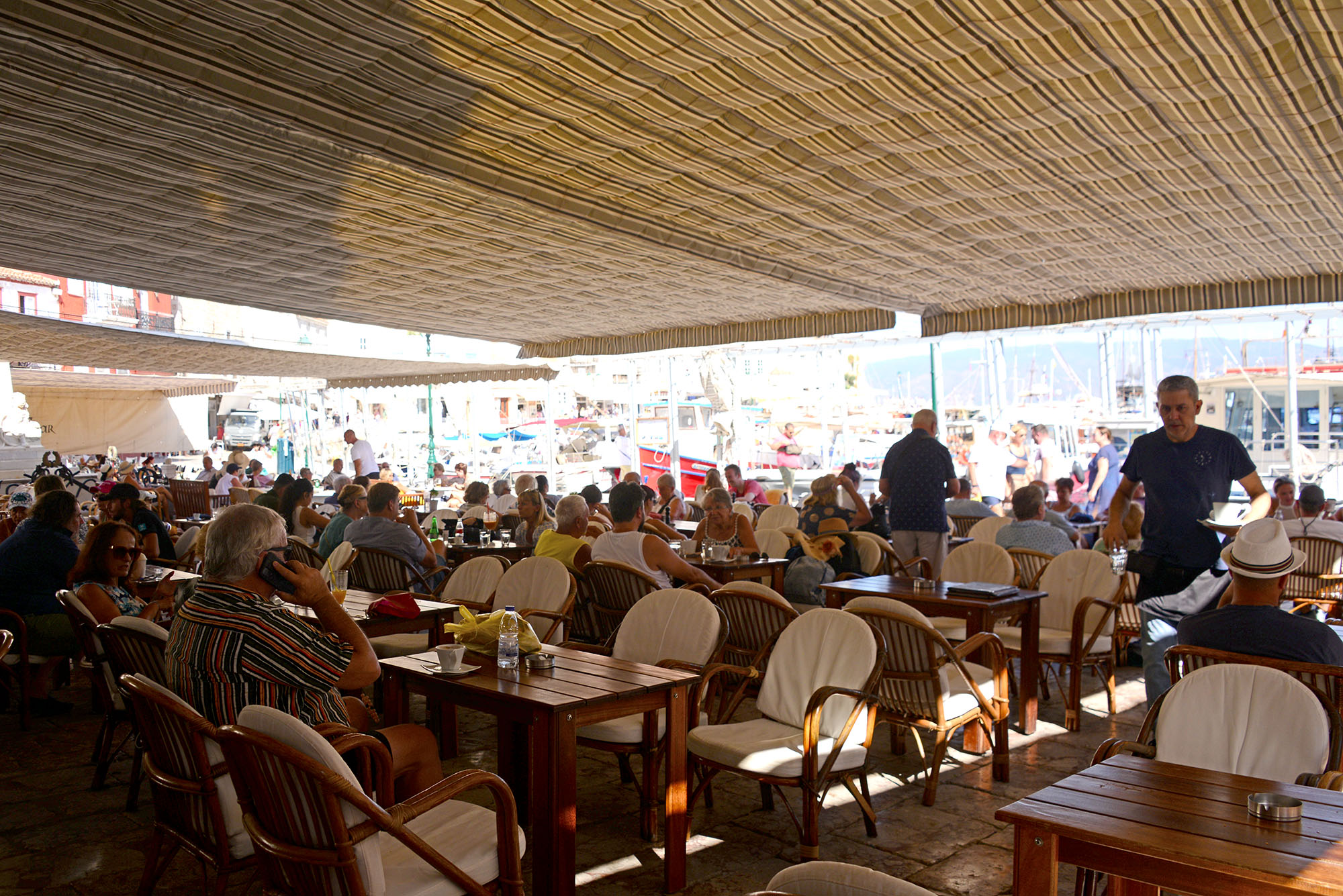
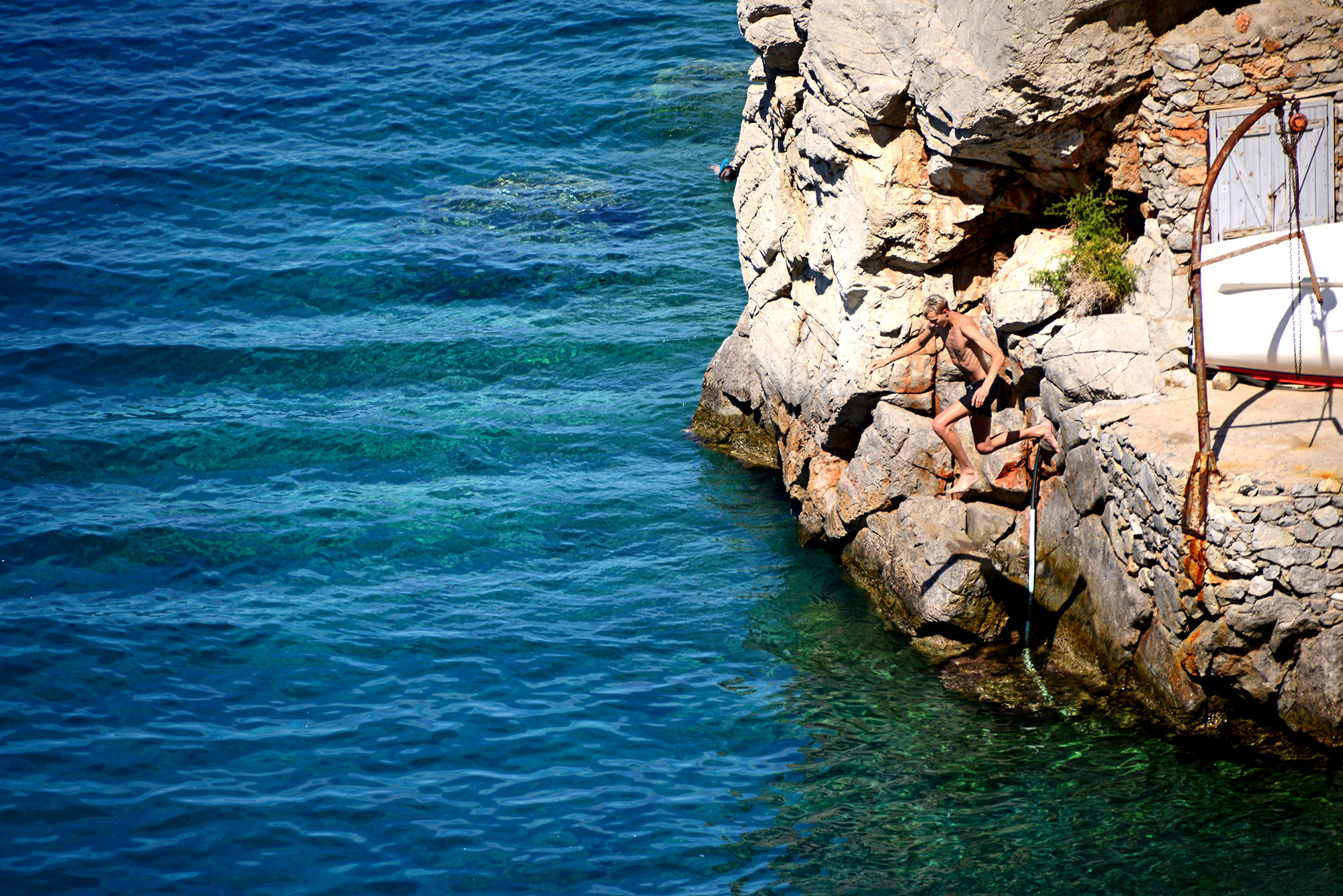
Come morning, I regretted not having wellingtons, like most locals do, for use in the wetter, winter months. I did have sea shoes, though, so I trotted downhill, ankle deep in rushing water on my way to the bakery. The sun would come out briefly, and everyone dashed to the rocks at Spilia for a quick swim. Sometimes, you didn’t make it back on time, and huddled into one of the bars in the port, seeking shelter. We were smug to have chosen the inside seating area of Roloi when a particularly heavy shower battered the island. We sat there sipping our red wine as the terrace’s cover was soon bent under the weight of water, spilling over onto the tables. Everyone rushed in, and the waiters engaged in the familiar Balkan ritual of poking the water out with a broomstick. The few day trippers who had made it from Athens tried to make sense of their surroundings. Seeing the pictures of the 60s artist colony on the wall, a young, blonde woman cradling a baby asked if this is where Leonard Cohen had been, to which the waiter promptly answered that this is a small island, he’d been to most of it.
If it sounds apocalyptic, well, it wasn’t. Strangely, but poignantly, the island felt like a shelter- and it was, for the worst of the storm avoided us. The brunt of it, in Greece, was borne by areas in Thessaly, around Larissa and Volos, which suffered devastating floods. After a summer of wildfires, the Greek gods seemed to have forgotten their children for good. While commiserating with locals in broken Greek, on Hydra I felt enveloped in a cocoon of absolute calmness and stillness. Even the minimal concerns of a holiday, such as choosing a place to have breakfast or dine, or picking a beach for the day, disappeared. I just sat in the living room, watching the clouds travel the skies, sipping coffee, or retsina at later hours, and reading. I sometimes overpack with books when traveling, but this time I read everything I’d planned.









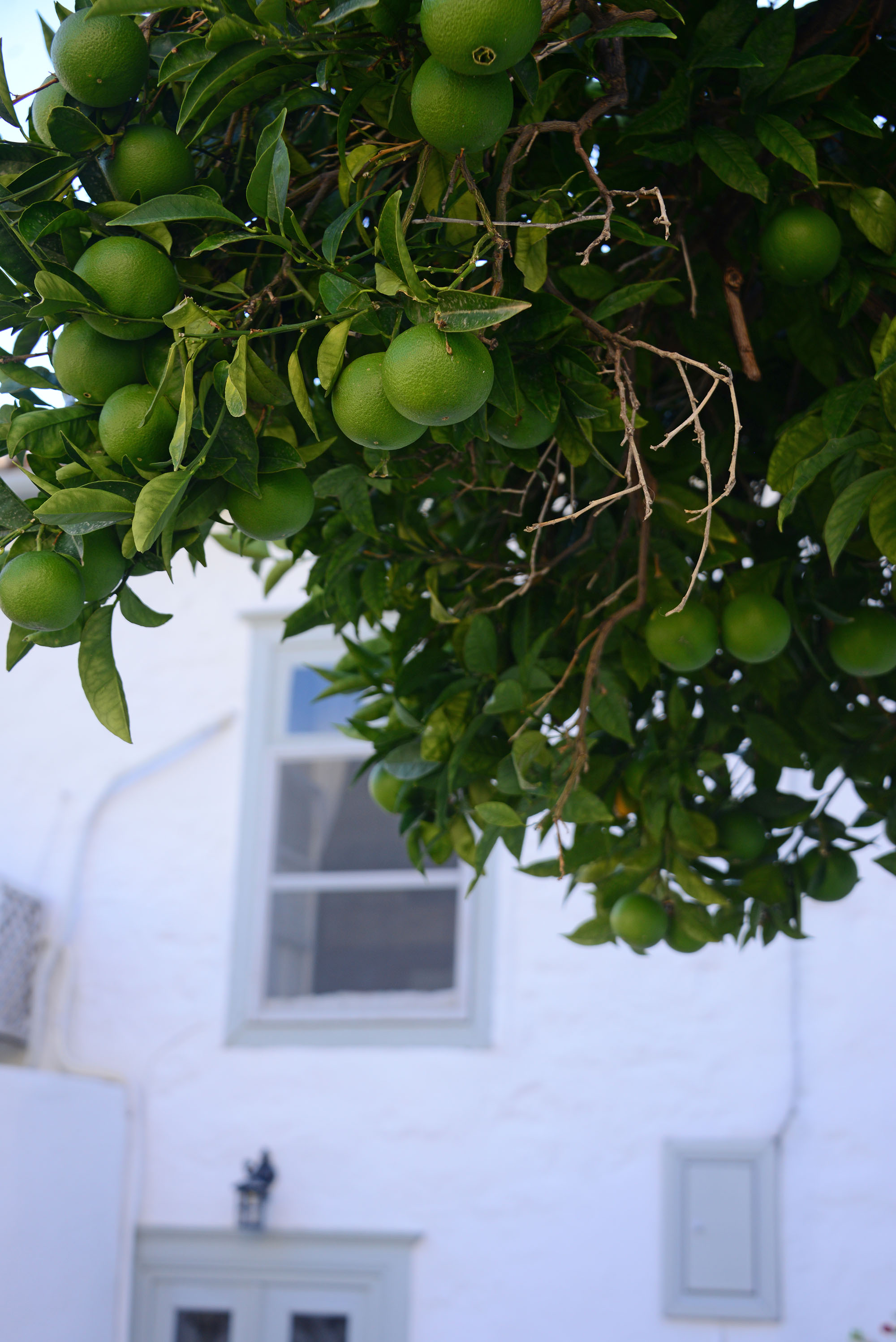

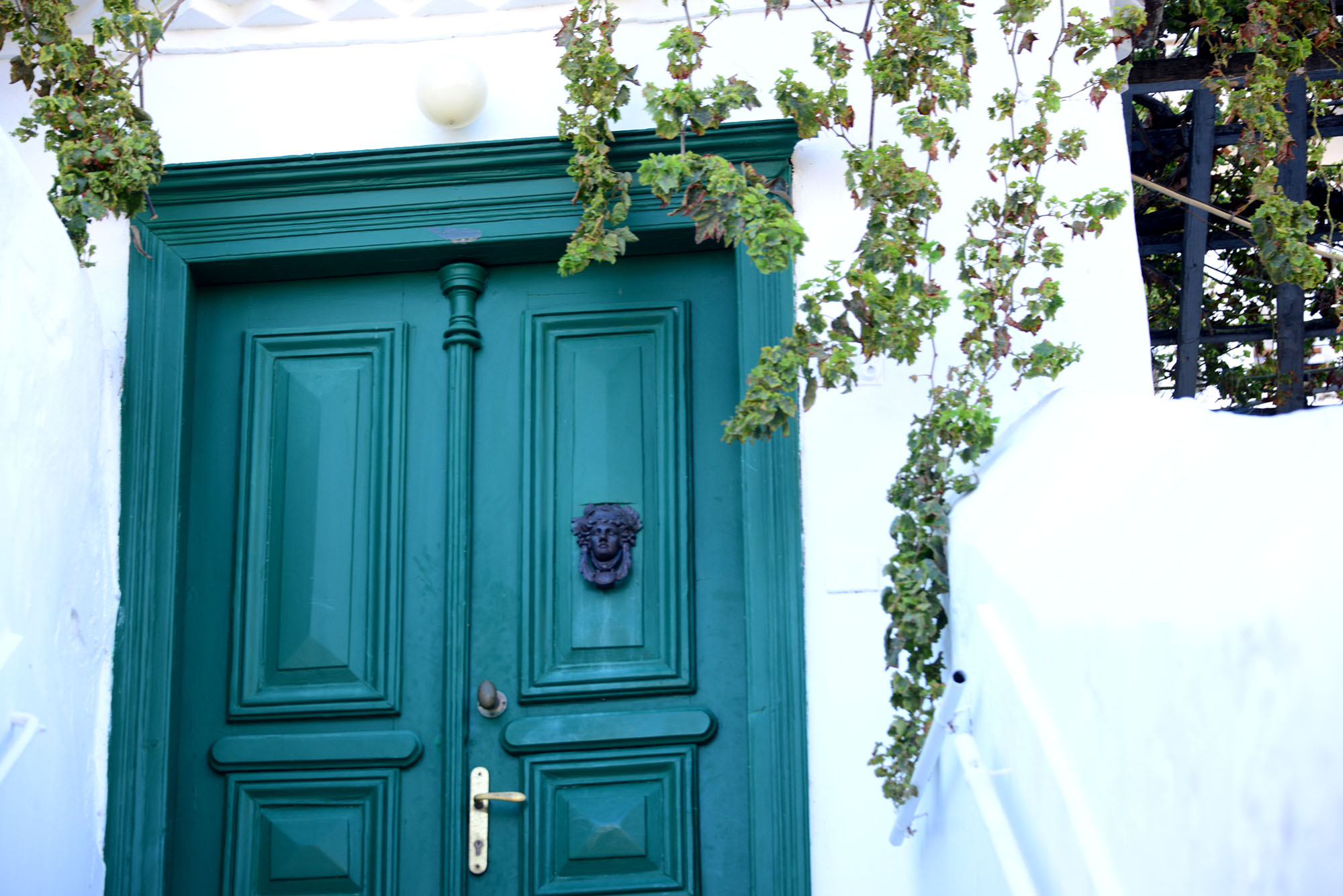

From the ‘Hydra collection’ I finally got around to Judy Scott’s book about her stays on Hydra– a lot of it made more sense now that I knew the island in bad weather. I was particularly irked when reading about the existence of centipedes. I recounted this to the blog’s industrious co-photographer, who then he told me, with the beaming face of his inner six-year-old, that he had just found a centipede. I spent the next days tiptoeing around lest a beast surface, but once the rain stopped, they disappeared. I read Margarita Karapanou’s Sleepwalker, also set on the island, even if not explicitly, and its atmosphere of magic spilled over during our late evening walks to the port. I moved on to contemporary Greek literature- Makis Tsitas’s God is My Witness, and Christos Ikonomou’s Good Will Come From the Sea. They’re both excellent at giving glimpses into a Greece beyond postcard perfect blue waters. Ikonomou’s style, even in translation, is so controlled and brilliant at evoking imagery that it lingers on long after you’ve finished reading. The jury is still out on a book recommended as a ‘modern Classic’- M. Karagatsis’s The Great Chimera. While he is splendid at evoking the world of Greek isles, both the characters and the story would infuriate me in turns. It’s no spoiler that everyone dies in the end, so I chose to interpret it as modern take on Greek tragedies, and, in such a guise, it almost works.
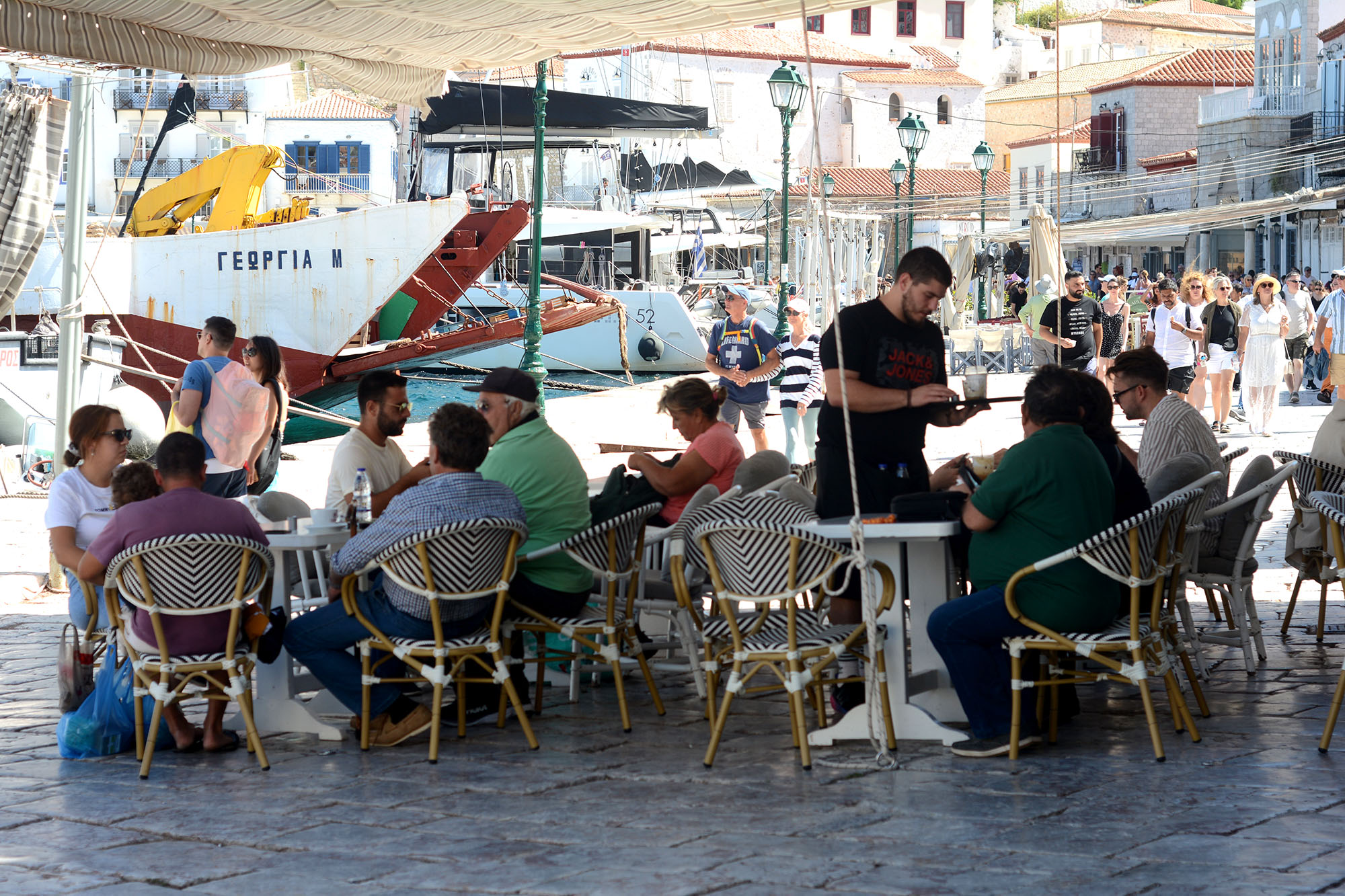
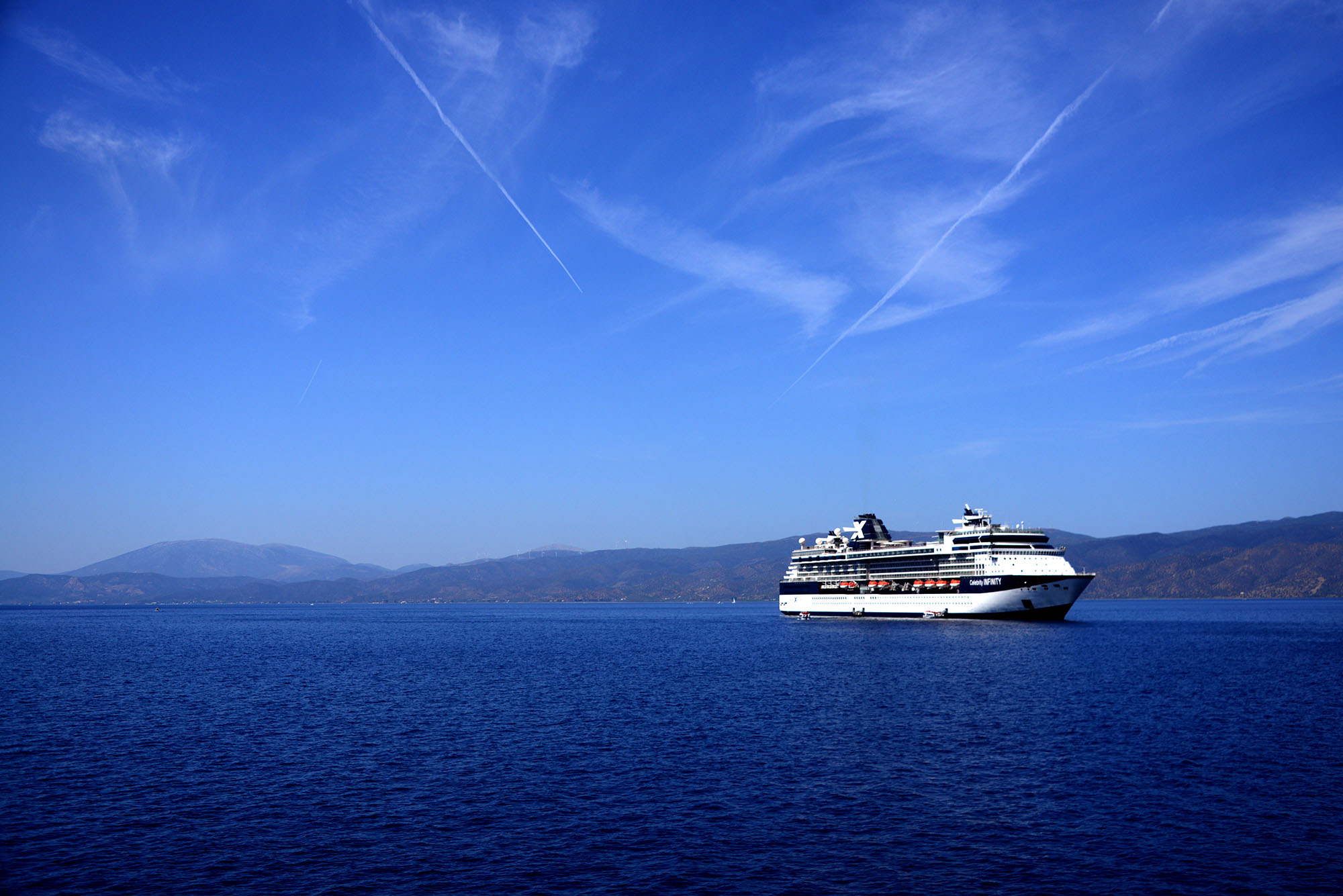
And then the rainy days ended, and I almost regretted a degree of intimacy we’d lost, a feeling of being shipwrecked in a colony of likeminded people. The big bad tourist boats returned. The Celebrity Infinity parked its lumbering frame in the distance (thankfully, it’s too large to dock in Hydra’s port), and an infinite stream of interchangeable day trippers spilled onto the port promenade around noon each day. A bit like locusts swallowing crops, they rushed into souvenir stores and bought freddo cappuccinos and ice creams. Until they didn’t. The most poignant conversation overheard one day was between an older American couple, the man asking his wife if she wanted anything to remember this island by, to which she retorted that it makes no sense to buy anything anymore, she won’t remember any of these islands, they’re all the same.
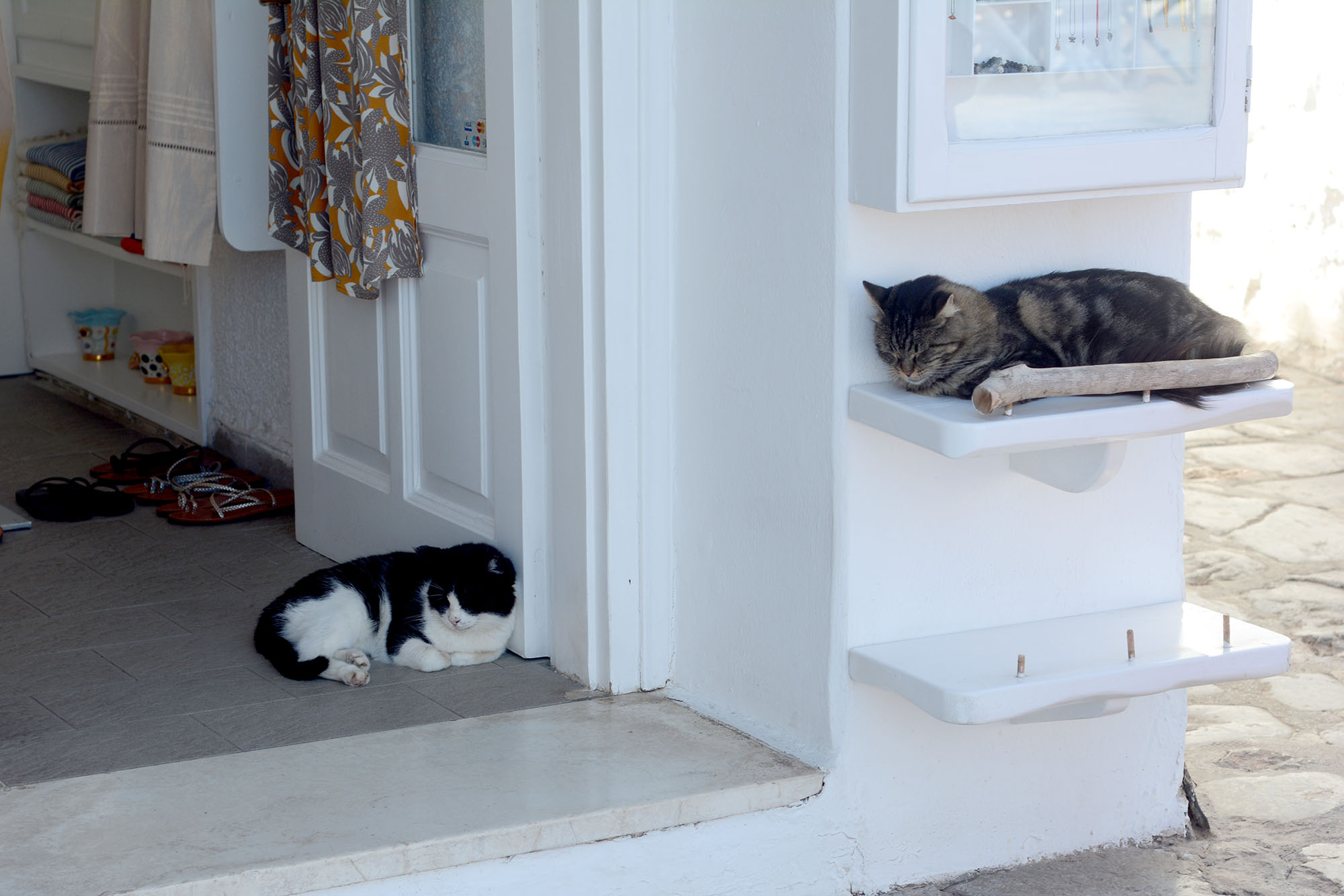
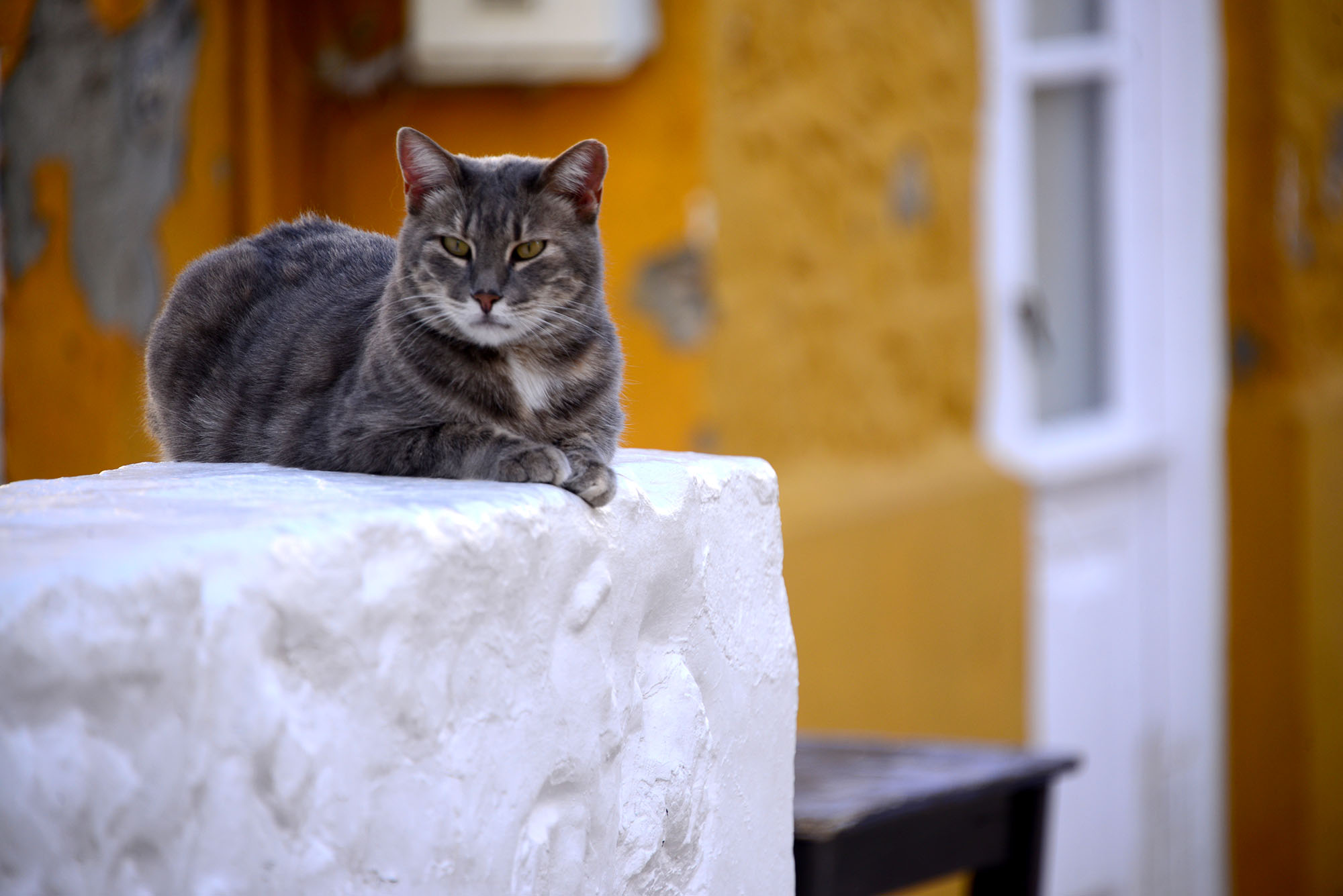
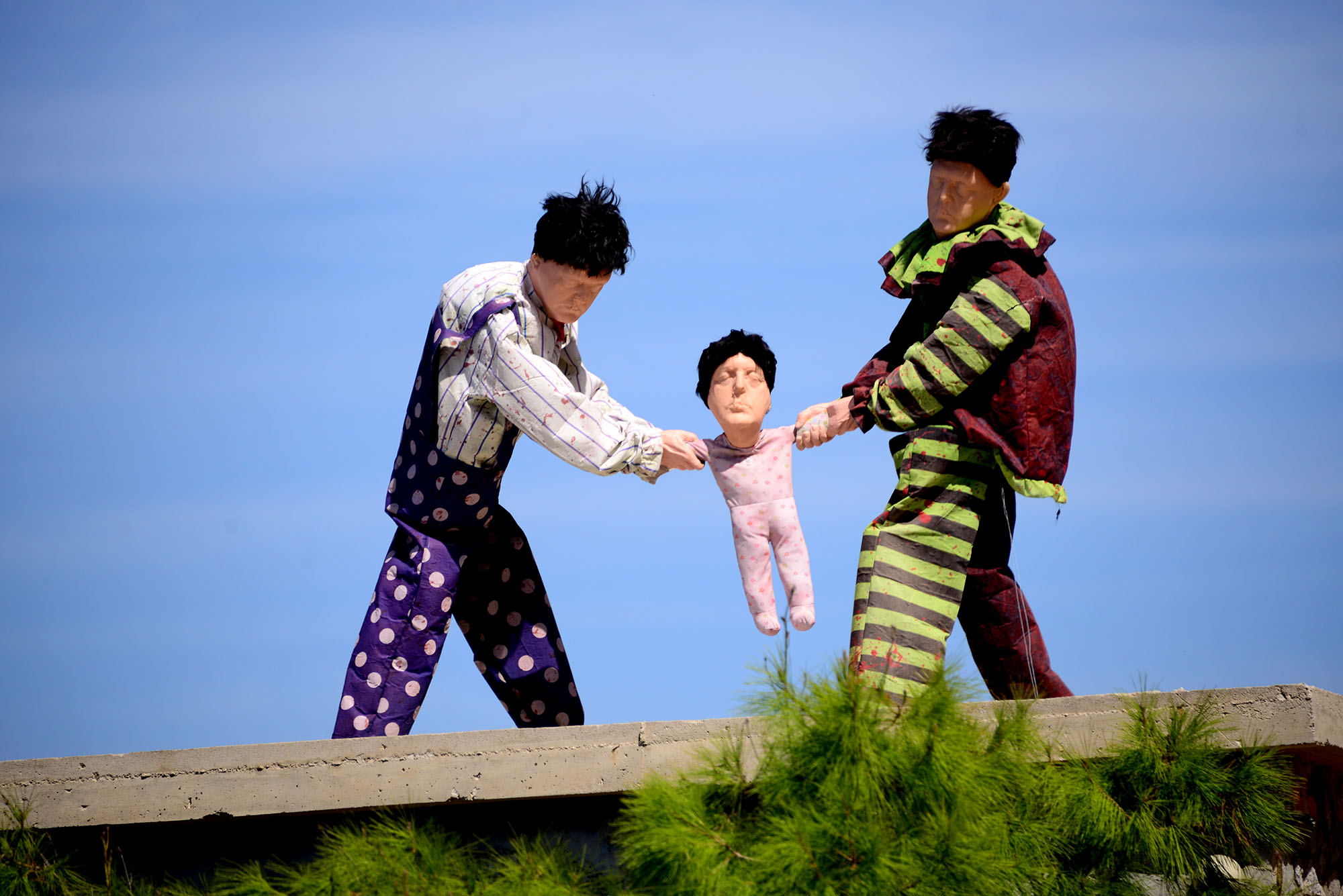
But I remember everything, I grumbled, any my island is not the same as all the others. My island is the morning when we decided to have a light walk and only go up to Agios Konstantinos, but veered off the trail onto a rocky path, ended halfway up to Profitis Elias, and decided we might as well go all the way- look out for future news reports of four tourists from Budapest accidentally summitting Mount Everest on their way to a Nepalese monastery. Or the evening when we dressed up nicely for a stroll in the port, and gate crashed an exhibition vernissage, giving ‘expert’ opinions on the paintings while nibbling cheese and sipping crisp white wine. (Actually, calling it gate crashing is romanticising it, we just found the gallery in the port open, and everyone was welcome.) Or the morning we infiltrated the hip crowds at Spilia and tried, then failed, to get into an Instagram-friendly mindset. My island is the various opinions on what Urs Fischer’s Chalk and Cheese installation, blown by the breeze on the way to the Slaughterhouse exhibition space, meant. These were decidedly more outré as the amount of alcohol in our system increased. My island is where the ginger menace of Mandraki beach lives, pilfering sandwiches from beach bags and morsels of meat from plates, in spite of the waiters’ best efforts, who chase it with water sprinkling contraptions amid cries of ‘bad cat’.
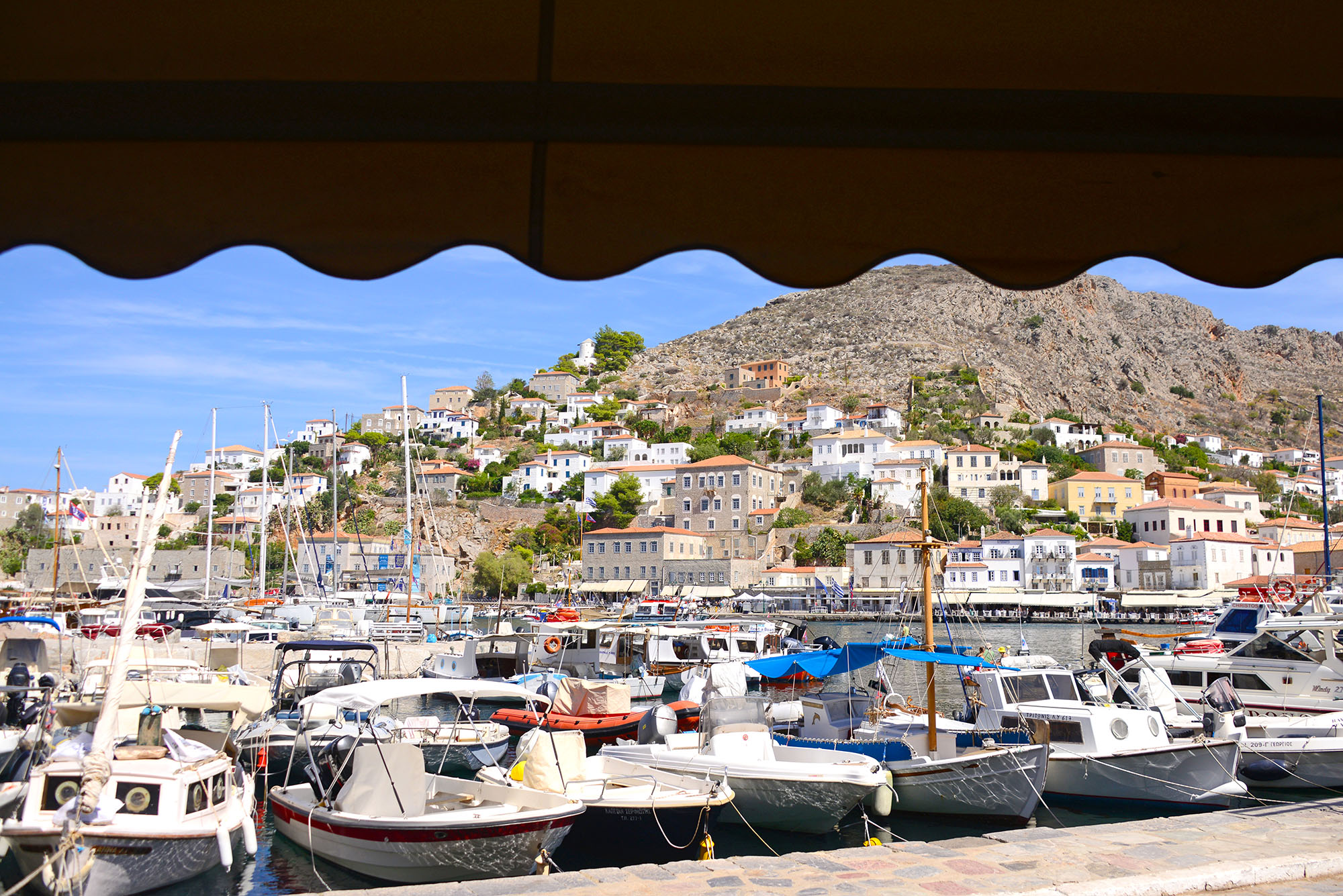
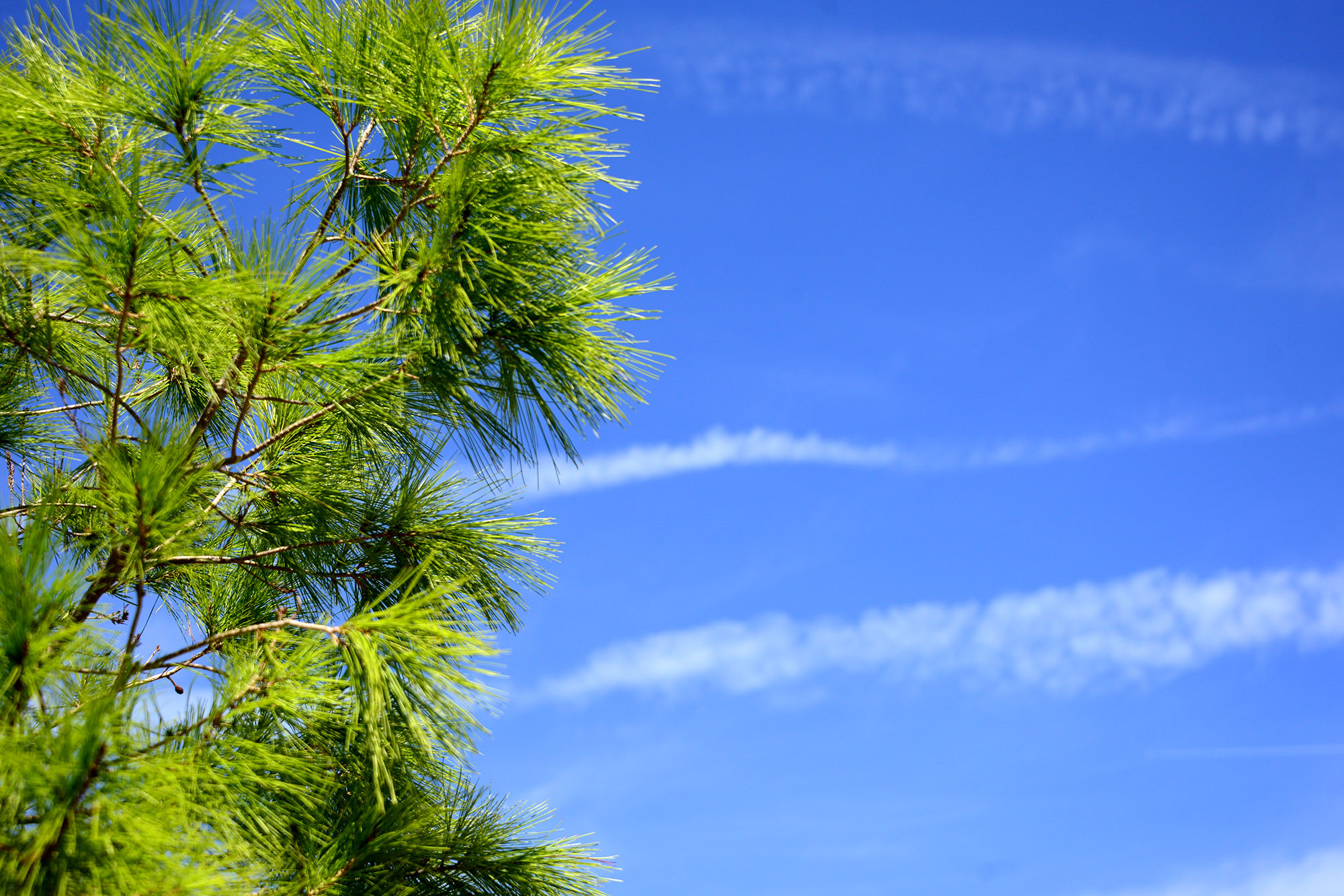
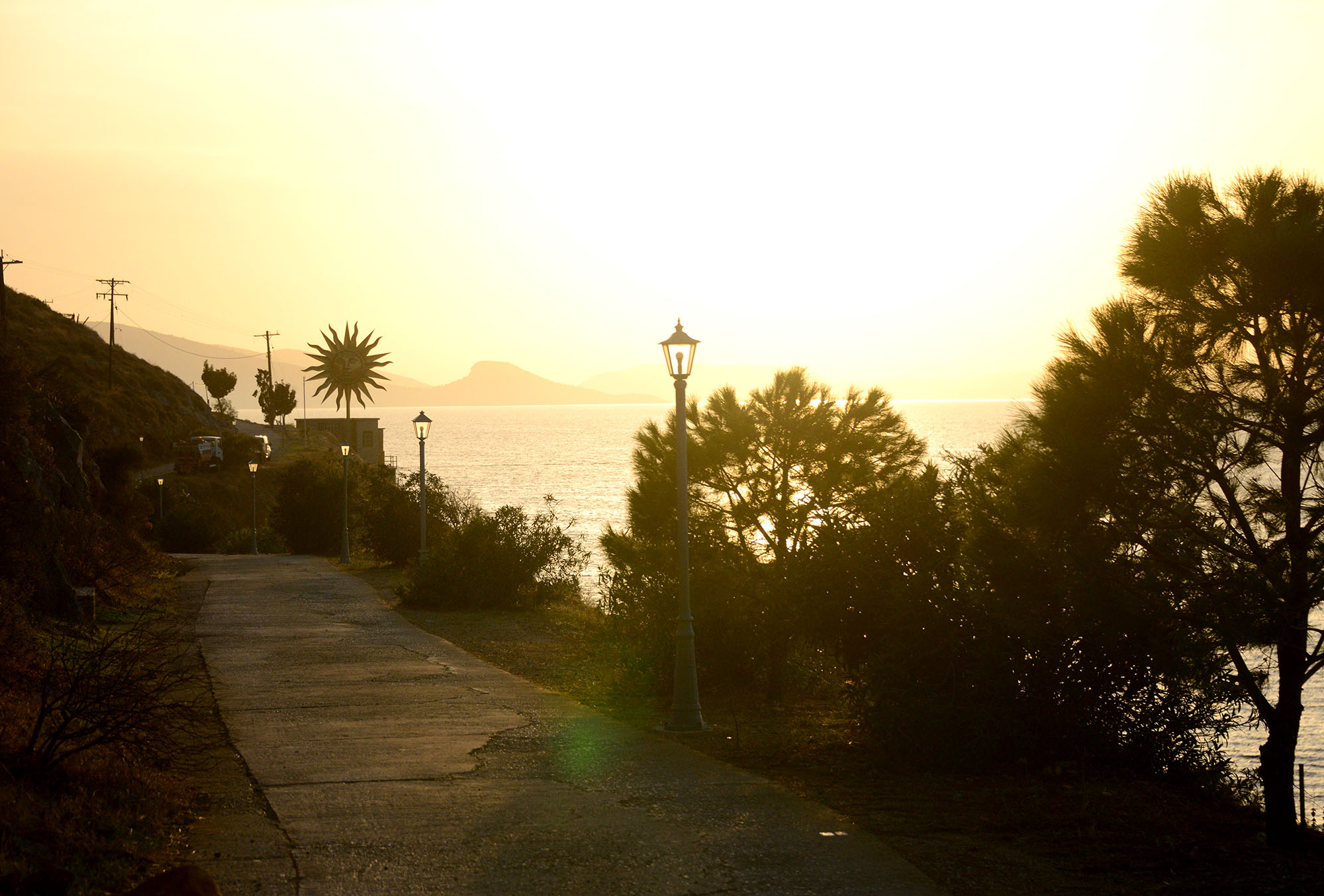
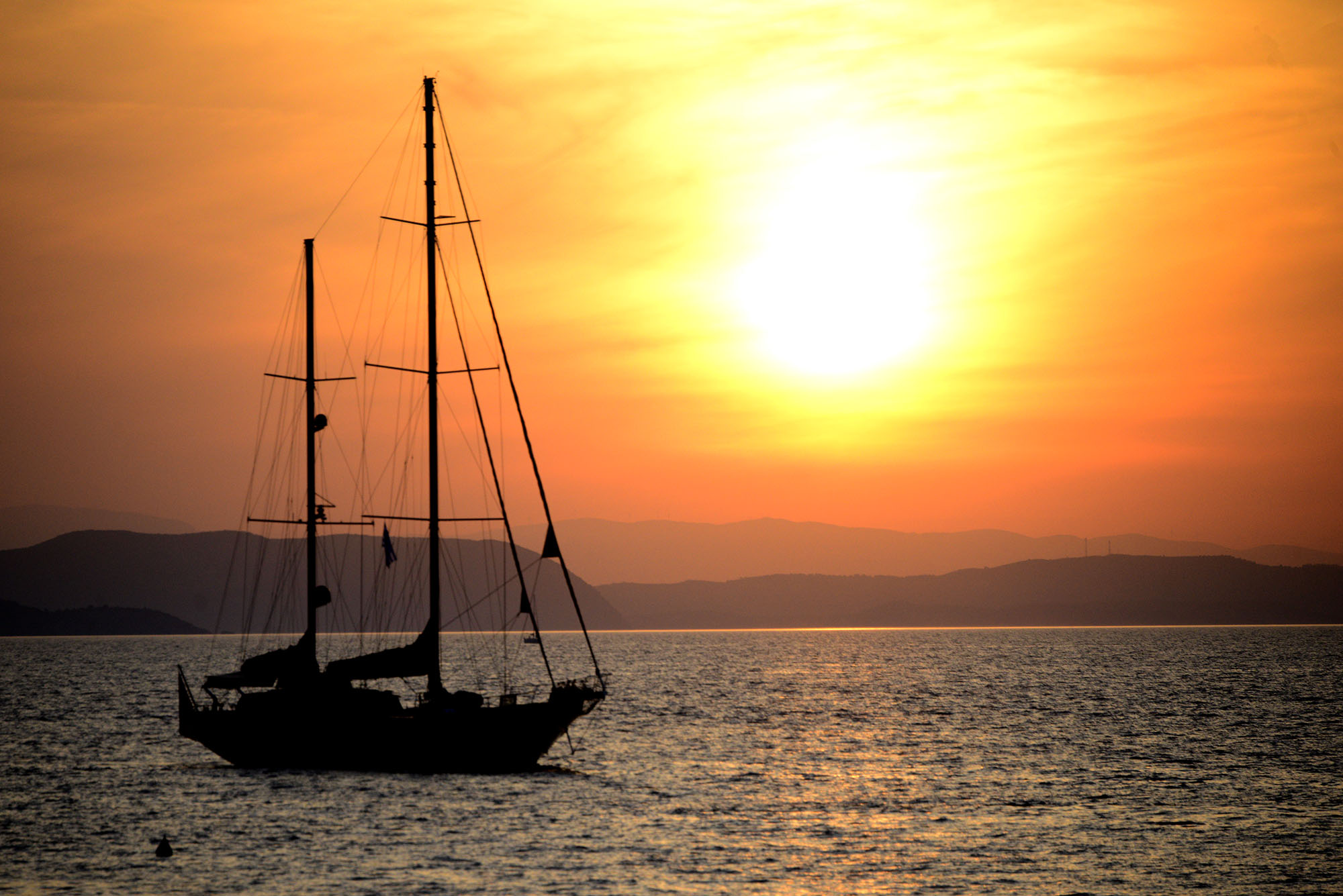
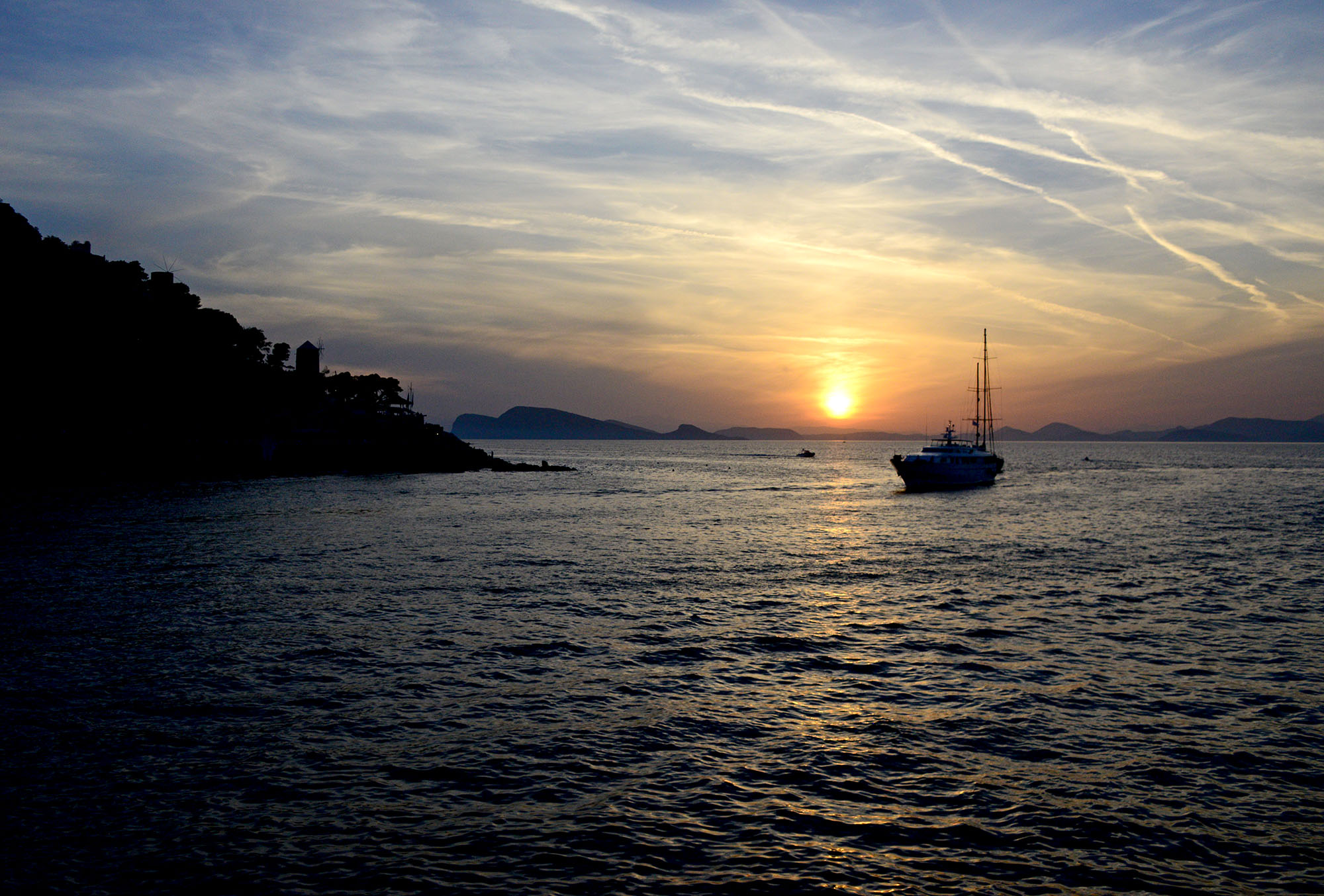
My island is evenings at Lulu’s, when they might or might not have soutzoukakia, and mornings when the lady from Lulu’s does her shopping in the port, and you just sit on one of the terraces and watch people go by, boats arriving and departing, the water lapping gently against the shore. Or evenings exploring the ‘wine cave’- which is just a normal Hydra house turned into a wine shop, but I called it a cave to sound fancy, and the blog’s industrious co-photographer actually went looking for a cave. The cashier at ‘the cave’ will invariably get excited that you bought an absolutely excellent, magnificent Greek wine, and usually he will be right. My island is walks on the darkened trail to Techne in the evening, phone flashlights flickering like fireflies, the waitress already aware that we’ll order the Tributes to Leonard. And my island has the sun. Not just Jeff Koons’ metal sun god, but the Sun itself. After the rain stopped, the skies cleared, the wind abated, it was time for fixed beauty. Summer which is unassailed. That cannot be tarnished. The skies are blue. Deep blue, so deep and so blue it would have been hard to imagine such a blue if it didn’t already exist. The sun is glorious and golden, spilling out of the heavens from morning to night.








 Pocket Diary Budapest
One Comment Add yours