I’ve recently given in to the demons, and I spend an inordinate amount of time on Instagram reels. The AI has learned, and it now knows the kind of little videos I’ll enjoy. Cats jumping and miscalculating the landing. Italians having breakdowns over incorrect pizza. Anything poking fun at Harry Maguire, the poor sod. And mortified introverts. I love the videos with mortified introverts because I am one and thus feel less alone. For my whole life, I have tried to make my passage through this world as inconspicuous as possible. I like my space; I like to give others their space. So, there I was, at half past six in the morning, banging on the door of the French couple staying in the room adjacent to ours, hearing the muffled sounds of their morning horror and revolt, understanding it, sharing it with my full being. Only an idiot would ruin a fine spring morning with insolent racket. The idiot was me. I’d left our keys in the room, shut it and then realised that our guest house had a front gate, and since it was so early in the morning, it was locked. The room’s door could not be opened from outside without the key, and the gate key was inside. The hosts were not there overnight. Normally, this is when I panic. But on this particular morning, I felt a strange pleasure wash over me, like the waves of the warmest of seas, as I quickly ran through a first draft of my resignation letter: it is with great regret that I have to inform you that I shall not now, or ever, make it to the office again, as I am indefinitely stuck on the island of Hydra, with no intention to leave.
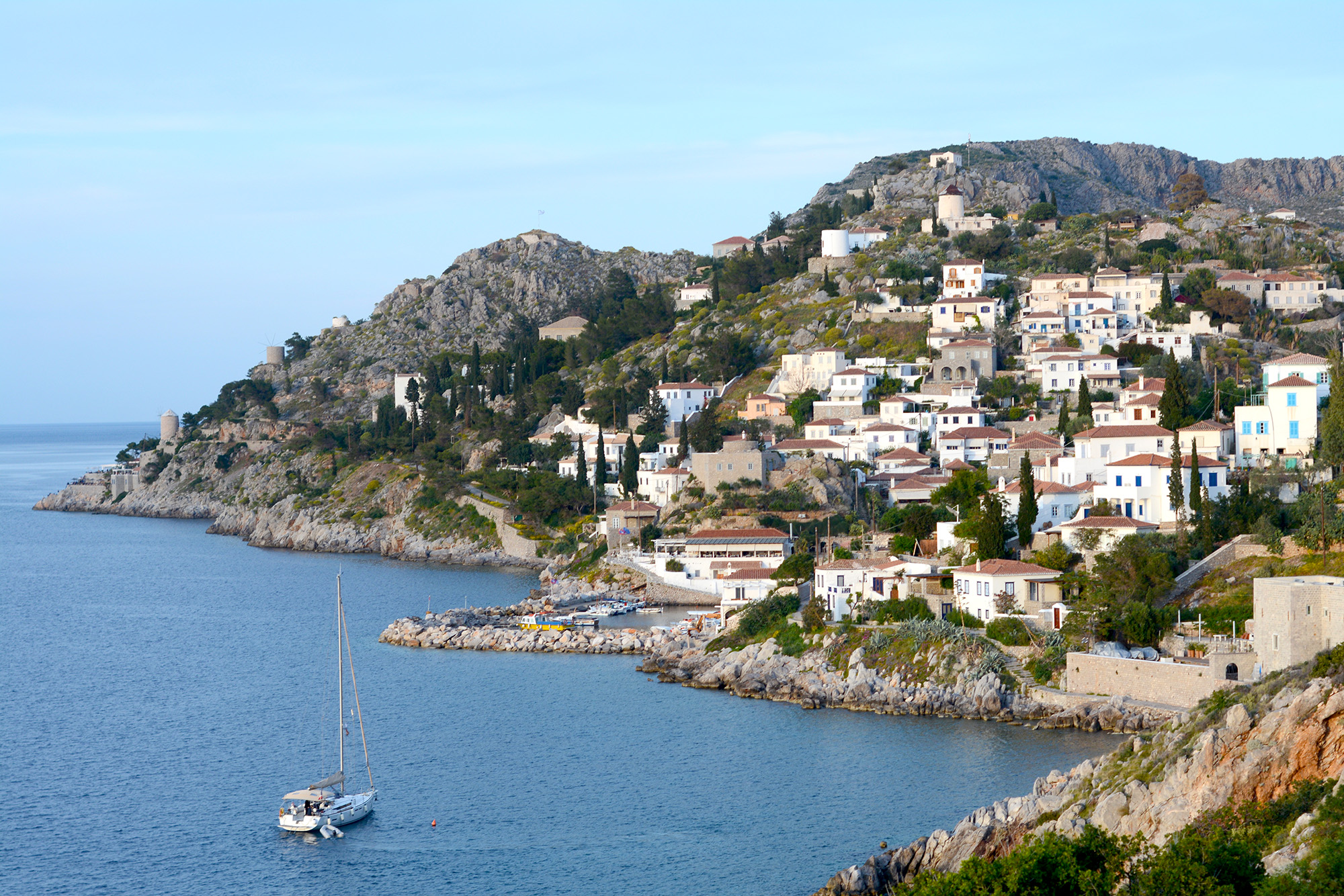
Two days earlier we’d arrived from Athens with the noon ferry. I sat by the window, reading Paul Genoni and Tanya Dalzell’s Half a Perfect World. It is an intriguing addition to my ‘Hydra shelf’, to be understood as a very literal shelf where I stack books written on, or about Hydra, of which there are, unsurprisingly, many. Genoni and Dalzell are specialised in Australian literature, and their book is an entertainingly written piece of academic research, focused primarily on the two Australians at the heart of the 1960s Hydra expat colony, Charmian Clift and George Johnston. As the ferry slowed for its approach to the port, my eyes fell on a sentence that seemed to distill a certain contradiction I felt when gushing to anyone willing to listen about how much I loved Hydra: ‘Islands are both romanticised and commodified as fodder for tourist brochures pushing bucket-list boat cruises and escapist fantasies, ensuring the powerful engines of modern tourism constantly rub up against these persistently premodern spaces.’
Later in the day, with spirits further heightened by a glass or so of retsina, I decided to buy sandals. Firstly, because I was a fool not to have brought any, as I soon realised that when Greeks say that it’s still a little chilly at the end of April, they mean it’s pretty damn warm, just not hot yet. Secondly, because I’d always visited Hydra at the end of the season, so whatever summer clothes and shoes I bought would have to wait tucked in the closet for the next warm season to come. I had this mental image of myself as a nymph or demigoddess of sorts, marching through the streets of Budapest with my brand new Greek sandals- this was the retsina dreaming, for the reality is that, irrespective of the shoes I wear, I have a definite tendency to trip, get in someone’s way, or step into an icky chewing gum. The lady in the store was lovely, and so were the sandals, and as we were making small talk, she asked me whether I came ‘with the boats’. This sent a jolt of electricity through me, Lord, no, with the boats, never. The boats are the cruise ships which set off on day trips from Athens (luckily, the port is too small for the monster cruise ships to dock), disgorge the throngs of sightseers on Hydra port for an hour or so, and then rush on towards Spetses or Poros for the next pit stop. We happily agreed that we both disliked the boats, and I beamed when I said that in fact, I like to come here often. I am not a local, of course, but then, by now, I am not a stranger either. I am not just a tourist trying to tick off Hydra from a list of places to be seen, I am a journeywoman on the seas of life, in search of meaning. And I will be even less a stranger once I’m stuck here with no key.
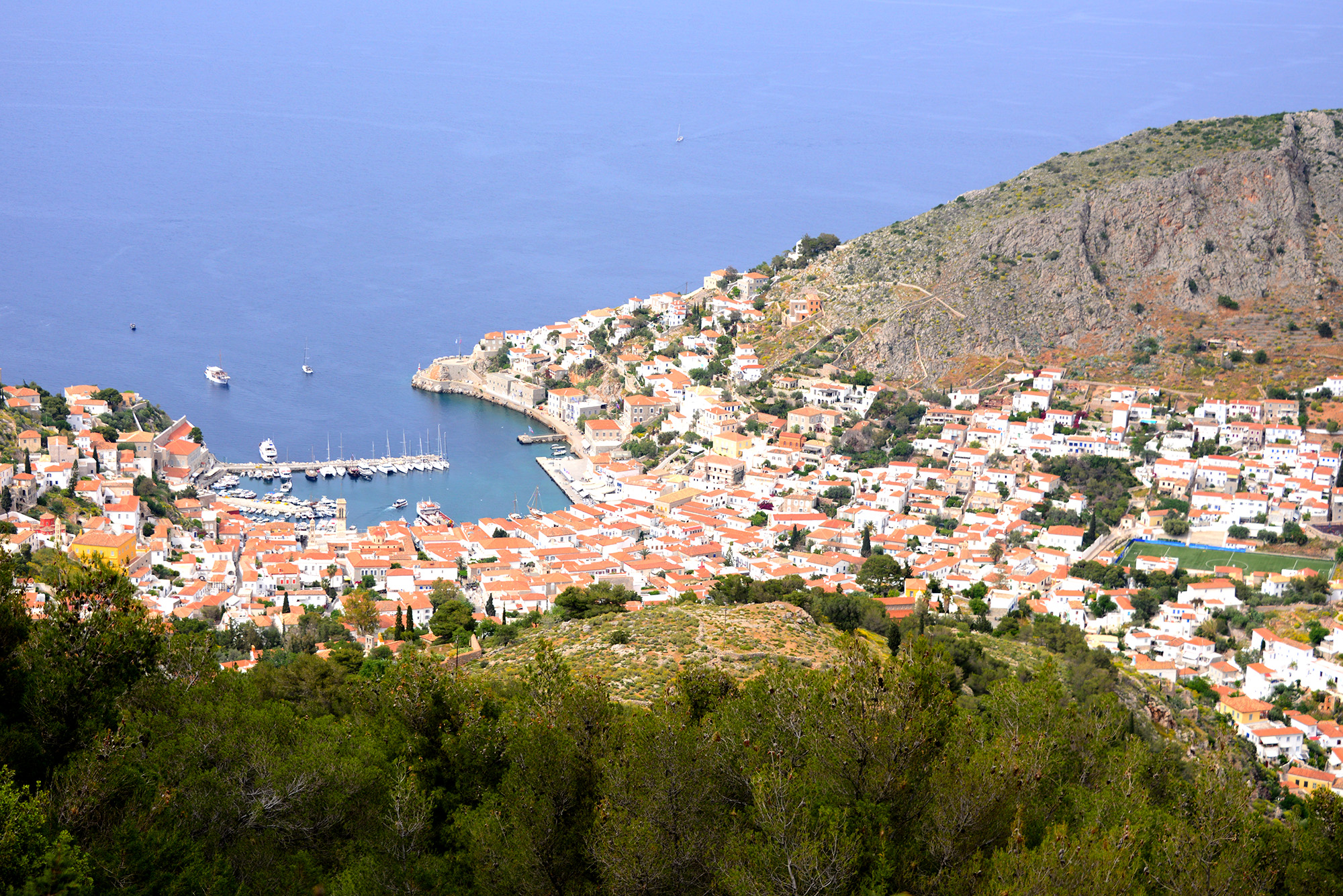
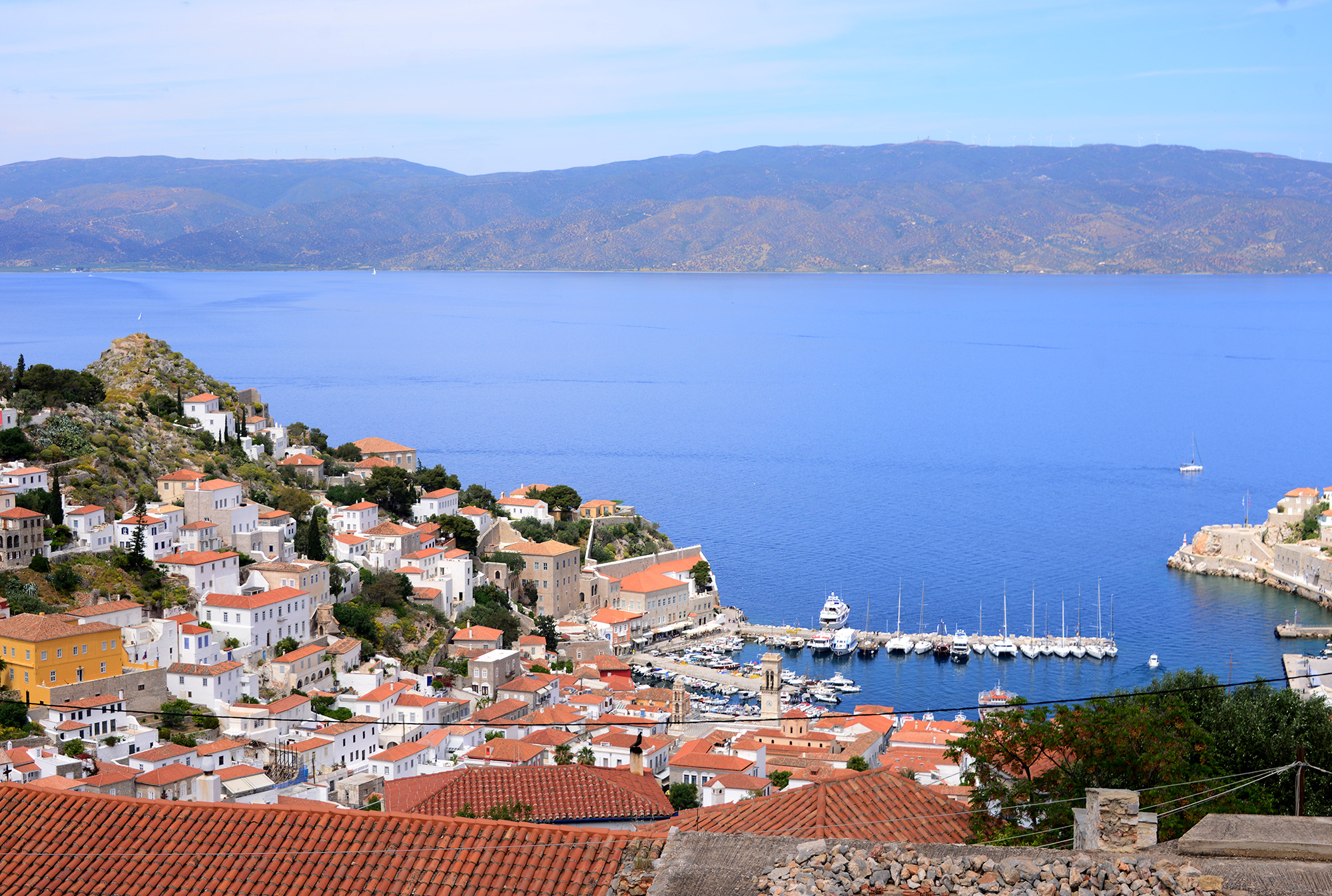
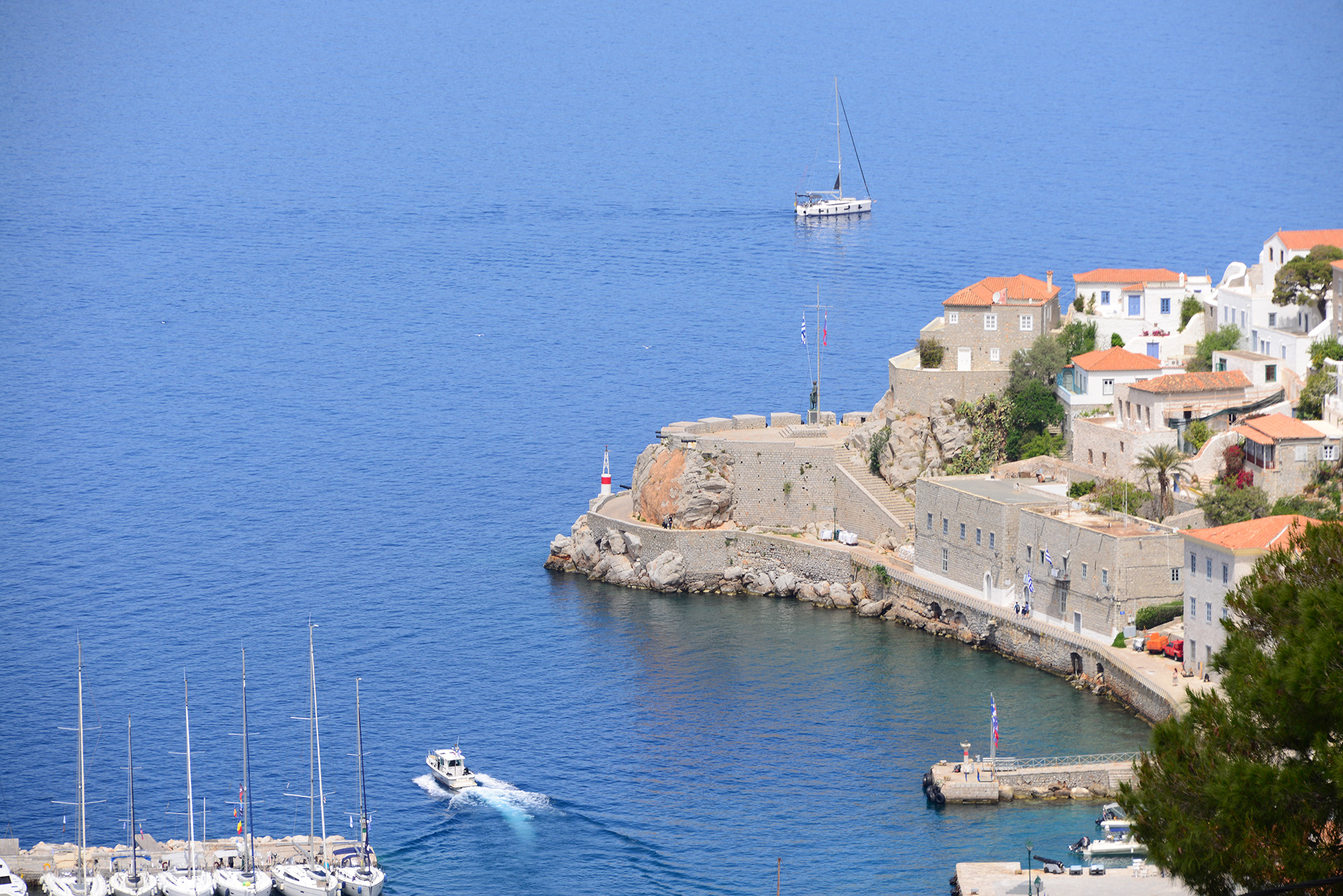
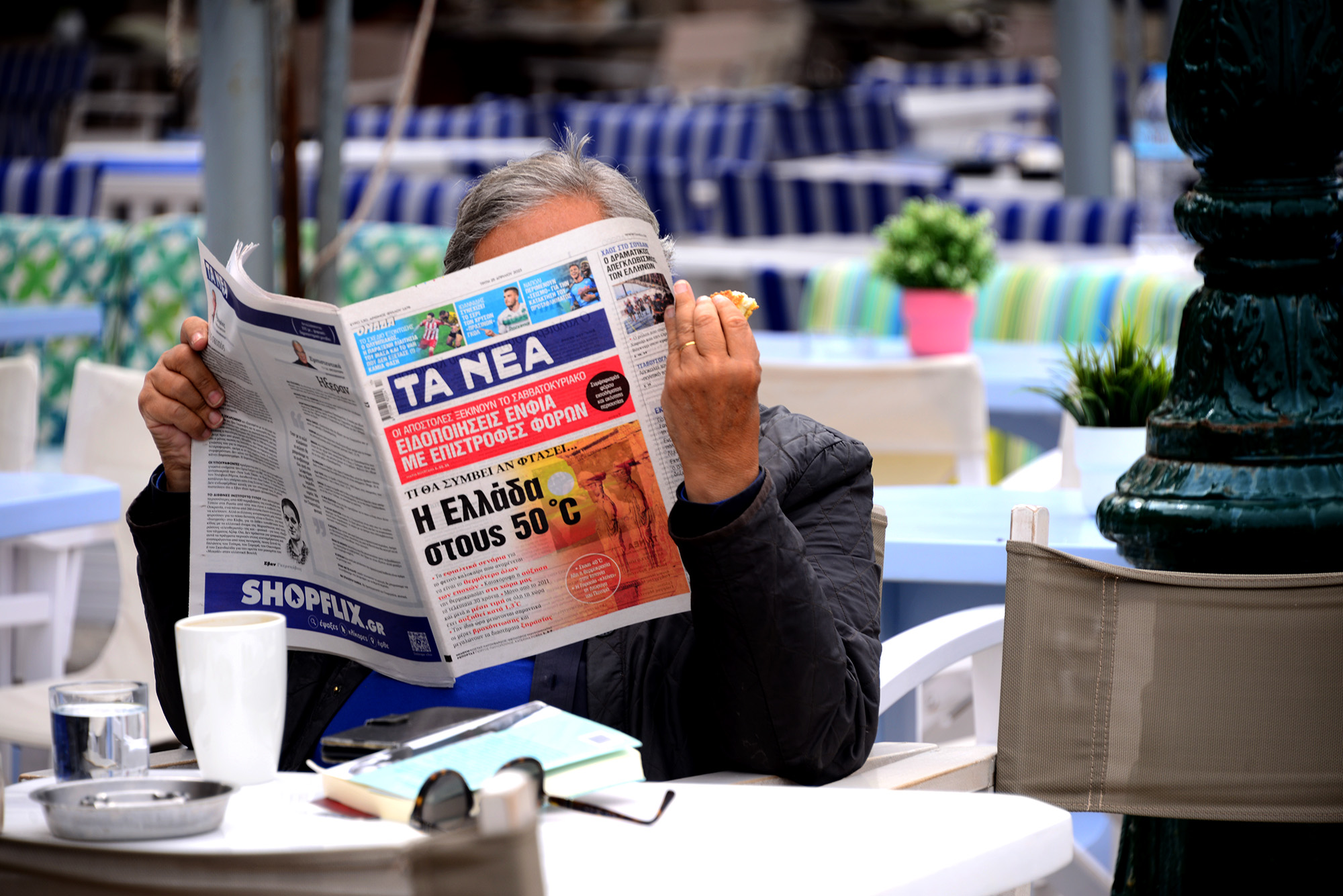
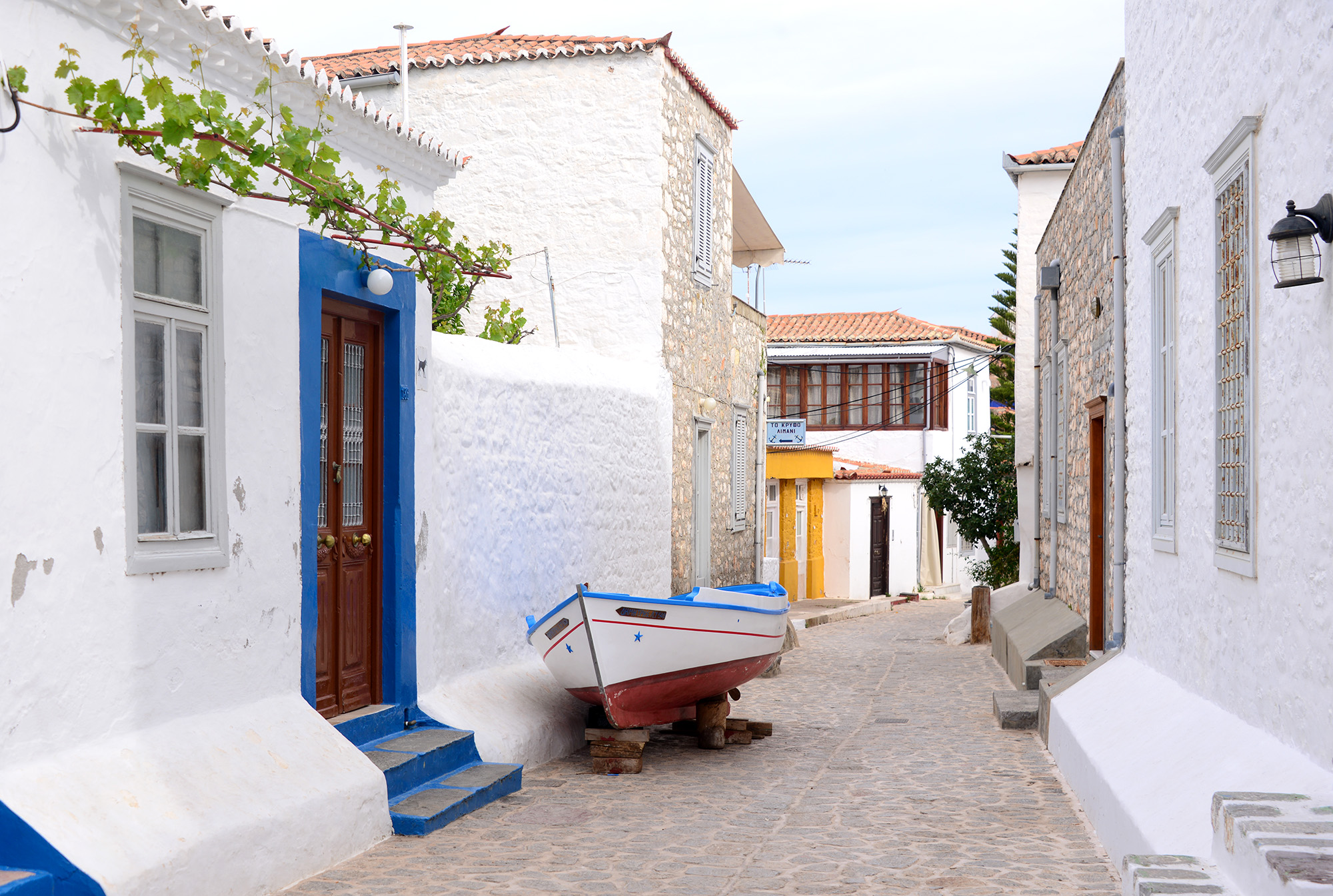
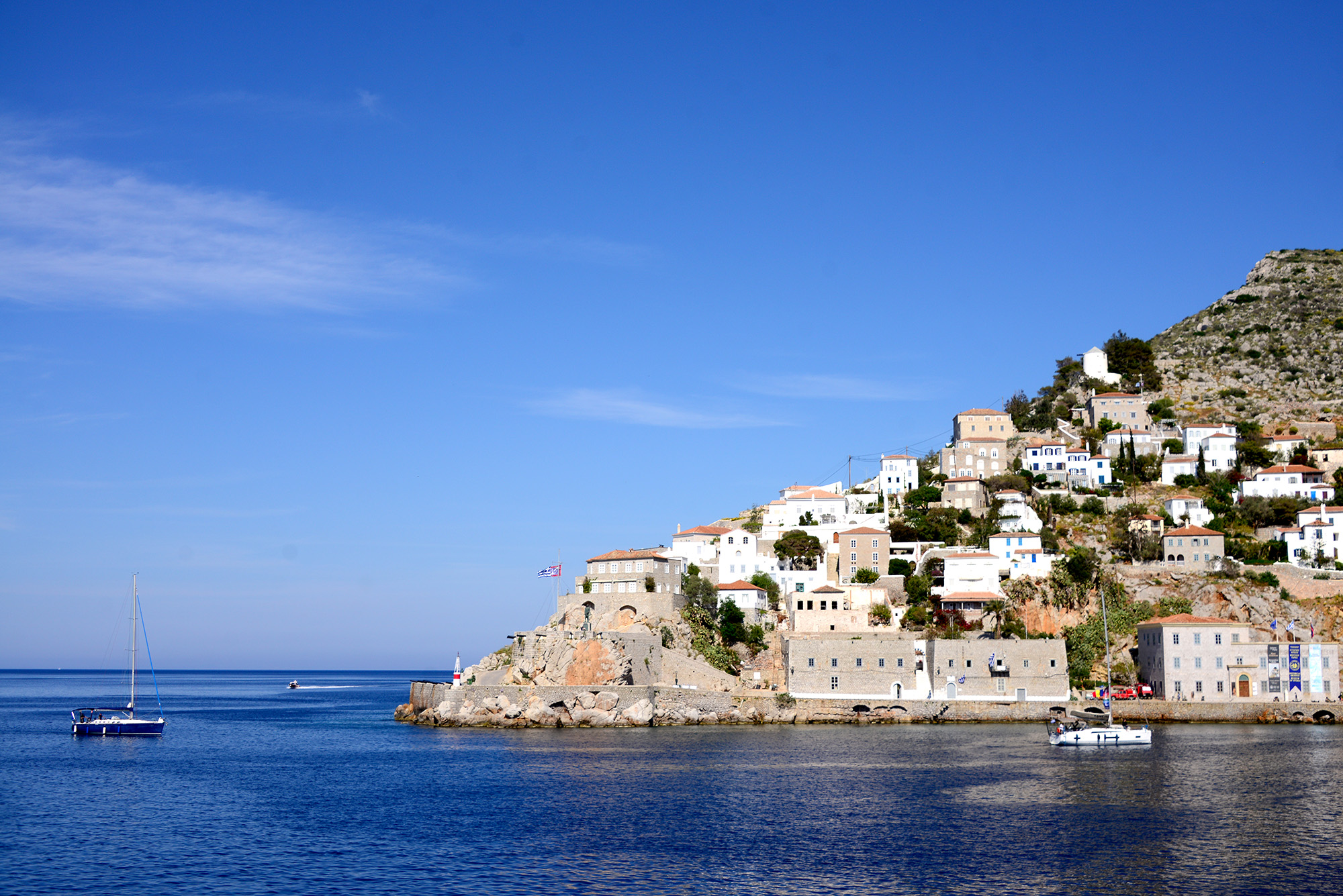
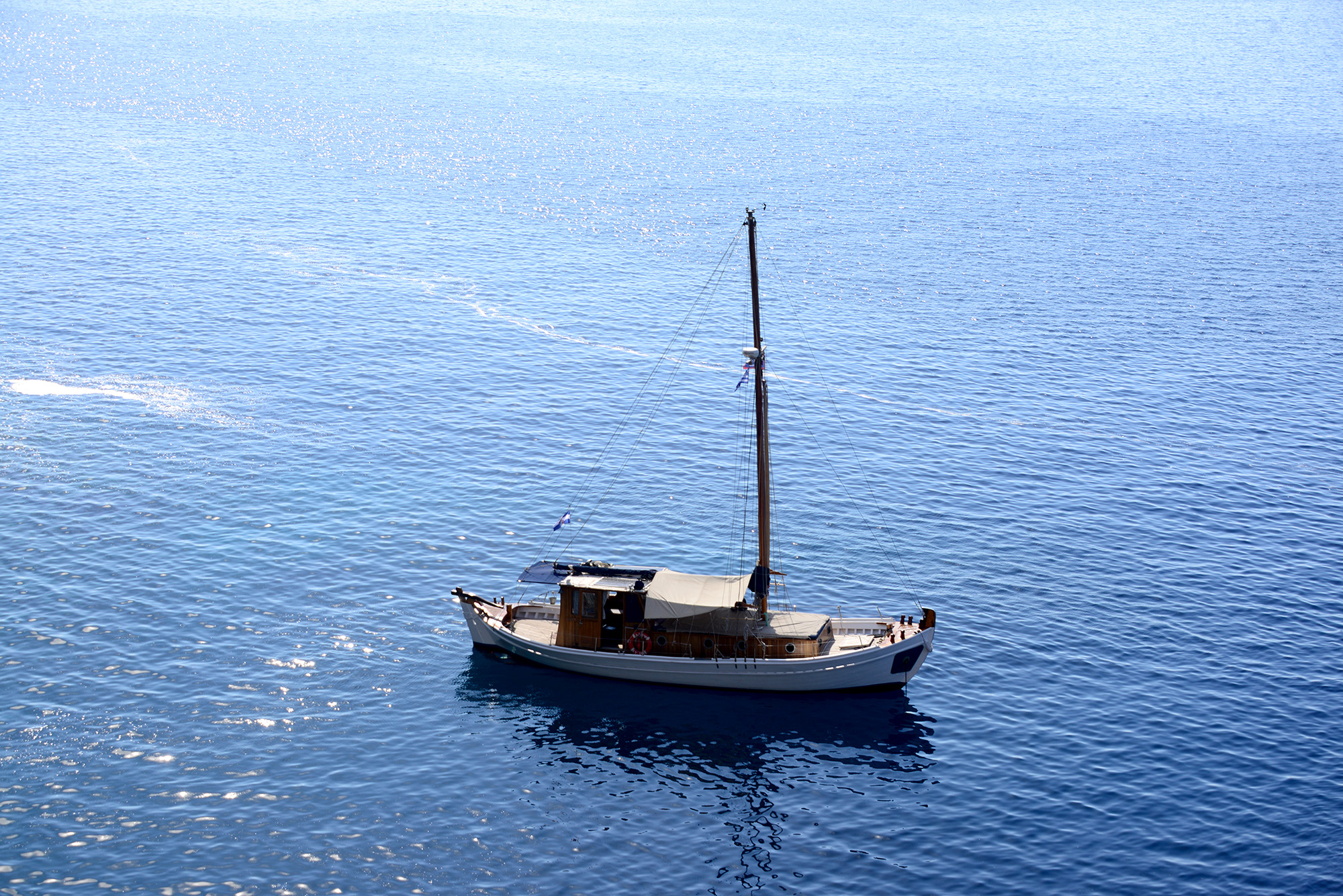
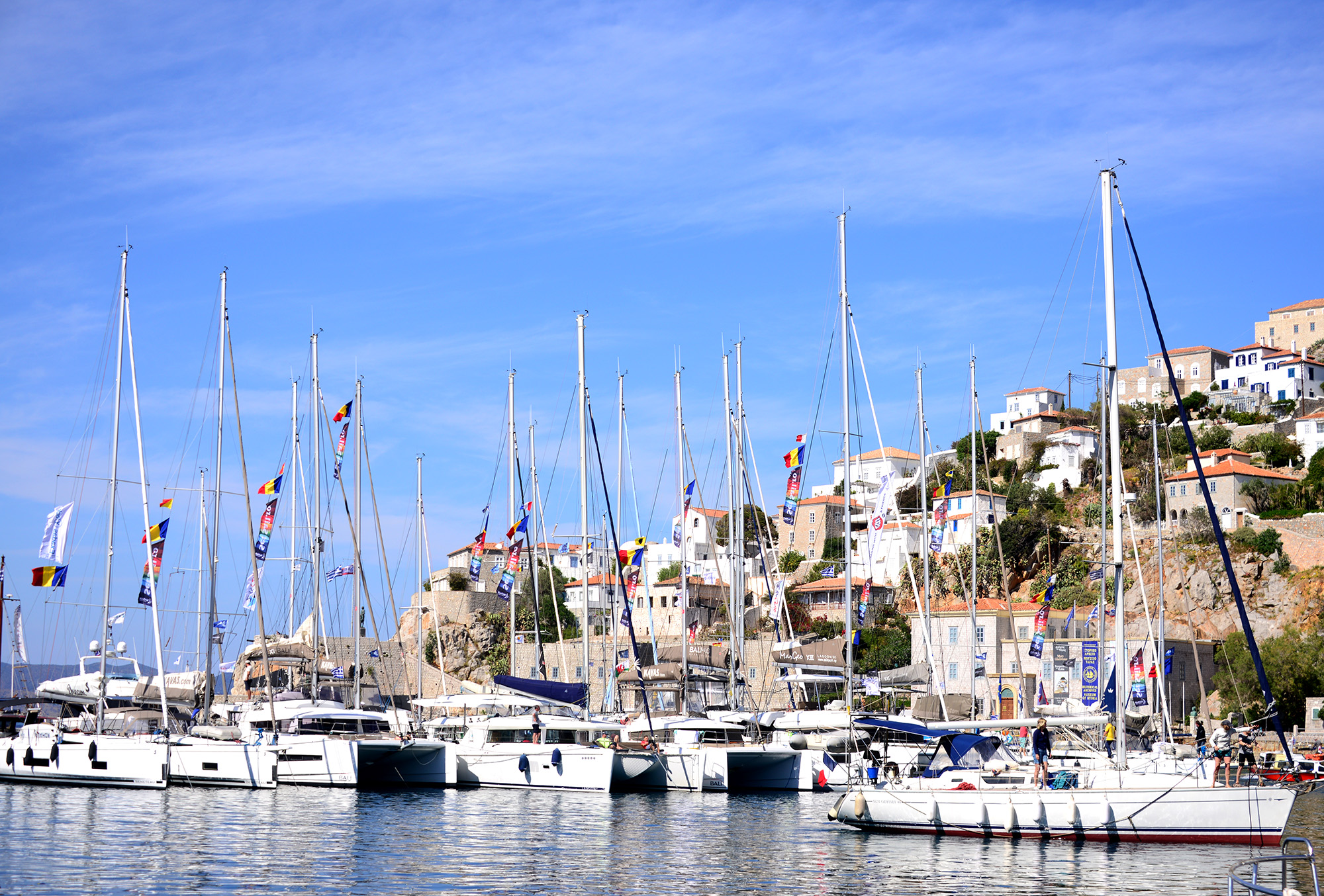
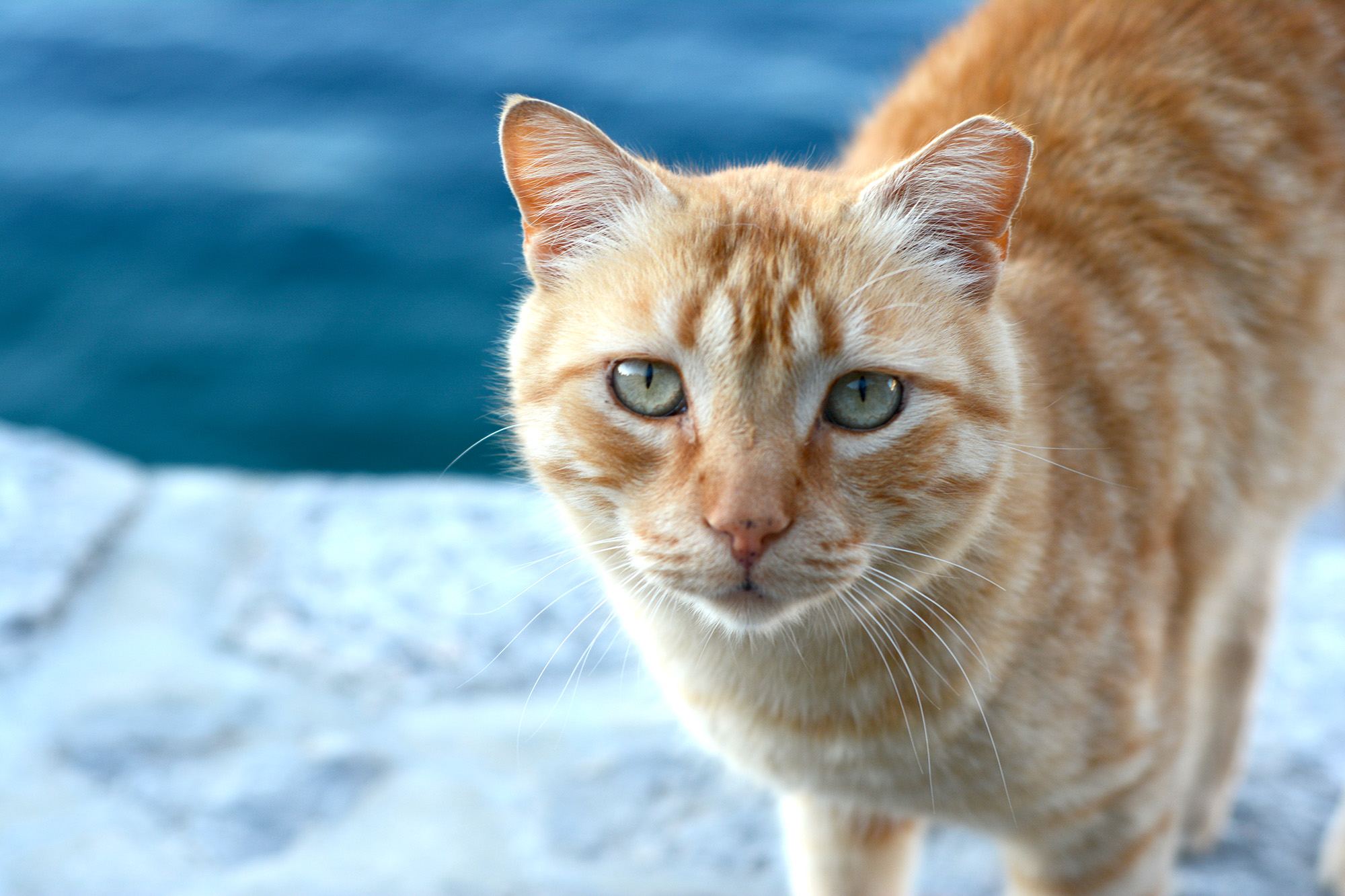
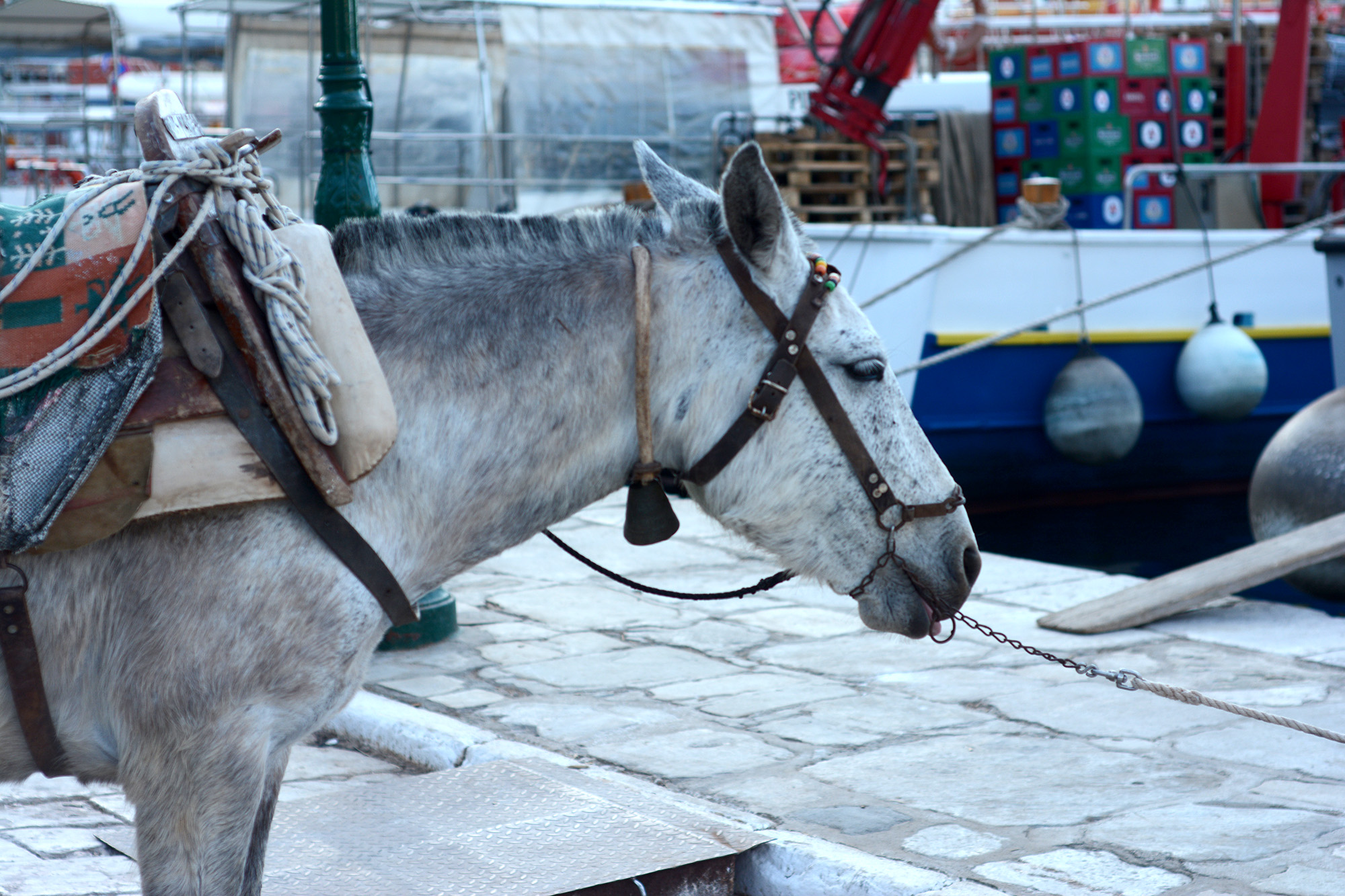
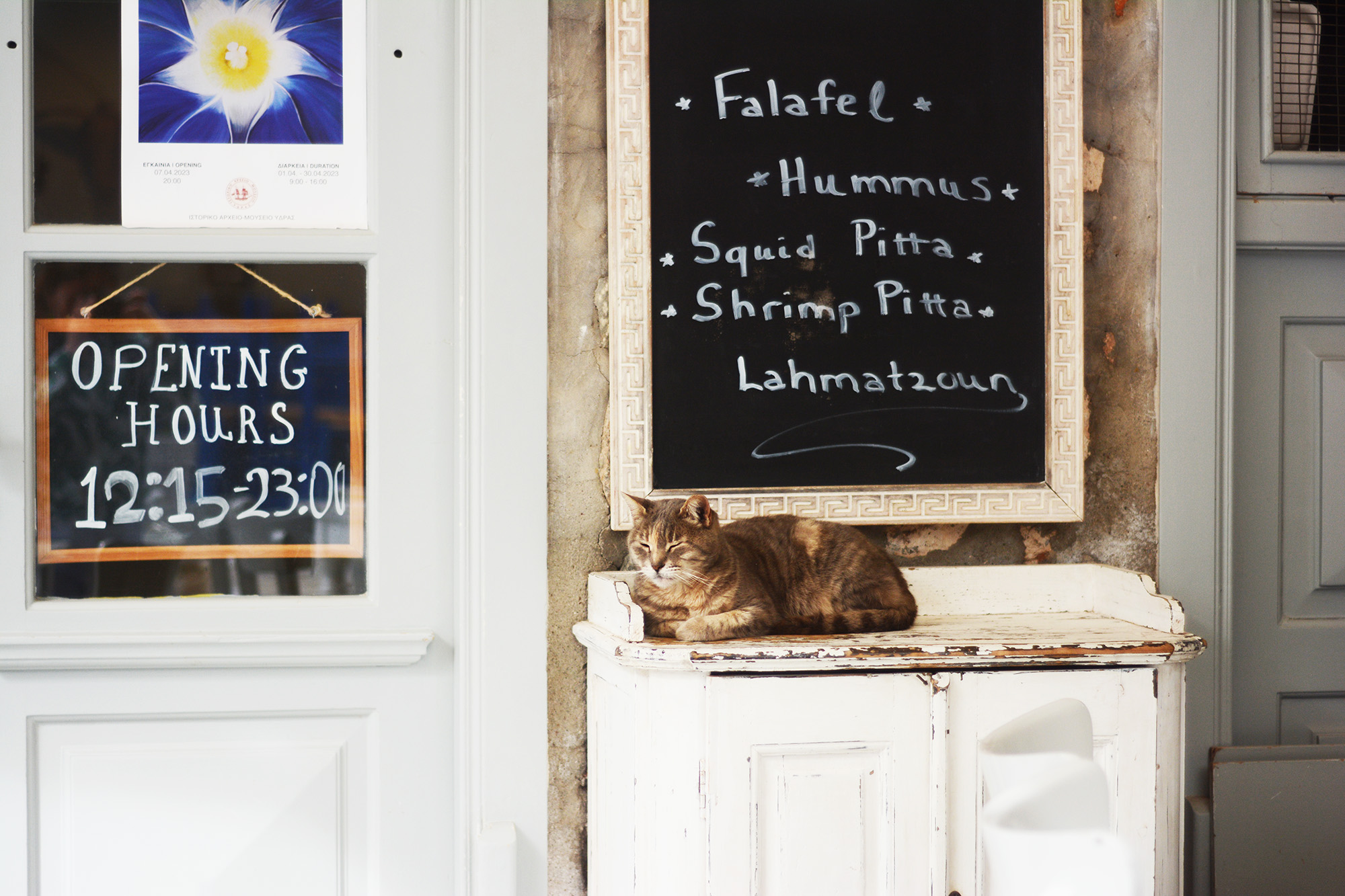
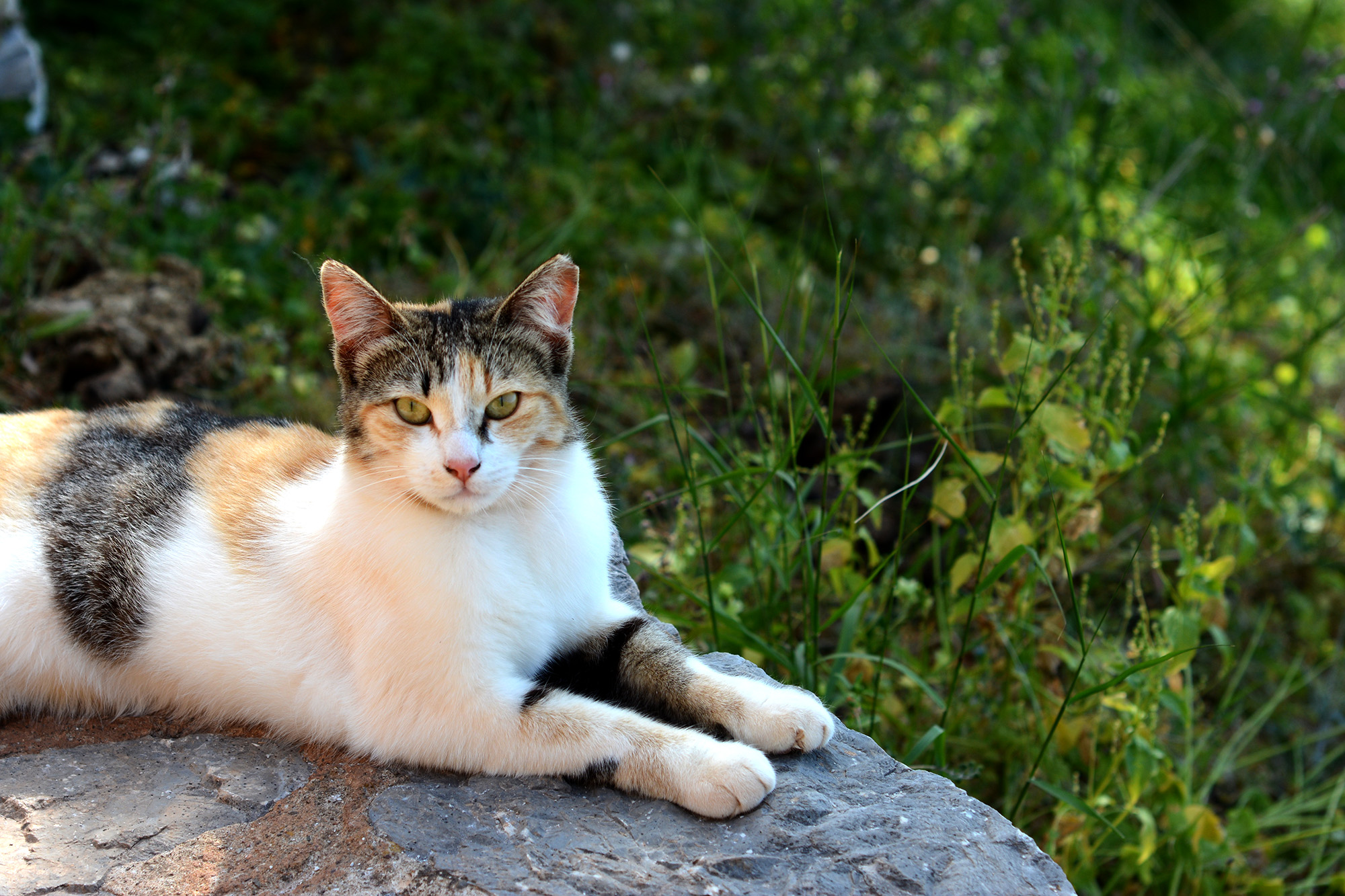
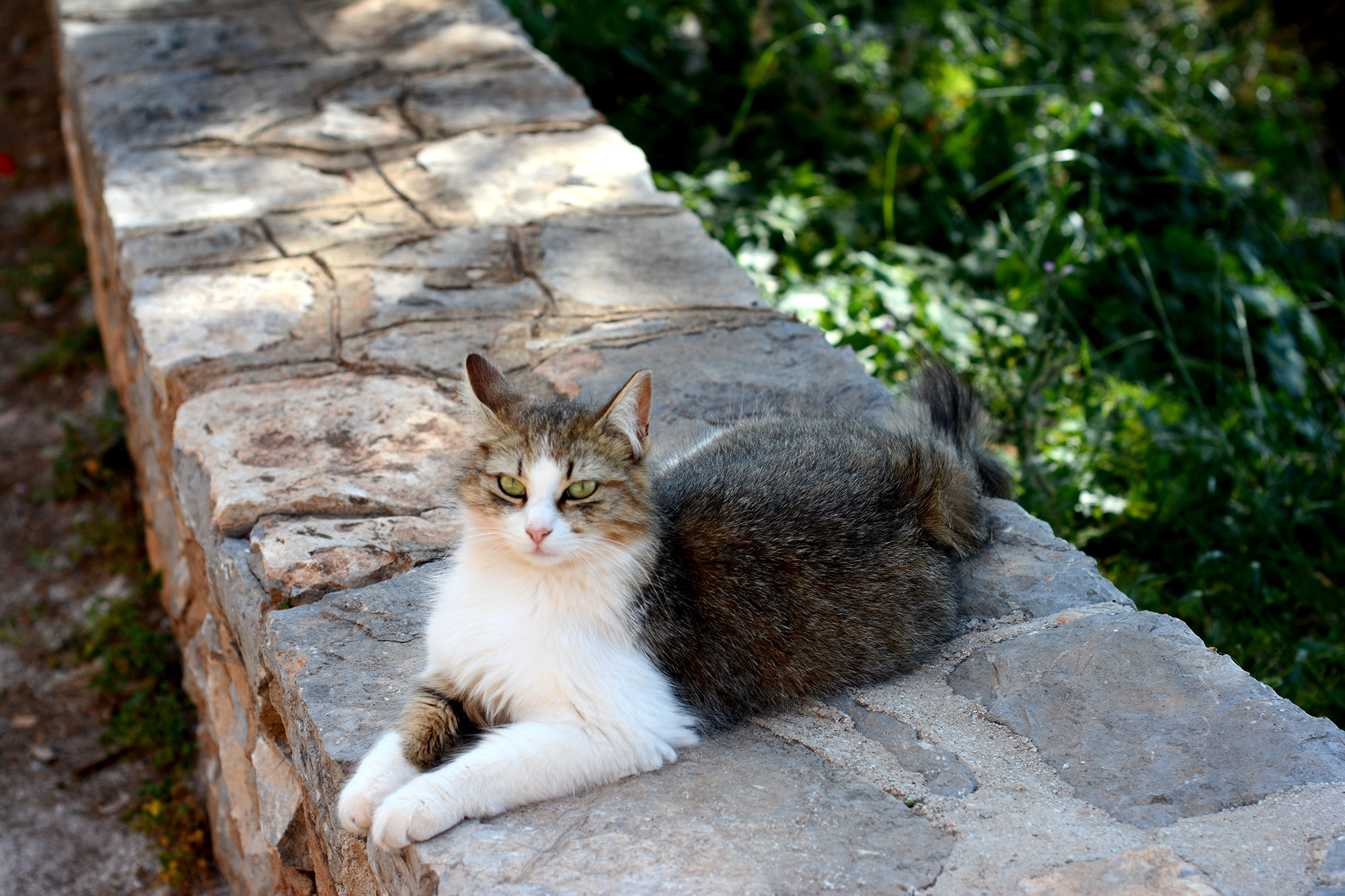
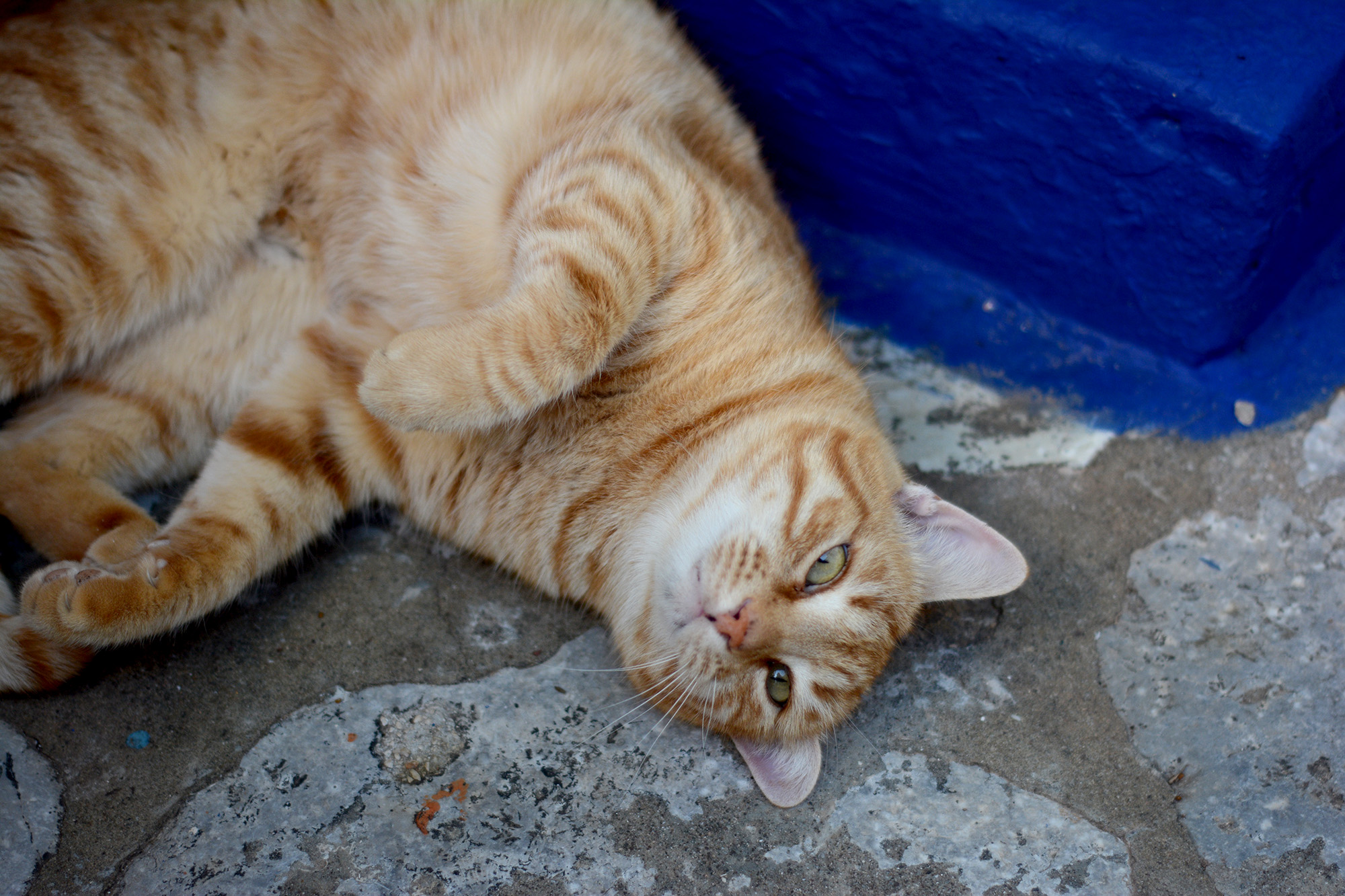
Not being a stranger anymore can be summed up in the joy of recognising places, not just in their physicality, but with added layers of remembrance and emotion. The bakery which used to be Drougas is now called Evstratiou, essentially the same, but with better coffee. The terrace of Isalos, in the port, is fully unchanged and I sat there with a happy grin on my face because my wifi connected automatically and Freedom IV arrived from Metohi with a load of passengers and parcels. There was the usual commotion, an angry poodle, somebody ran back having forgotten something, locals were chattering while their freddo espressos got sloshy and a lady was mildly offended that a fat tabby felt too lazy to accept her offerings of breakfast leftovers. In …kai kremmidi we ordered exactly the same meal we’d had during our very first visit on the island (iskenter kebab and kiounefe for dessert, warmly recommended). Cats here were more than interested in the contents of our plate, and, on the terrace of the restaurant on the other side of the street, a lady was dispensing small waffle cones with chocolate filling, as it was her birthday. It also happened to be the eve of mine, and I recalled how the birthday girl or boy used to bring sweets for their classmates while I was in school, and how we bought the same type of waffle cones in the small shop in the school yard.
By now I’ve made progress on my Greek, too, and the menu in …kai kremmidi (which I now know means …with onion), while being exactly the same as the first time I set eyes on it, has shape shifted from a roster of mysteries to a feast of possibilities. I’d travelled to Greece before, but always felt quite content to get by on the leftovers of the Greek alphabet I’d kept from high school, and the benevolence of locals switching to English to humour the tourist. But after Hydra, I suddenly felt an urge to know more, to understand, at least in fragments, a language that never ceases to amaze me as an endless source of shifting meaning. My father has, for reasons of his own, taken up Greek too, and we entertain each other with exciting etymologies: in Greek both a person and the face are πρόσωπο, prósopo, but in Romanian prosop is only ever used as a towel, that which a person uses to dry their face.
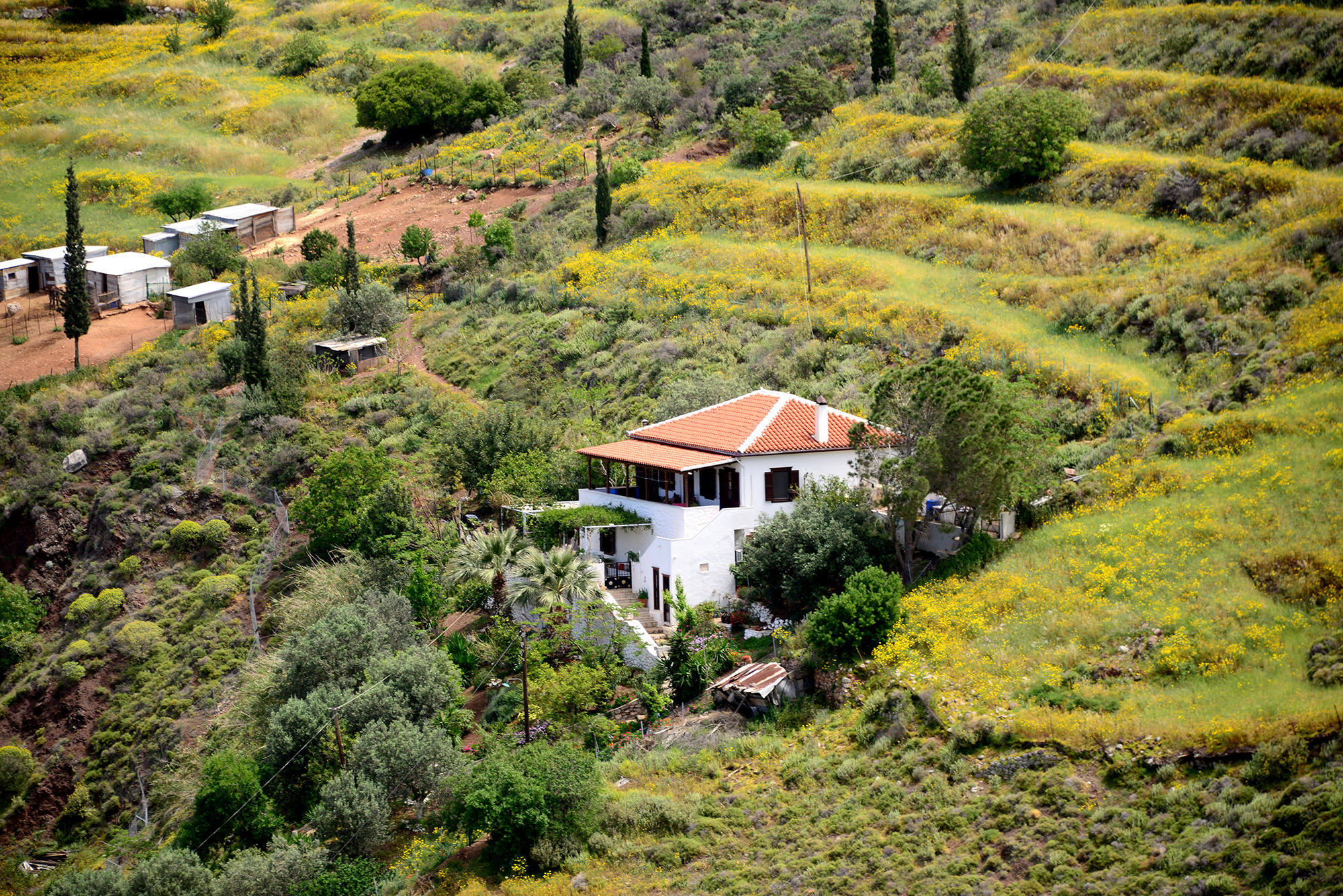
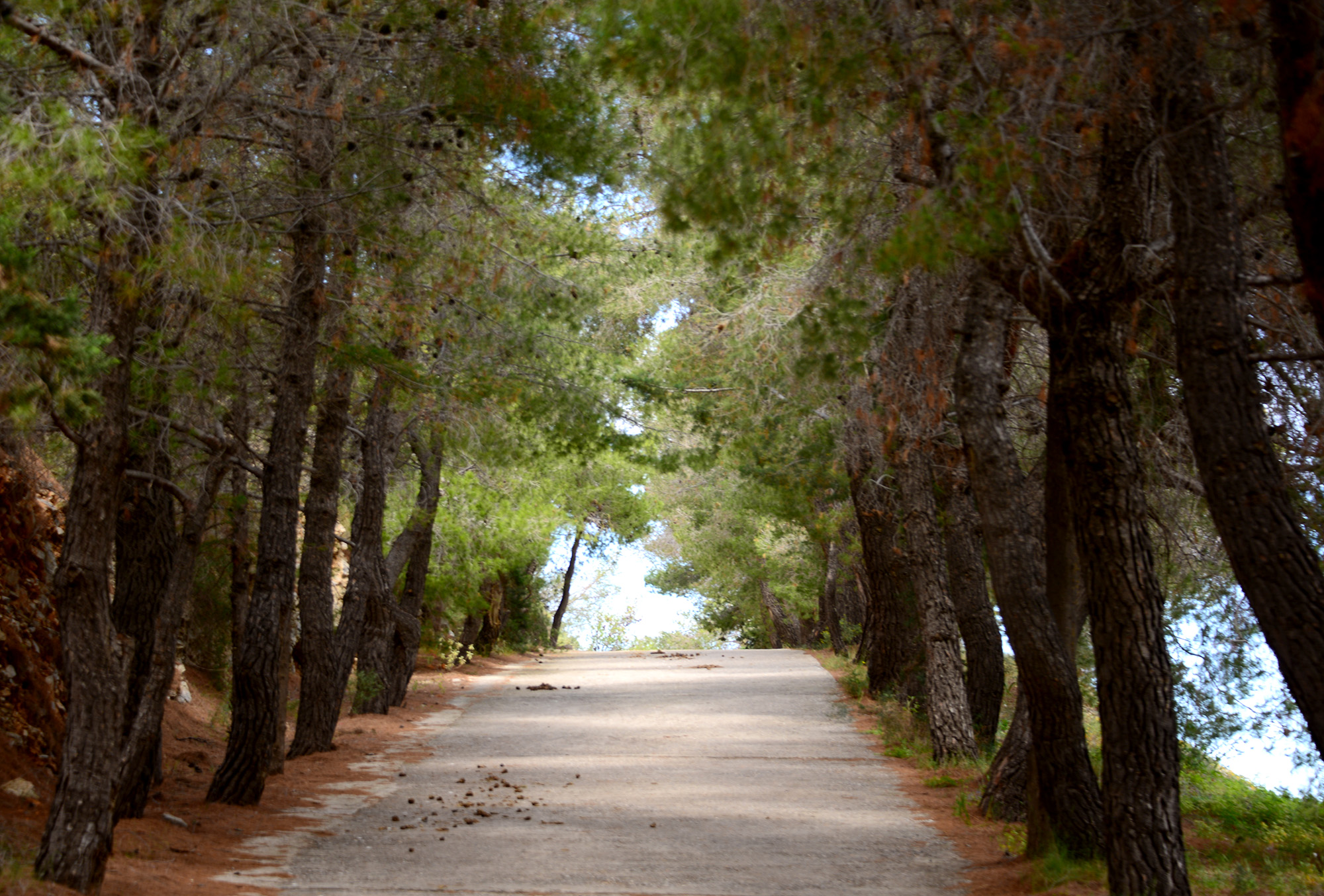
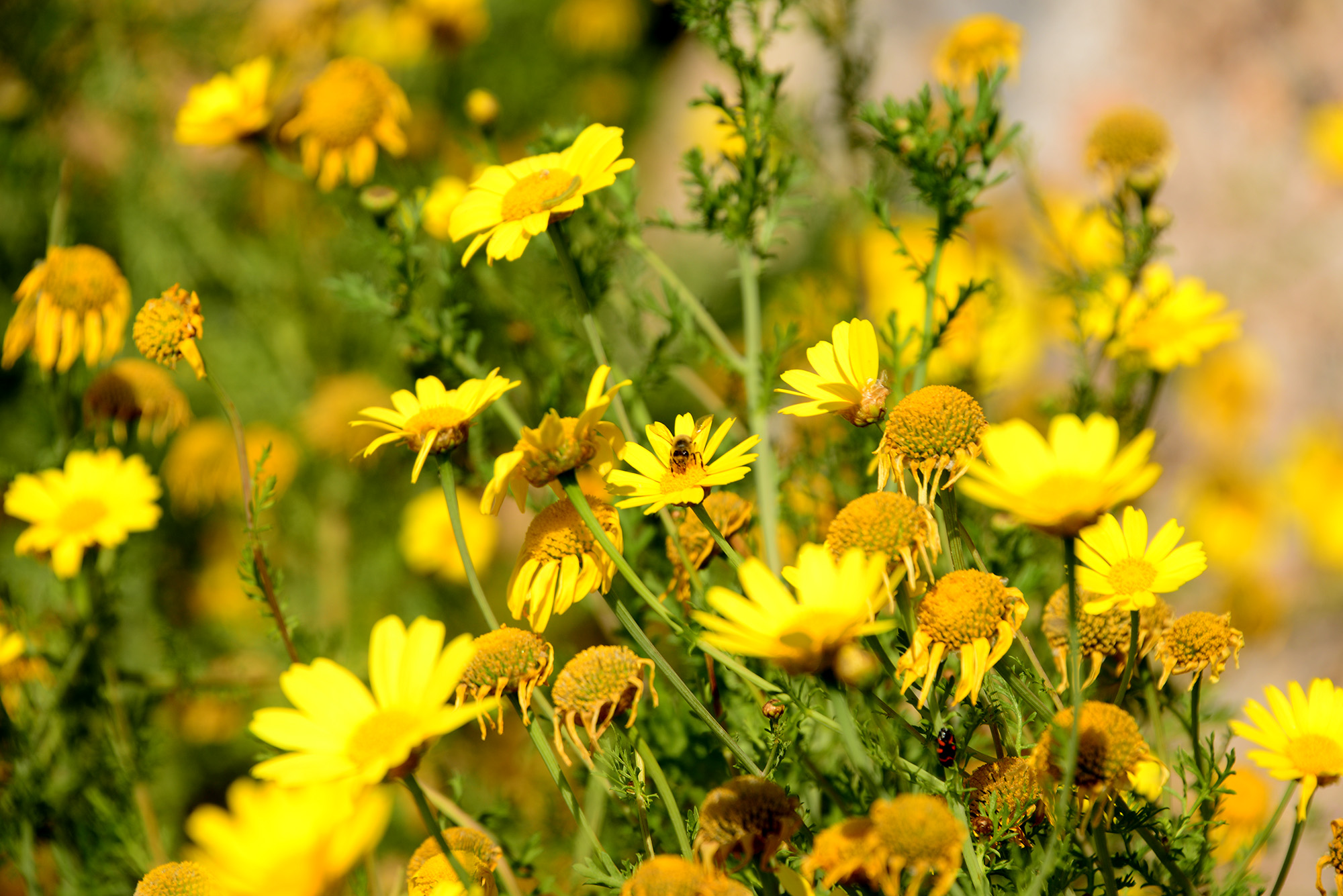
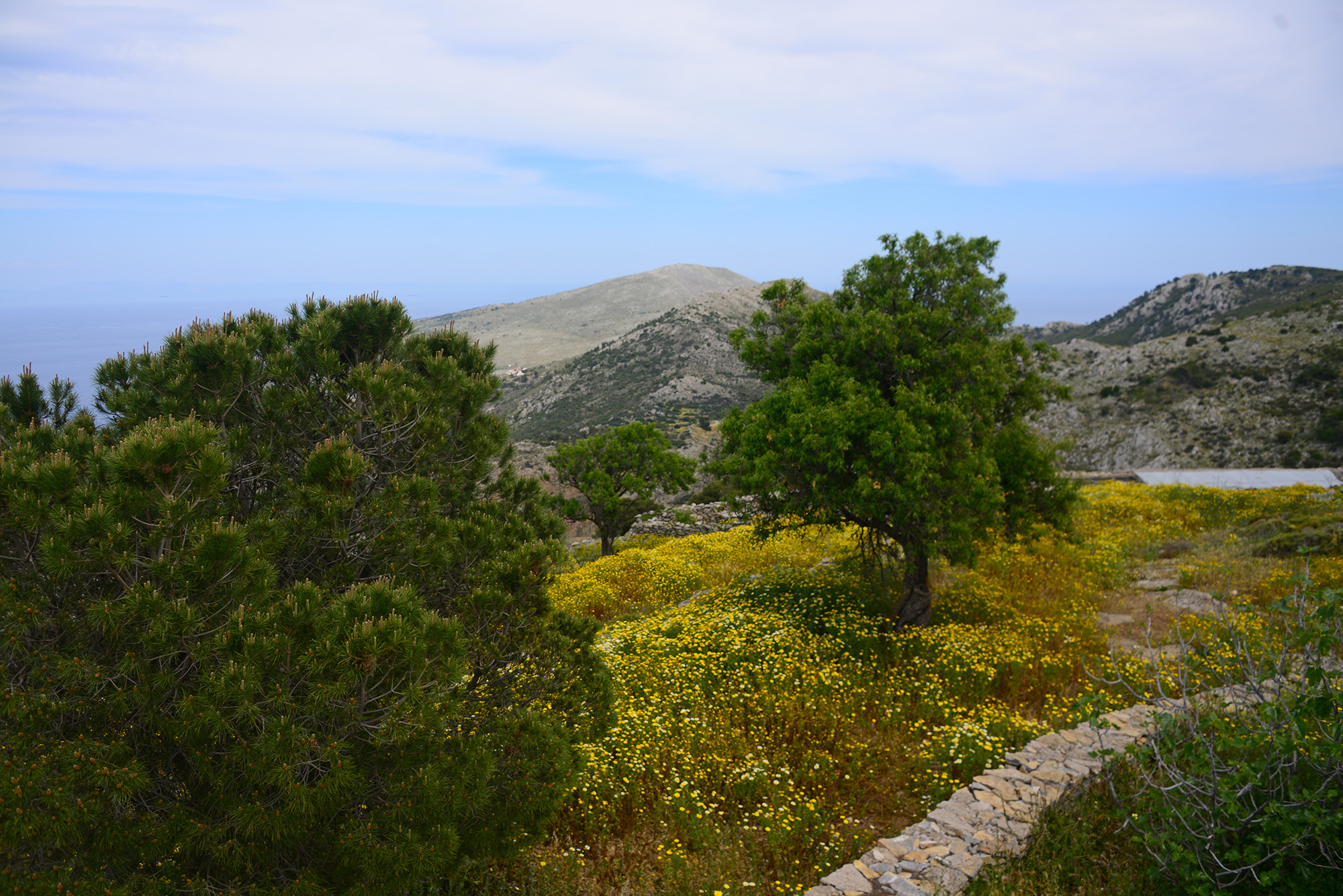
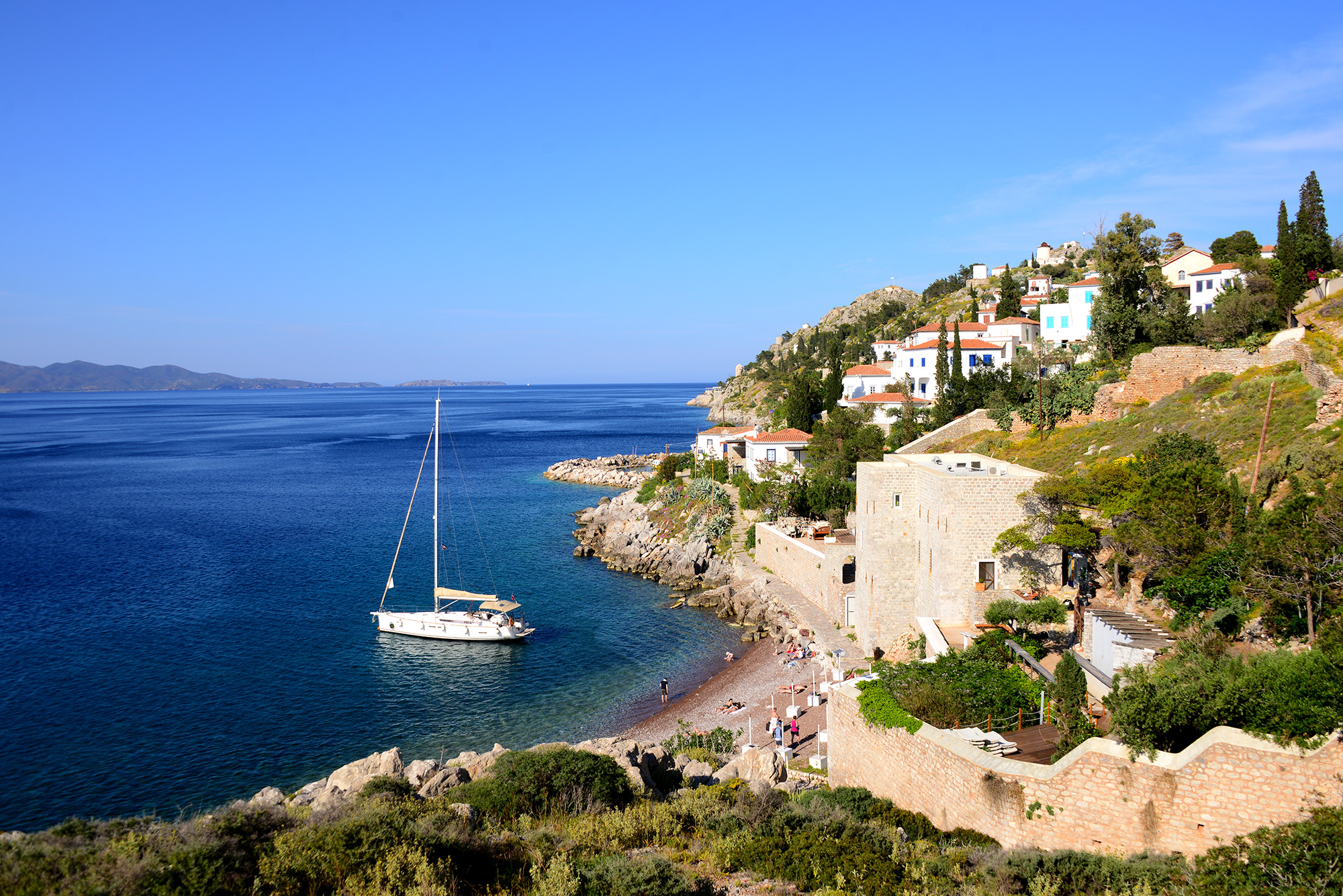
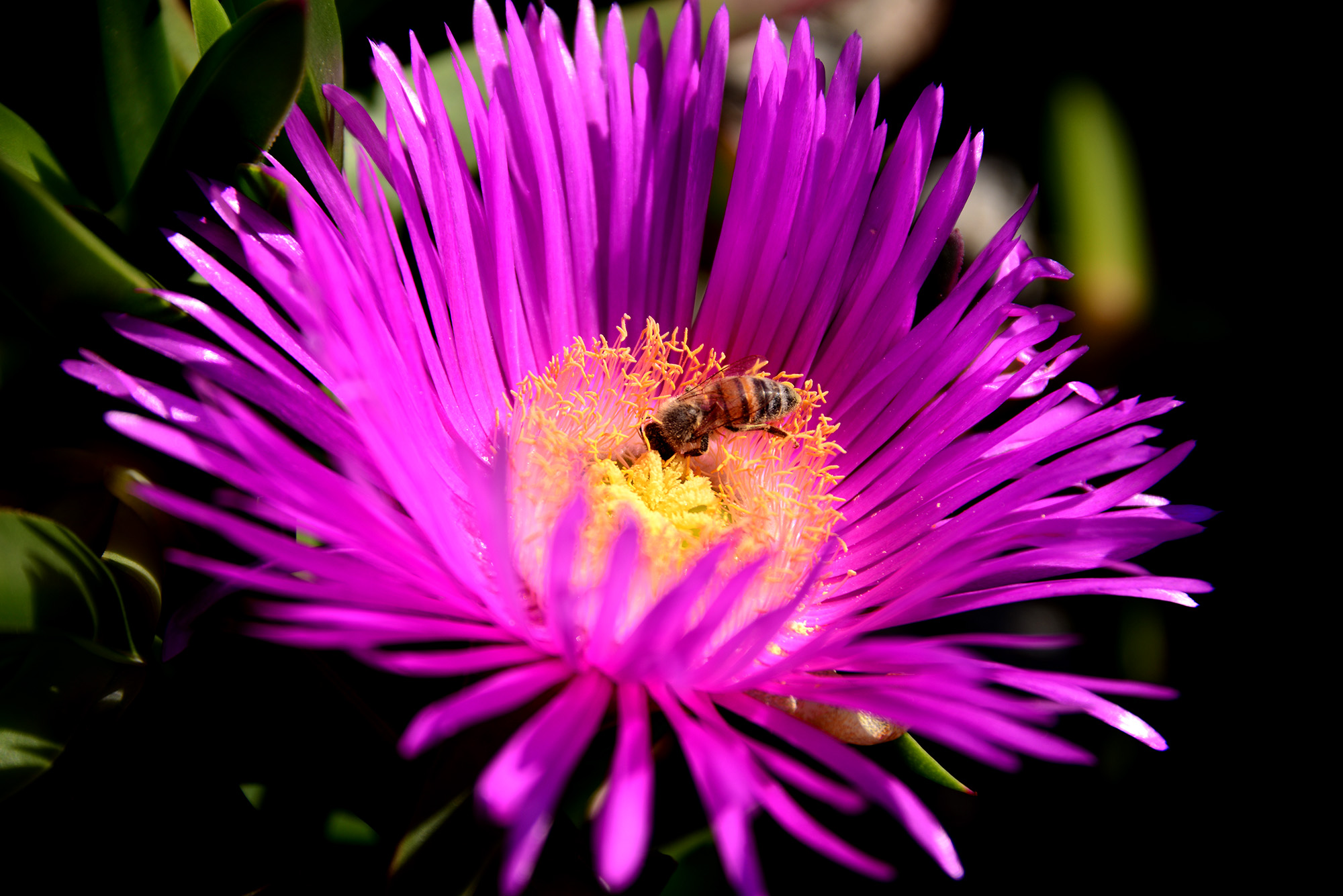
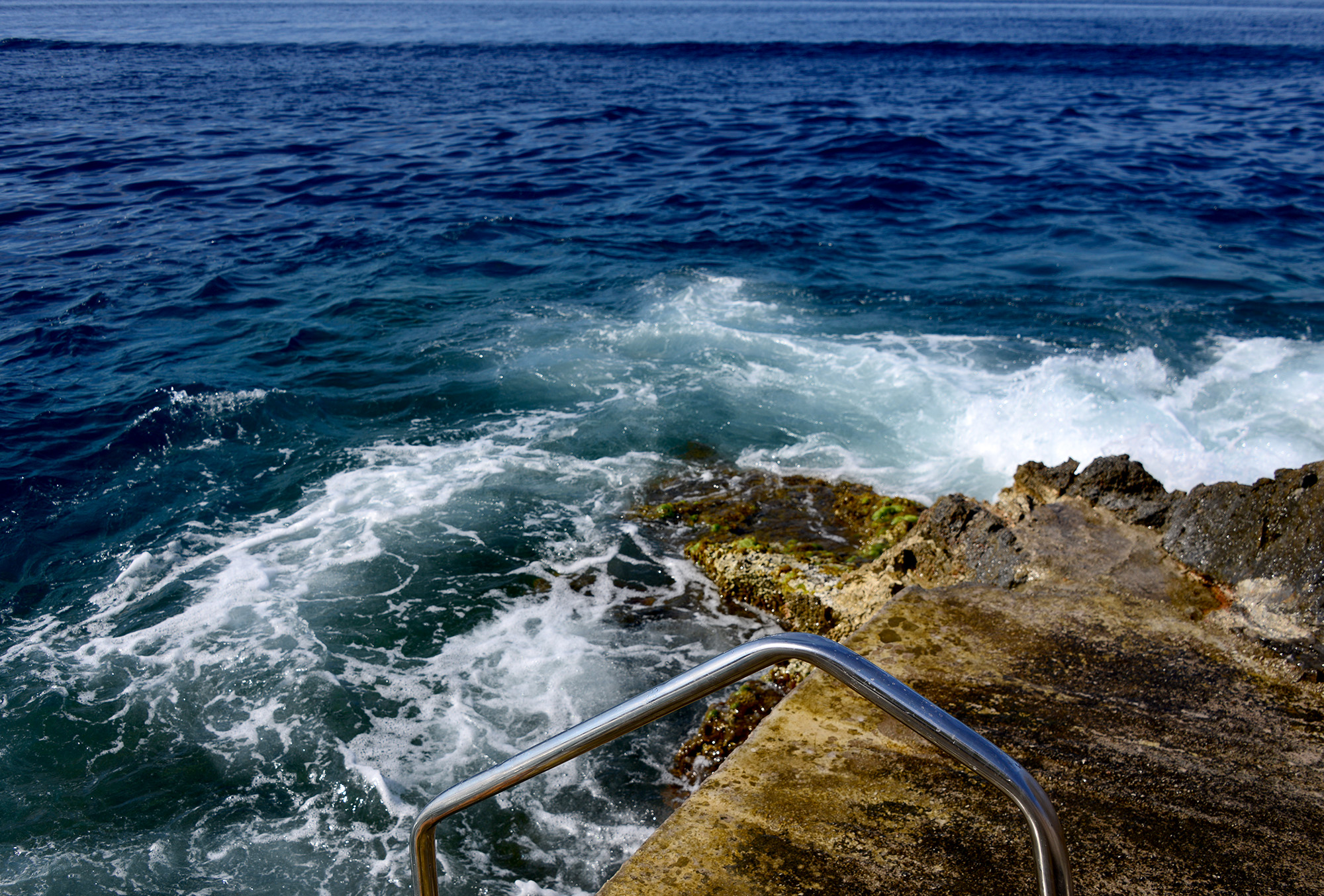
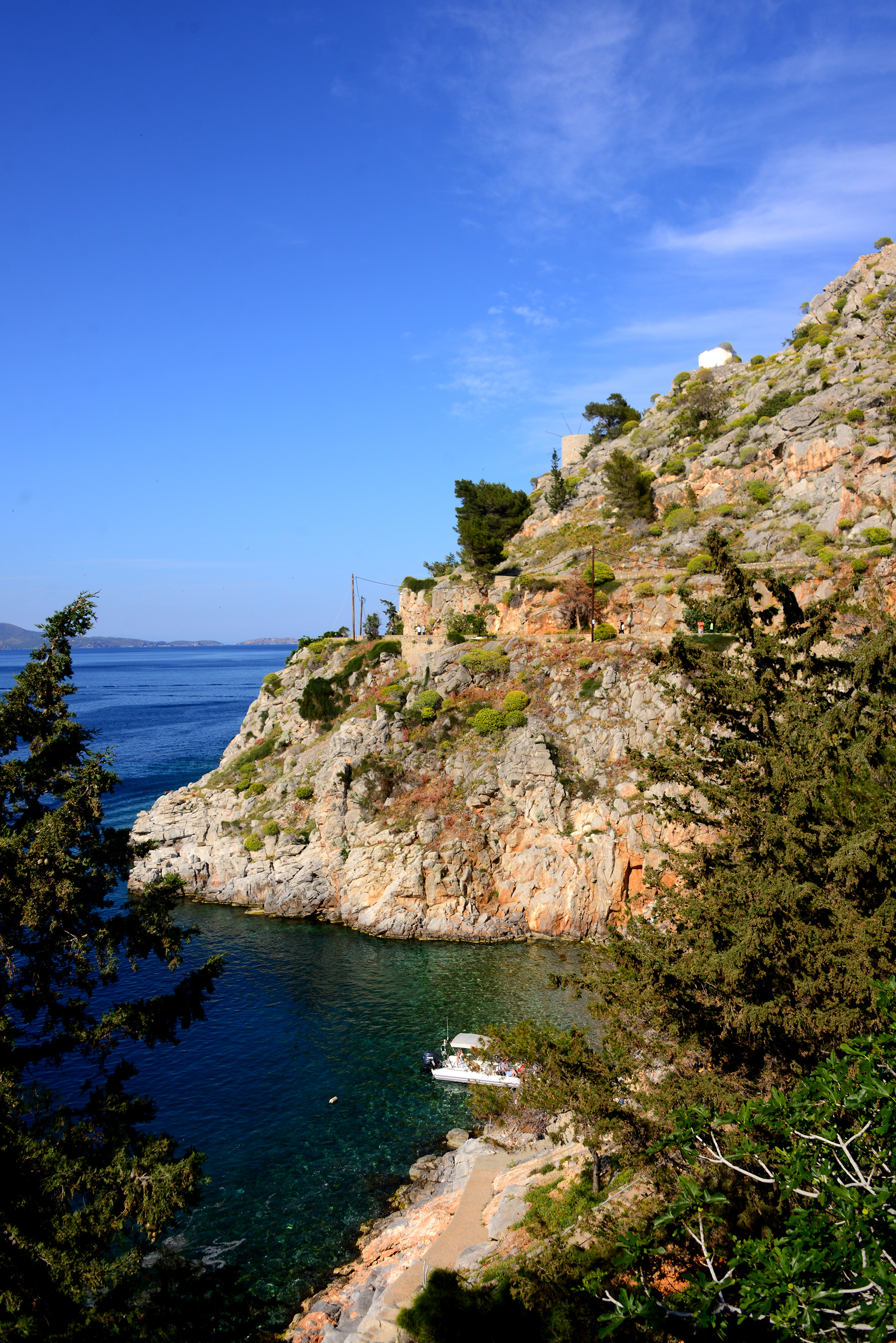
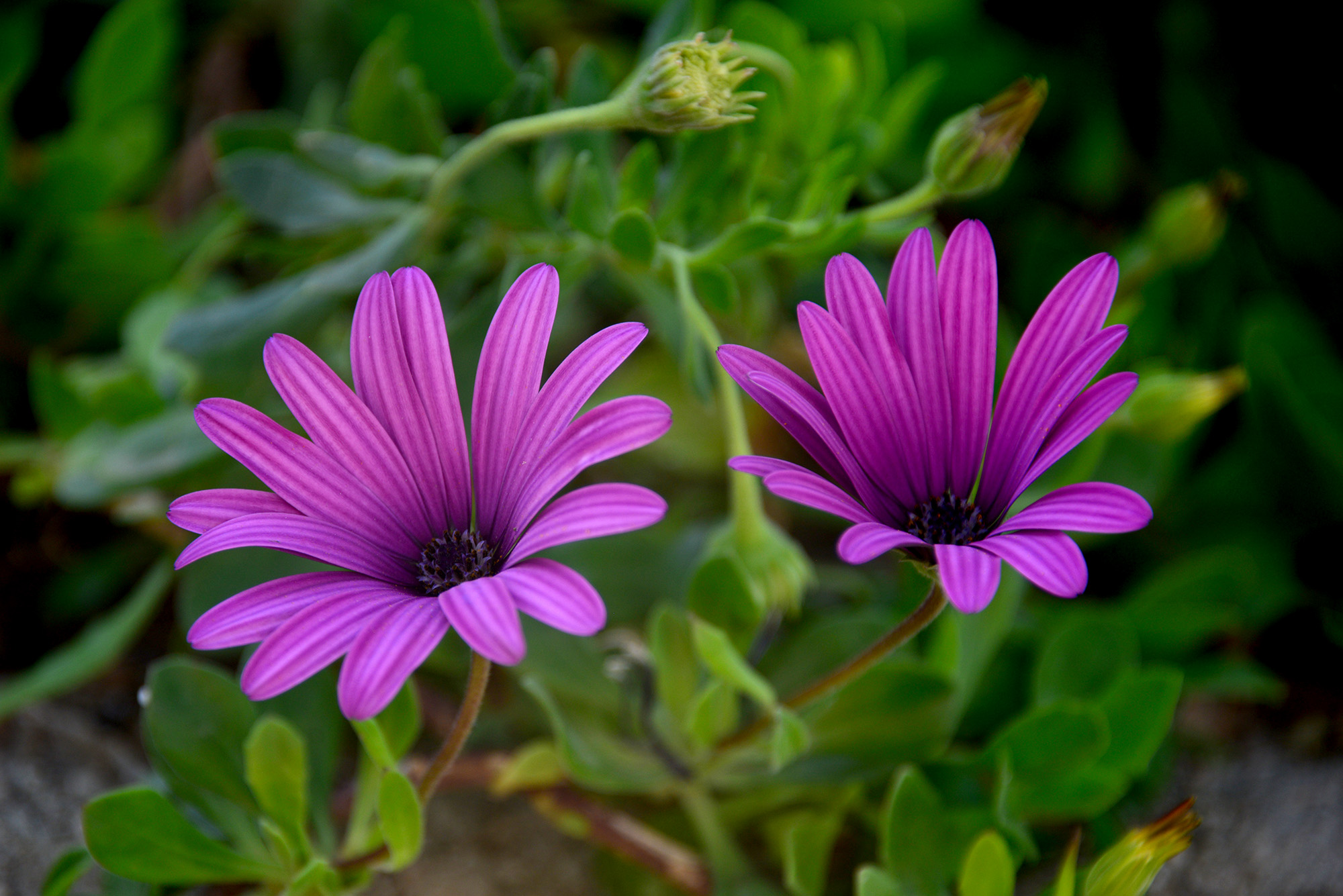
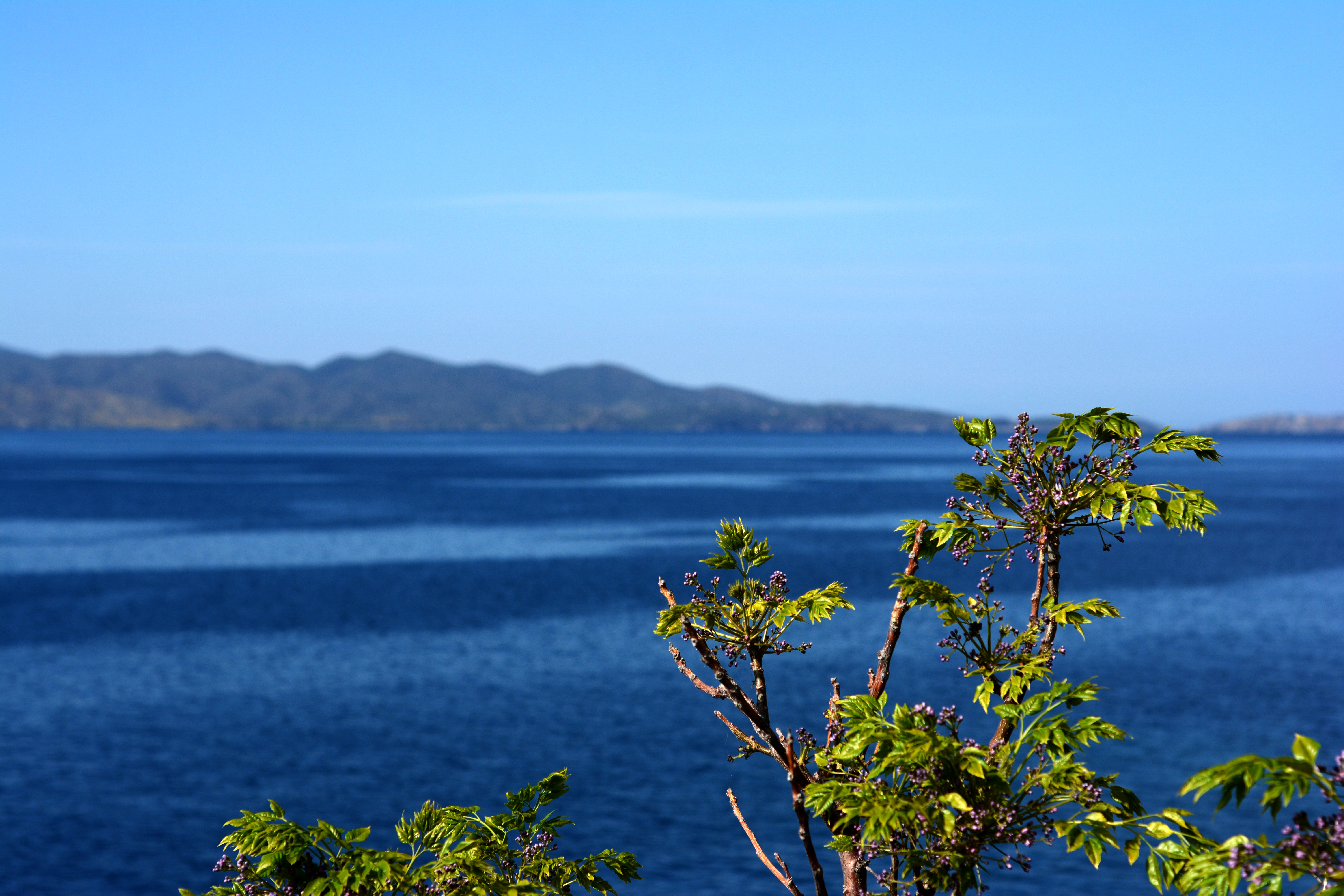
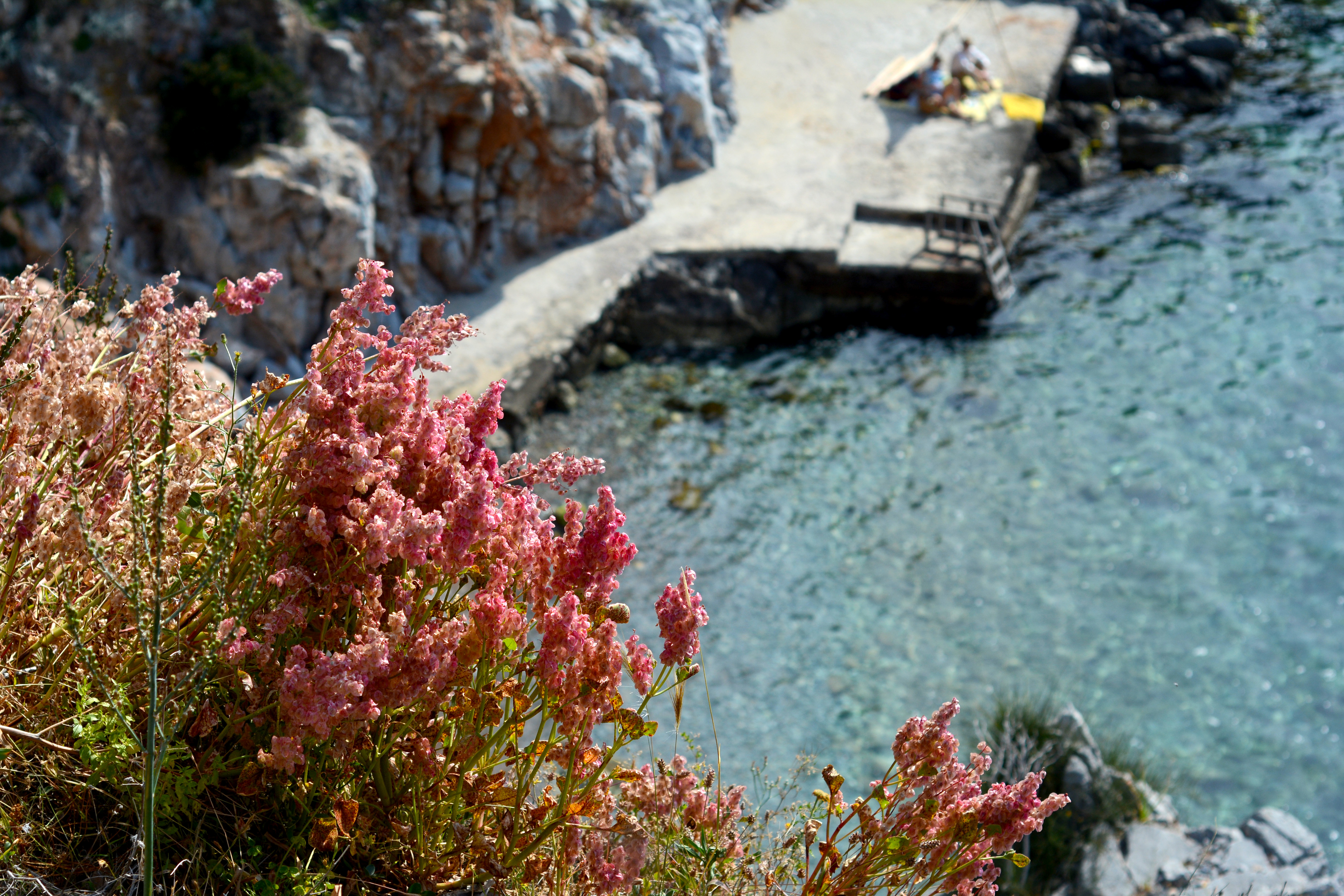
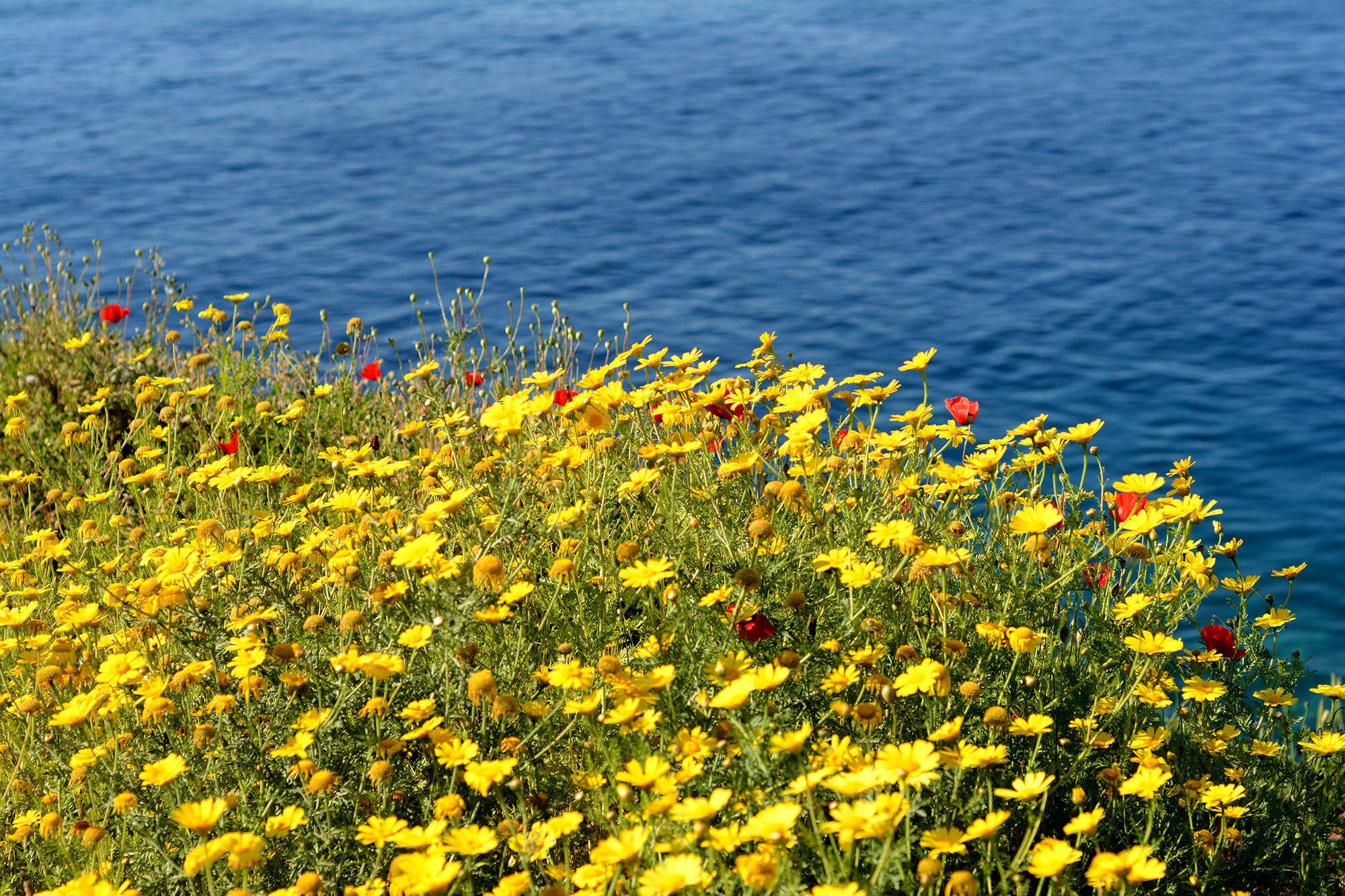
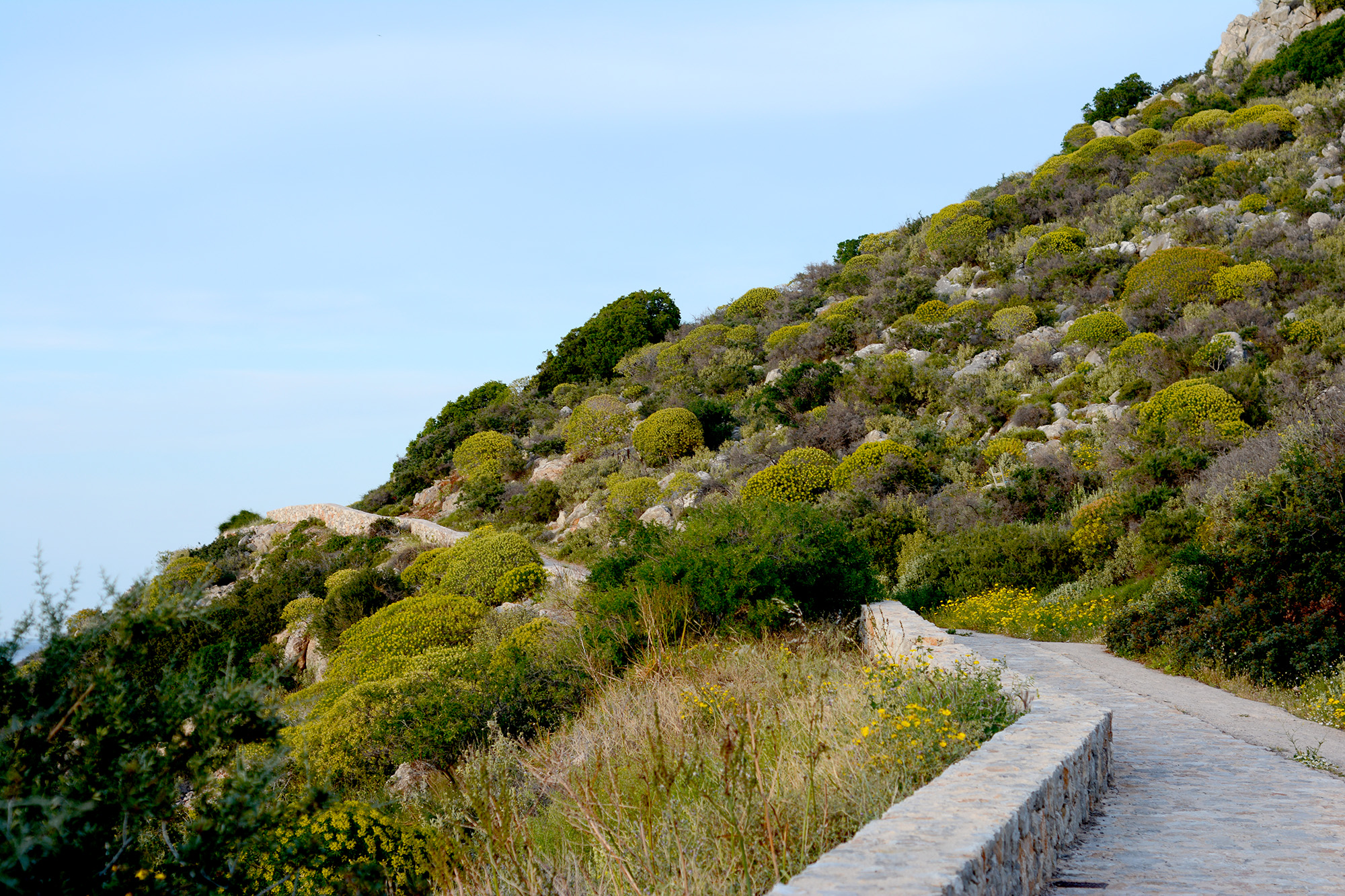
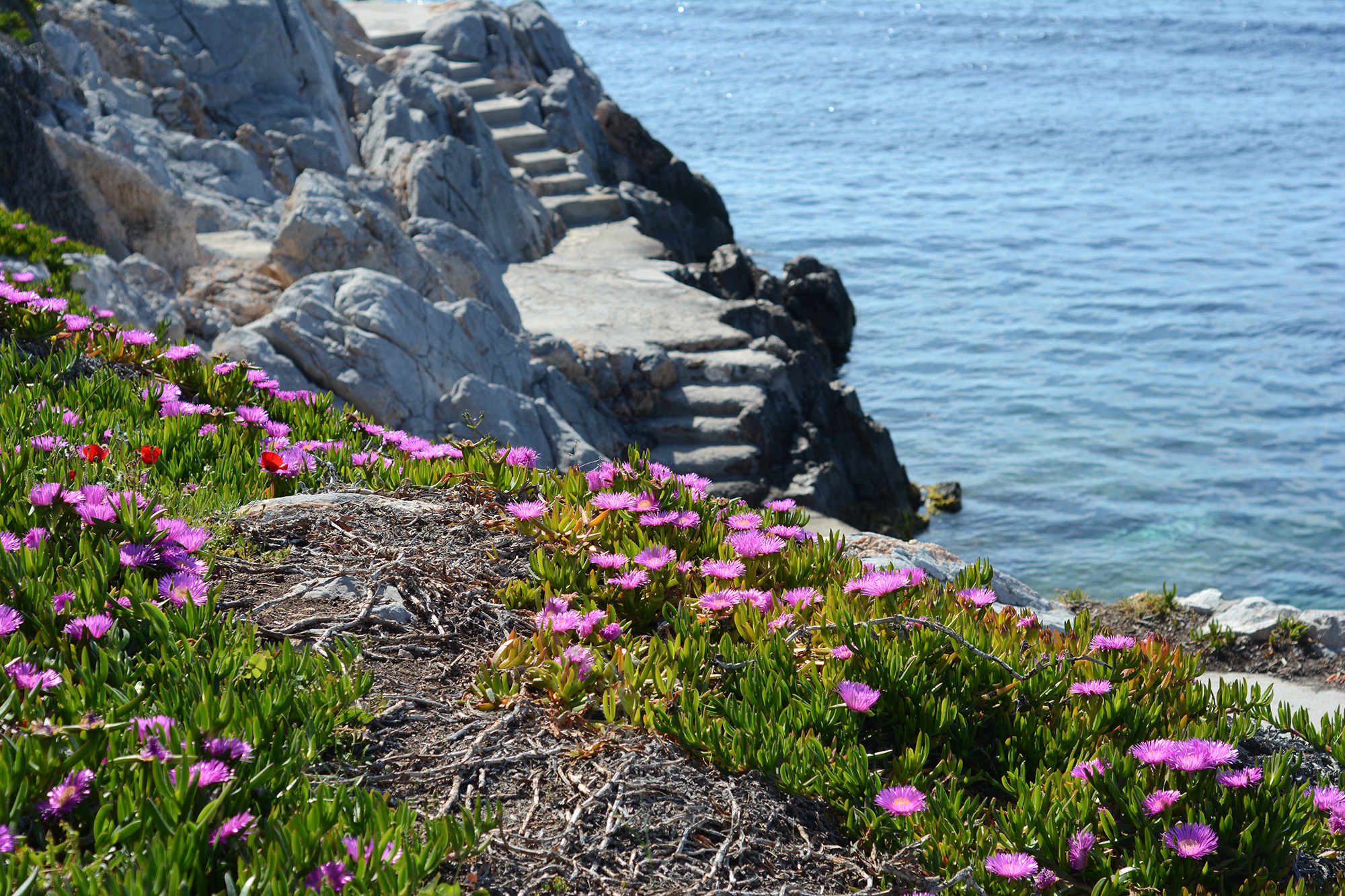
At the rocks of Spilia, the blog’s industrious co-photographer took the first plunge of the season, in fairly frigid spring waters. He was cheered on by a group of Germans, who then proceeded to take brisk dips too. These were all hailed as great victories over the elements, until two middle aged French couples arrived, went in with minimal hesitation and swam out to the open sea with comfortable strokes. We walked on towards Vlychos on that perfect stretch of coastal road, and I entertained the industrious co-photographer with amazed squeals of how green and lush everything was. With the help of image search, I turned into an avid botanist, identifying familiar blooms with exotic names: Neapolitan garlic, Jerusalem sage, cladanthuses, nasturtiums and scabiosa. Obviously, the island should look different in spring, I’d just never thought about it, and now it all came to me as a revelation.
A small commotion next to Avlaki beach was revealed to be the film crew of the upcoming series So Long Marianne, shooting a swimming scene. Throughout our stay, we occasionally bumped into them, in the port, there was a reconstruction of the Katsikas shop and walkers would be asked to halt until a take was finished. I’d always had a feeling no one could ever play Leonard Cohen and do him justice, but Alex Wolff, sitting forlorn on a boat between takes, seemed to get the look and the existential malaise quite right. I also enjoyed the irony of actors now playing characters who, when living on the island, used to take minor parts in films shot here yet complain about the disturbance and commotion film crews caused. Hydra’s magic is that the more it changes, the more immutable it becomes, always firmly aligned with itself.
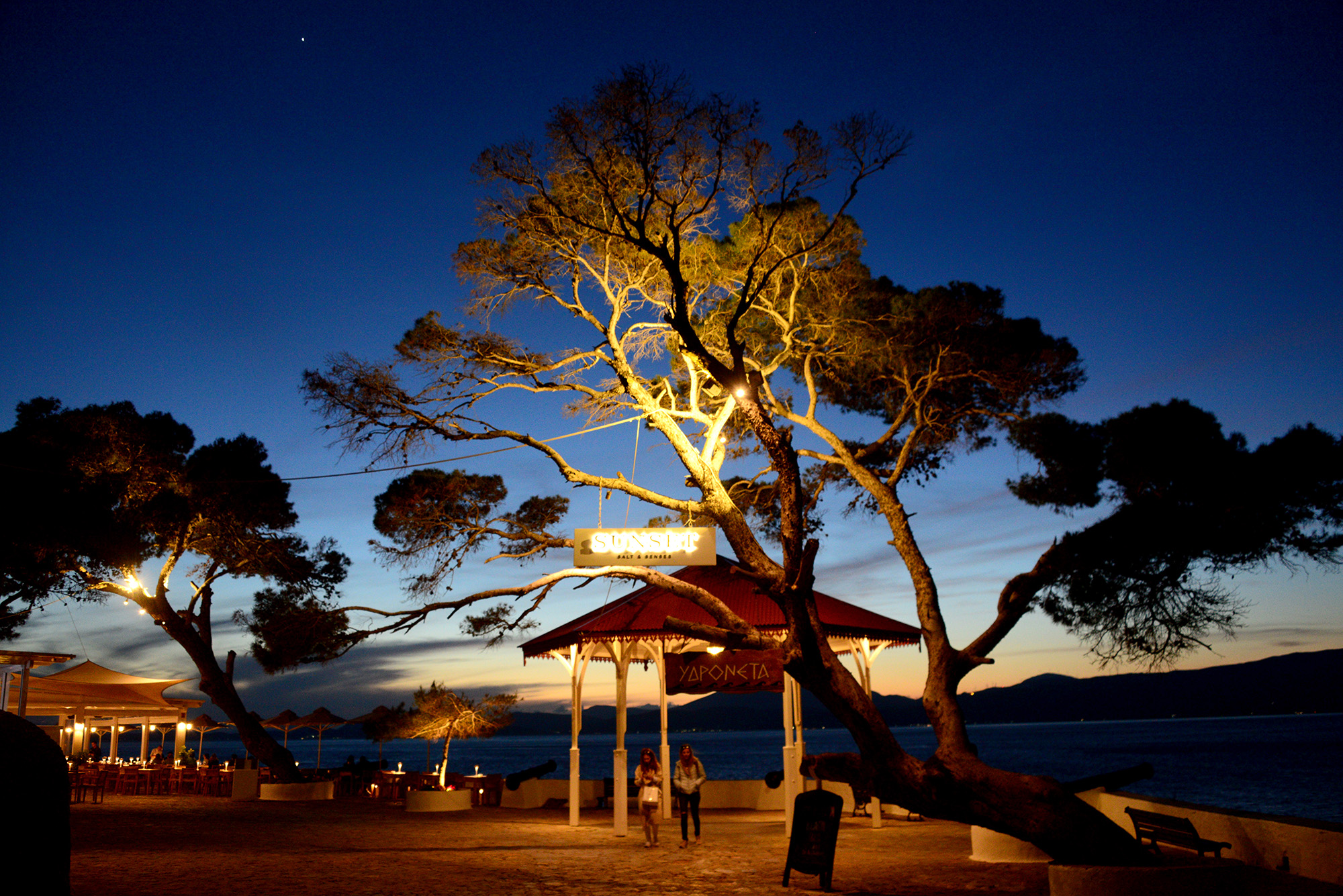
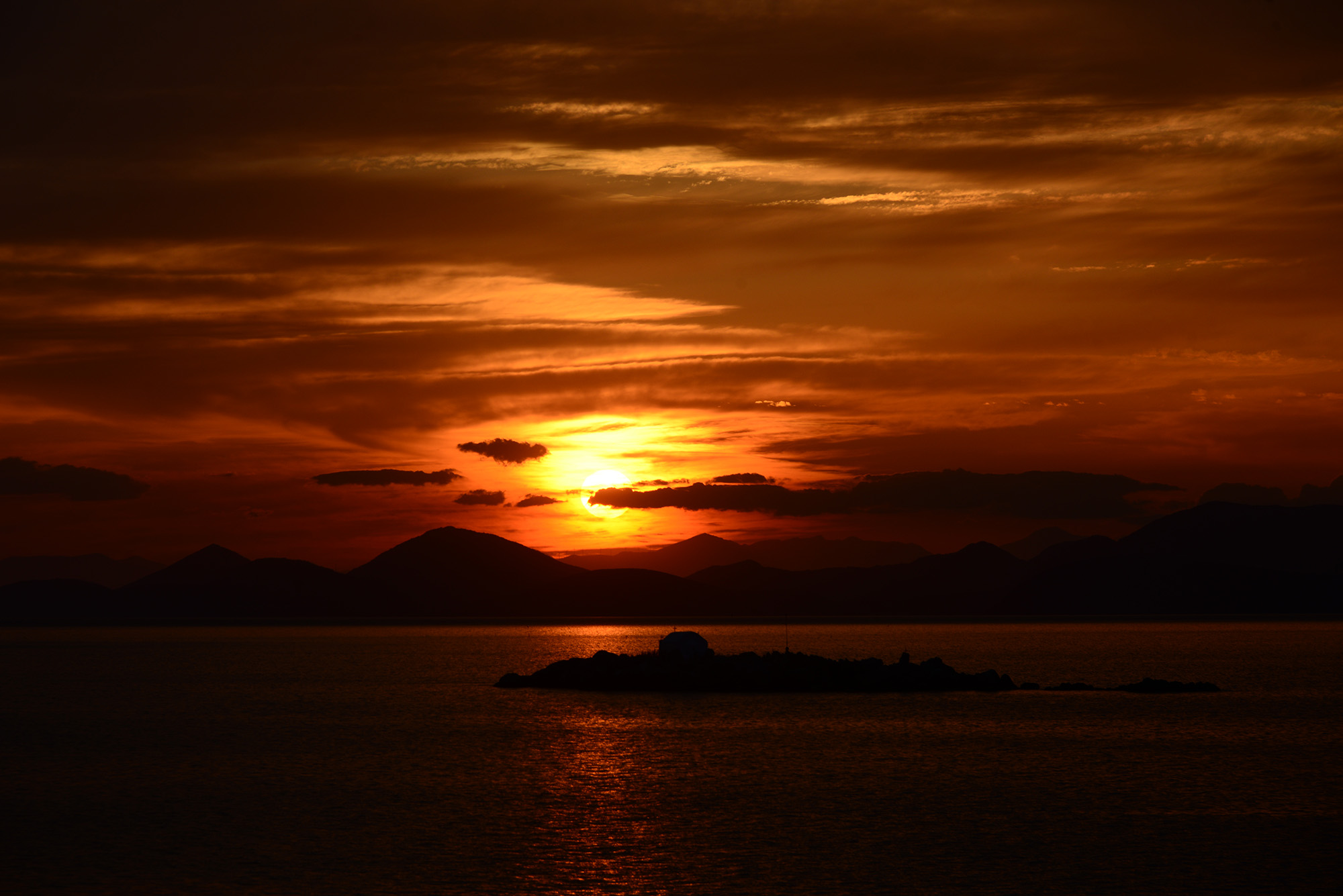
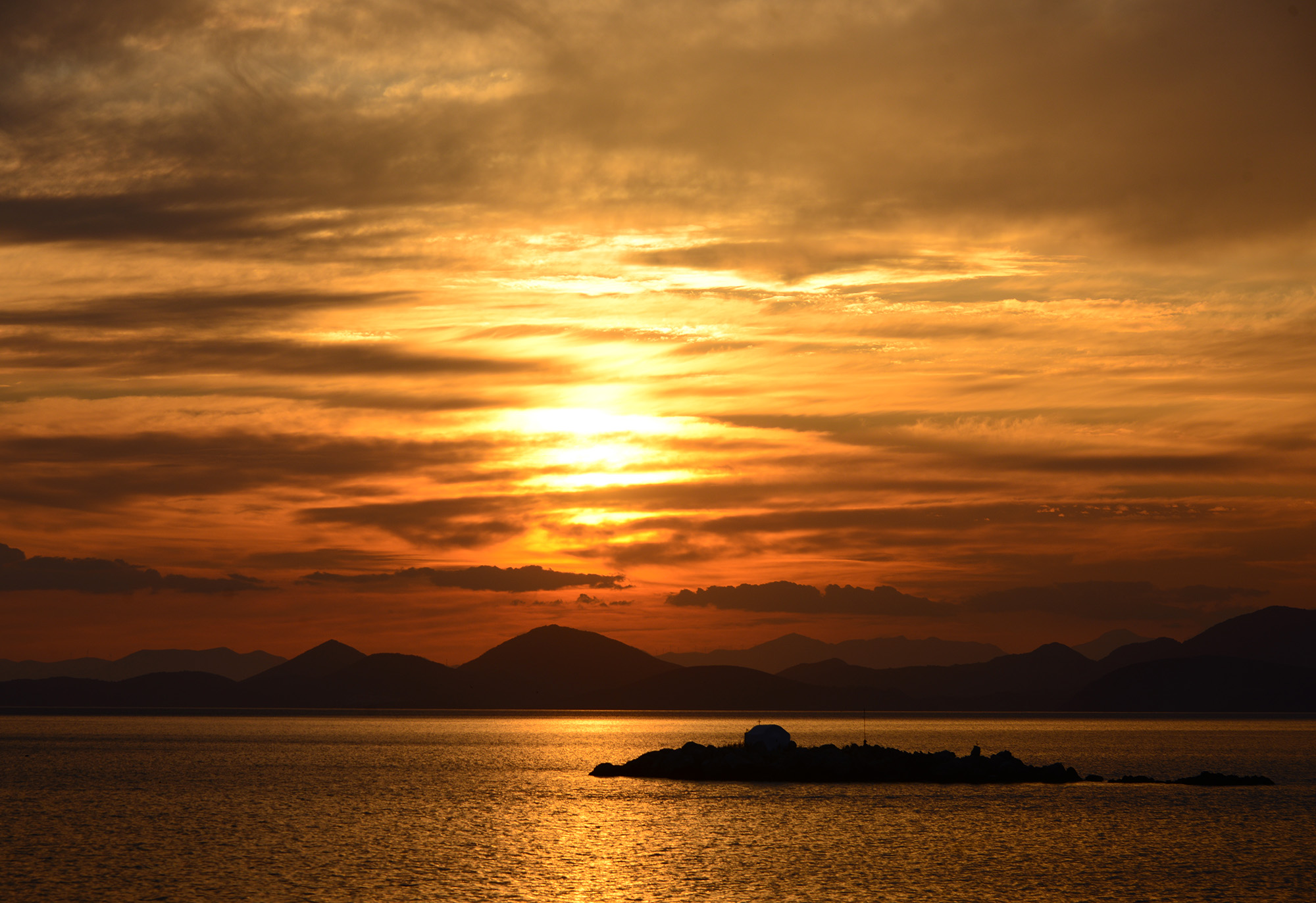
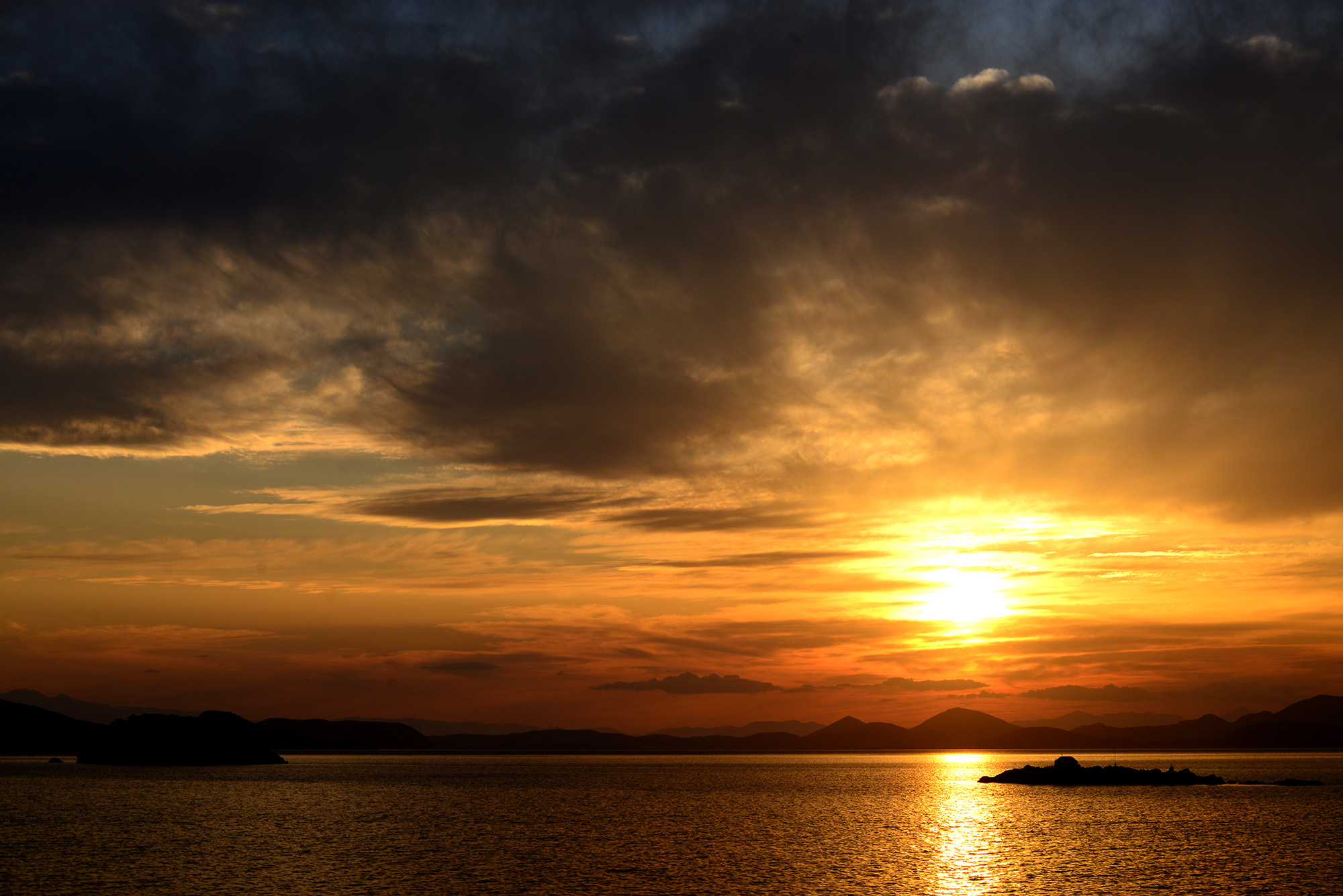
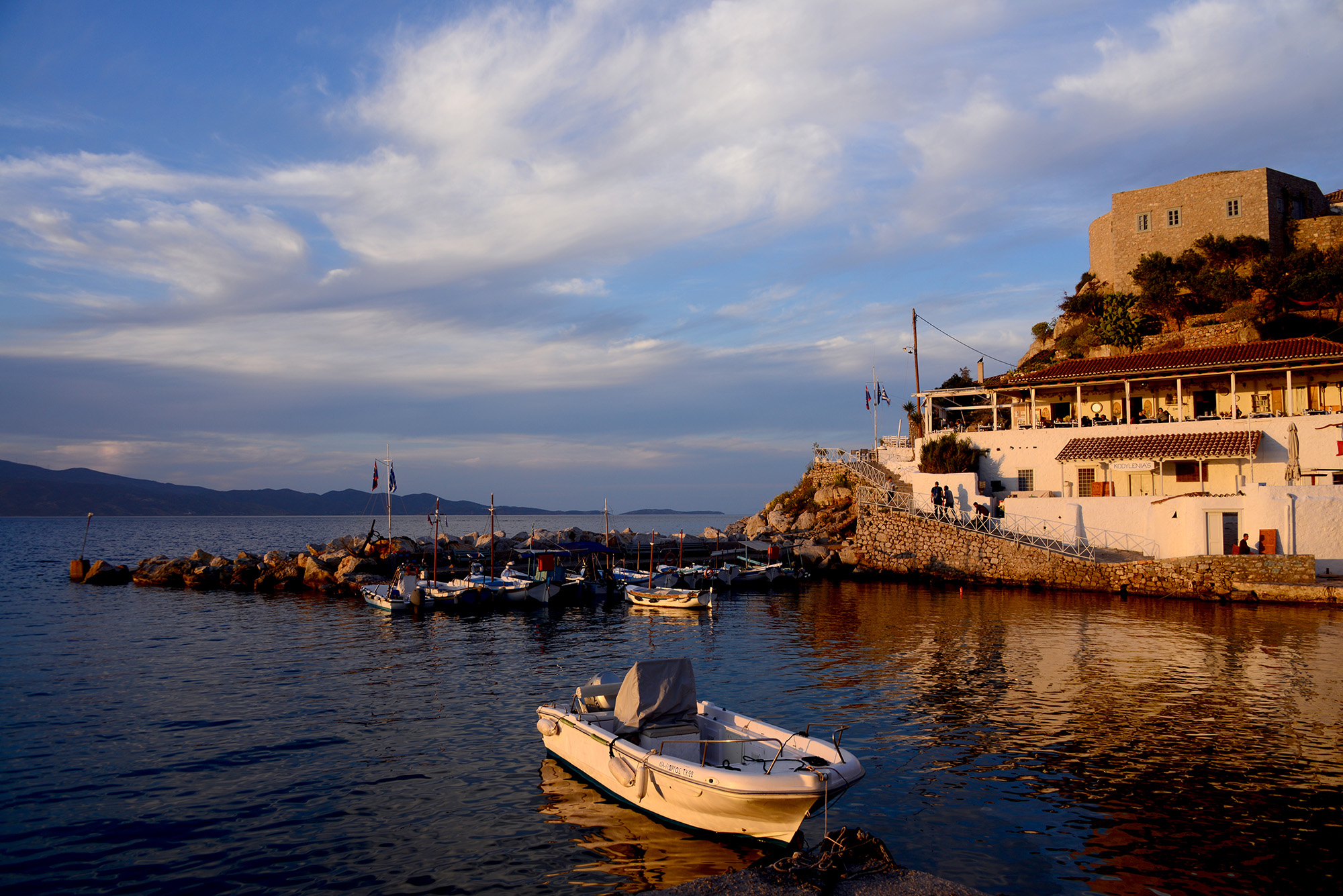
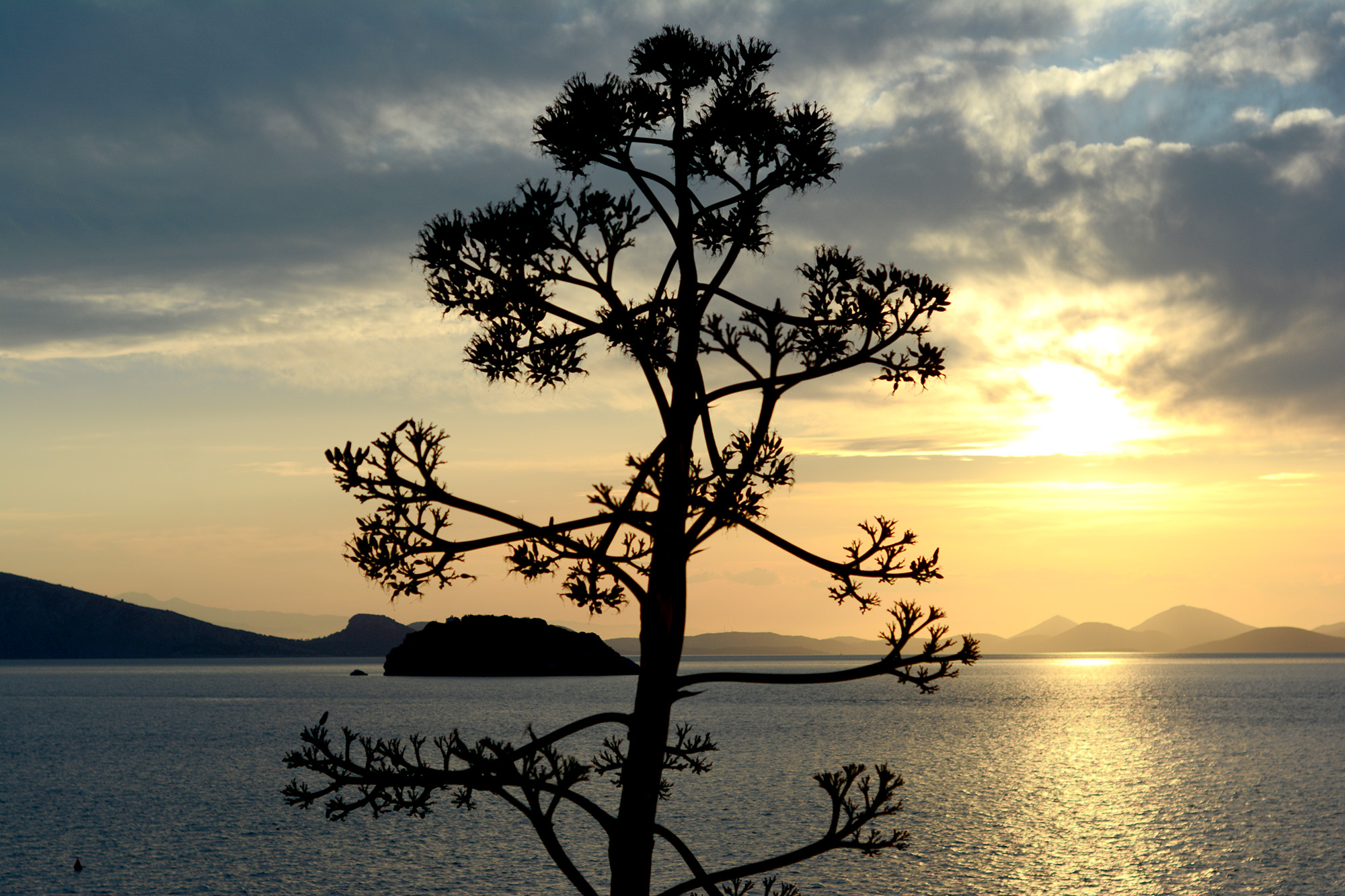
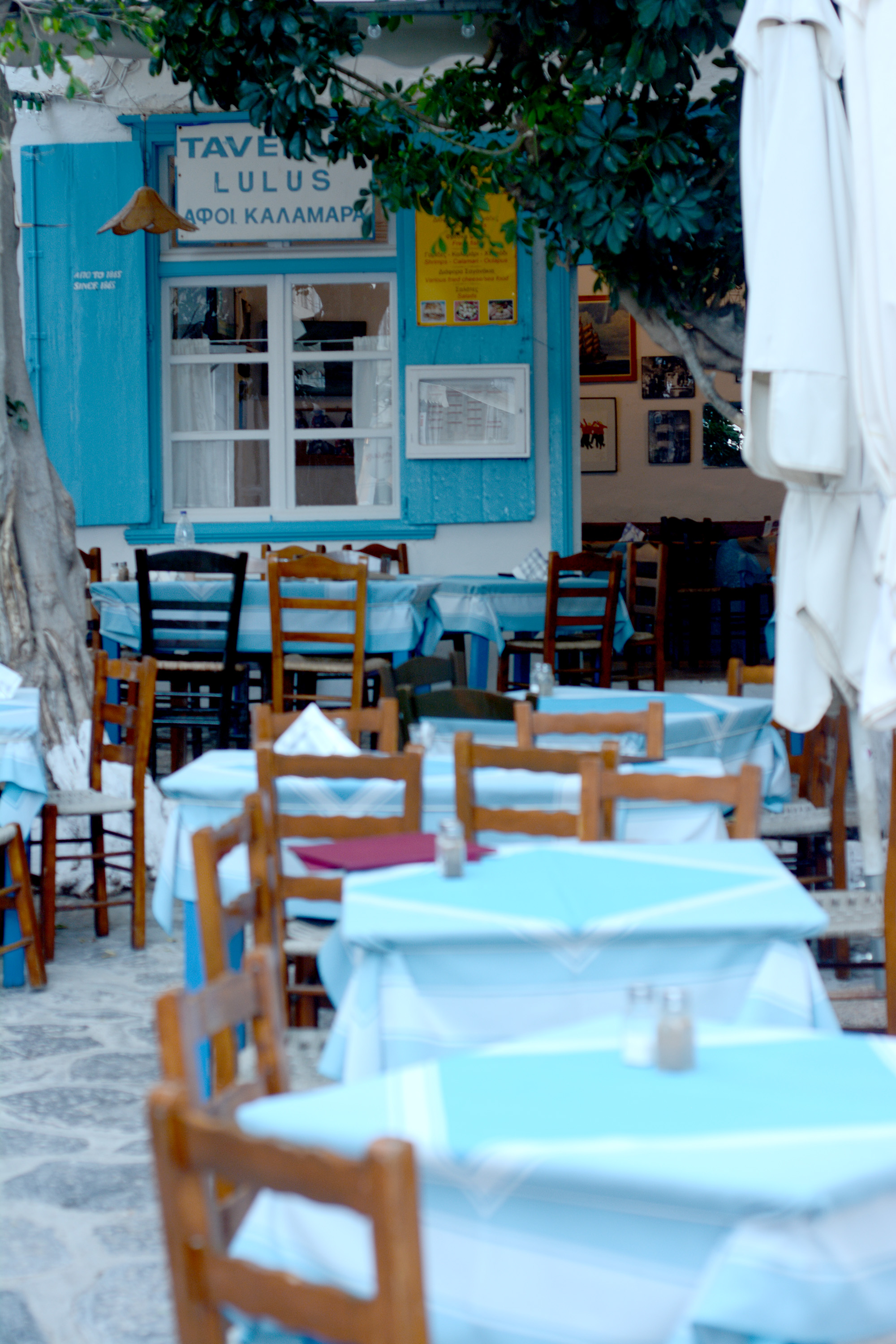
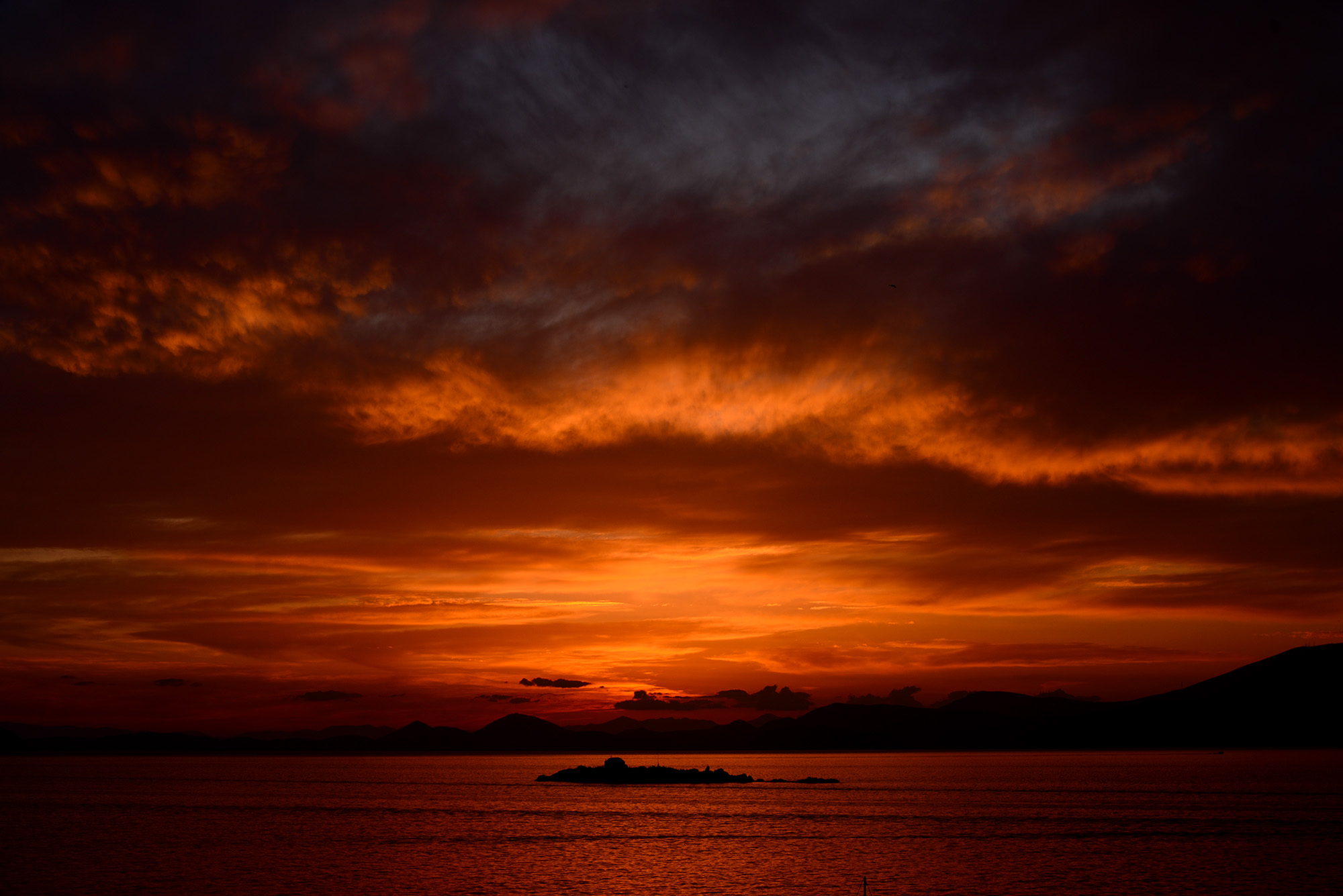
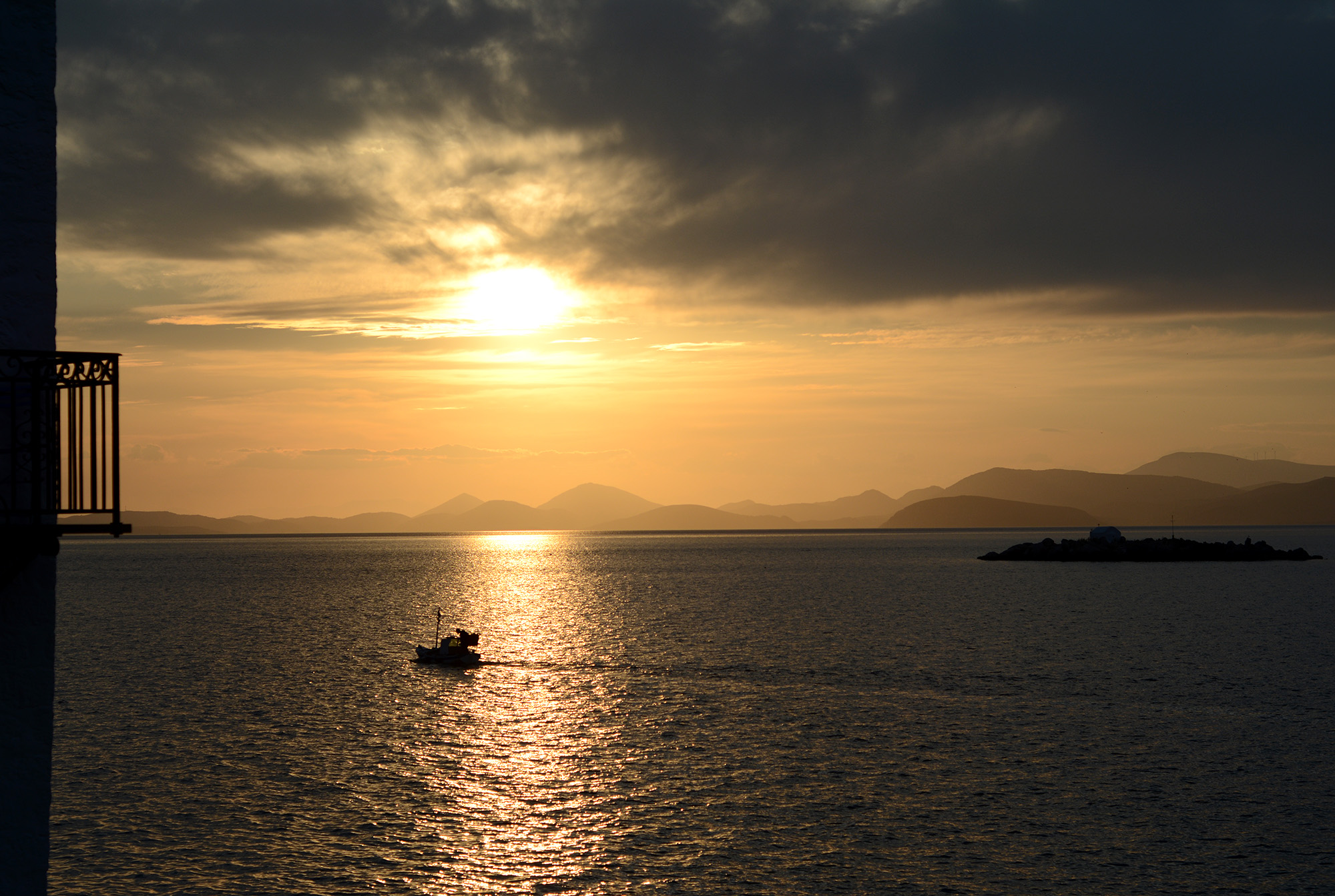
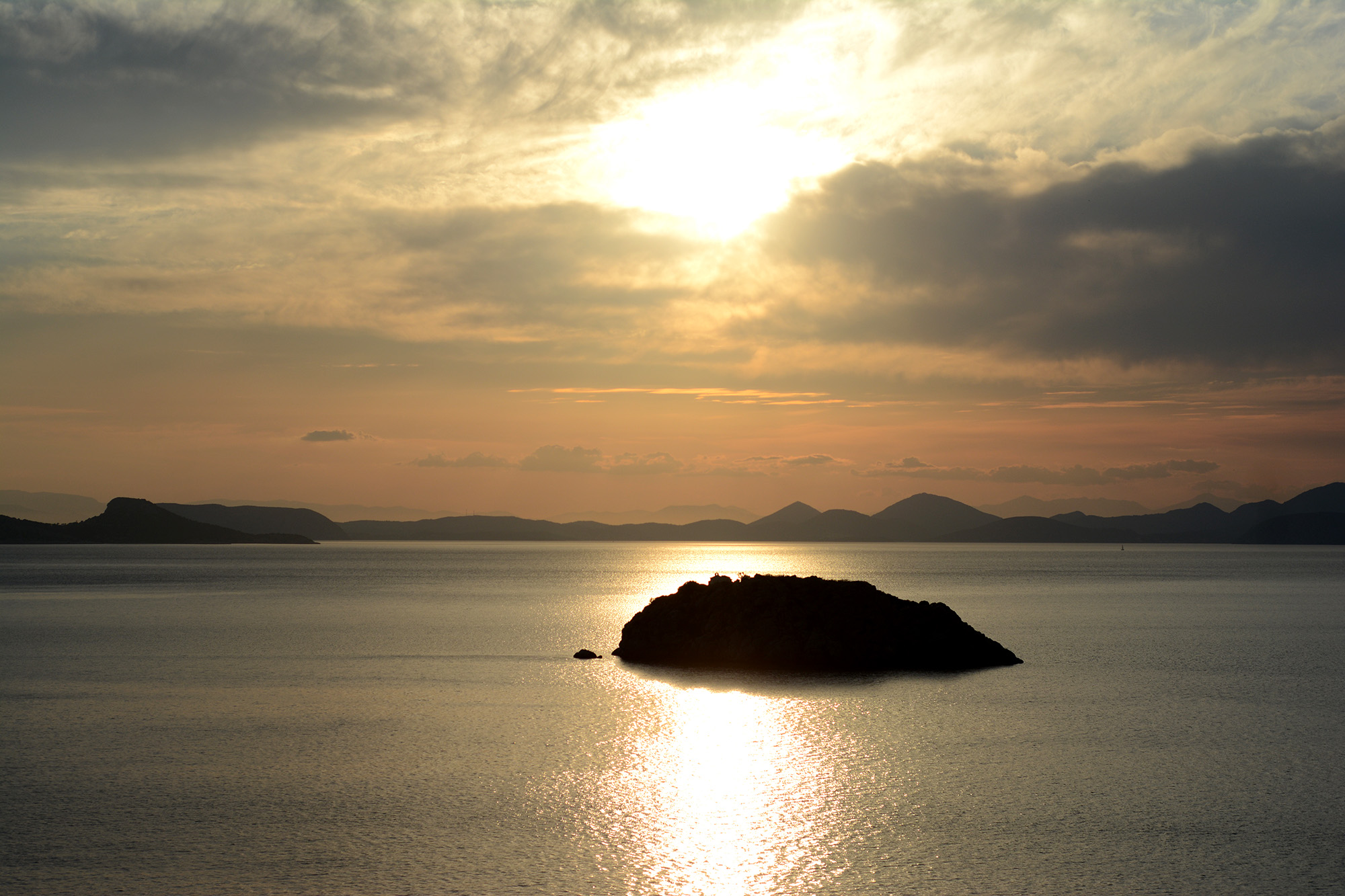
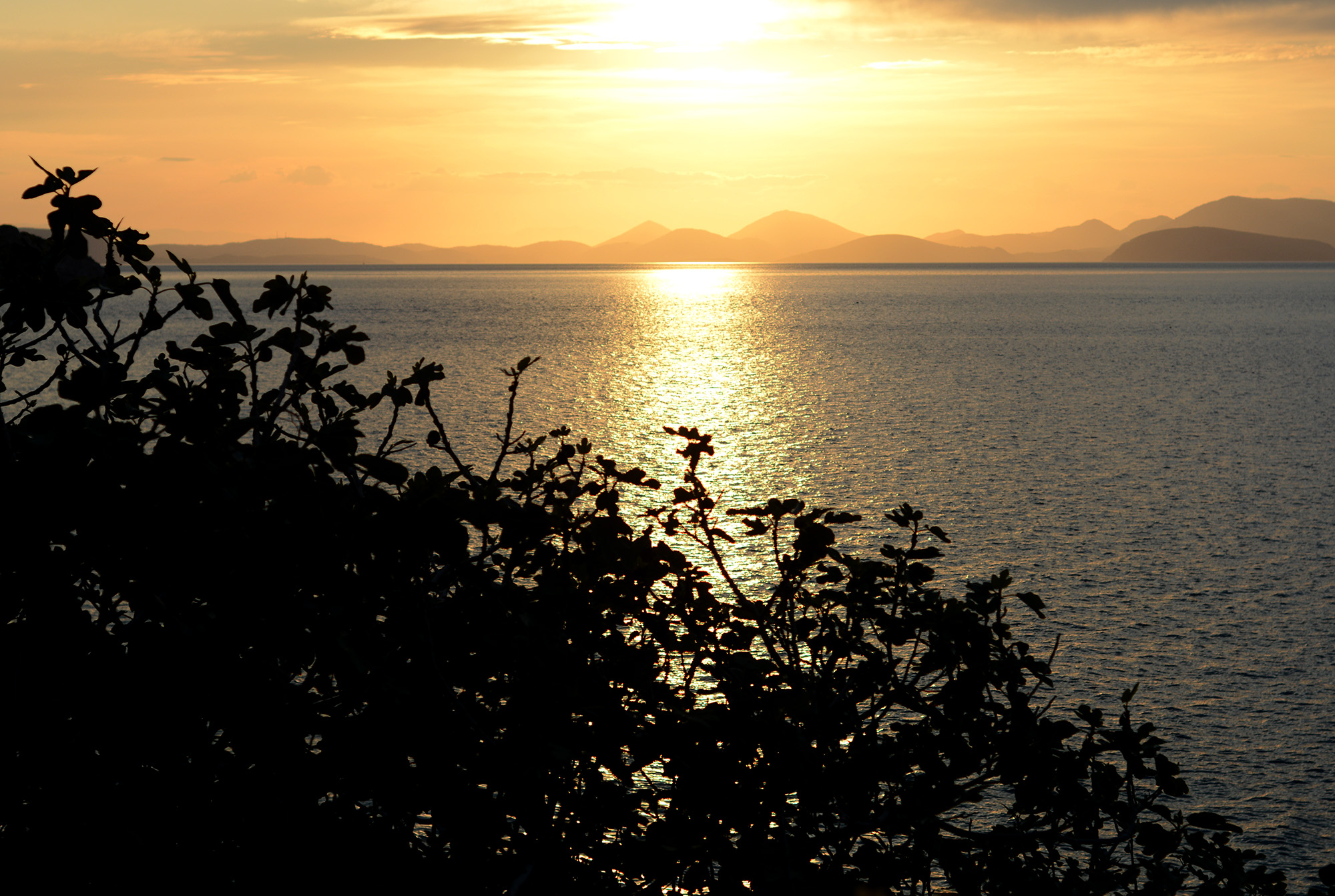
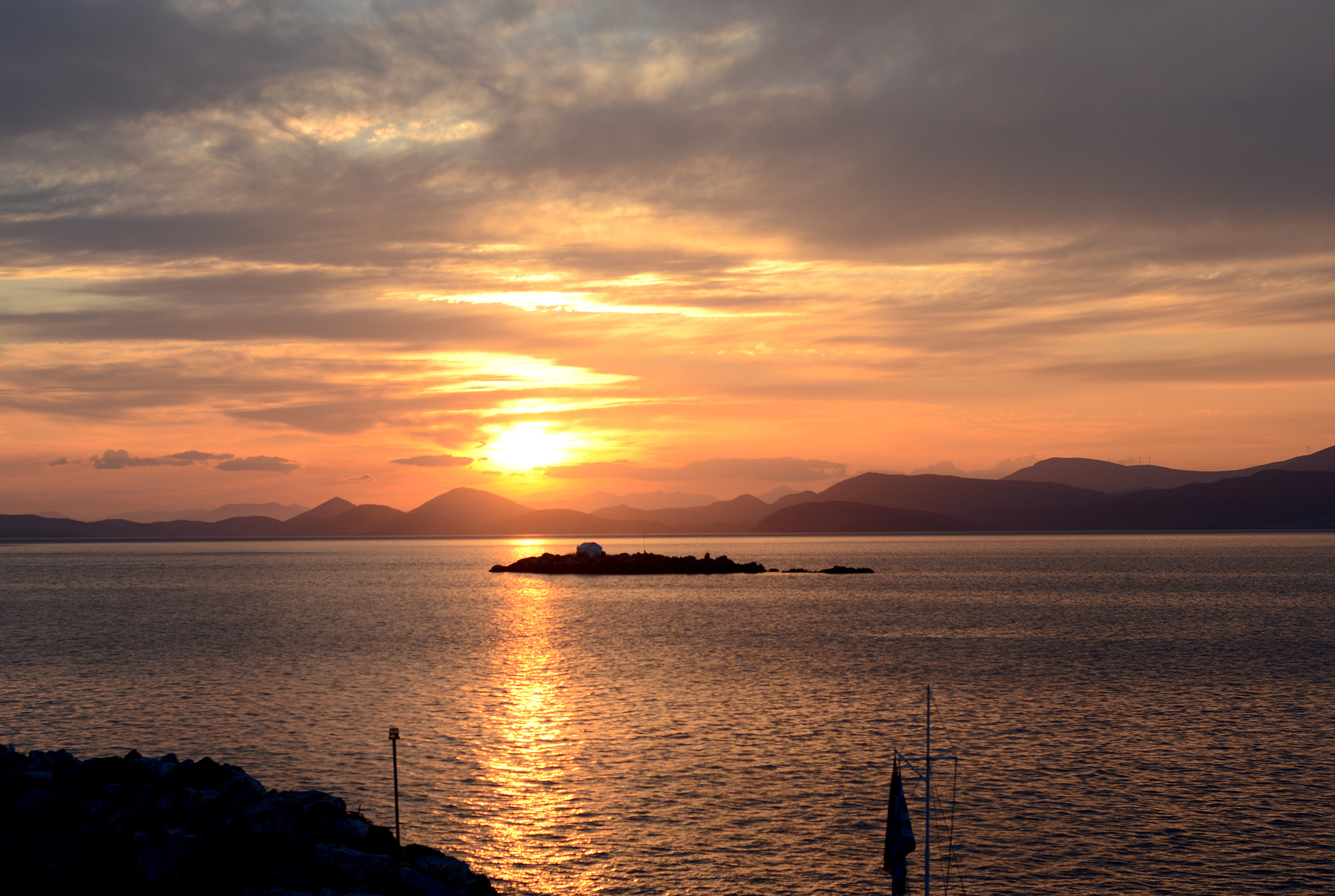
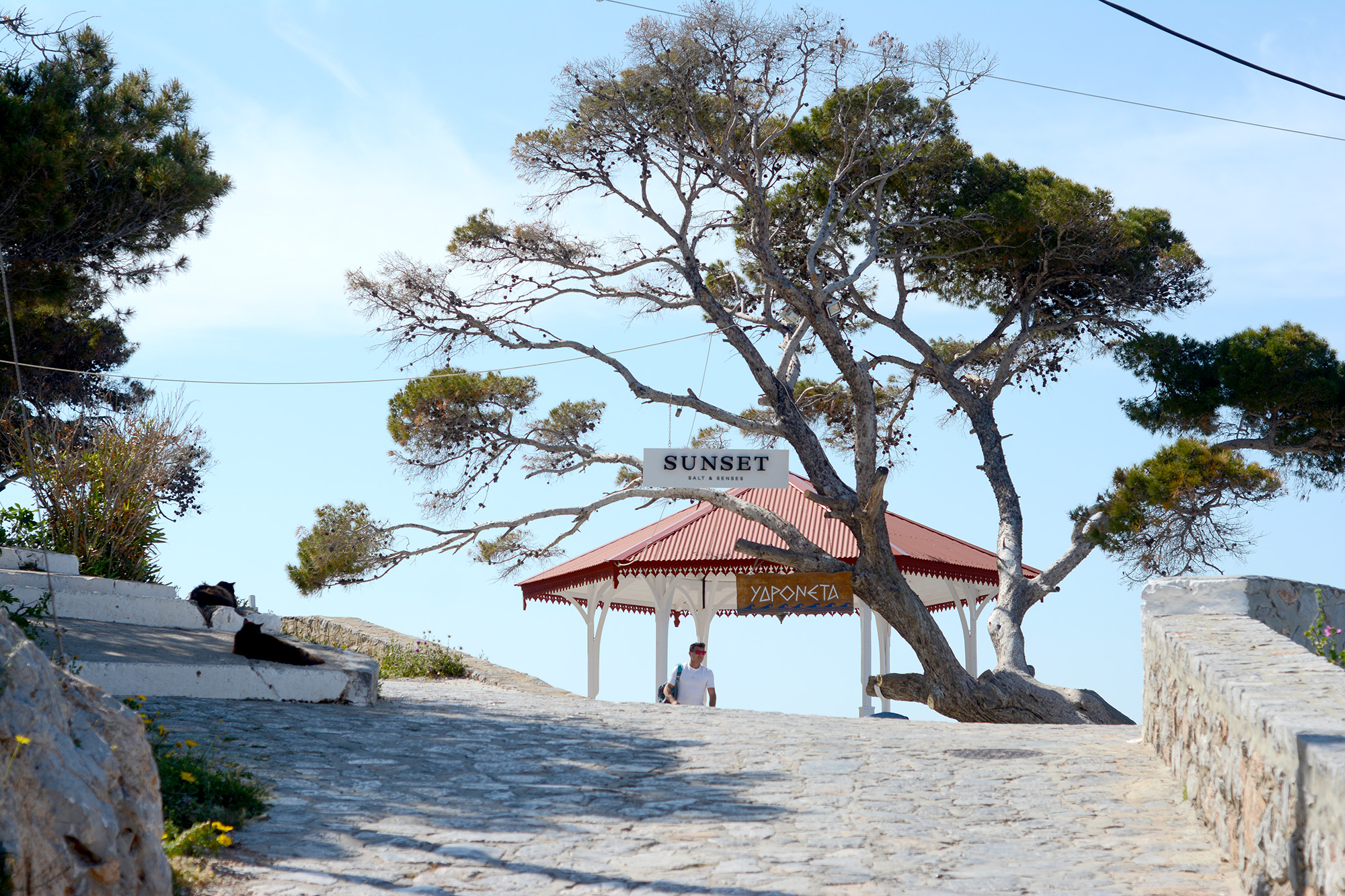
I dashed into Rafalia’s pharmacy, and my favourite sea lavender hand sanitizer was exactly on the same shelf as I recalled it. (I then poured it into smaller receptacles to meet the cabin luggage requirements, and, while doing so, imagined myself embroiled in an Agatha Christie crime plot set on the island, The Mysterious Affair of the Lavender Water Smuggler). We went to Taverna Douskos right after it opened, and was still quite empty, just as it had been when we first saw it in that Covid season that now feels a lifetime away. We went to Sunset Restaurant as well, had white negronis against a wondrous sky, though not quite as wondrous as the one of the evening before, when we sat on the terrace of Kodylenias restaurant and were treated to an absolutely dazzling dusk, that kind which changes hues, from vibrating golden through soft pinks and purples to the final, flaming reds and oranges right before the disc of the sun dips below the horizon.
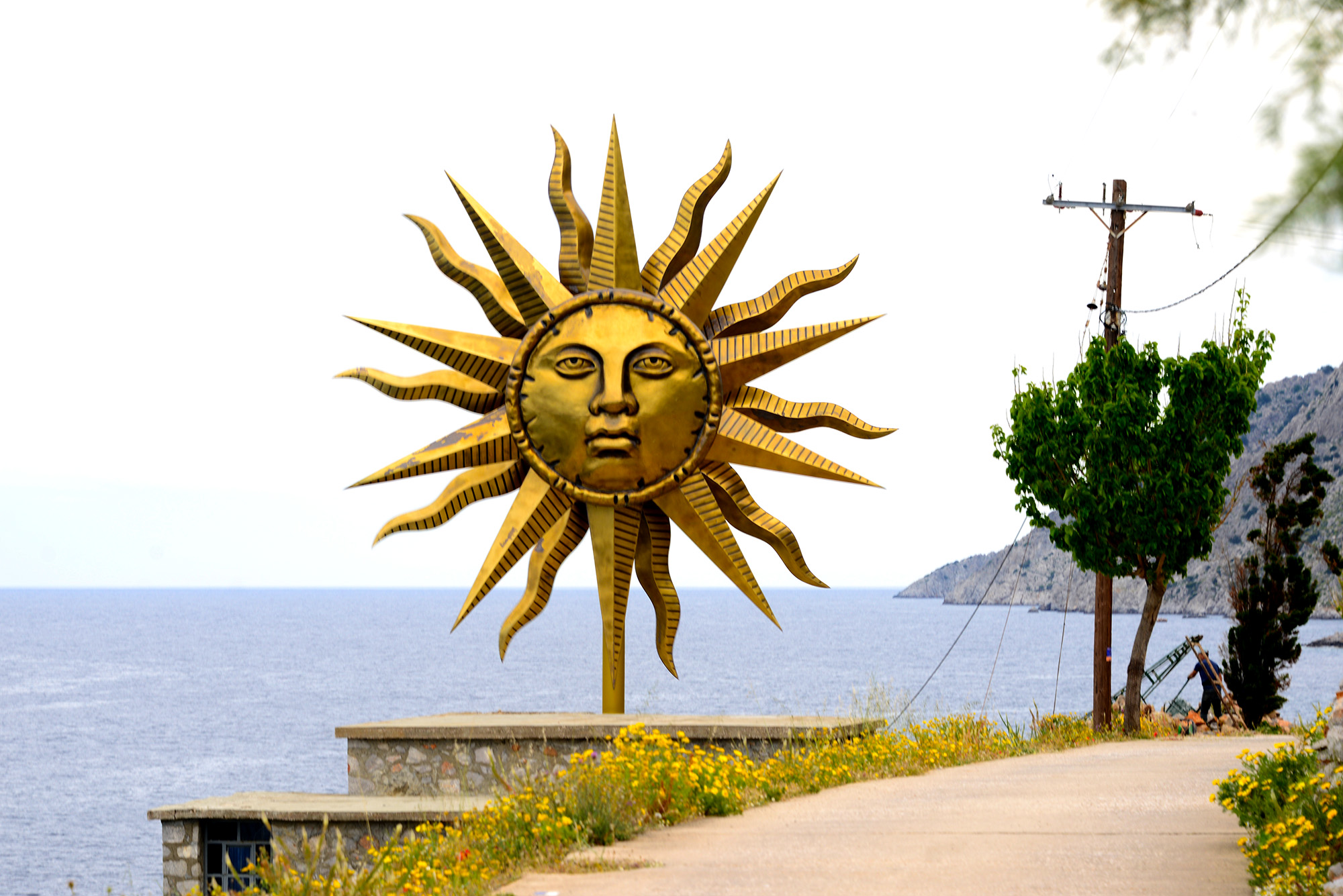
We couldn’t miss Jeff Koons’ rotating sun God, because, of course, nobody can, it is perched atop the old slaughterhouse on the road to Mandraki. Initially, I felt there was something tastelessly demonstrative about it, but I must admit it grew on me- strangely, it was the sound it makes as the metal rays rotate, its industrial clunkiness, the monotone roar which is so out of place on an island devoid of the constant sounds of modernity. When humans try to rebuild the sun, there will be an inherent imperfection in it, and that is why we must, always, try harder.
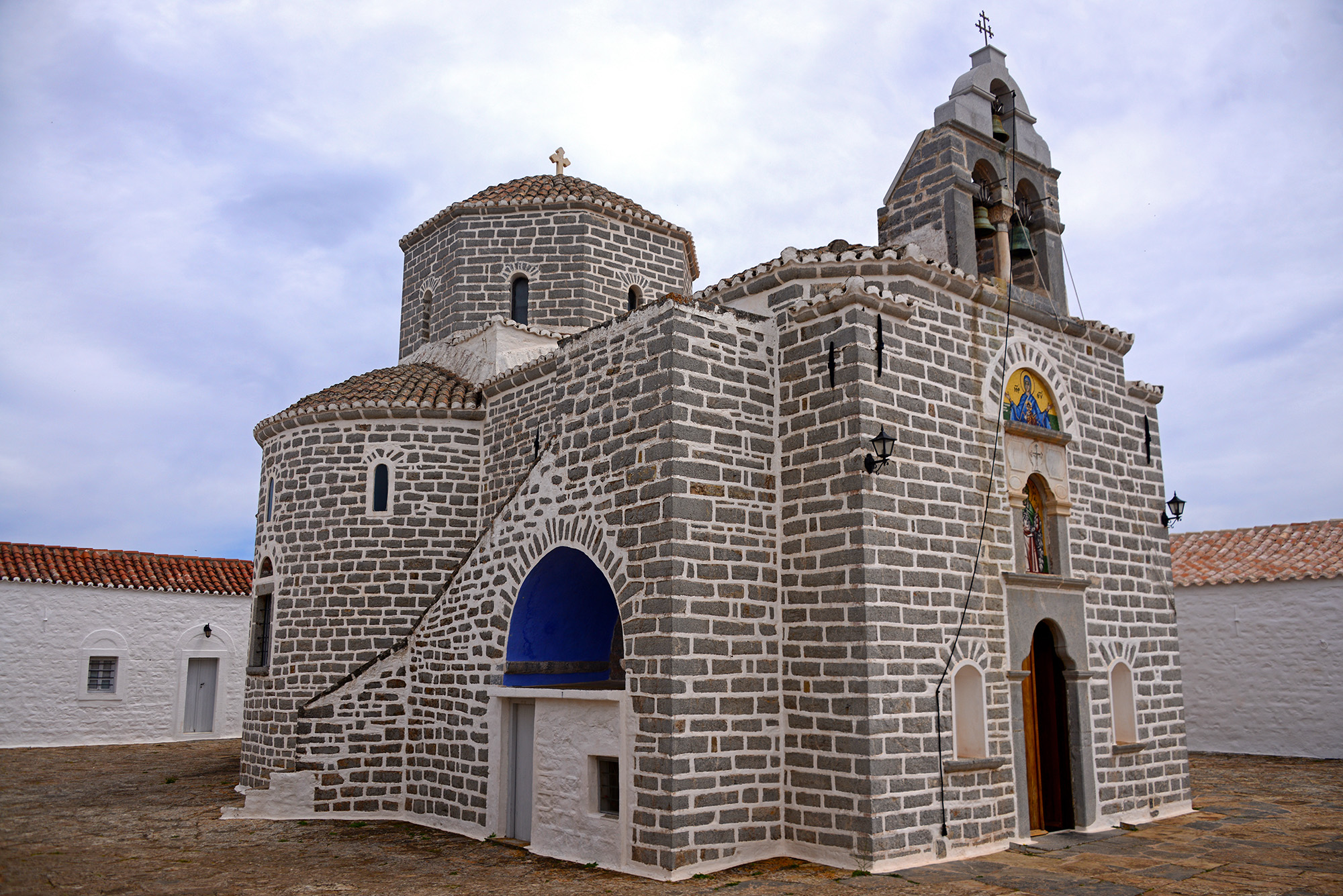
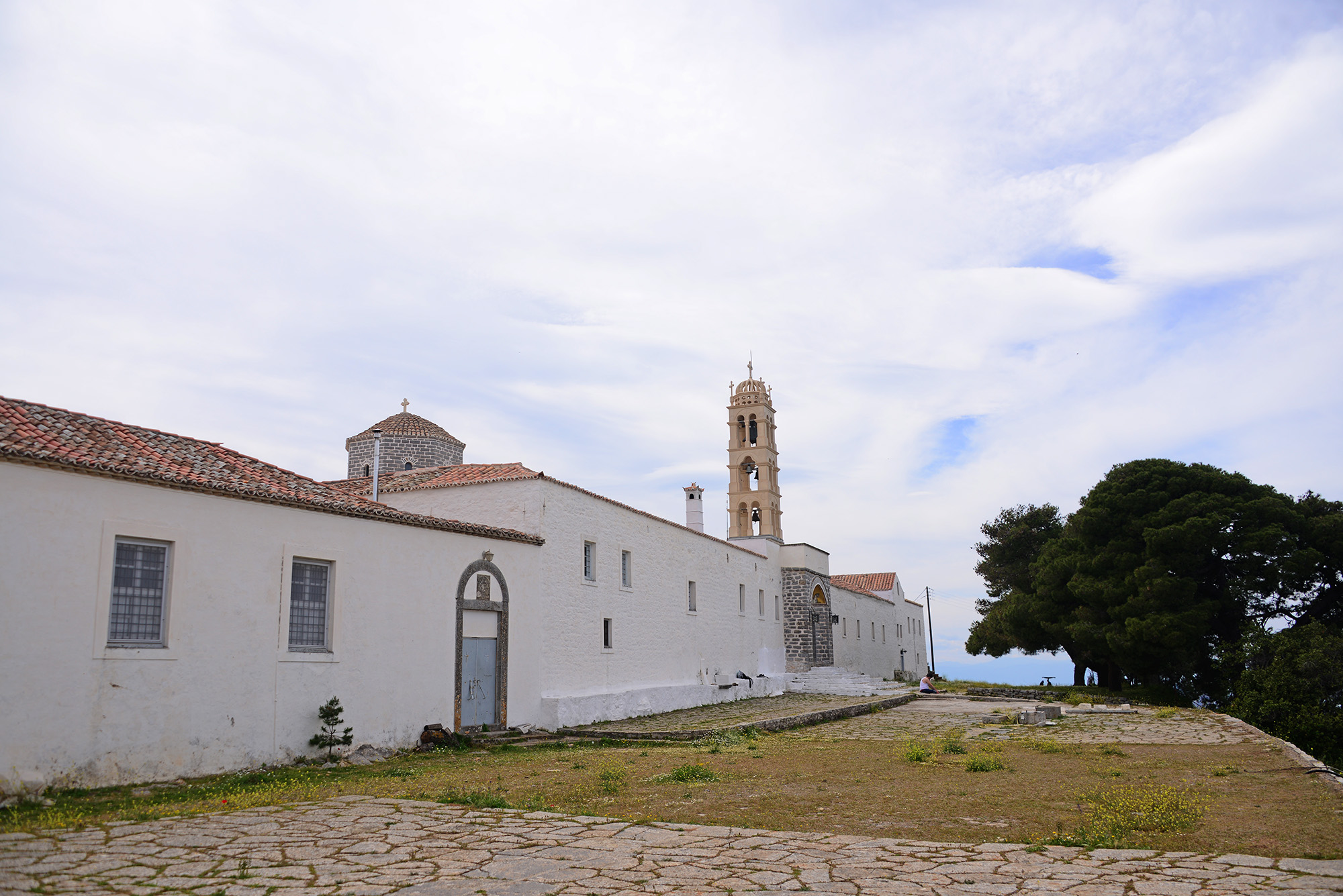
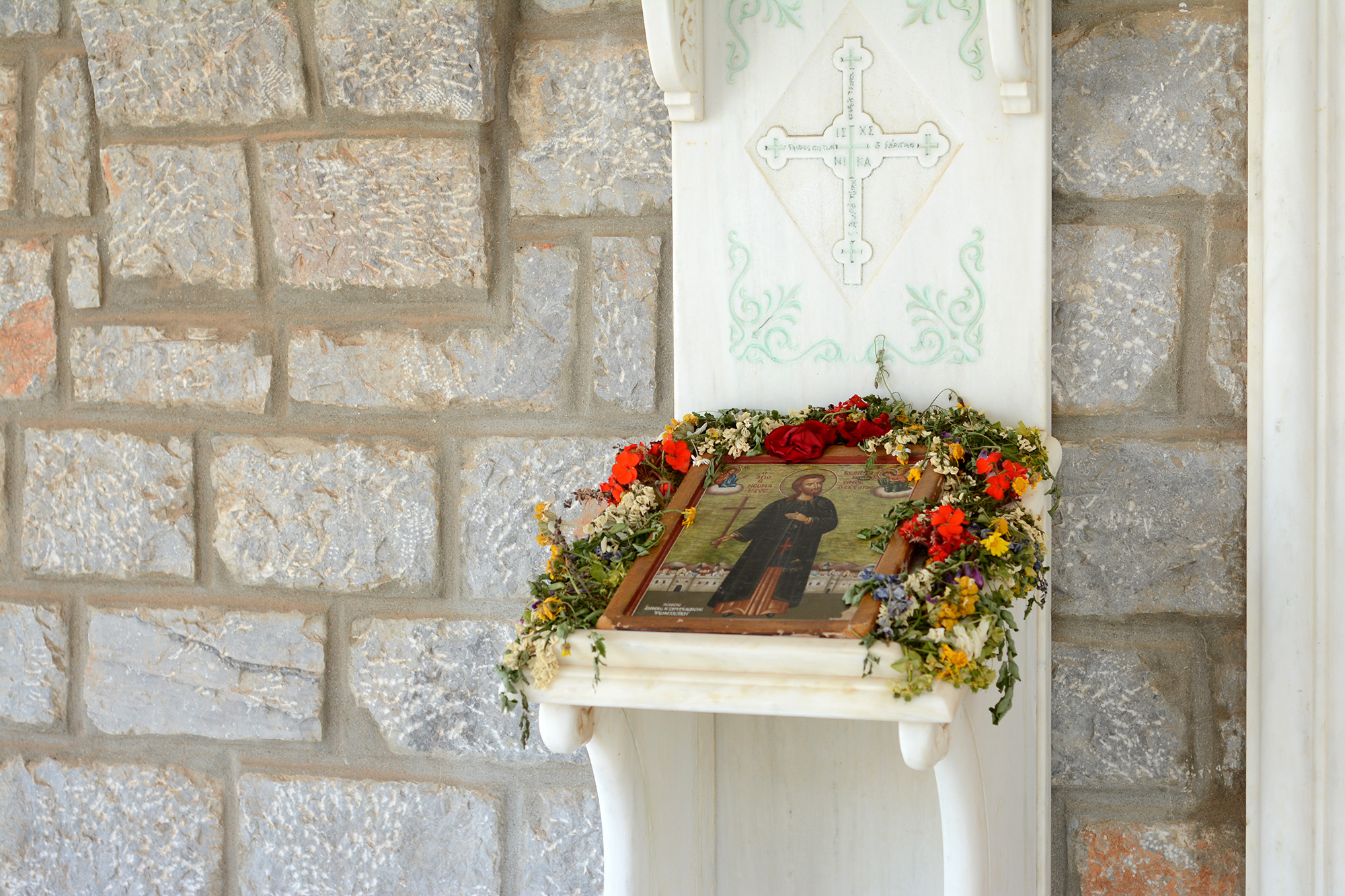
The theoretical purpose of being on Hydra outside the traditional season was to go on hikes, which then became the hike (most you can do when you sit in tavernas all day). And even the hike went unfinished because we didn’t summit Mount Eros. Somewhere halfway up the hill, even the monastery of Profitis Ilias seemed impossibly far, like a gilded illusion palace, never to be reached. But reach it we did, and it was quite beautiful in a restrained, peaceful way, like a polar opposite of Koons’s sun god, yet also celebrating the same celestial body. Greek monasteries lying atop mountains and hills are almost always dedicated to the Prophet Elijah- Ilias in Greek, and the sun, well the sun is called ílios, if you know what I mean. While we saw only a few, much better equipped, hikers and no monks whatsoever, the monastery has a tap with fresh water available for anyone who passes by, and a small shop with local produce, soap, honey, mountain tea- provided you have cash on you, which we didn’t. So, it did cross my mind, that morning, before banging on the Frenchman’s door, that if I got stuck, I could return to Profitis Ilias and buy mountain tea and soap, and everything would be so much better as a result. But then the Frenchman emerged, understandably grumpy, but ultimately helpful and we were released in time for the ferry’s arrival. That was a close call at being stuck in paradise. Next time, next time I’ll make it happen.
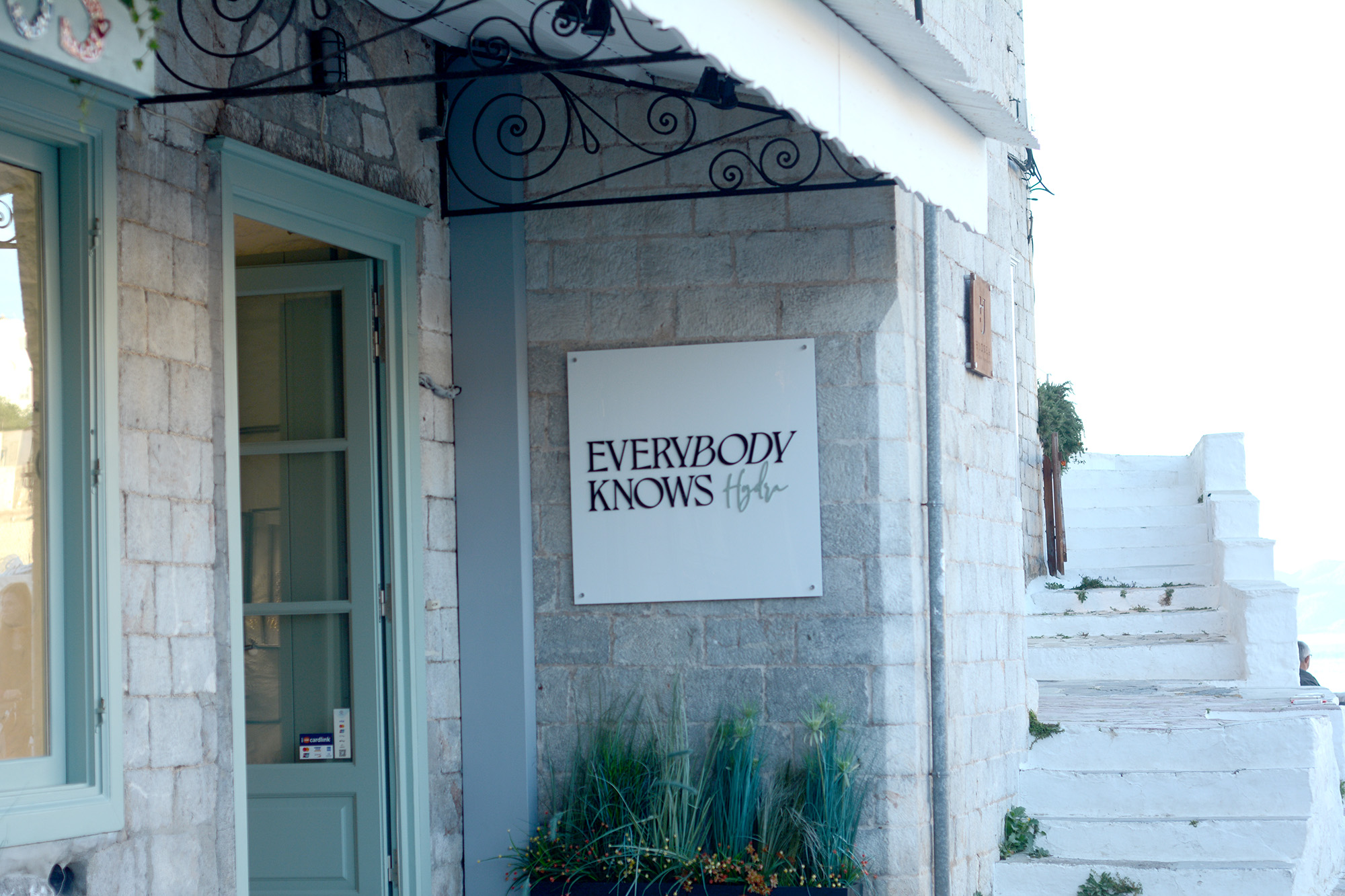
Importantly, on the sandals: they are both very pretty and amazingly comfortable, I haven’t yet tripped once in them and a nice elderly gentleman shopping for tomatoes at the Arad market told me I looked like an Olympian in them. So if you feel like it, you can buy them at Speak Out Hydra, or order them here.


Fabulous photos of a wonderful place, makes me wanna go back soon.
LikeLike