We arrived in Athens on a windy day, which sent my two randomly assigned fellow travelers into a bit of a state, as they don’t often fly, don’t really like it, and the bumpy descent was really not what they’d signed up for. They were in their early 70s, came equipped with lovely straw hats and tons of sunscreen, and a sheet of useful Greek expressions recopied in three neat columns: the word in the Greek alphabet, followed by the same in Latin, and finally the pronunciation adapted for a Hungarian speaker. I had found out that they were on a big escape to Athens with a childhood friend who now lives in London, and who came up with the idea of a meetup somewhere else than Hungary. Their children were worried sick, and frequent dispatches were sent over the phone along the lines of we made it to the airport, yes we had coffees, no we are not cold (it was rainy and a bit chilly in Budapest at departure). The ladies were rather amused by their fussy children, until the landing approach, that is, when they started to doubt everything about their endeavour. I thus felt that it was time to put my practice as chief aviation nerd reassuring anxious flyers to good use- skills I’d honed extensively in the company of the blog’s industrious co-photographer, who had the luck of not being on this flight. The ladies may have been, at first, a little discombobulated by talk of flaps and ailerons, but it always works its magic: they simply became distracted enough to be pleasantly surprised when our plane touched down ridiculously smoothly on the tarmac of Eleftherios Venizelos airport and we were disgorged into the belly of the beast, or more precisely the endless labyrinth inside the entrails of Athens airport.
The fact that Eleftherios Venizelos airport functions at all is one of those Greek miracles akin to winning Euro 2004: it’s not pretty, nobody understands it, yet it happens. Once the black sheep of the EU, Greece is now doing quite well economically, with an inflation rate, over the summer, below the EU zone average. This in spite of devastating wildfires in high tourist season- worse was yet to come in the shape of water, and we would sail straight into it, but that is a story for a future dispatch-and a heavily right leaning government that is somewhat lax in the interpretation of that most Greekest of concepts- democracy. While in English, the official name of the country is the Hellenic Republic, that’s Ελληνική Δημοκρατία (Ellinki Dimokratia) in Greek. As confessed before, I become ridiculously excited and worked up over discovering Greek words I already know. It, therefore, came as a great relief to discover that I was not alone. My companion throughout the Athens stay was Mary Norris’s Greek to Me, in which she describes her growing infatuation with everything Greek, sparked by the innocent desire to learn a dead language. In a divergent note, I have to say that I was way luckier than Mary when it came to my father’s approach to women studying stuff: while Mary’s father forbade her from learning Latin (for it was useless, in his view), and thus made her incensed to study another dead tongue, my father actually bought me an Ancient Greek textbook when I was a teenager. Being as fickle as teenagers tend to be, I did give up after working my way through the first couple of lessons, only to realise later in life that those few days spent poring over ancient texts gave me a familiarity with the Greek alphabet I sadly lack when trying to read anything in Cyrillic- in an ironic twist of fate, Cyrillic is, in fact, Greek to me.
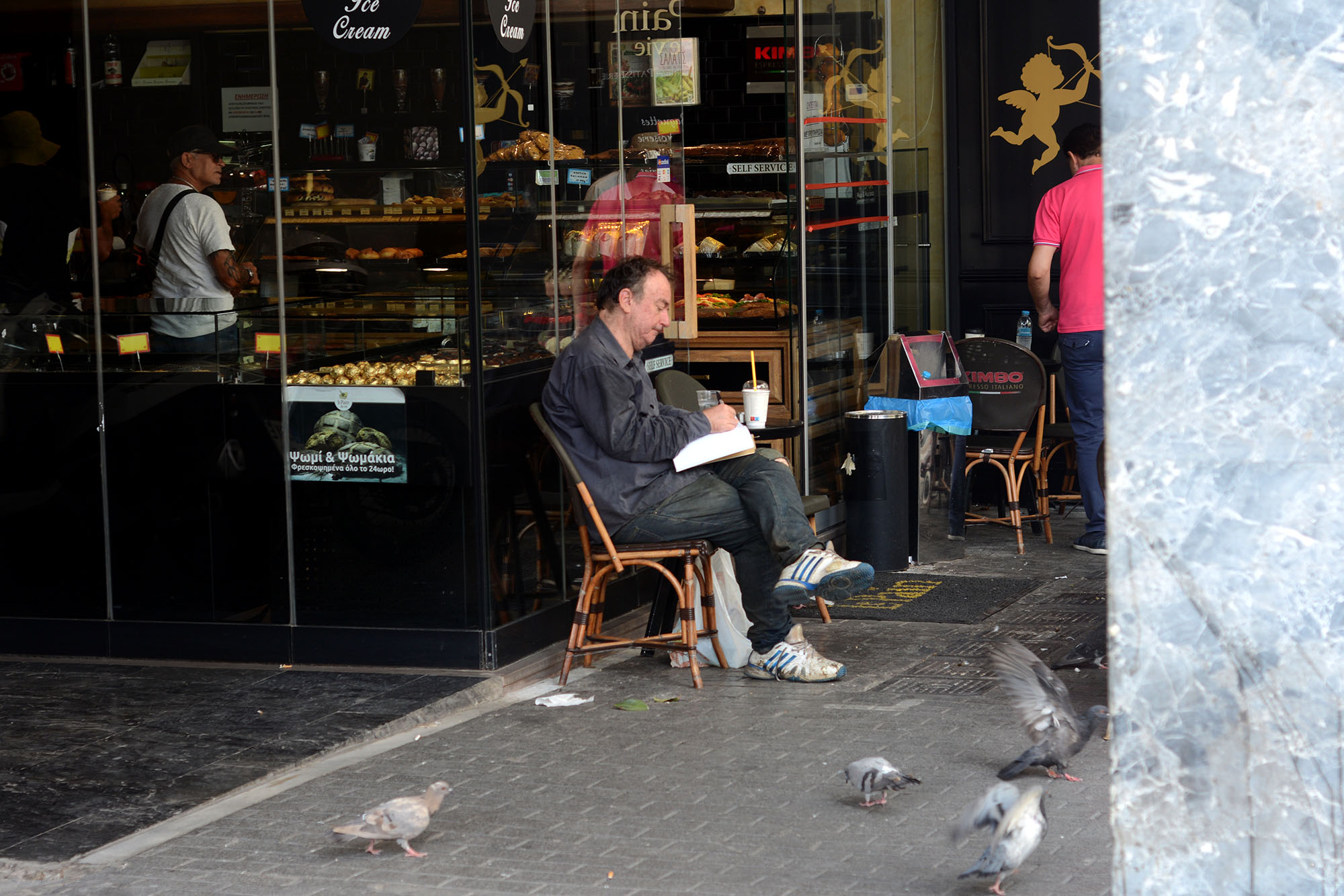
Back to Athens though, and the fact that the city itself, just like its airport, still feels hopelessly labyrinthine, even after several visits. As the lovely CucuWow flat was not available at the time of my visit, I’d decided to choose another area in the proximity of Syntagma square as my current headquarters. How hard could it be to navigate there and back again? Well, very hard. As I was somewhere at the edge of the Evangelismos and Pangrati neigbourhoods, the angle of approach towards Syntagma was radically different from any area I’d been to before. I therefore went, confidently, the exact opposite way. This was amazingly fortuitous, for I was famished, and fate brought me in front of Kebabtzidikon To Gnísion, which, you might have guessed, is a place which serves kebabs. They are mostly what those versed in Mediterranean cuisine would consider Turkish kebabs, and since the place dates back to 1922, I can but assume that the original recipes were brought over by Greeks moving over from Asia Minor. Historical ramblings aside, the food was delicious. Sipping my wine, I also remembered an article I’d read, by a female solo traveler, who felt singled out when dining alone in Greece, so much so that she was kicked out from a place for tarrying too long without consuming. Mary Norris also shares experiences of awkward dining, yet in her case it was mostly men confused by the existence of a woman eating without company. It so happens that Athens is my ‘solo traveler’ city, and on purpose. Most of my friends, and especially the blog’s industrious co-photographer, feel little inclined to pottering among ancient rocks in stifling heat. But I love it, and I take the liberty of enjoying it on my own, every now and then. So, I often dine alone in Athens, and my experiences have never been nothing but positive- waiters will invariably locate a table for me, or even ‘create’ one by snatching it from a bigger party who doesn’t use it. I don’t feel rushed to finish- because what I do beyond eating is often just sip my wine and read, and conversation is always friendly but not pushy. Perhaps I’m lucky, perhaps that’s how you find places you want to return to- a destination where you are consistently lucky with the experiences you have.
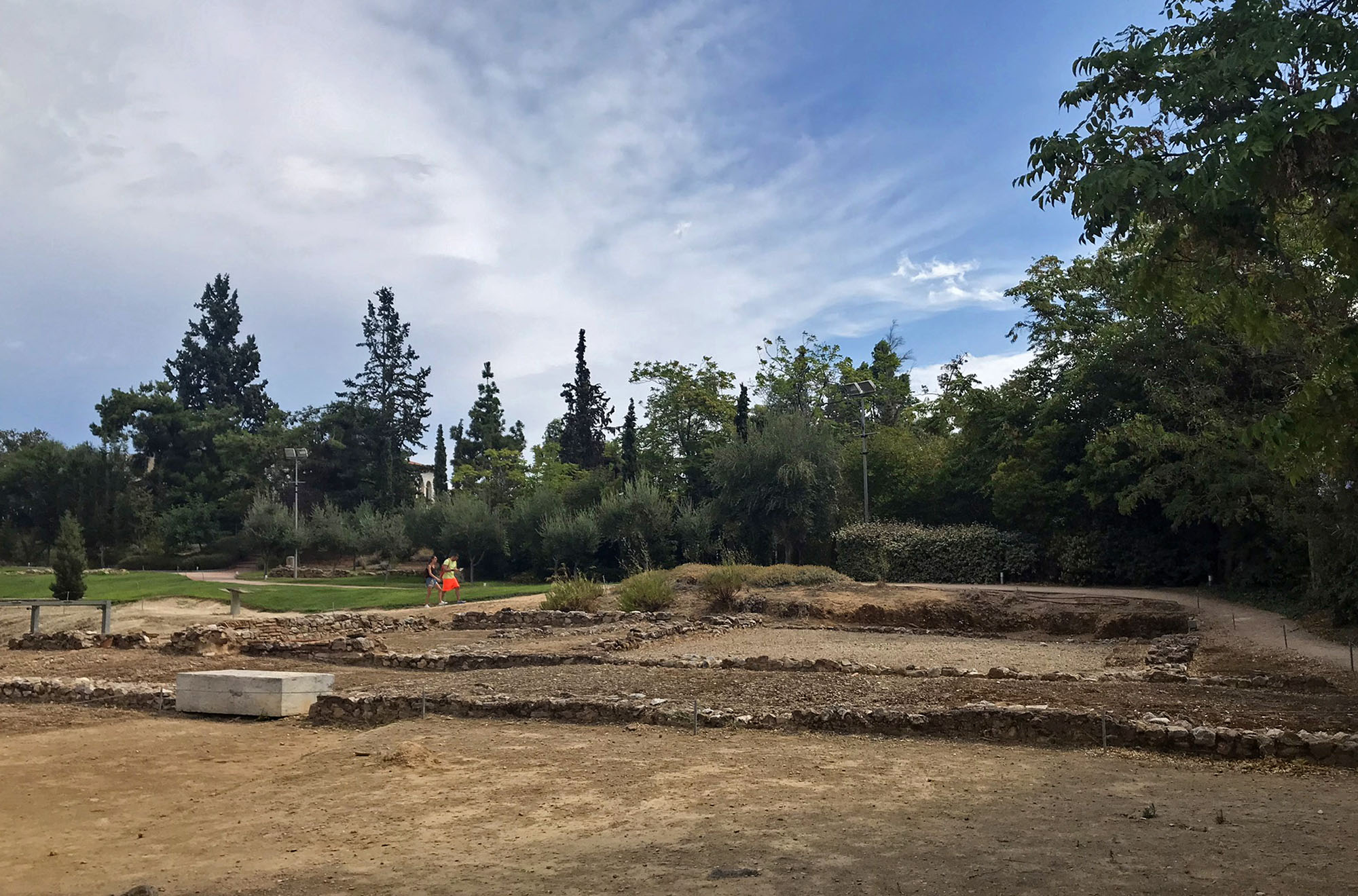
Speaking of the pottering around rocks in stifling heat- I like to dose my Athenian ruins, so this time I went for Aristotle’s Lyceum, aptly described by an Italian visitor as “at least the trees are very pretty”. Which is shorthand for there being not all that much to see. In the past, I may have been slightly disappointed by this, but I find myself increasingly excited about places that need to be imagined. (This whole process may have started with Troy.) The outline is there, some useful historical information is thrown in, and you’re free to rebuild the Lyceum in your mind. The Lyceum in your mind can be all the better for it- for example, it can admit women. Being a woman in Ancient Greece would have been terribly infuriating. The Italian visitor did some imagining of her own, of “all the naked, handsome men in the Gymnasium”.
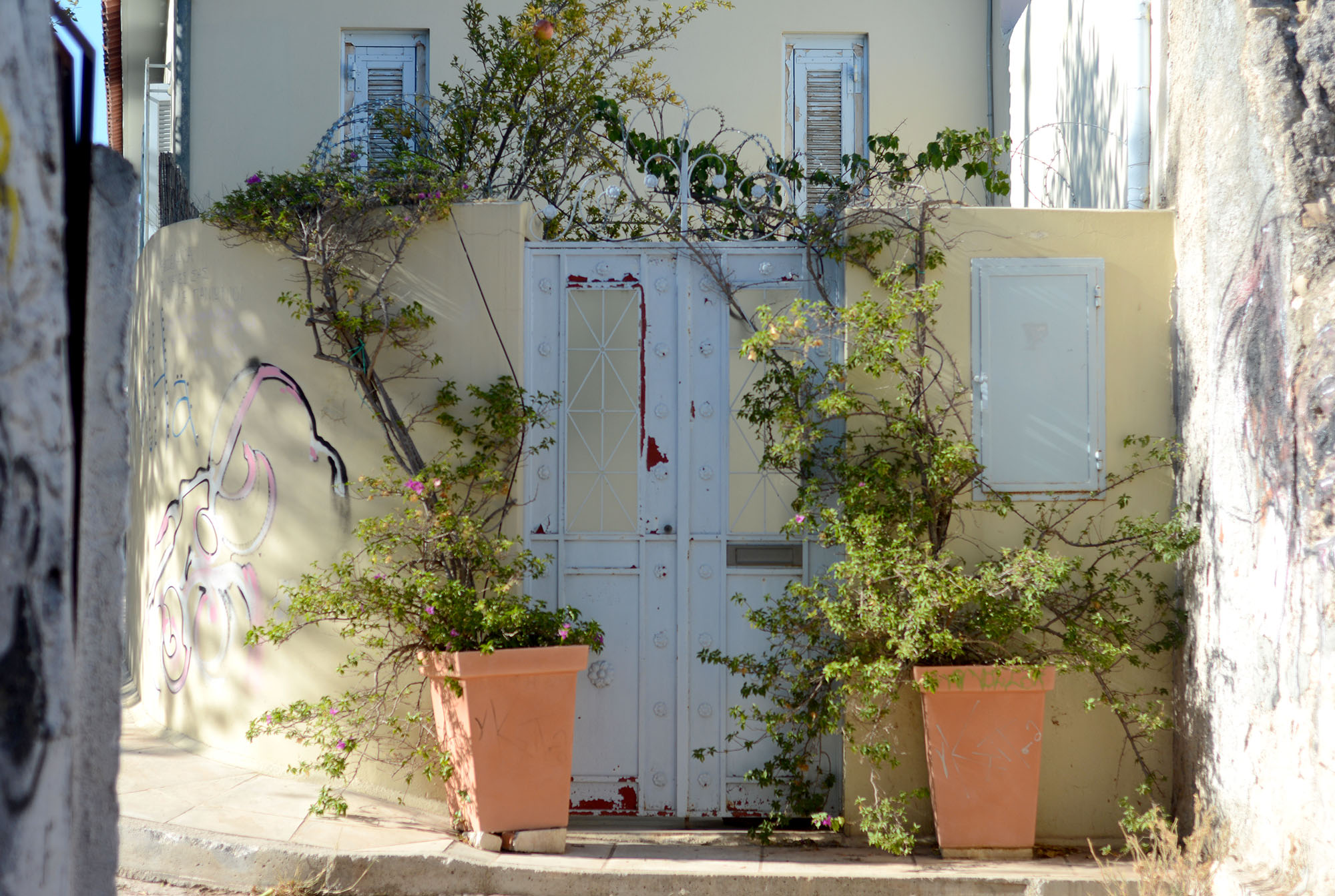
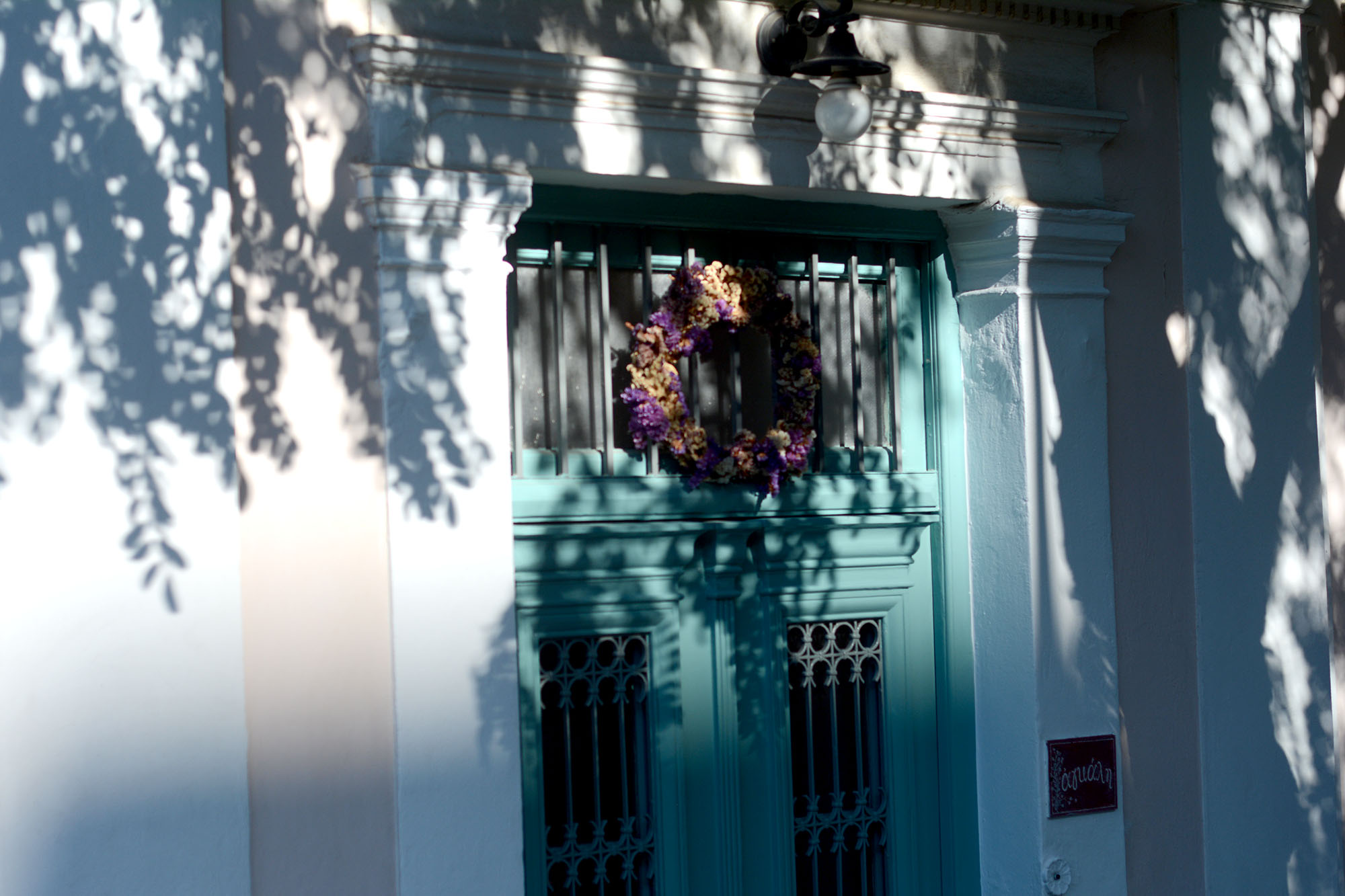
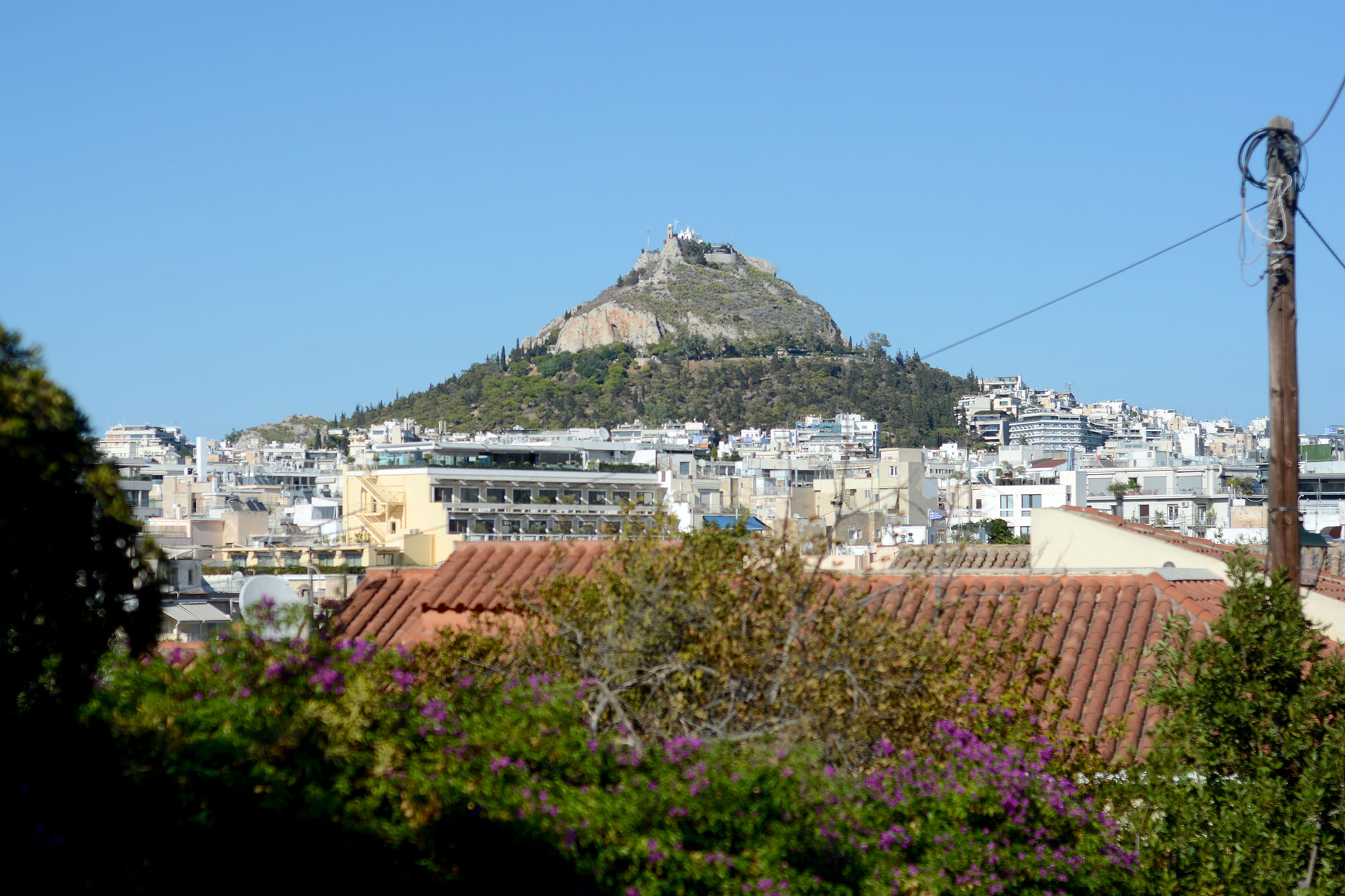
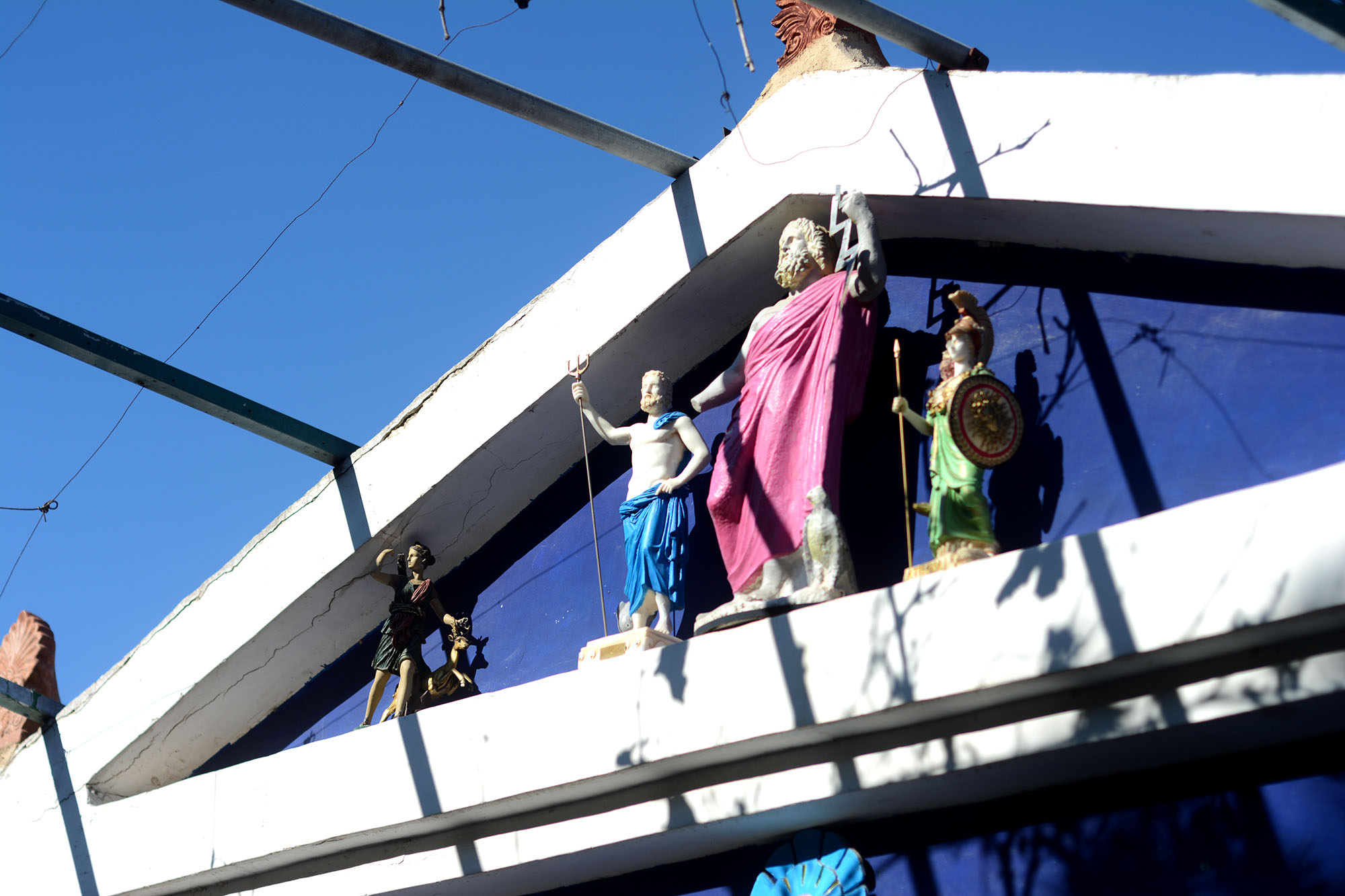
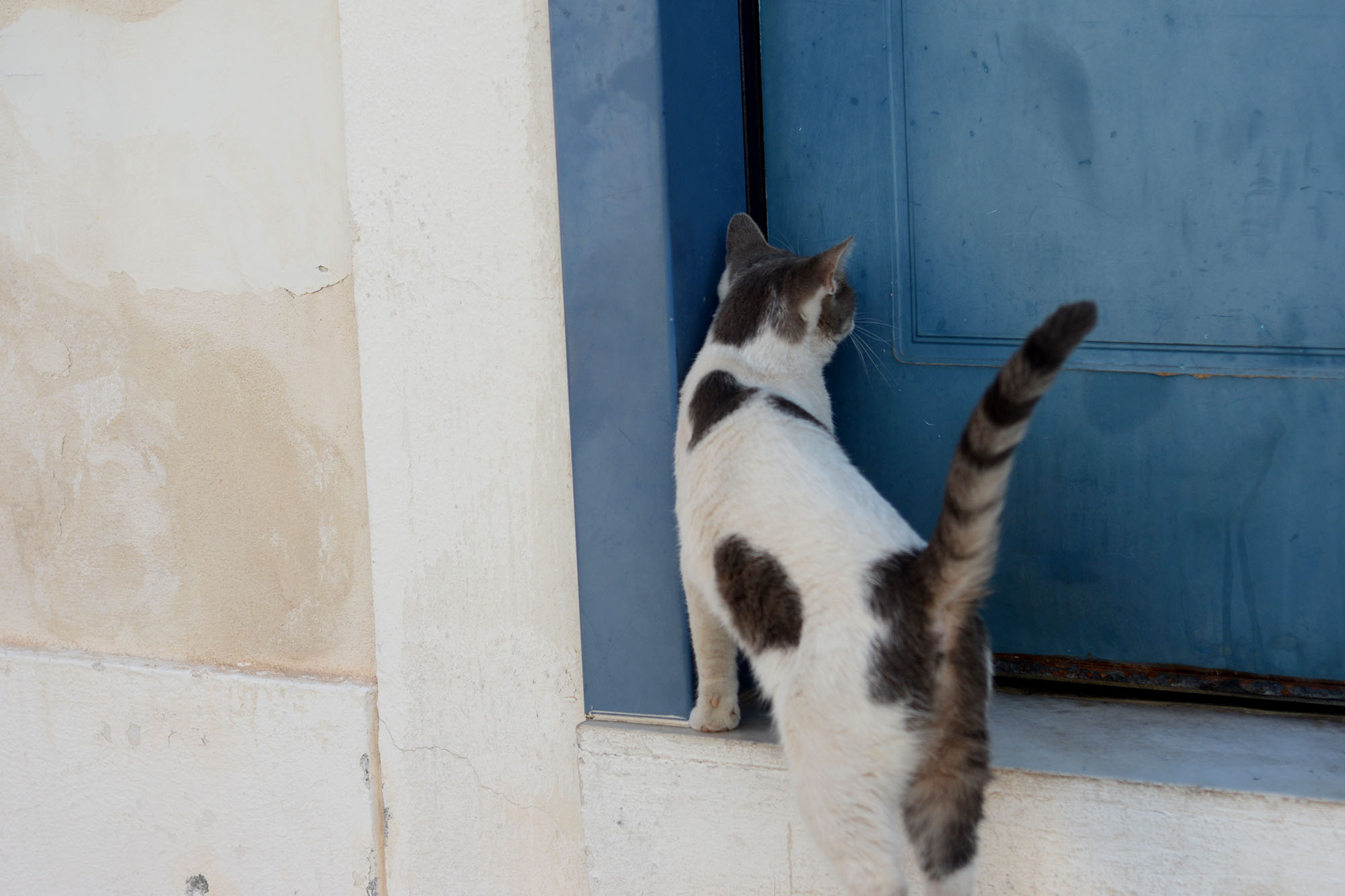
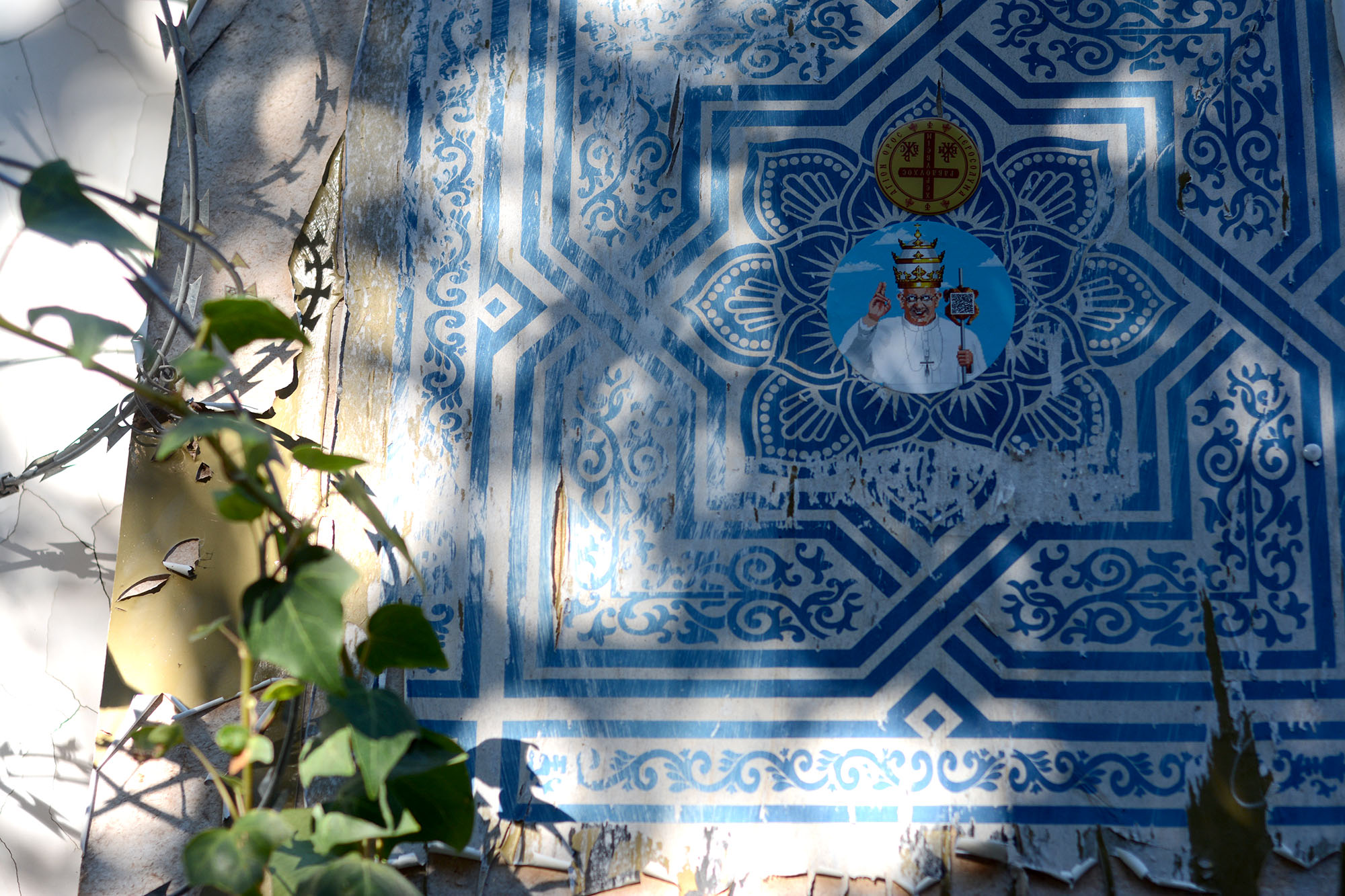


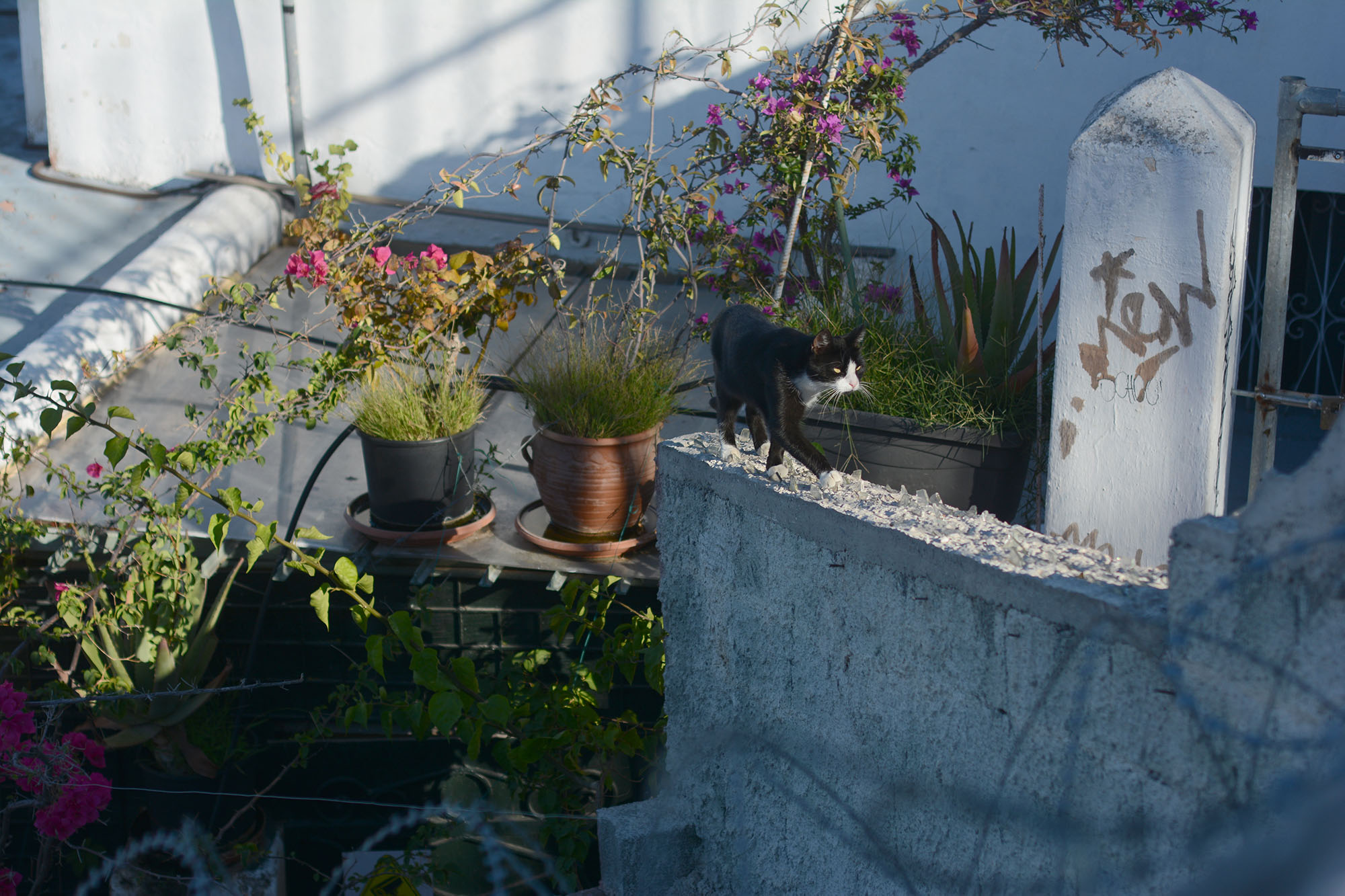
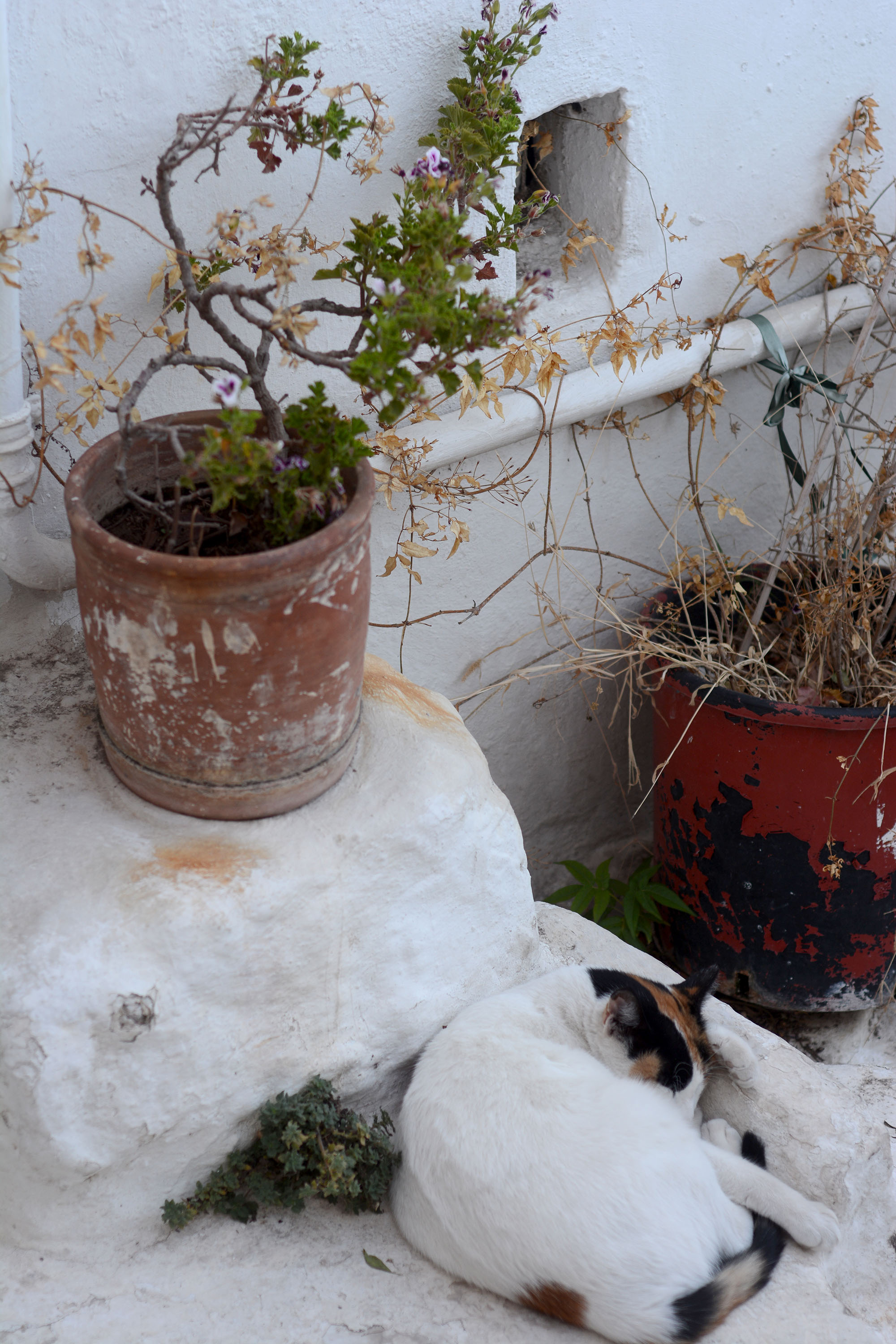


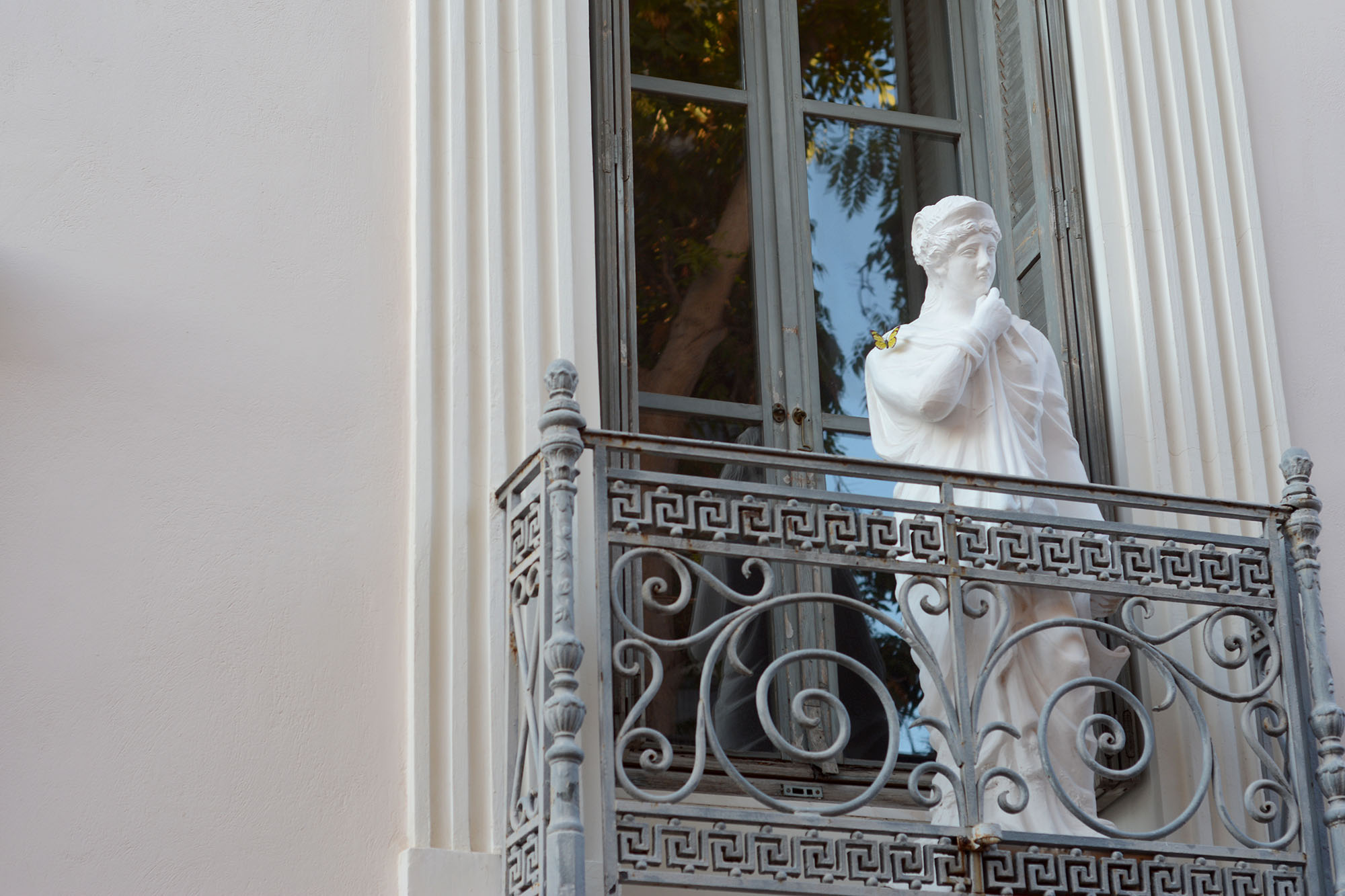
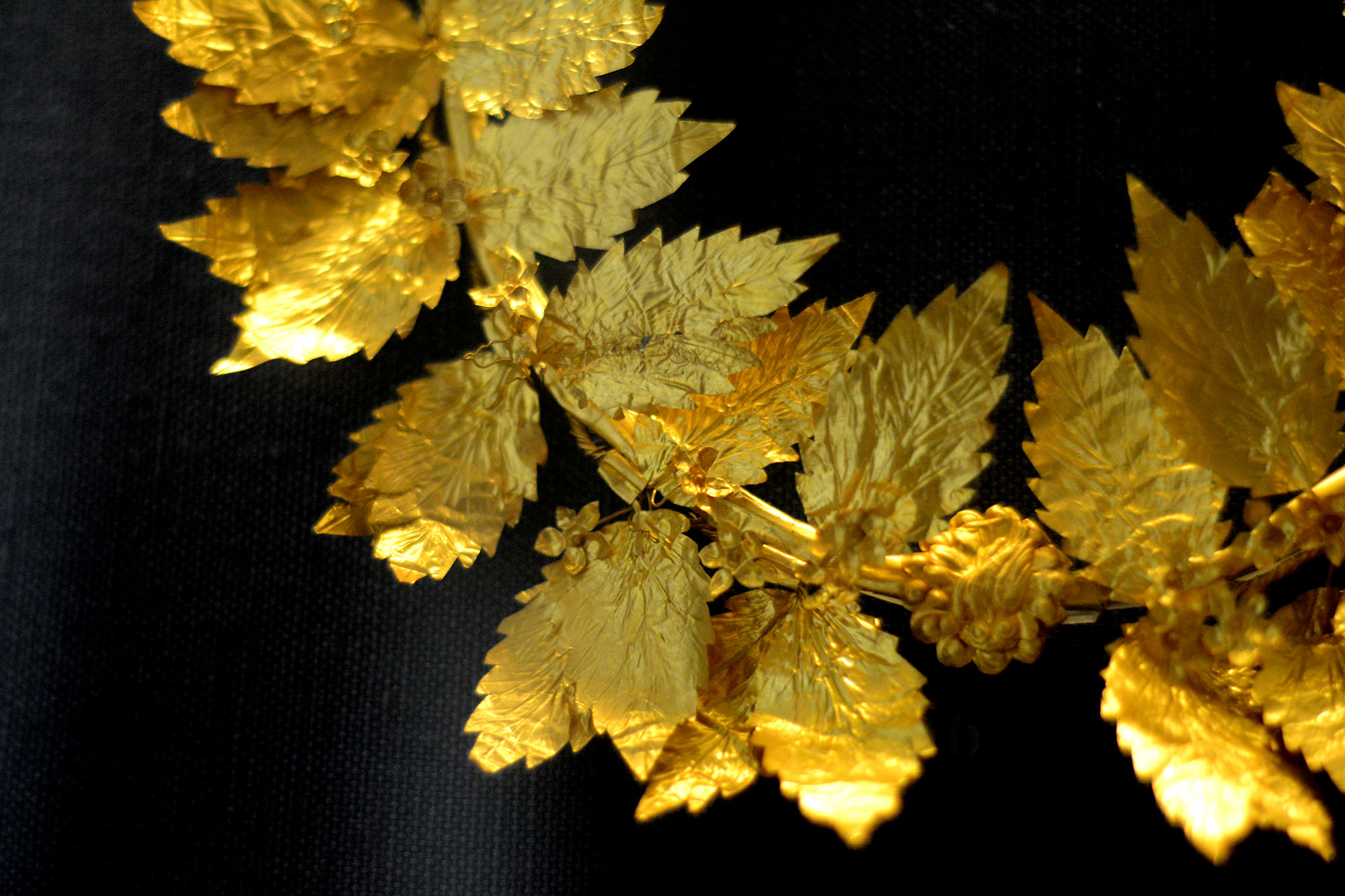
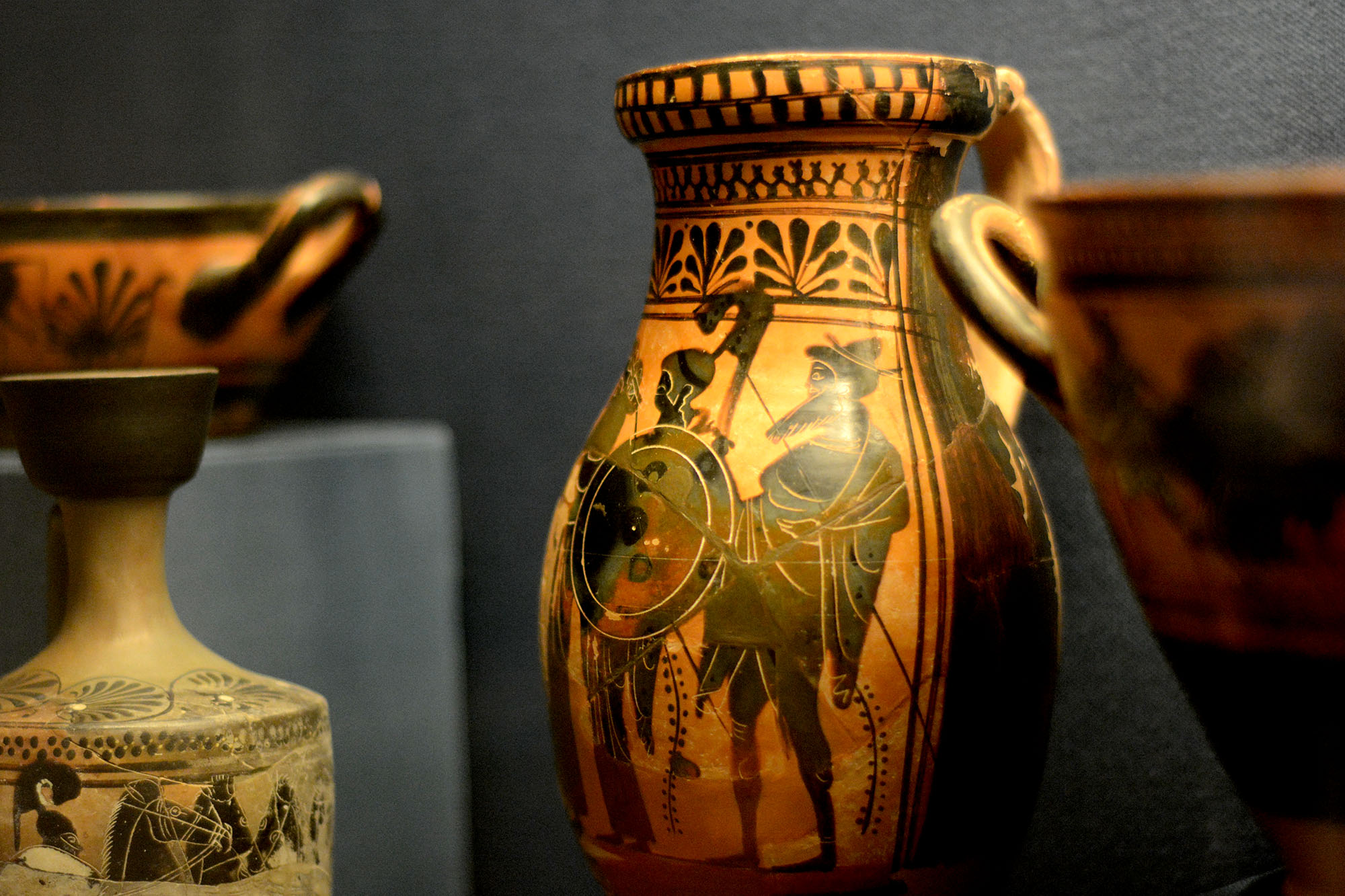
In a lucky turn for someone orientationally challenged like me, the Benaki museum lies almost across the street from the Lyceum. I’d long planned to visit it and estimated that one morning would be enough. I was, as ever so often, wrong. The Benaki is one of those quirky museums which have been set up by an awfully rich person with good taste and is as much a cabinet of curiosities as a treasure trove of historical artifacts. Somewhere among the icons, shining their brilliant purples and oranges like otherworldly beacons, I felt almost dizzy, my brain bursting with all the information, visual and written, it was trying to process. I decided to glide through the rest of the exhibition and plan a new visit each for the remaining floors. I was also encumbered by a bag of books- I love Greece, but sometimes their rules are mind boggling, a bit like a petulant child taking decisions on a whim. At the Benaki, there is a place to store luggage, but only bags of a certain size qualify. Mine didn’t, so I was cleared to go ahead and possibly accidentally decapitate the invaluable statue of some ancient goddess.
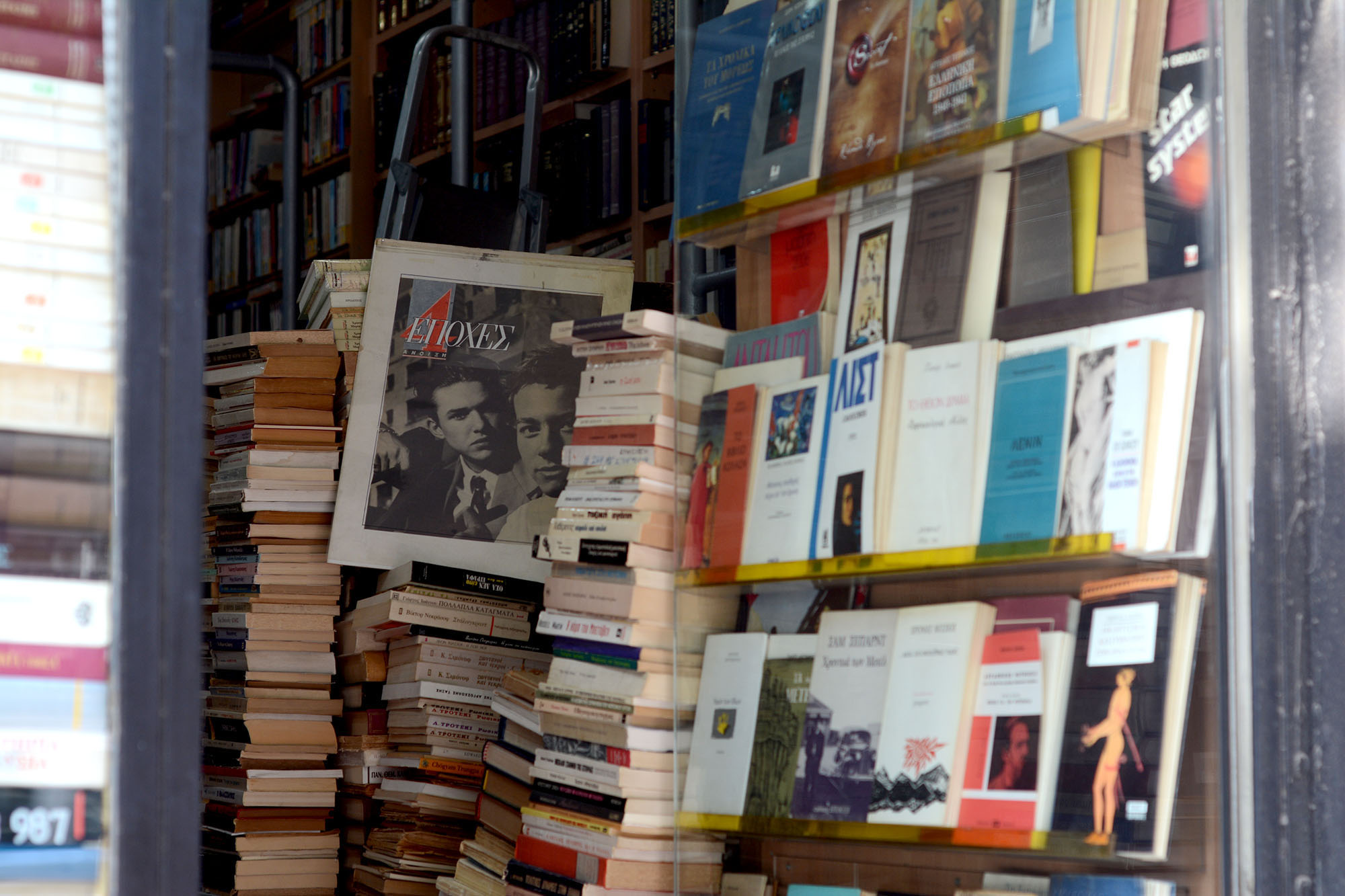
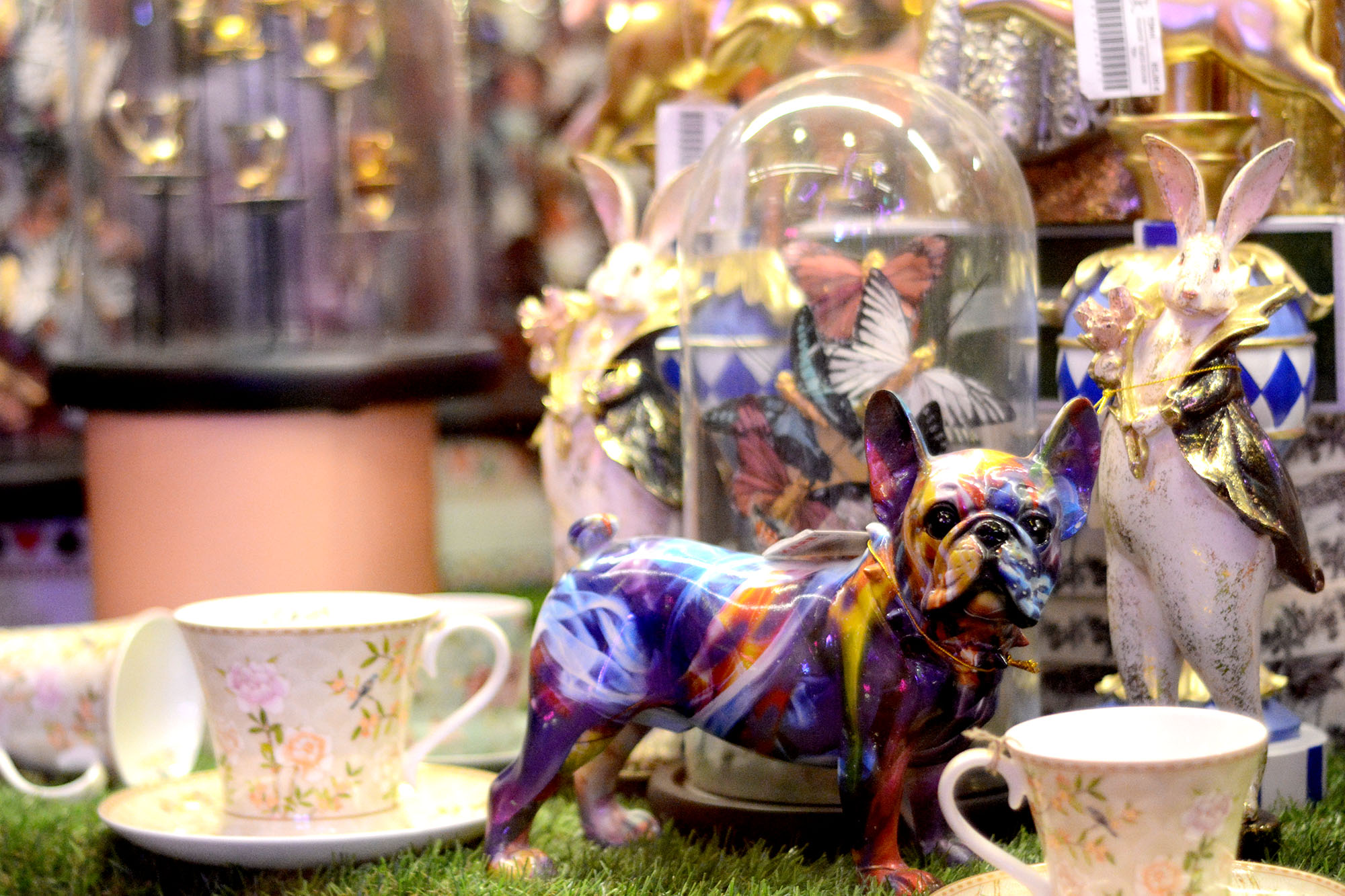
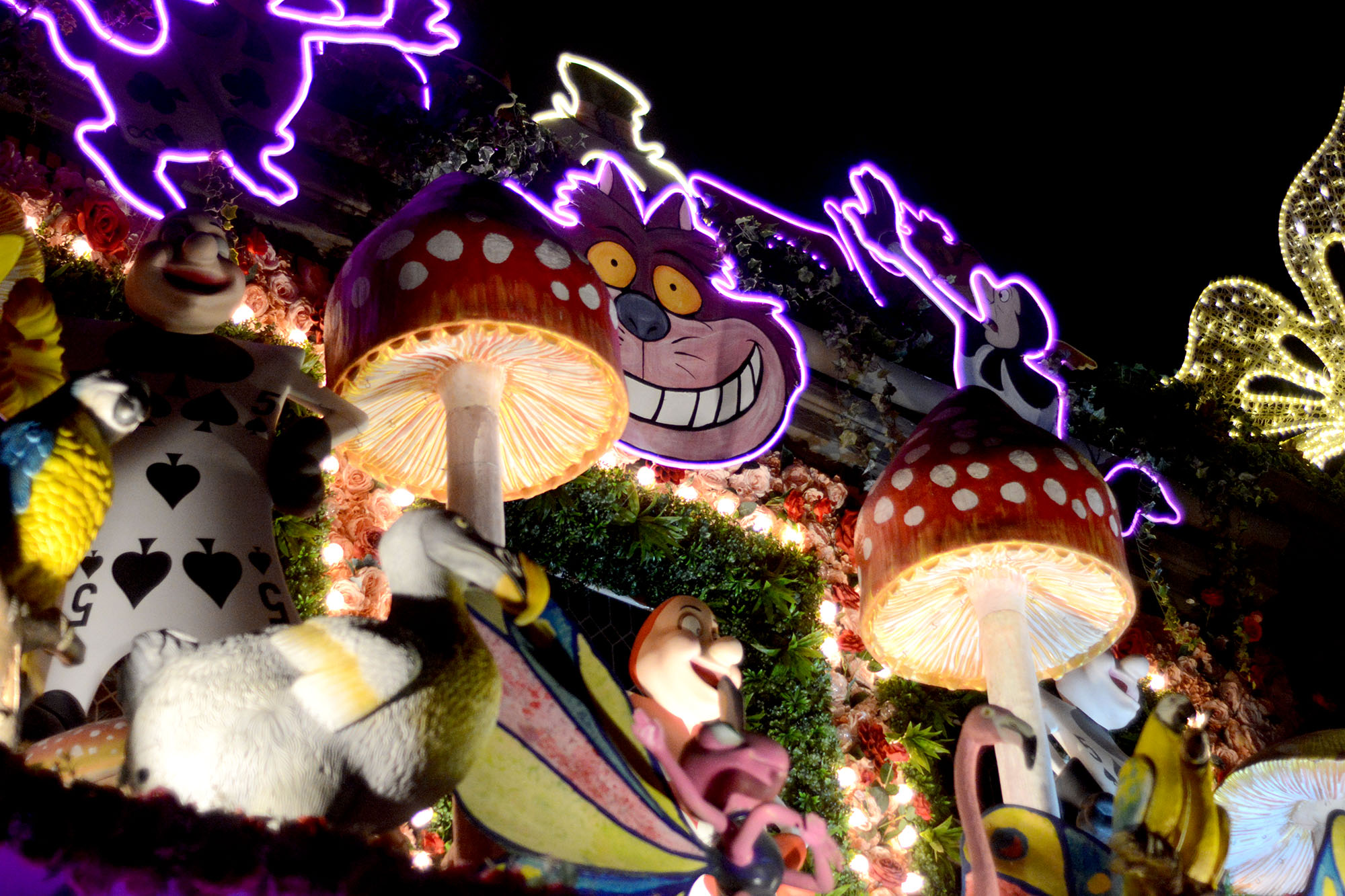
The books had been bought at Booktique, where I’d explained to the incredibly helpful shop assistant that I am looking for children’s books in Greek, with the aim of learning the language. This made us both so excited that I was soon seated among towers of possibilities, both children’s books in Greek, and Greek literature in translation. I obviously left with many more books that I’d planned to buy, and I obviously regret nothing. Neither do I regret a pit stoop in Little Kook, a kitschy- Alice in Wonderland themed oddity in Psirri. Quite obviously made with the clear intention of luring hapless tourists, it’s so ridiculously over the top and borderline hideous as to be perfectly matching the Tim Burtonesque line of Alice in Wonderland esthetics.
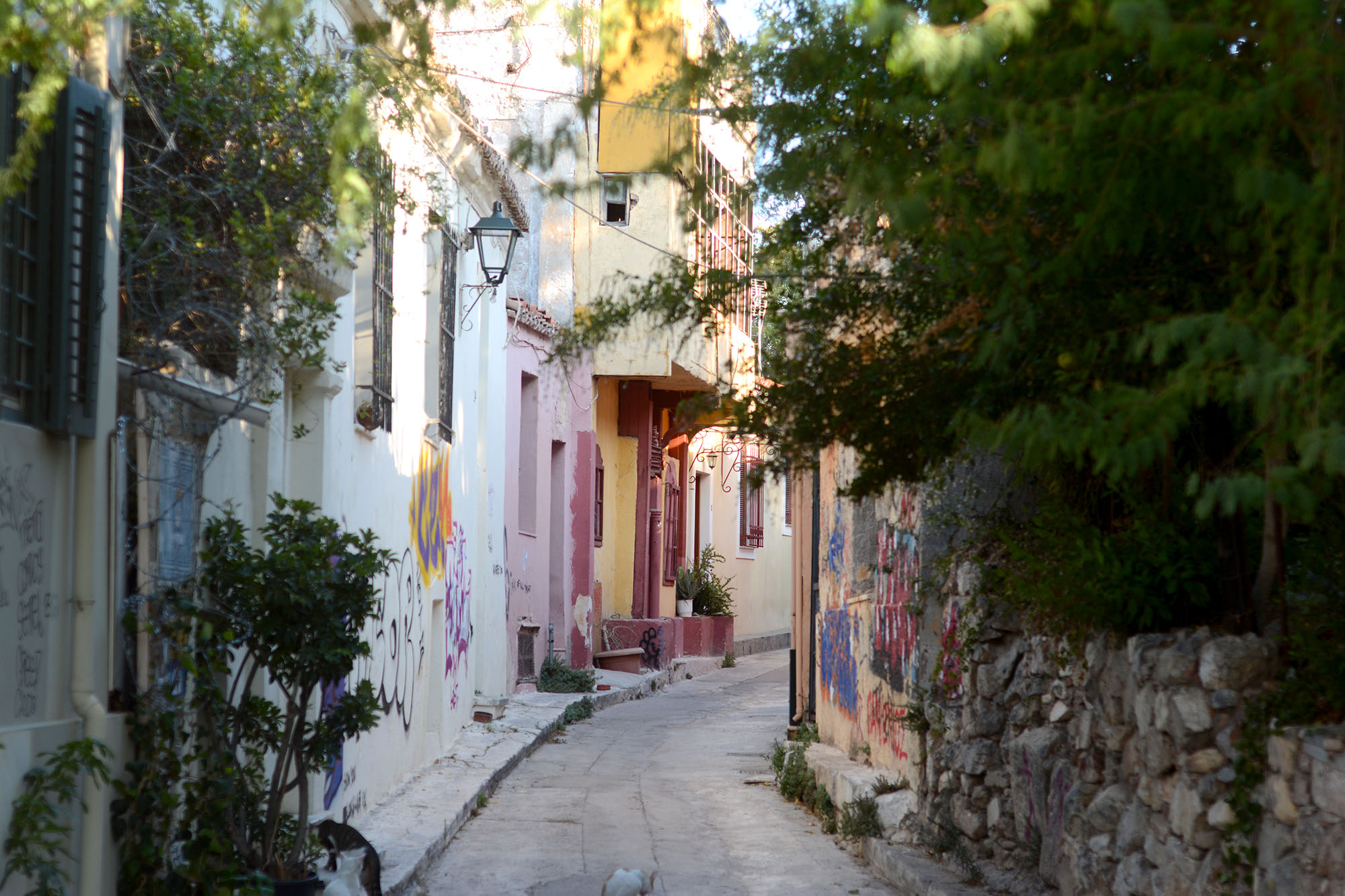
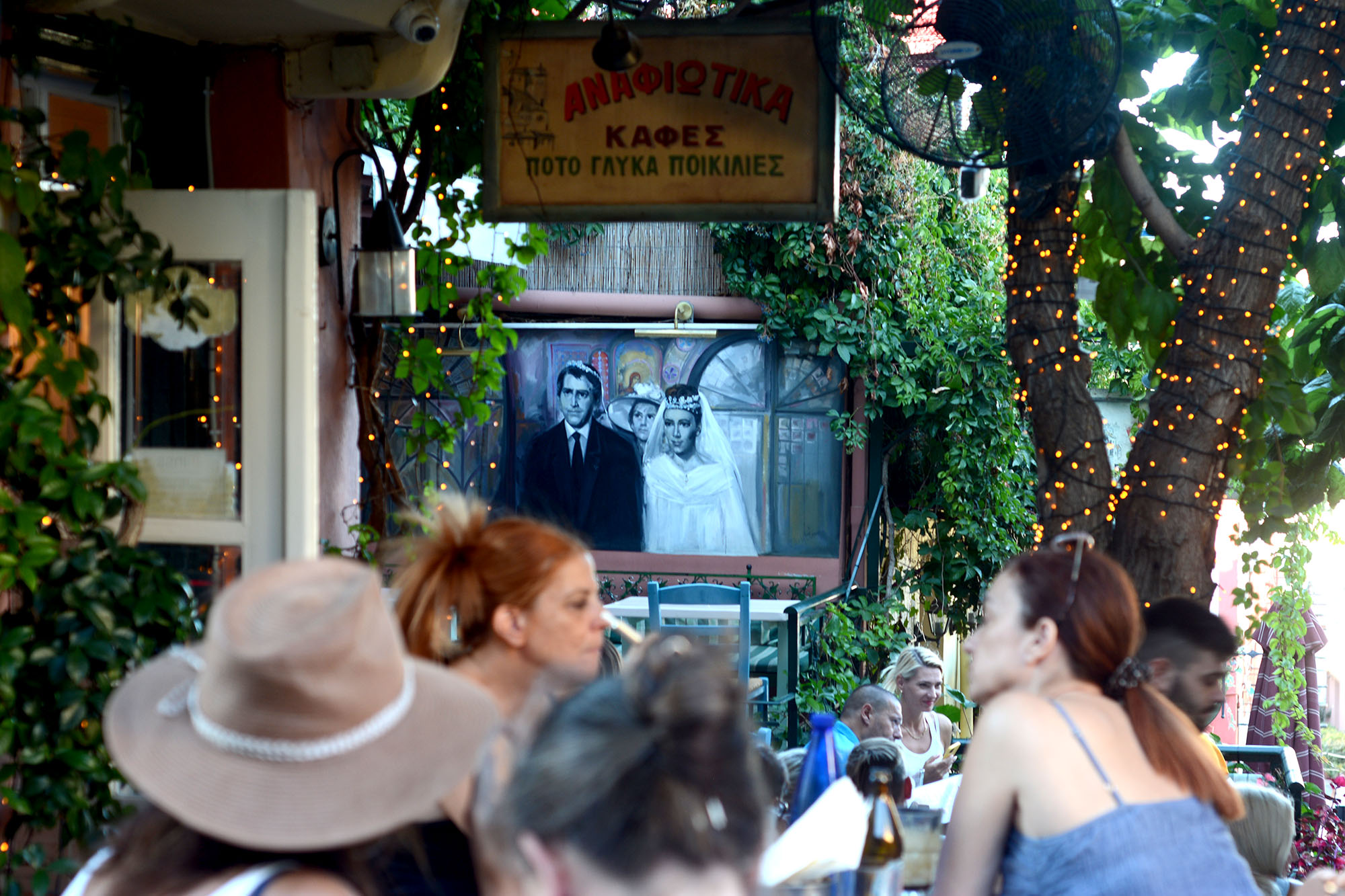
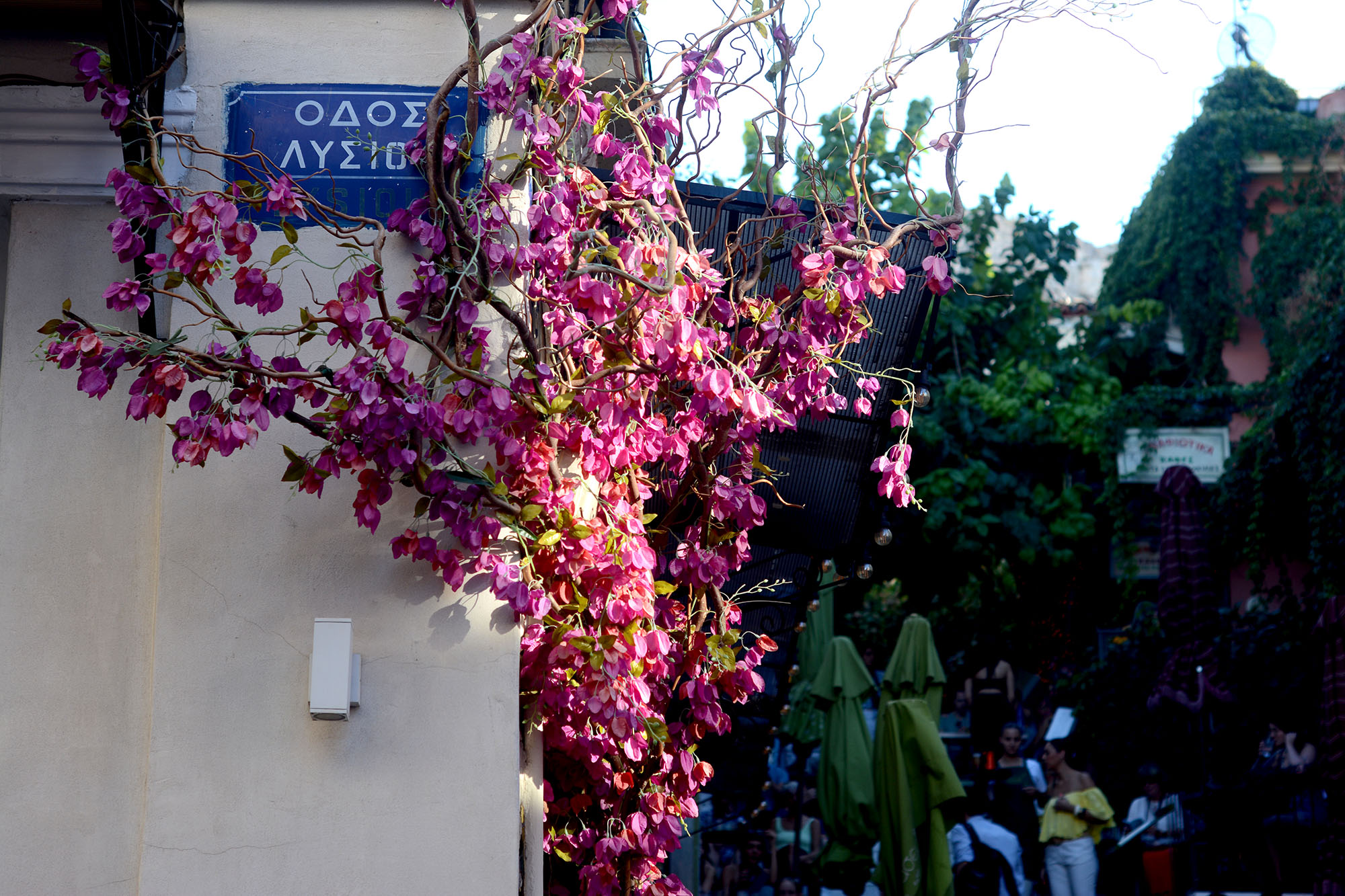
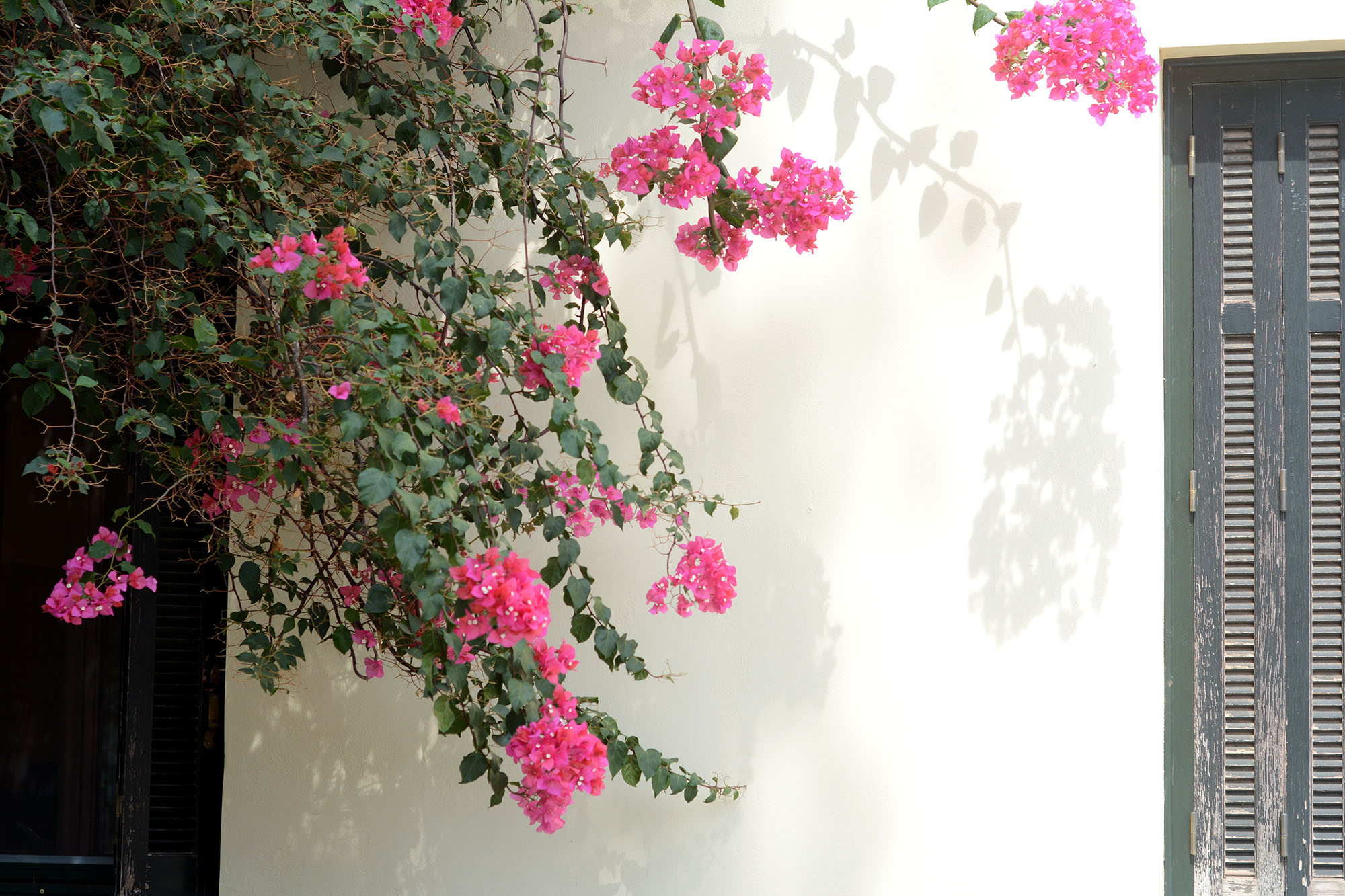
Another goal for this stay was Instagram fueled- I’d seen some cute snaps of Anafiotika, and decided to take the same cute snaps of Anafiotika myself. Anafiotika is in fact a part of the larger Plaka neighbourhood, lying at the foot of the Acropolis. This is helpful, because at least you know you have to see the Acropolis to be on the right way, but the layout of the area is another labyrinth- as such, not only did I get lost again, but I also sent two innocent Polish women the long way round to the Acropolis, only to find out that there is a shorter route right through Anafiotika. The area began to be settled during King Otto’s reign, in the mid-19th century, by workers from the Cycladic island of Anafi, who were employed for the refurbishment of the king’s palace. As such, the architecture is typical of Cycladic islands, with whitewashed houses and narrow, winding streets. It is quite wonderful, but also one of the places where mass tourism grates a little to a lot: the windows of small rooms where the locals eat or sleep open straight to the streets, so your peaceful nap can be easily interrupted by the camera of a Frenchwoman sneaking in for an artistic shot. In fact, a gentlemen spent his afternoon parked on his porch and repeating the two English sentences he seemed to know by heart: “please be silent, my brother is sleeping inside”.
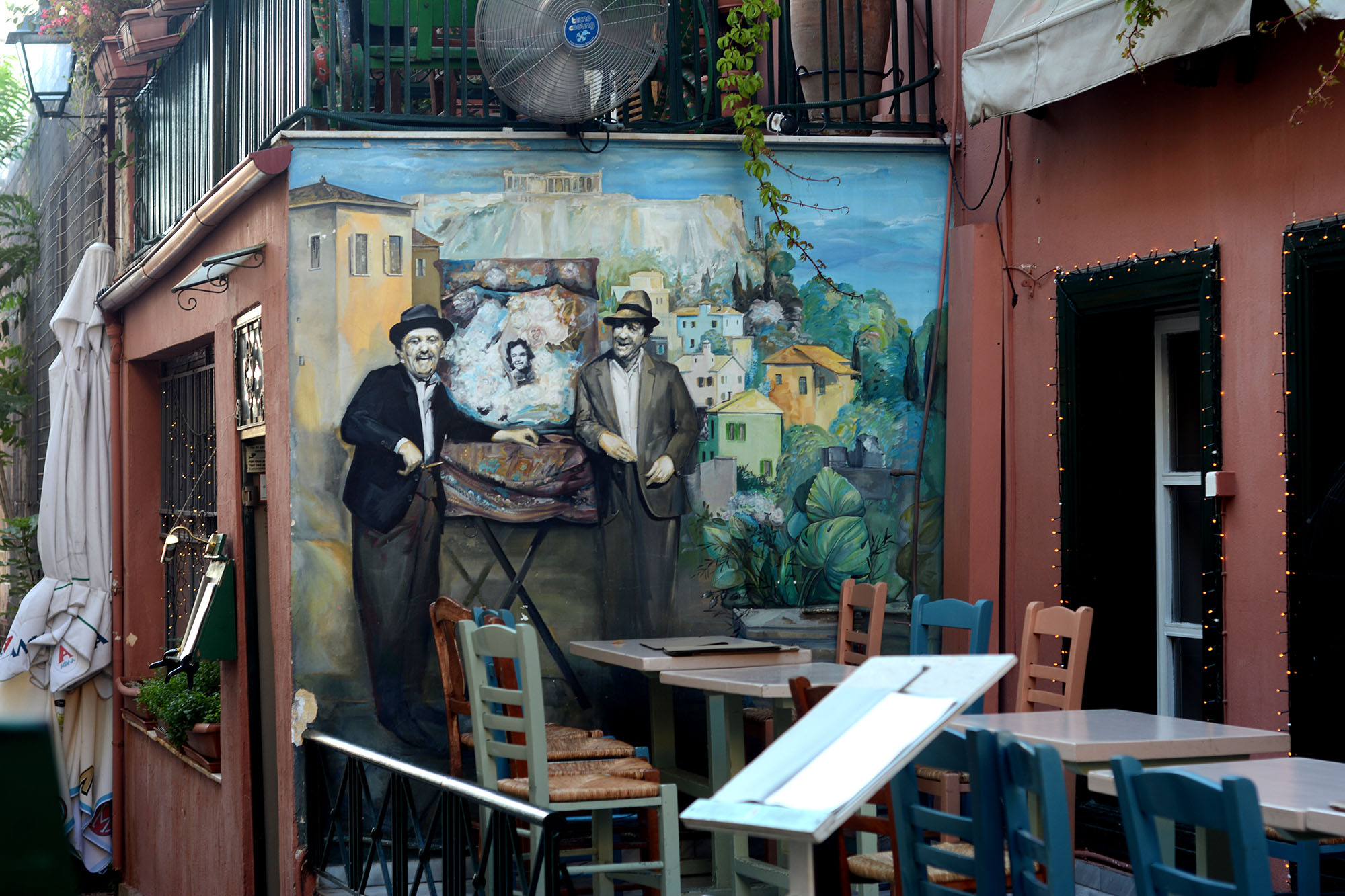
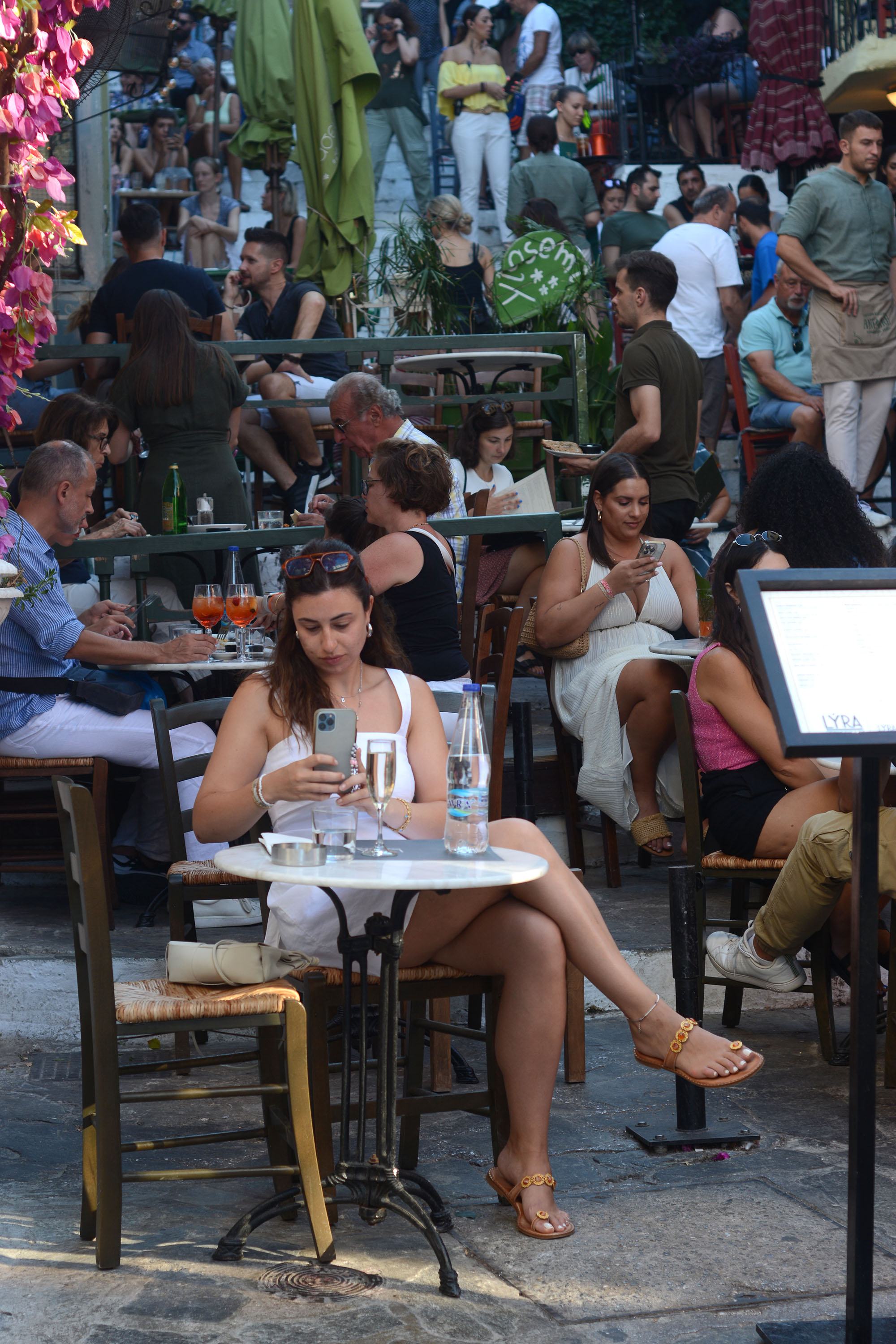
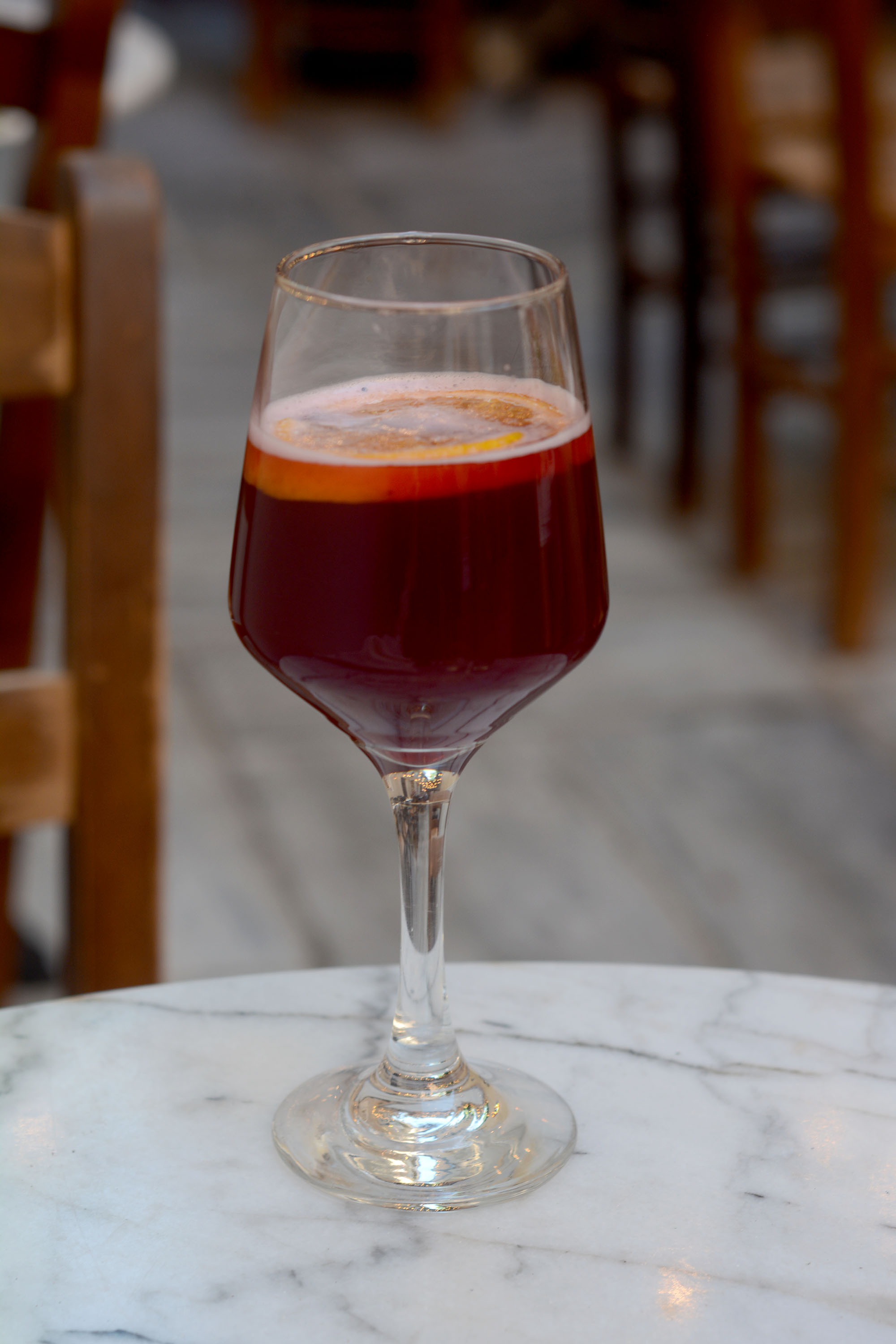
There is also a bit of Anafiotika which is jam packed with restaurants, which would be perfect, and possibly deserved, tourist traps, but the food is in fact quite good, and the prices are not extortionate. The Lyra, where solid cocktails are to be had, comes complete with live bouzouki music. I am personally always a little suspicious of live restaurant music, but it seemed to be a hit, with people waiting patiently at their table for the live performance to start. Widely associated with ‘the old Greek ways’, bouzouki is in fact a fairly recent addition to Greek culture- the instrument arrived in today’s Greece along with refugees from Anatolia, its very name coming from the Turkish “bozuk”, broken.
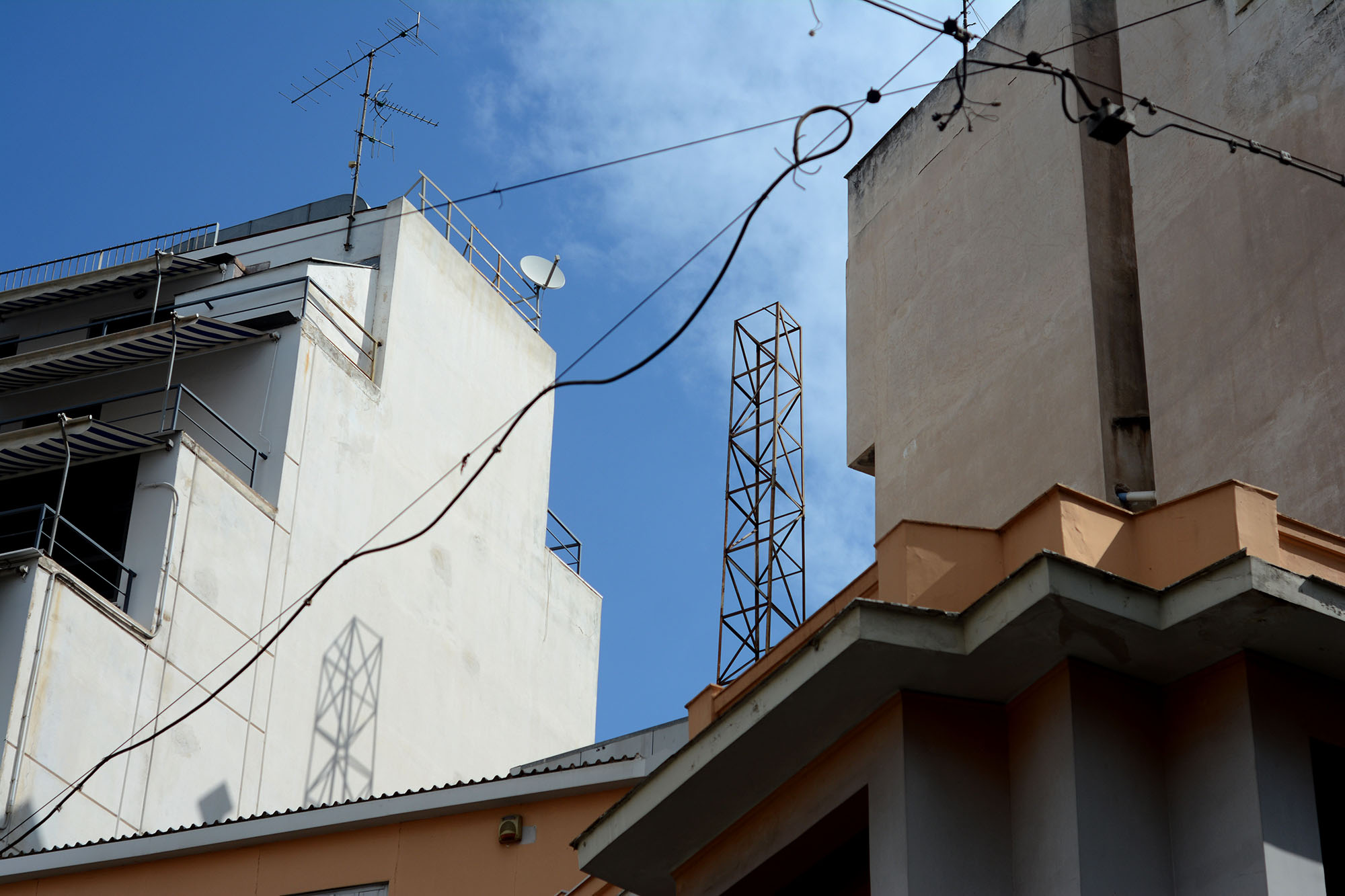
Another thing which goes easily broken in Athens is the smooth flow of traffic. This we witnessed on our return from the islands, when, for mysterious reasons, the airport metro connection was not running. We were helpfully informed, on the platform, that there is a bus which can be taken instead. And that was correct, however, the bus came equipped with an ill-humoured Charon, who did not accept our more expensive metro tickets on his bus. There was no way to bend his iron will, so we rolled towards the airport with ashen faces, as each new traveler trying to board the bus with the unused metro ticket was made to pay again. We progressed through urban backwaters, tiny pockets of parched vegetation engulfed by glass and metal, half deserted shopping malls, flashy car dealerships and crumbling, graffitied walls. This was the hell of modern life. And also, the route of the very first marathon. And also, the road leading to Eleusis, home of mysteries and rites that have kept their secrets for millennia. With its constant reminders of how the past morphs into the present and moves us towards the future, Greece always has a sneaky way to win its way back to your heart.





 Pocket Diary Budapest
2 Comments Add yours