While I was definitely aware of their existence, neither the much advertised Lupa Beach nor the neighbouring Omszk lake ever seemed like particularly attractive propositions to me. No matter how I look at it, the idea of a lakeside premium beach, in which the premium basically stands for faking a seaside experience so you can ask for extortionate prices, doesn’t sound appealing. I have nothing against the Omszk lake, per se, but waterboarding is really not a great idea for someone who can hardly swim. (In case you are intrigued by the name, yes, Omszk does come from the Russian city of Omsk, the two counties, Pest and Omsk, having been sister counties during Socialist times).
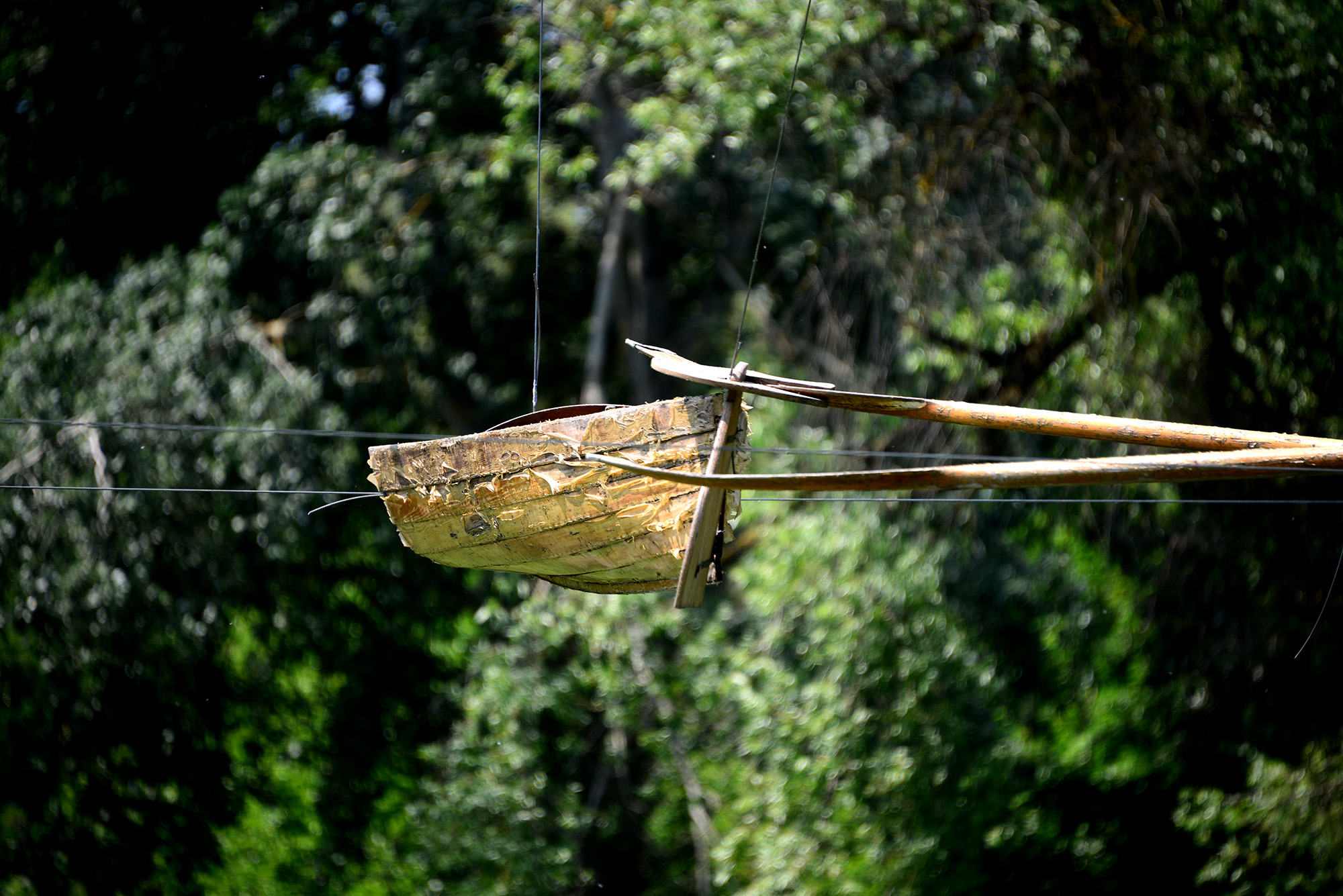
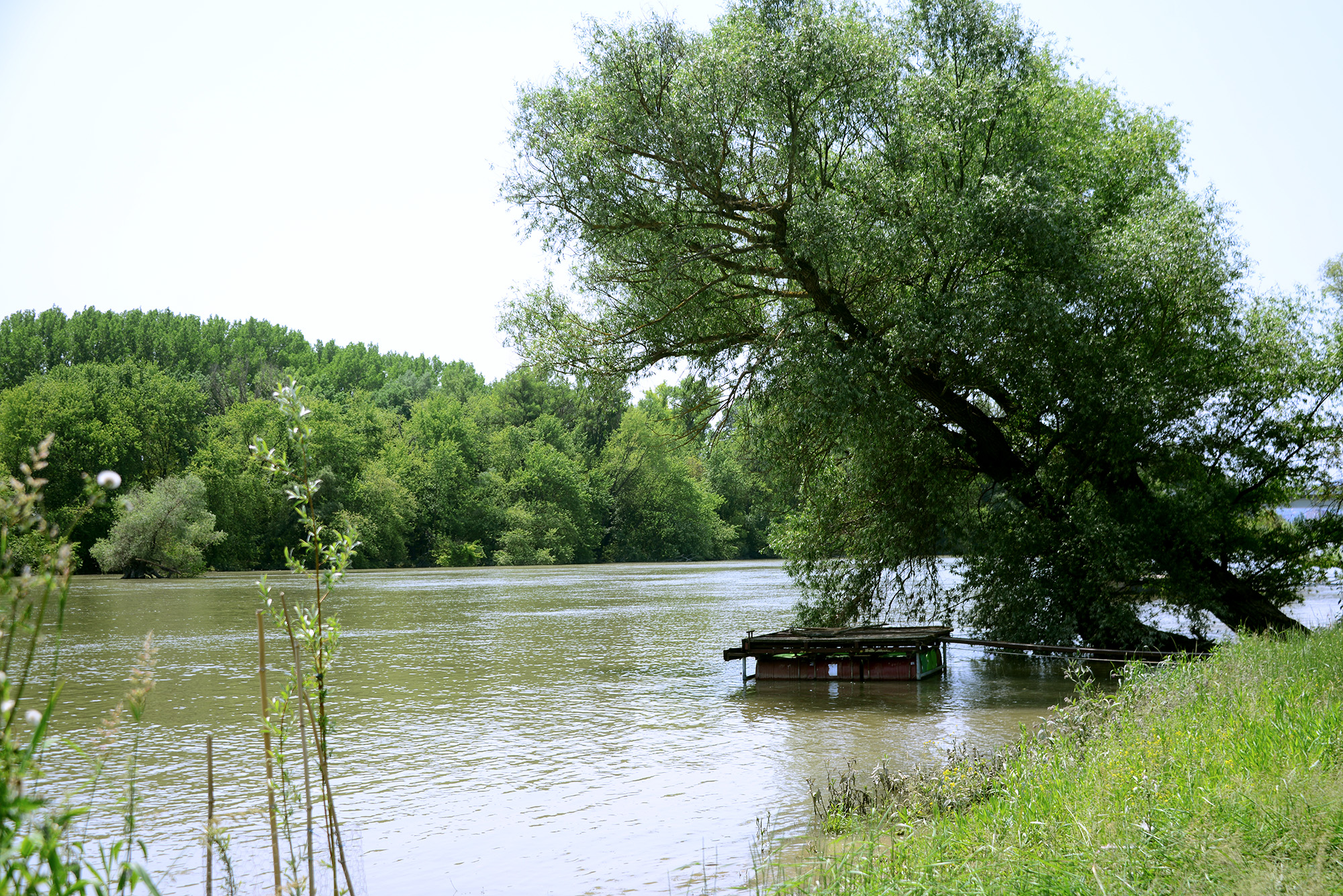
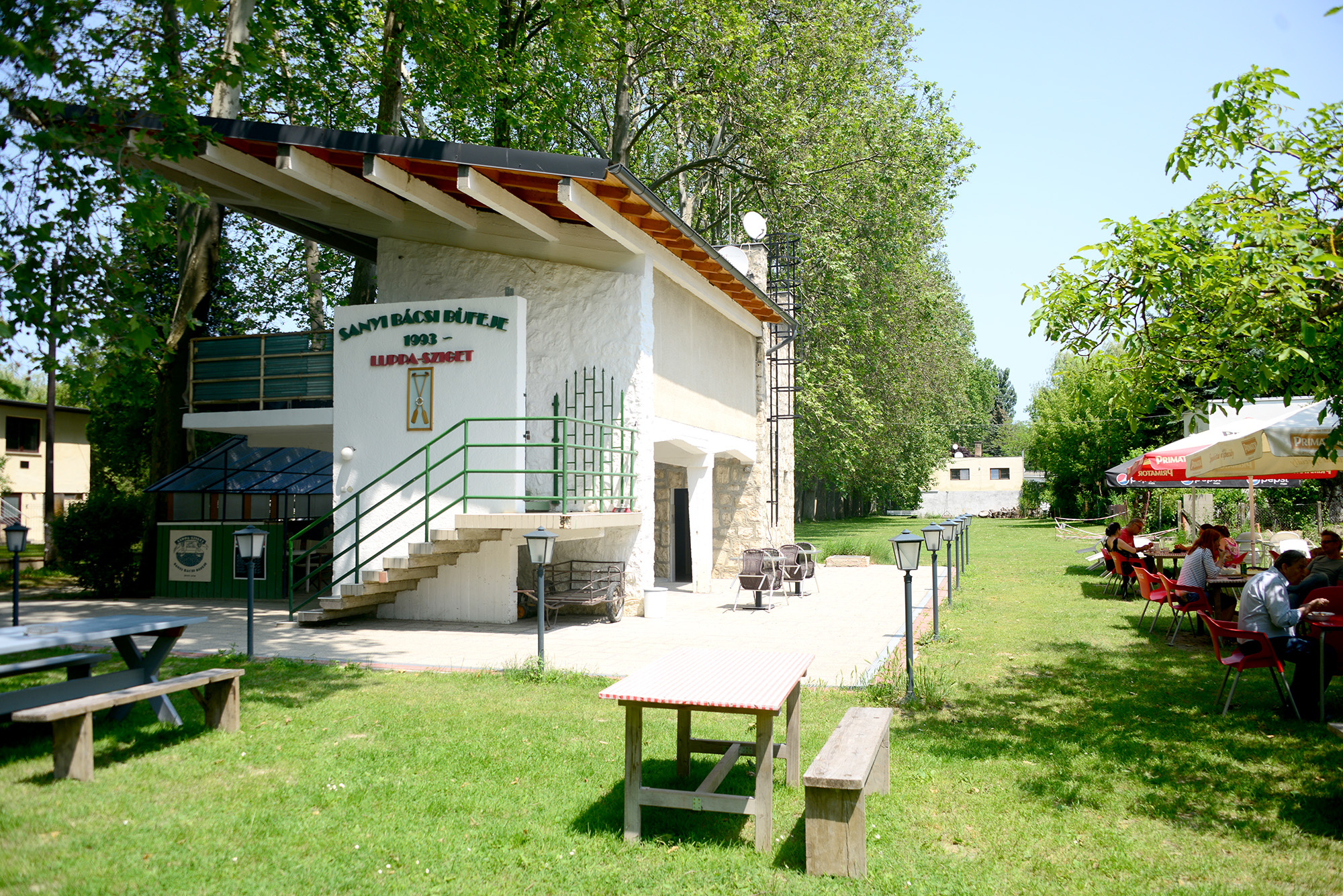
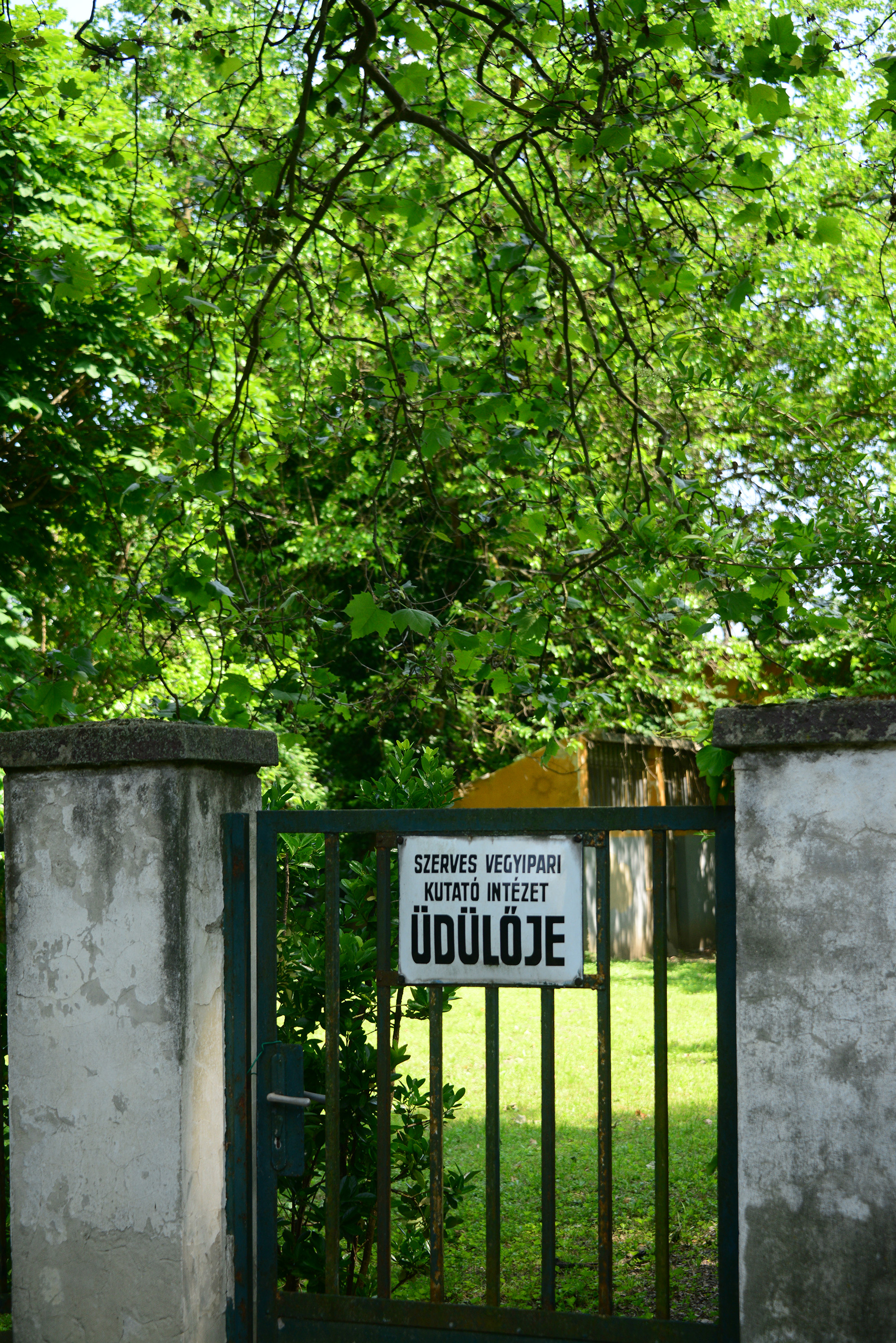
So, to paraphrase the infamous meme, I was pressing skip and waiting for the game to get…ducking good. Fancy beach. Skip. Waterboarding. Skip. Modernist architecture. Now you’ve got my full and undivided attention. Enter Lupa Island, a tiny speck of land lying ensconced in the western branch of the Danube, as it splits around Szentendre island. At its maximum length, the island measures 800 metres, with a maximum width of about 200 metres. It has no fixed population, all of the houses are summer retreats. The only way to reach it is by a tiny boat, which leaves from the Ebihal büfé on the Budakalász shore- in summer months, there are hourly connections from morning till evening, while off season, rides can be arranged depending on demand. Given its size, there are no vehicles on the island, and the only establishment selling anything is Sanyi Bácsi Büféje, which functions as a restaurant and also a small grocery store providing basic food stuff such as bread or milk. Opening hours are tentative- on the day we visited, while it was supposed to be closed, the restaurant was merrily operating, with an open air grill being set up under one of the trees. Alas, we couldn’t taste any juicy morsels, as we came unprepared for the 19th century: neither the boat, nor the restaurant take cards, so do make sure you have some cash on you before planning a visit to Lupa island.
The 19th Century is only half a joke, though it would probably be proper to set Lupa island’s continuous time at the early 20th century, when the first of its summer houses were built. It was in 1932 that the Helvétia real estate company purchased the island, divided it in parcels and installed basic amenities. The name of the island comes from its previous owners, the Luppa family of Pomáz- in fact, you will see the name of the island spelled both Lupa and Luppa, the latter being more correct, but the former, easier to pronounce in everyday speech, becoming more established over time. The Luppas were of Serbian and Aromanian origin, and the most famous of them, Péter Luppa, had a rather adventurous life: after having studied engineering in Vienna, he made a boat trip from the Habsburg capital to the Danube Delta in 1857, describing his adventures in diaries which he illustrated with his own sketches. He liked travelling and often wrote dispatches from places he visited (would probably have made a great travel blogger), dabbled in politics as a member of the Liberal party, successfully ran his family’s estate, with a particular preference for the vineyards. When the phylloxera blight reached Hungary, he used the expertise he had gained in Southern France to advise on grape varieties which were resistant to the pest.
Were he to visit the island, a part of the family estate, he would have found it very different from what it looks today: lush and uninhabited, it was covered by a forest and occasionally used for grazing animals. A bit like an idyllic, romantic landscape painting, you’d think- and be right. Lupa island is one of the backdrops of Folyóparti táj (Riverside landscape), a painting by János Jankó, featured on the back of the historic ten forint banknote. Such innocent times, when the value of ten forints justified it being a banknote, and not just a sad little coin.
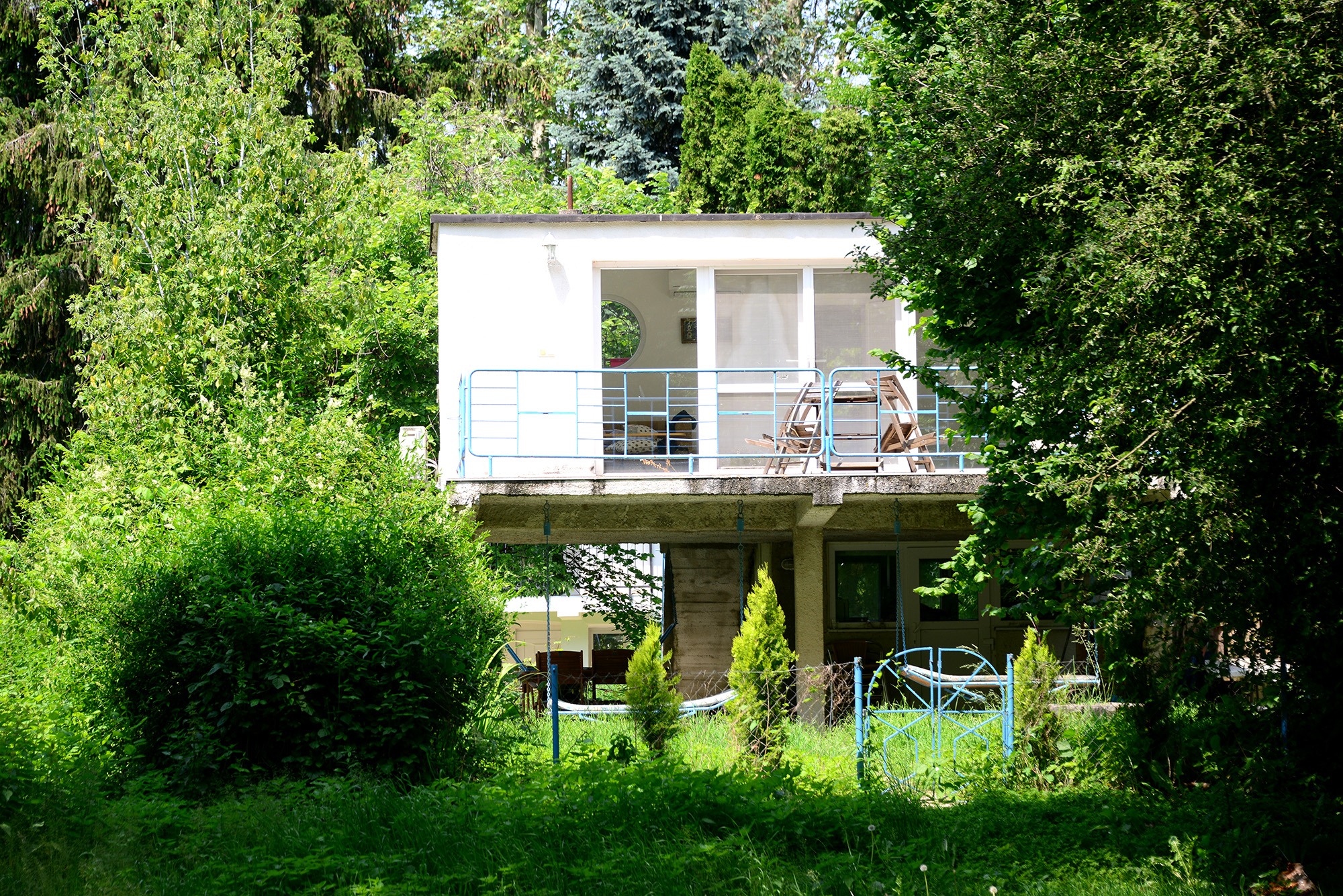
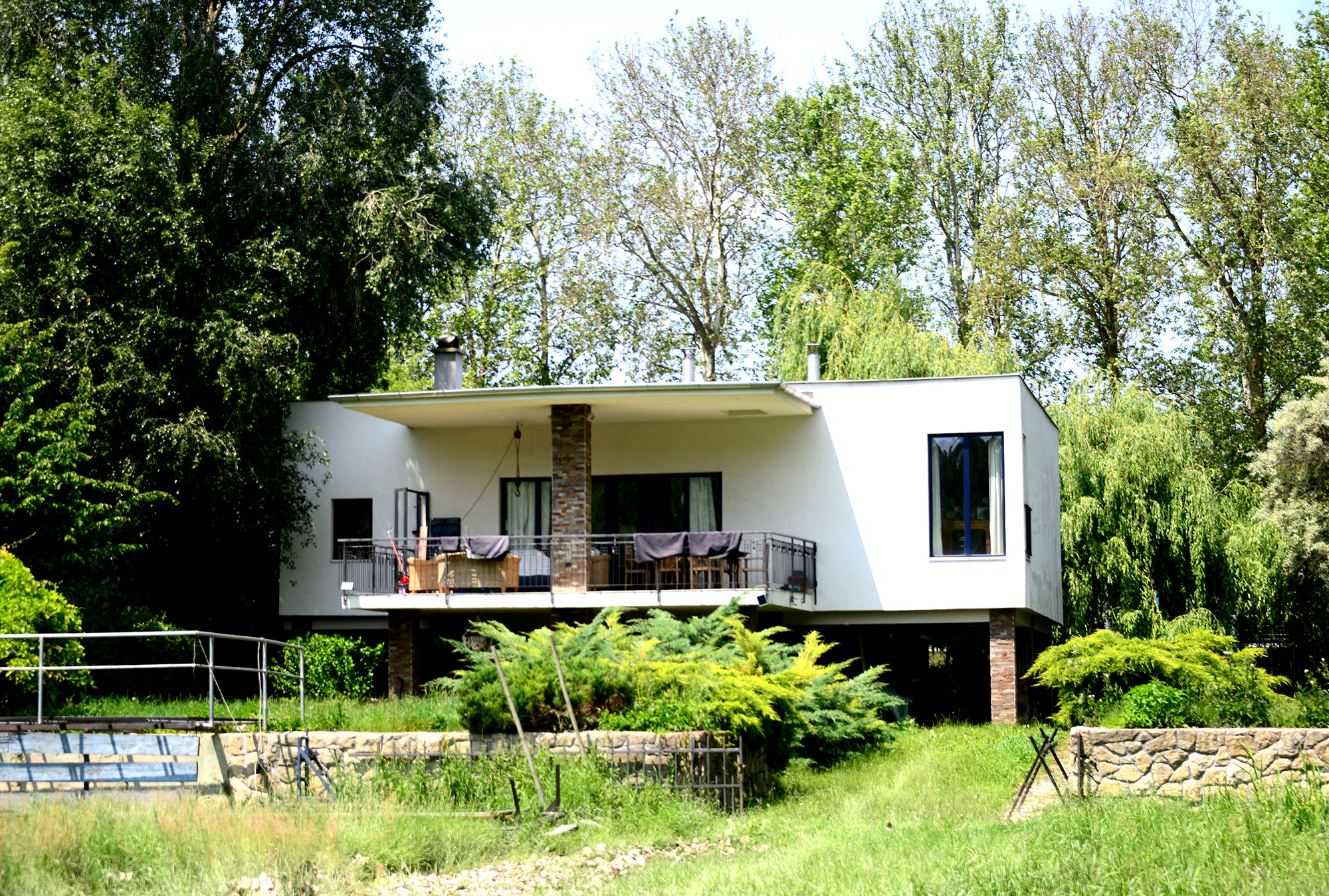
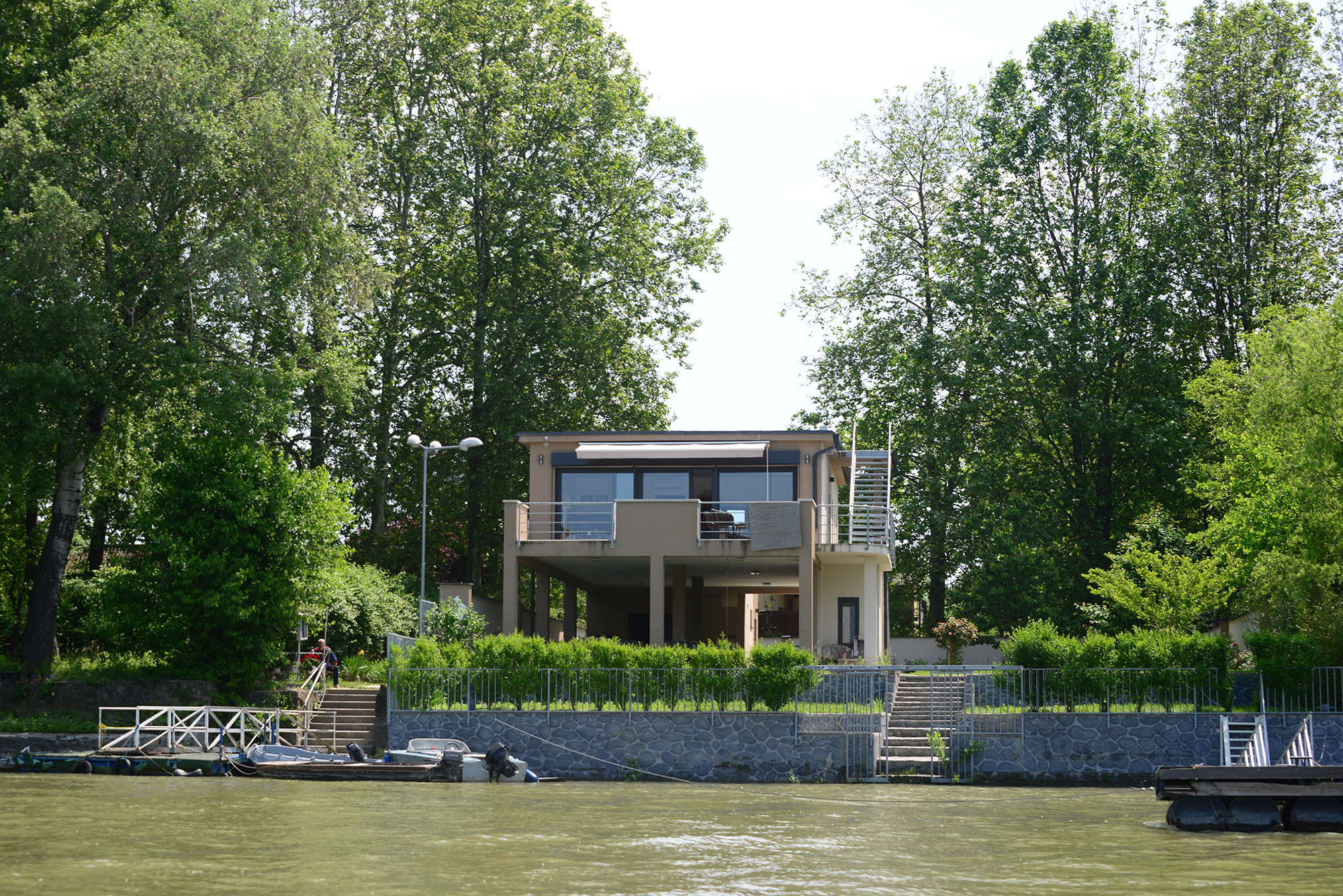
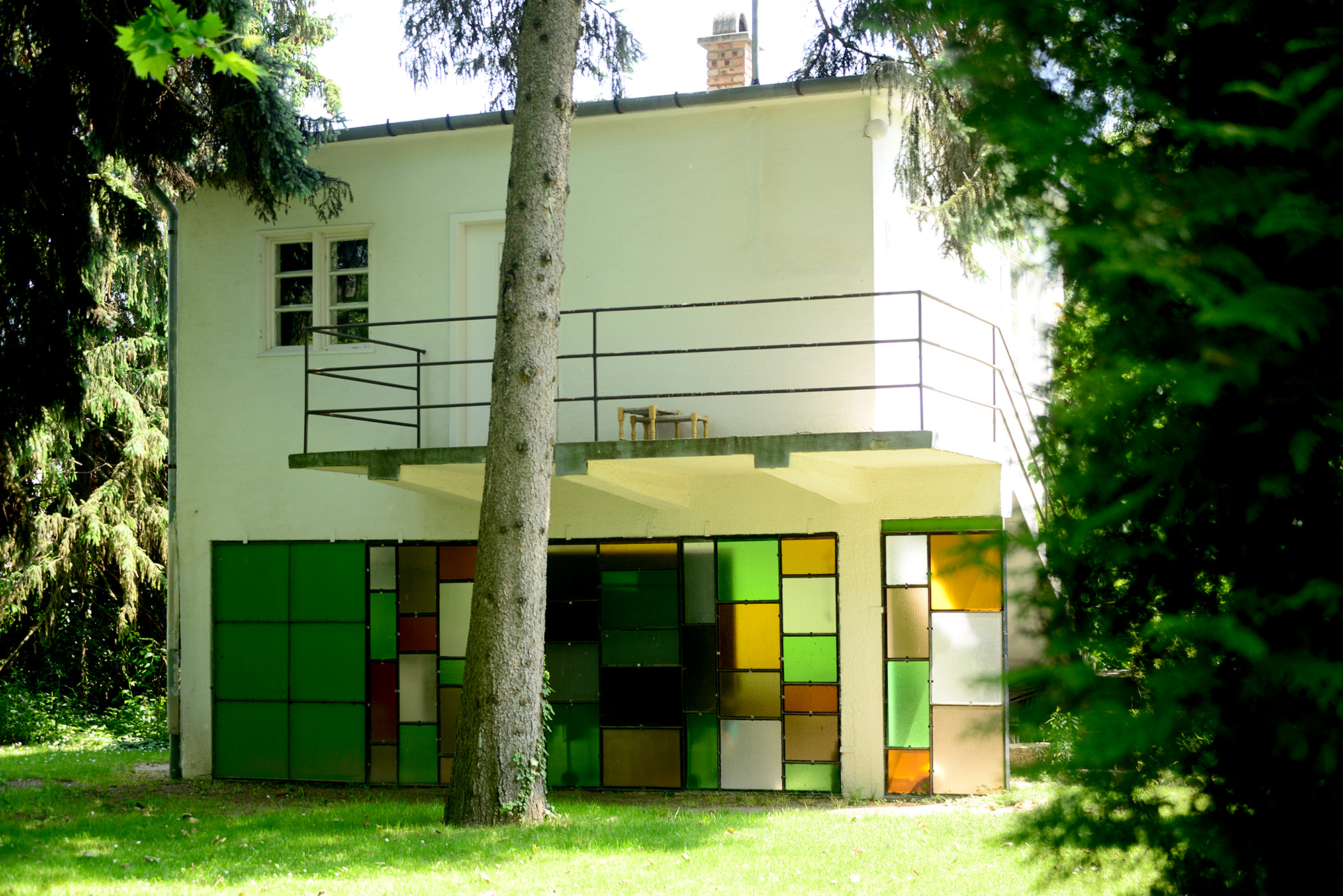
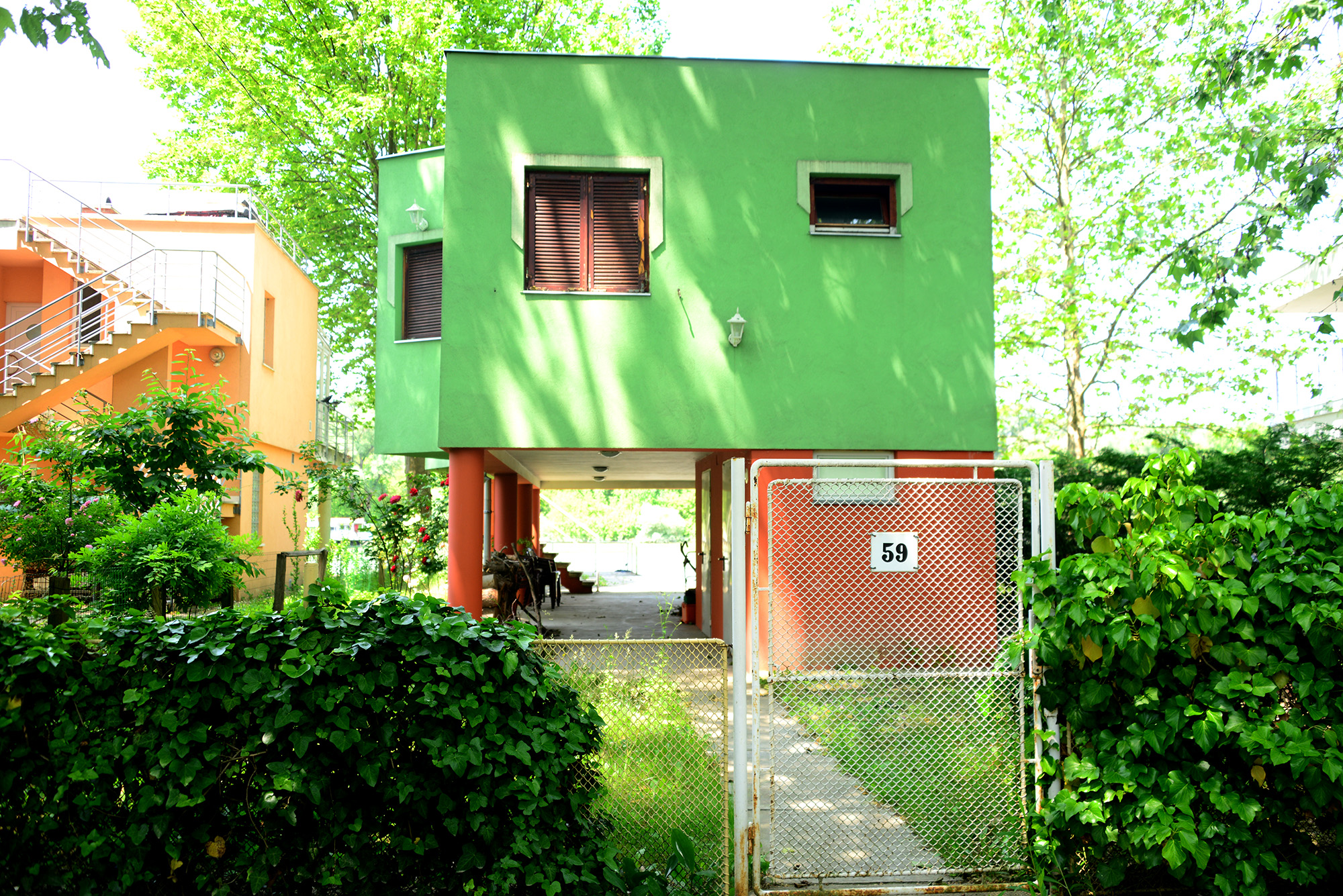
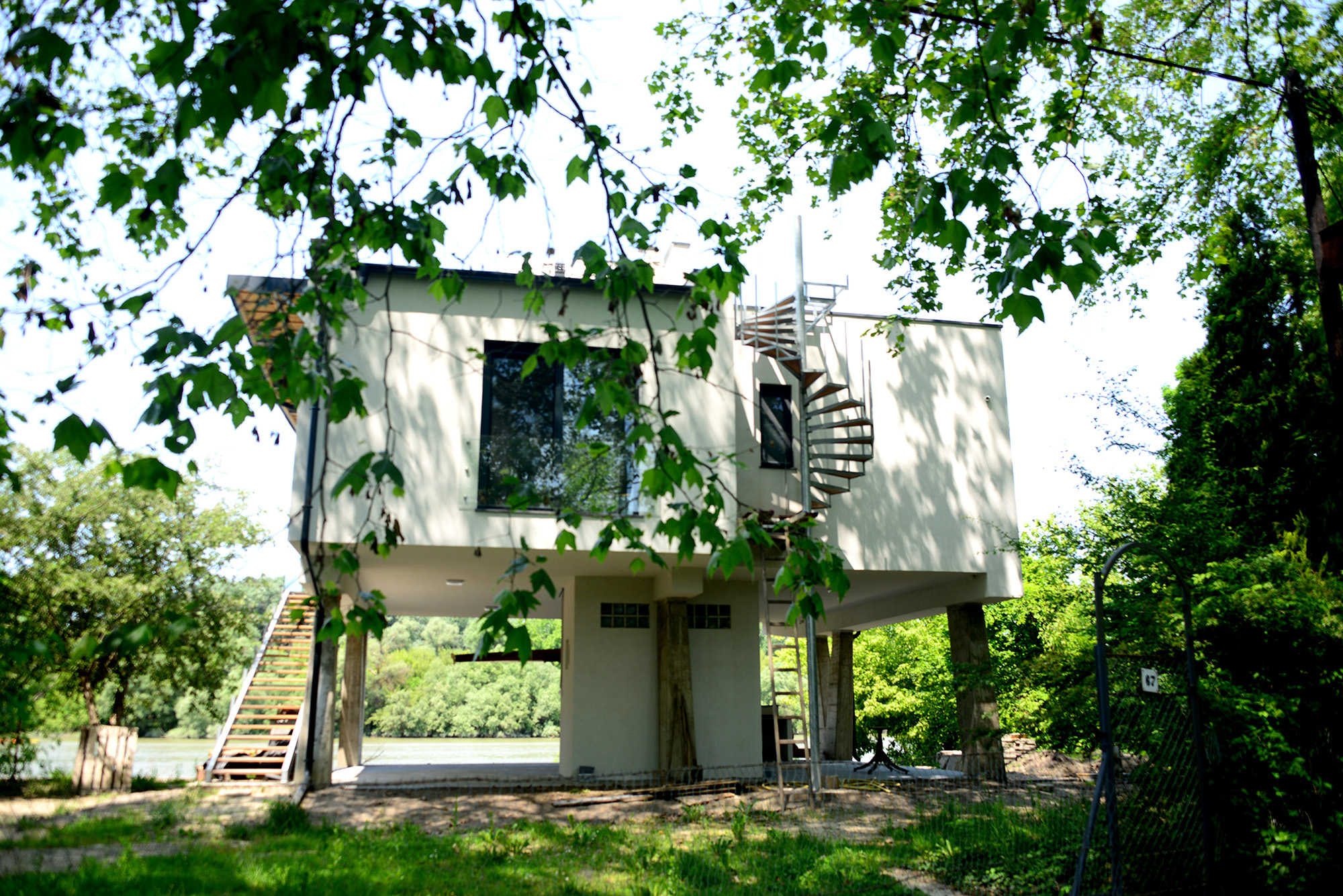
From the early 1930s on, the island became a haven (and heaven) for modernist architecture. Built along the same principles as the ‘model neighbourhood’ of Napraforgó street, in Pasarét, the houses on the island, meant to be summer retreats for wealthy city dwellers, were designed by some of the most successful architects of the time, such as Lajos Kozma, Alfréd (Fred) Forbát or József Körner. People in the know (aka architecture pedants) often argue that it’s mistaken to call any modernist building as being ‘Bauhaus’. According to them, you can only use the moniker if the architect studied at, or worked for, the actual institution, founded by Walter Gropius in 1919. Well, Lupa island qualifies, as Forbát collaborated with Gropius in the Weimar section of Bauhaus.
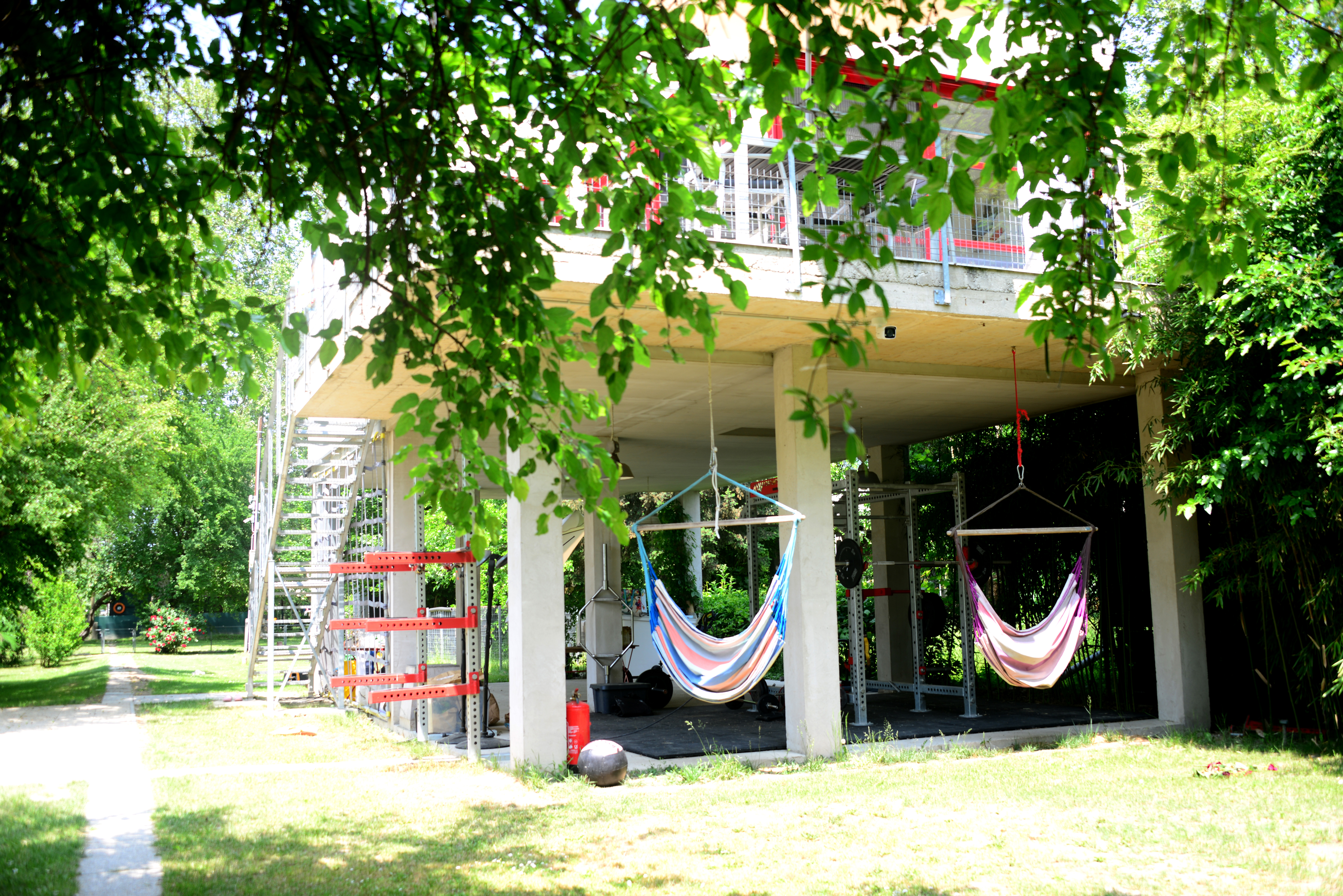
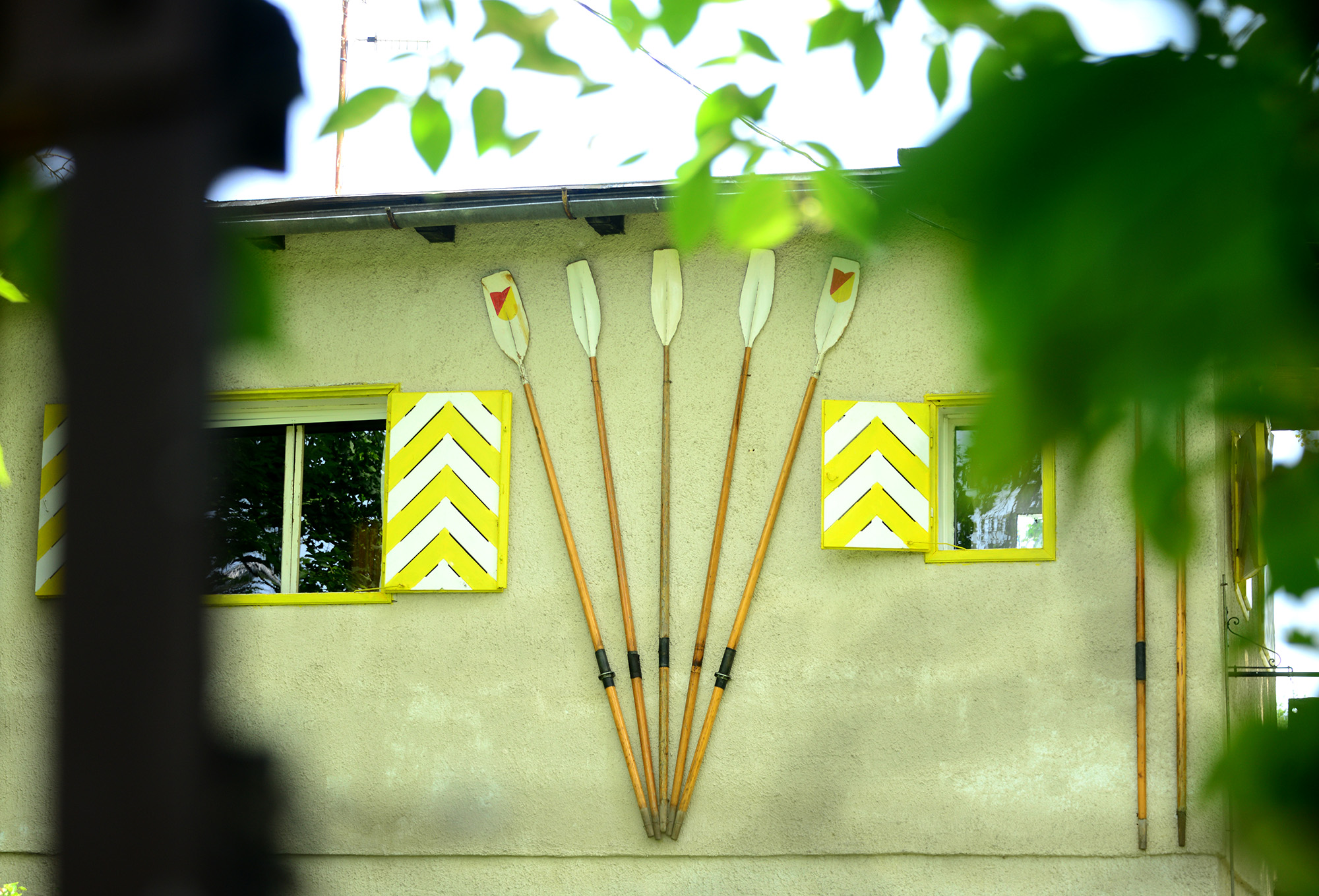
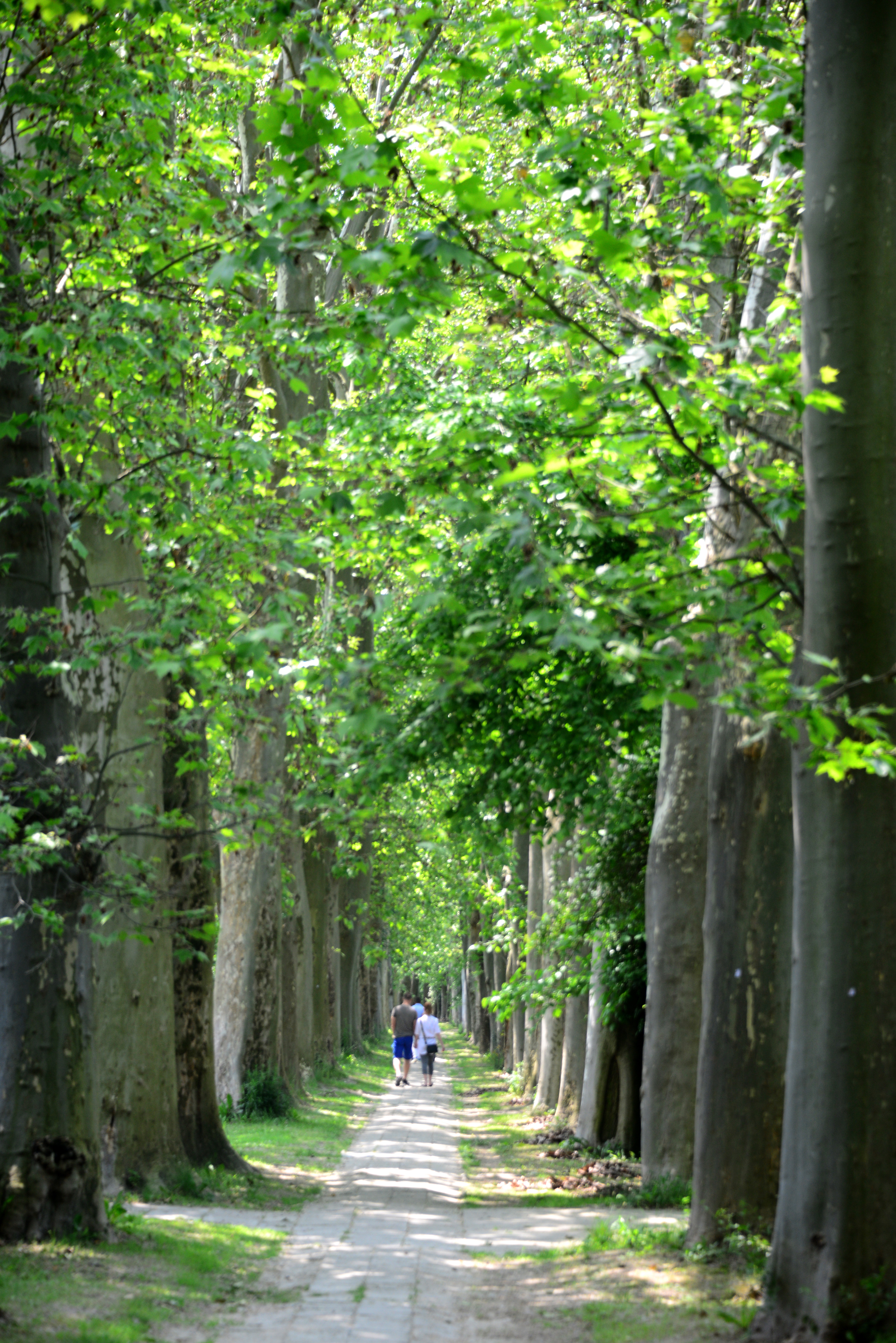
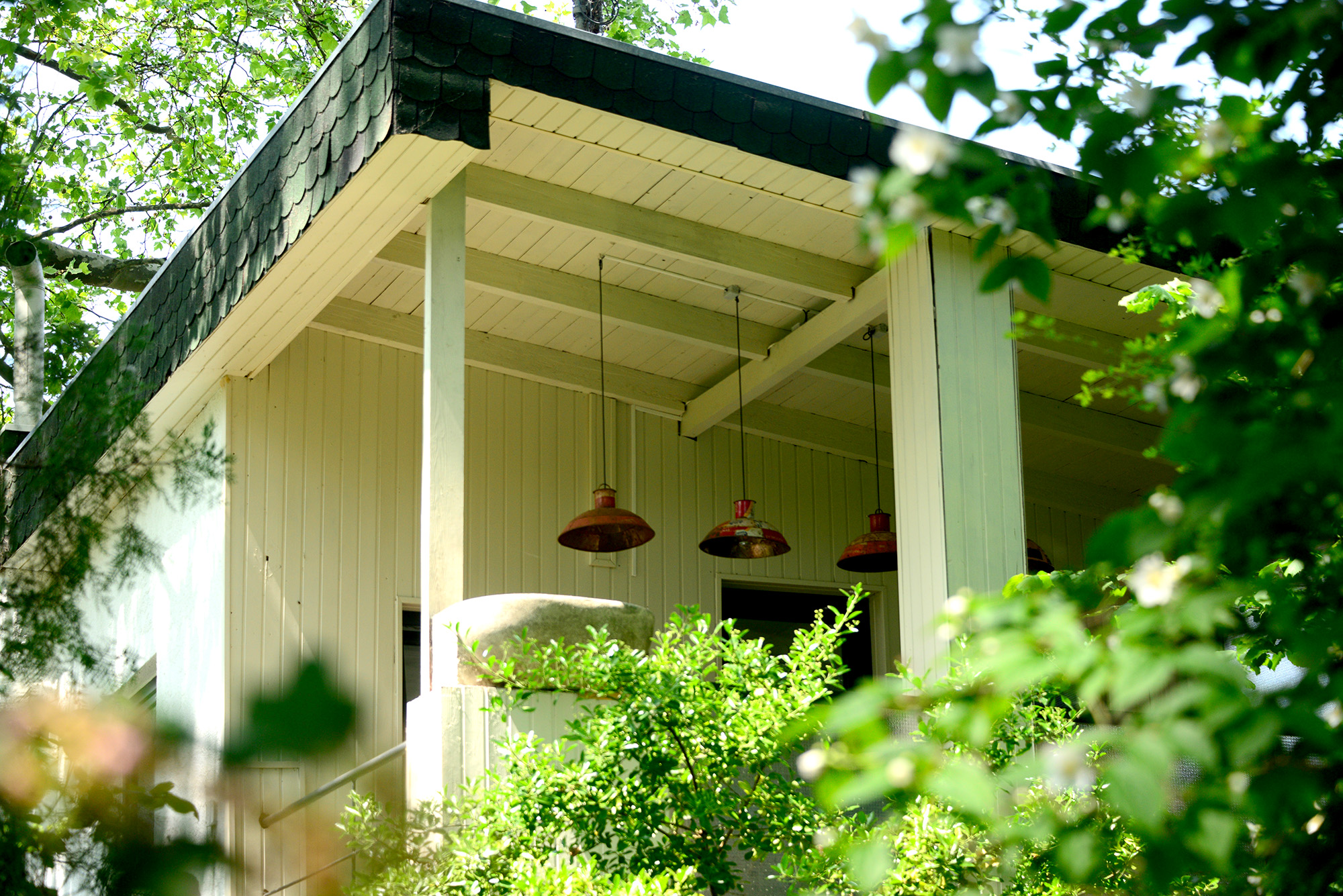
In fact, there is really not much to do on Lupa island if you are not among the lucky ones who owns a house there. Access to the shore is limited and there are only a few alleys to walk on. But what a feast it is if you like lovely, well made, houses. In a world where models of anything become obsolete in a couple of years, it’s reassuring to look at buildings which, almost a century after their inception, still look modern, functional and beautiful. There is a balance to their proportions, the elegance of something built to perfectly fulfill its purpose. To be a house not only to live in, but to enjoy living in it. To let light and air travel through the space, and seamlessly blend in with nature. The main road of the island is named after the rows of tall plane trees lining it, and most of the houses are at the end of small gardens, some distance away from the trees. They seem dwarfed by them, in the best way possible, houses that don’t stand out against their surroundings, but blend in. Visiting Lupa island is a sort of time travel, almost for free, where you get to see not only the past, but also a glimpse of a brighter future our predecessors envisaged. It never came to pass. WWII displaced many of the owners and architects of the utopia, some of them Jewish Hungarians, who never returned, to the island, to Budapest, perhaps never returned at all. But the promise lingers, as you wait in the Ebihal, sipping a beer, the conversations of locals ebbing and flowing around you, the little boat making its way over the very short distance that separates the island from the mainland. Joy can be very simple and straightforward. Like a well built house.
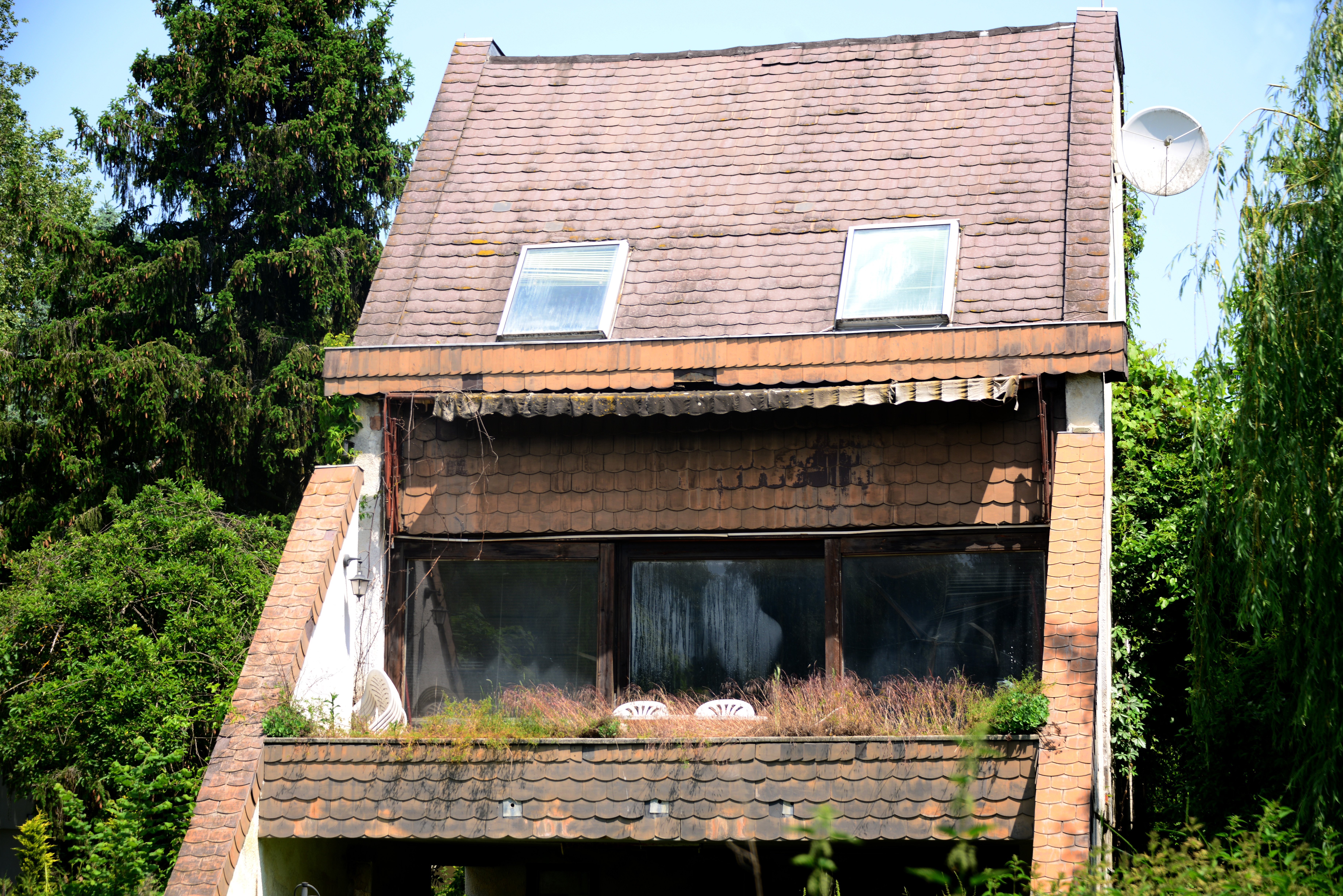
PS: Before the architecture pedants complain, as pedants are wont to do: not all of the houses date back to the 1930s, quite a few of them were built later, in fact, some are still being built now. It’s another compliment to this lovely little island that even latter additions managed to stay true to the spirit of the place.










 Pocket Diary Budapest