Returning to Thessaloniki four years to the day, I exited the airport warning my friends of the many evils of bus 1X, which I had dubbed, somewhat pompously but also very befittingly, the worst bus in the world. I am happy to report that 1X still does the work of the devil on the streets of Thessaloniki, arriving as whimsically as ever and departing packed to the brim with deeply miserable people who will become a shell of their former selves by the time they arrive to the centre. I am even happier to report that there is now a considerably more comfortable alternative. 2X, the route of which is serviced by former BKK buses complete with their Hungarian instruction stickers, takes you to Nea Helvetia, the final stop of the recently opened metro line. This solution does entail two vehicles, but the stretch to be walked between the bus and the metro is minimal. You also have to buy two tickets- the airport bus ticket, which costs 2 euros for both 1X or 2X, and a metro ticket, currently 60 euro cents per trip. An investment of 60 cents in your happiness is however more than worth it when you emerge at Sintrivani station comfortable, unbothered, moisturised and in your lane, ready to take on the world akin to the region’s most famous son. (I had promised myself to cut back on the Alexander the Great references, but I simply cannot help it. The timing of History Hit’s Alexander podcasts might have something to do with it, too.)
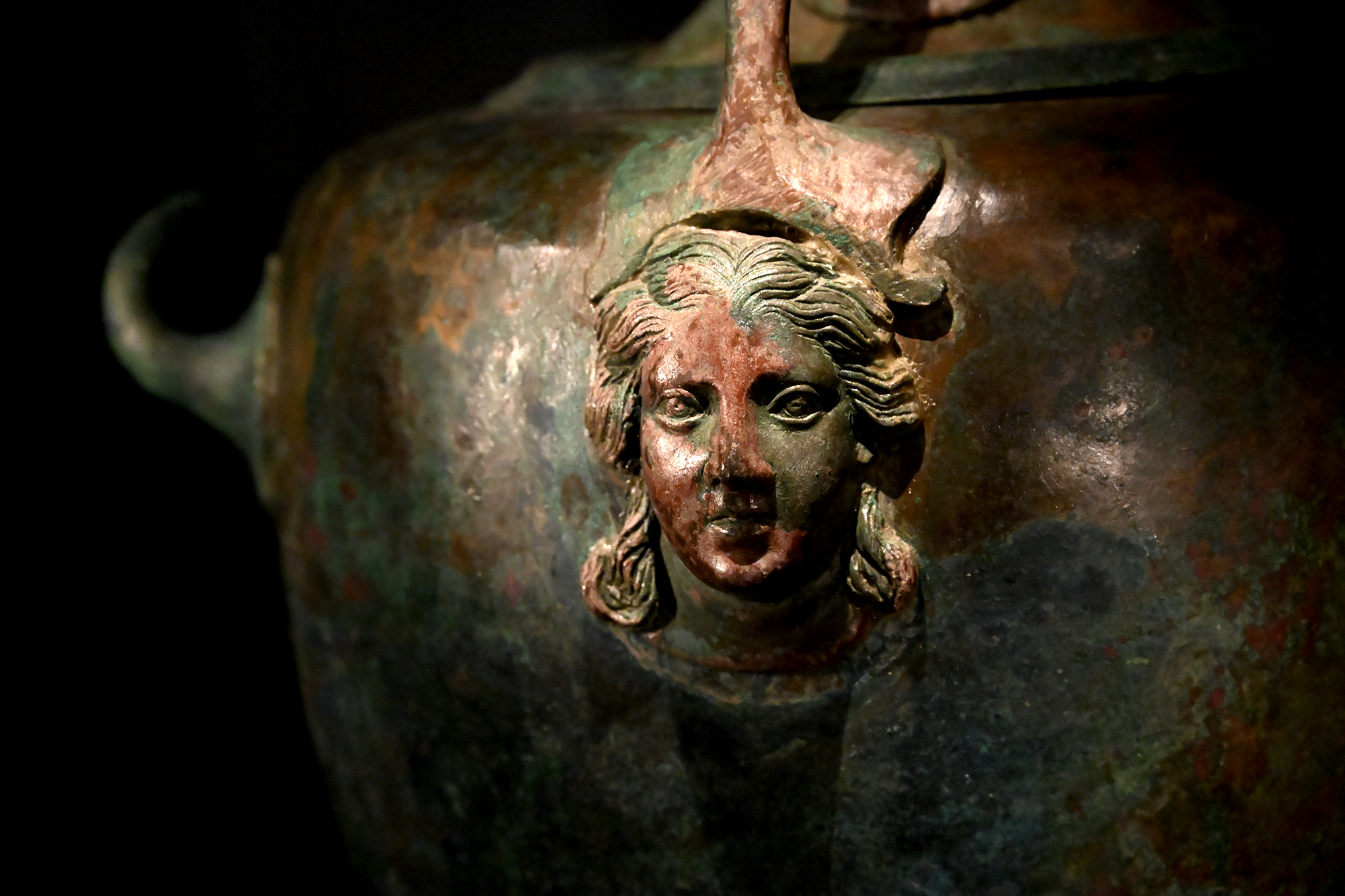
As I covered a lot of the city’s sightseeing basics here, this post will focus mainly on the additional discoveries we made this time around, plus some occasional relevant updates. The metro itself is an interesting affair. An initial plan for an underground railway dates back to 1918, when the city was being rebuilt after the devastating fire of the previous year. The proposed route was from the New Railway Station to Nea Helvetia, which is the backbone of line 1 today. Similar plans were regularly revisited in the past century, with actual work starting in 1989, then being abandoned. The projects were mired in a lot of political bickering and legal wrangling, with the occasional accusations of central powers favouring the development of Athens, including its metro system, over that of Thessaloniki. Work on the current iteration began in 2006 and faced another very Greek set of troubles: ancient archaeological sites being found along the way, ‘The way’, in our case, being a very famous one: the remains of the ancient Via Egnatia, which connected Rome to Constantinople, lie about five metres under the current Egnatia street. Finds include a headless statue of Aphrodite, mosaics, gold wreaths and an entire bath complex. More bickering ensued on how to tackle this issue without costs spiraling further. The solution is an interesting compromise. Stations double as mini museums, the most extensive being the one at Venizelou.
A visit to the Archaeological Museum itself was included in the itinerary and thusly we discovered that, while transportation prices stayed mostly unchanged, what used to be a three euro blanket fee for museums has now hiked to ten (entry to the Rotonda cost the same). We were however lucky to visit the museum on the third Sunday of the month- in off season entrance on these days is free. My niggle about the museum is that is there isn’t enough of Alexander in it, though I can understand that curators might find him tiresome after a while, and wish to visit new territories. One of the current exhibitions focused on the inhabitation of cave systems in Greece, in parallel with an interestingly delivered defense of archaeology itself, focused on convincing the audience that archaeologists don’t just make stuff up. I might have lost patience with this discourse partly because I never thought archaeologists made stuff up, but also because one thought was weighing heavy on my mind: Where is THE papyrus?!
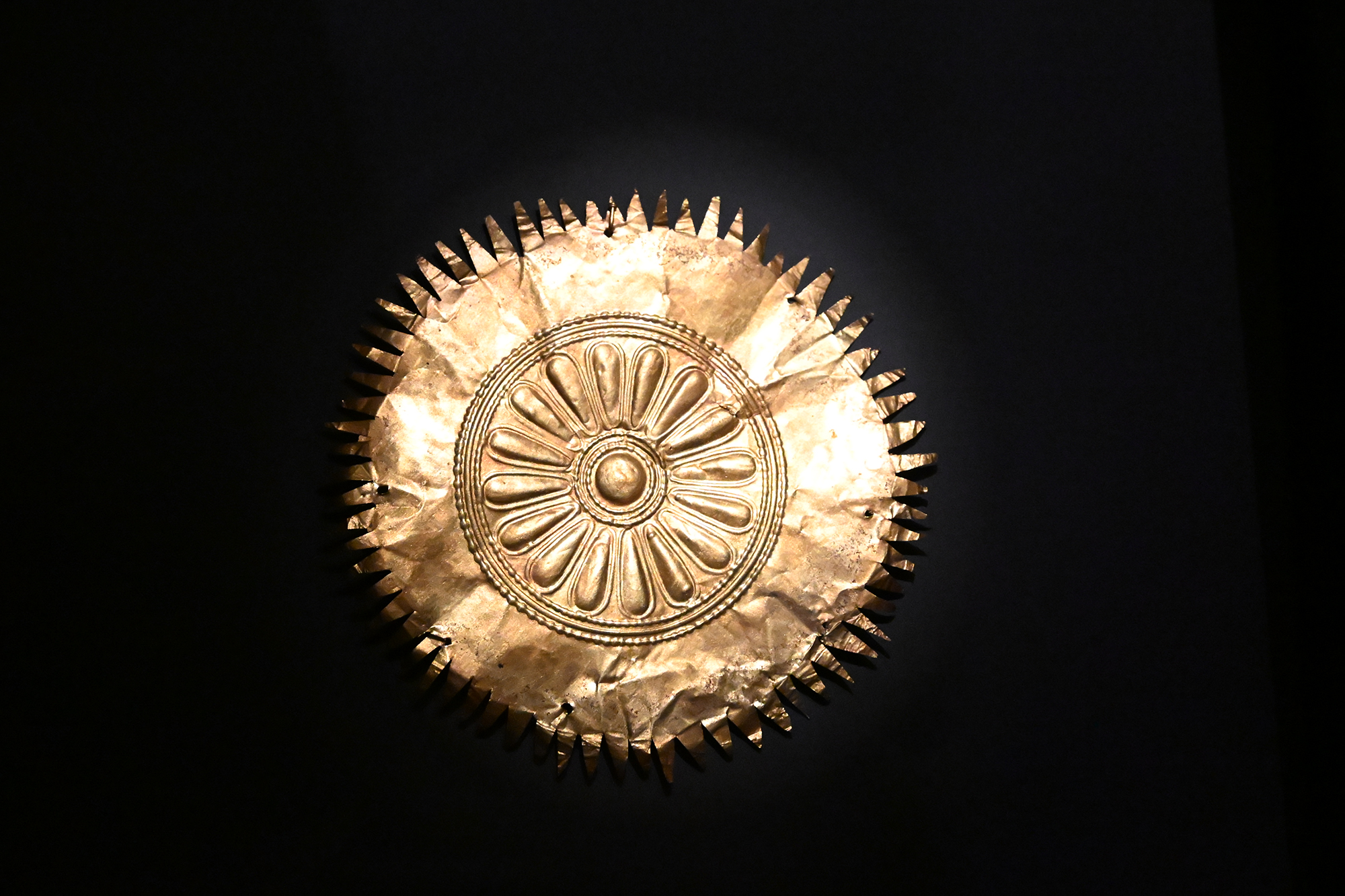
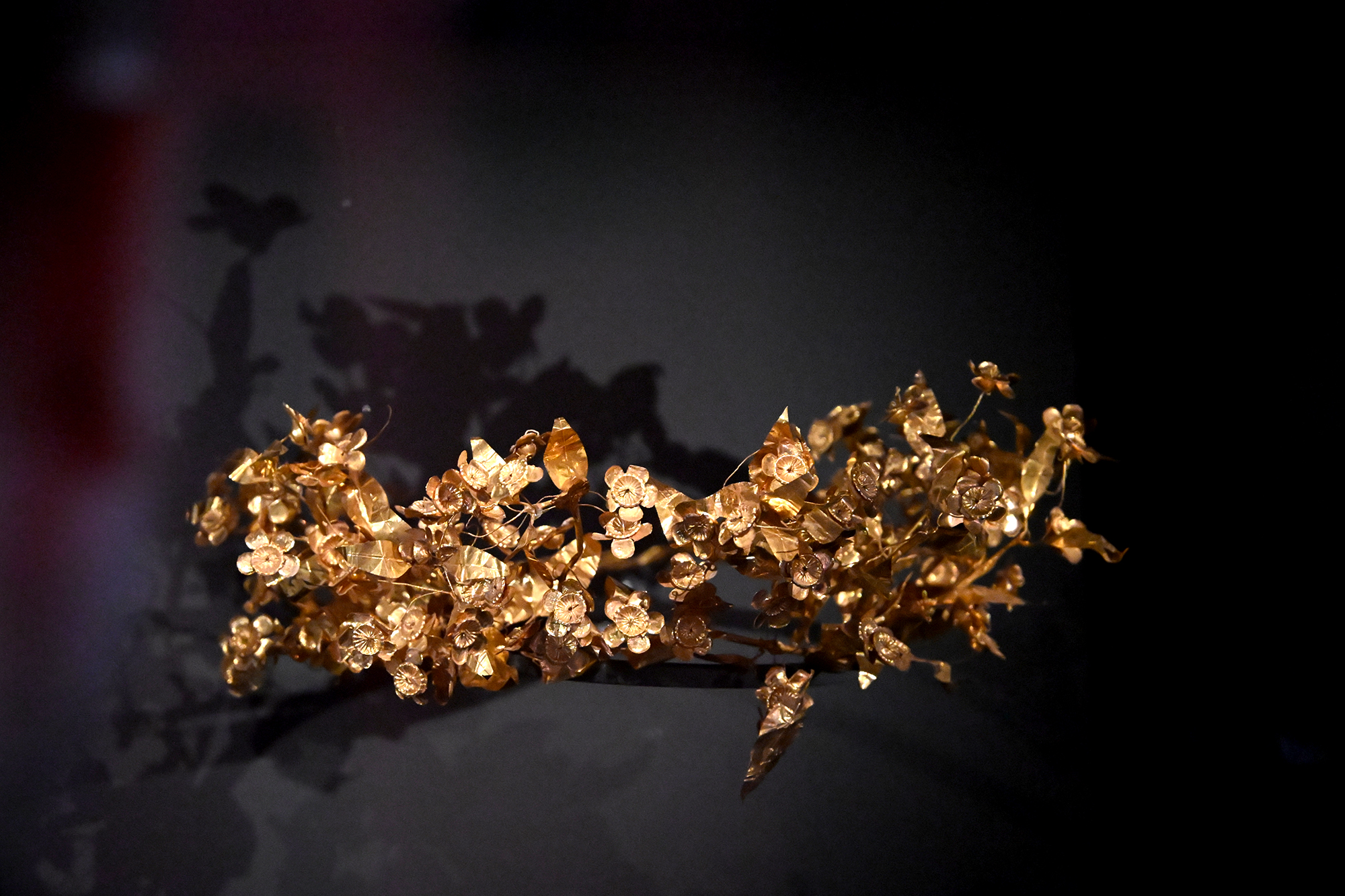
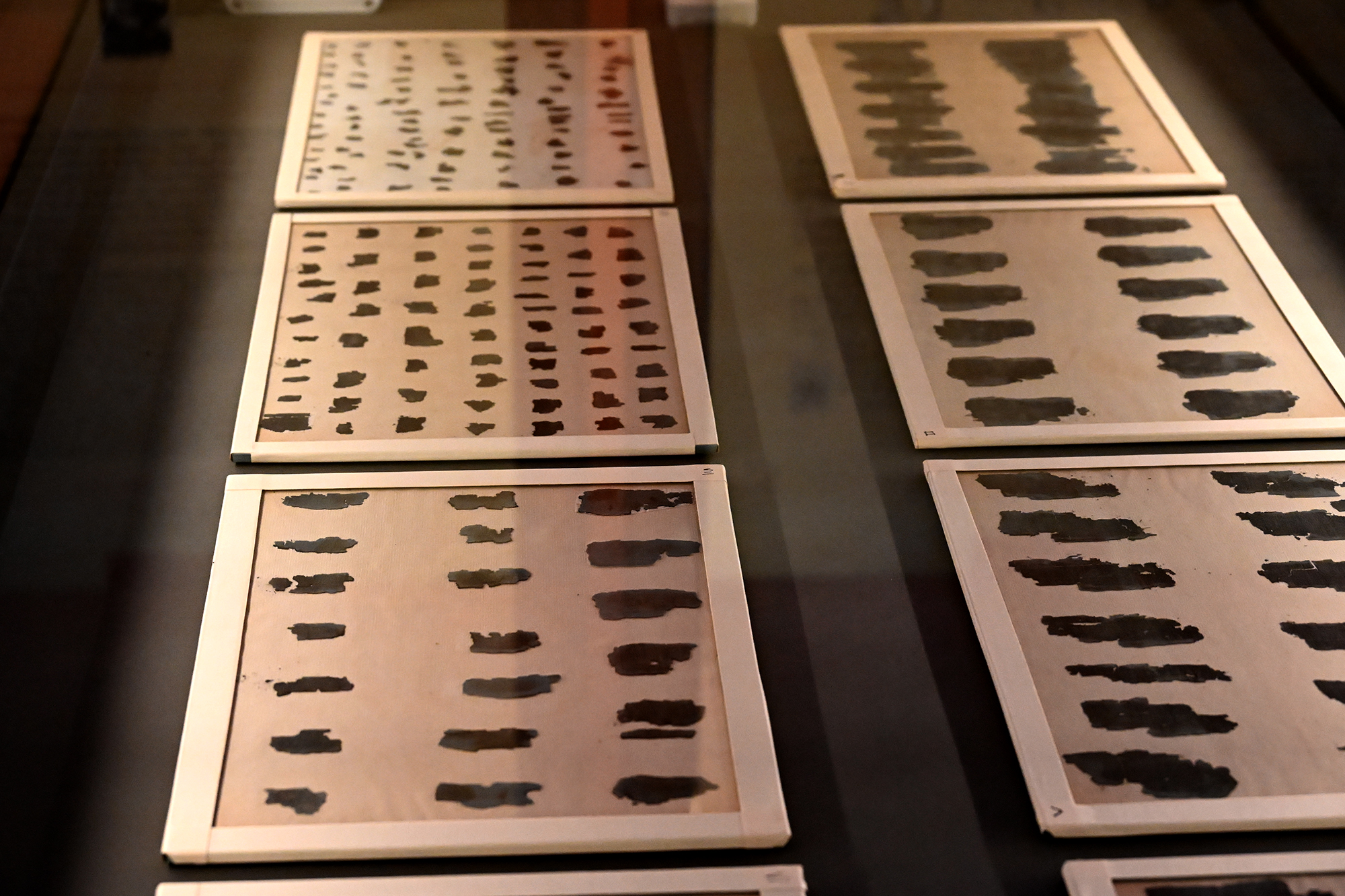
THE papyrus was at the very end of a rather more engaging exhibition covering the gold treasures of Macedon, including many splendid, intricately worked gold wreaths, which, nevertheless looked like being incredibly uncomfortable when placed on the head, though, at the number of battle injuries people tended to get in those days, the wreaths may have been the least of their problems. The Derveni papyrus was found in January 1962 in a tomb at the excavation site of Derveni, on the Thessaloniki to Kavala road. It dates to roughly 320-340 BCE, and was preserved through cremation. Due to the damp soil of the European continent, papyrus finds are exceptional, as opposed to Egypt and the Middle East, where dry soil helps preservation. The only other papyri found in Europe are rolls discovered at Ercolano, in Italy, also carbonised by an eruption of the Vesuvius. The Derveni papyrus is thus currently the oldest known European book, a commentary on an Orphic poem, the Hieros Logos, with an uncertain authorship. Euthyphro, a contemporary of Socrates, is considered to be the likeliest candidate, but as the preserved parts of the papyrus do not explicitly mention the author’s name, we will likely never know for sure. The reason why the papyrus would be included in the burial is also open to interpretation, one of the theories being that the person being cremated was an initiate into orphic rites, and the papyrus was meant as an evidence for his journey through the afterworld. During preservation work, the very brittle, burnt papyrus fell apart into hundreds of tiny scraps, which are exhibited in protective glass cases.
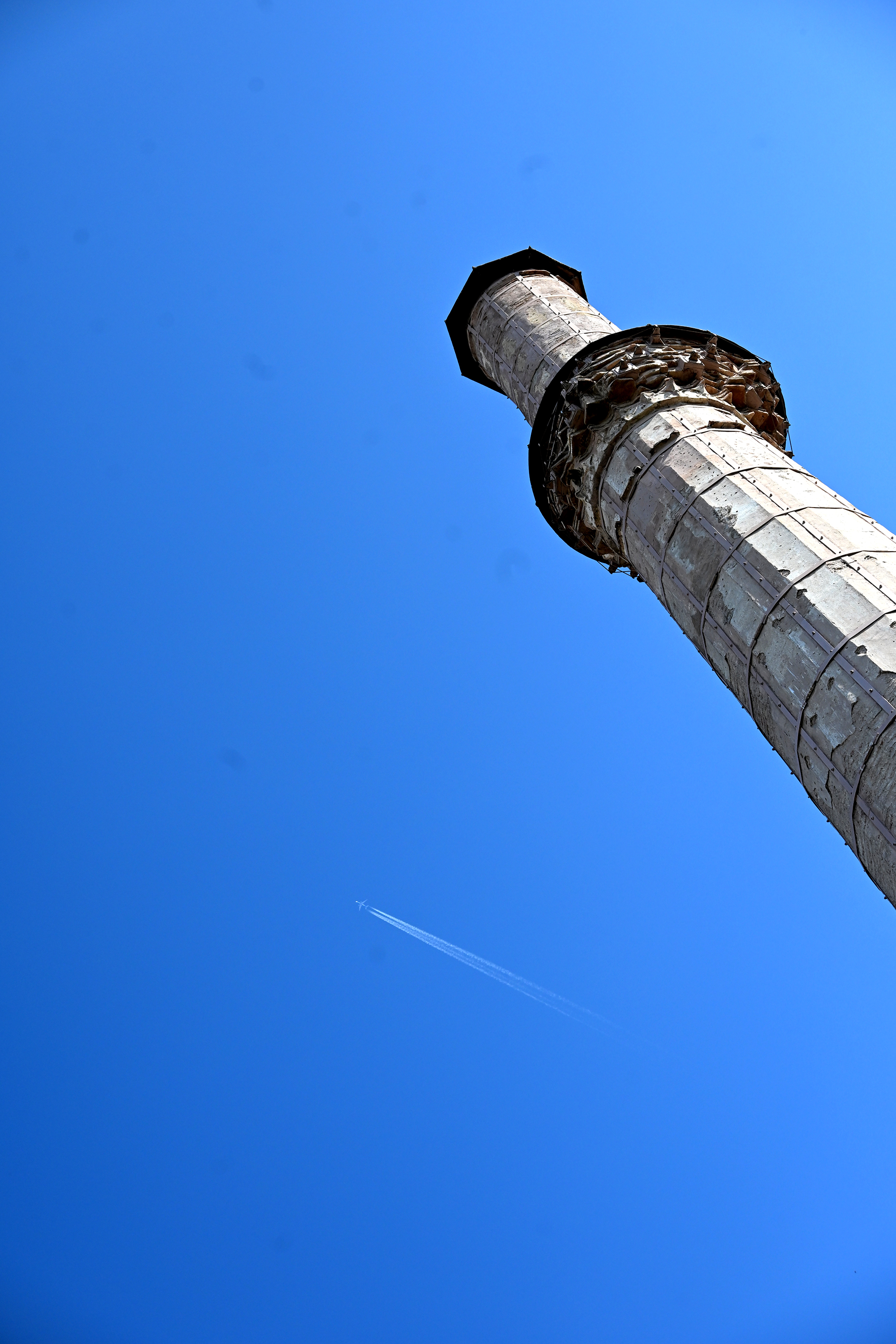
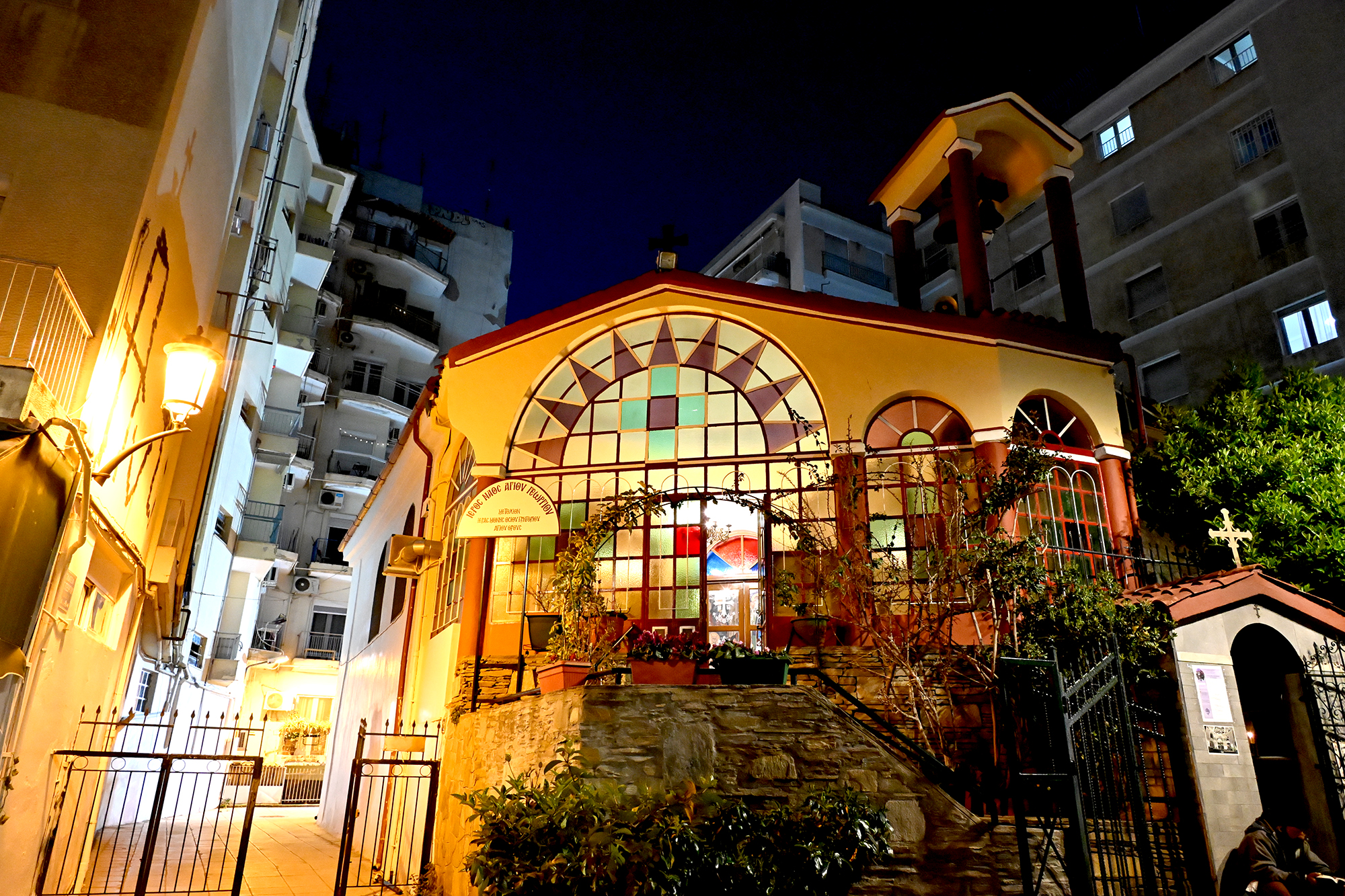
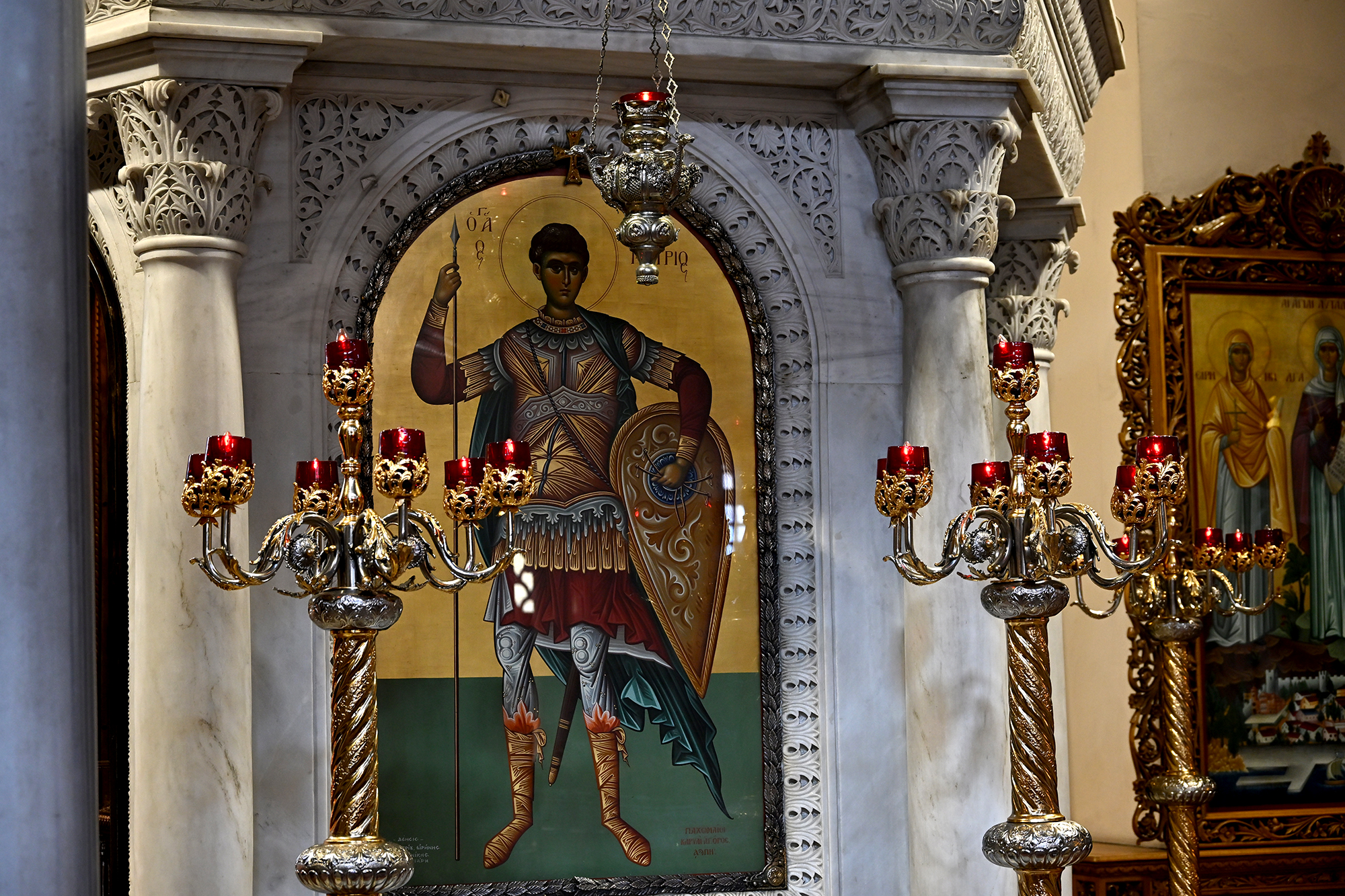
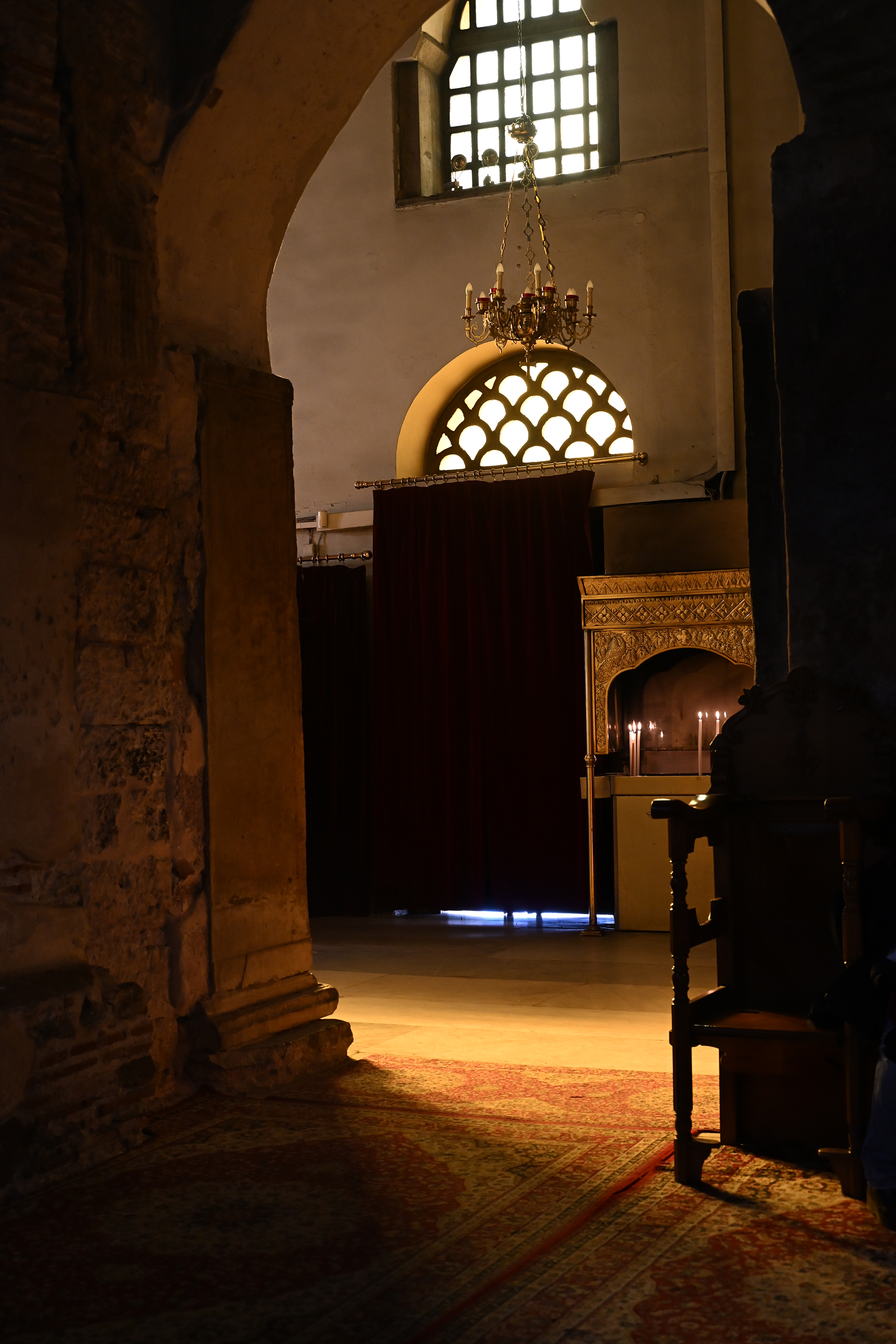
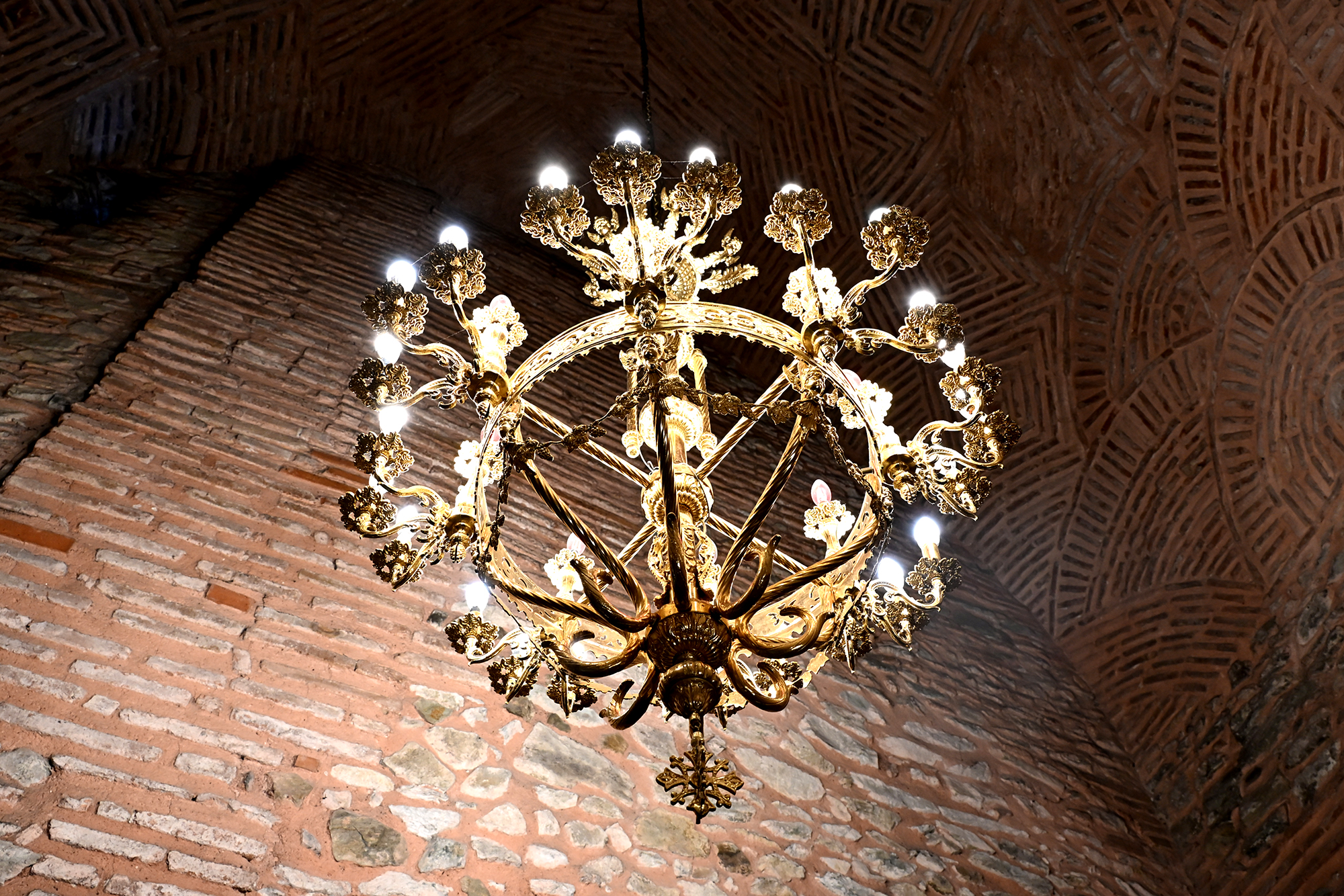
Rather disappointingly, we again missed out on a visit to the Osios David church and its famed mosaic as the 9 to 15:30 opening hours proved unexpectedly challenging to our schedule. We did visit the Church of Saint Demetrios, dedicated to the city’s patron saint. His relics are to be found in the church, though, as with the remains of Saint Nicholas in Bari, the story is more complicated than it seems. After his death in around 306 CE, the relics went missing, and showed up in Thessaloniki about a century later, their veracity remaining contested until they helpfully started emitting a strong scented myrrh. Greek tradition worships him as the patron saint of agriculture, peasants and shepherds, a job he likely inherited from the similarly named goddess Demeter. The church in its current form dates back to the 7th century, when the initial shrine, ravaged by fires, was reconstructed, and is home to six mosaic panels from the early 8th century, before the start of Byzantine iconoclasm. It served as a mosque during Ottoman rule, and was extensively renovated after being damaged in the great fire of 1917. During the renovation works, a Roman well was discovered, which some believe may have been the place where Demetrios’s body was dropped after execution.
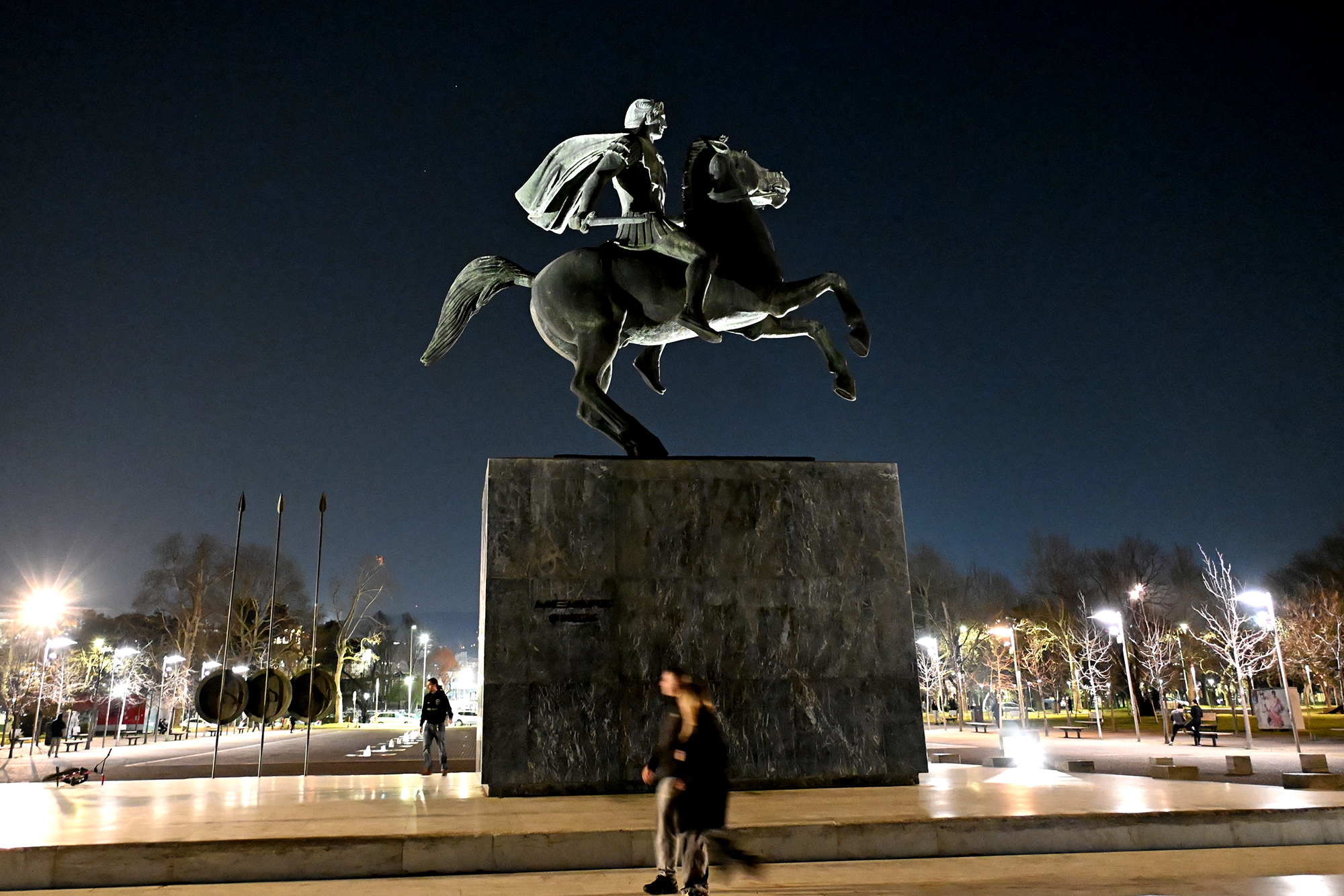
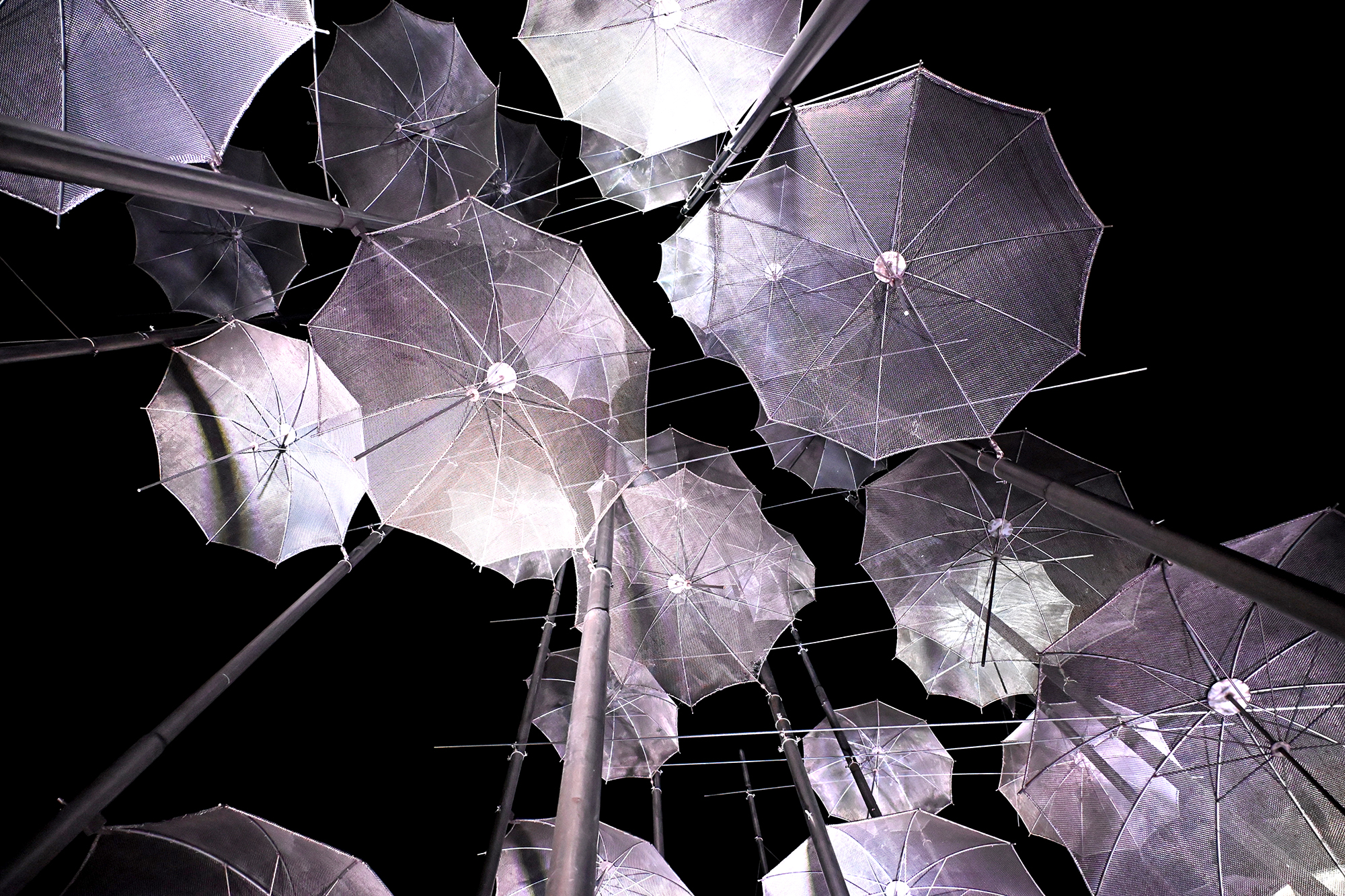
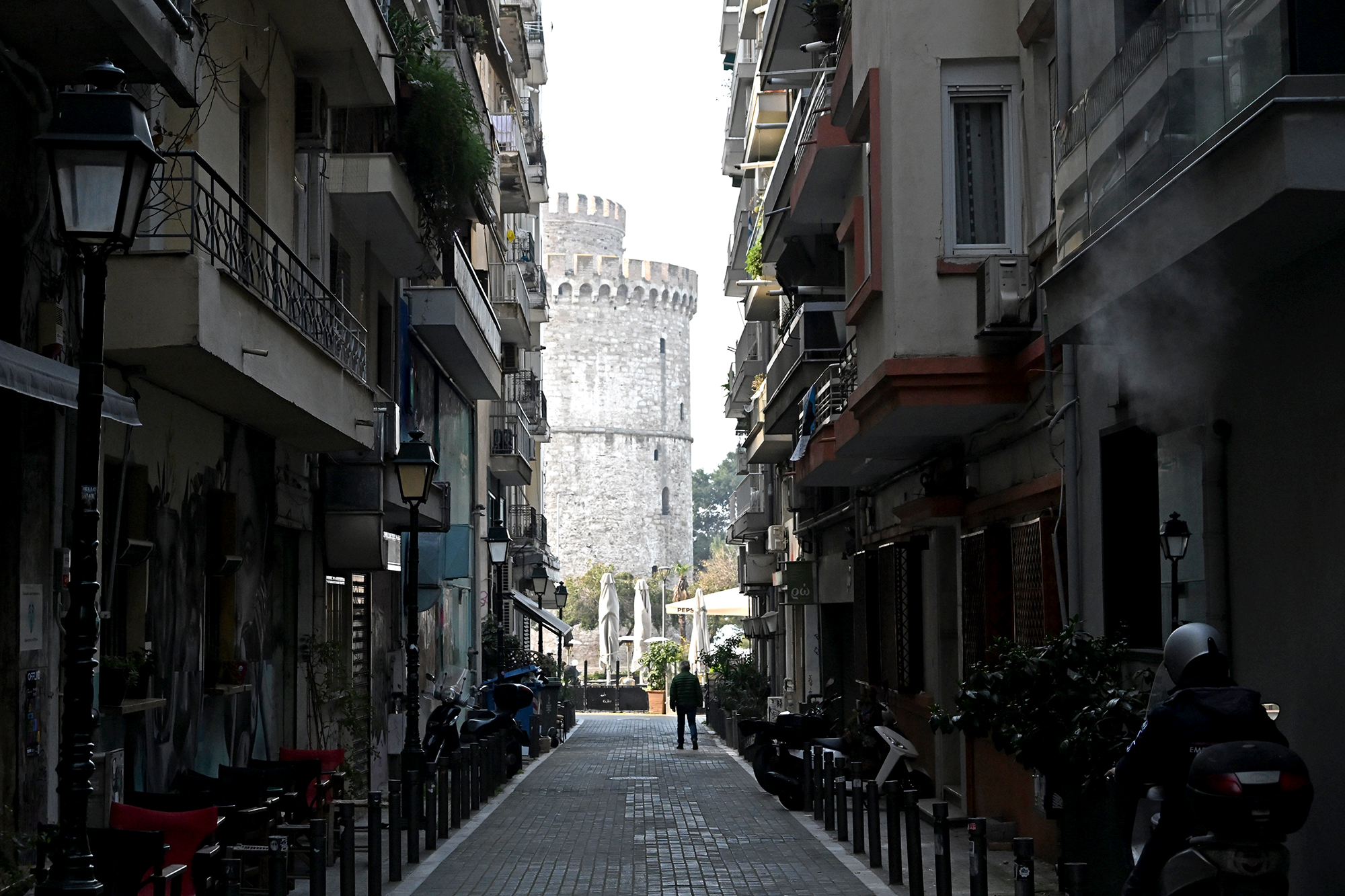
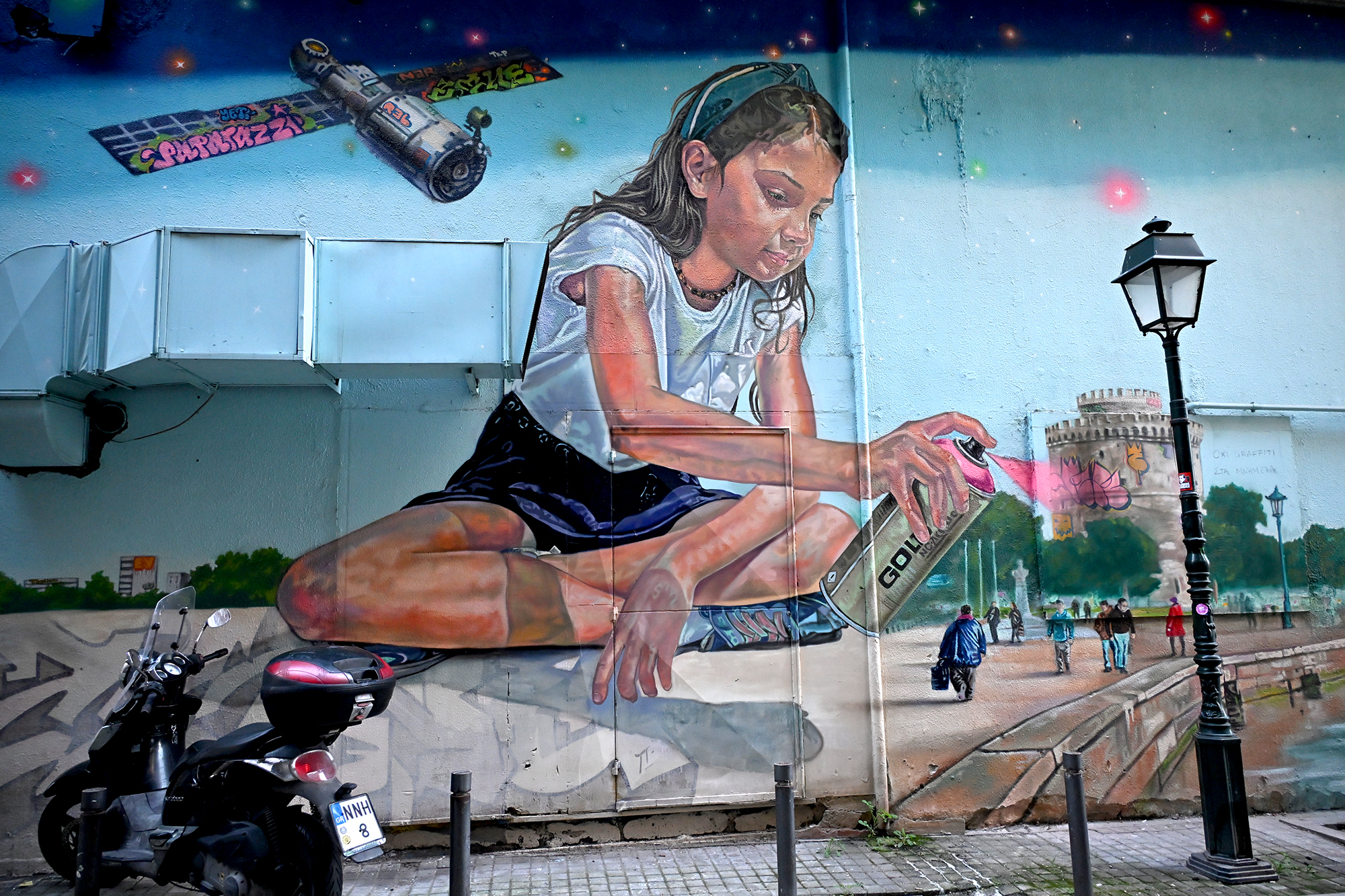
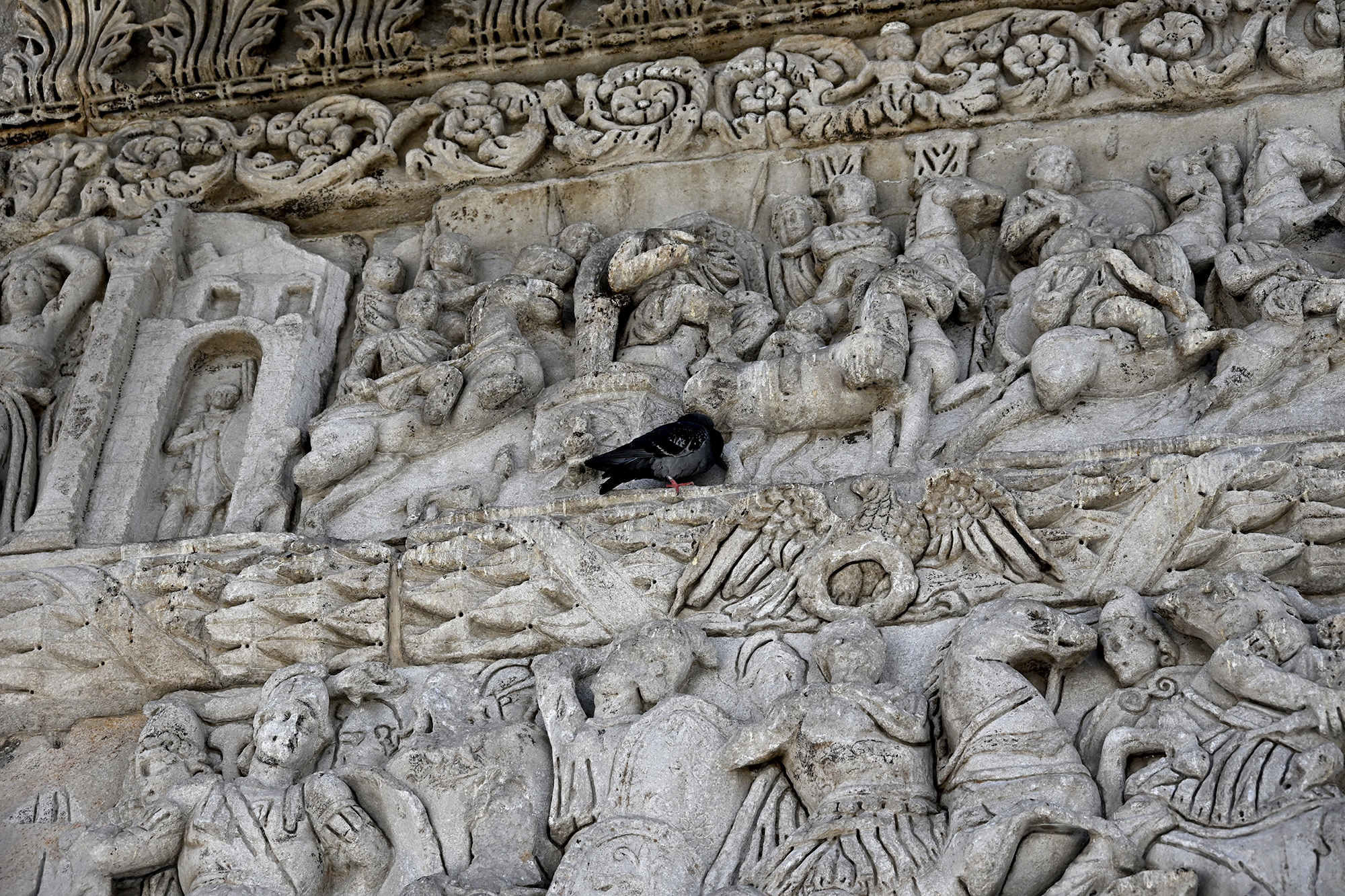
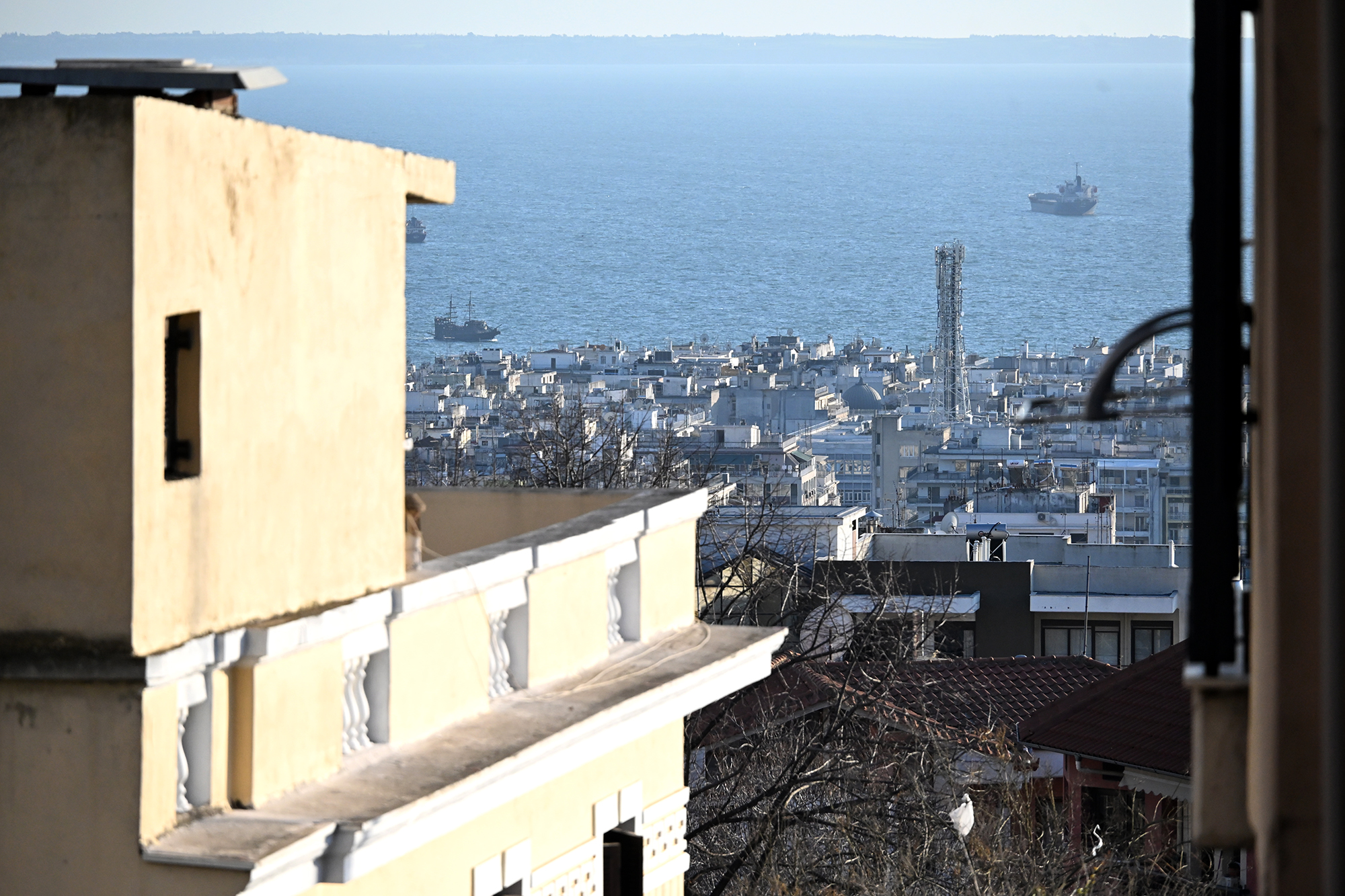
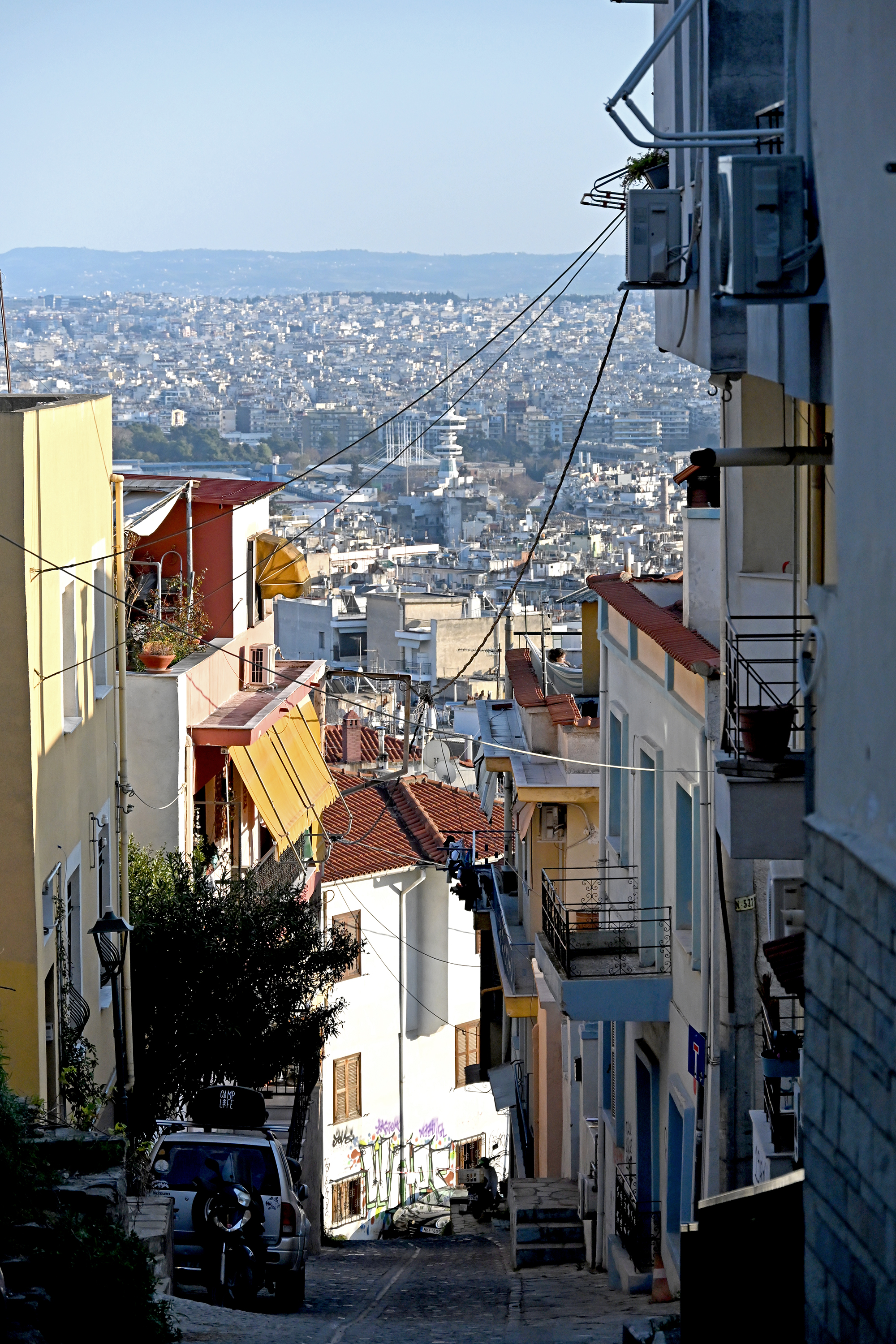
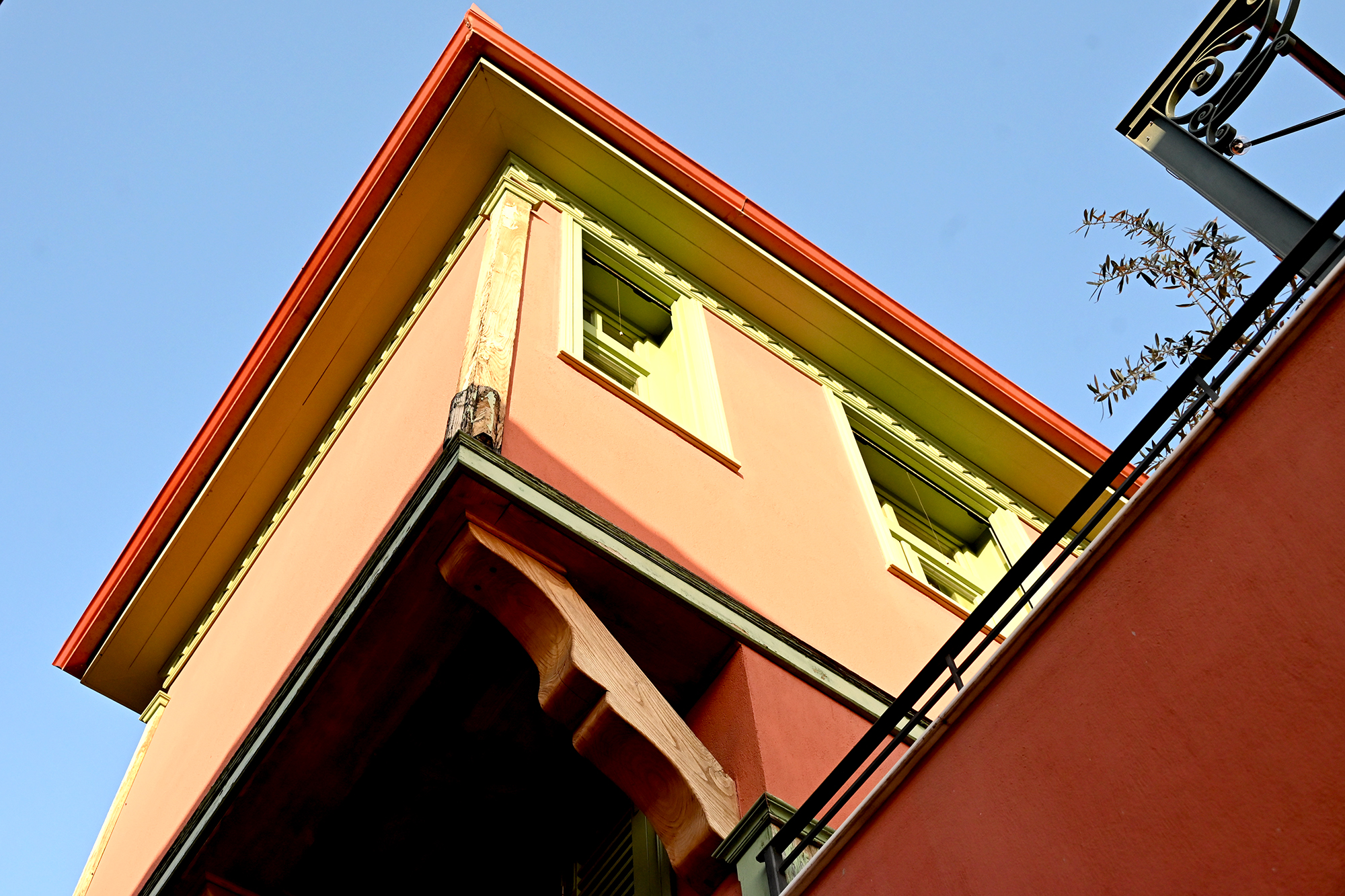
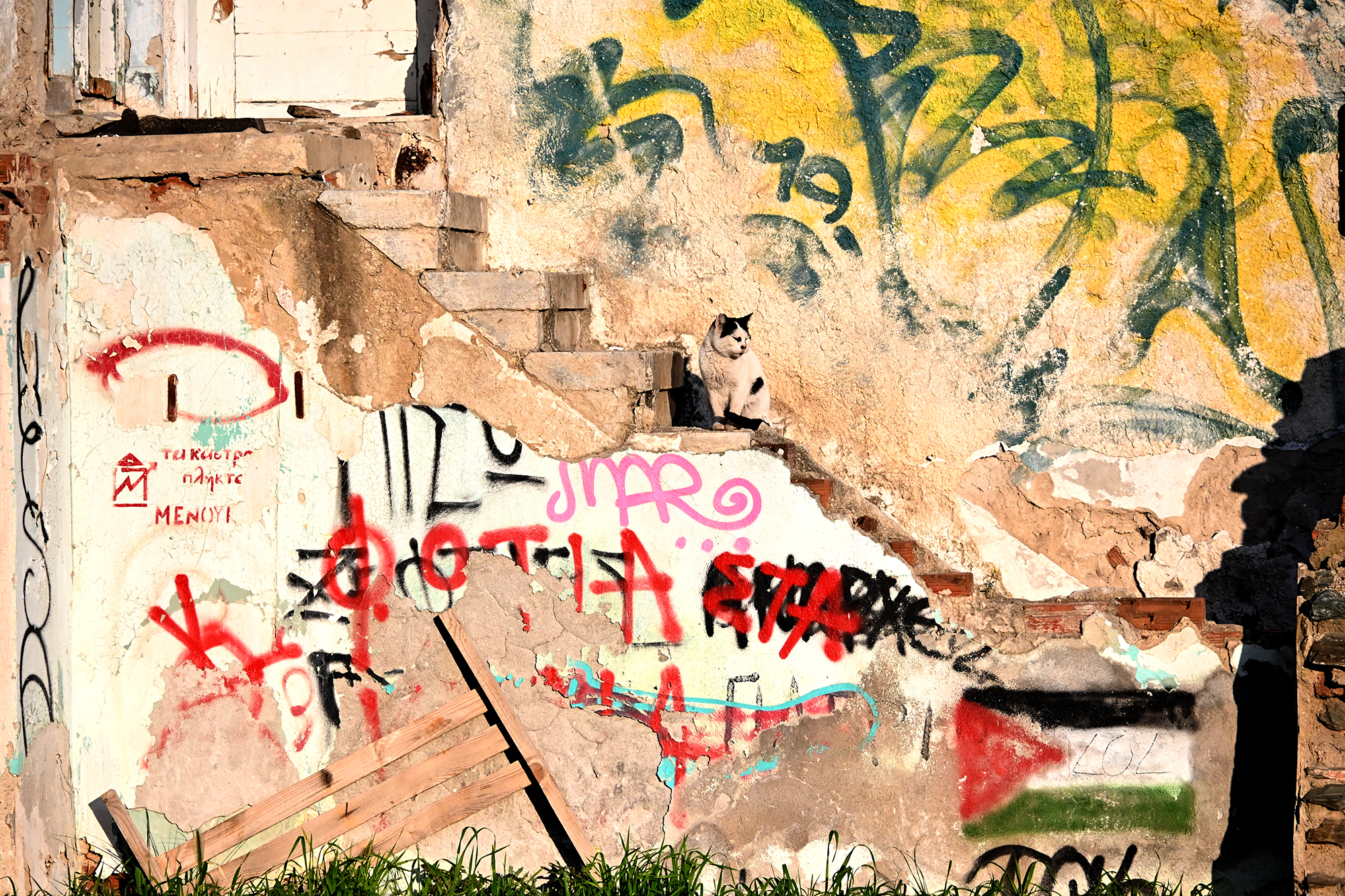
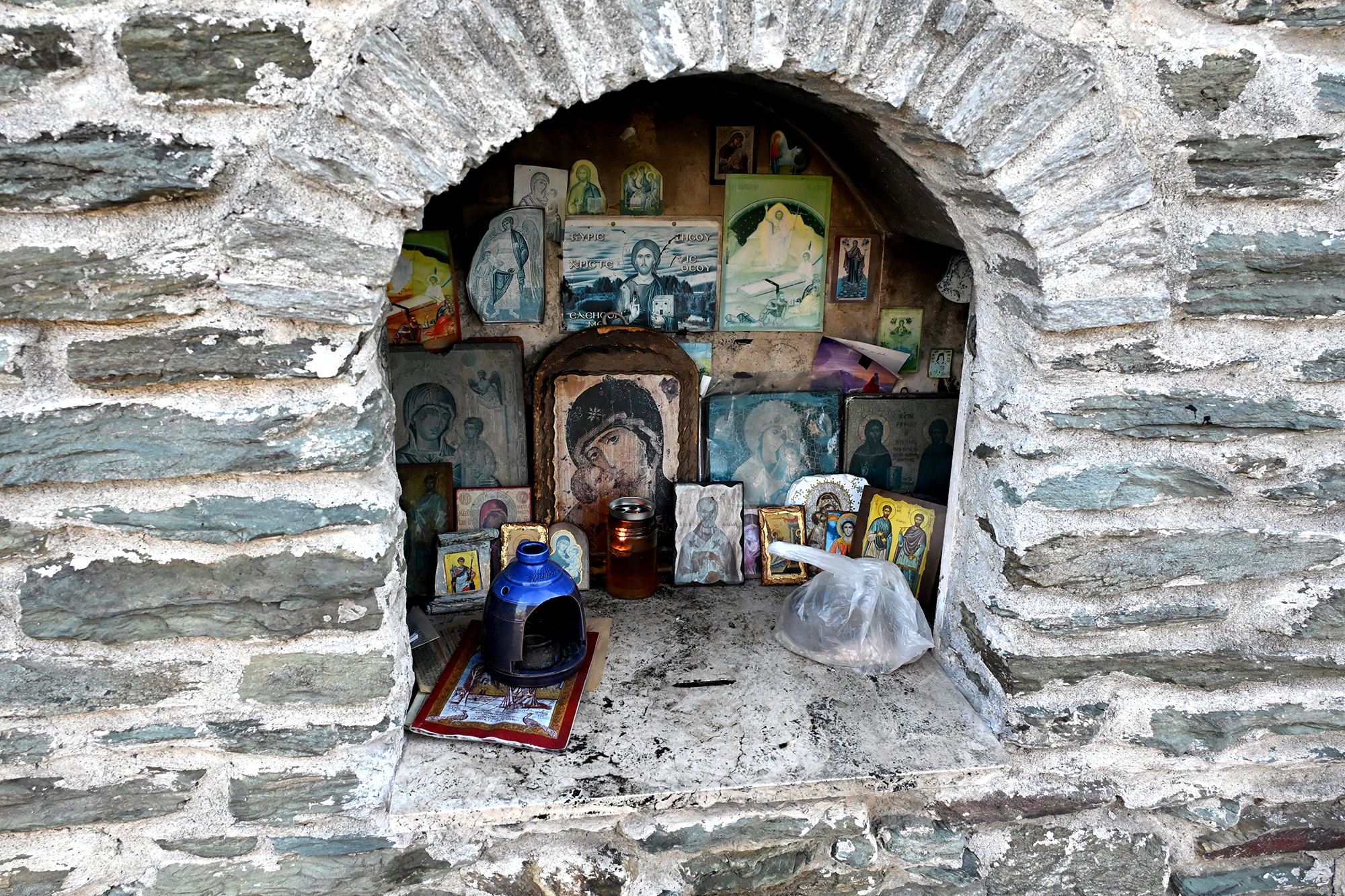
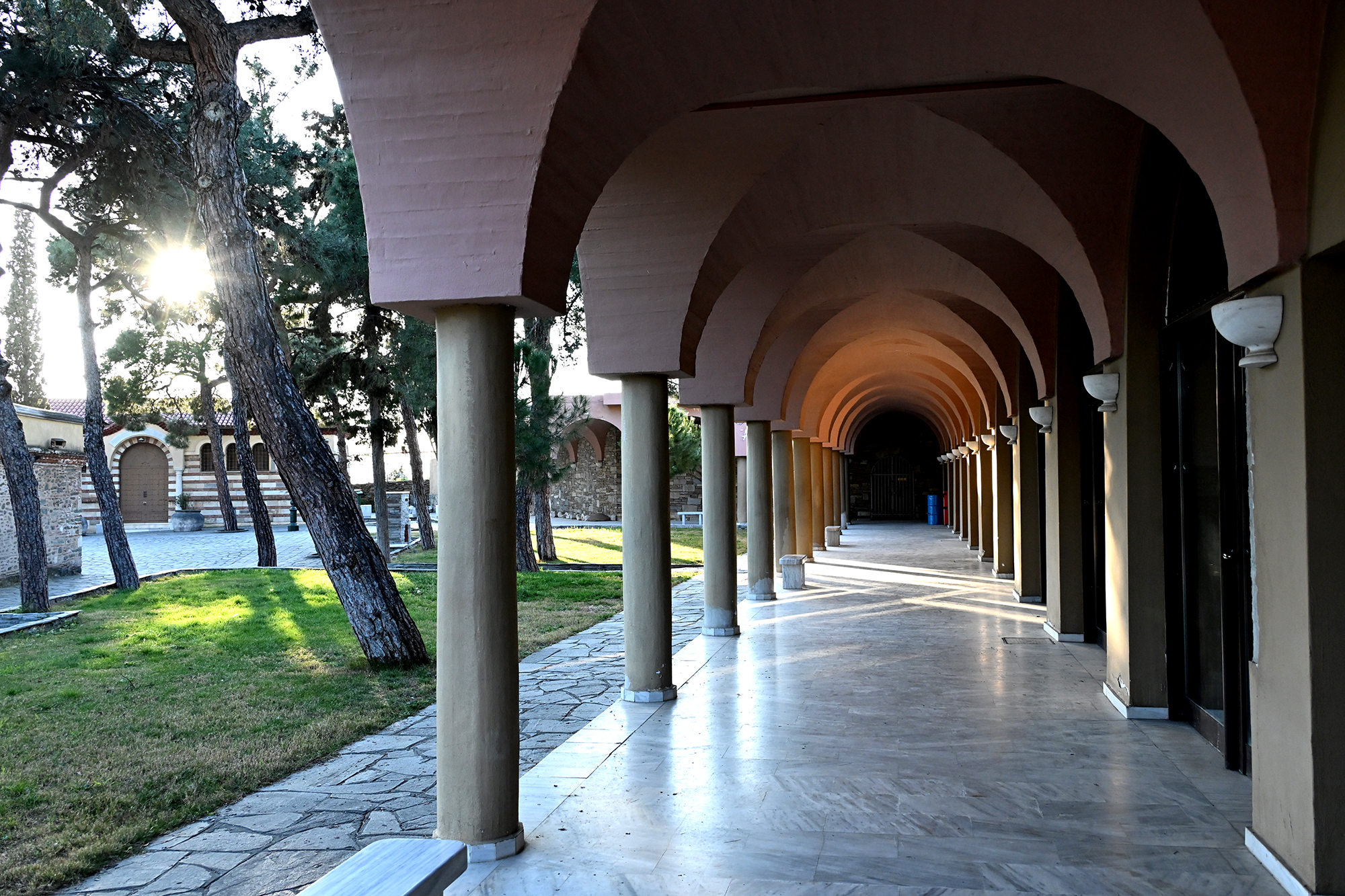
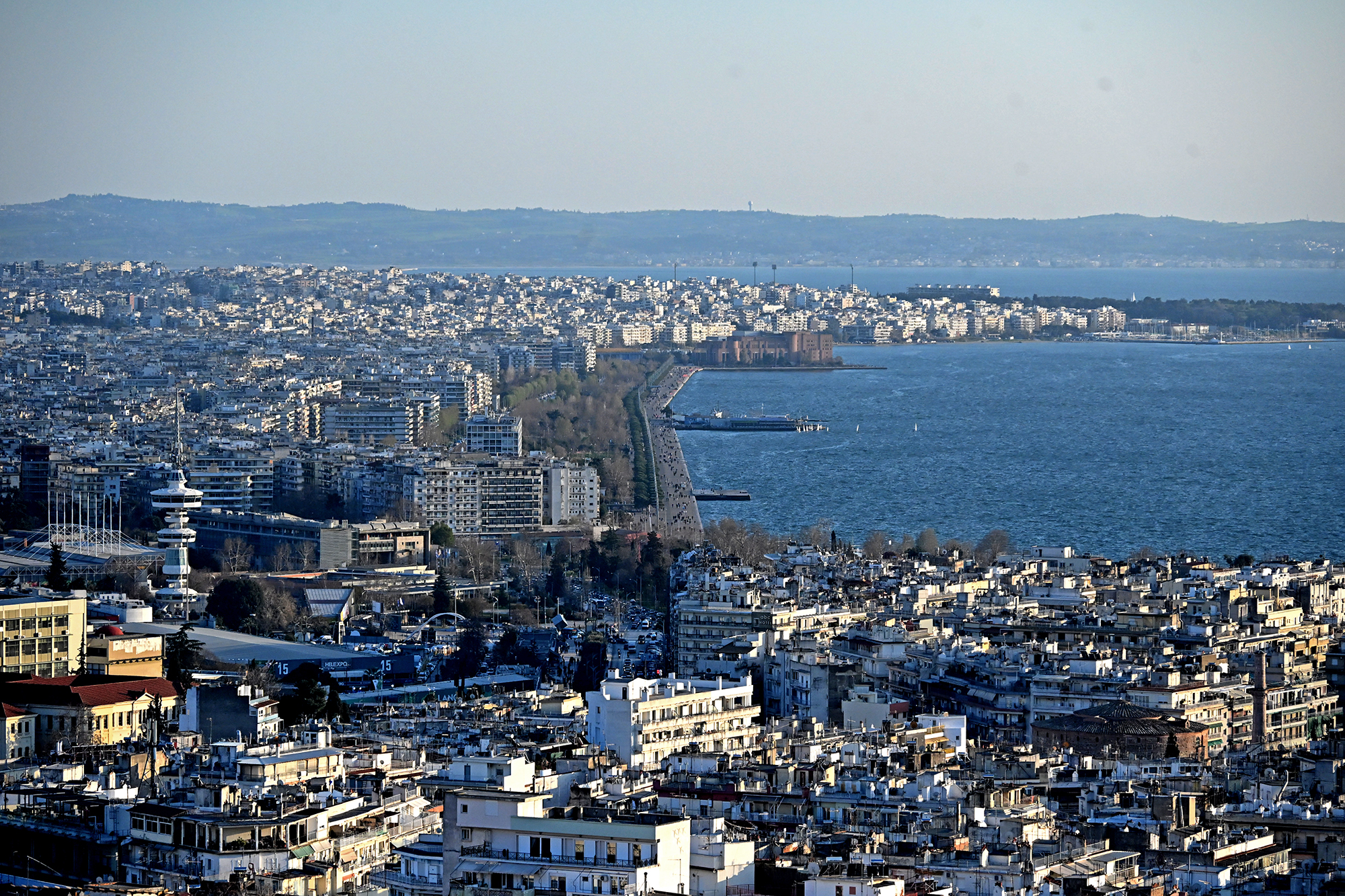
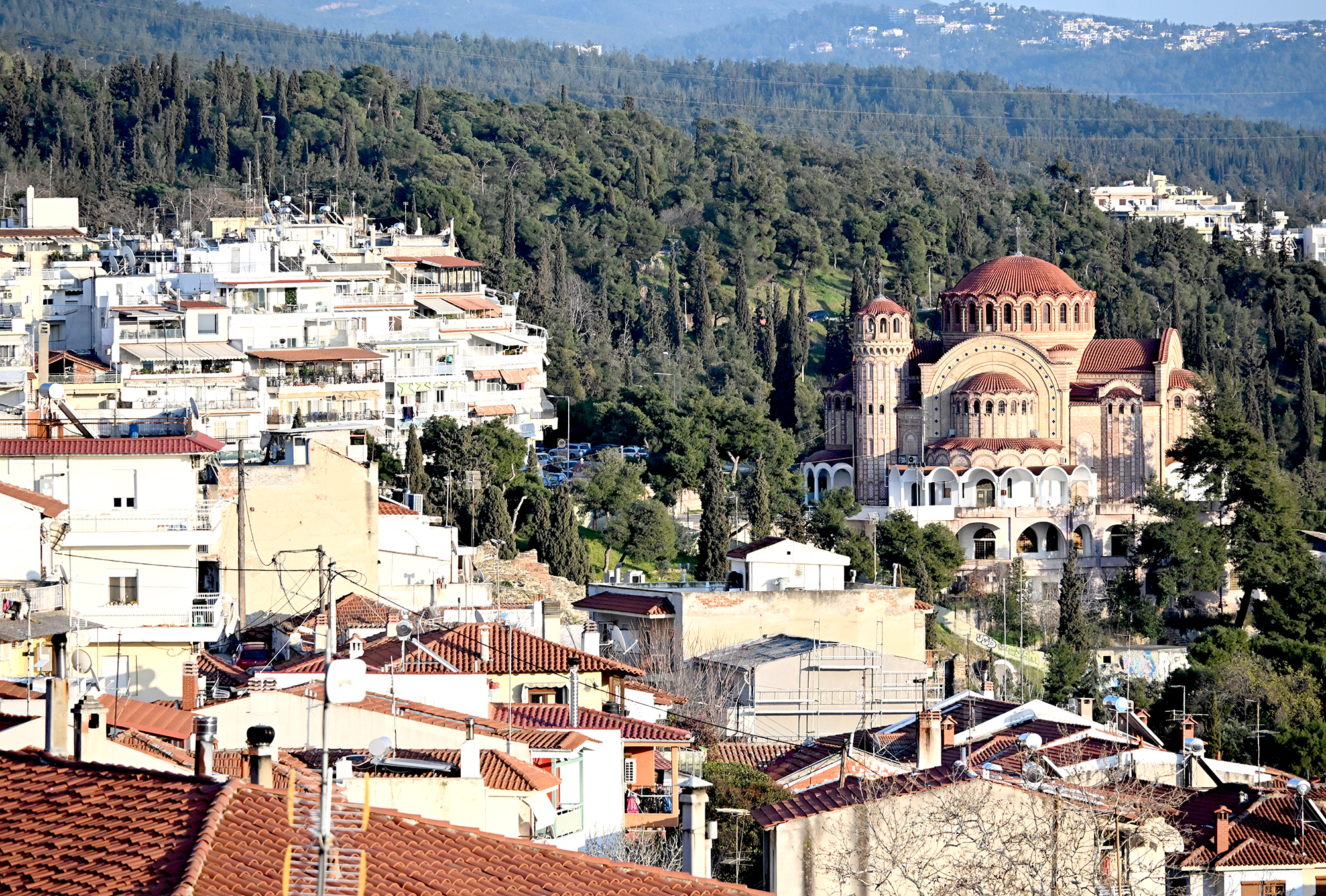
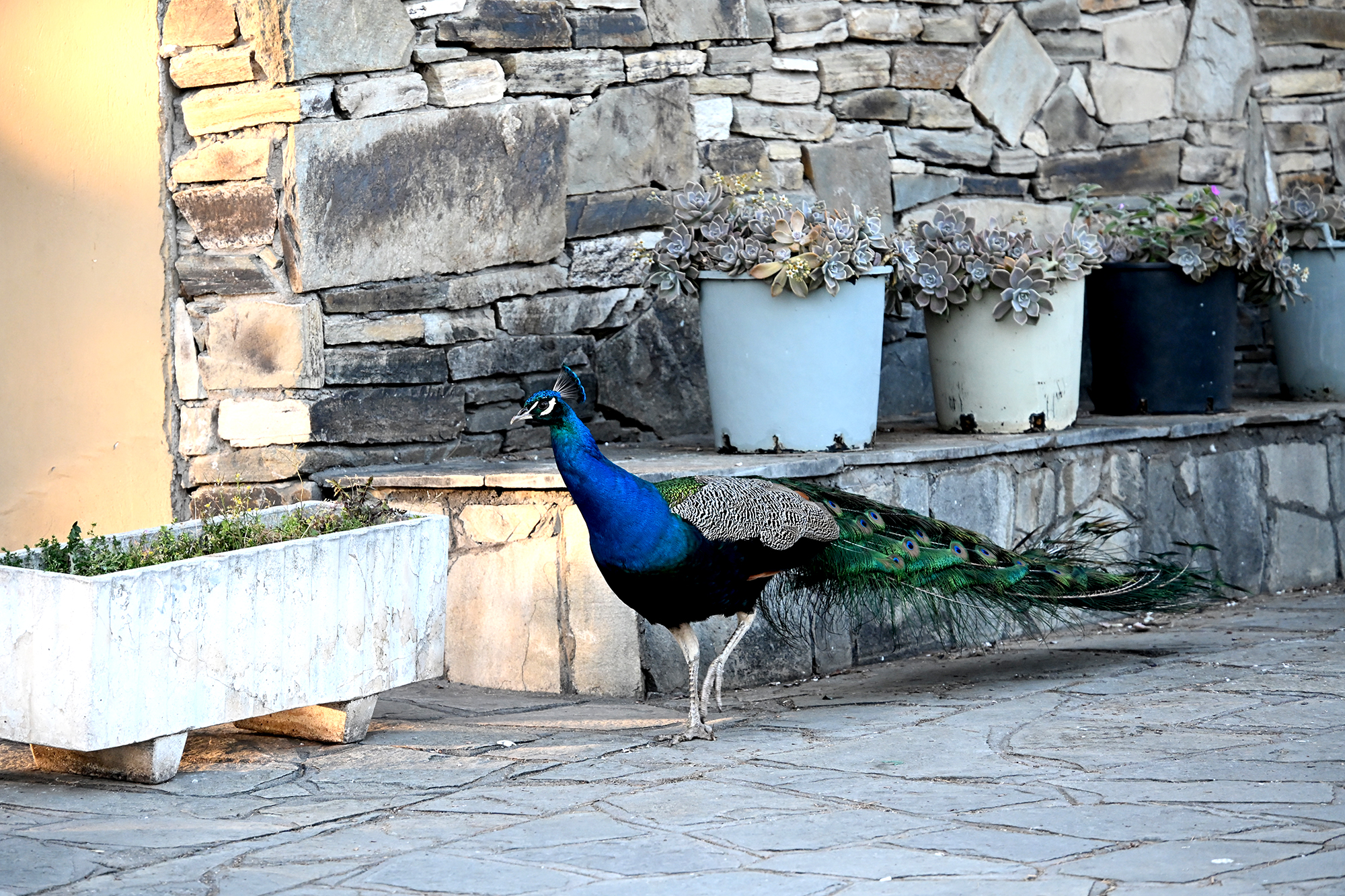
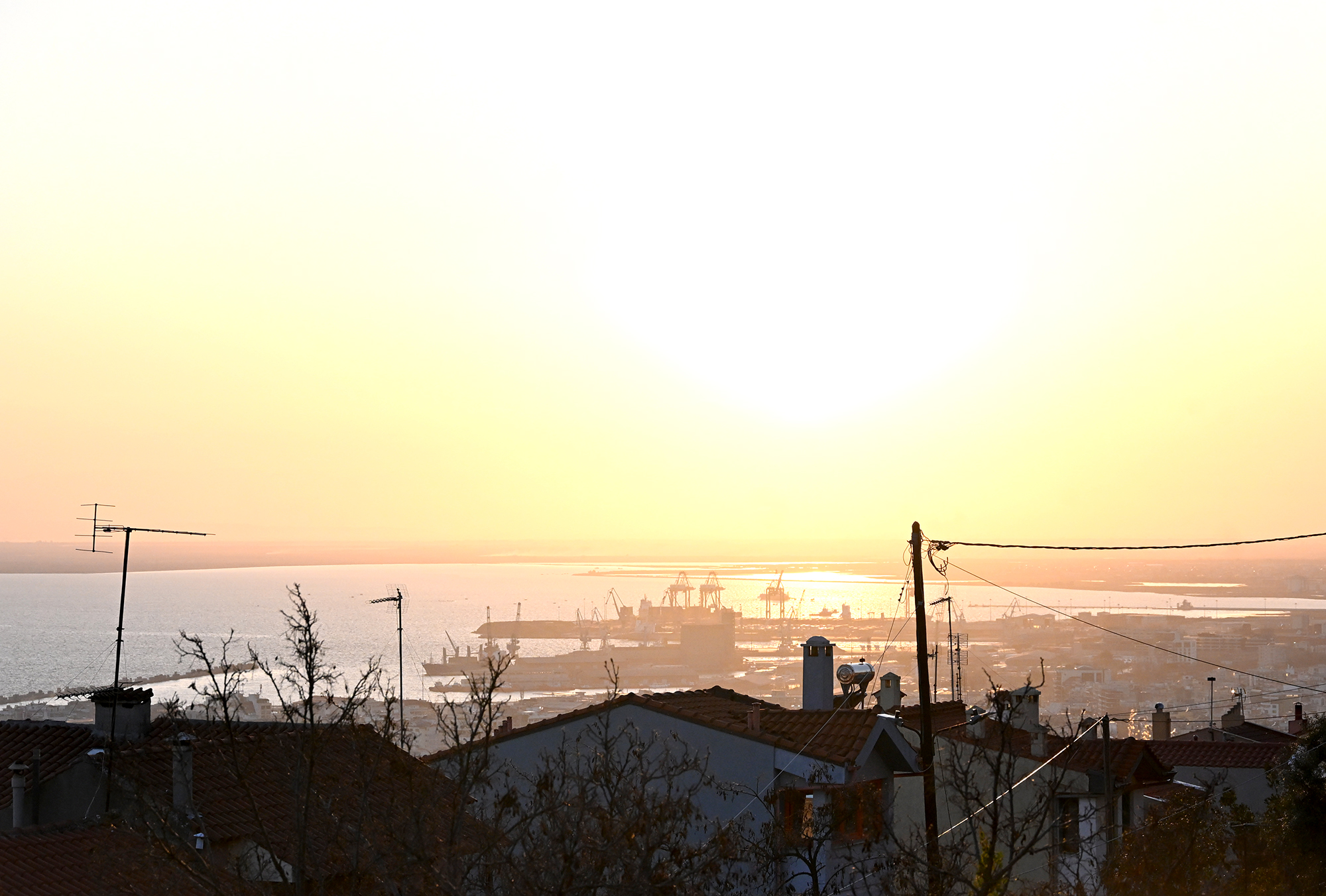
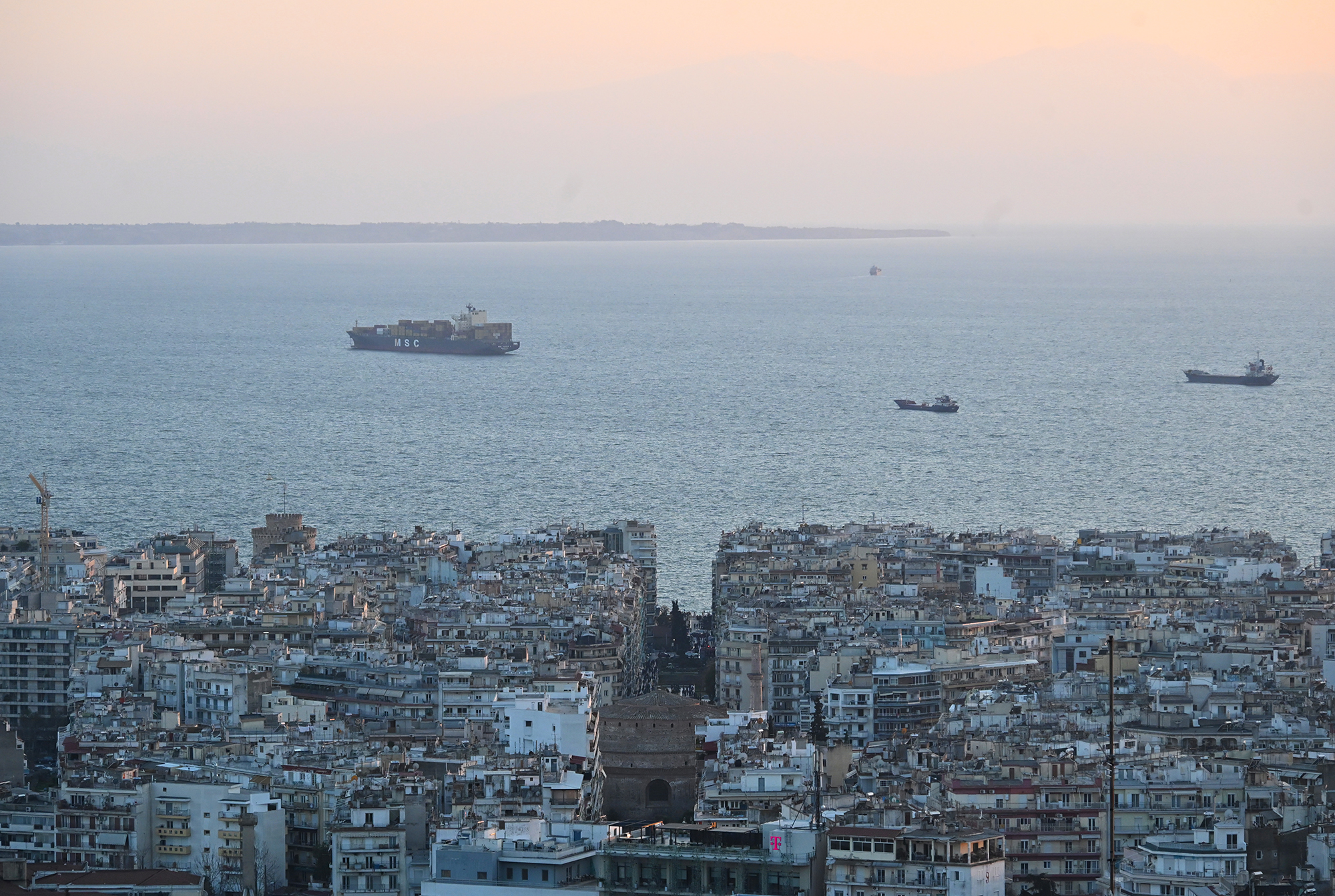
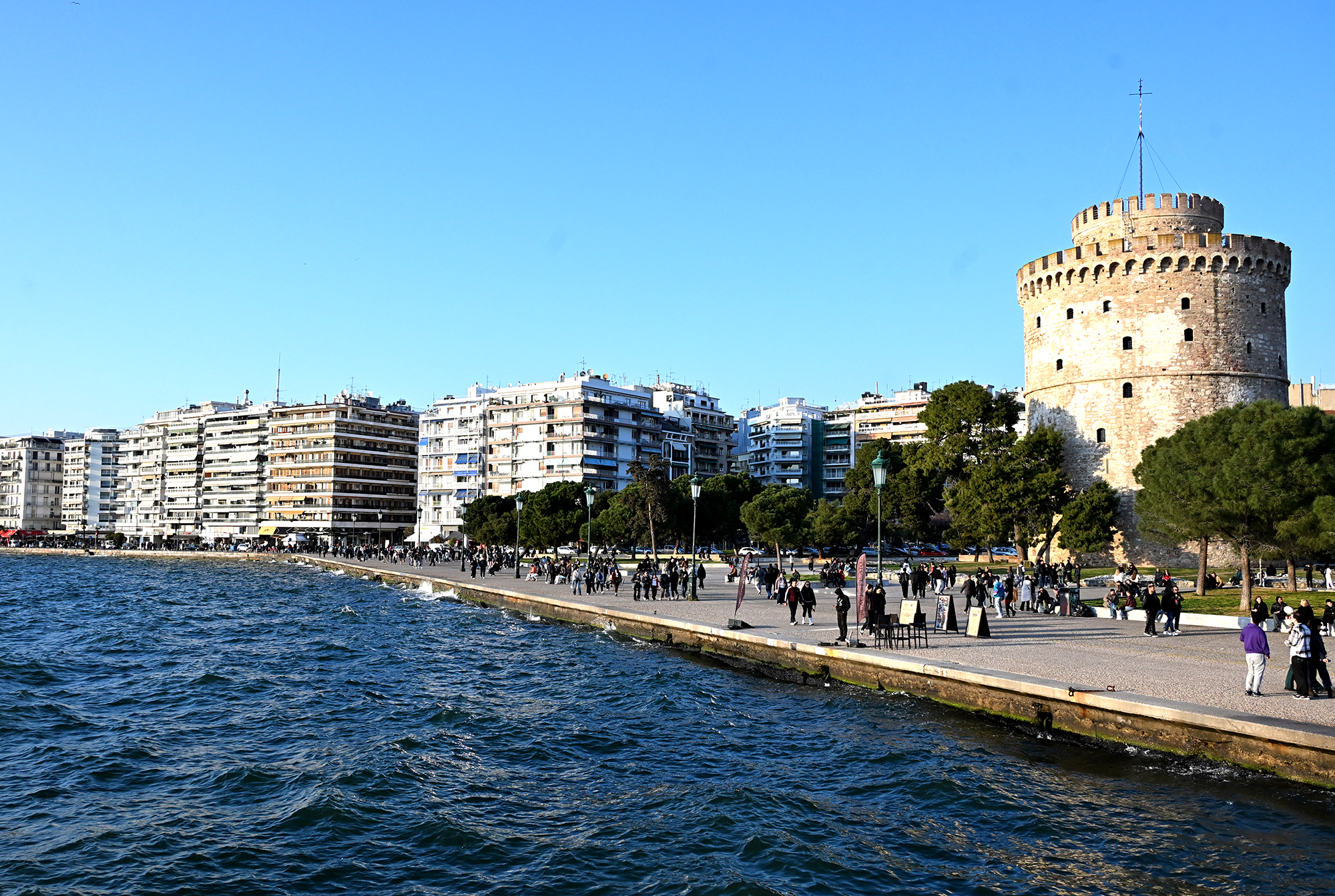
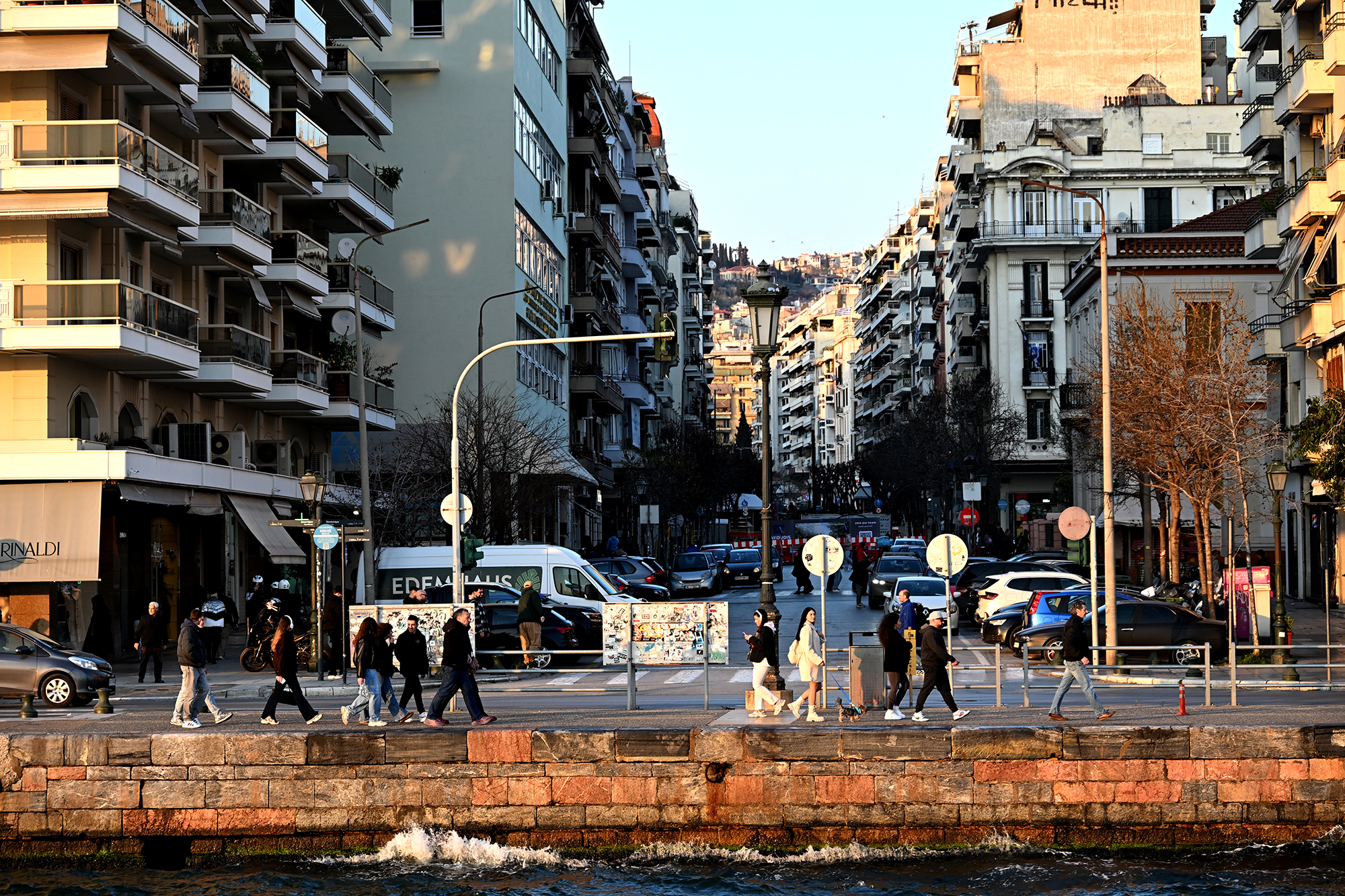
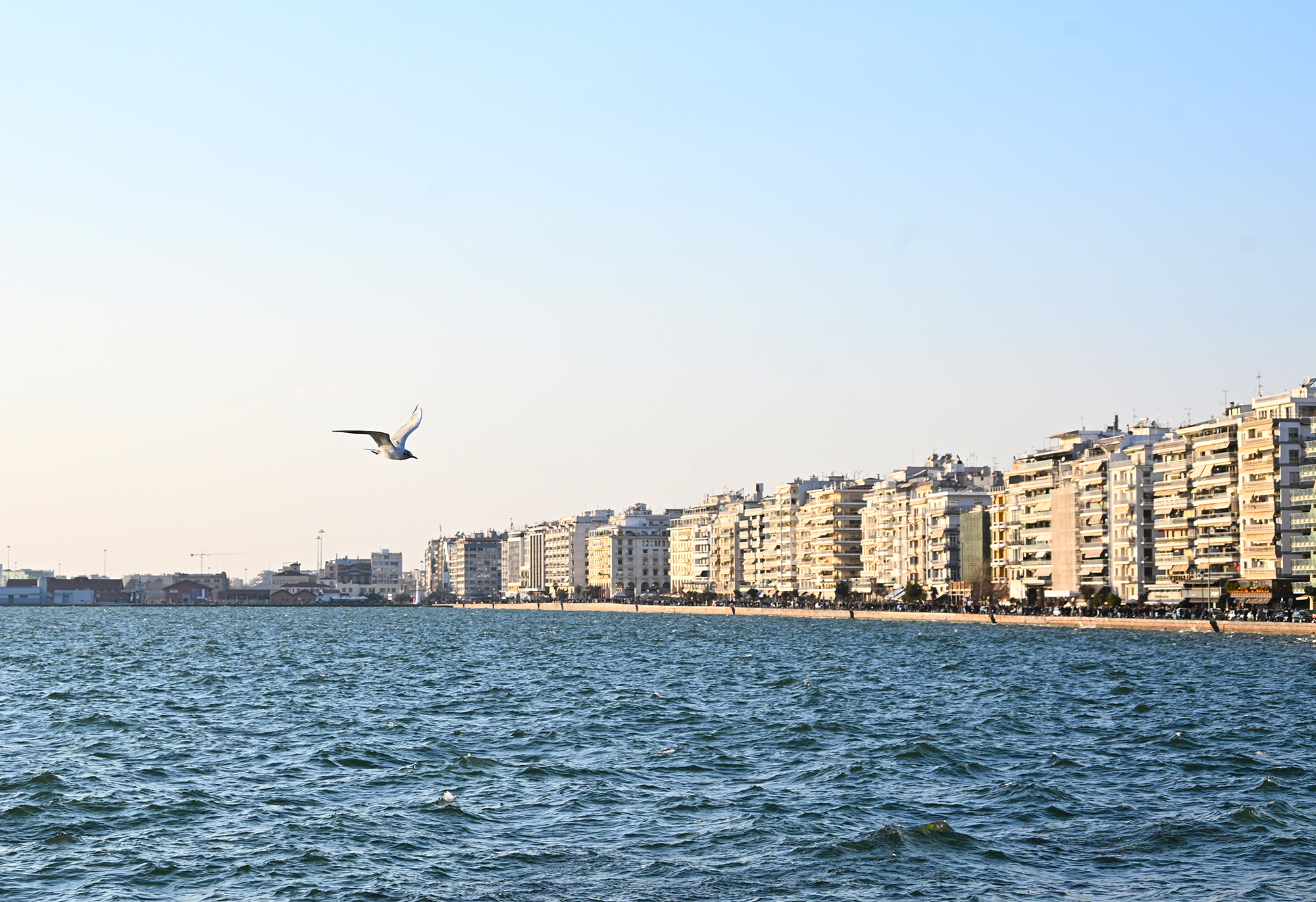
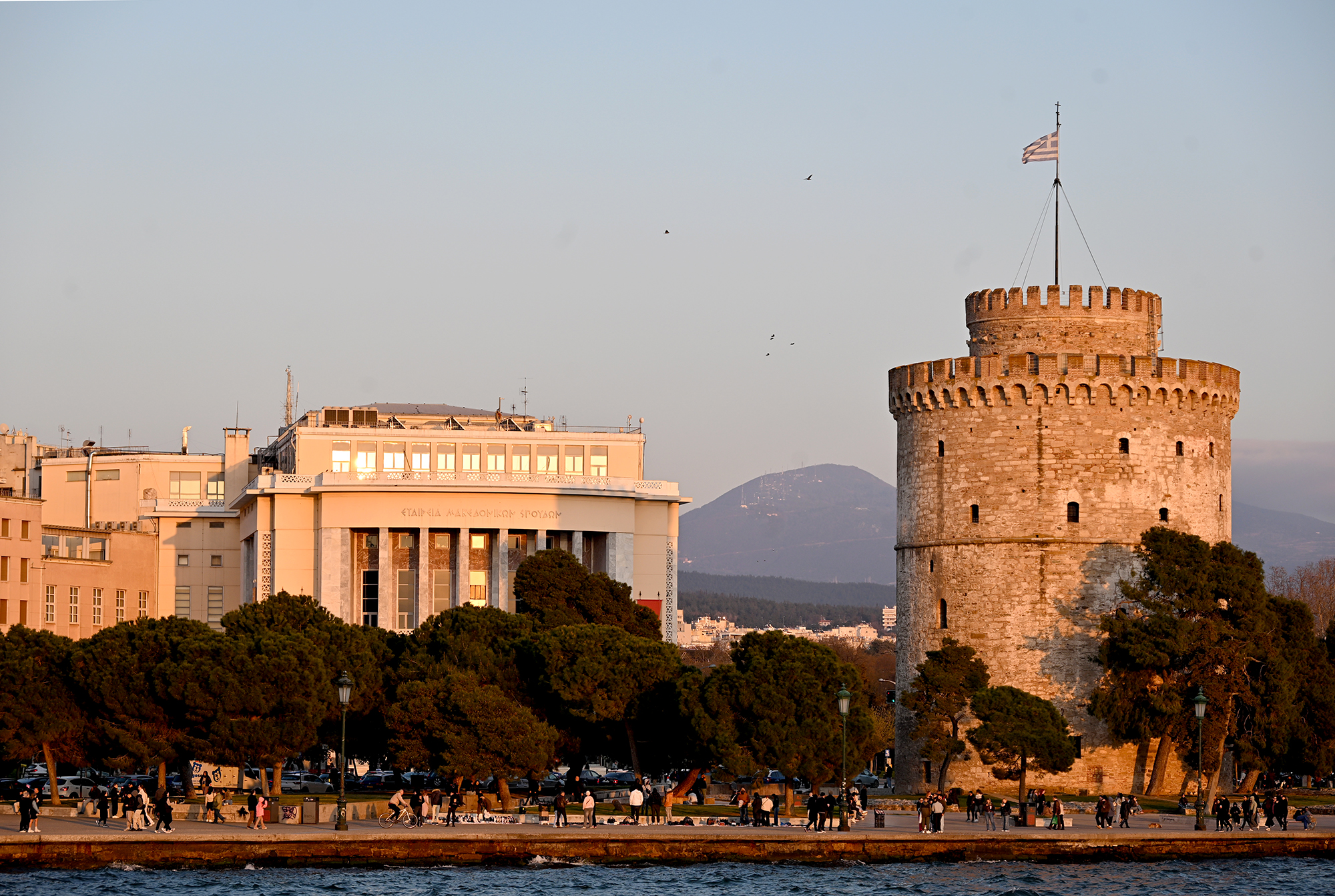
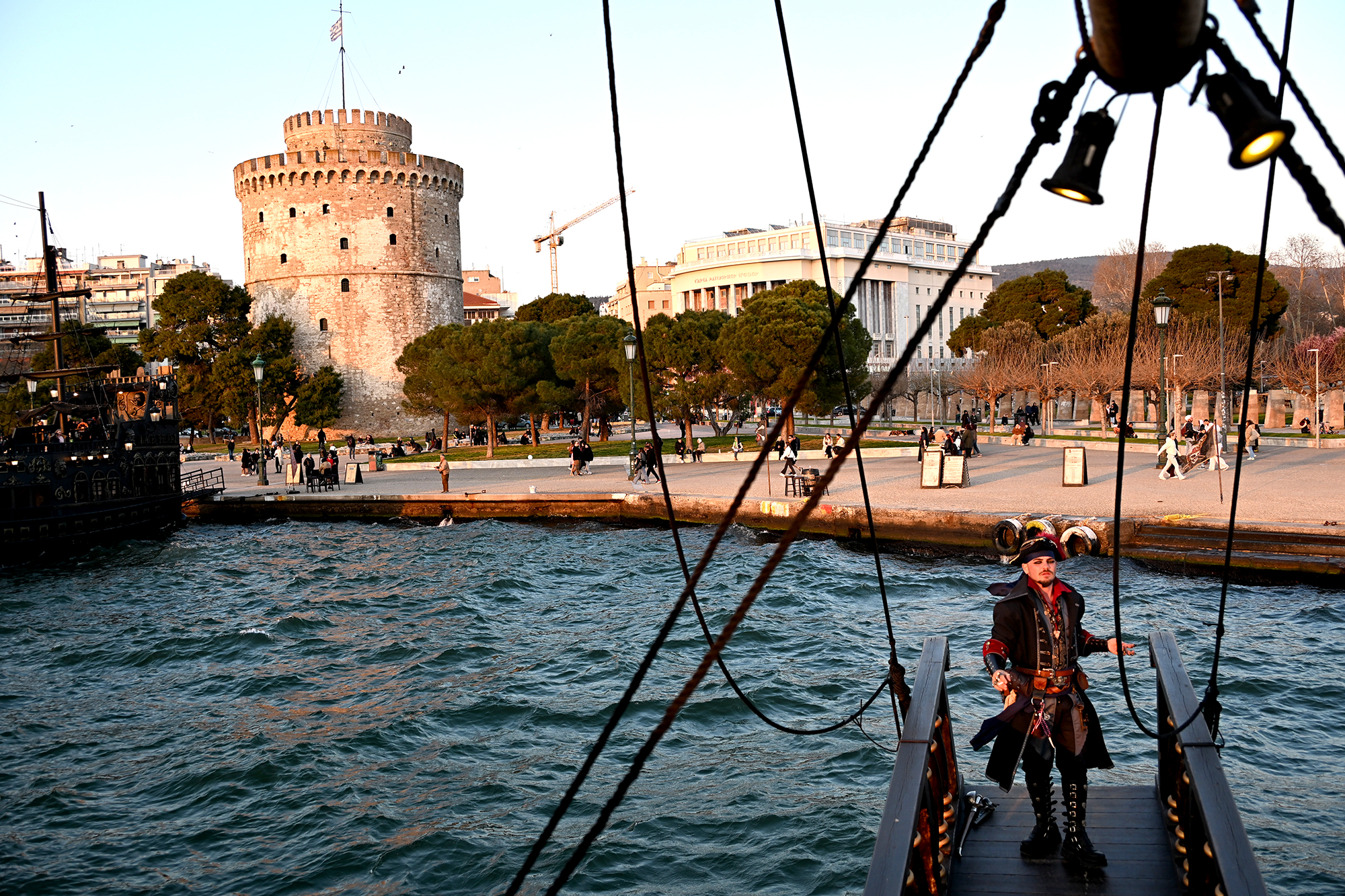
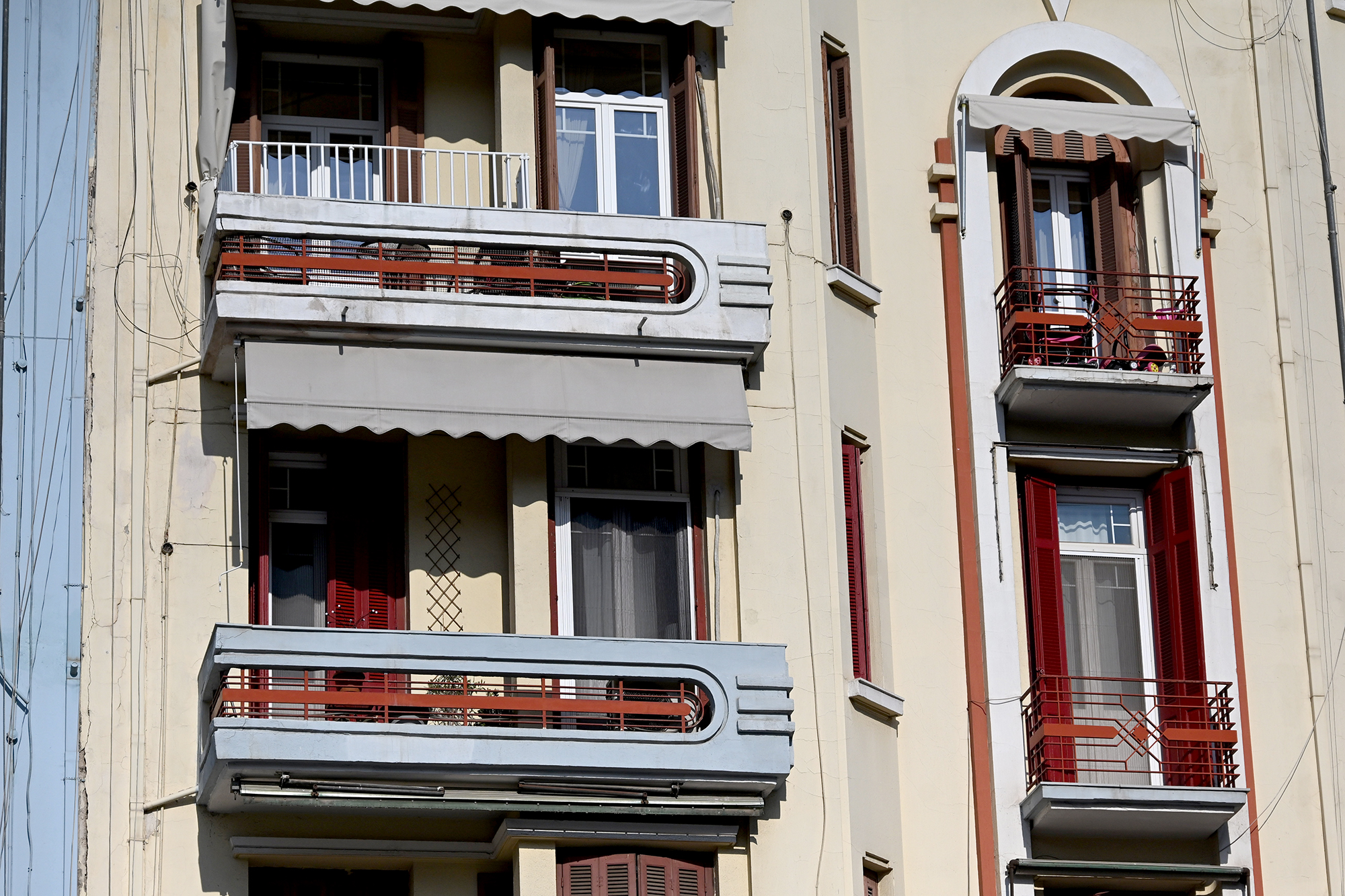
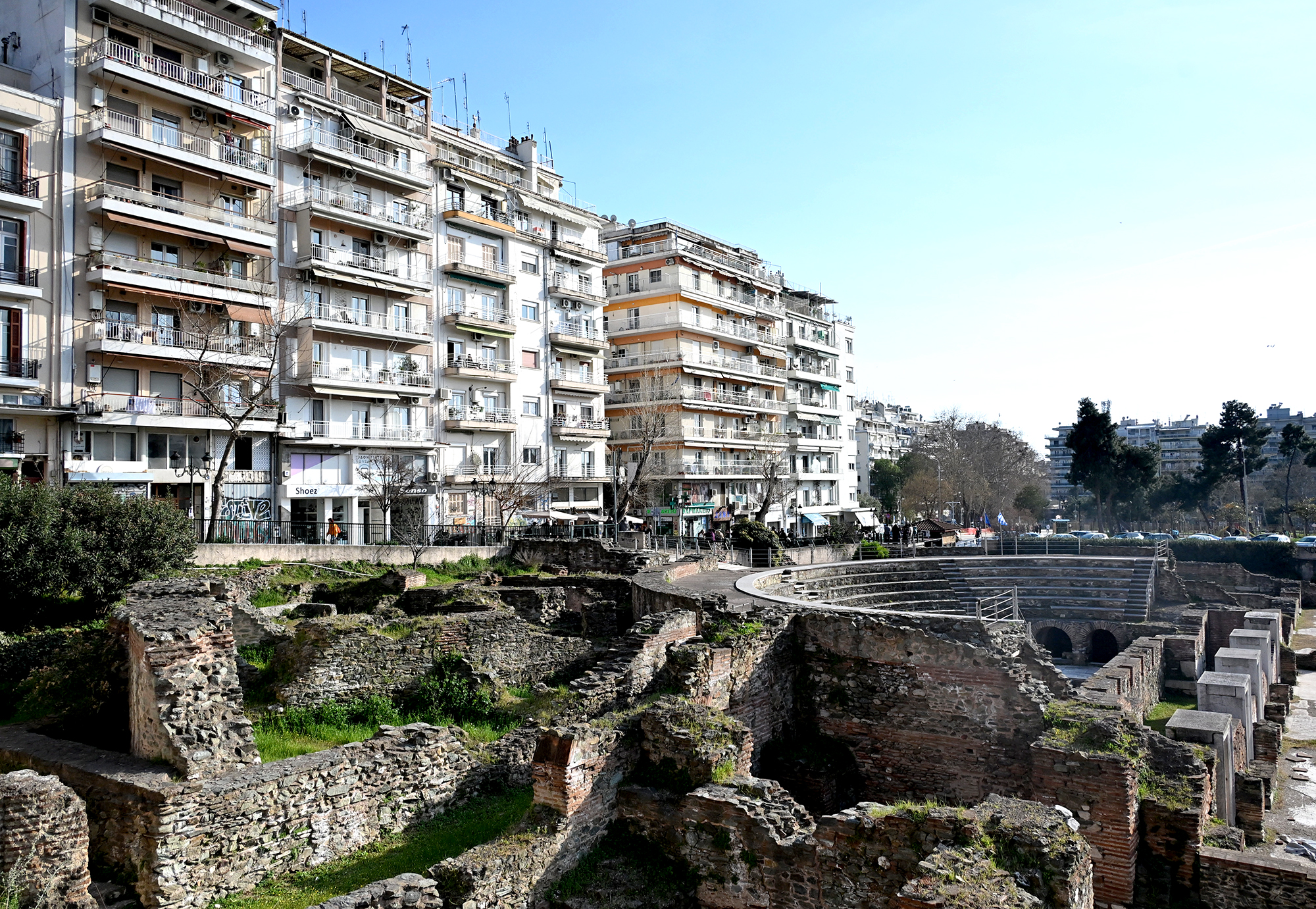
In decidedly unholier undertakings, we managed to tick one of the most touristy activities that can be done in a seaside city. We boarded a pirate ship, complete with a budget version of Jack Sparrow. A pair of these boats is moored close to the White Tower and, for 7 euros, they offer a short trip along the seaside promenade, up to the Crane Monument at the port, and back. We’d hopped on the boat in a spur of the moment decision, close to sunset and, given the price, I can say it’s very much worth is if one is on a short city break, and doesn’t have time to fit in longer boat trips. The setting sun cast its mellow orange light on the White Tower and the promenade, and the slow progress of the ship allowed for a leisurely inspection of the boulevard’s modernist architecture-as this area was in the centre of the great fire, it bears witness to the reconstruction efforts which followed it.
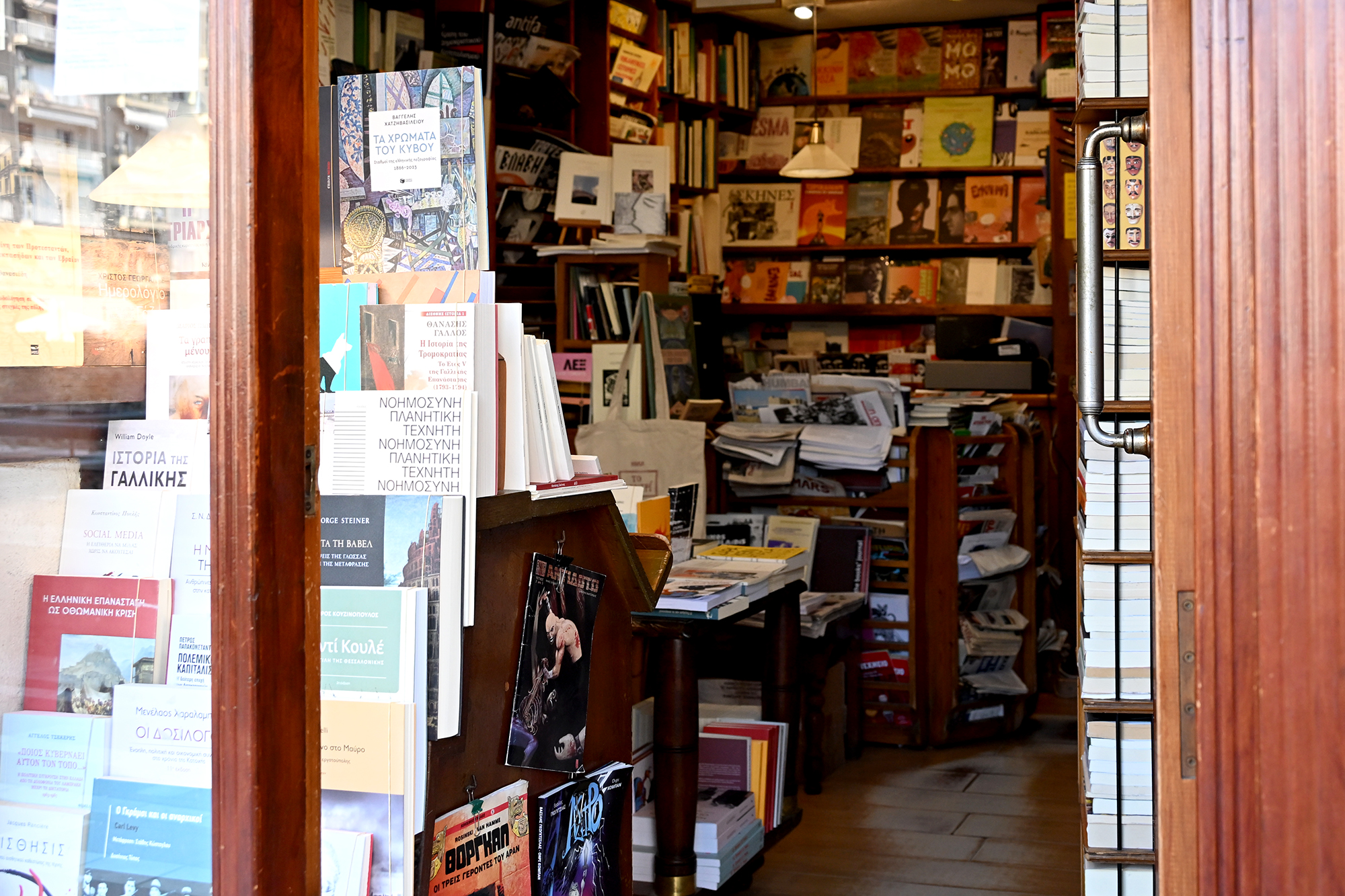
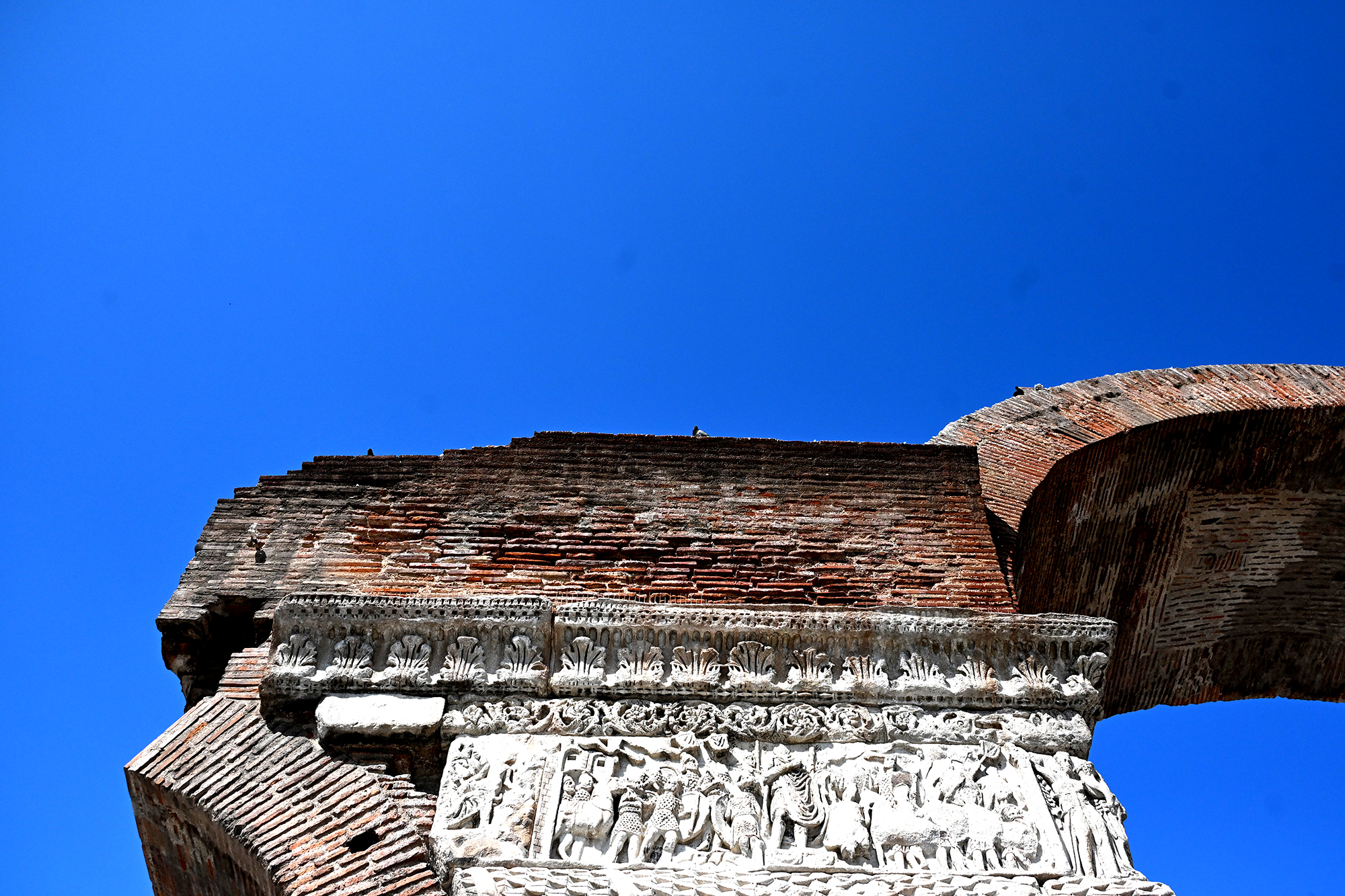
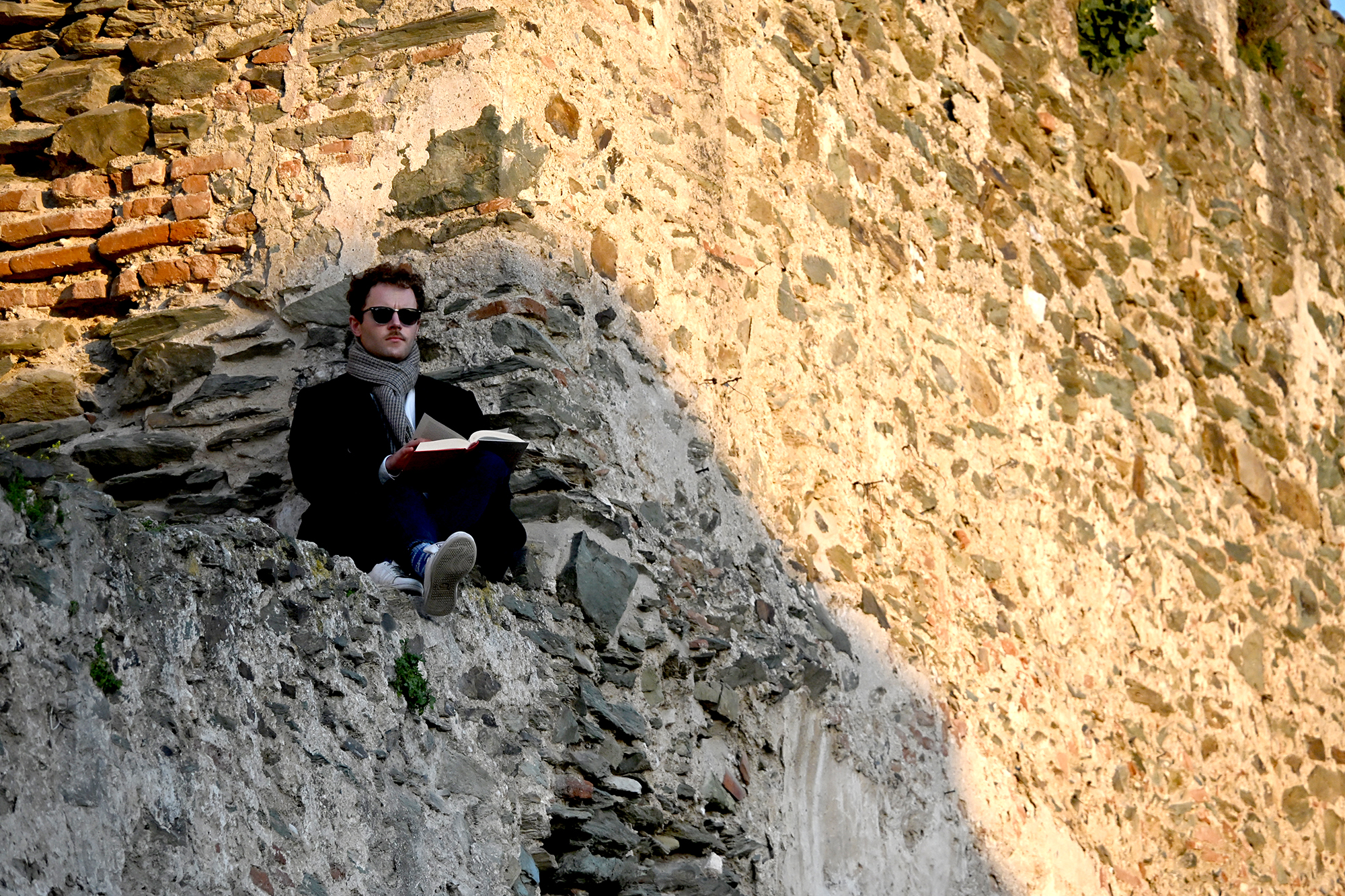
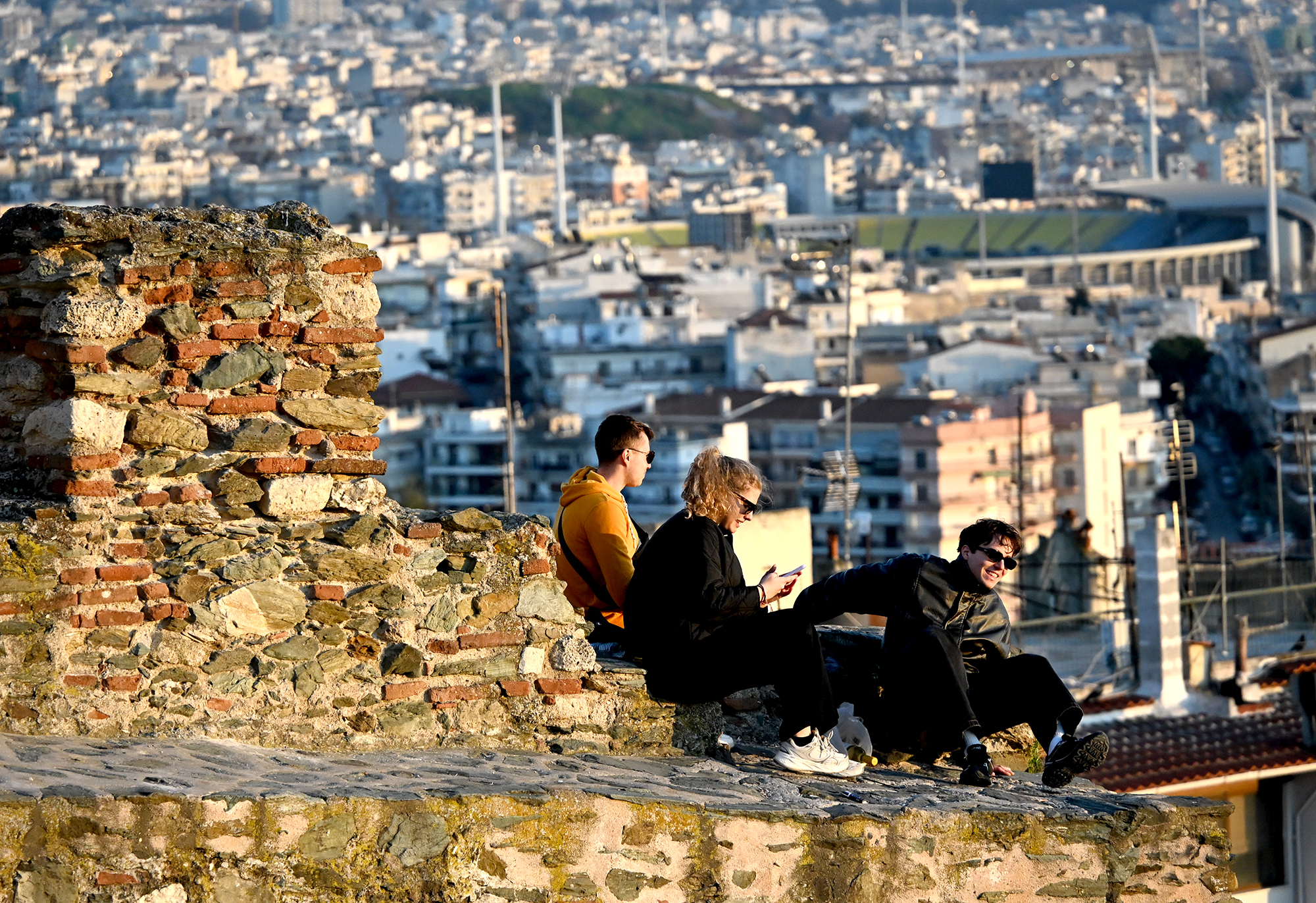
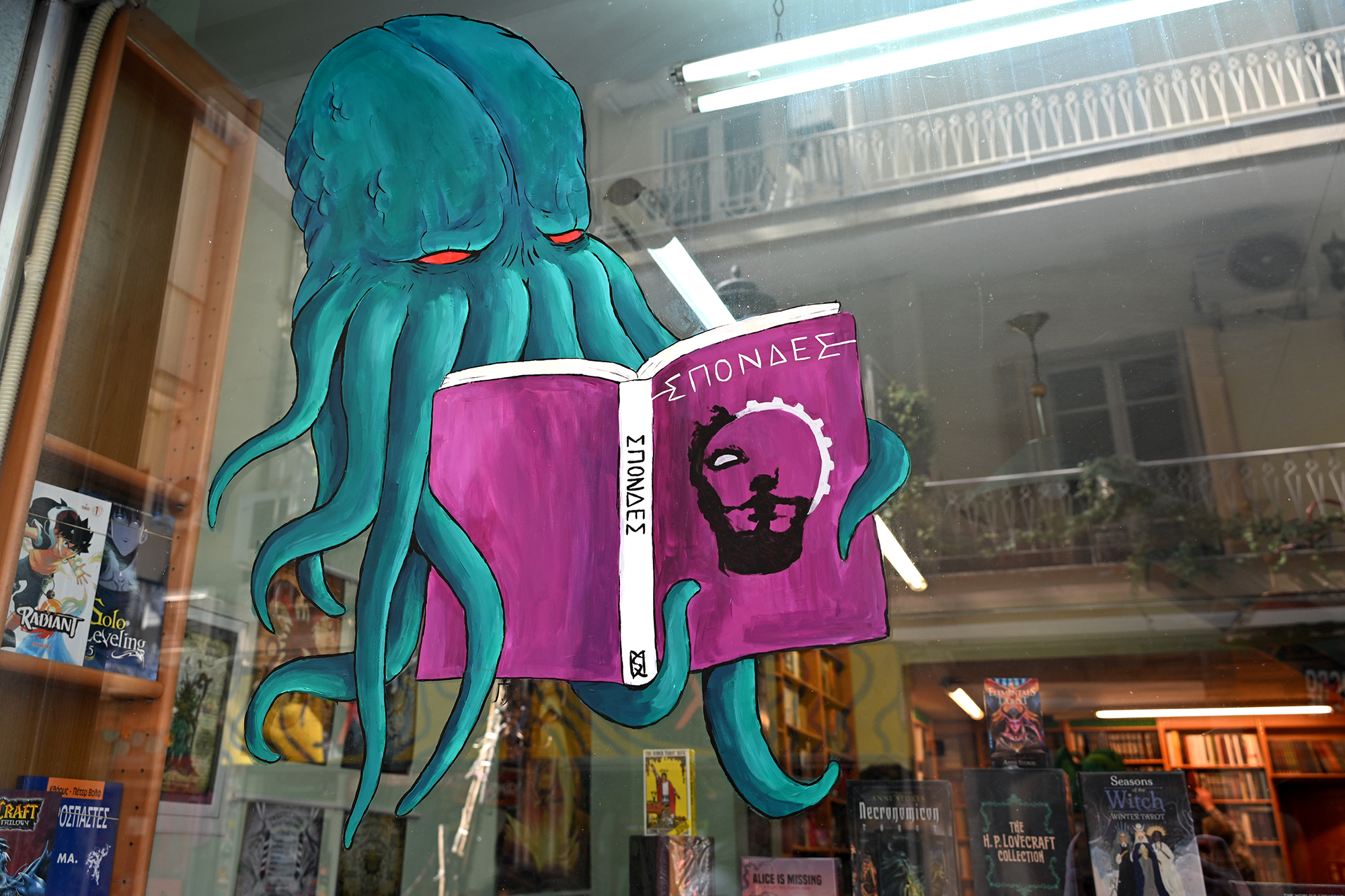
I had a great guide to the city’s recent history in Isidoros Zourgos’s book Λίγες και μια νύχτες (A Few and One Nights- I could find no official English translation, though hopefully one will follow, my copy being the Romanian one). It tells the story of Thessaloniki born Lefteris, spanning from Ottoman times to the seventies. I could have used it as a great prop for a bit of performative reading on an ancient wall, facing the sunset and Mount Olympus, which is likely an apex of the discipline. We accidentally bumped into a young Polish gentleman doing just that, and while romantically peering towards the horizon seemed more conductive to poetry, his genre of choice was geopolitics and military strategy, as represented by the works of Jacek Bartosiak. On the bookstore front, further to Mitakos books, which we’ve already recommended in a previous installment, we discovered the extremely well hidden gem of Malliaris Paideia, to be found on Gounari street just off the Arch of Galerius. The ground floor of this fine establishment is dedicated to stationery, and while chaotic, it provides a great selection of products at reasonable prices. Unbeknownst to many, the top floor is packed with books, both in Greek and in several foreign languages. The selection is decidedly eclectic, cheap editions alternating with rarities, and shares something of the ground floor’s chaos. The labyrinthine setup is however perfect for a book lover, and I found browsing this upper floor to be one of the most pleasant parts of the trip. On one side of the floor, there is a podium faced by chairs, likely used for various events, and, extremely helpfully, a toilet. Further down on Gounari street, To kentri is charming little bookstore, though most of their books are in Greek, while, around the corner on Aimilianoi Grevenon, the Unknown Kadath focuses on fantasy books, games and comics (mostly in Greek, some English books available). Certain authors sometimes have an unexpectedly intense following in random countries, and Greece is definitely enamoured with Lovecraft.
The one slightly emotional episode of our stay came on the last day, when we searched for luggage storage options, as our flight was very late in the evening. I will take this opportunity for a shout out to another one of my passions, further to Alexander the Great: Ryanair. In spite of widespread vitriol, I continue to have nothing but positive experiences with them. This time around, they were so efficient we arrived early on our inbound flight, to the discombobulation of ground staff at Makedonia airport. Returning to our luggage situation, we soon located what seemed to be a great option, on the already mentioned Gounari street. Lock ‘n Leave comes with the promise of a smooth ride with the help of an app. Which is, to an extent, true, though of course you need to download the app itself, so that can be a first obstacle for people on roaming plans. Once you downloaded the app, a locker is automatically assigned to you based on availability and chosen size, and you get two codes, one to enter the storage area, and one for the locker itself. This all sounds brilliant, and it was, until we realised that the app did not store these codes as designed, and we now had very securely locked suitcases, protected from everyone, including ourselves. We chose to panic moderately and went for a coffee in Sip.skg. A lot of people are baffled about the SKG abbreviation, which is also used as Makedonia airport’s code, and around the city in place names and on promotion materials. Beyond the exciting option of it being short for souvlaki, kolouri, gyros, the widely accepted explanation is that it’s based on the Saloniki/Salonika version of the city’s name, still used in many languages, with the G coming from Greece. Sip has great coffee, but no cups- apparently, a license is missing to have them. Nevertheless, you will still be charged extra if you choose to take your coffee away- as in, you receive the exact same coffee, in the exact same paper cup, but walk away instead of sitting down with it. Normally, this would have intrigued us more, but currently we were focused on the app situation, unleashing all the classics: turning the phone off and on, reinstalling the application, all to no avail. Luckily, support staff responded extremely promptly and we were soon in the possession of crisp new codes which worked perfectly. In short: Lock’n Leave is a great option overall, just do yourself the service of taking a screenshot of/writing down your codes in the first place.
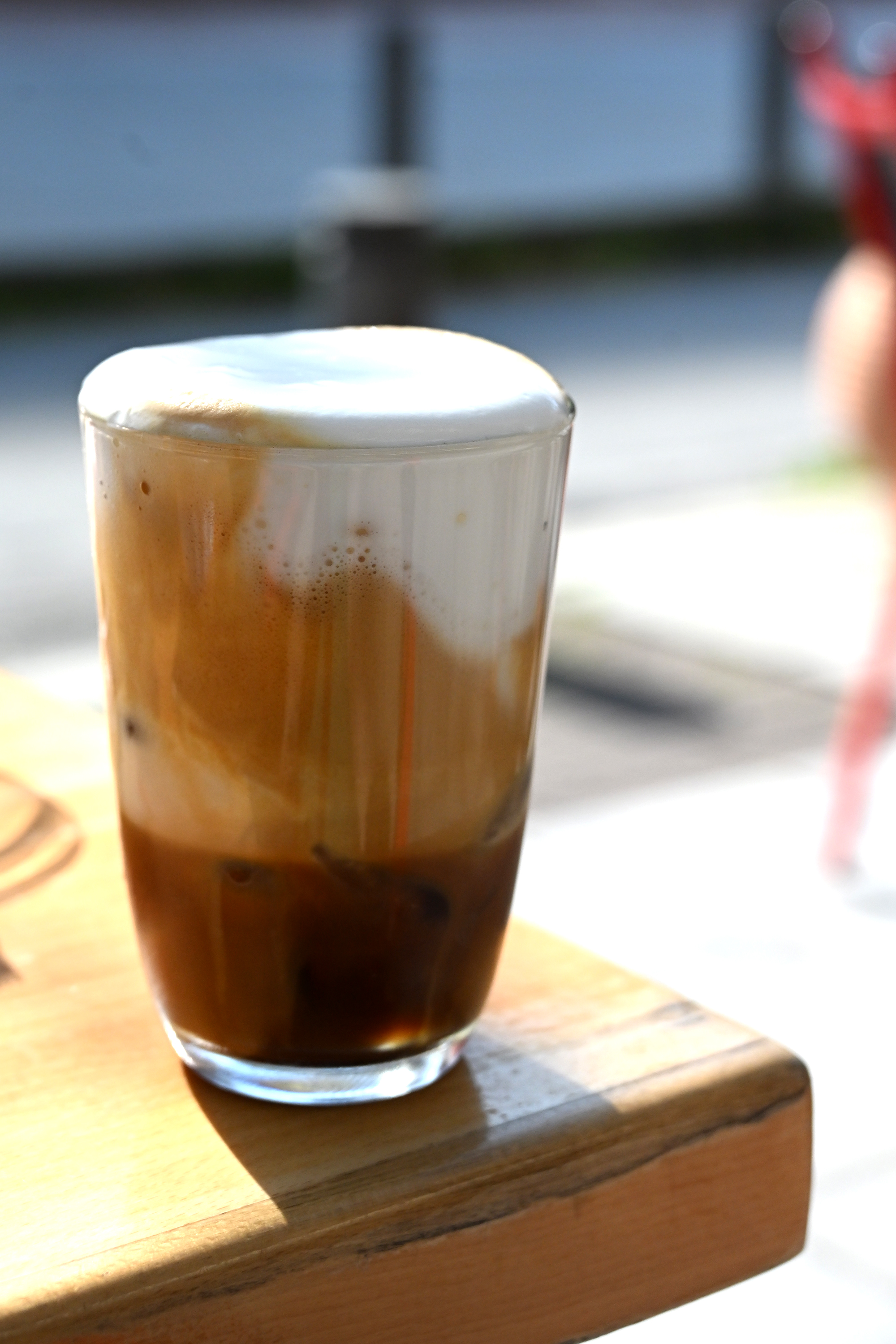
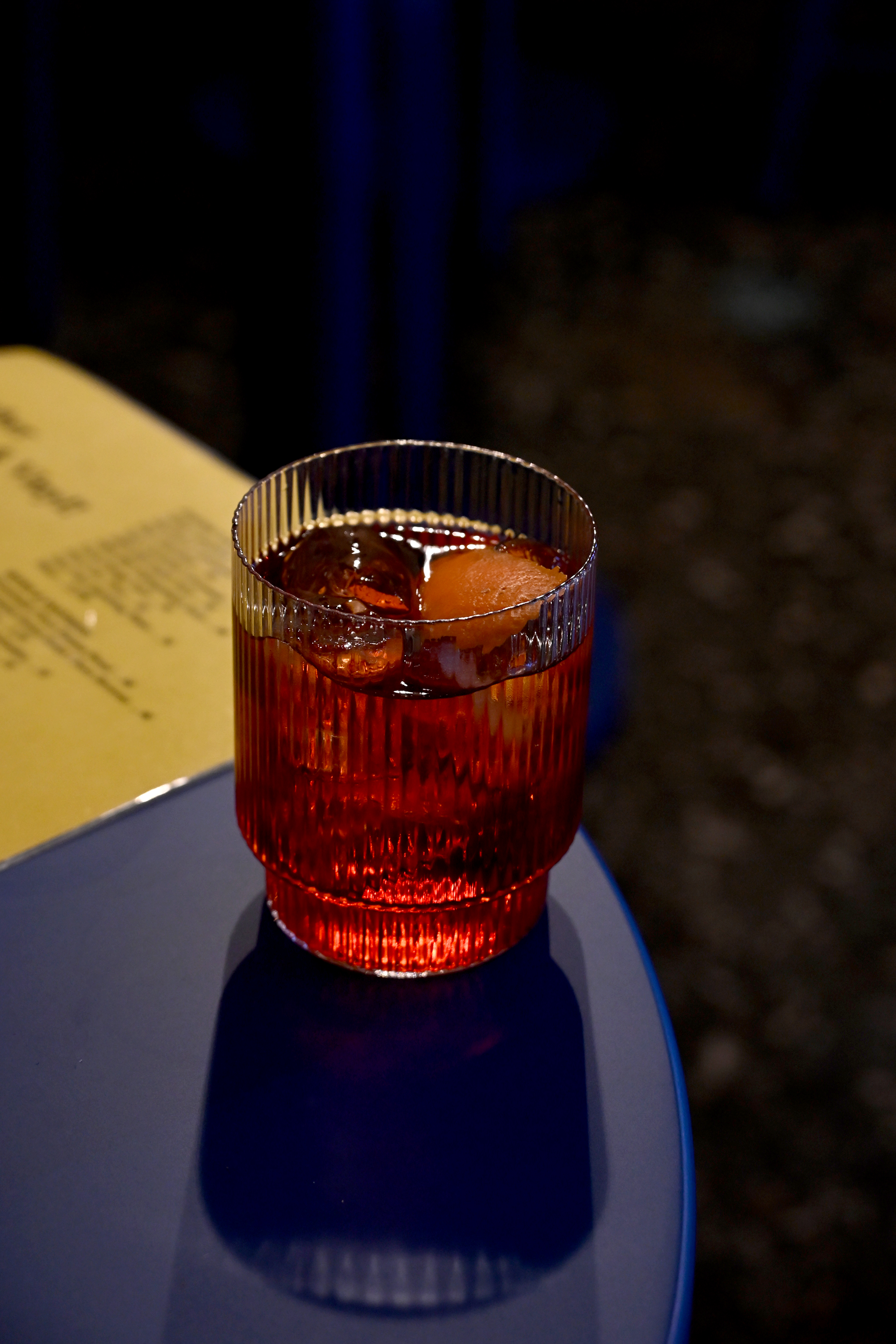
Speaking of coffee, we procured great beans from Hue. I do love my coffee, but am sometimes baffled by the taste profiles on the packaging, that feel nothing like what’s inside. Hue’s Colombian beans, nevertheless, deliver on their promise. For once, I could feel those intense floral touches of jasmine. Father Coffee and Vinyl became somewhat of a staple of our visit, as much as any place can do so during a short stay. Beyond great coffees, decent matcha (as per our expert on the matter) and an exquisitely balanced Negroni, they also sell and buy records. From the selection displayed on their wall, we came away enriched with the sounds of a mysterious Finnish jazz collective (Oiro Pena), French electronica infused with Middle Eastern sounds (Ko Shin Moon), and Greek punk darkwave (Eddie Dark), On the beer front, The Hoppy Pub is your standard friendly neighbourhood craft beer bar, with a strong selection of local beers both on tap and for take away, a perfect place to explore Greek offerings beyond the ubiquitous trinity of Mythos, Alfa and Fix.
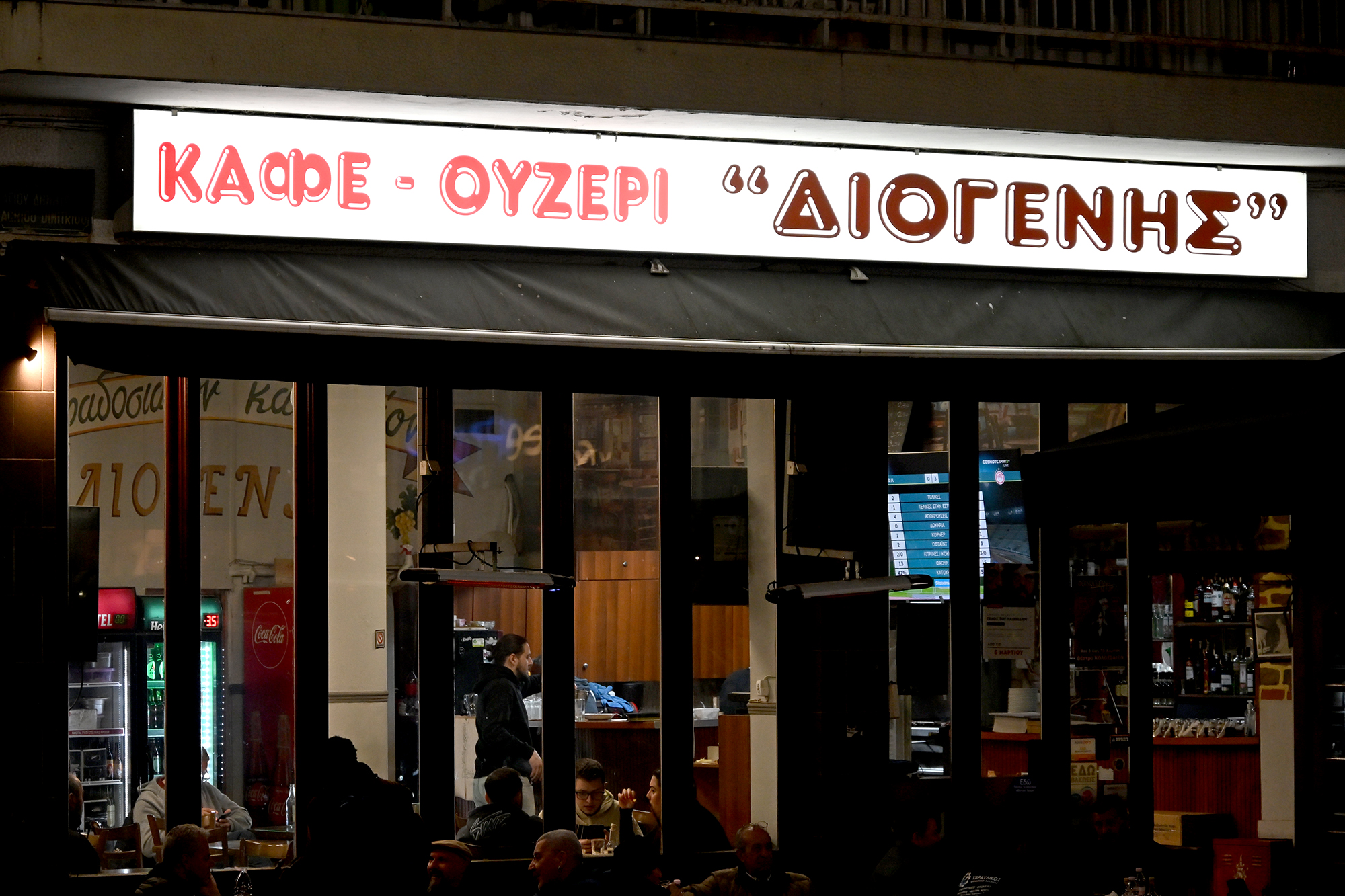

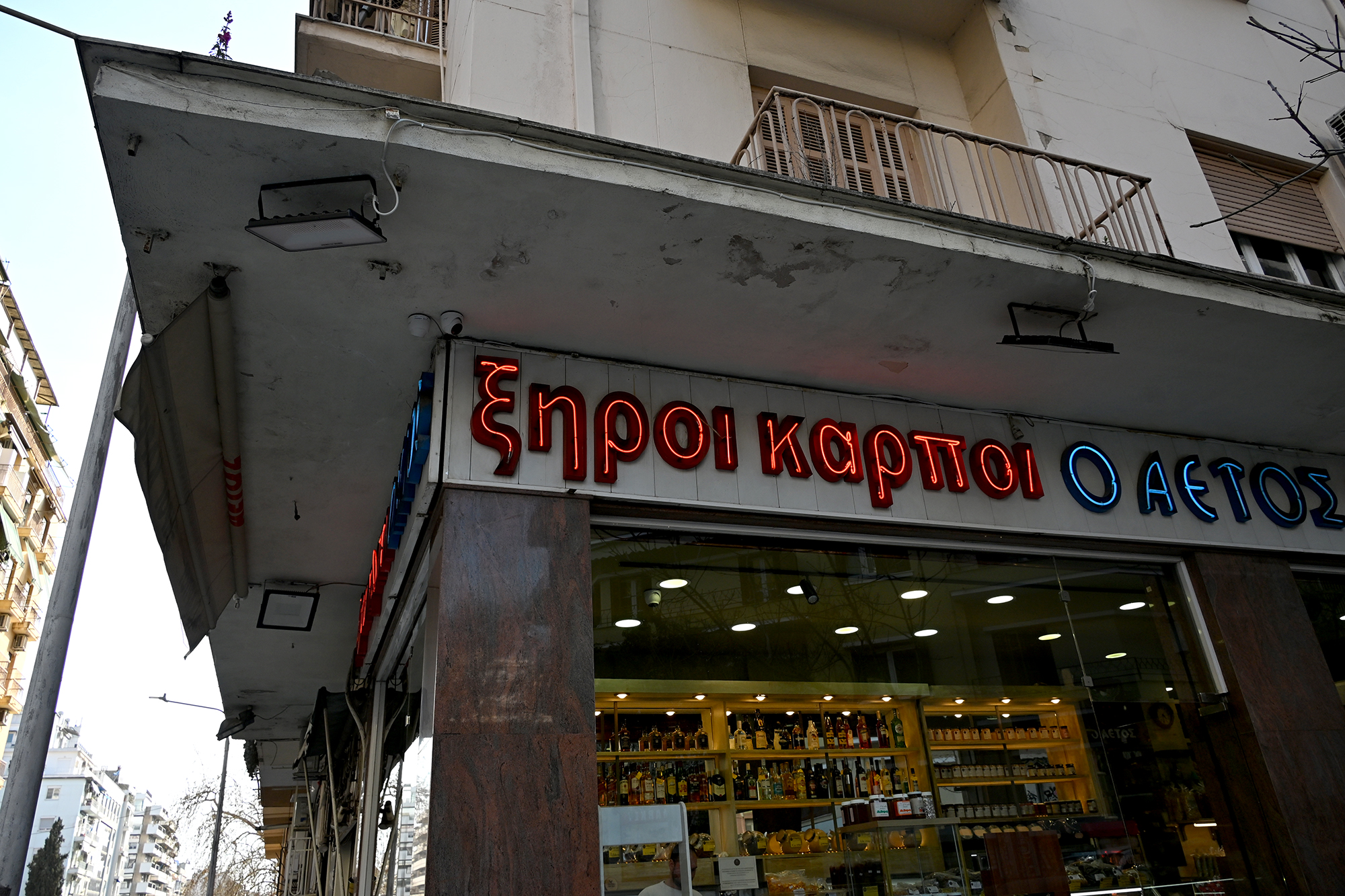
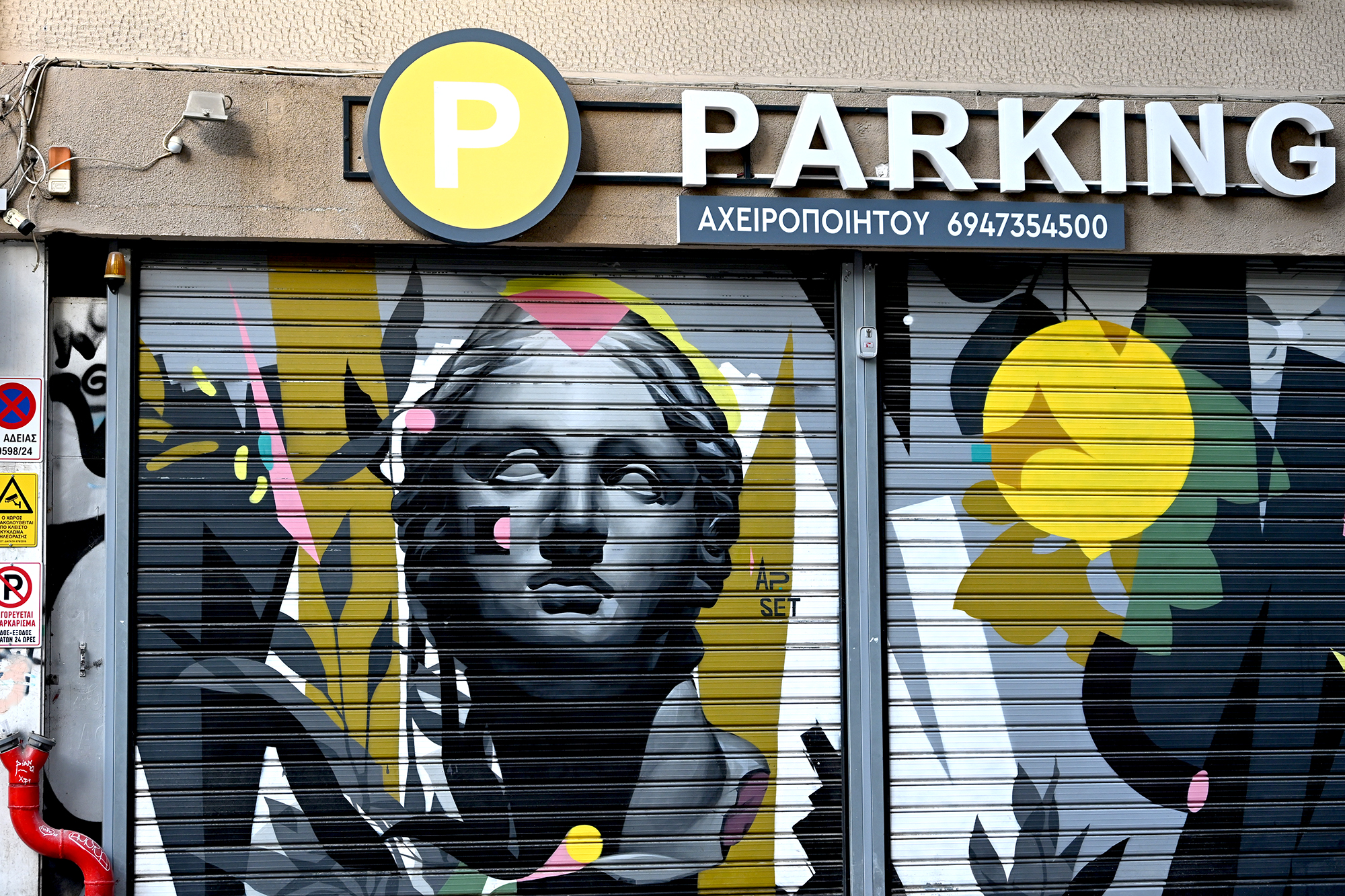
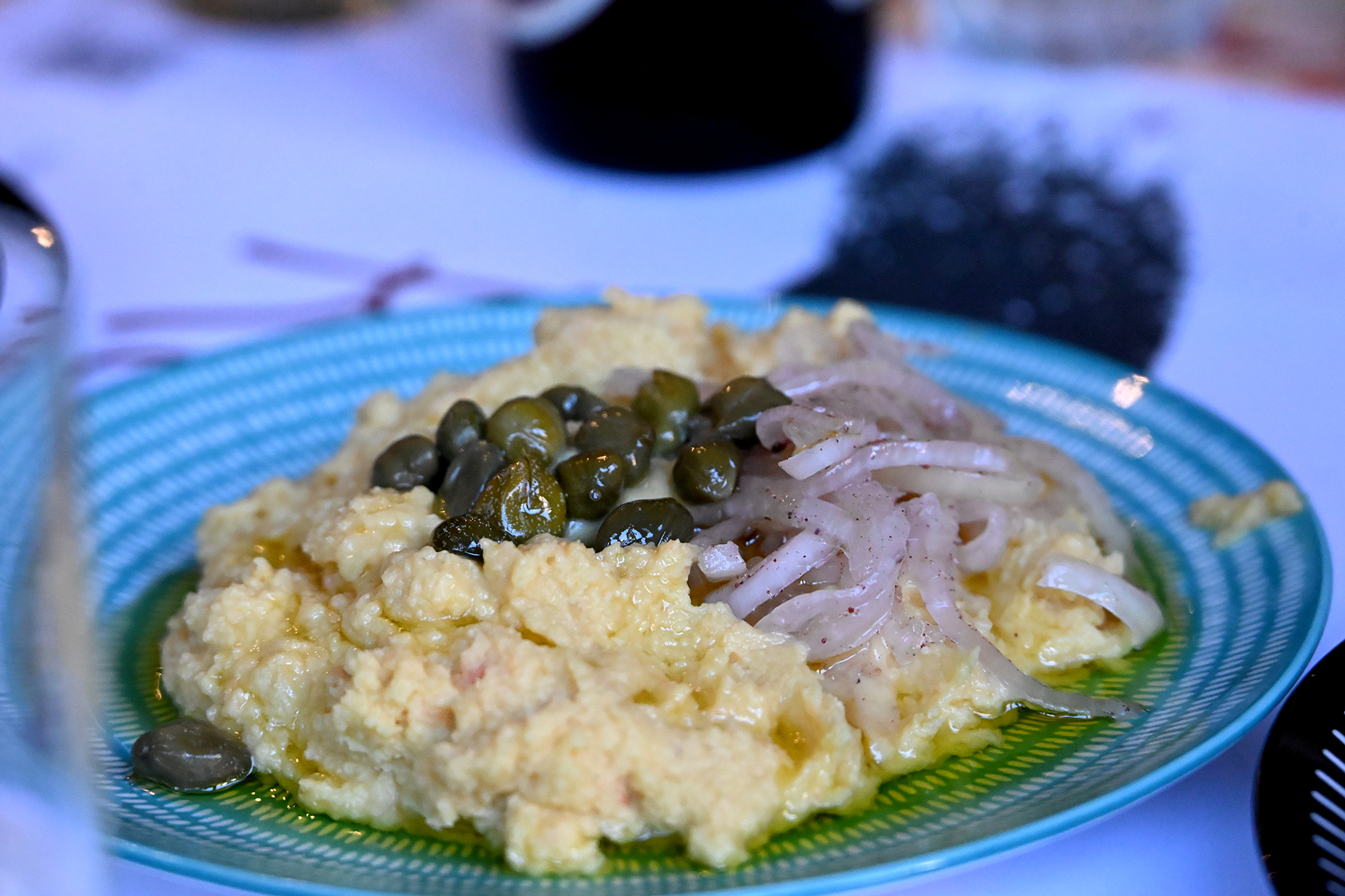
Since the last time around I did poorly on documenting the food, I tried to make up for that during this visit. For breakfast, Bougatsa Giannis remains unbeatable, though one morning we were beaten- by the queue. We decided to have a classic breakfast instead, on the terrace of Café Oino. Omelettes sounded like a fine idea but then one of the omelettes failed to materialise and we soon saw our waiter scuttle off into the warm morning. Perhaps he had had enough of serving omelettes and had decided to conquer Persia, which is all the rage these days, anyway. The actual reason for his departure was soon revealed: the establishment had run out of eggs, and, this being a Sunday morning, they were not all that easy to procure. The crisis was nevertheless resolved, and, as we waited, we could eavesdrop on the train of thought of a Croatian couple stuck in omelettes limbo as well: what was the strange language spoken at the neighbouring table (ours), this exotic cacophony of unfathomable vowels. They settled on Hawaiian.
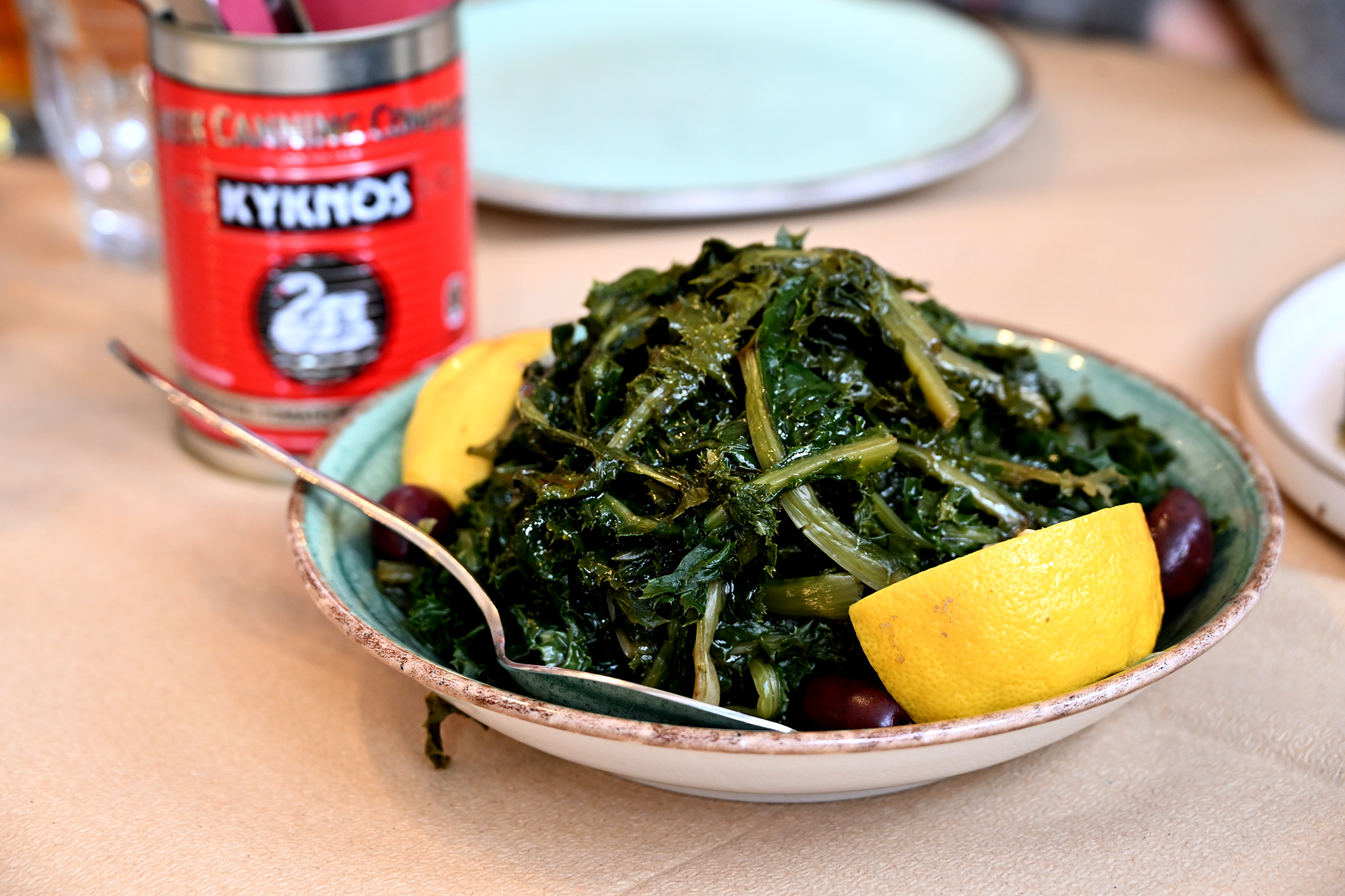
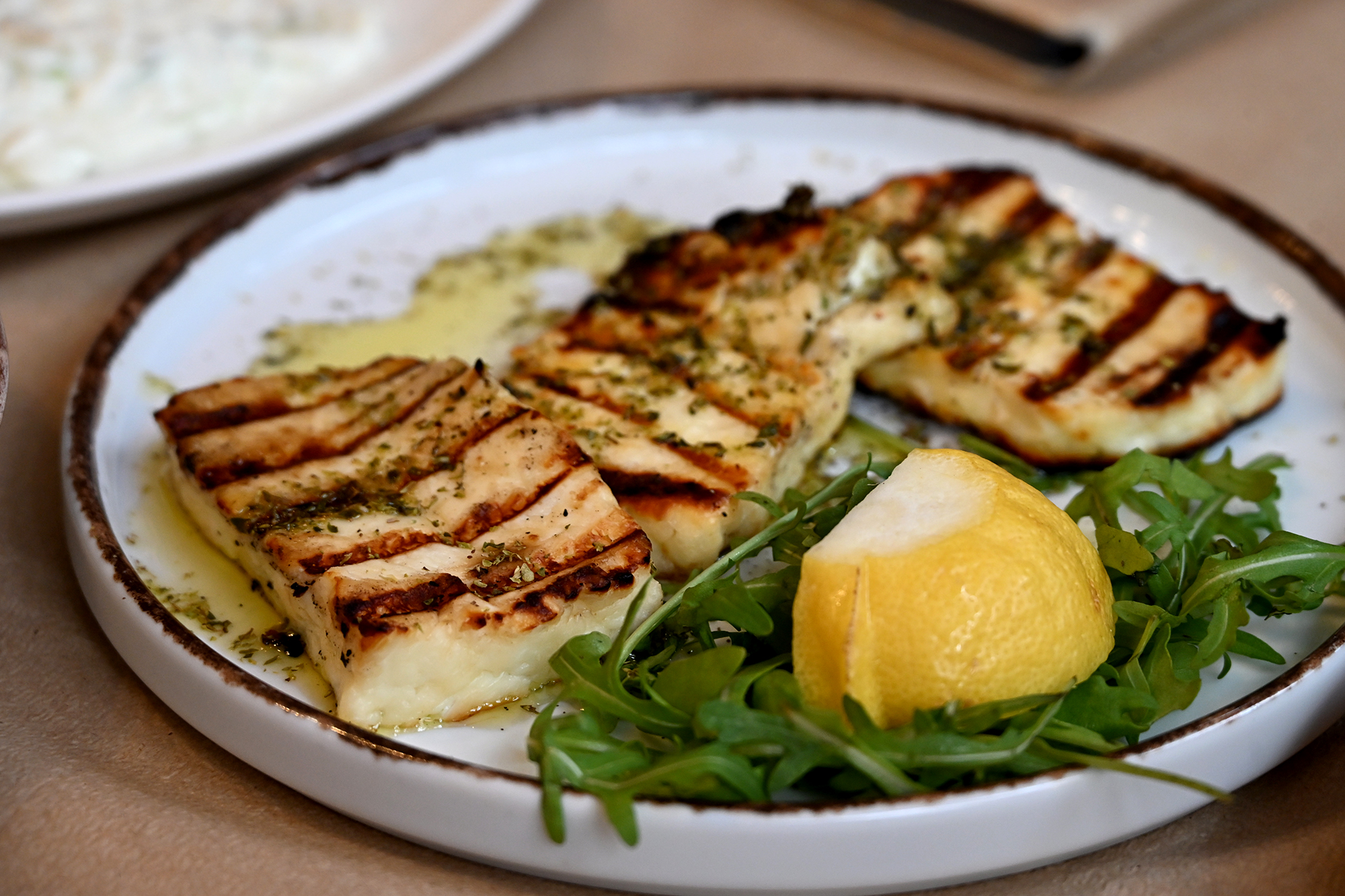
On the first evening, I was delighted to discover a place with great soutzoukakia and brilliant salads, plus pleasant interior design, only to realise it was the same Diavasi that I had found to be somewhat bland looking four years ago. Proof that sometimes change is for the good, though I am not sure about the disappearance of the fireplace from Taverna O Thodoros. Its removal has definitely added to the space, necessarily so, it seems, as our first attempt to visit was foiled by the crowds waiting to be seated. As we were to find out, the ebullience of the weekend was caused by the double whammy of the Thessaloniki Documentary Film Festival and the Agrotica Farmer’s Conference taking place at the Helexpo center. This being said, we managed to return the next day to O Thodoros and could live the dream of trying the horta-a dish described mysteriously as ‘greens’. There’s about 80 types of leafy vegetables that can be used for preparing it: ours felt like it could be primarily dandelion, and while as a standalone the taste would likely be too exotic, it goes well as a side dish to meats and cheeses.
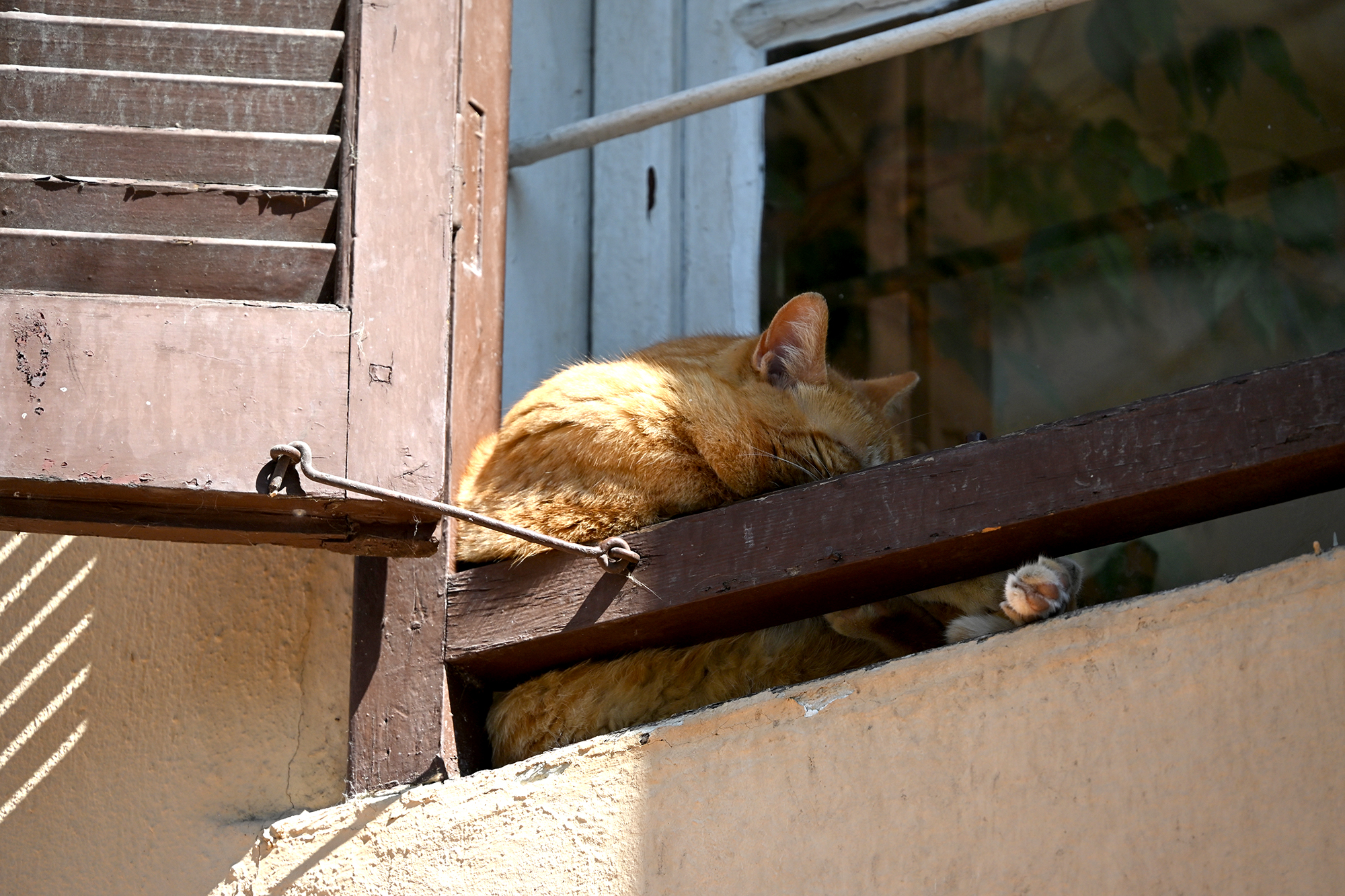
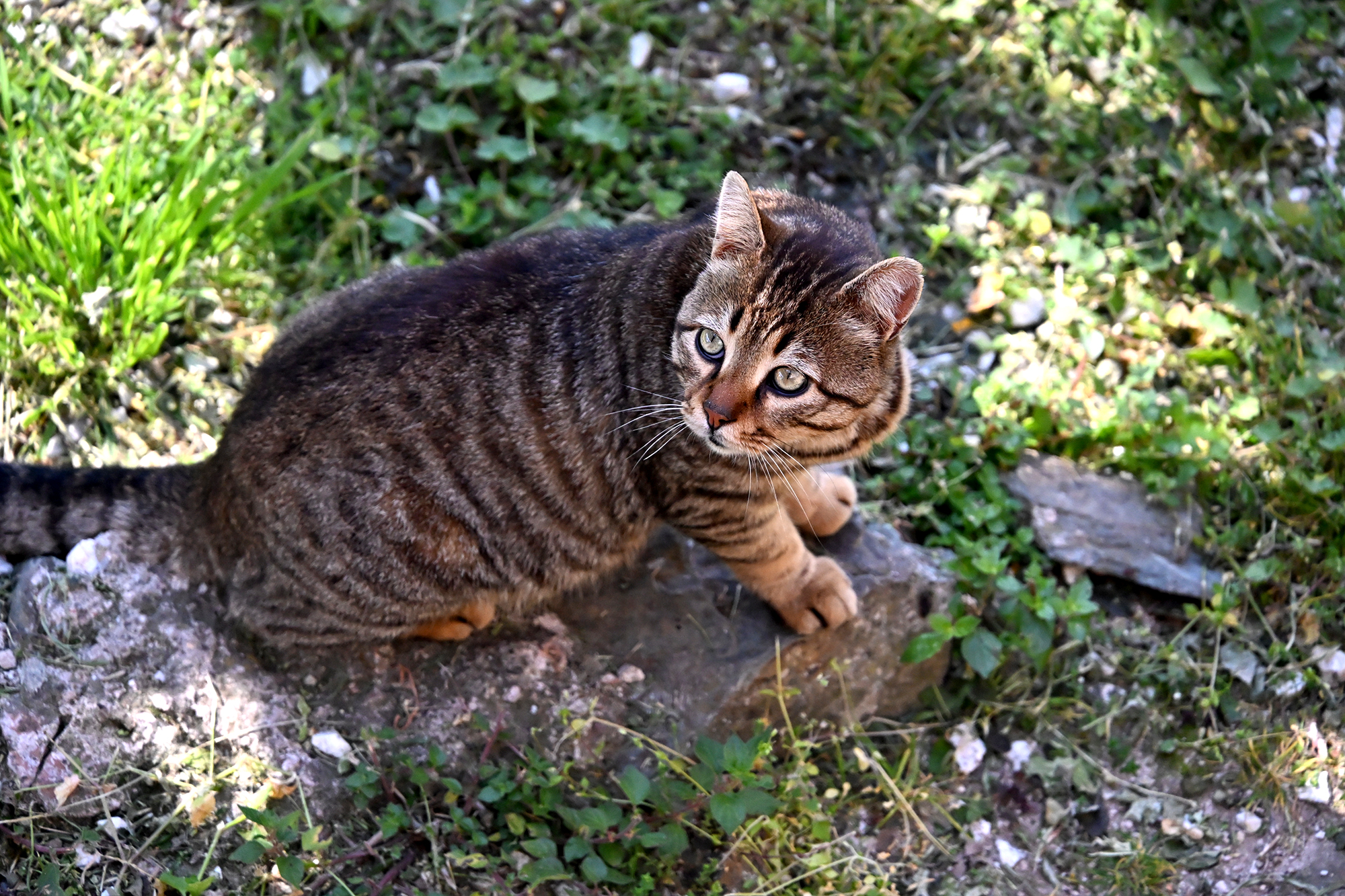
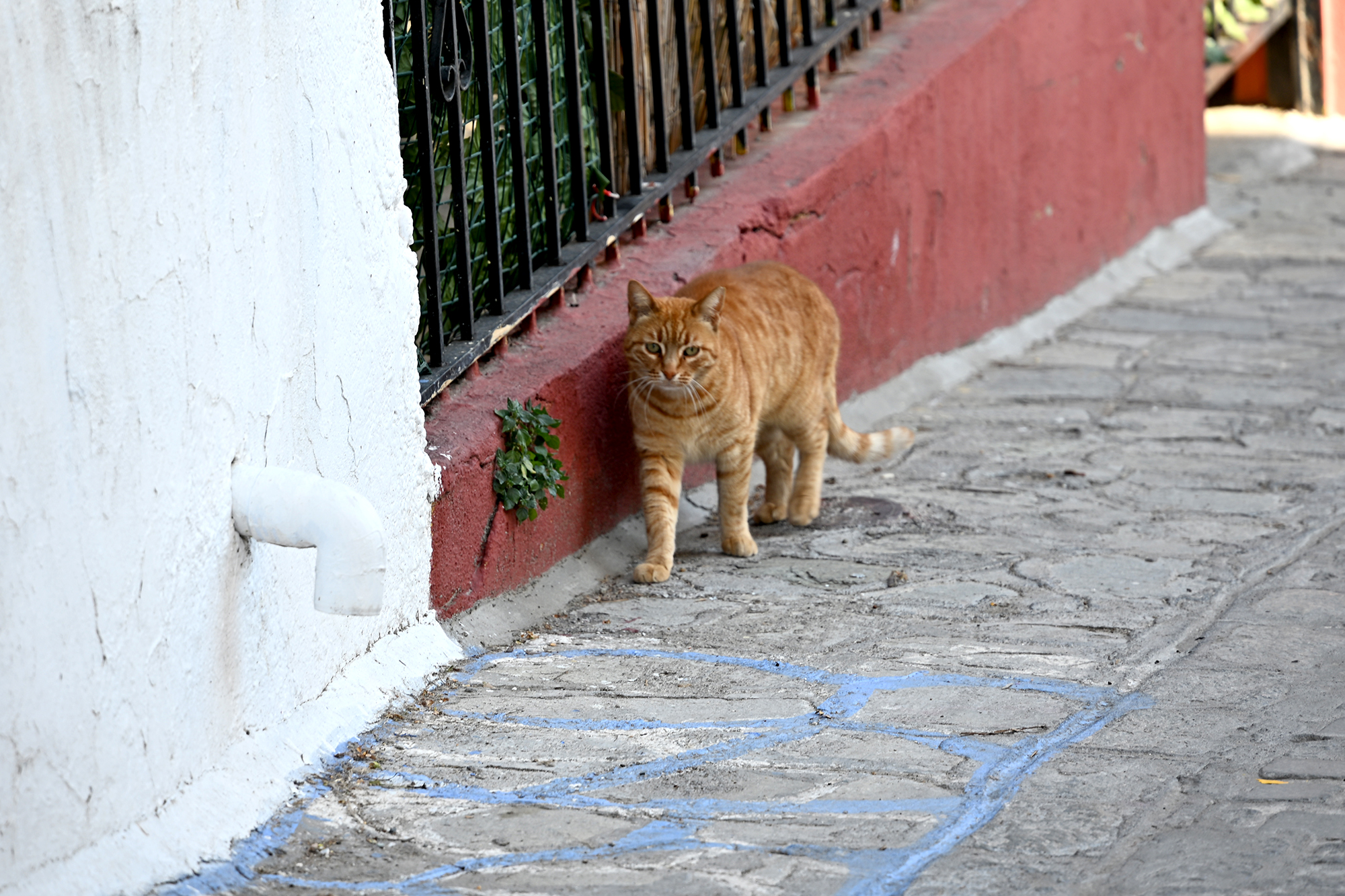
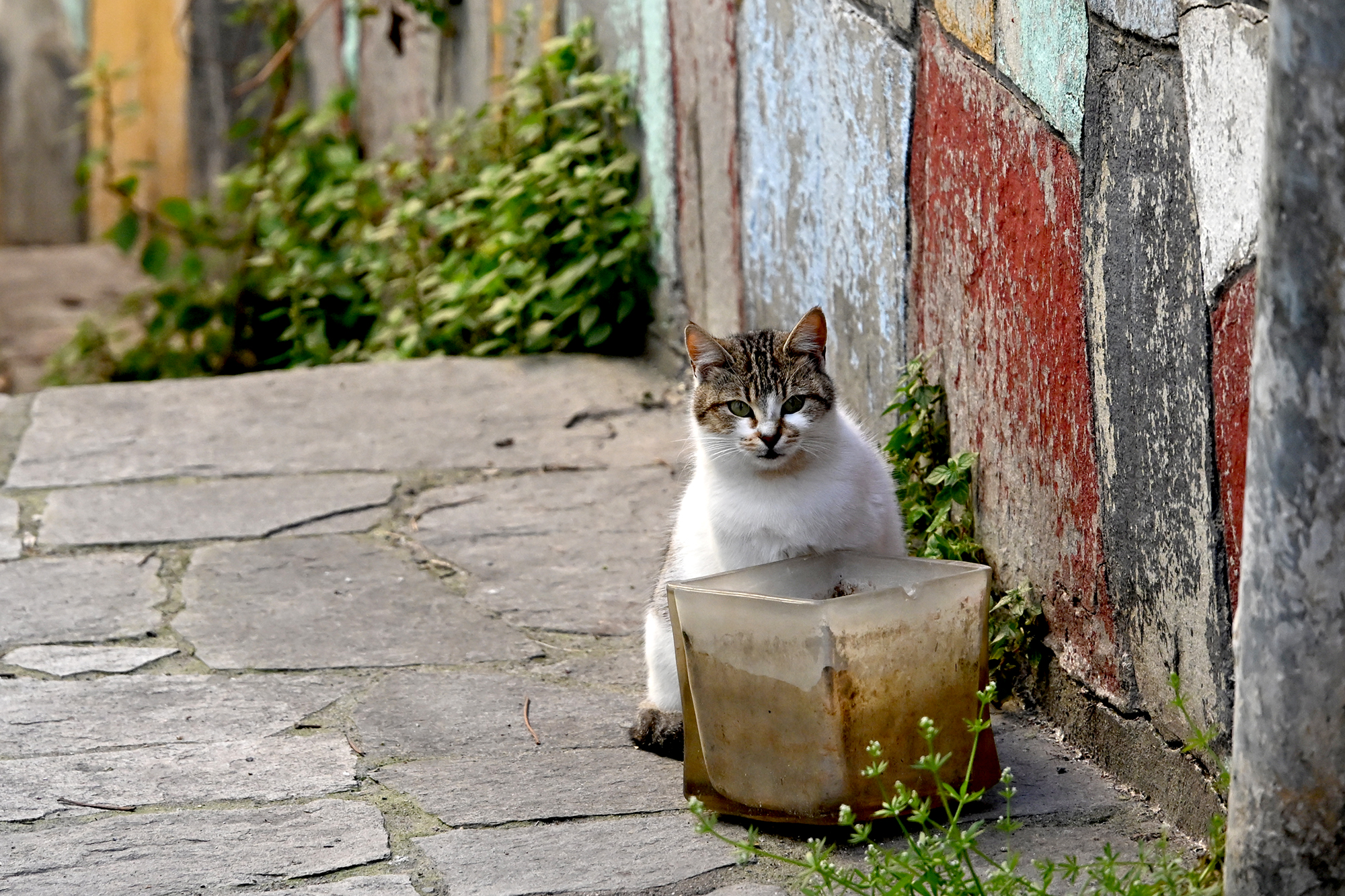
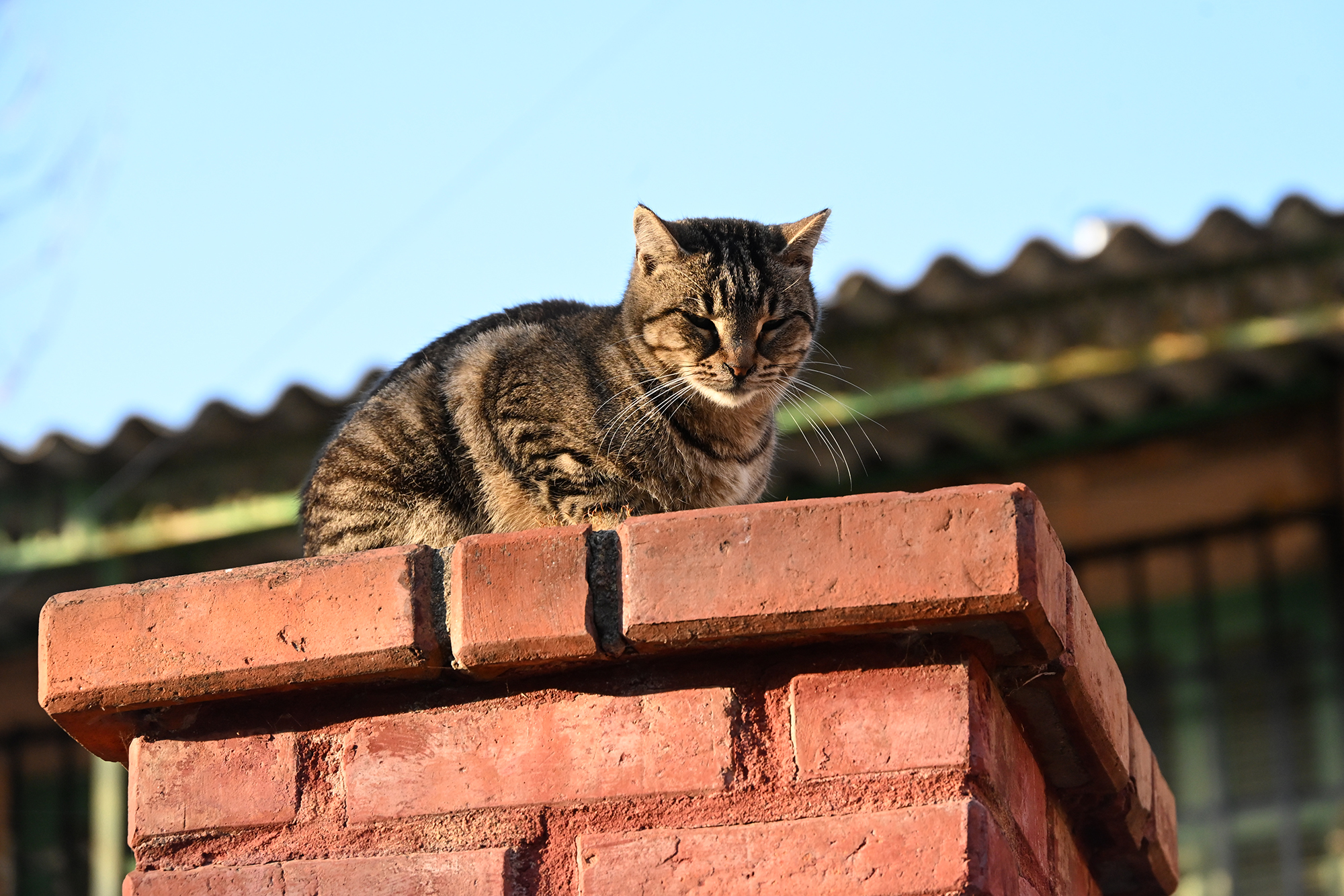
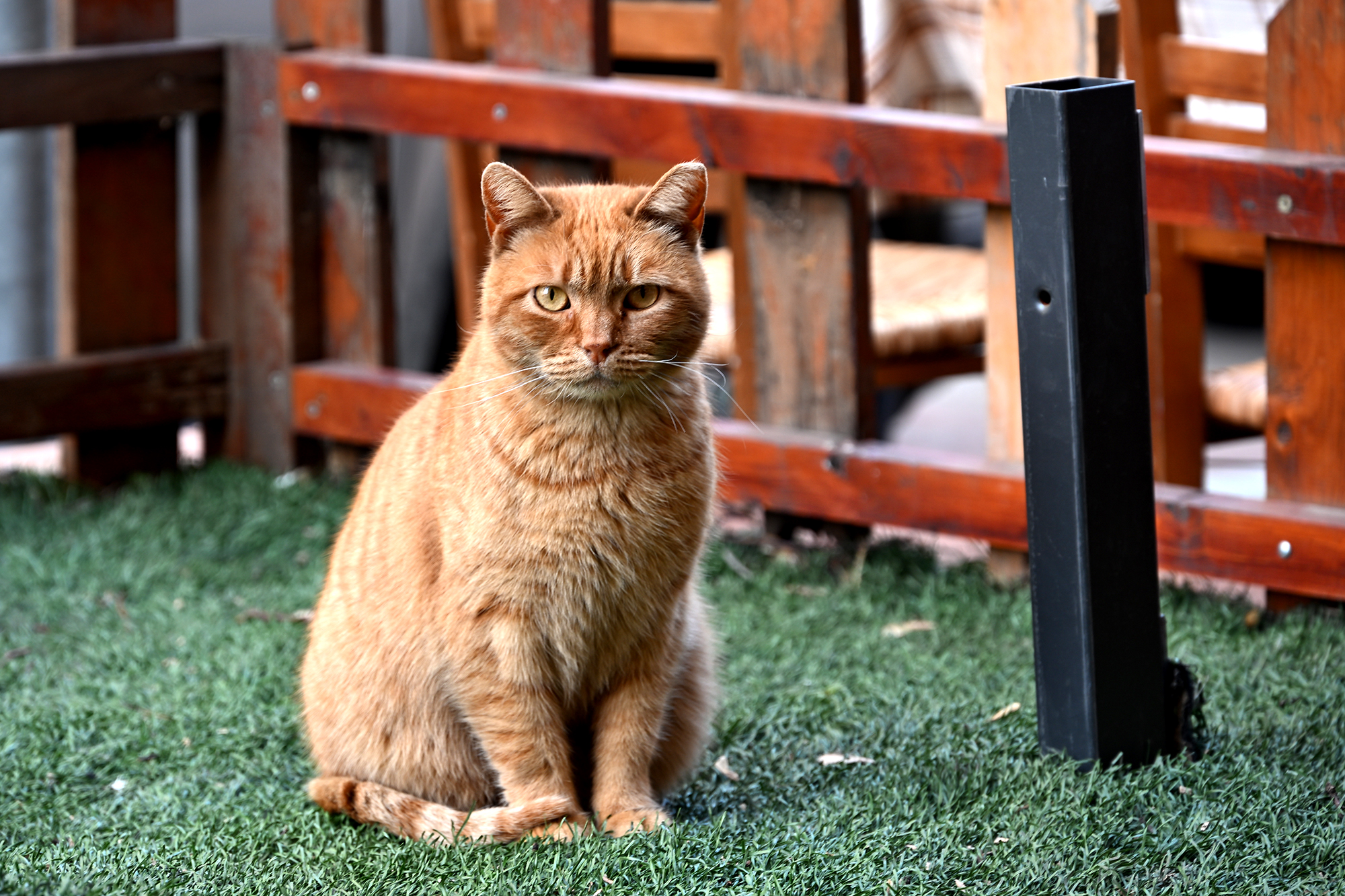
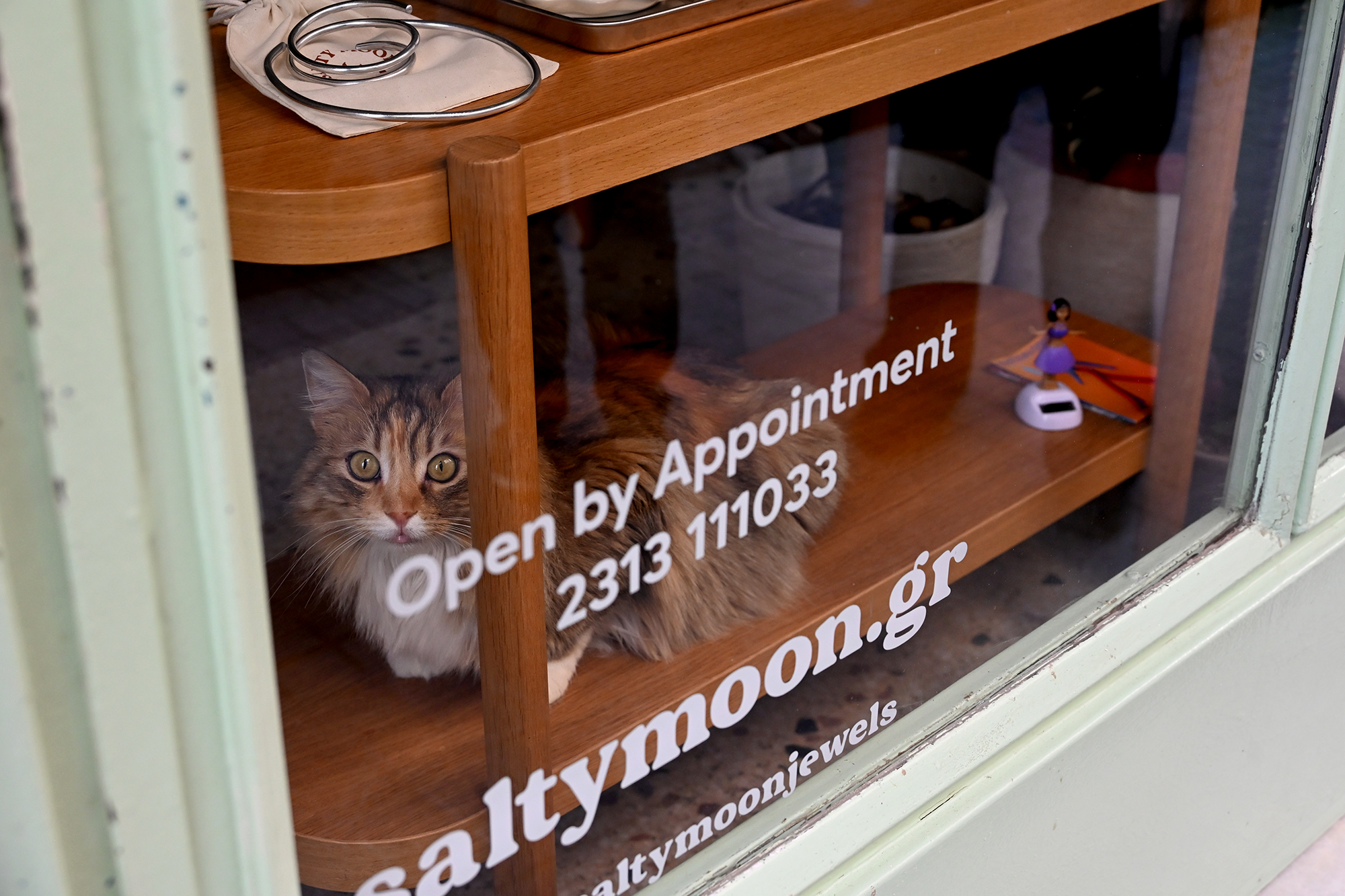
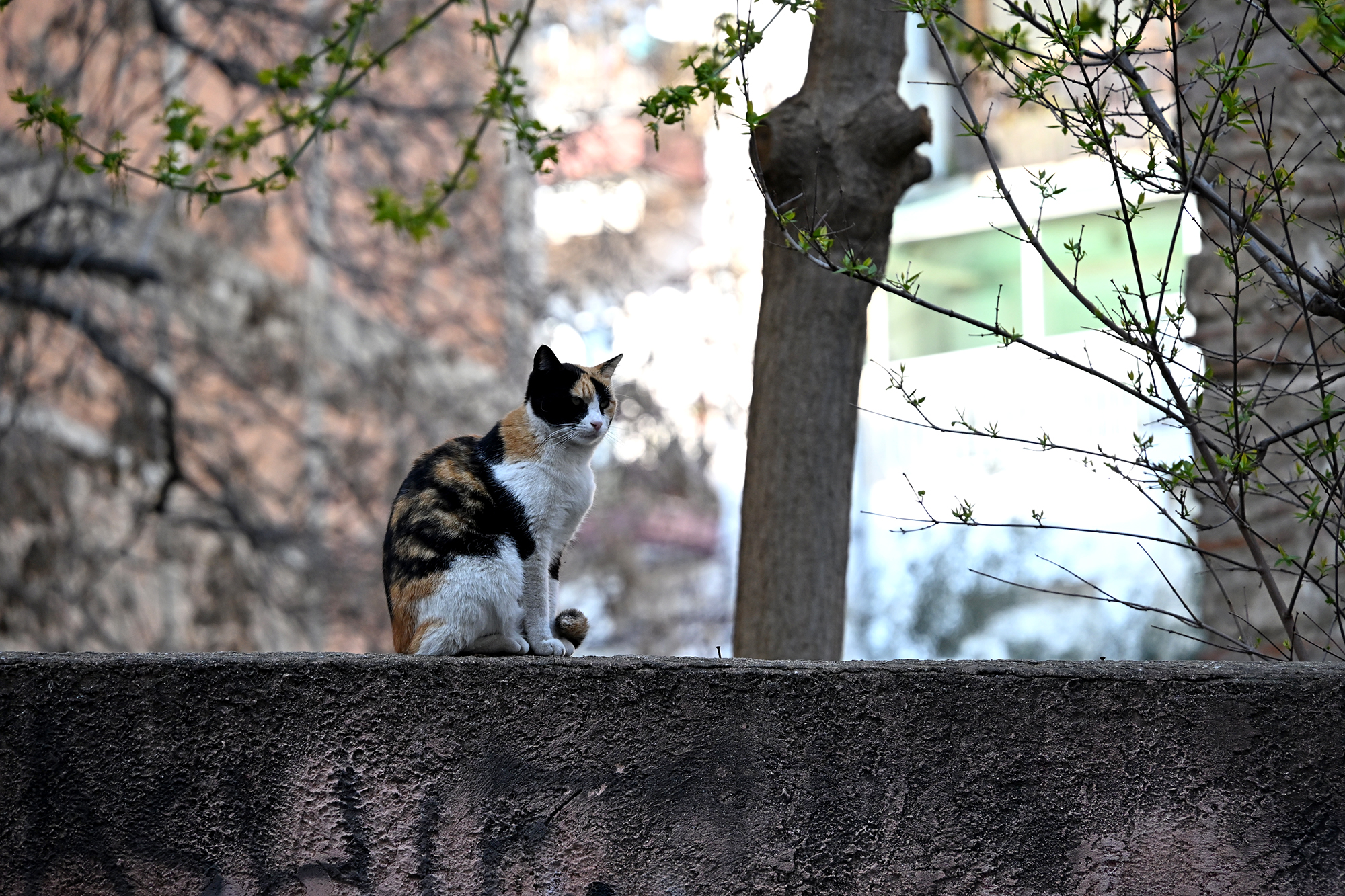
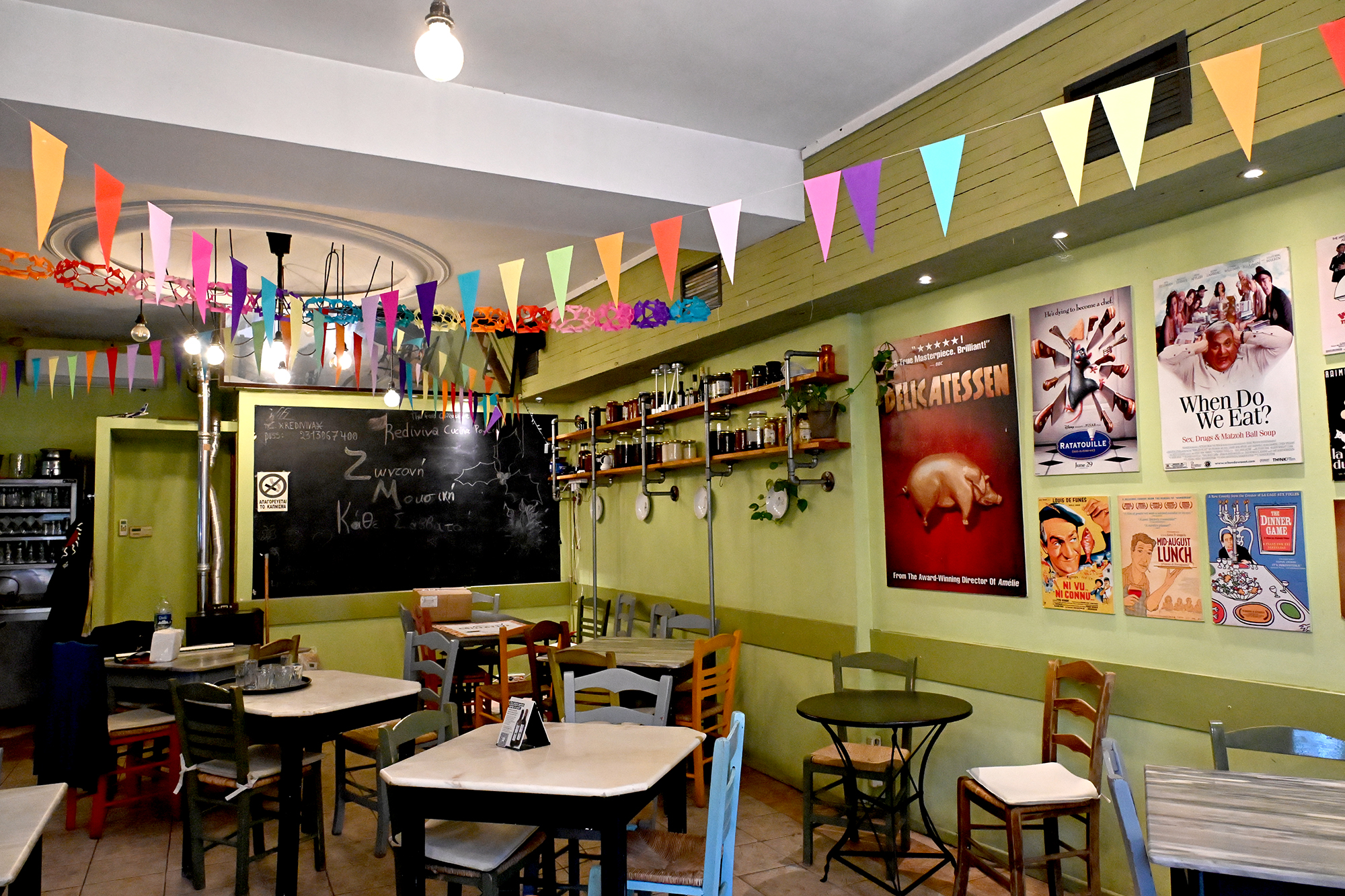
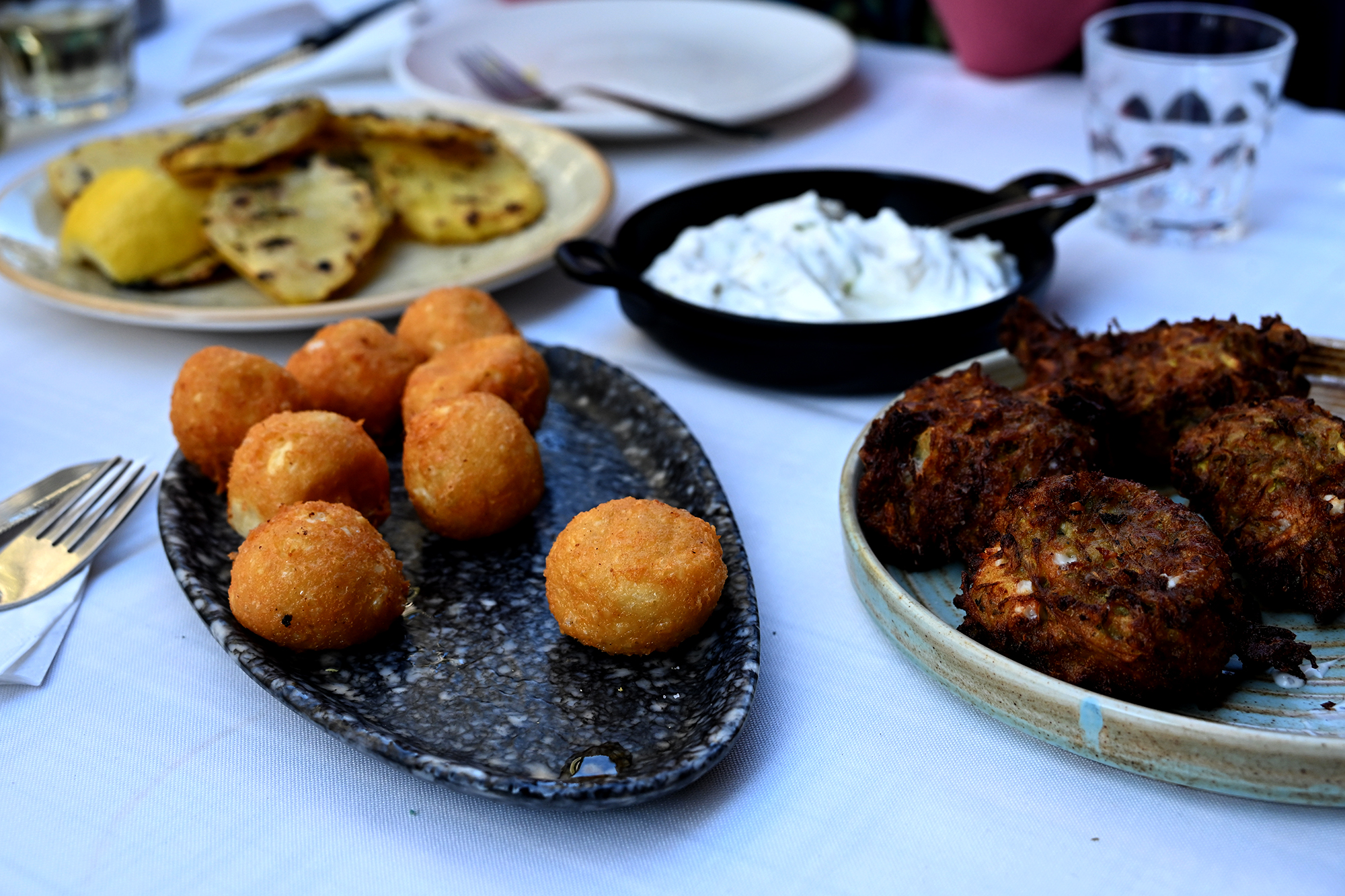
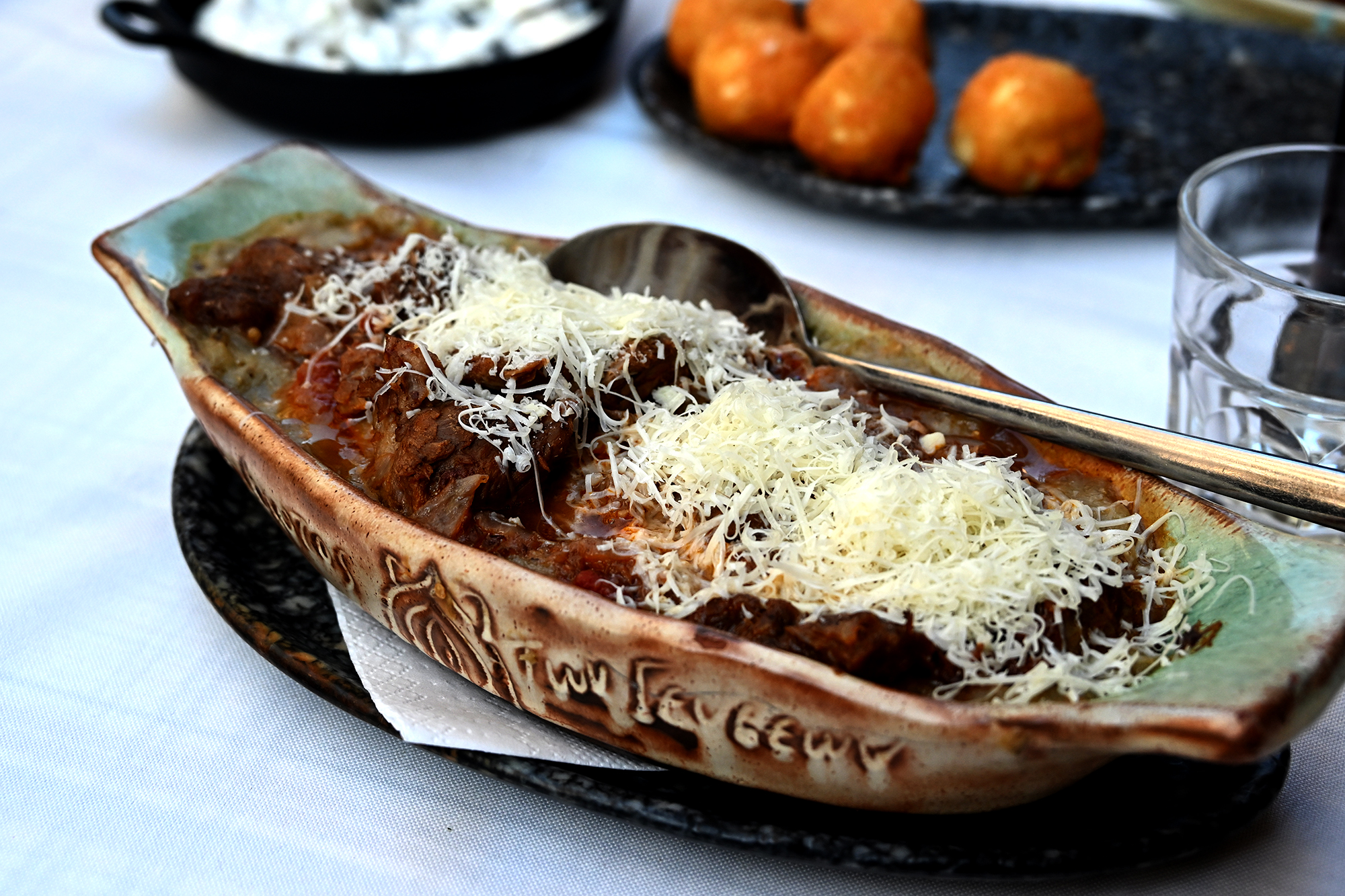
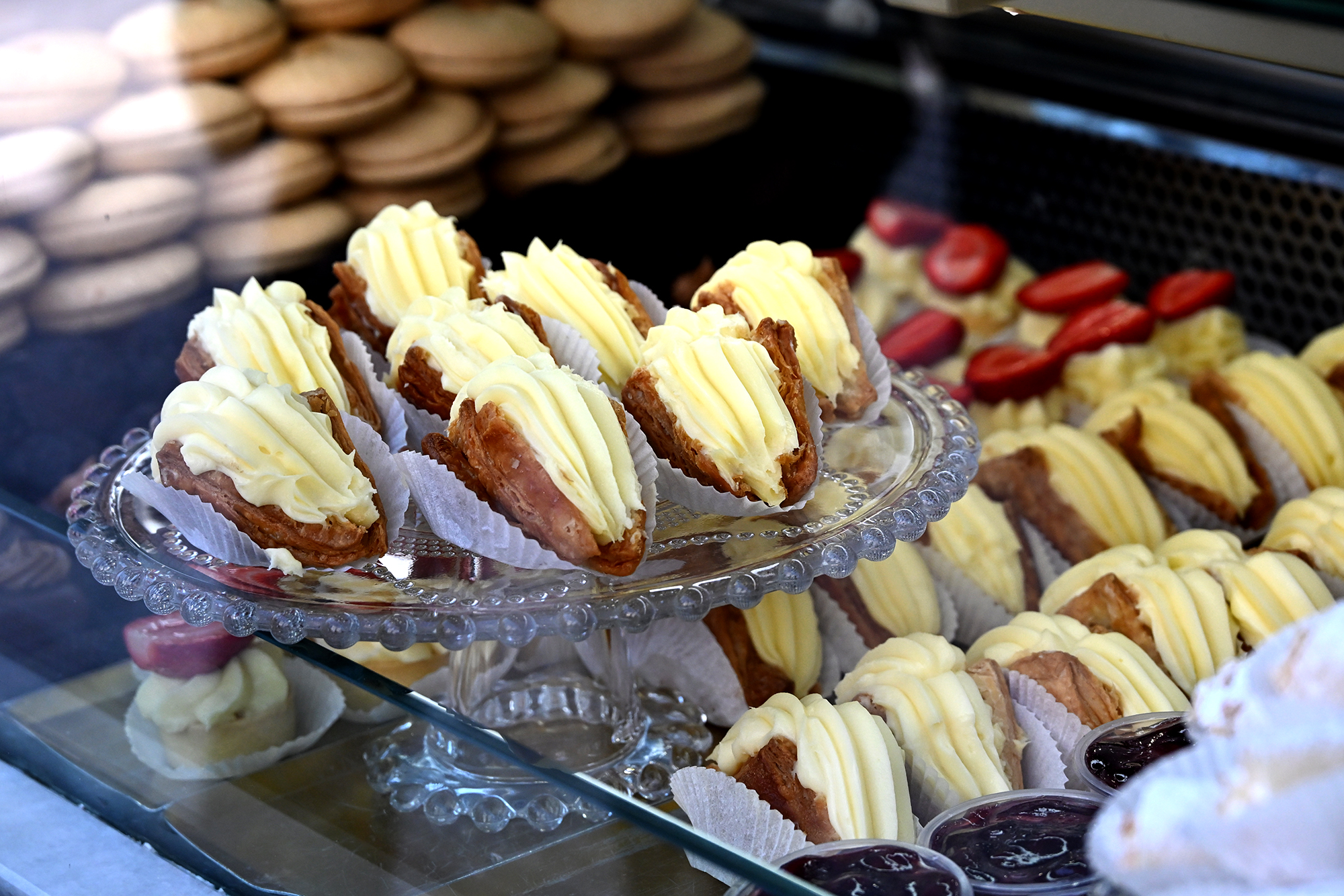
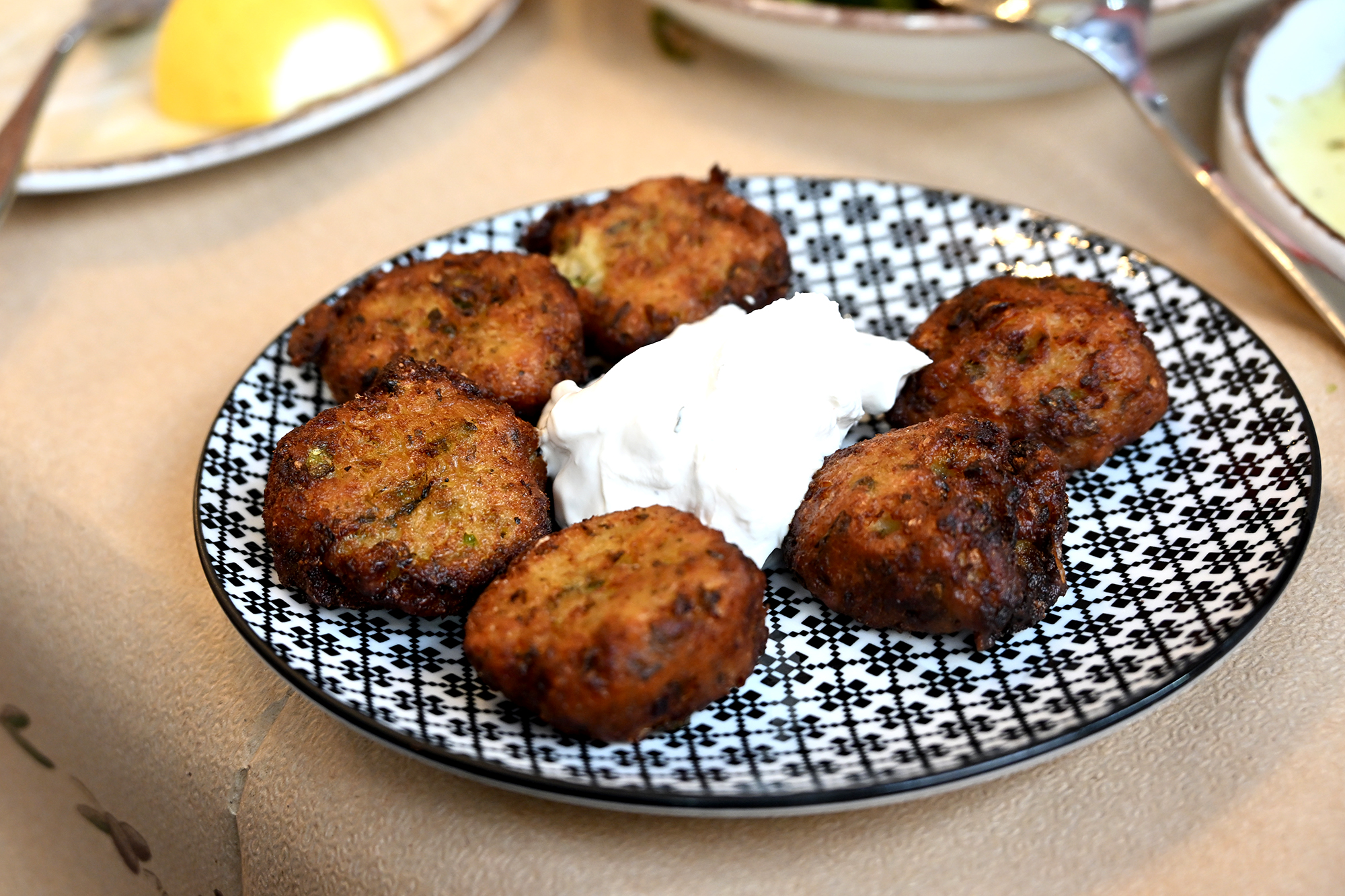
Up in Ano Poli, we settled on Rediviva Cucina Povera, as it was warmly recommended by a lady standing in front of its entrance. We assumed she was the waitress, but it turned out she was just another guest, which is a great way to get a recommendation. As described by the name, they focus on simple, local staples, which in Thessaloniki implies a mix of Greek, Ottoman and Sephardic cuisine. The keftikas de puero (leek meatballs) were particularly delicious, though, as a warning for meat eaters, the leek is definitely the star of this dish. Kivotos ton Gefseon is tucked around the corner from Café Oino, near the Rotonda, so much so that the same large ginger cat holds double employment at both places. Their hunkar begendi (translated from the Turkish roughly as ‘the sovereign liked it’, essentially an aubergine-beef stew) proved to be absolutely delicious. Having seen people queue extensively to procure themselves trigona, we decided to give this typical Thessaloniki dessert a try. Triangle shaped (hence the name), they are basically the love child of a baklava (the pastry part) and a pastel de nata (custard cream is involved in the filling). They are delicious but brazenly sweet, so I would probably settle for one a week and then run the whole length of the Thessaloniki boardwalk on the resulting energy burst. Popular spots in the centre are Trigona Elenidi and Konstantinidis, ours came from the latter. Finally, I must mention the delight of traveling to Greece with a fellow retsina lover. We spent the trip trying several different sorts, such as the Vassiliki and the Kechri, only to come to the conclusion that nothing beats the good old Malamatina, the most basic version which you can find in supermarkets and kiosks for a pittance. The thick taste of resin is the taste of sunshine in Greece.
 Pocket Diary Budapest