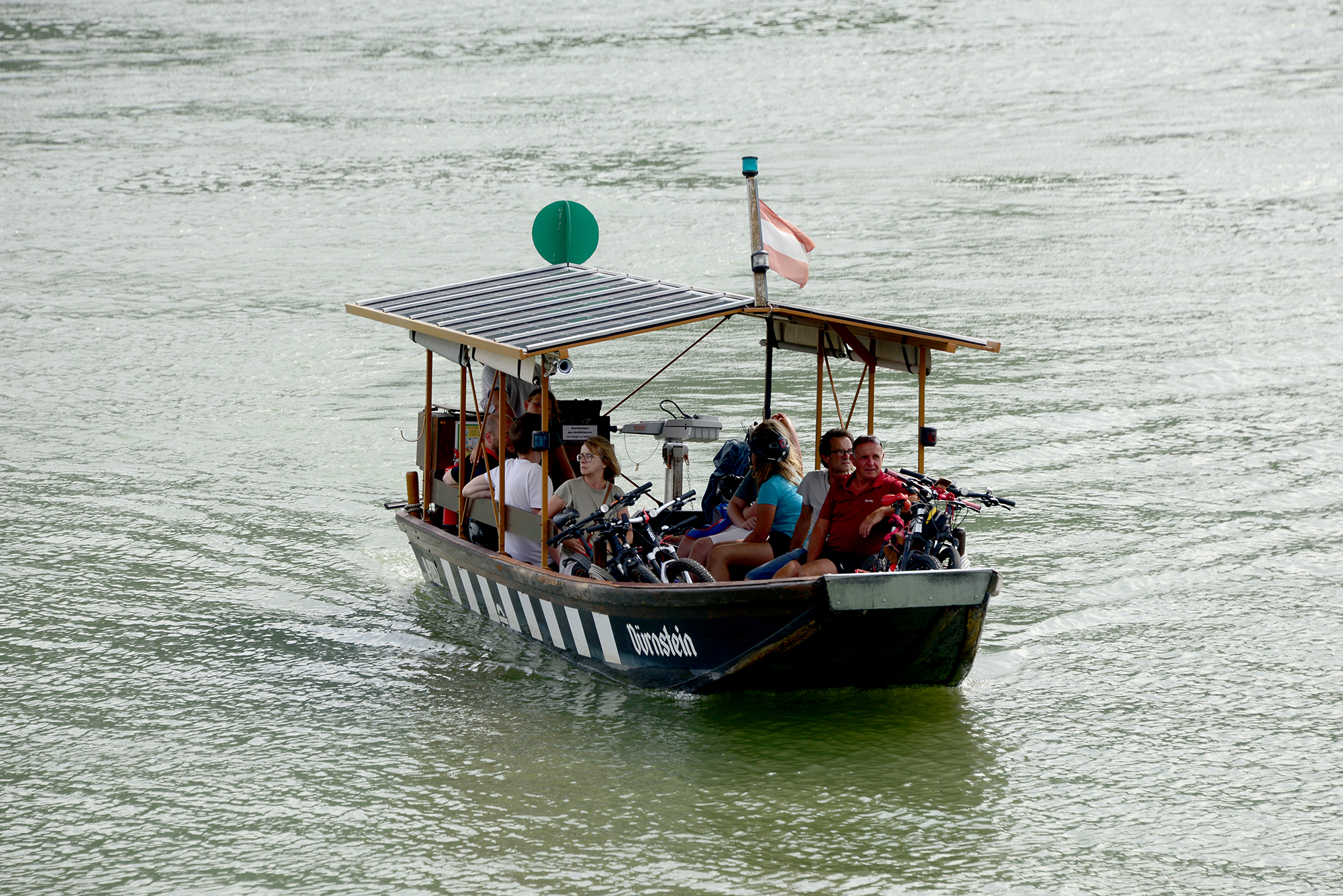
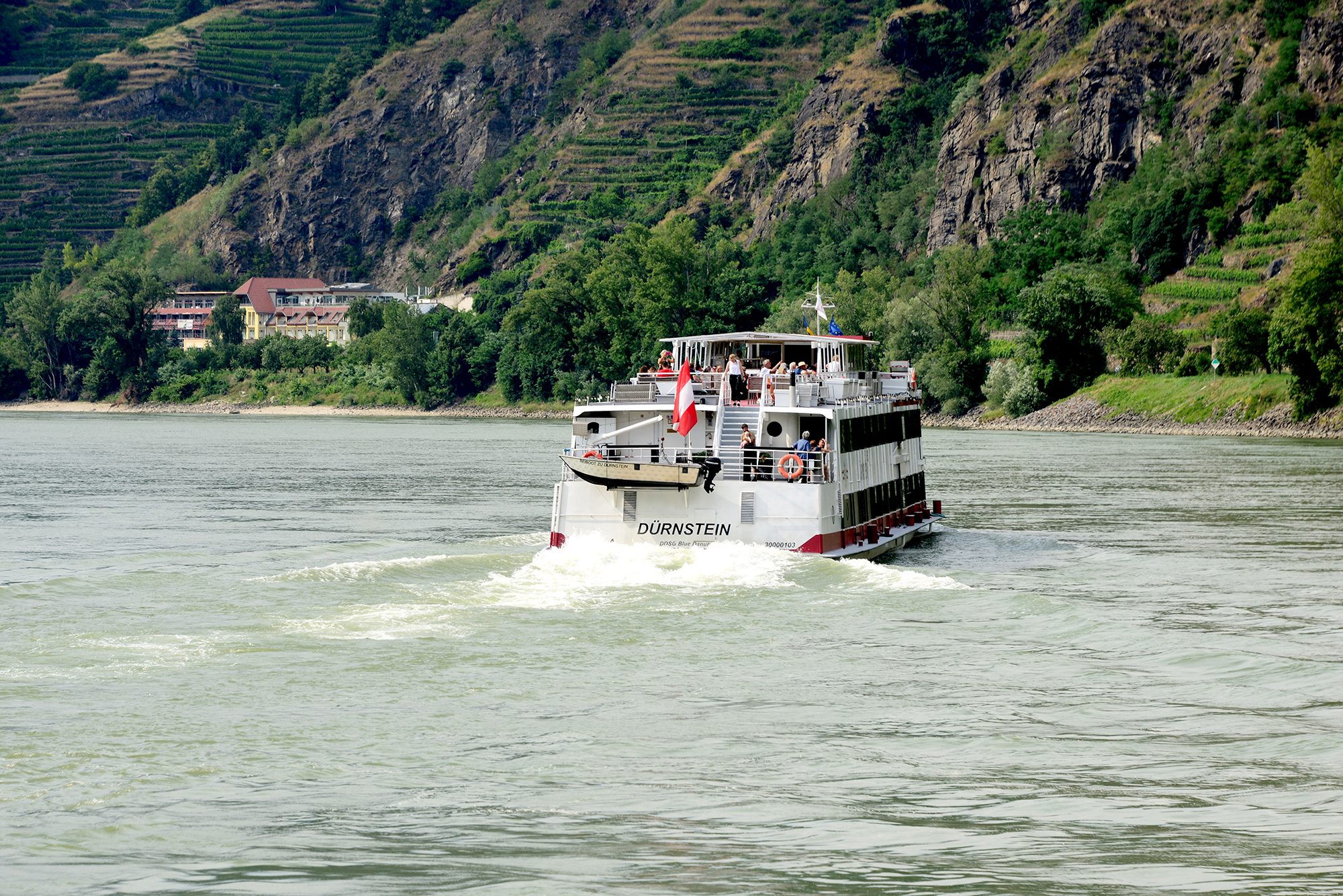
What better way to chase away the gloom of grey midwinter, than by reminiscing about, and perhaps planning, a summer holiday. The seed of this holiday was in fact sown in winter. A few years ago I had watched the New Year’s Concert of the Vienna Philharmonic, parts of which are always illustrated with short films showcasing Austria’s regions. Unavoidably, the Danube features preeminently. That time around, it was the turn of the Wachau- a scenic, 36 kilometre long valley stretching along the river between the towns of Melk and Krems, a UNESCO World Heritage Site since 2000. I took a mental note and then moved on to other travels. However, this summer, when I was called upon to plan, on rather short notice, a family holiday which would be entertaining but not too taxing, the Wachau sprung to mind. Given our focus on the non taxing bit, we traveled by car, but both ends of the valley can be comfortably reached from Vienna by train, with either trip lasting about an hour. I have to underline that there are people, and quite many of them, who very much want to be taxed in the Wachau. There are scenic trails on both sides of the river for walkers, an excellent bike lane for Lycra clad weekend warriors, and rowing is also an option. While you may choose to arrive with, or on, your bike, rentals are also widely available. Absolute heaven, therefore, for all Germanic peoples who love to dabble in a bit of Sport.
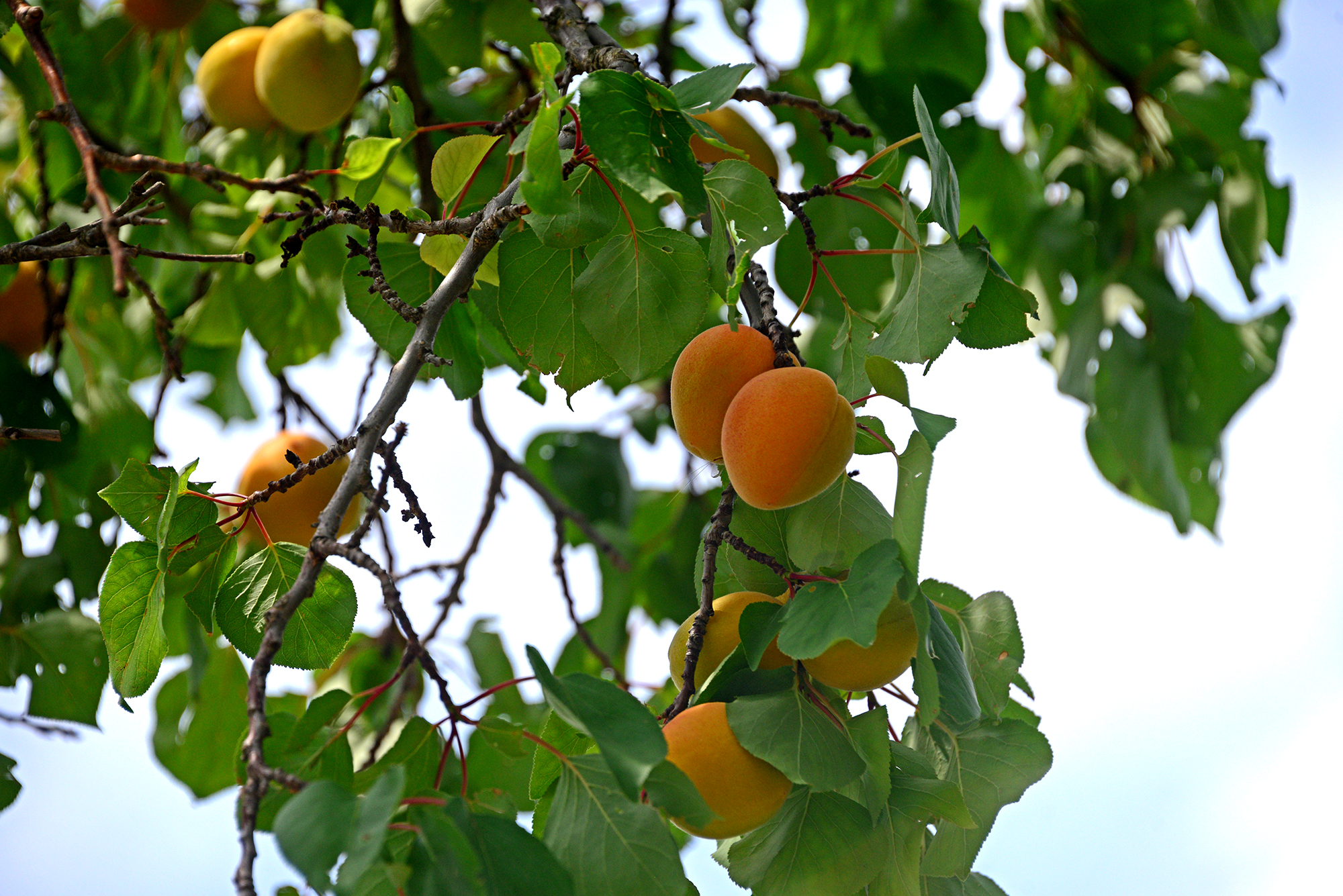
And not only. The more you get to know the Wachau, the more it strikes you as a forgotten little corner in the gardens of Paradise. We arrived smack in the middle of apricot season, when orchards along the valley were aflame with the colours of the ripening fruit, trees both young and old bending under the weight of this splendid harvest. I have long loved apricots and found them, in their best version, to be far superior to the often more praised peach. But good apricots are indeed hard to find, and I would haunt the markets of Budapest in search of a very precise taste lingering on from my childhood. You can immediately know the taste will be right by the smell, and the smell was nowhere to be found either. I had given up hope, thinking it was perhaps all an illusion, one of those tricks your memory plays, making things of the past brighter, better, tastier than they really were. My memory was not playing tricks. These apricots exist. They grow in the Wachau. And the people of the Wachau are rightly proud of their apricots. They eat them raw, they turn them into jams, they dry them and coat them in sugar, they brew schnapps and brand (as we have learned, the latter always of a higher quality than the former), they dowse their Kaiserschmarrn in apricots and pack juicy chunks into delicious hot dumplings. They pour apricot liqueur into the Aperol Spritz and explain smugly how much better their version is. There are so many apricots they will even use some for soaps and creams. You can buy apricots by the road, they’re stacked in boxes by the gates of the orchards, or you can pick them yourself. You can’t go very wrong with any apricot themed products, to be fair, but we can warmly recommend Tastedillery for the Marillenbrand (Marille is the word traditionally used for apricots in Austria and Bavaria, whereas other German speaking regions will favour Aprikose). Wieser Wachau have excellent jams and a good selection of sugar coated apricots plus a much advertised delicacy delightfully called Rabbit Shit- small chocolate candies resembling rabbit droppings . The peak of apricot mania happens in Krems as part of the yearly Alles Marille! festival, which is slotted to take place between July 9th and 26th in 2026.
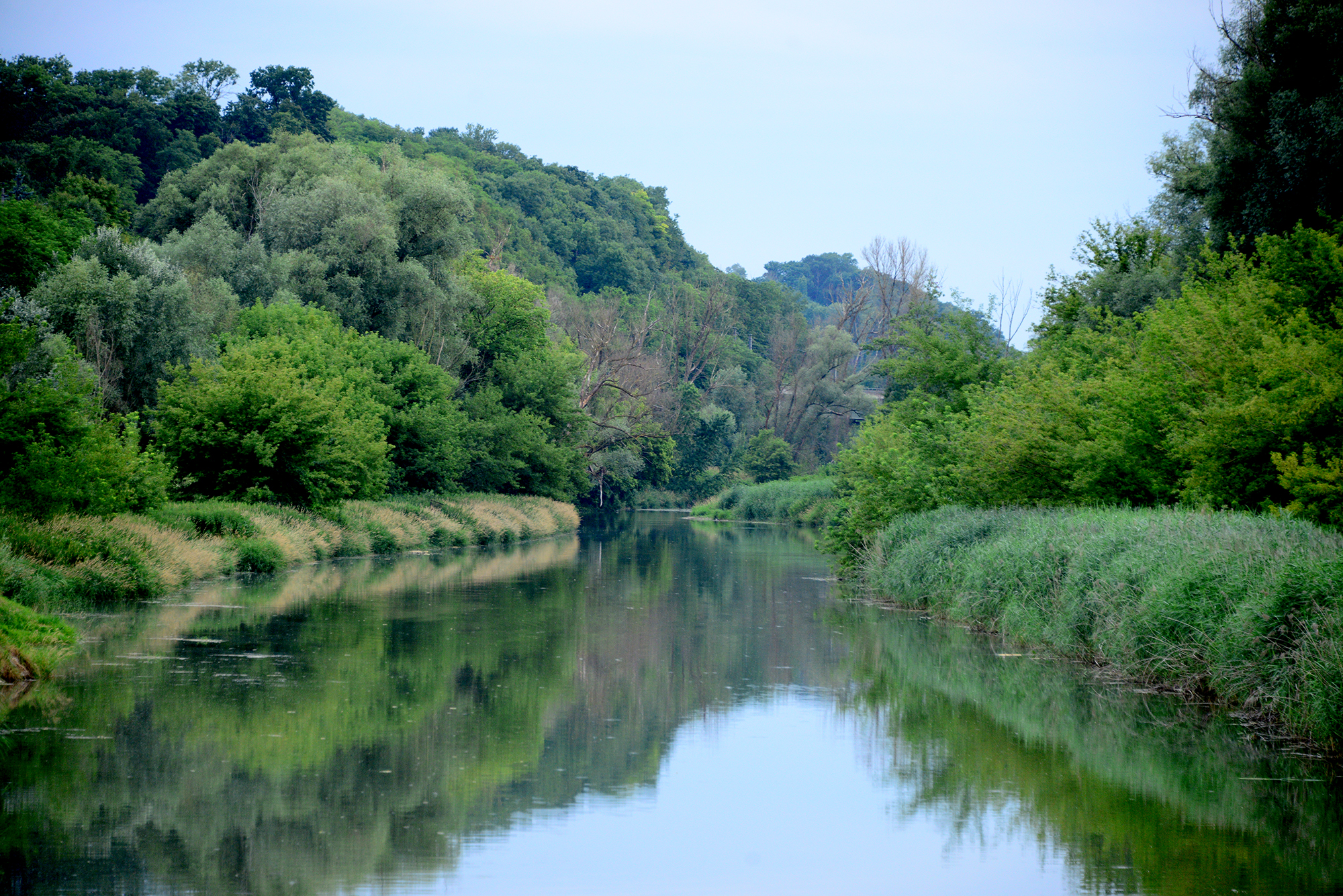
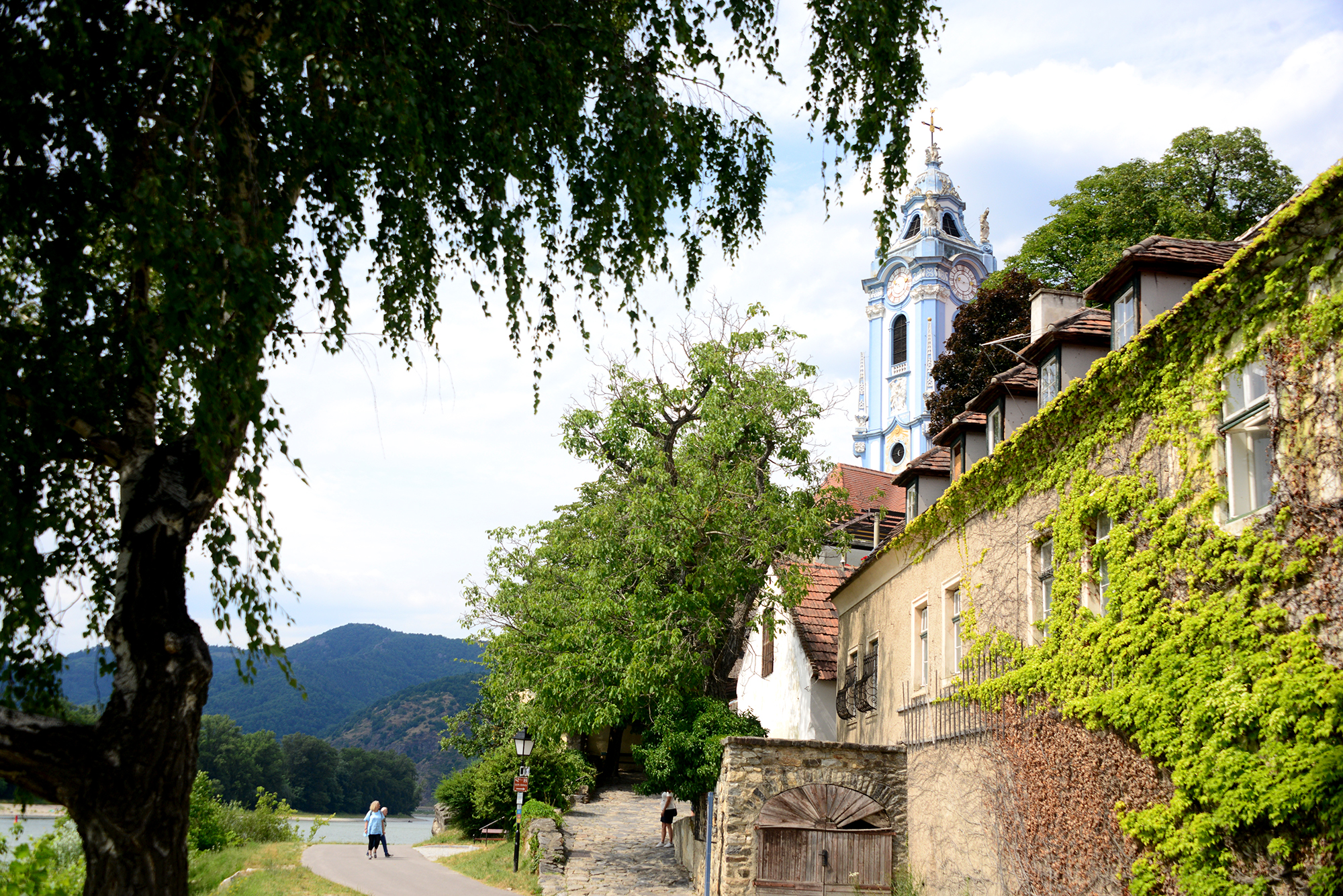
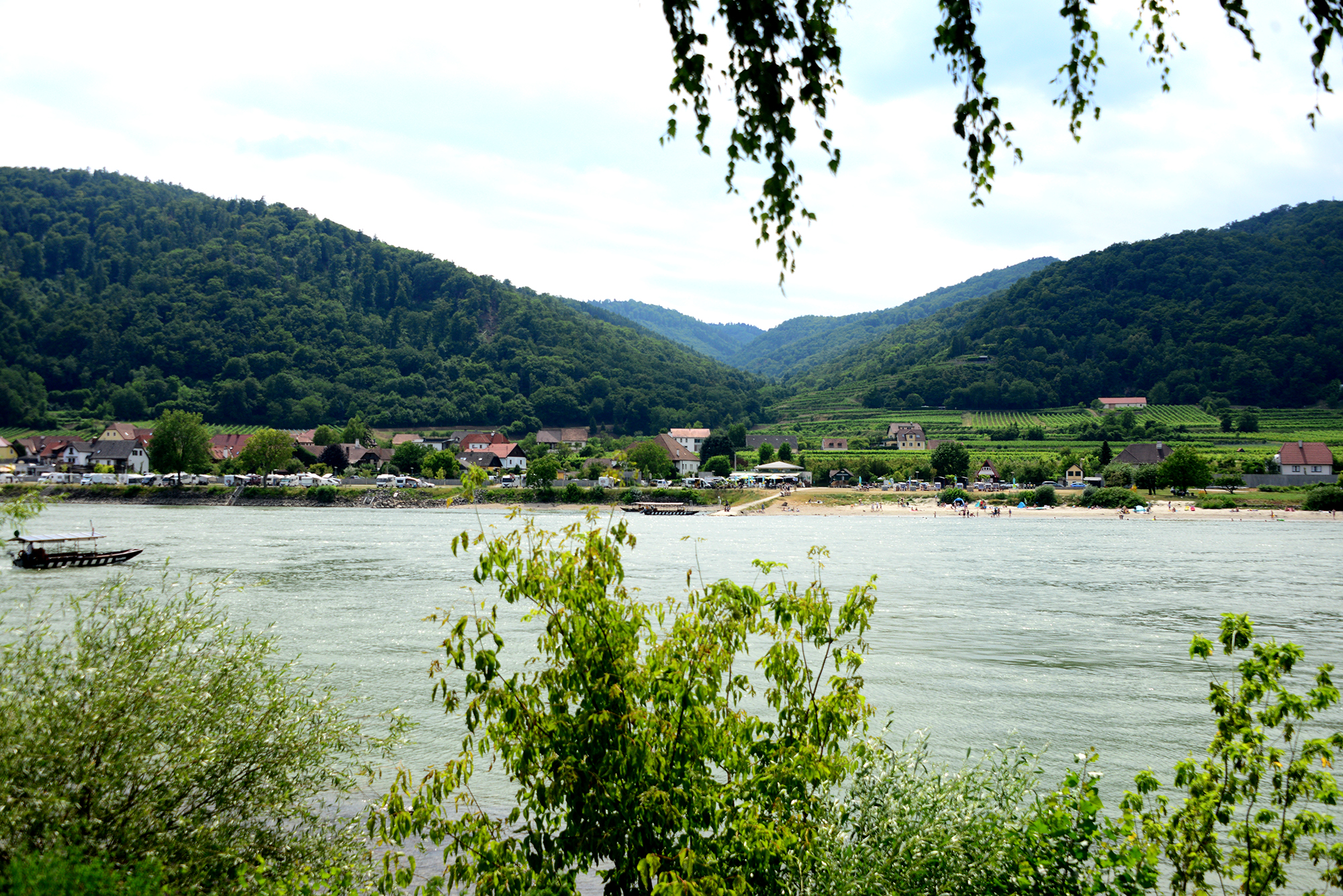
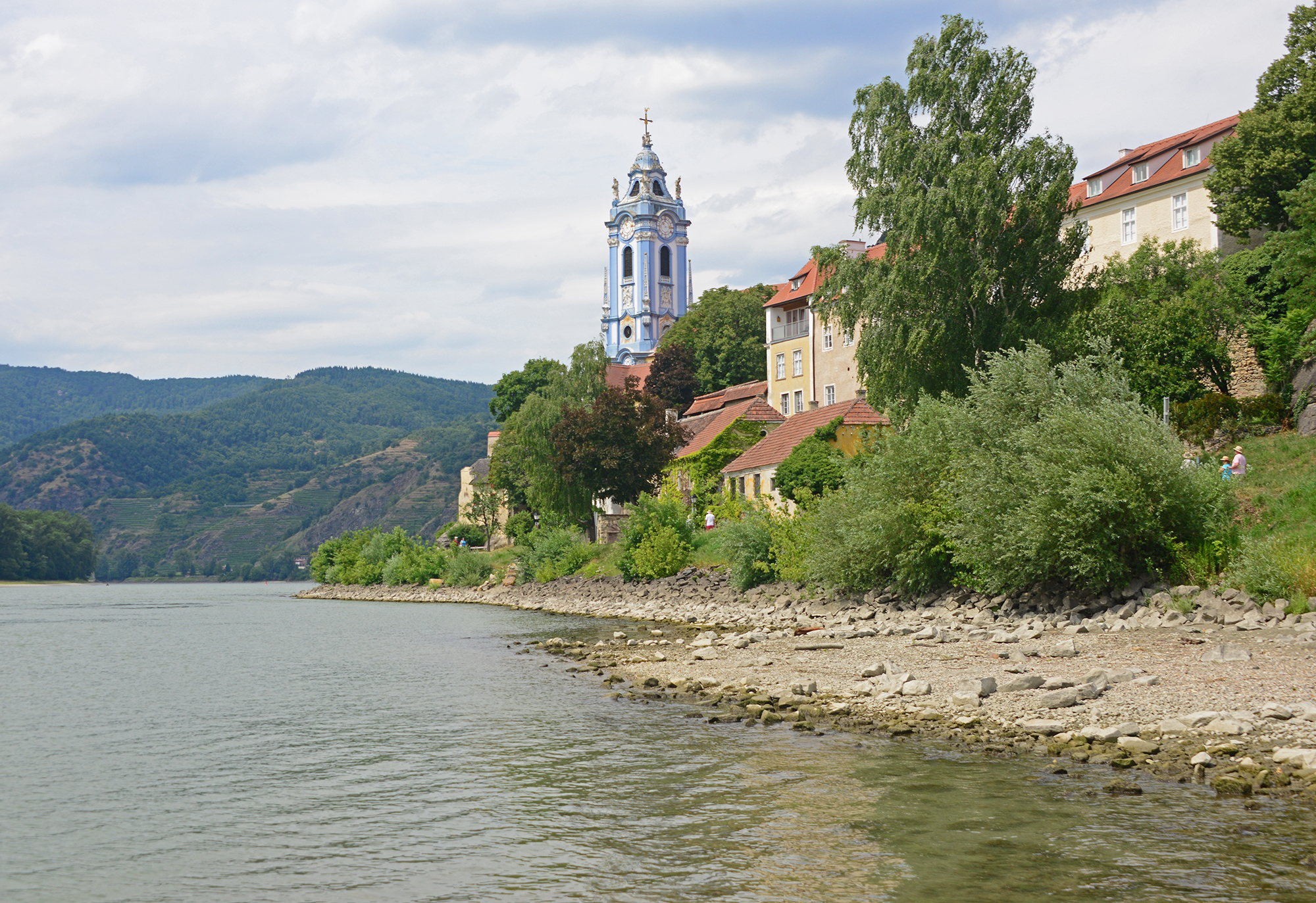
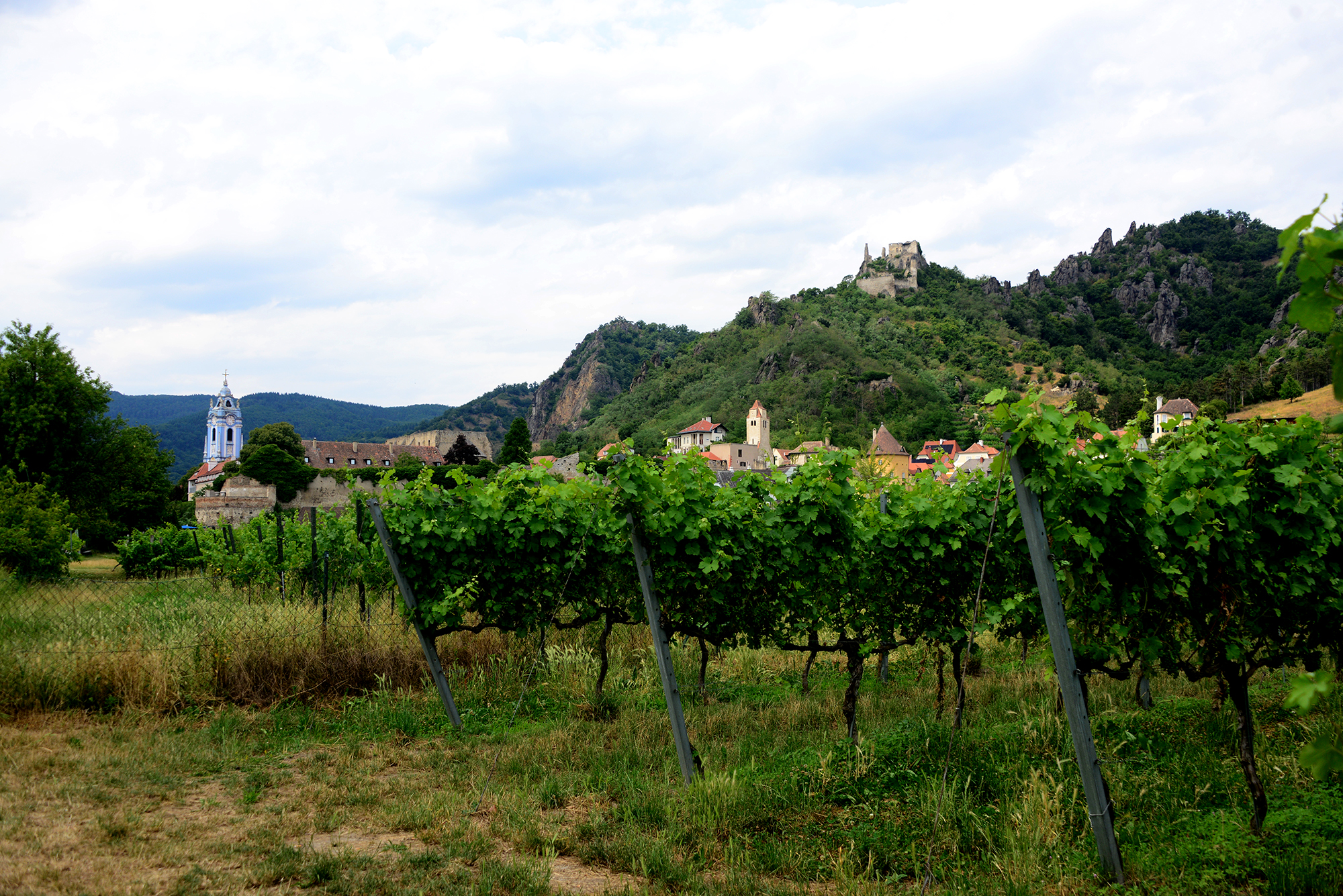
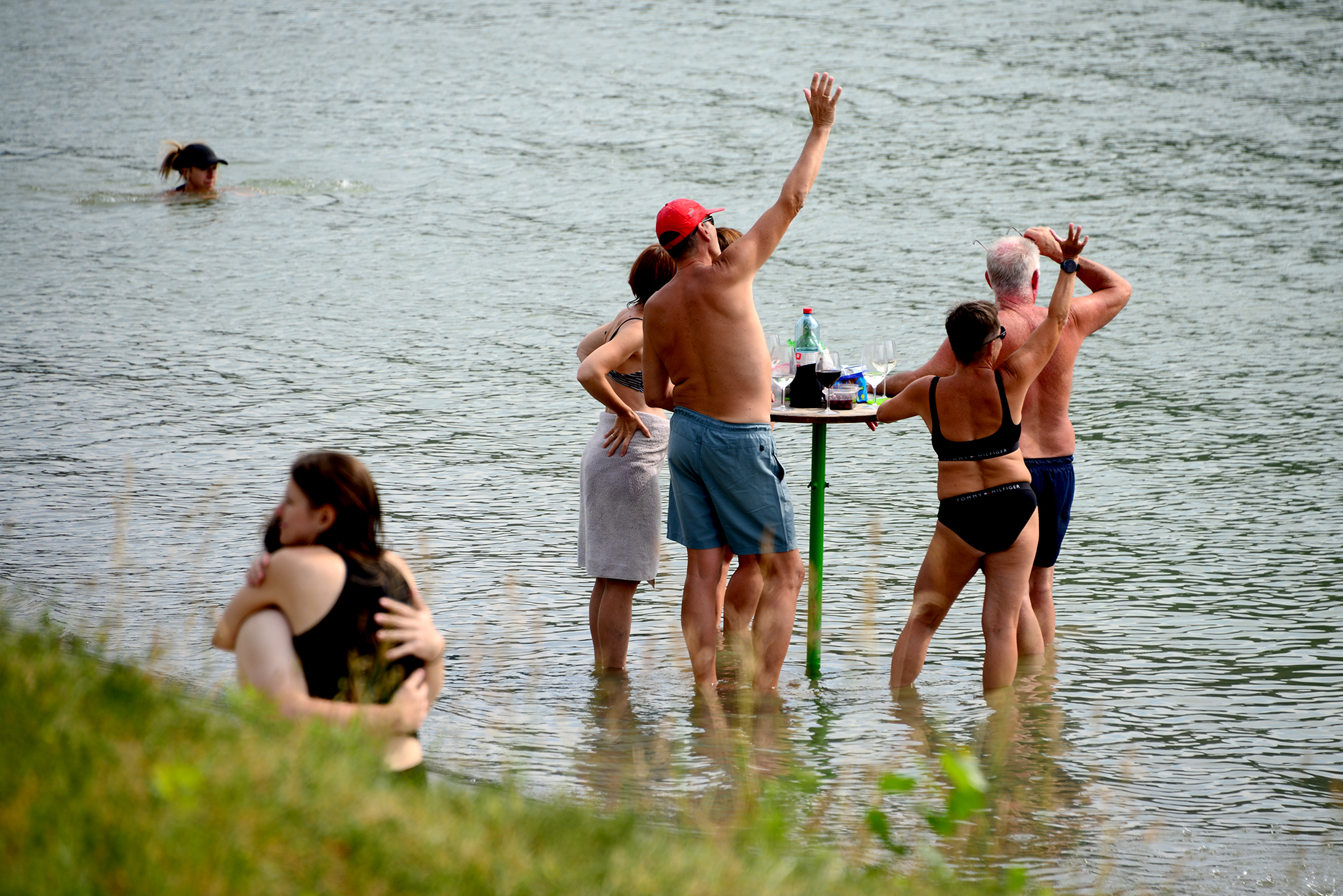
Should you be oddly ill inclined to apricots, the Wachau has another season of bounty in autumn during the grape harvest. Lush vineyards cover the slopes descending towards the river, alternating with the apricot orchards. The most typical grapes are the Grüner Veltliner and the Riesling. As locals will tell you, famed Chardonnays have nothing on their wines. Pride of place is very much a thing in the Wachau, but so is kindness to travelers, as the Danube will have served as an artery for transportation for thousands of years. Patrick Leigh Fermor enthusiastically included this stretch of the river in a Time of Gifts, the famous account of his travels from the Netherlands to Constantinople in the 1930s. About a millennium earlier, Richard the Lionheart had ample time to admire the splendours of the valley as he spent his days in Dürnstein castle, imprisoned by Leopold V, Duke of Austria, after a bust up during the Third Crusade. On the day of our visit, the remains of the castle loomed benignly over the river flowing lazily in the summer heat. People bathed in the river and drank beers knee deep in the cool flow. The blog’s industrious co-photographer, who has grown up by the sea, was somewhat taken aback. Surely the waters are quite dirty, we all know the Danube is not blue, but brown. (Or yellow. A less well known Jules Verne novel, published posthumously with ample reworks by his son, Michel, under the title The Danube Pilot, was originally called Le Beau Danube Jaune– the Beautiful Yellow Danube). He evidently doesn’t understand river people, though. You dote on your river no matter water. It was, and forever will be, an artery of life. Love weaved from silt, muck and mire. I was about to be carried away by overthinking, when mundane joys anchored me firmly to the shore: beer and sausages in the humble but lovely riverside shack known as Zur Emma. They were about to close, but humoured famished travelers with one last round of food and drinks. On the horizon, storm clouds gathered. It rained on and off the full weekend, but the Wachau wears the rain well. It needs it, to feed the greenery, so thick in places as to feel primordial. About halfway between Krems and Melk lies Willendorf, where the famous plump Venus statuette was found in 1908, tucked away in layers of river and time. Today residing in the Natural History Museum of Vienna, she dates back to about 30.000 years ago. Primordial is hardly an exaggeration.
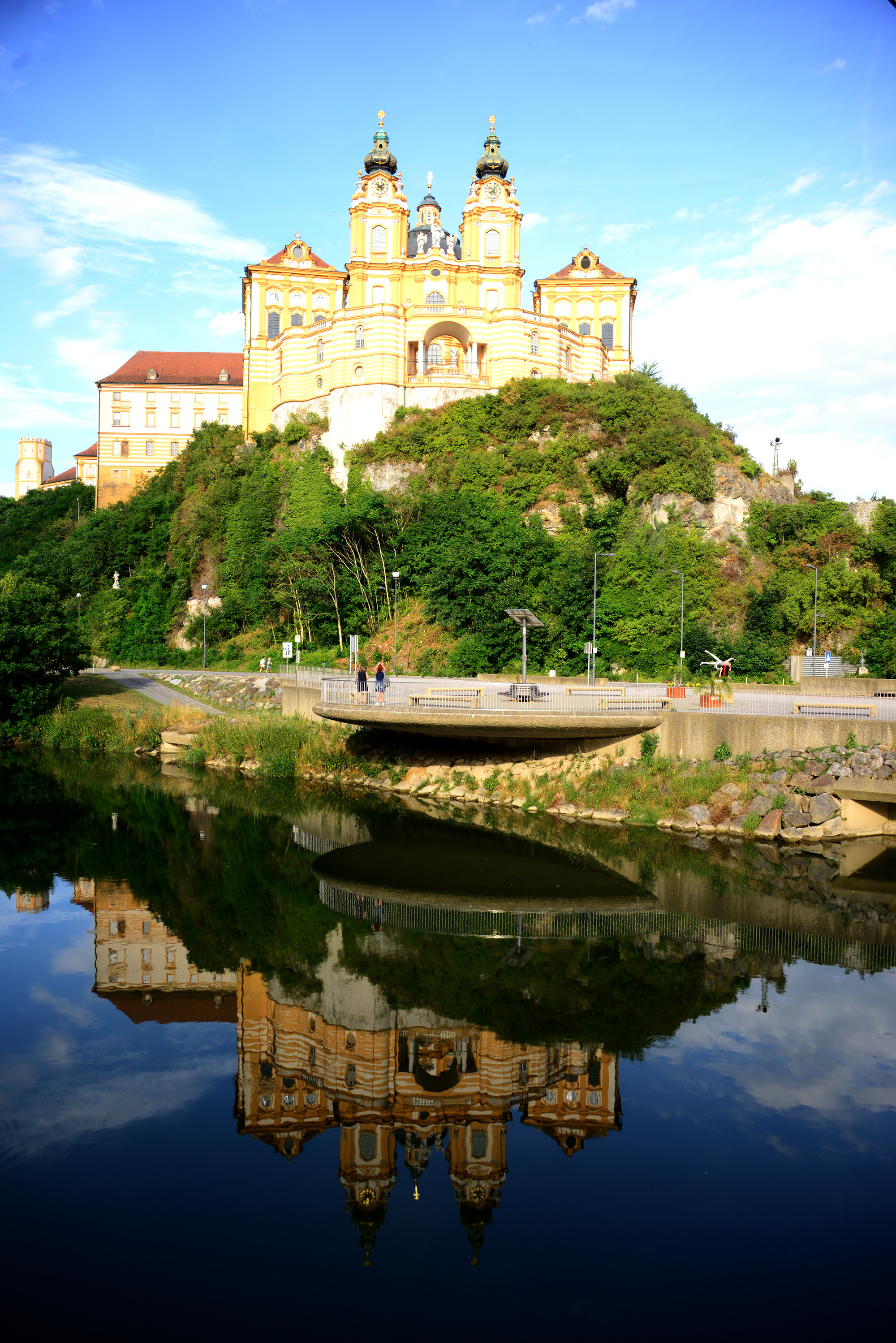
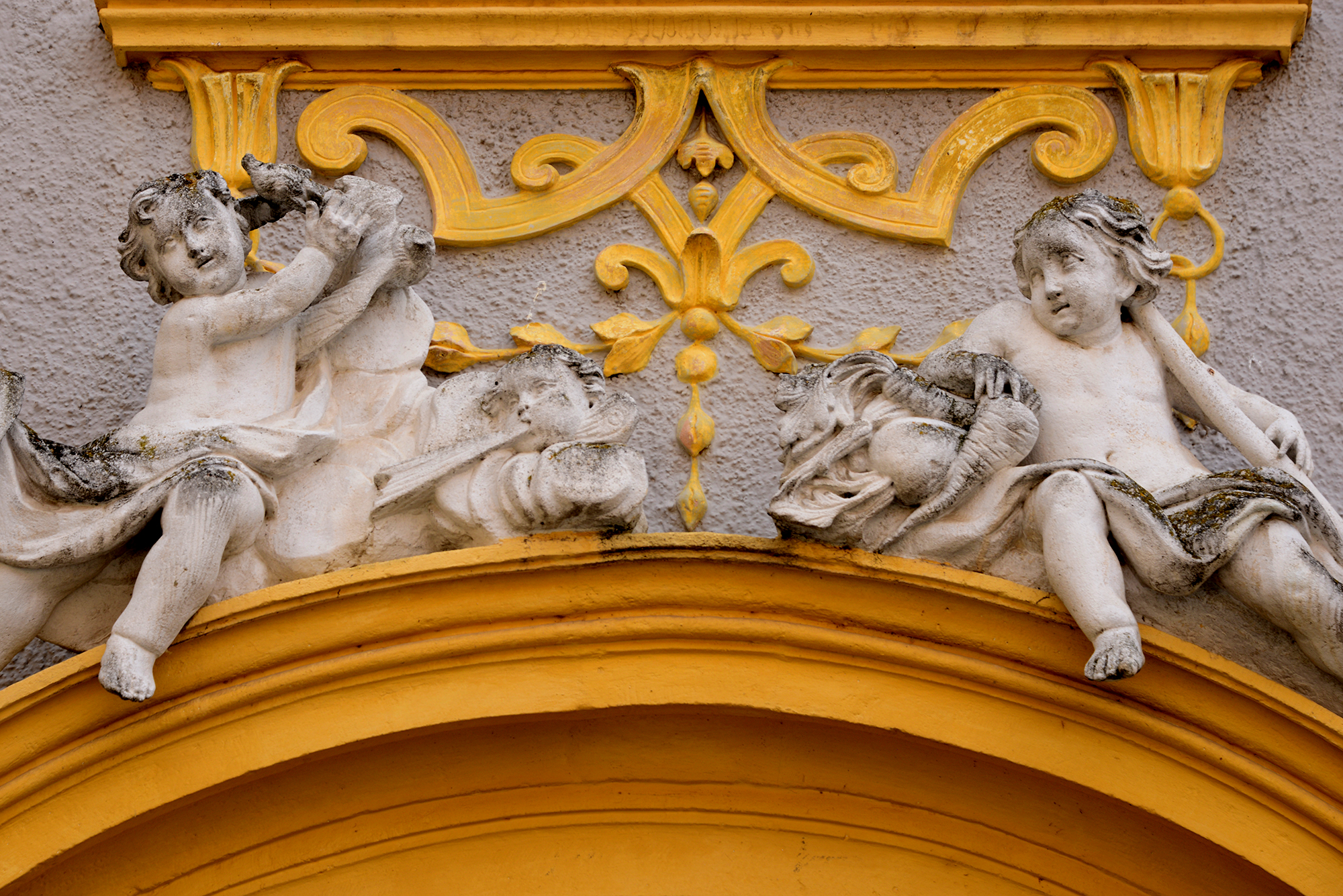
Upstream, the town of Melk crouches timidly under the weight of its abbey, one of those Baroque undertakings which looks more like someone’s idea of a gigantic strawberry cake than a building. The current version dates back to the 18th Century, but the original abbey was established much earlier, in the 11th Century, by monks of the Benedictine order. The abbey’s library is rightly famous and houses a number of rare manuscripts, many of them saved by monks from a number of fires which devastated the building. One exciting rarity is a partial copy of a thirteenth century poem, Der Rosendorn, in which a virgin has a conversation with her separated, speaking vulva. And we thought the Vagina Monologues were ground breaking. In a less obscure literary connection, Umberto Eco named one of his characters in The Name of the Rose Adso of Melk, a tribute to the abbey’s long tradition as a centre of learning. Also on display are two exquisite globes, from the late 17th Century, the work of Italian Franciscan friar Vincenzo Coronelli, one of the most prominent cartographers of his time. The monastery can be visited daily, bar on holidays, with longer opening hours in summer-there is an option for a full visit, for 16 euros at the time of writing, and another for the park only, which costs 5.5 euros. Speaking of the park- we did not see it, as our visit to the abbey coincided with a rather biblical summer deluge. The library is about to undergo an extensive renovation, so it will be only partially open in the 2026 and 2027 seasons.
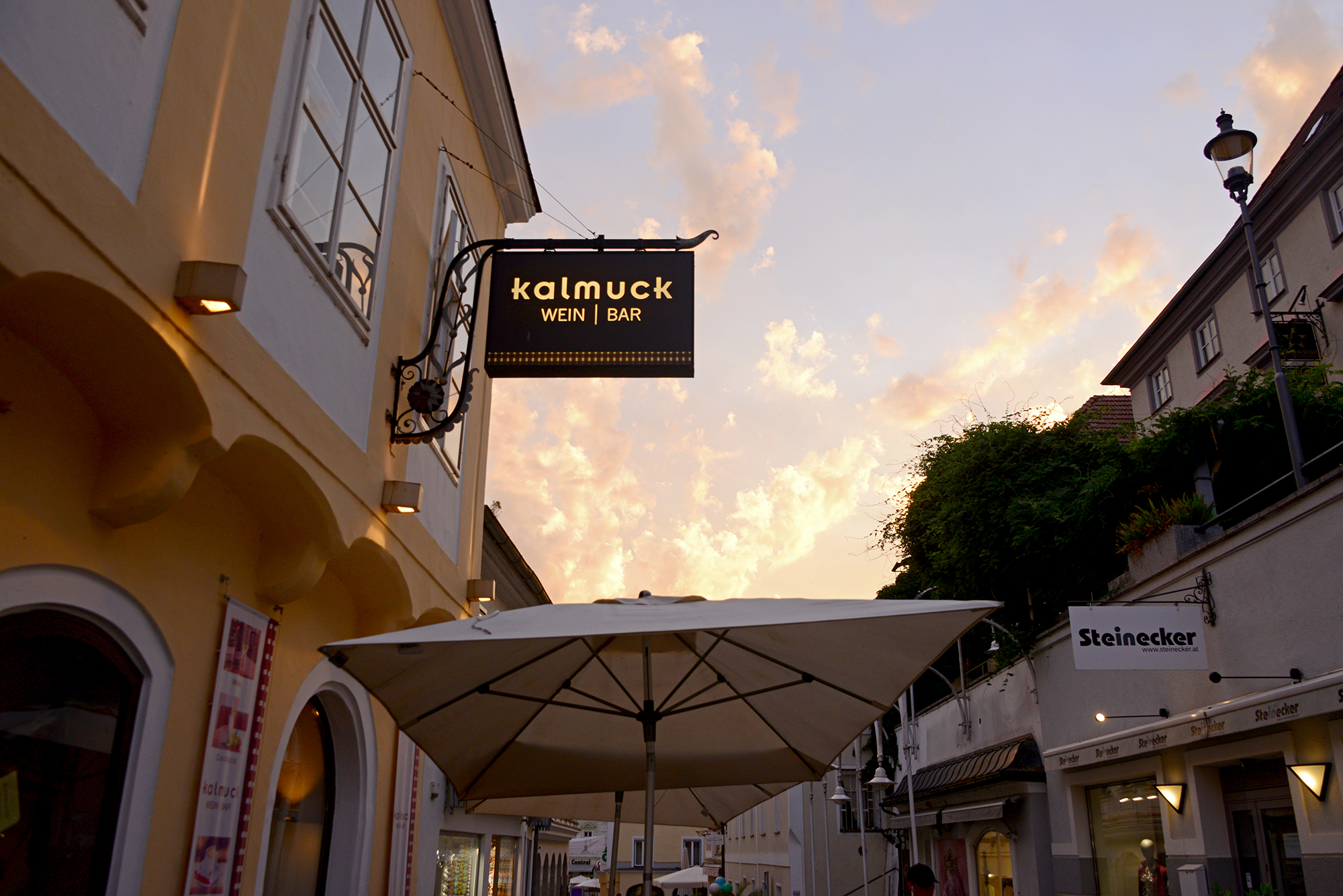
Our headquarters for the stay was the Hotel Wachauerhof in Melk, which matches the city’s charms perfectly, being both quite grand and quite dated at the same time- gilded decor with no air con in the rooms, and a lift that works based on mood, but a good breakfast and an adjacent restaurant that serves all the well loved local staples. Plus a TV set(our apartment in Vienna later in the year did not have one) to revel in one of the unique pleasures of an Austrian stay: the morning round up of weather in different places around the country, occasionally accompanied by men and women in folk costumes yodeling on scenic mountain tops. Kalmuck Wein Bar is an excellent late evening option for cocktails and local wines, plus a selection of good pizzas. While not necessarily reaching any culinary heights, Mole Melk has a splendid view of the rive. It is also right by the passenger boat terminal, and the camping site, which was packed to the brim with the kind of travelers I both admire and fear a little bit: people who will voluntarily choose various degrees of discomfort over a nice, clean hotel bed. In Krems, after having bumbled into the aforementioned apricot festival, we went for the absolutely bog standard beer garden, namely the Hofbräu am Steinertor and were not disappointed, in spite of being exiled indoors (which does feel like a contradiction in terms), as the terrace was completely packed.










 Pocket Diary Budapest