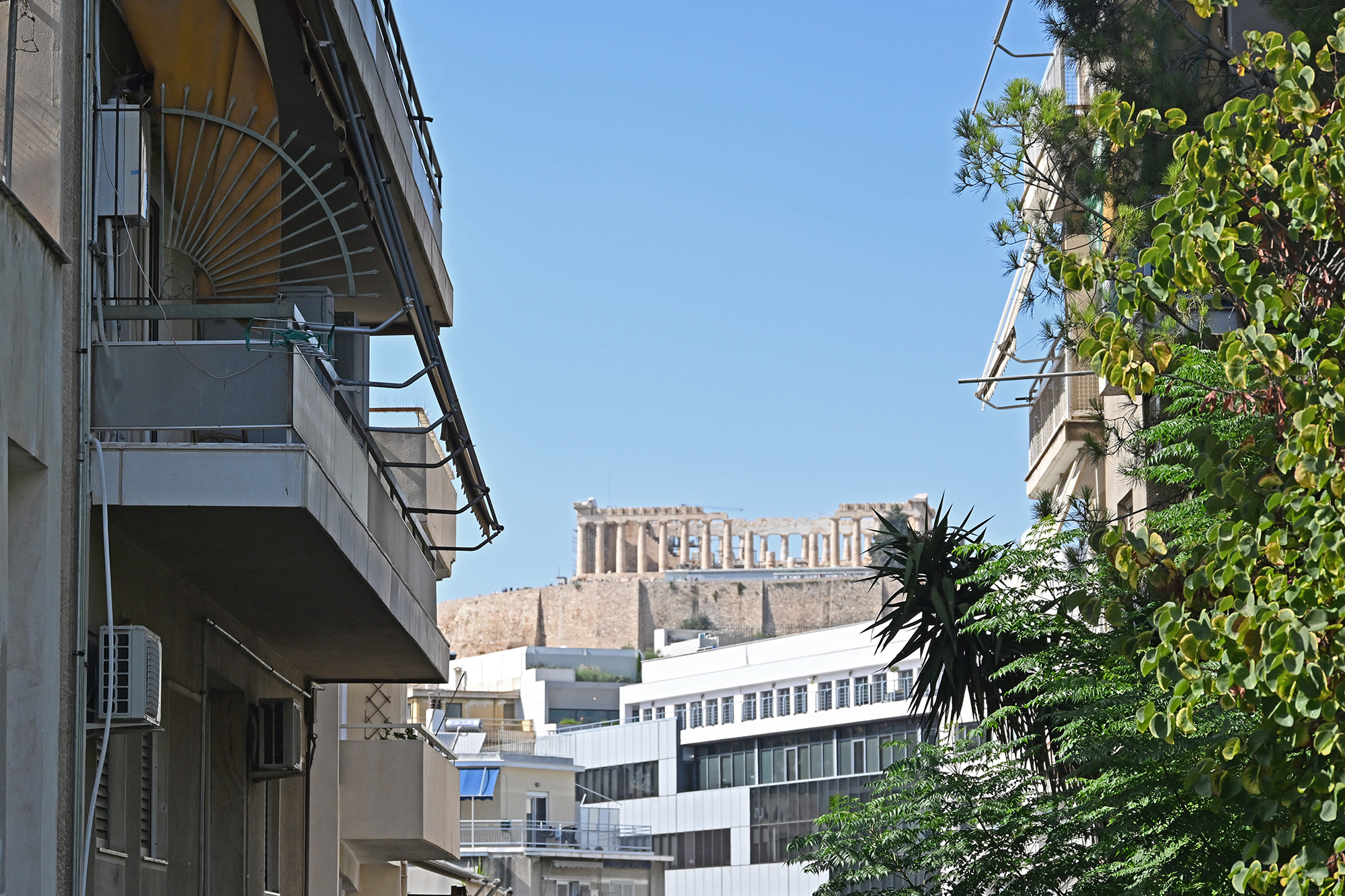
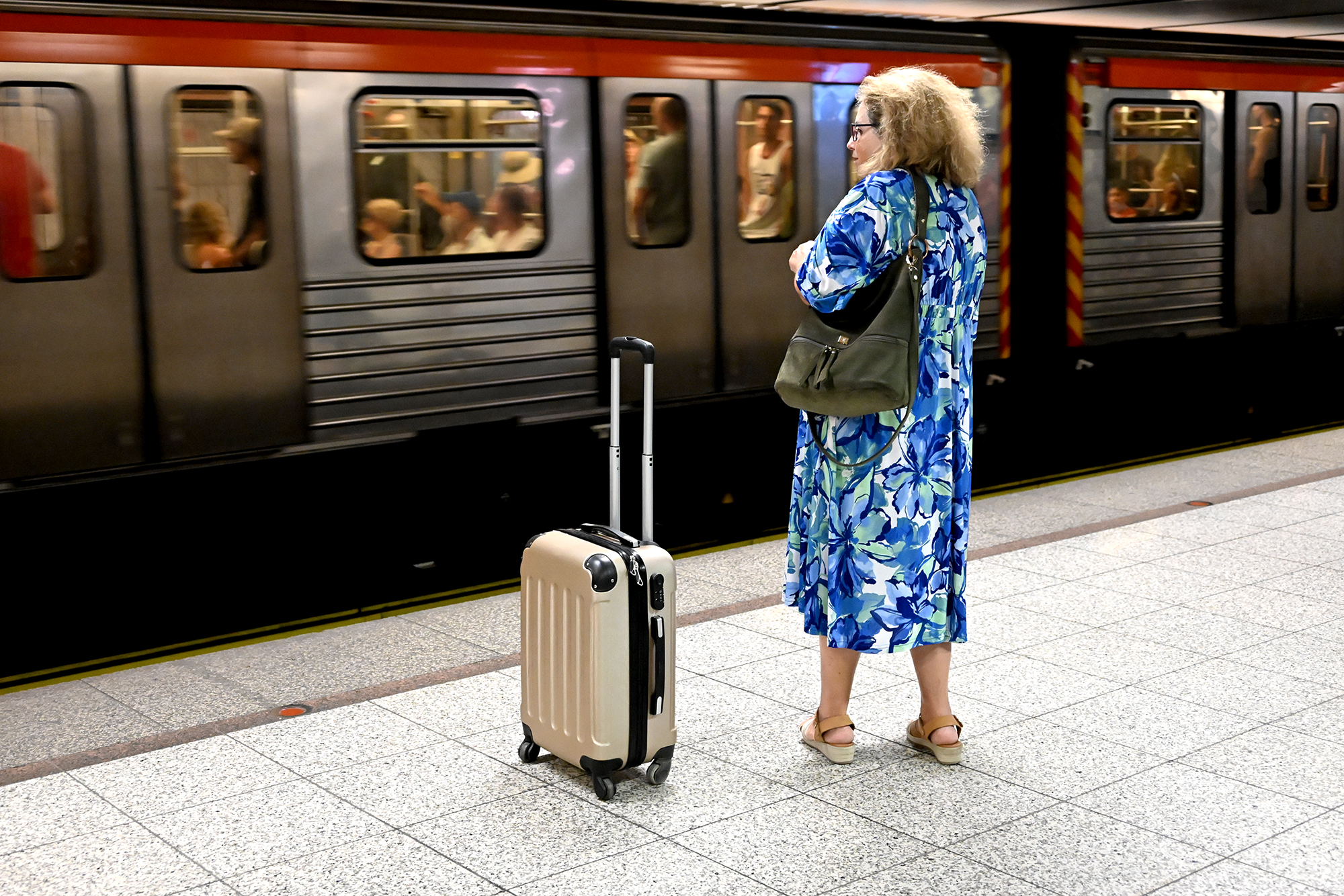
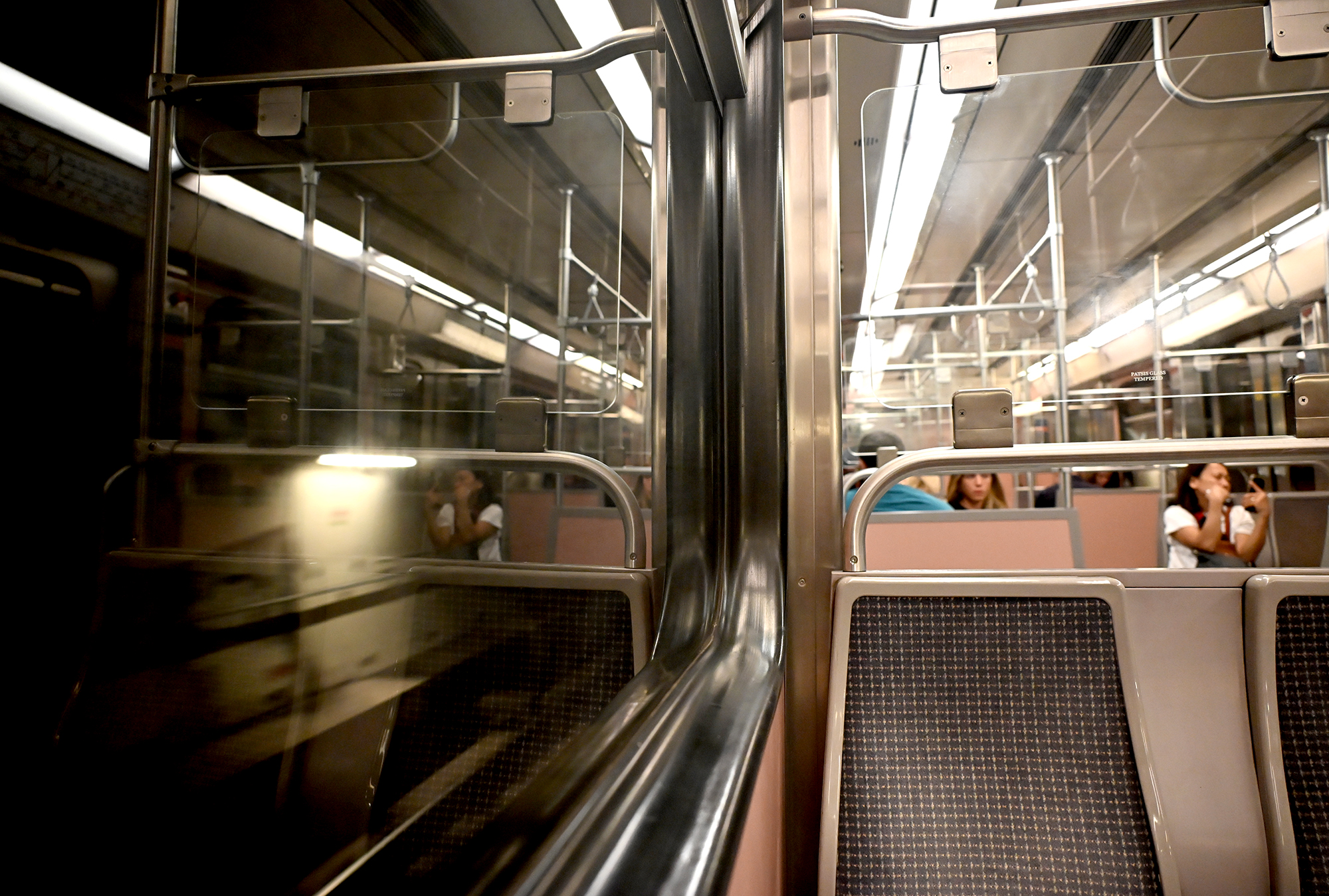
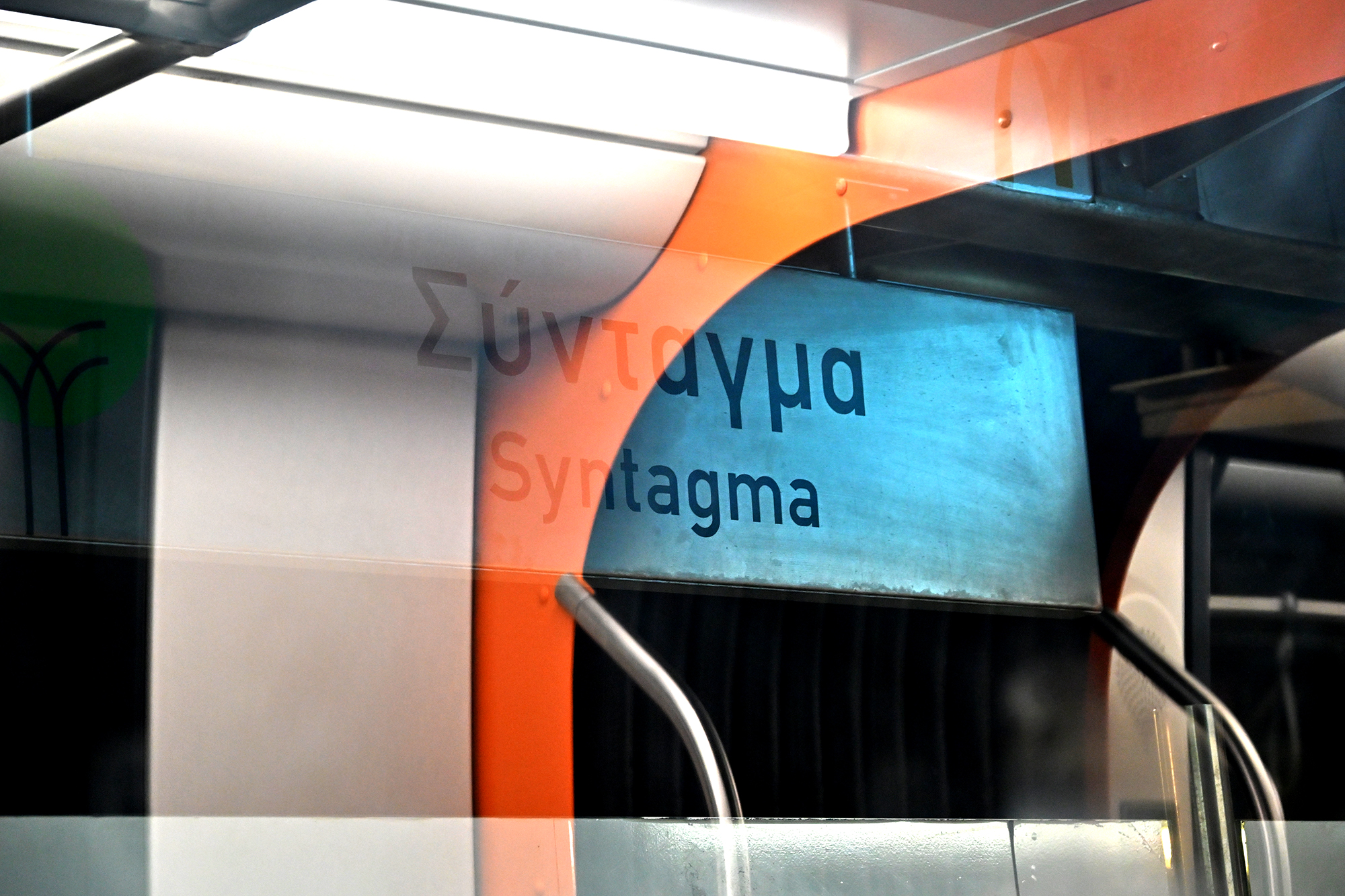
There’s a particular subtype of reels, about arrival to Athens airport– just the sliding doors opening, to the backdrop of some longing music. They’re cheesy as hell, but I will invariably watch them again and again, and save them for later. The only thing that beats them is actually arriving to Athens airport-the long labyrinthine walk from the terminal to the exit and then, indeed, those sliding doors and how the hot, humid air envelops you. There’s a whiff of the sea in it, and more than a whiff of exhaust. There are the loud voices mingling in known and unknown languages, the rattle of trolley bags on the asphalt and the occasional chorus of cicadas. And then there is the metro. Here is a reel about the metro too, I have plenty of these. It’s slow, and rickety, and sometimes there are rather strange people on it, and the rest of the passengers are fairly nonplussed, as if the world of Greek myths, with their heroes and beasts, lived on. Nothing surprises you in the underworld.
On the first day, our primary goal, upon arrival, was to rest. Here is a reel to explain the reasons. This being said, if you fly to or from Athens, it is highly recommended to take early morning flights, as delays will invariably pile up during the day. Recently, woes increased after air traffic control limited the number of flights handled per hour. This does make some sense- in high season, Athens airport is one of the busiest in Europe, with an infrastructure not matching current traffic and overworked staff. Just last year, our plane was forced to make a go around as the previous plane had not yet cleared the runway. While the danger was minimal, it’s a risk you can’t afford in aviation. What happens next is an interesting question- the current airport was opened in 2001, in preparation for the 2004 summer Olympics, and while it is one of the largest in land area in Europe, it could do with another runway and a larger (and better paid) workforce. Speaking of the old Elliniko airport- authorities have spent a lot of time pondering how to develop it, and came up with the brilliant idea of luxury housing and a high rise taller than the Acropolis. Both of which are the last things Athens needed, and locals are not happy, to say the least.
Before rest, however, we needed nourishment. As we were staying at the CucuWow again, we thought we’d try the Hippy Hippo, as both are within walking distance of the Syngrou-Fix metro station. Popular with locals and tourists alike, its vibe is just a little too ‘generic millennial brunch establishment’, the kind of place you will find almost anywhere in Europe these days. The Greek twist is to sprinkle fresh local spices on everything. Add some feta. And, of course, they have better oranges, so your Negroni will be very zesty. After the rest, we needed nourishment again. It was, I have to say, a long rest, and we were tired enough not to be disturbed by the roadworks taking place right outside our window. The shocking details of this undertaking were that one, it was happening on a Saturday, and two, it got finished in one day. Take that, efficient Germans, though of course they would have complained about disturbing the sacred Ruhezeit.
Our plan was to visit one of Athens’s worst kept secrets: Diporto , a small restaurant hidden in the basement of a ramshackle building next to the Central Market, or Varvakios Agora. It has no signs, no menu to speak of, and, as we found out, no food at 5 PM, although, in theory, it should have been open until 7. But Diporto operates along the principle of many old school tavernas in Greece: each day has a given number of dishes, prepared in a given quantity. When they run out, they run out. The people inside, devouring the last available, delicious looking meals, were almost as devastated as the blog’s industrious co-photographer, when they witnessed his desolate expression. He is, to this day, dreaming of an incredibly juicy looking chicken leg and needless to say, we will have to return. In case you wonder about the Latin sounding name (I did): it has nothing to do with a port, it comes from the Greek, δύο πόρτες, two doors, since the restaurant is on a corner and has doors opening to both streets. Across the road, Tis theatrou to steki was also approaching closing time-both places are known for the availability of hot meals at what are atrociously early hours for Greeks, which is anything before 11 AM. The somewhat odd opening hours are justified by the proximity of the market, with the restaurants attuned to its rhythms. We therefore ended up in yet another lovely taverna, just around the corner on Theatrou street. Taverna Klimataria owes its name to the vines climbing its walls, and stays on theme with large decorative barrels and excellent house wine. I opted for the soutzoukakia smyrneika, whereas the blog’s industrious co-photographer drowned his sorrows in a lamb dish, prepared in the taverna’s signature traditional ovens. Both were excellent.
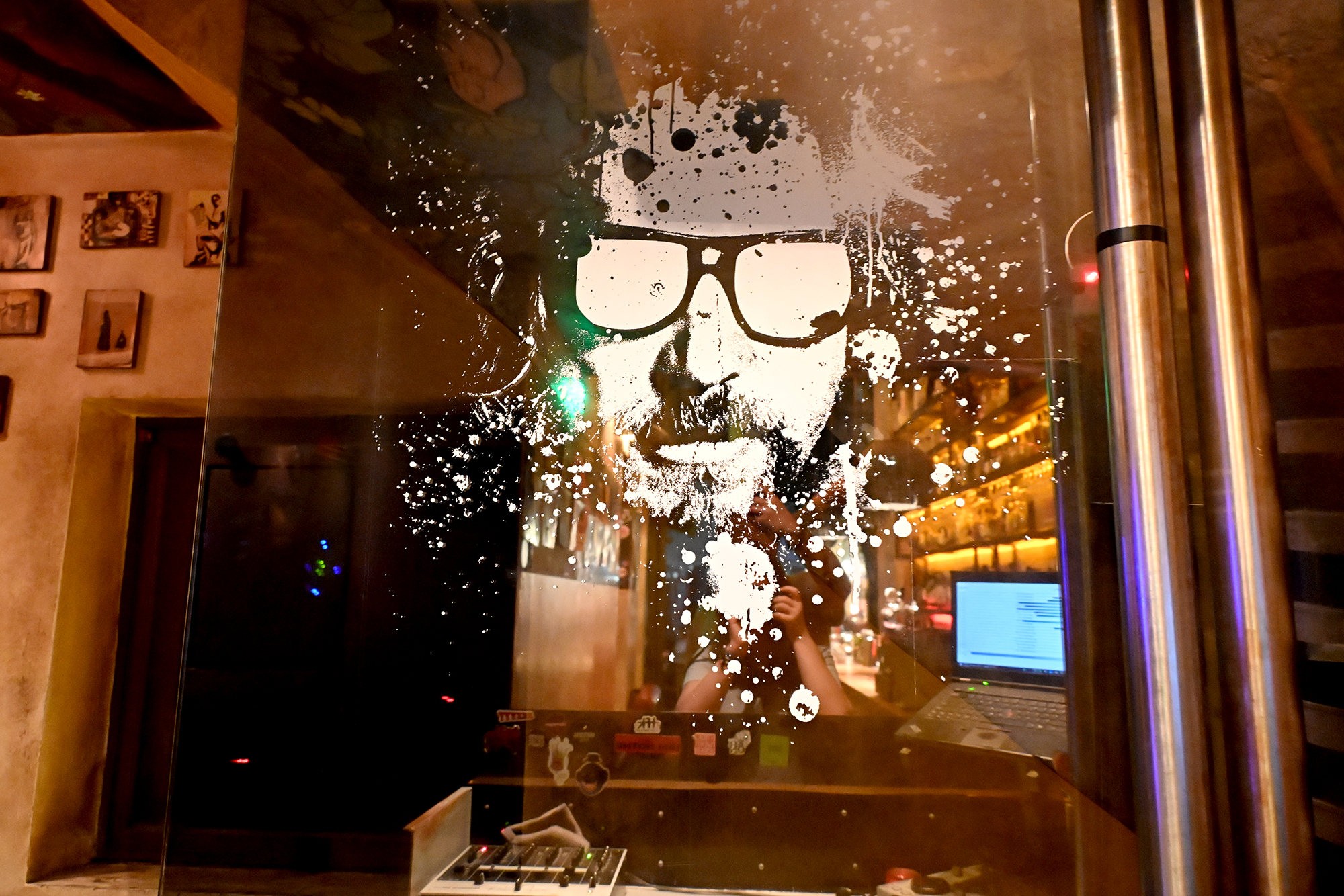
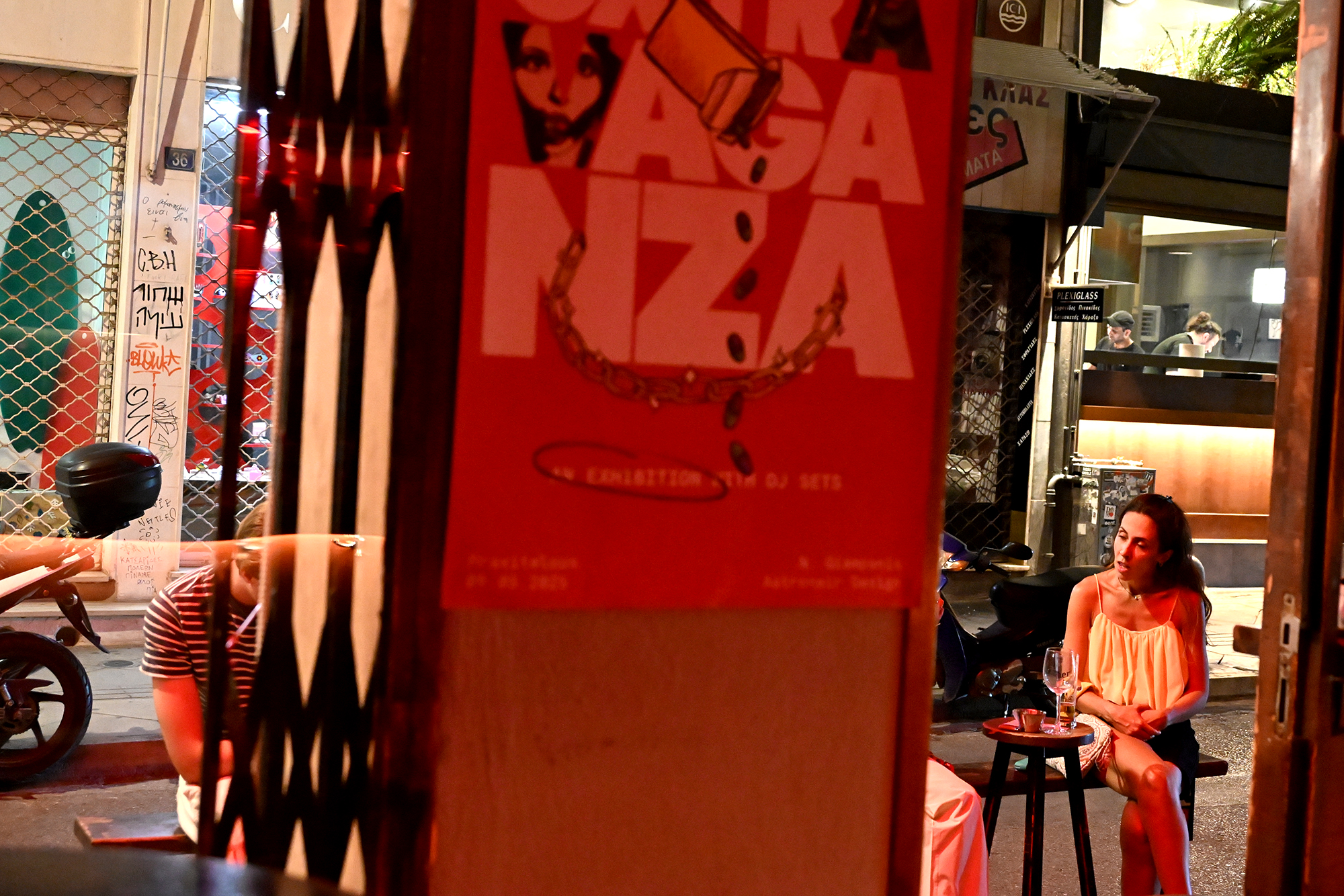
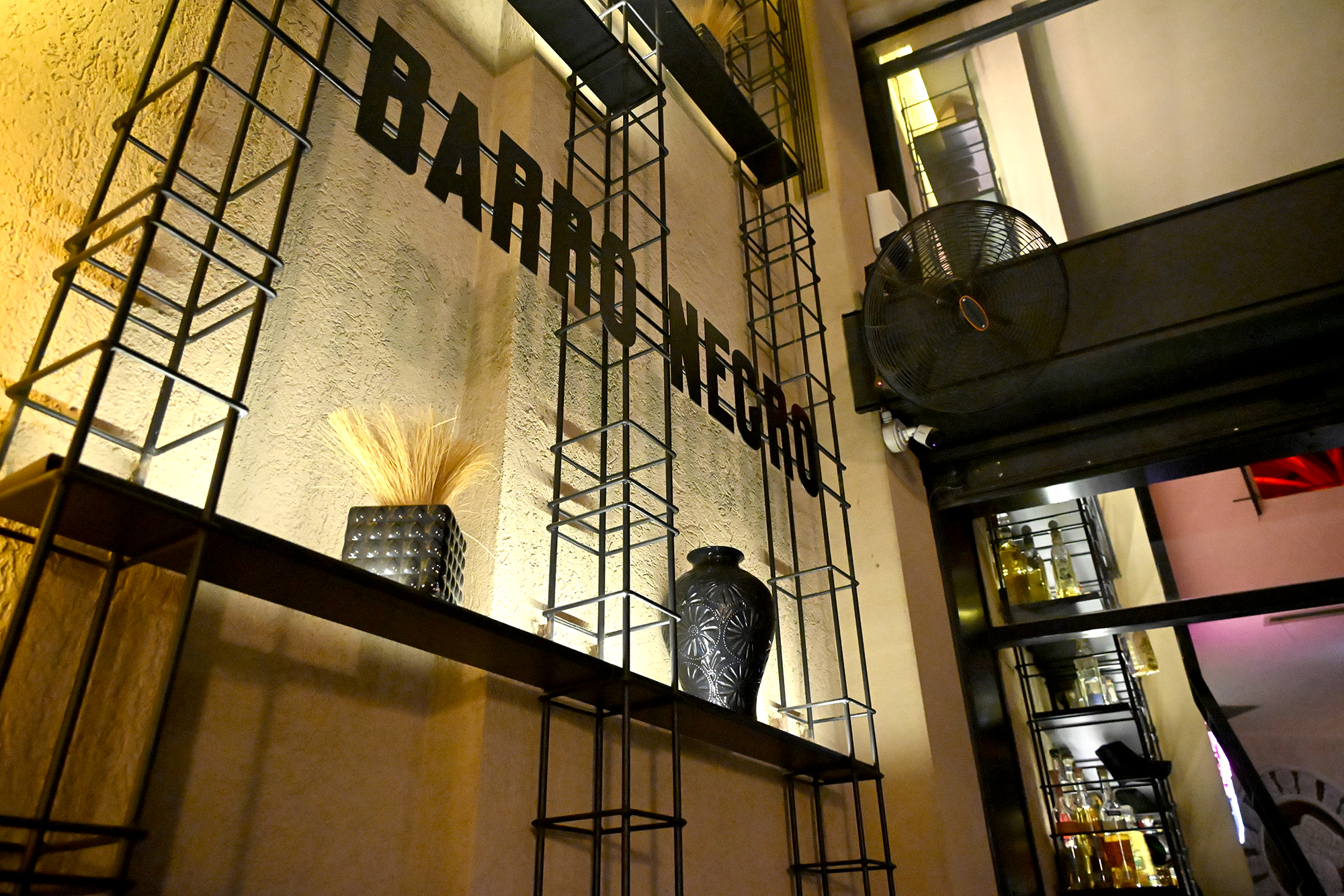
All these tavernas are dangerously close to what is likely the best cocktail bar area in Europe, situated on both sides of Kolokotroni street. We had already visited Baba au Rhum and The Clumsies, which have both landed on best bars in the world lists, so it was time for branching out. First off, it was Barrus. Their pièces de résistance are the so called premium cocktails, which will be versions of classic cocktails made with high end ingredients. These can be quite expensive, almost double the normal price of 10 euros, but it’s worth trying at least one, along the principle of drink less, but better. We found the The Dude Bar by chance, which is how the Dude himself would probably find places, and we are glad to report that they make excellent Caucasians. BarroNegro have a Mexican theme and specialise in tequila and mezcal, and, somewhat unsurprisingly landed on the best bars of the world list for 2025. Praxitelous has more of a friendly neighbourhood bar vibe, with some intriguing signature cocktails at affordable prices. Should you worry for our wellbeing, the bar crawl was executed in two separate evenings, after hearty meals and with plenty of water.
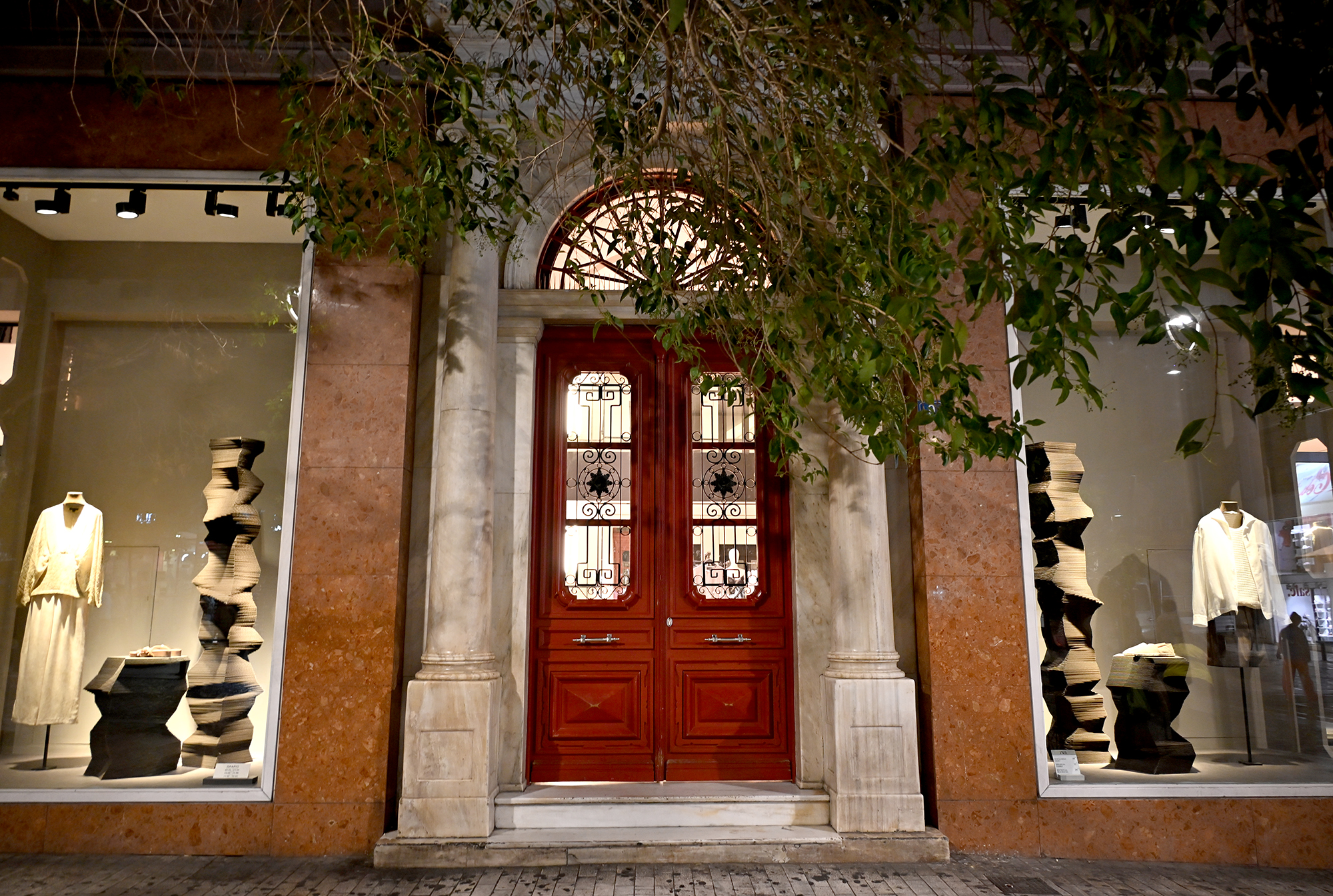
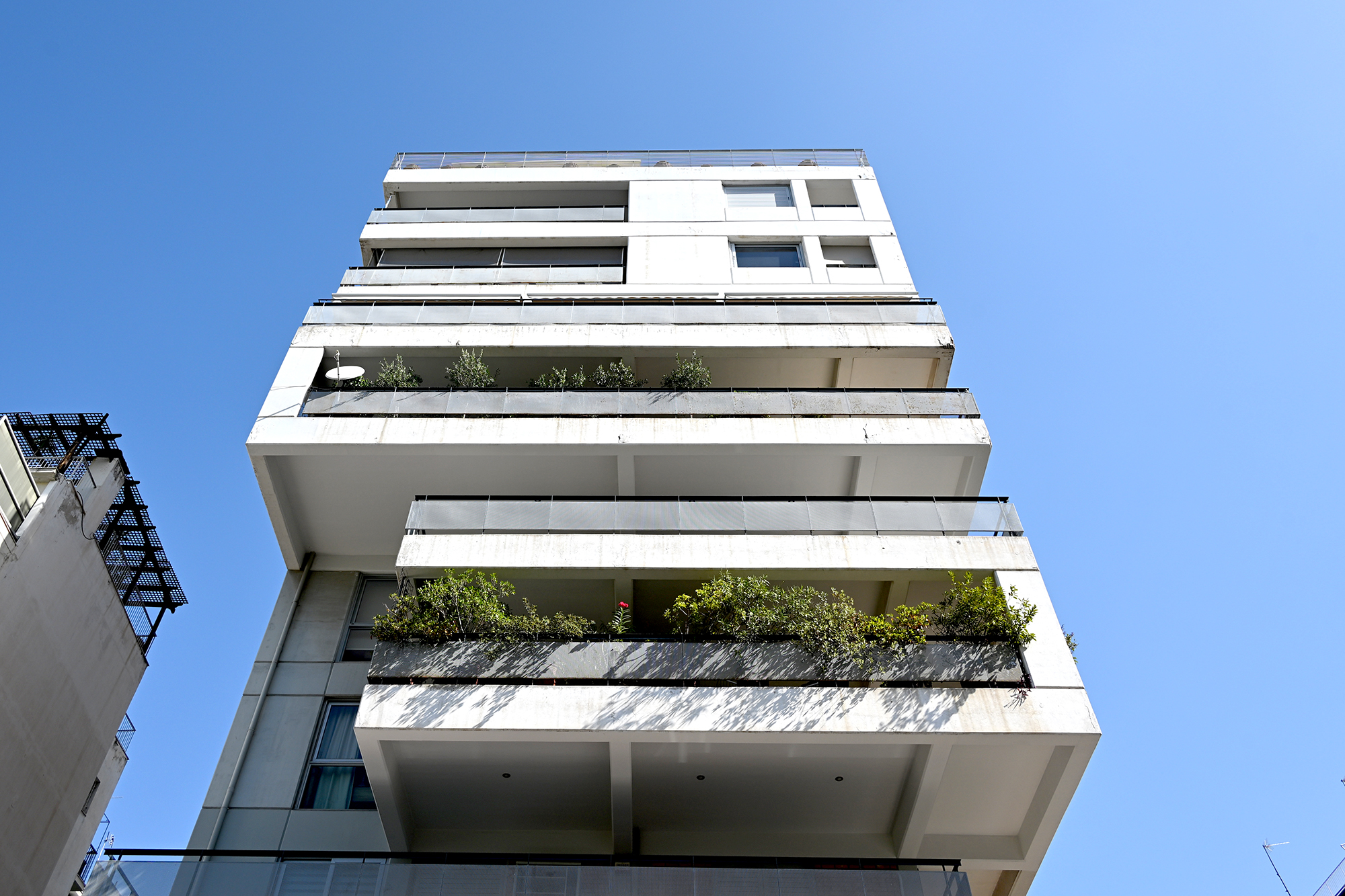
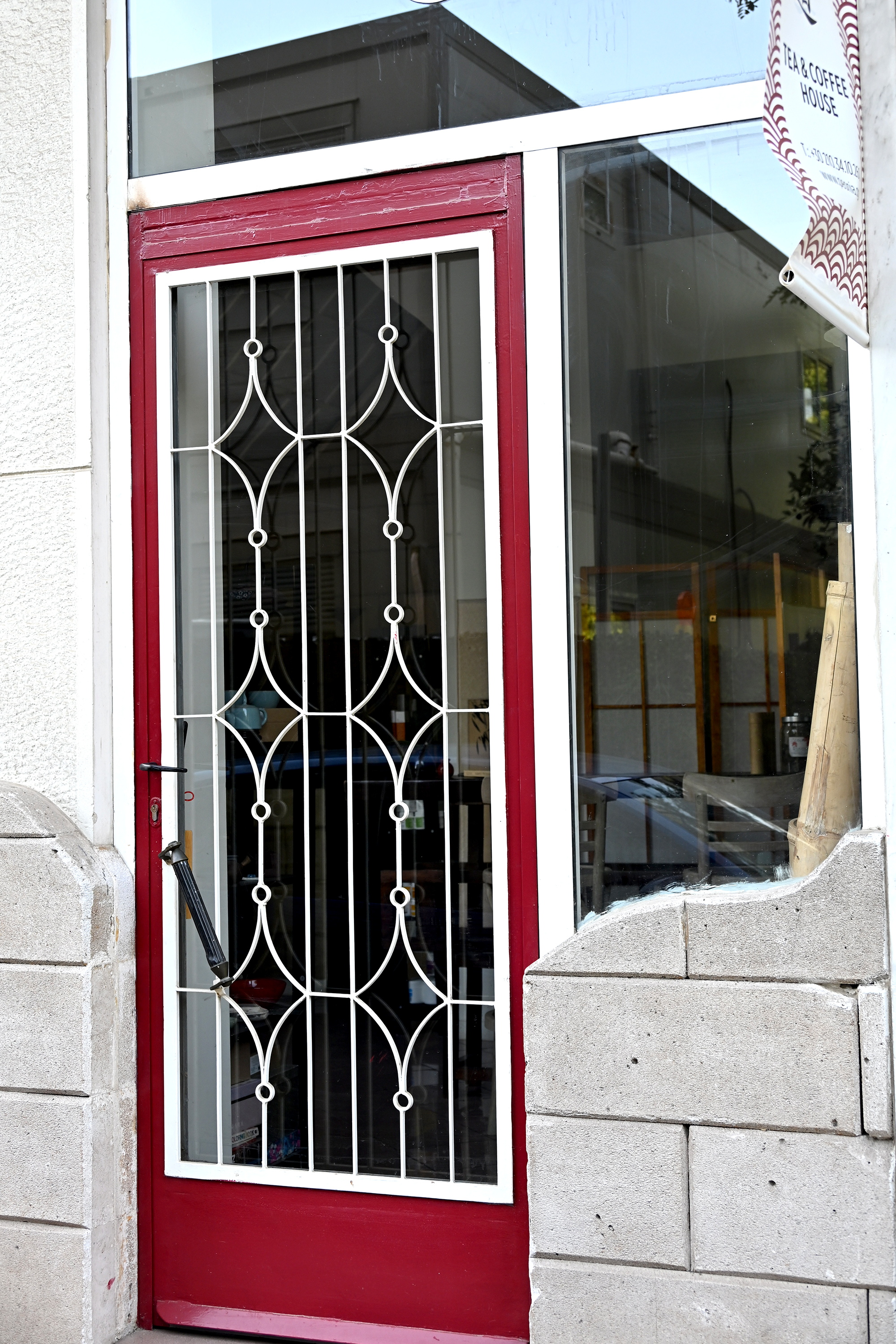
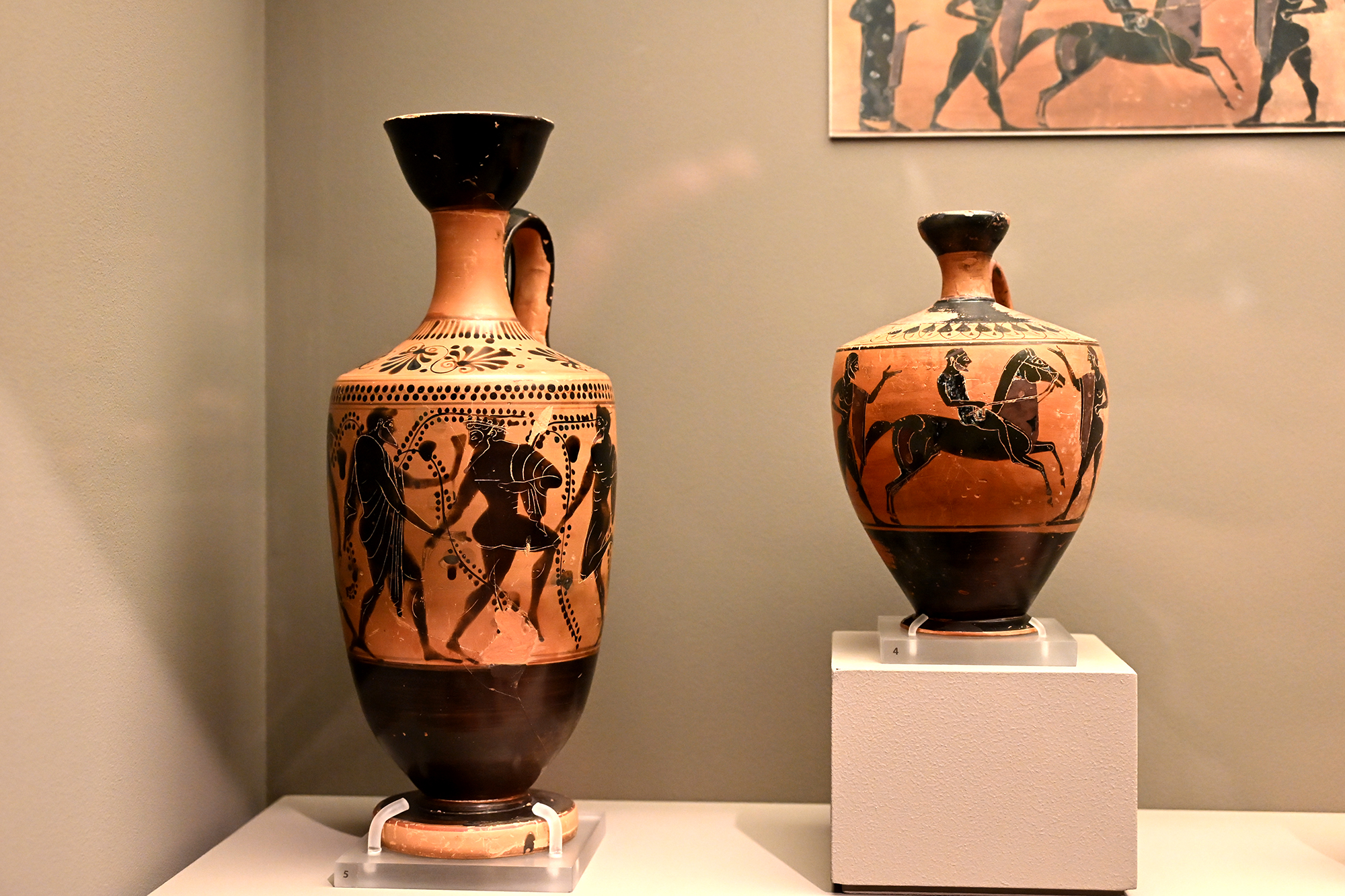
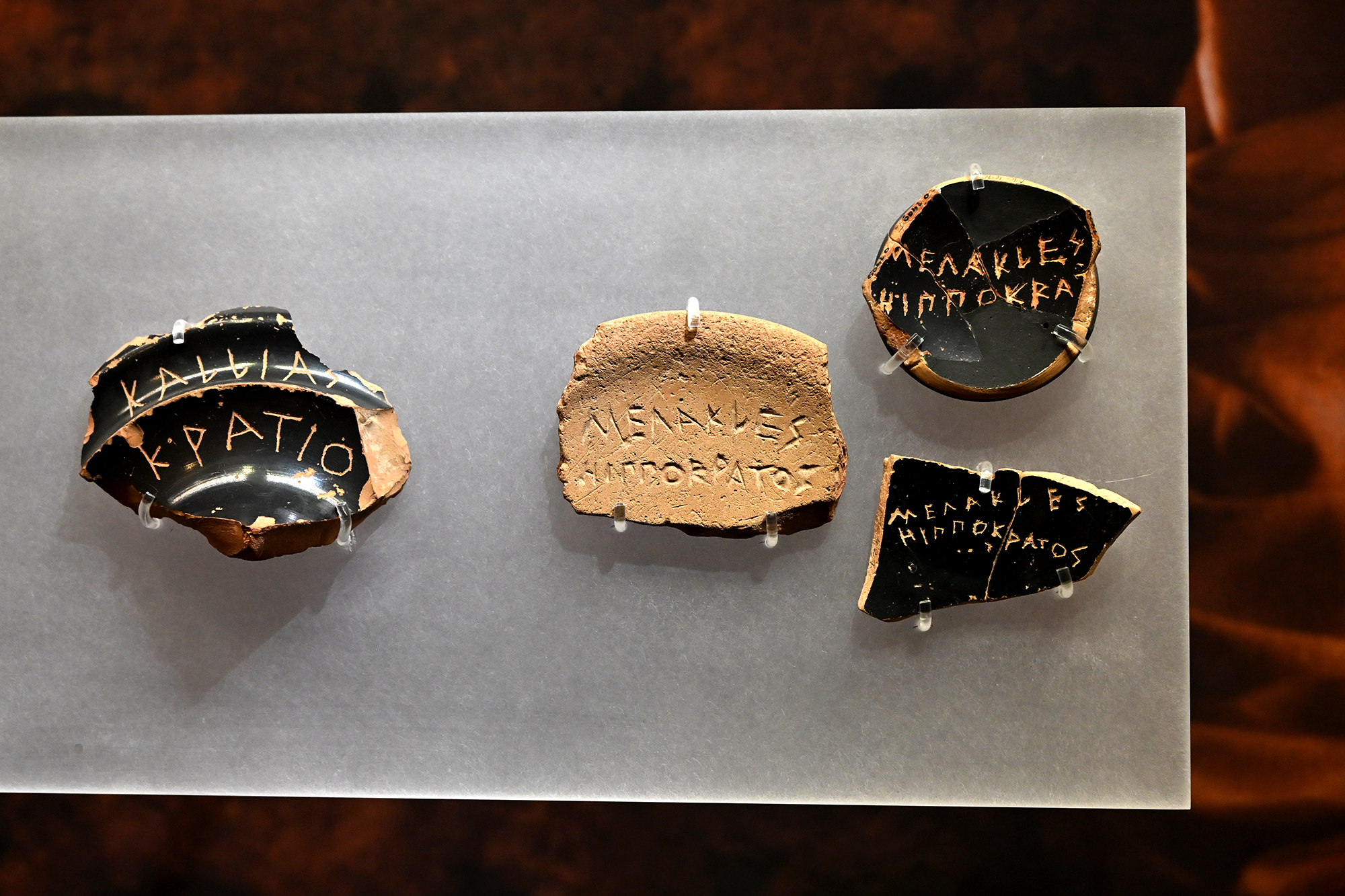
I also managed to shoehorn some culture in the stay- the blog’s industrious co-photographer was less impressed and chose the comfort of the air conditioned apartment. I therefore set off early in the morning for a walk through the neighbourhood of Pangrati, with the purpose of finding coffee (I did, in O Kokkos, and now I know that freddo flat white exists and the world is a better place for it) and admiring some Athenian doors. The ultimate goal was the Museum of Cycladic Art. I am not a big fan of squeezing as many museums as possible in a city break, and since we’re by now usual suspects in Athens, I dose my efforts during each stay. As with the Benaki a couple of years ago, my brain ran into full overdrive somewhere on floor three- the first floor is dedicated to the bulk of the Cycladic collection, the second floor is an overview of Ancient Greek art, the third floor has Cypriot finds (mostly pottery and many items are quite similar) whereas the fourth floor is home to the kind of immersive installations that are a bit tacky for my tastes, but did seem to excite some already hyperactive Greek children. Museum fatigue put aside, there is, undoubtedly, something magical about objects made so long ago, by people whose way of life and thinking we can barely guess at from the little they left behind. On the bookstore front, I finally made it to Hyper Hypo, which is the kind of place which completely eschews popular trends and new releases and just goes for a lovably bonkers selection of magazines and books. As I was snapping up my copy of a book about Athenian apartment blocks, I was surprised to hear two young men conversing in Hungarian right beside me, wondering why we don’t have such places in Budapest. And really, we should.
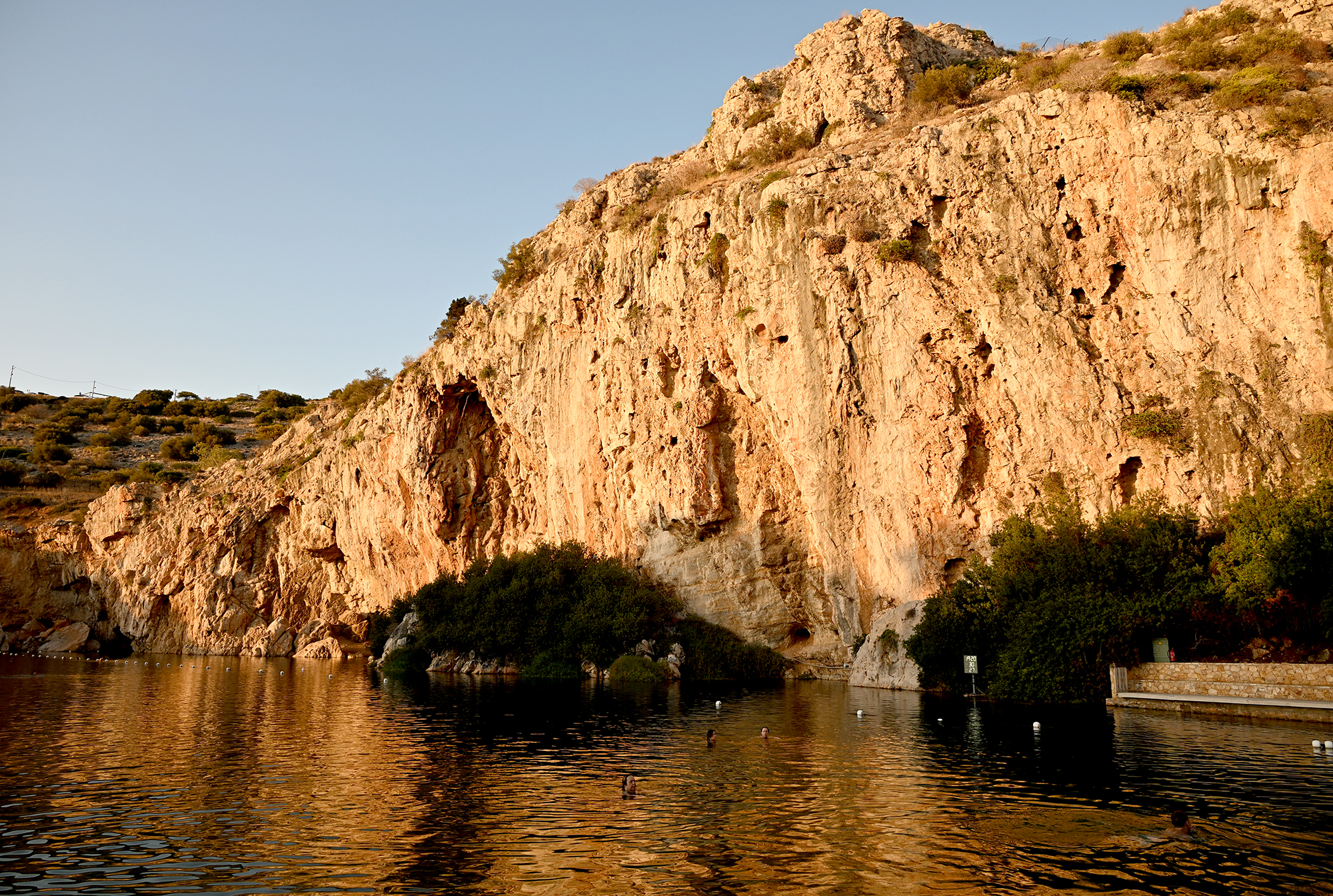
The most unexpected delight of the weekend was, however, Lake Vouliagmeni. From the centre, you can reach it by taking metro line 2 to Argyroupoli and then bus 122. Apps will often tell you to go all the way to Elliniko, and switch to the bus there, but Argyroupoli is a better option as the bus arrives much emptier and the trip is quite long, so finding a seat makes it considerably more comfortable. Once you arrive at Vouliagmeni, most signs will point to the beach, which, by the looks of it, is quite nice too, but we were set on the lake and we have no regrets. The lake was formed around 2000 years ago, by a collapsed cave which created a lagoon, fed by the waters of the sea through an underground channel and by freshwater springs from Mount Hymettus. I must share an anecdote here about Mount Hymettus: it is locally known as Trellóvouno, crazy mountain, and I was bracing myself for a story about a mental asylum or at least one very crazy person doing something of note in the area. No. It’s the French. They called it ‘très long’, when they were bumbling around it during their Grand Tours in the early 19th Century. A fair observation, as it stretches for over 16 kilometres.
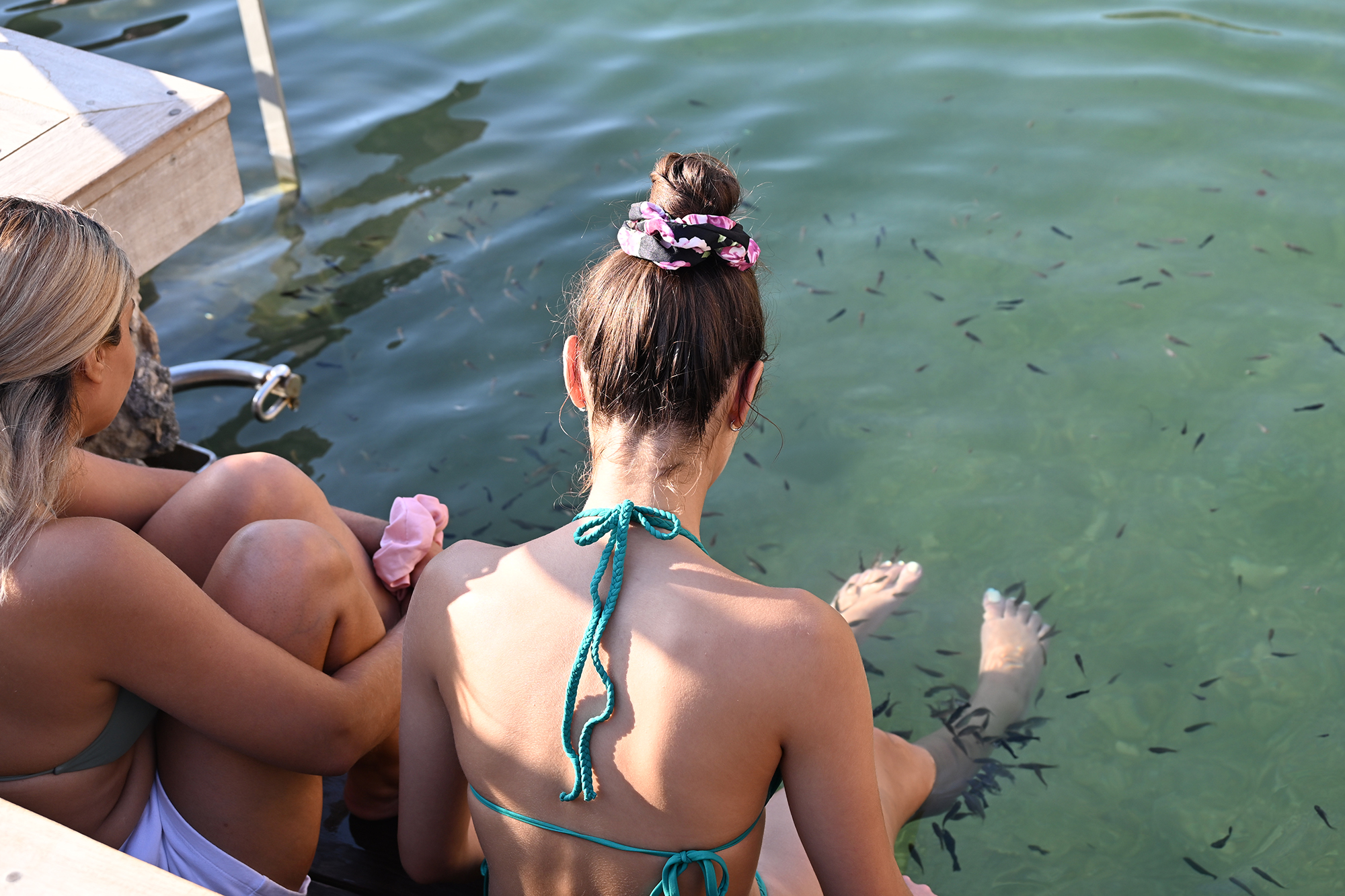
Given its mixed source, the lake’s water is brackish, and contains hydrogen sulfide and other minerals, with a temperature that never drops under 18°C, though, generally speaking, it will remain over 20°C, all year round. It is home to a sea anemone that is unique to the lake and a large population of doctor fish also known as nibble fish, yes, the little ones that love to feast on human skin. Due to these particularities, visitors are asked to rinse themselves thoroughly of sunscreen before entering the water, so as not to harm the wildlife. An entry ticket (17 euros on a weekday and 19 on a weekend in the current season) is charged, for the price of which you can also use sunbeds, if they are available in the main deck area. Pricier options are available for the more secluded private areas. There is a restaurant as well- but we only tried the drinks, as we’d had a delicious meal in the nearby Xylines Koutales, we can warmly recommend both the pork souvlaki and the steak.











 Pocket Diary Budapest