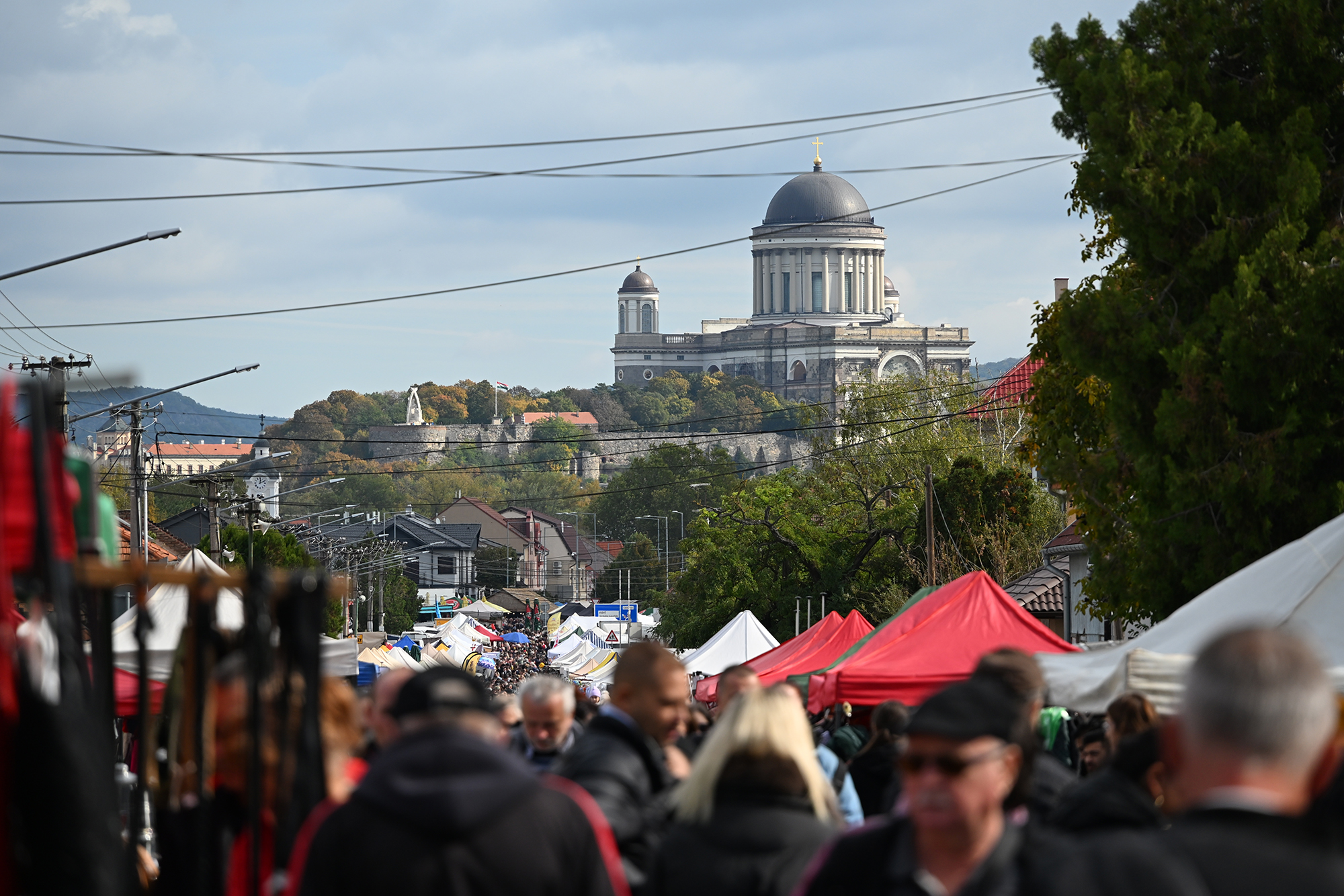
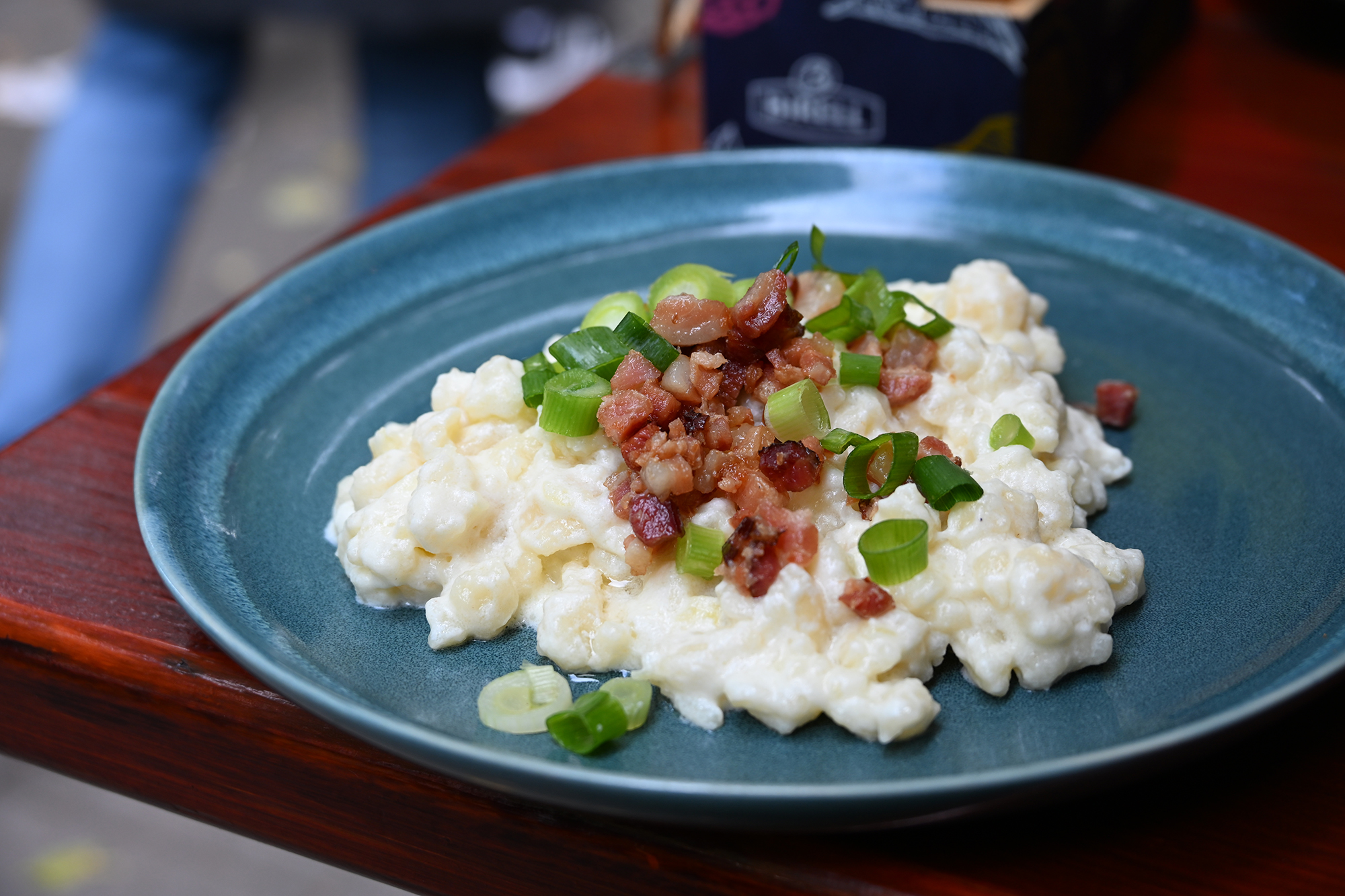
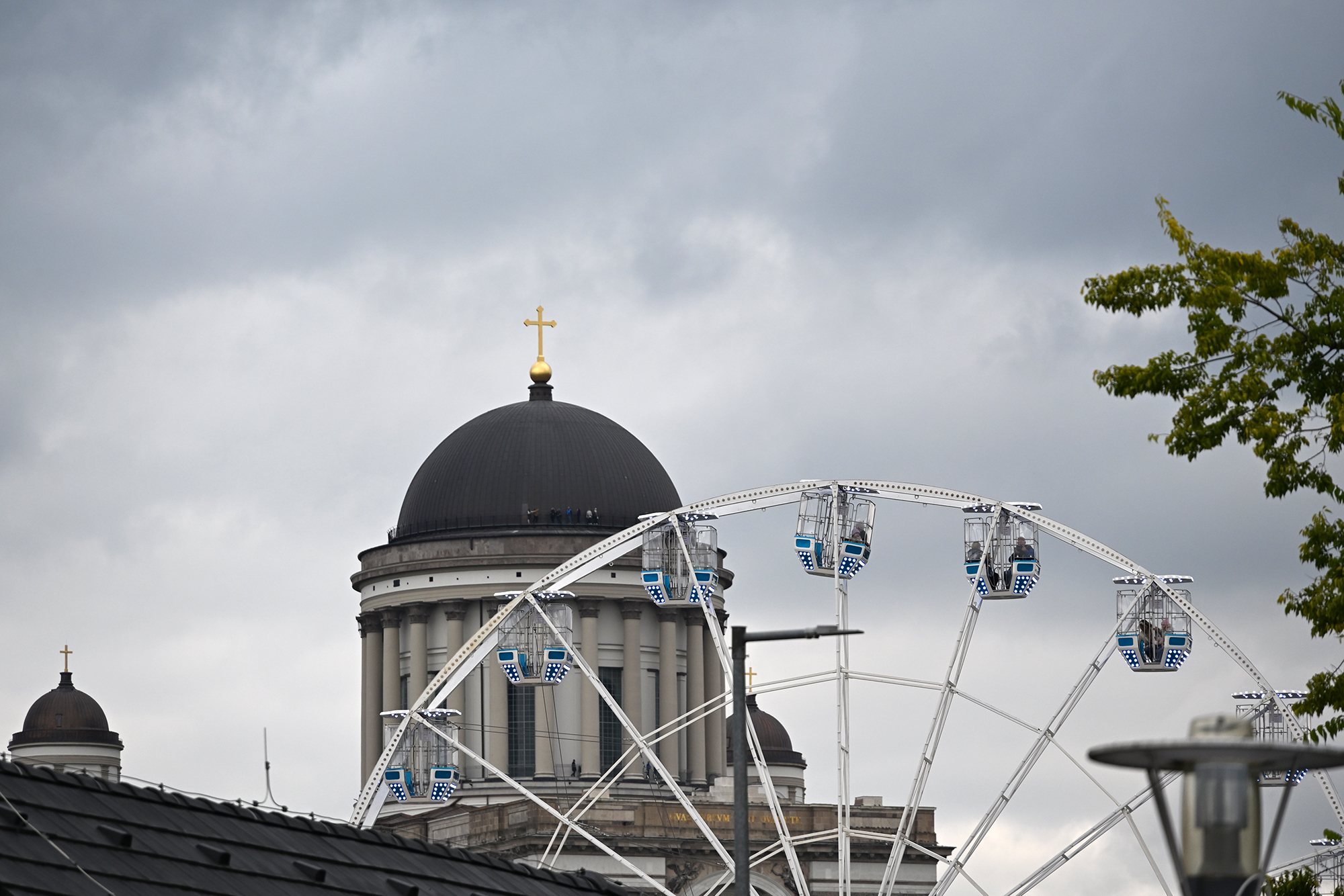
One sunny day last autumn, we decided to take the train to Esztergom and then cross the Danube to Štúrovo, or Párkány, as it is known in Hungarian. There is not much sightseeing to do in Štúrovo, except perhaps enjoying great views of the cathedral of Esztergom on the other side of the river. It would therefore be quite hard to disguise the fact that we were going for cheap beers and a serving of bryndzové halušky (a sort of gnocchi, with delicious cottage cheese). Or just for the thrill of it- Eastern Europeans of a certain age cannot not feel a shiver of excitement up their spine when they simply walk from one country to another, without being subjected to the scrutiny of morose officials.
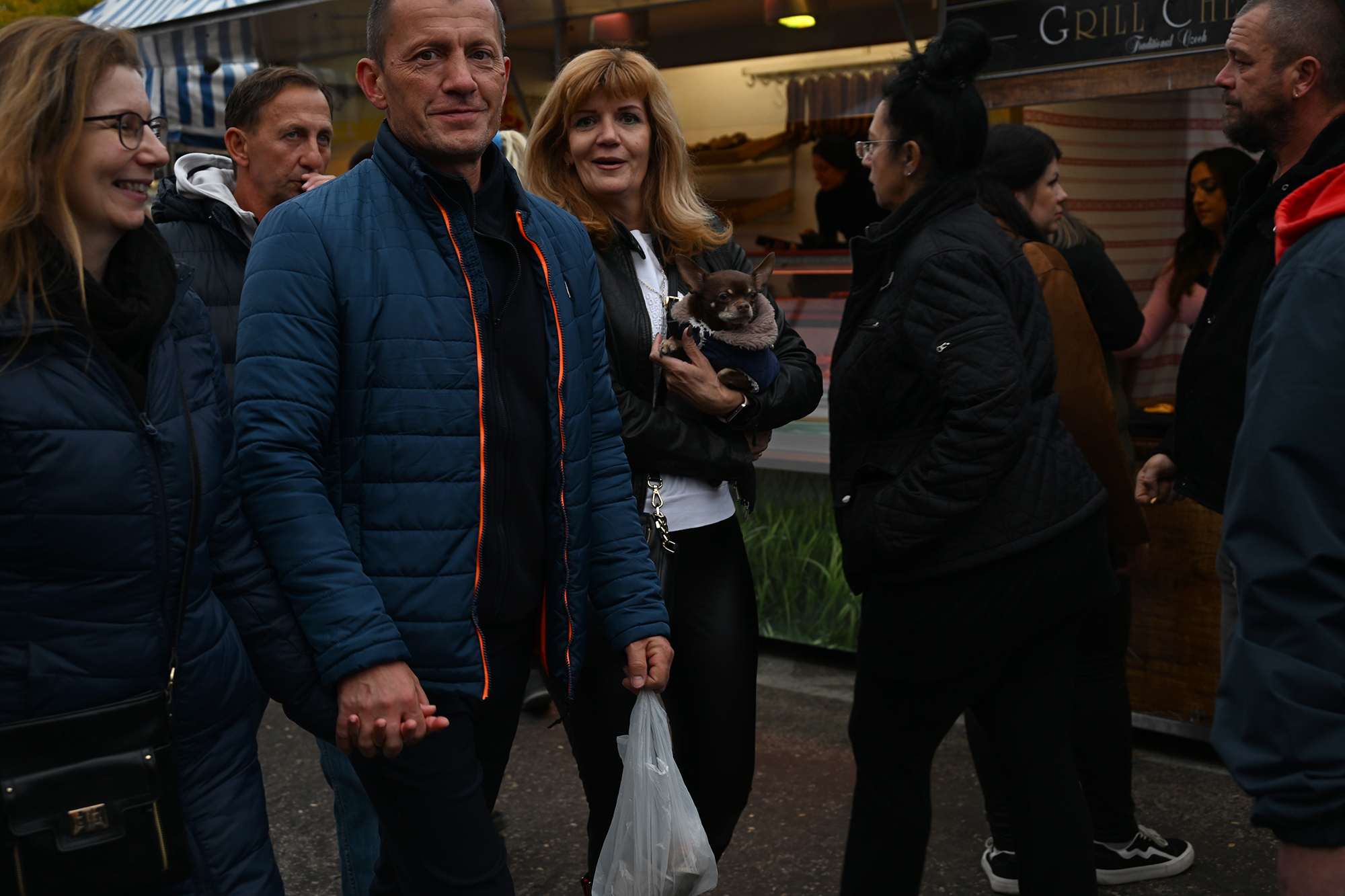
We soon noticed that the number of people crossing the bridge was way above the average of a normal weekend, and many of those returning seemed to have done quite a bit of shopping. Spa wafers seemed strangely popular, and breadsticks the size of a light saber. A Ferris wheel loomed large above the Štúrovo waterfront. A closer inspection revealed a fair of epic size, snaking from the riverbanks to the heart of town, all along the main drag, and spanning into side roads. Welcome to the Simon-Judas Day Fair of Štúrovo- Tradičný jarmok Šimona-Júdu in Slovak or Hagyományos Simon-Júda napi vásár in Hungarian. And when they say traditional, they are not kidding: the first recorded mention dates back to 1546, and the fair has continued, in some form, ever since. According to 19th Century accounts, it could last up to ten days and was so famous that the jealous neighbours in Esztergom decided to boycott it. Evidently, their long term plans failed. Evidently, we visited it again this year.
If you wonder why they would name a fair after Judas, no need to worry. It’s the other one- apostles Judas Thaddeus and Simon the Zealot are celebrated on the 28th of October, and are considered the protectors of carpenters, smiths, and tanners, so their scope can logically extend to overseeing a fair where said carpenters, smiths, and tanners could sell their work. The timing was great for a lot of autumn produce as well, and gave people the opportunity to stock up for winter. In recent years, the dates have been moved to earlier in the month of October, perhaps in the hope of better weather- the 2025 edition took place between October 9 and 12.
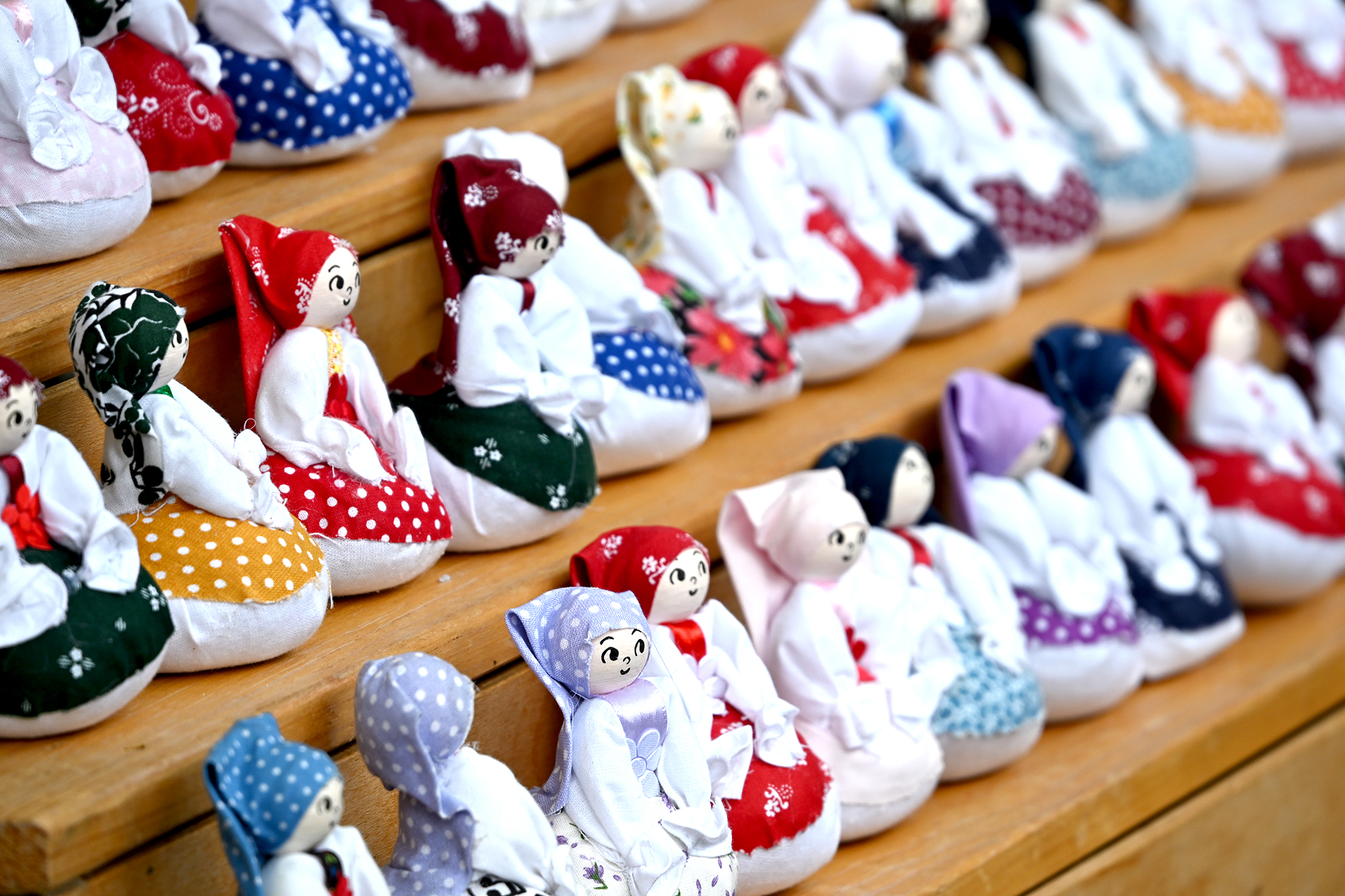
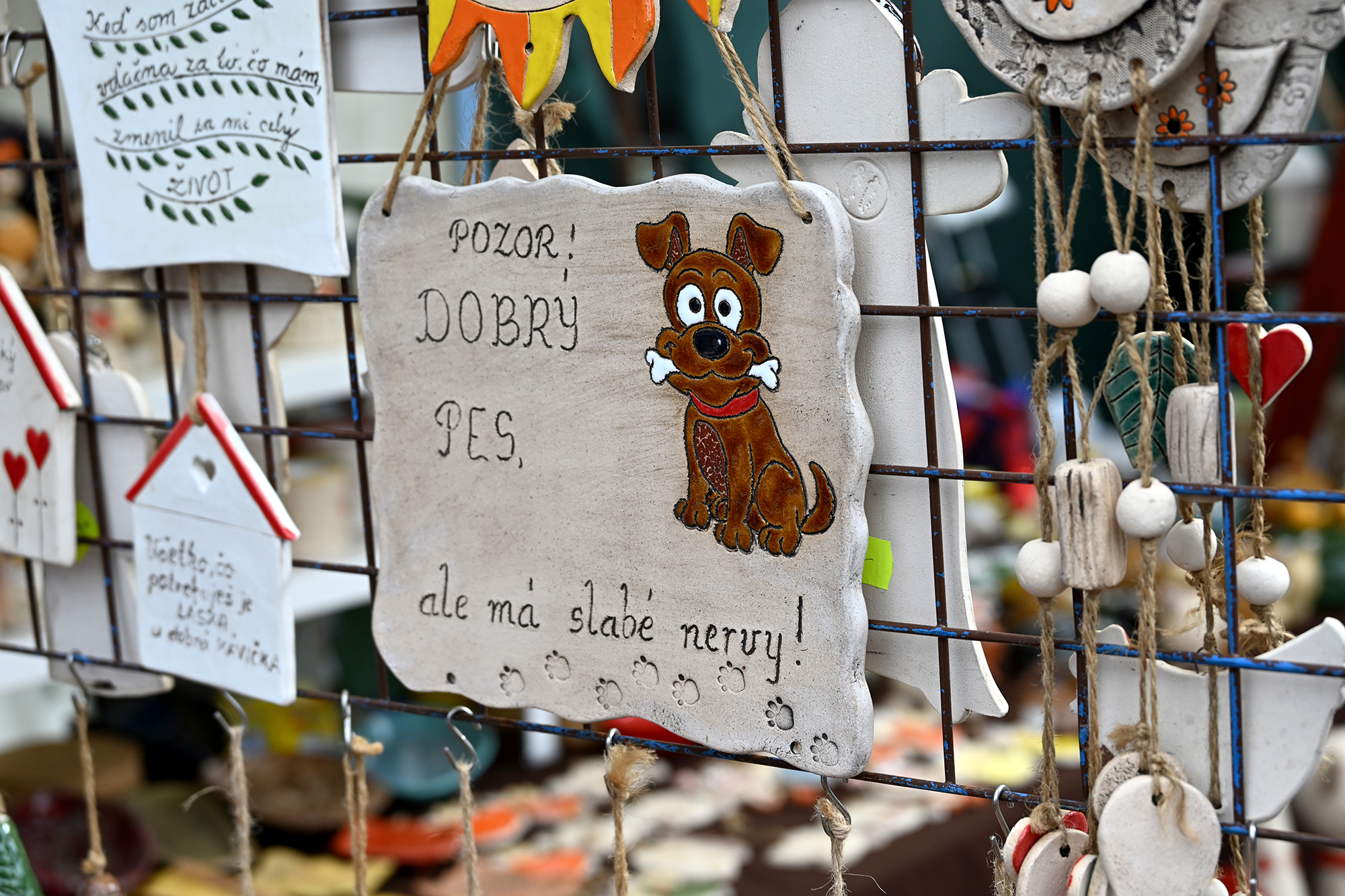
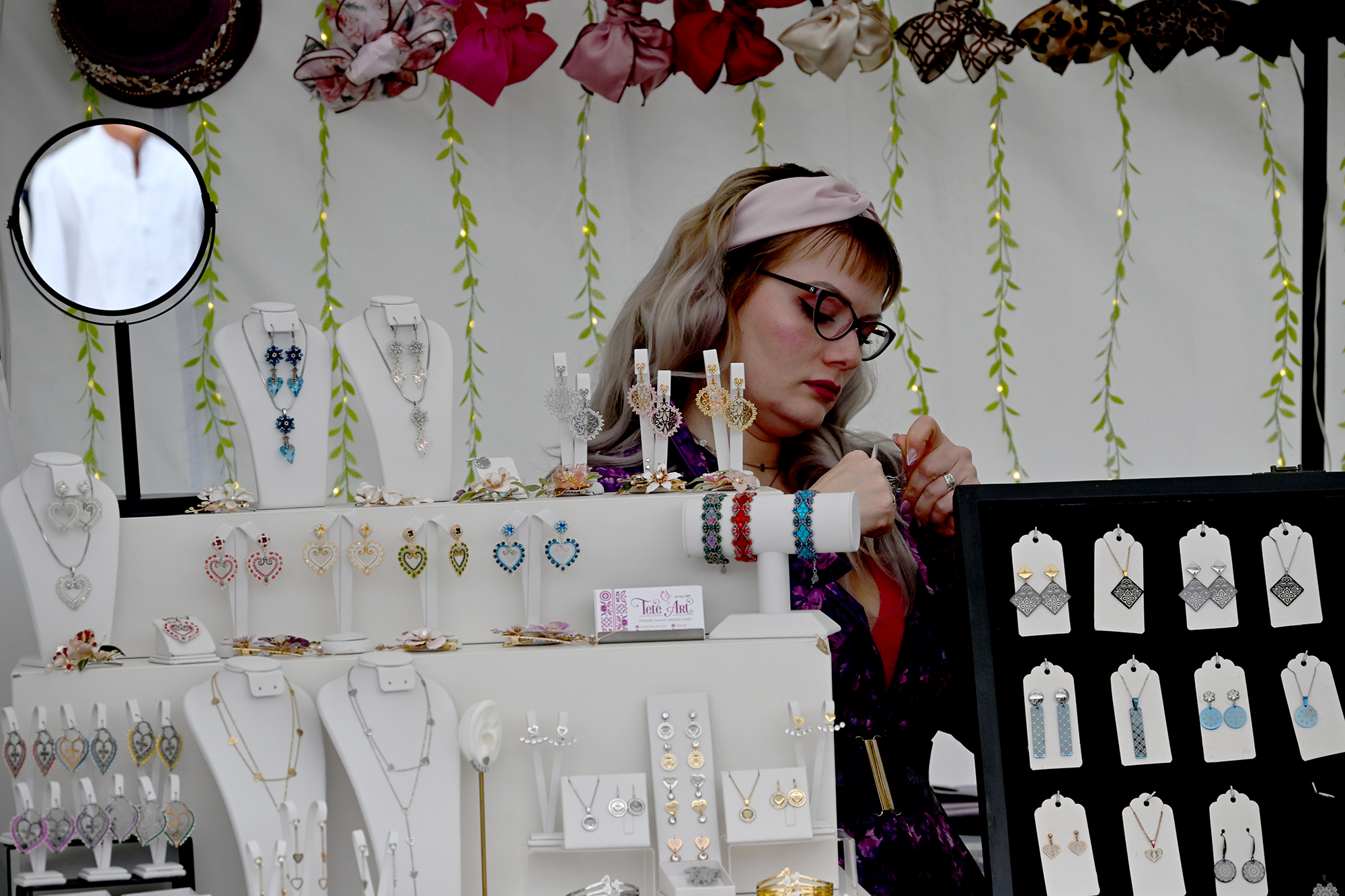
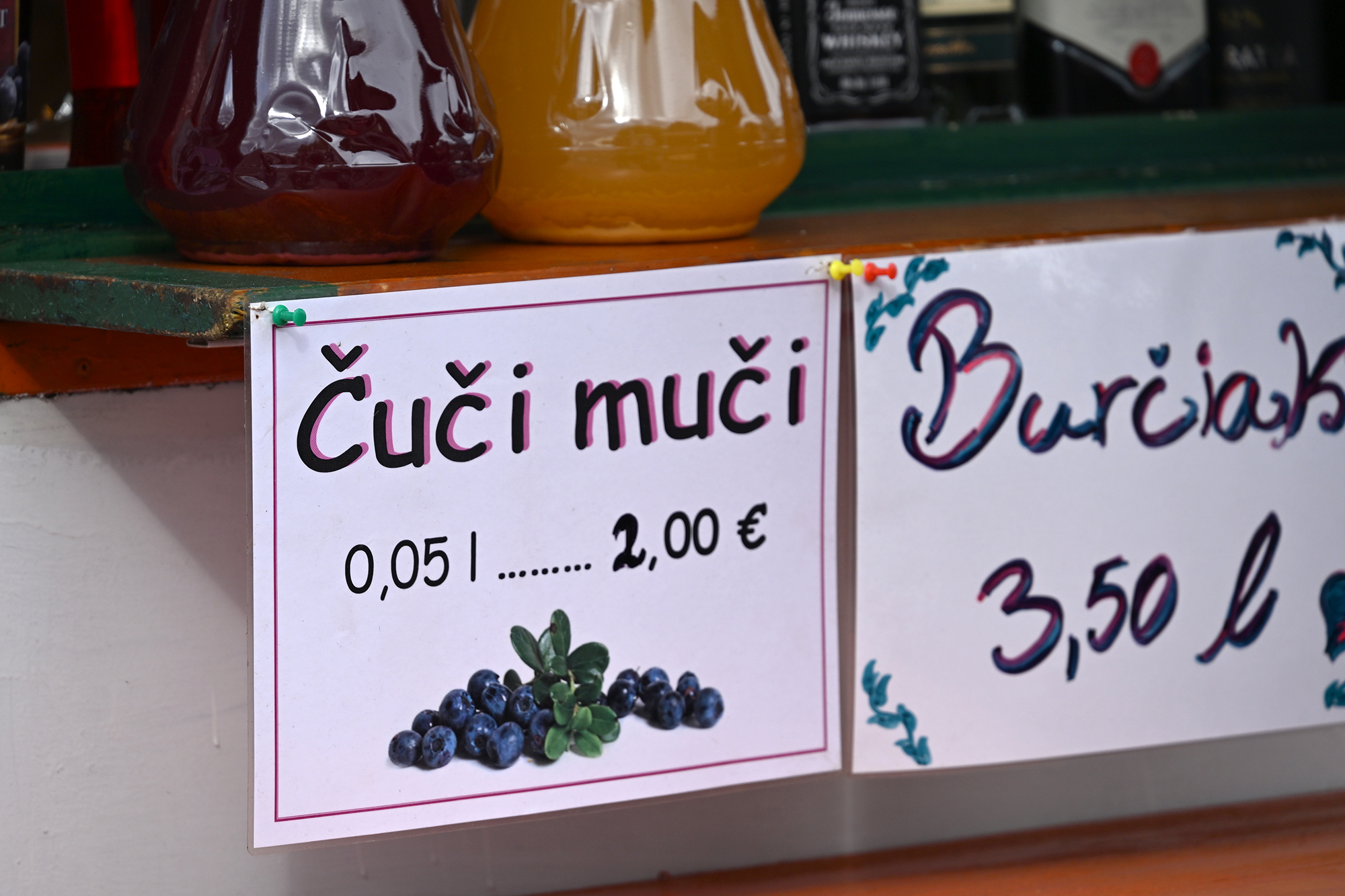
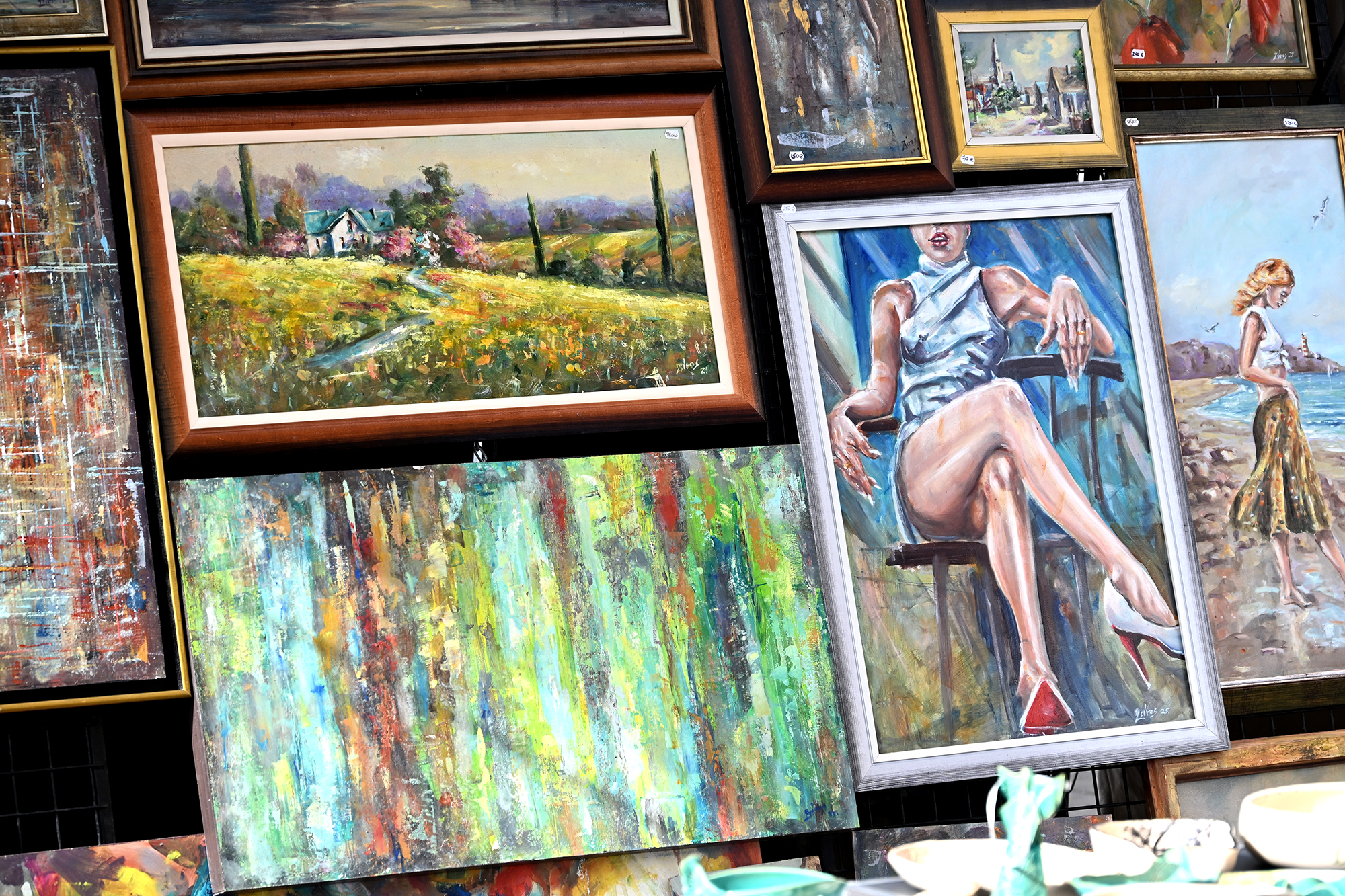
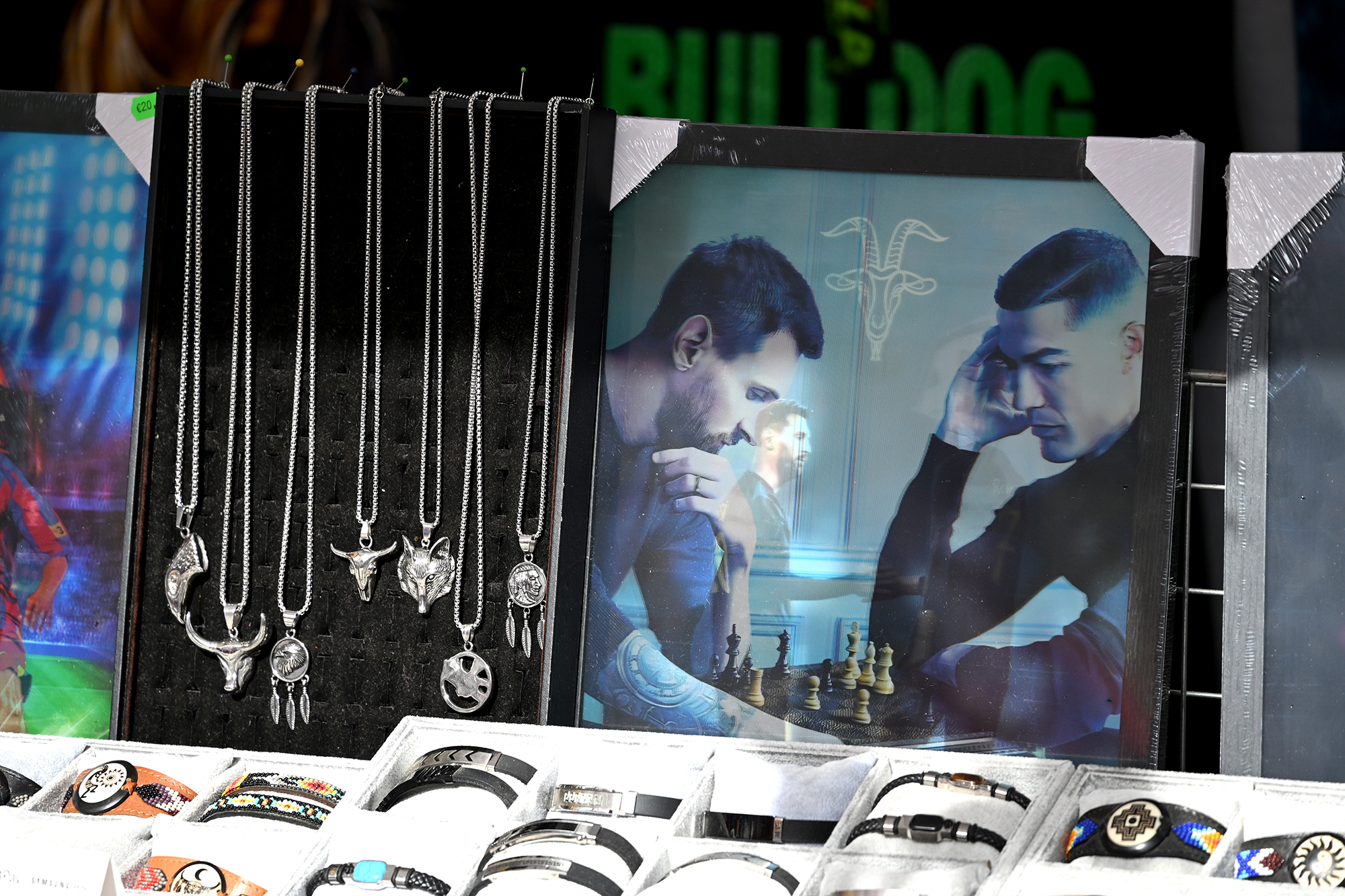
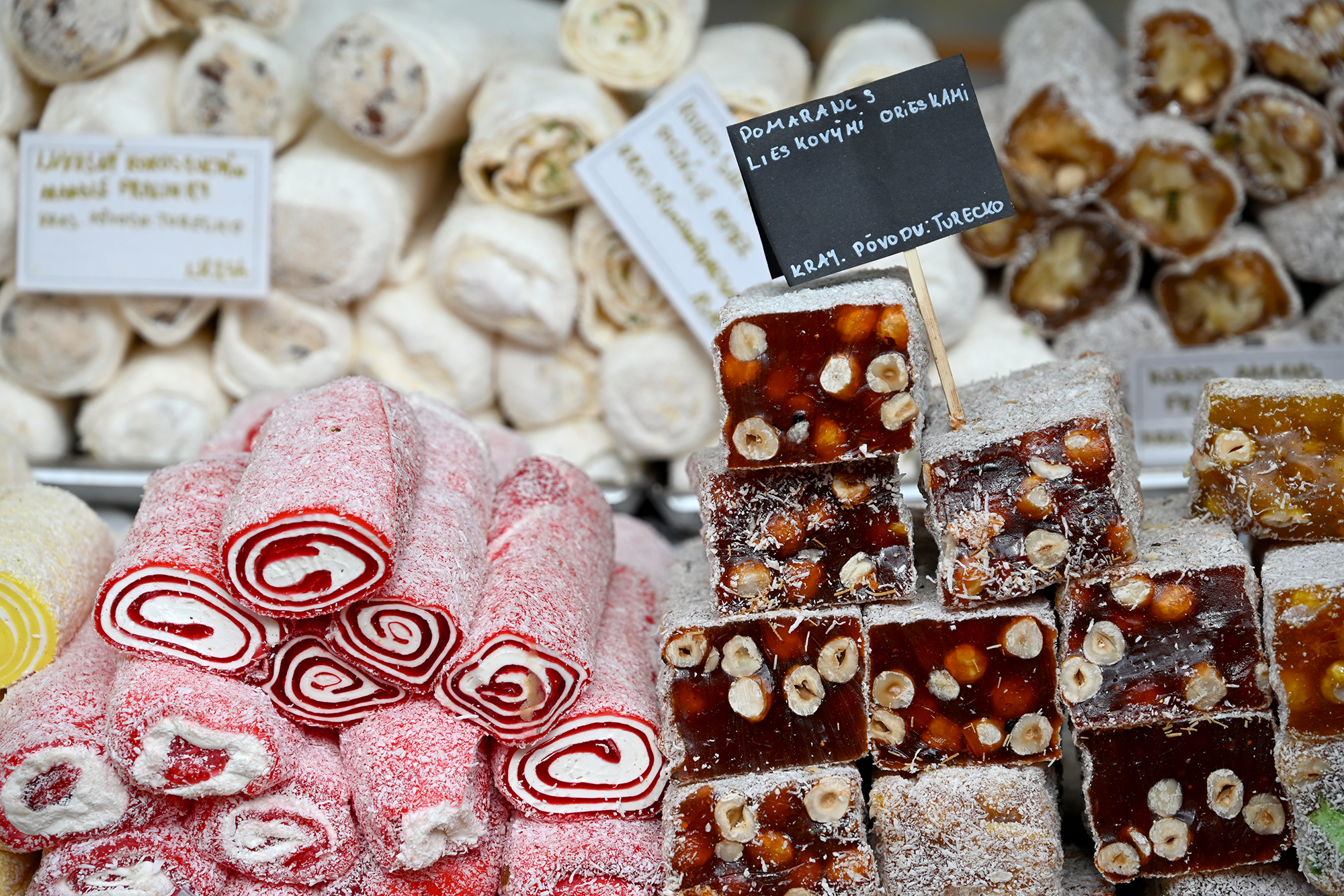
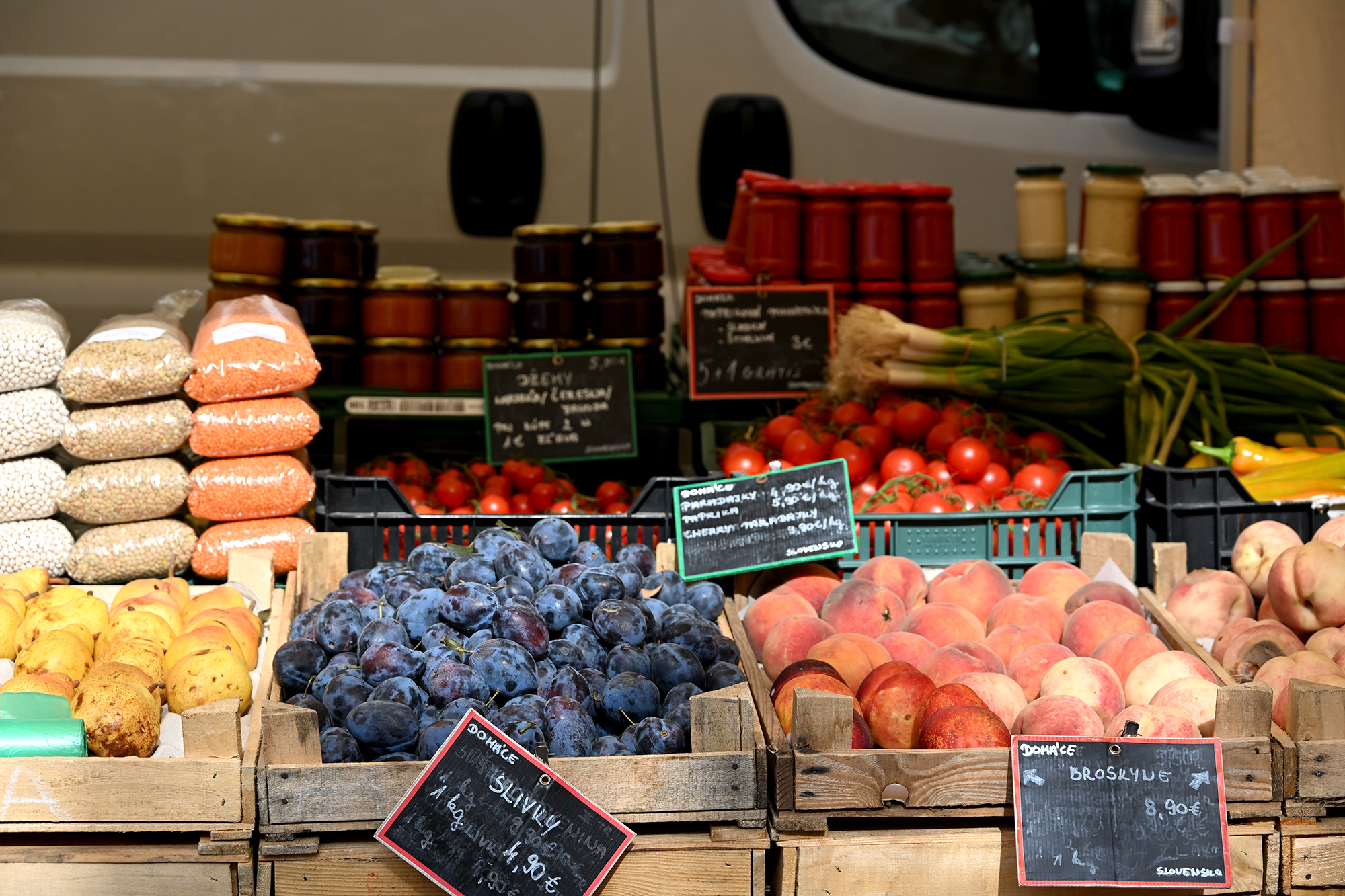
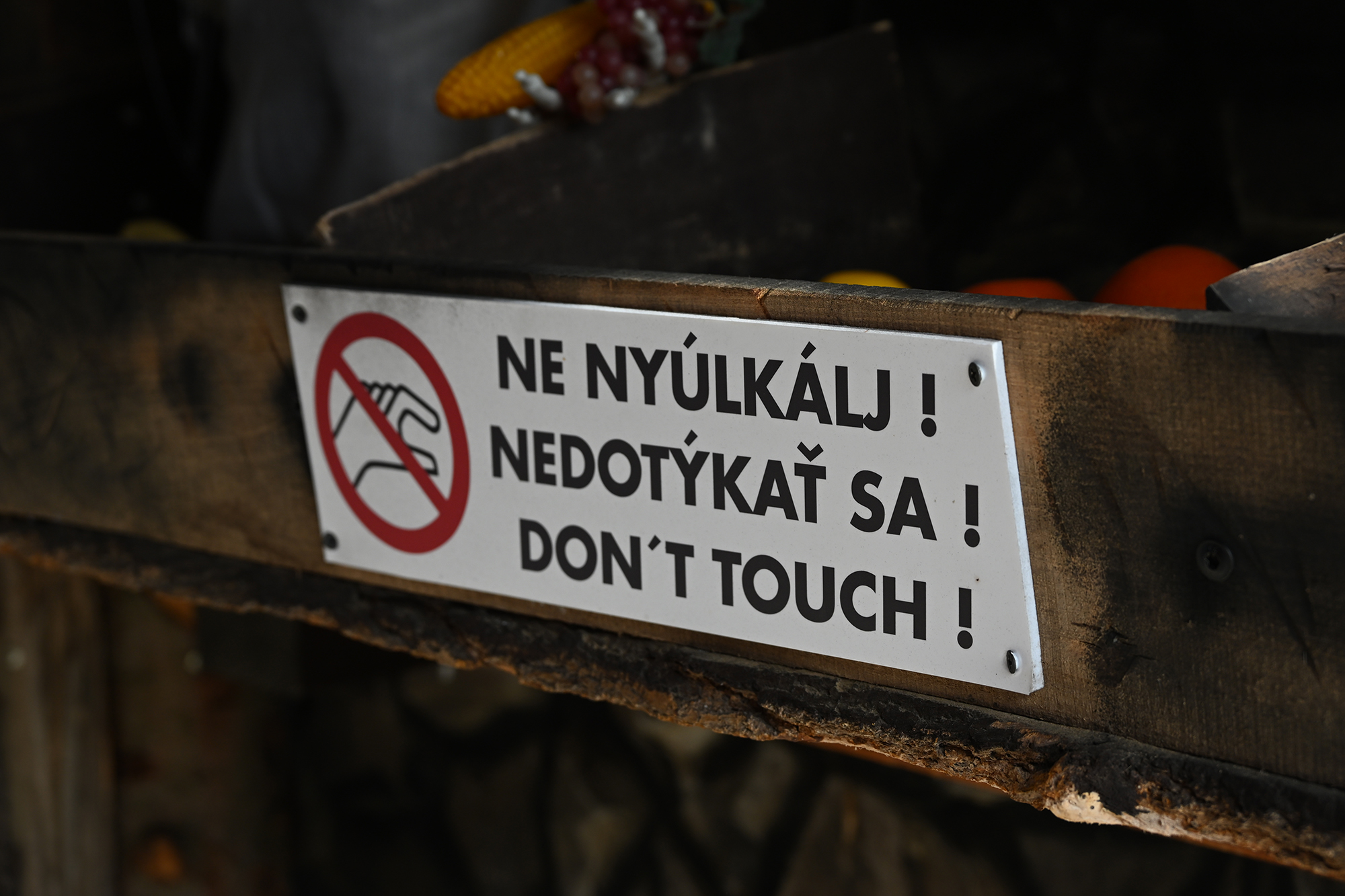
These days, one can buy just about anything, from fresh fruits and vegetables, local foodstuff and handicrafts to curtains, fire places and labubus. Both Slovak and Hungarian work as a lingua franca, with most sellers speaking a degree of both, English is a rare last resort. A lot of places accept cards but it’s best to go prepared with cash, euros, of course, though some Hungarian based businesses do also take forints. The already mentioned spa wafers are ubiquitous, alongside Polish Krówka candy and decorative gingerbread hearts. Other top sellers include turecký med (translated as Turkish honey, it is similar to the Spanish turrón, but generally softer) and burčák, a cloudy grape must typical to the Central European region.
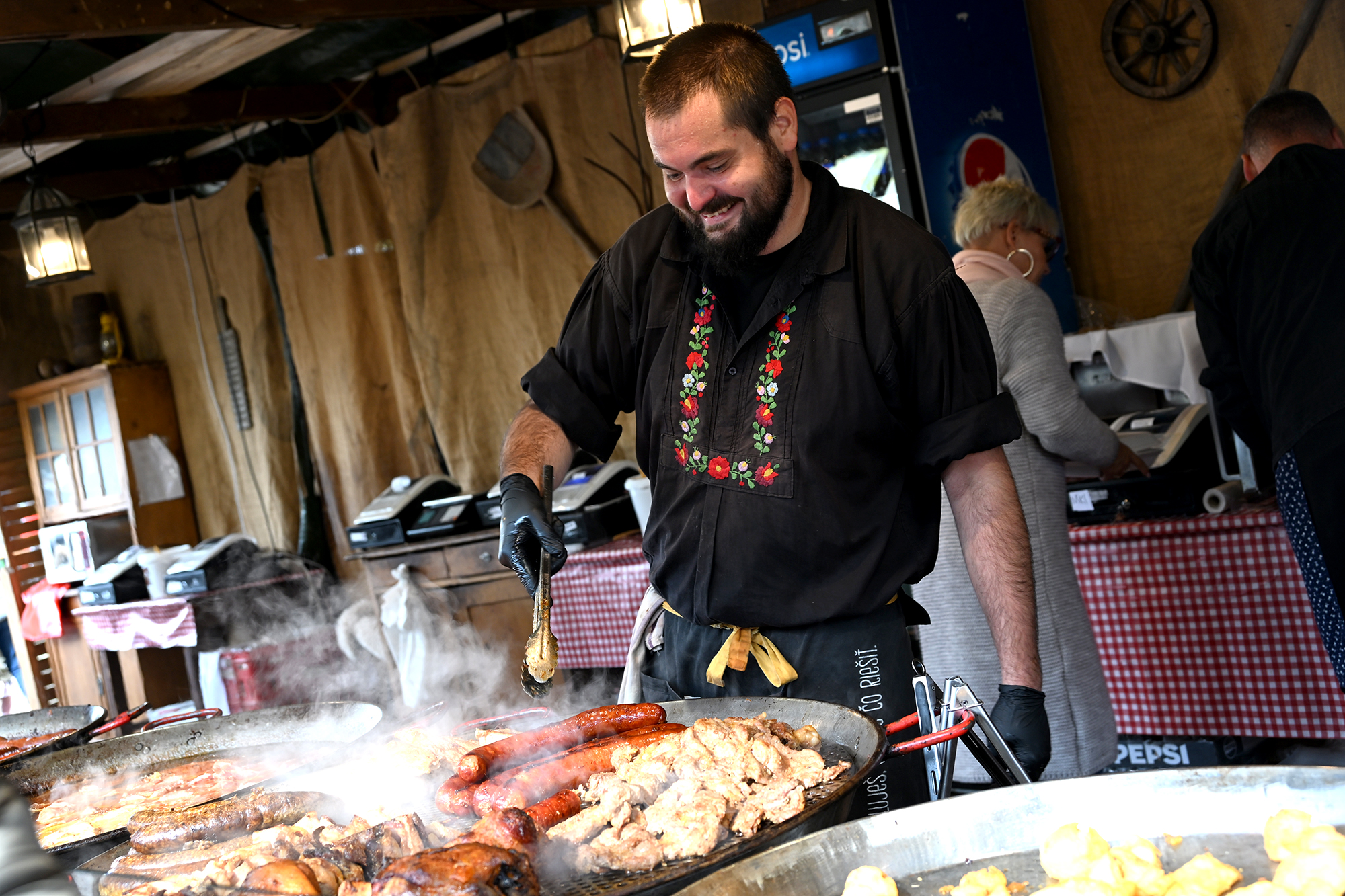
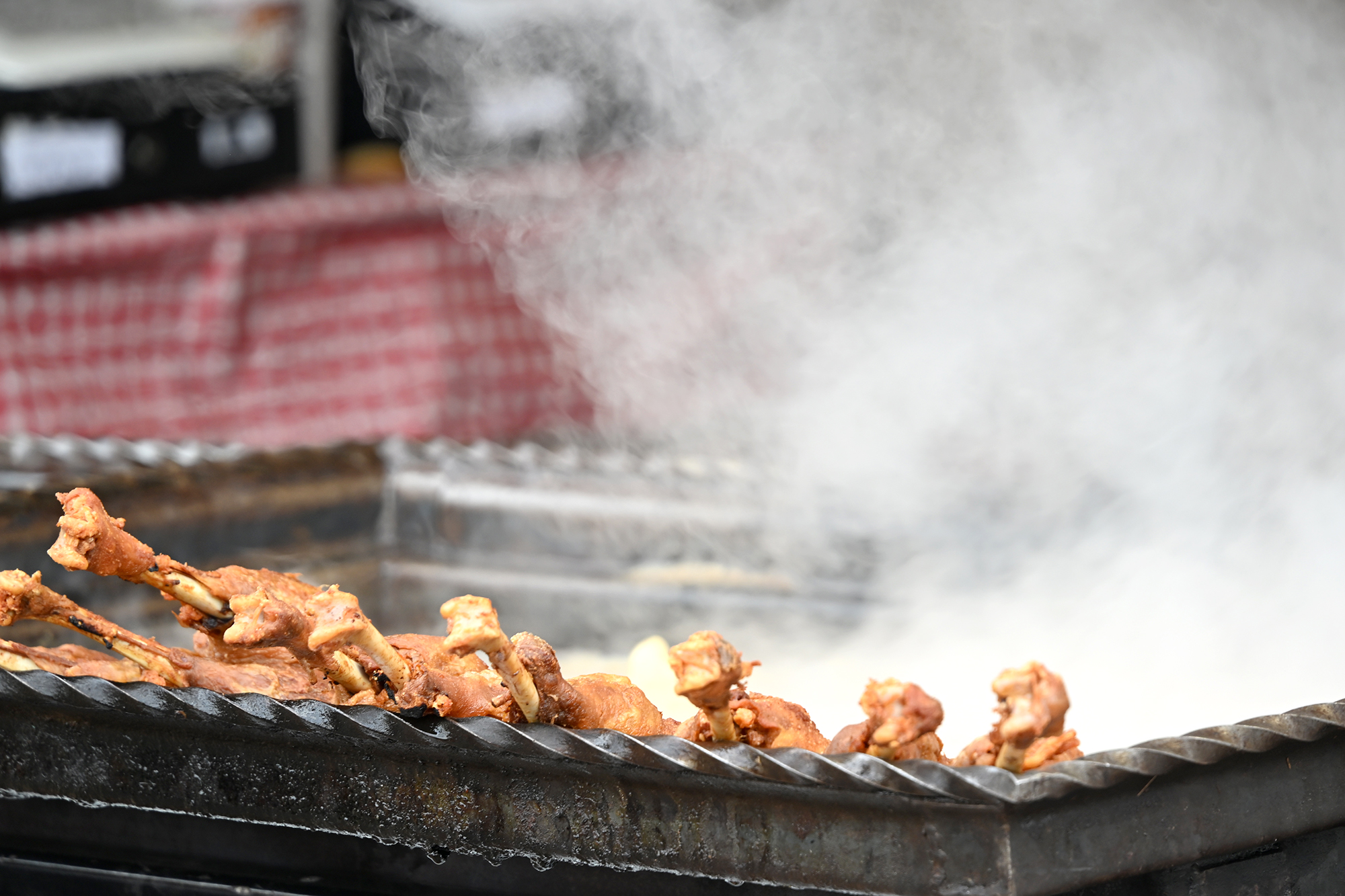
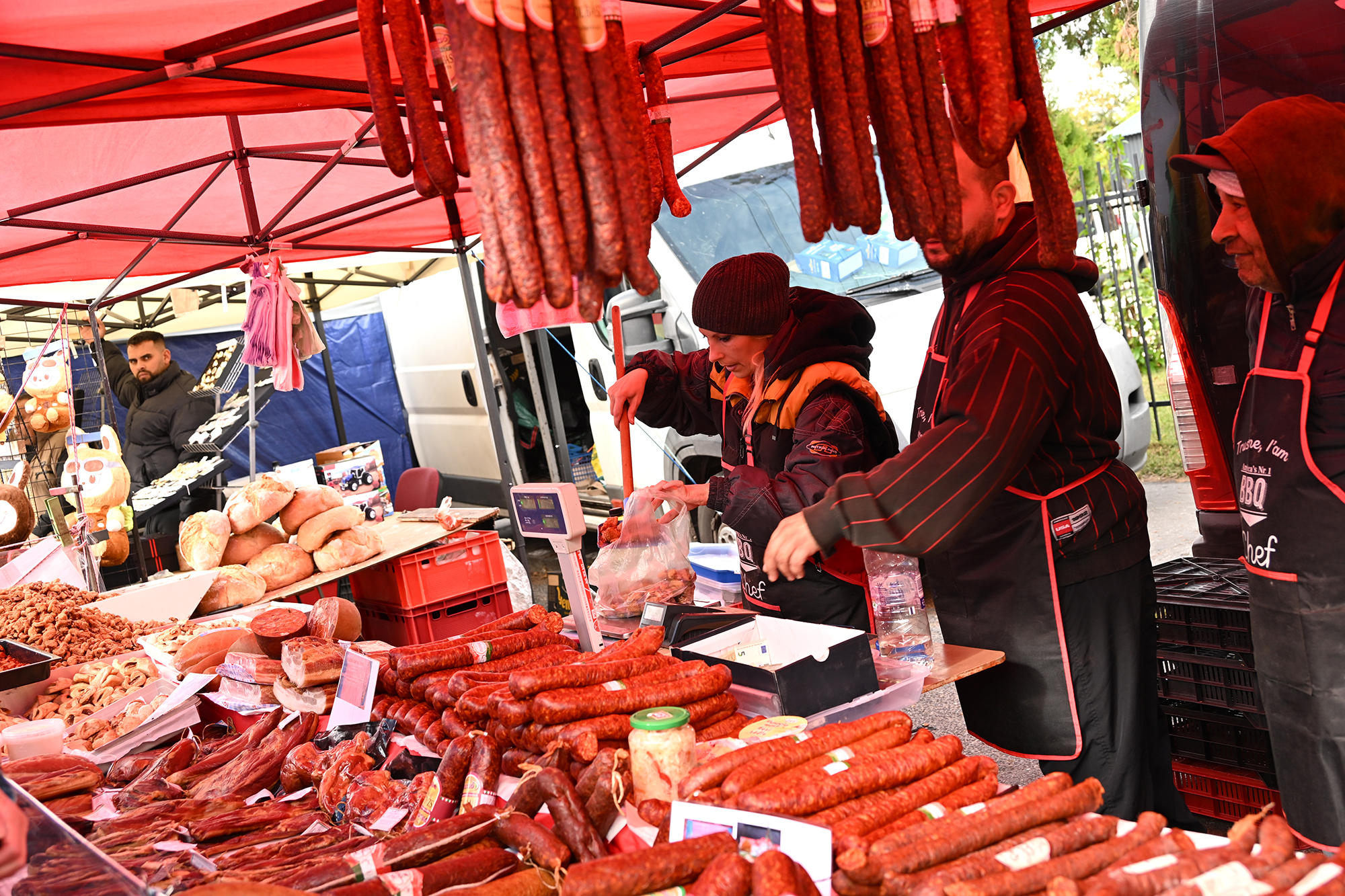
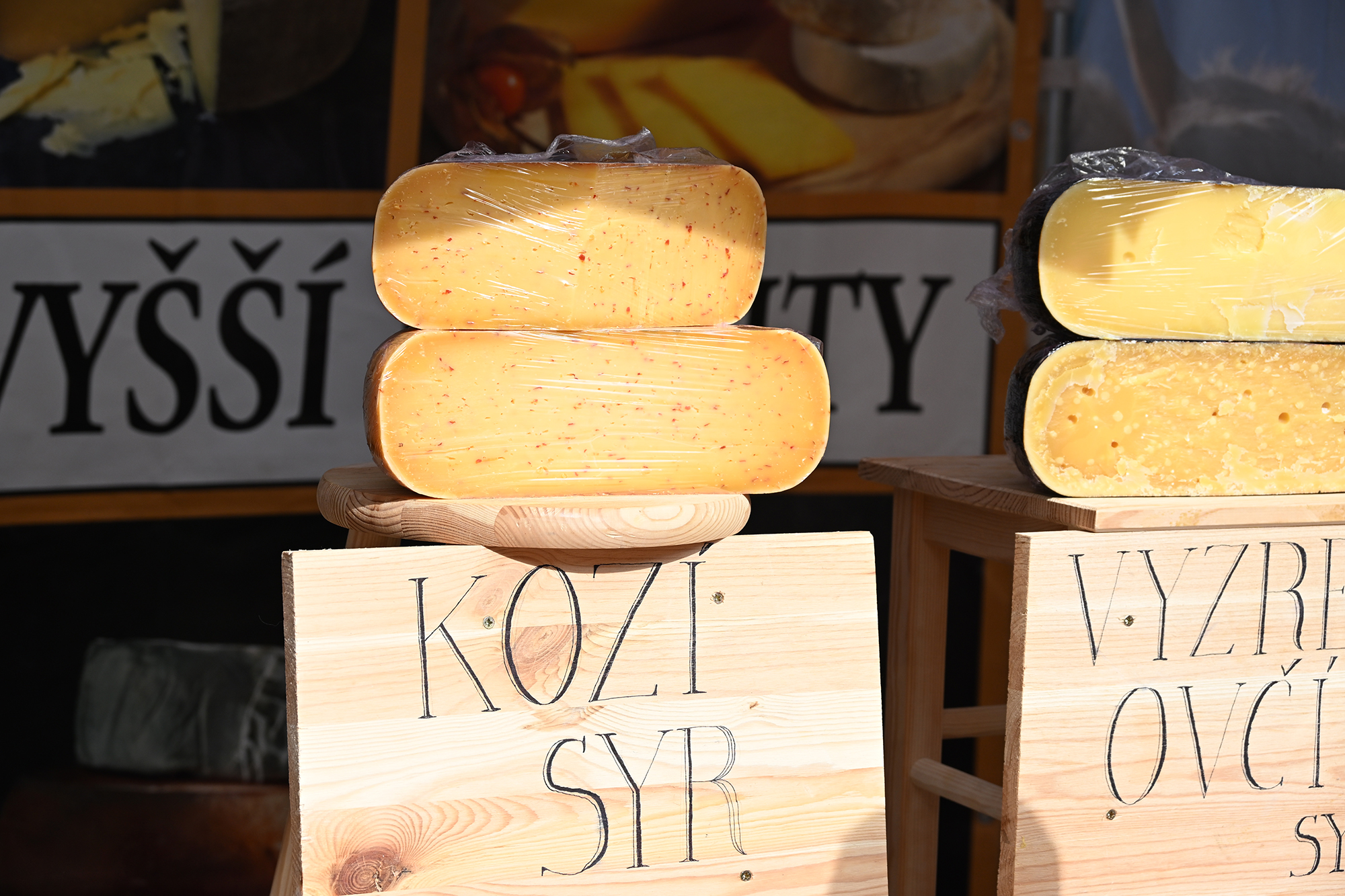
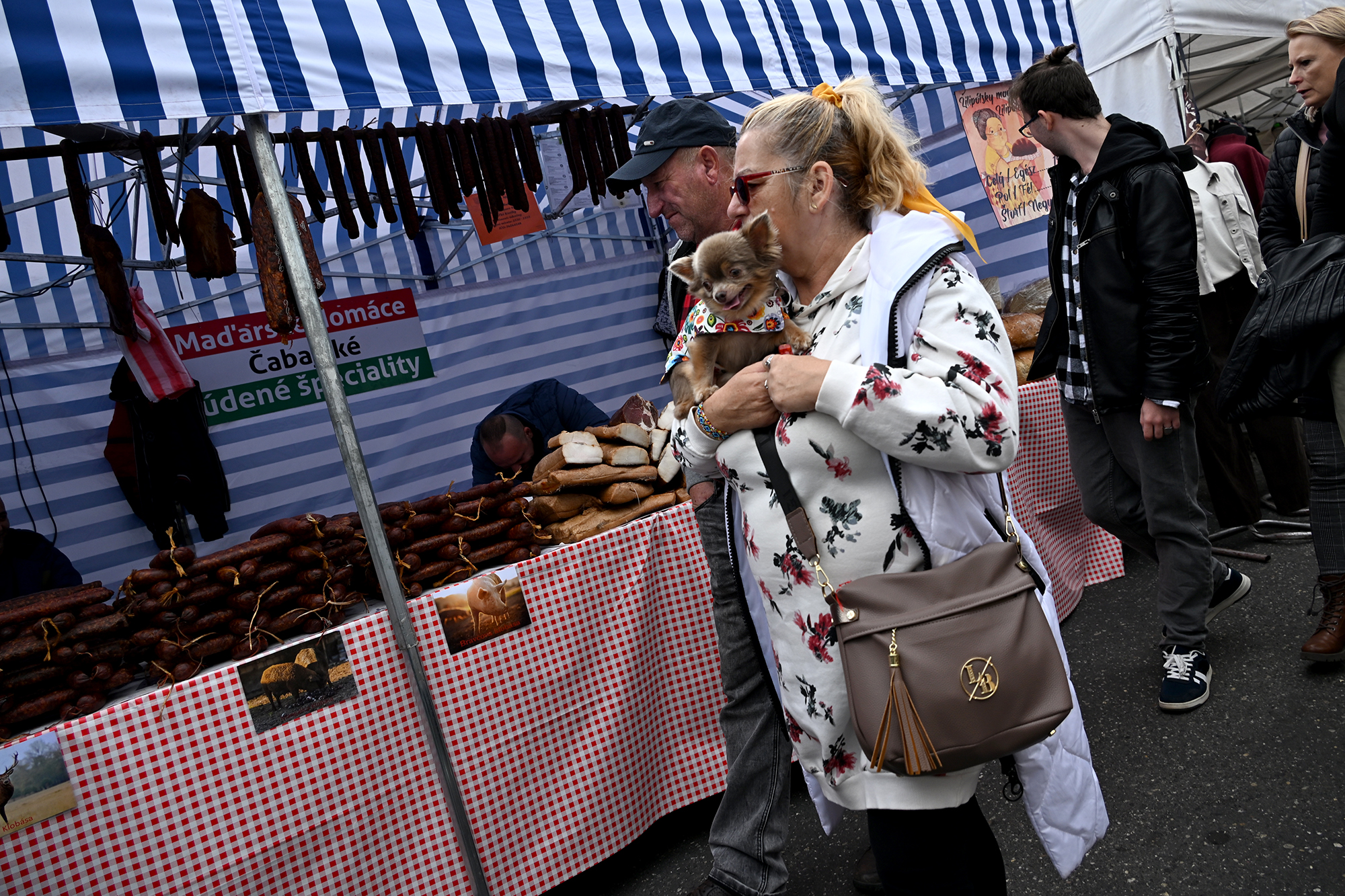
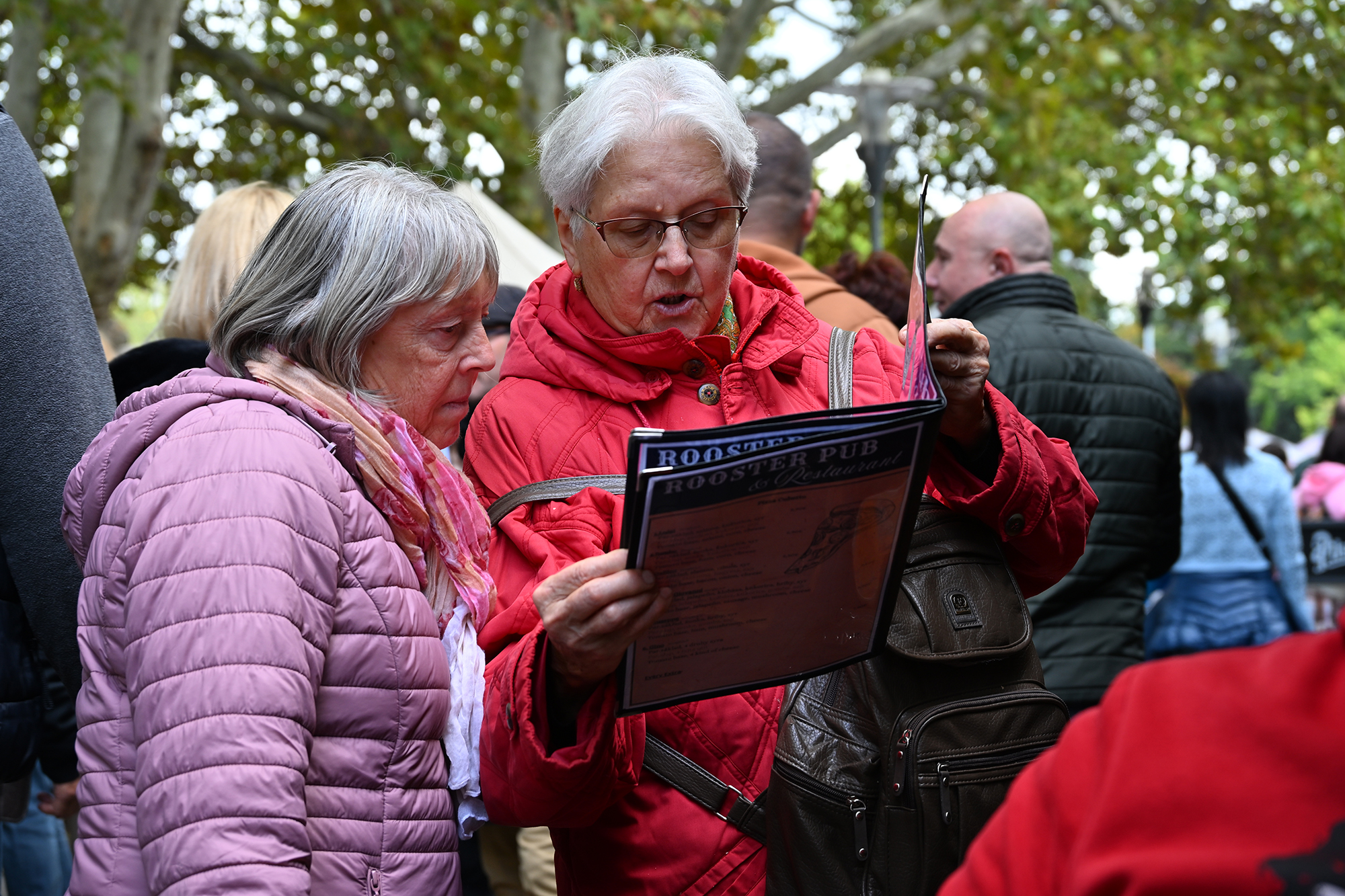
There is a roundabout packed with food and drinks stalls, anything from unfussy choices like lángos or sausages to Gargantuan meat platters and gulyás bowls. Both sides of the border compete with local delicacies such as honey, cheeses, paprika and of course fruit brandies, with the guiding principle that if a fruit exists, someone in this part of Europe has tried, and likely succeeded, to turn it into alcohol. Local restaurants do try to make most of the event, but it’s naturally not the easiest to find a table- the crowd on the busiest day, Saturday, is nothing if not impressive. So be prepared for bottlenecks in the areas where the stalls are packed closer, and long waiting times for food. We do have to commend Rooster Pub for a pretty quick turnaround on the much dreamed of halušky. If you want to try the wares of the medieval restaurant- Stredoveká sedliacka reštaurácia, which comes complete with an alley packed with skeletons (very Halloween of them, though the decor is there all year round), make sure to book ahead. Not having done that, we were turned away like ignoble peasants bothering the royal court. If you’re not inclined to wait, the food roundabout remains a perfect choice, as there are plenty of tables to sit at, with large ones being shared by several parties.
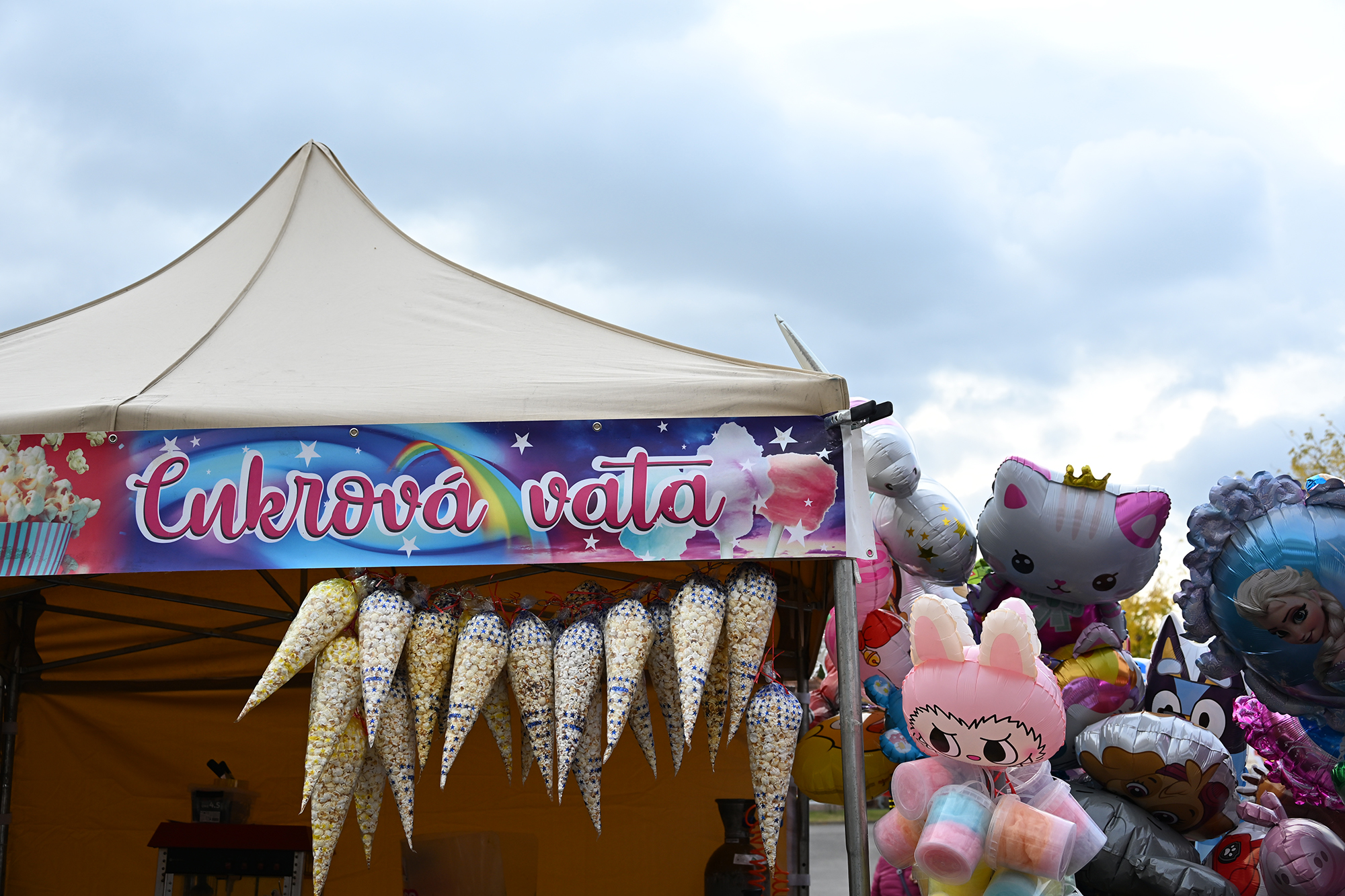
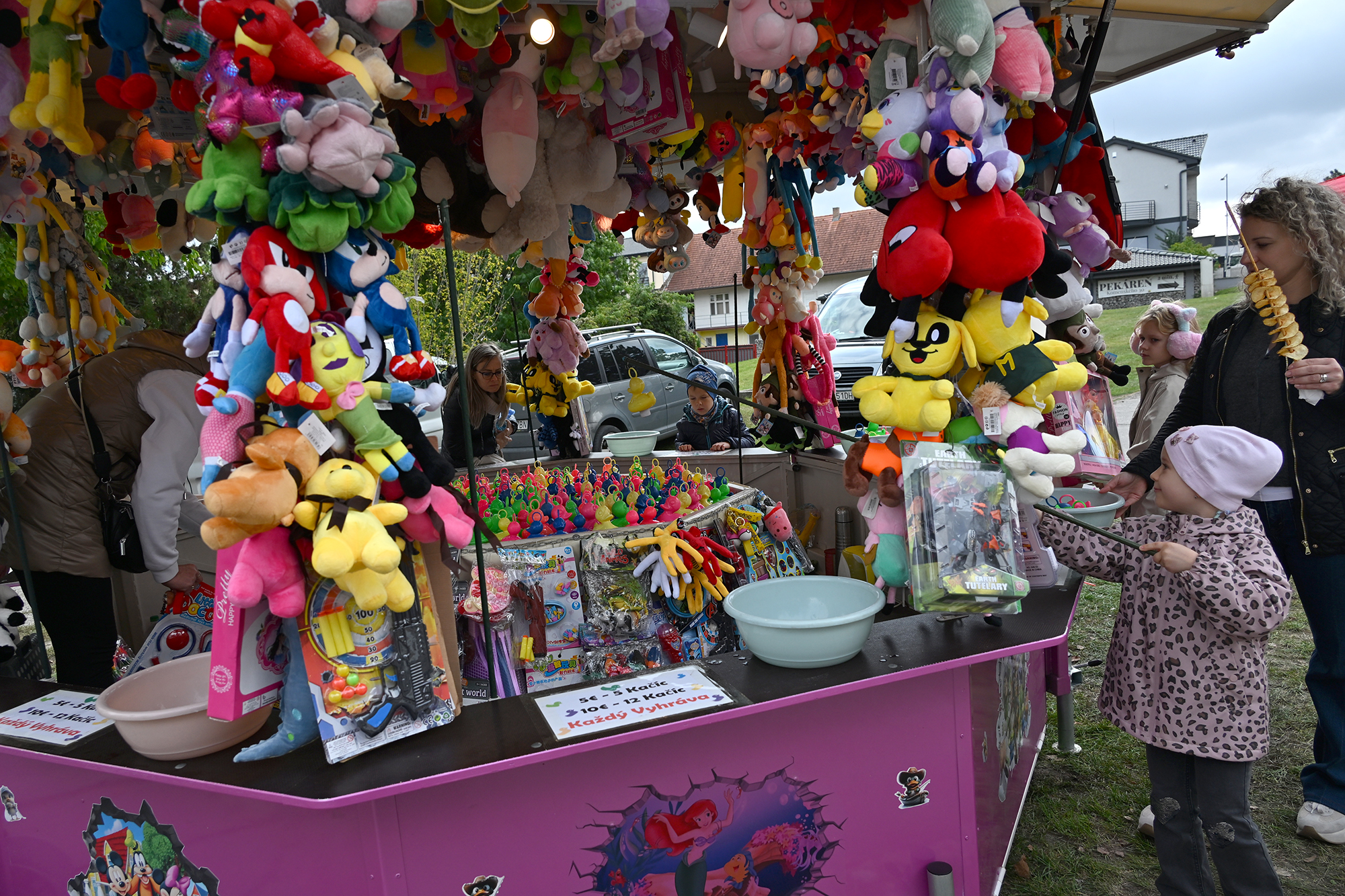
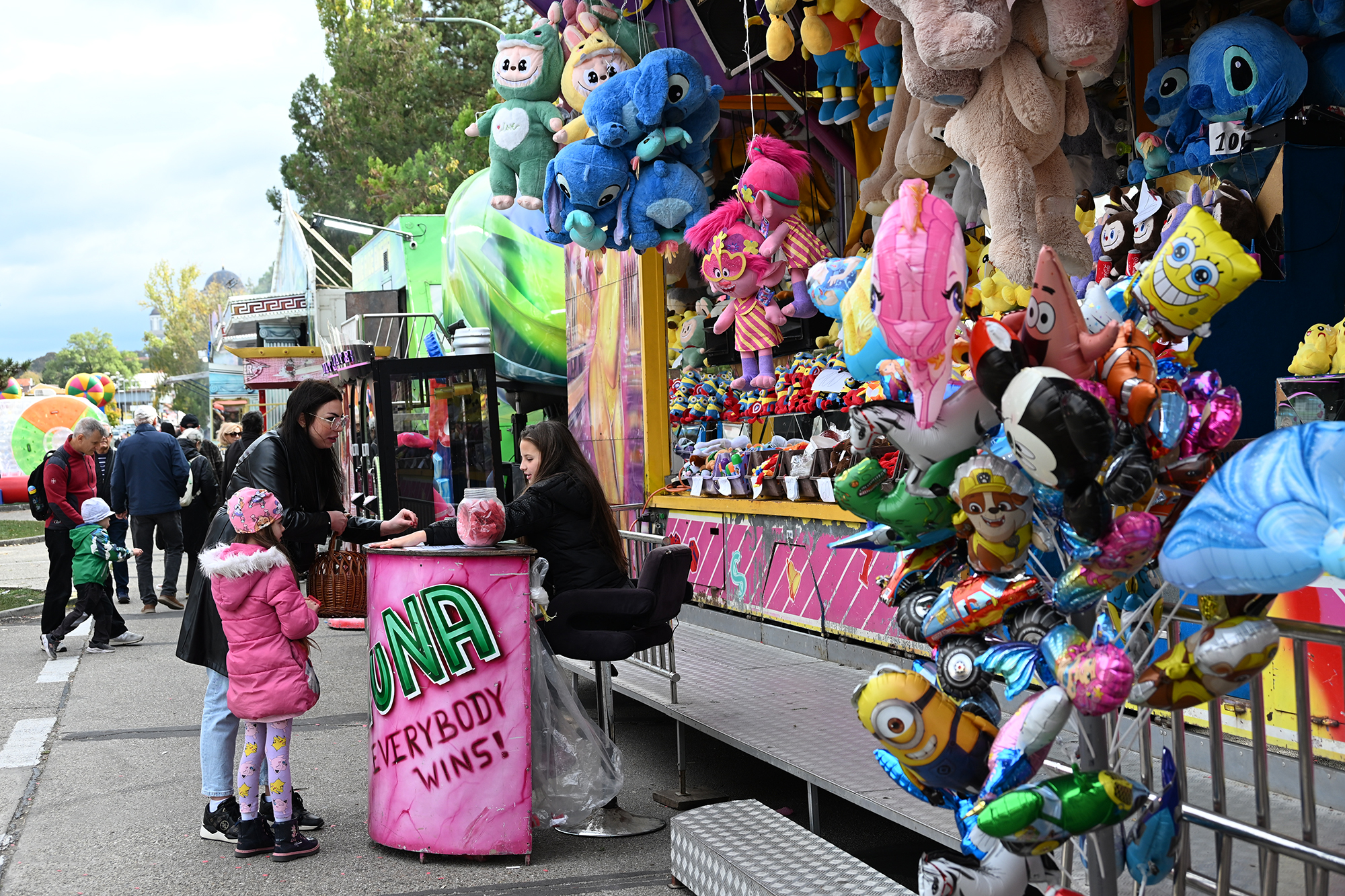
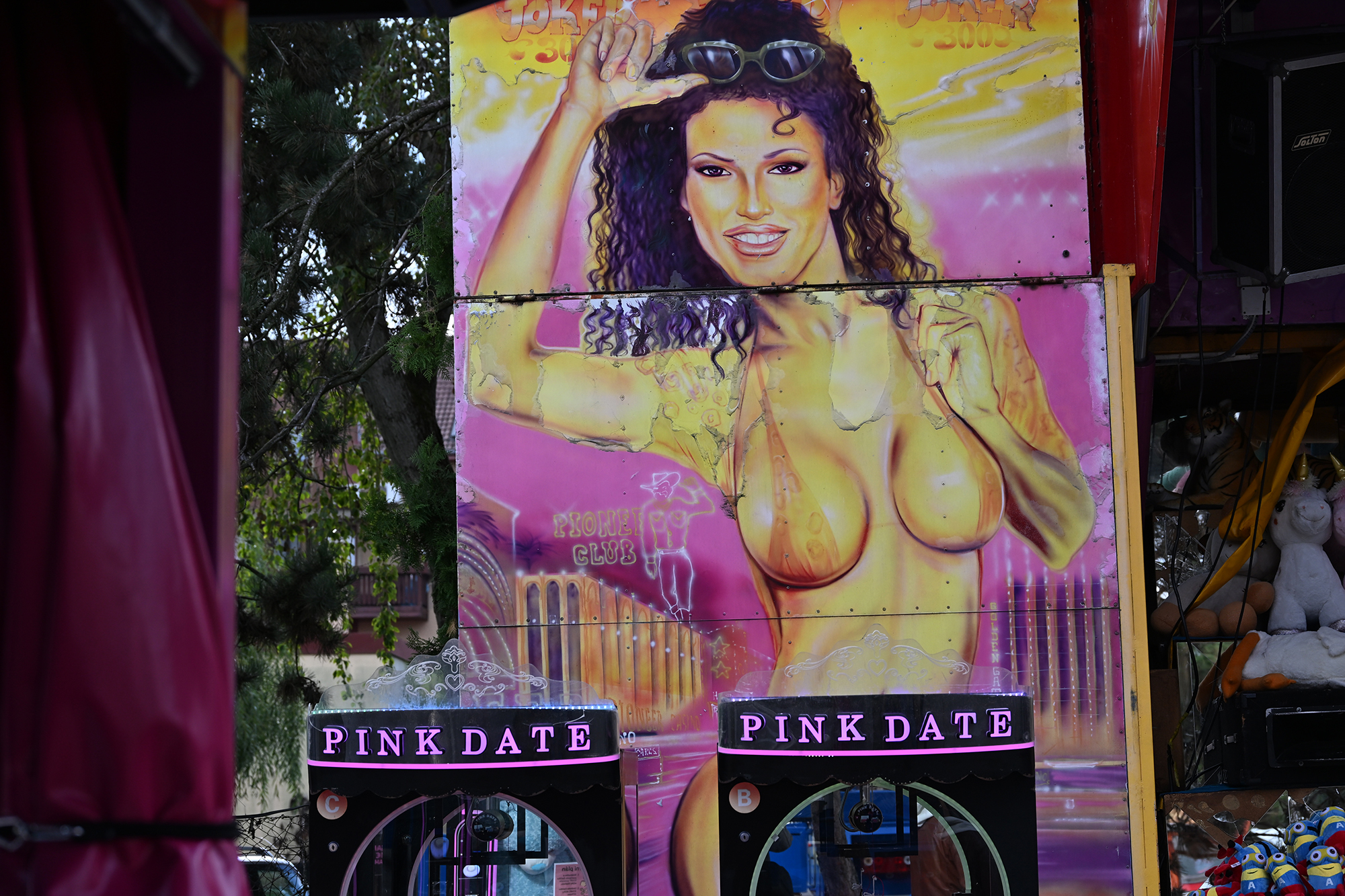
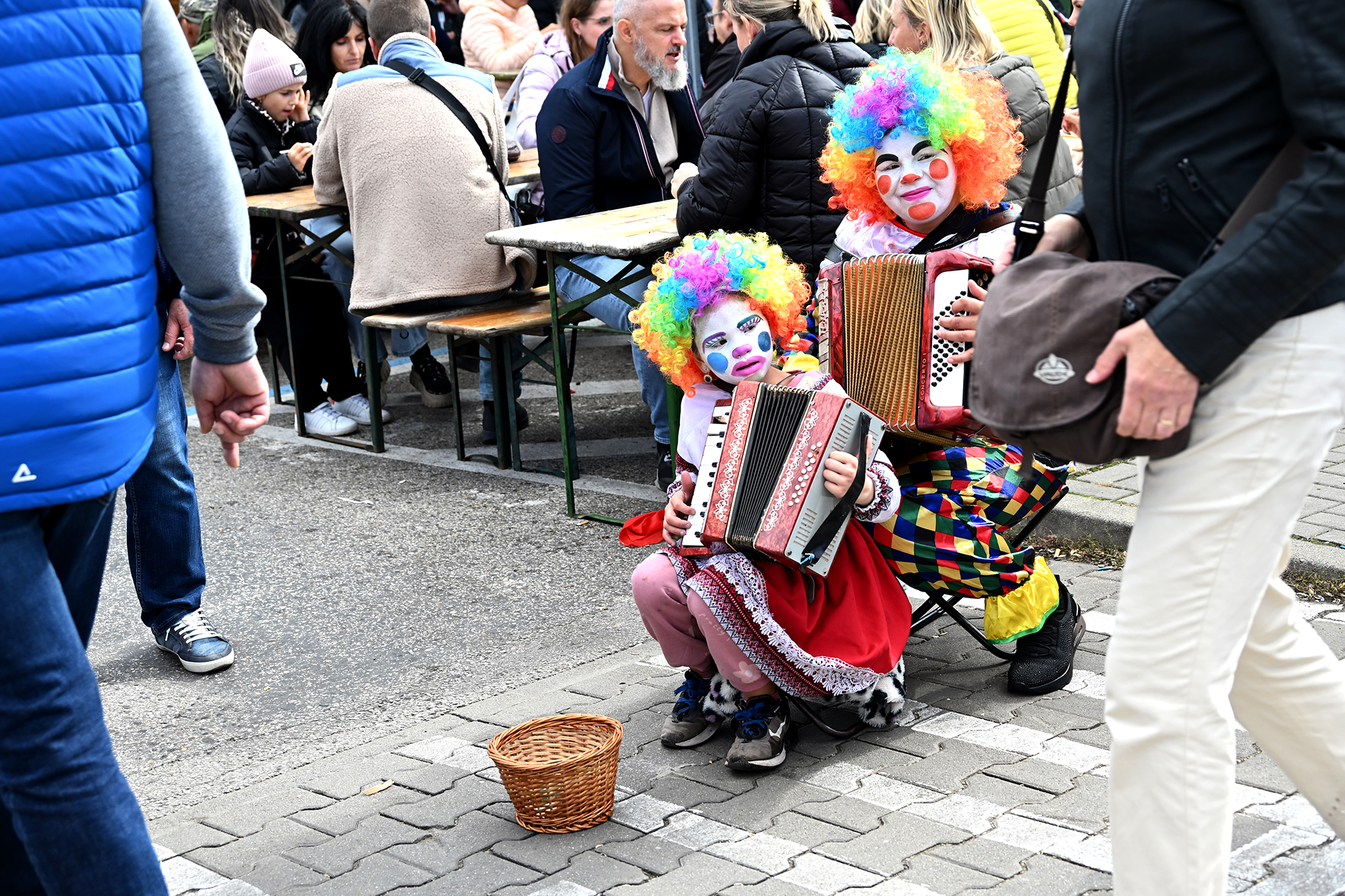
We visited the funfair area as well, complete with dodgems, merry go rounds and slot machines, and soundtracked by ‘the Sinatra of the East’, Karel Gott, with this magnificent Czech language rendition of Forever Young. It does have a strange effect, this busy autumn fair, of time travel- while you’re surrounded by ominous signs of our current, troubled times (did I mention the labubus?), it still takes you back to past (troubled) times. But of course of the past we often remember the good parts only. The candyfloss, its neon pink plastic sweetness sticking to your fingers. The colourful yoyo you played with until its thin plastic strap snapped. Your mum had a new perm, and shiny imported stockings and you were allowed one sip of the sweet cherry liqueur dispensed from the Bohemia crystal set every household lusted for. Maybe someone in your family bought it in Štúrovo.







 Pocket Diary Budapest