As already mentioned in our piece about Matera, the first mystery I tried to unravel upon our arrival in Bari was the name of its airport. Known traditionally as Bari- Palese, after the nearby neighbourhood, it was later renamed Karol Wojtyła. You will surely be delighted to know that John Paul II does have other two airports named after him. One in Warsaw, which of course makes sense. And another in Ponta Delgada, the Azores, a name bestowed on the airport after a papal visit The choice of the authorities in Bari remains shrouded in mystery. Even the ever helpful Google AI seems baffled and mentions the importance of John Paul II to the Catholic world, and Poland- which is not where Bari is. So I decided to leave it at that.
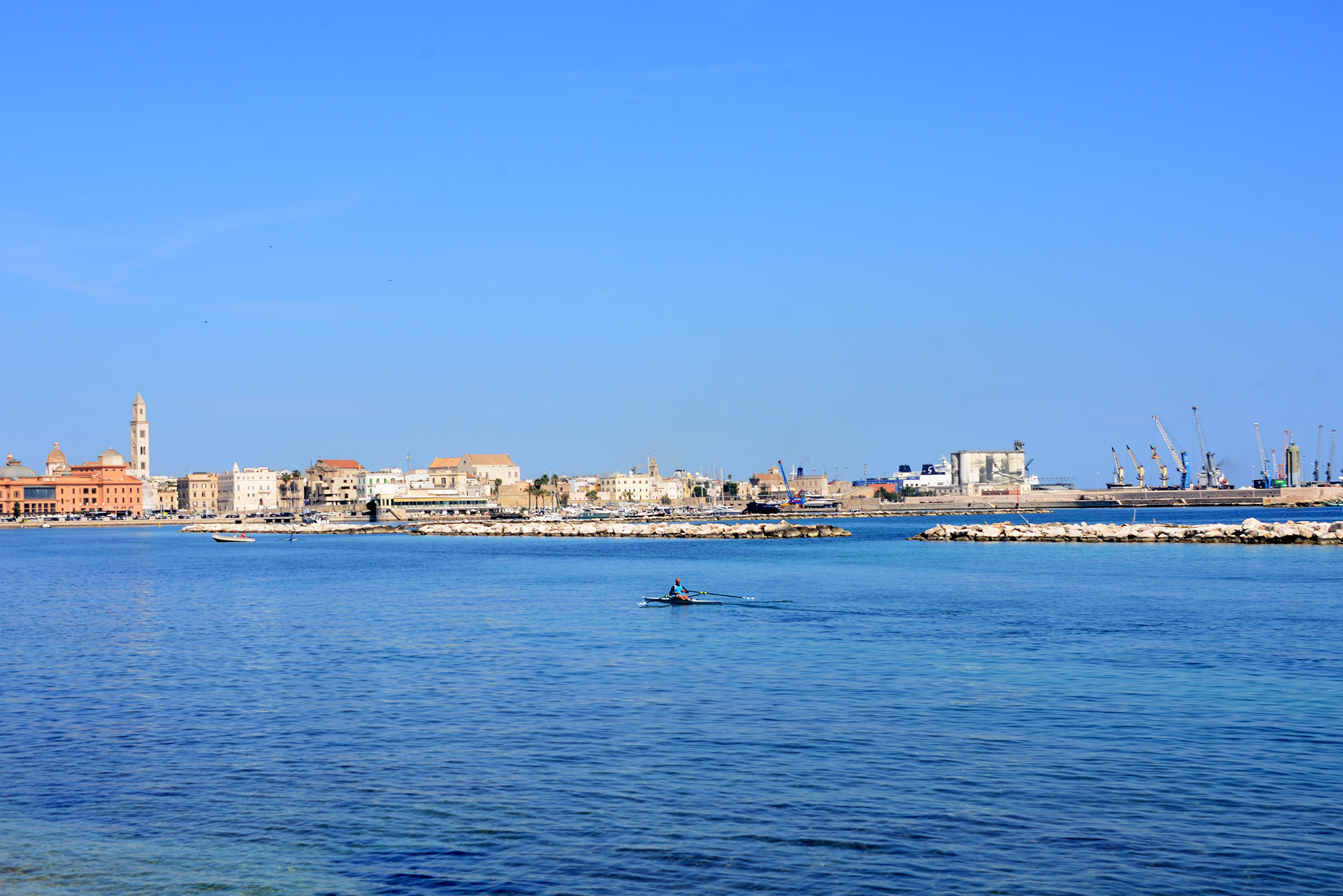
As we visited Bari off season, our experience of its beaches remains limited. We did brave the still rather frigid waters of the Adriatic at the city beach called, in a most Italian way, Pane e Pomodoro. It was quite packed on a warm spring day, so it’s very likely crowded in high season, but otherwise I can recommend it as a great choice if you don’t have too much time in the city but want to take a dip in the sea. It is conveniently located along the lungomare- the Italian name for walkways along the sea, that leads all the way to the old town, and is, according to some accounts, the longest in Italy. Along this walkway you can revel in some dubious, if impressive, Brutalist architecture, a remnant of the pre-WWII era when the Fascist leadership of Italy was trying to shape Bari into a port city worthy of a newly emerging colonial power. The streets in the neighbourhood of Madonnella don’t hold back either- you will find a full collection of lost territories, from Spalato to Libia, from Corfu to Durazzo. It also happens to be the neighbourhood where we had our accommodation- prices are less extortionate than in the old town and you are about halfway to the beach. This being said, depending on which corner you take, some streets might feel a little ominous, especially at night. Nothing out of the ordinary for big cities, but worth noting for more cautious travelers.
From Madonnella you can turn straight into the neighbourhood of Murat. It was established in the 19th Century by Joachim Murat, one of Napoleon’s generals, who, among very many things, was also King of Naples, a nice thing to put on your résumé. The Murat has a geometrical, grid-like structure, order to counterbalance the chaos of the old town. It is packed with bars, restaurants and shopping areas. Of the restaurants, we tried the Radicale. I do recommend it if you are into fine dining experiences, tasting tiny bits of intricately elaborated foodstuff alongside equally tiny sips of expensive ecological wine. As for me, I am more partial to the kind of unfussy, slightly disorderly but amiable environment that you find in less commended restaurants, frequented mostly by locals. Such as the Taverna Verde. On the evening we arrived, it was packed to the brim, and unimaginable chaos reigned. Several waiters were running up and down the aisles (it is a rather large place), the combined decibels of the patrons would probably rival a jet engine, and the state of some tables resembled a particularly successful Dionysian feast. We were nevertheless squeezed in to the one available table, conveniently located next to the TV showing Serie A. We were then left to our own devices for long stretches of time, which was fine by me, especially once the wine arrived. As most tables were home to rather more people than they would normally take, conversations between neighbouring tables sprung up with ease: the blog’s industrious co-photographer was singled out as resembling Russell Crowe, and the we discussed the painful travails of local club SSC Bari, lingering in the Serie B after a number of (near)bankruptcies and spells in lower divisions.
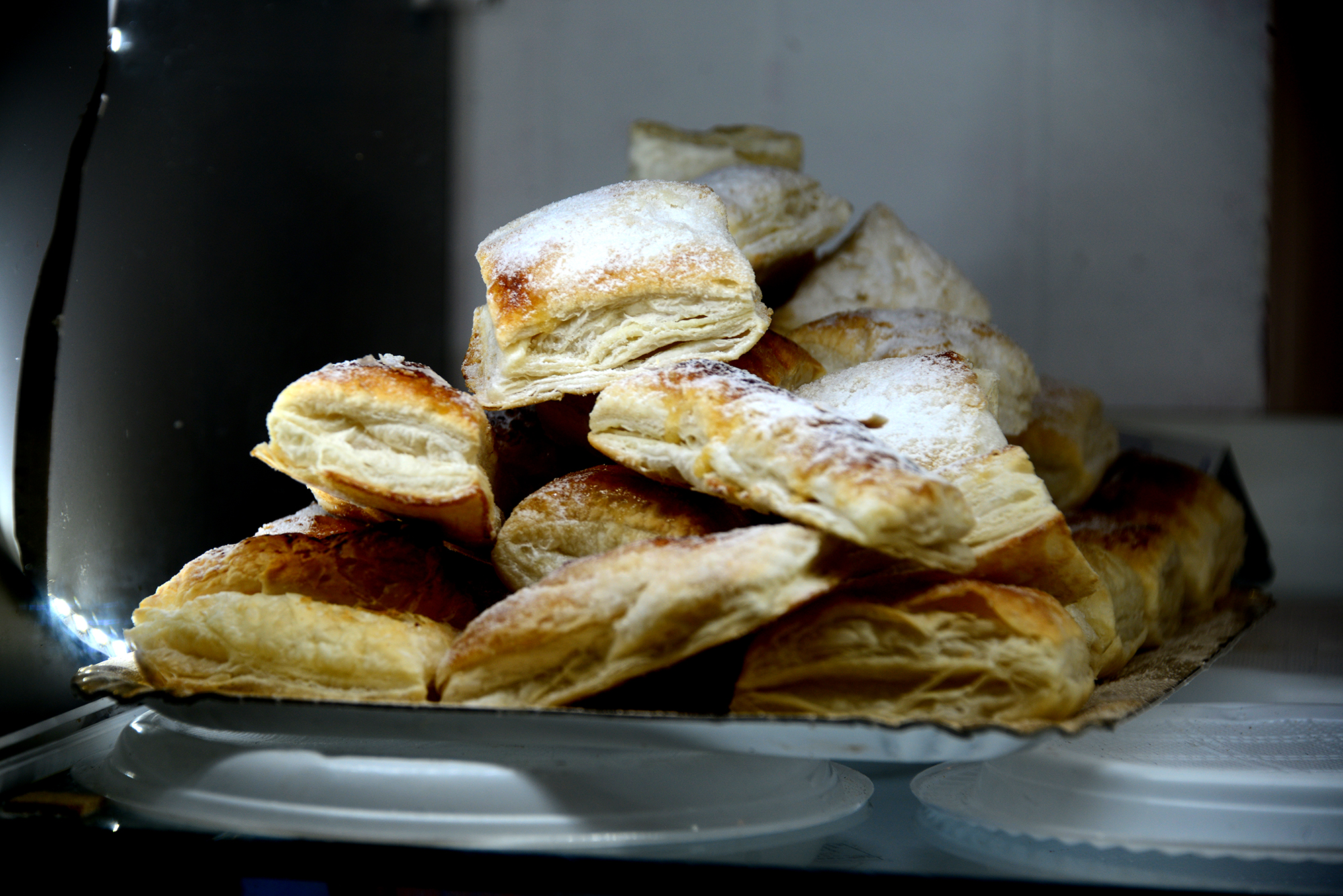
If Dante described the seven circles of hell, I could think of the seven circles of Heaven, and one of these would be watching and discussing Italian football while waiting for pasta, knowing, full well, that when the pasta will arrive, it will be exquisite. It was. The ultimate local pasta dish is the orecchiette alle cime di rapa, Orecchiette, or little ears (on account of their shape) are specific to the Puglia region, but I was somewhat intrigued by the topping. From a distance, it looked like non-determinate green stuff, something like the Greek horta. Closer inspection revealed them to be the distant cousins of broccoli, the confusion created by the fact that the Apulian dish uses the leaves (cima, as in top) and not the buds. My relationship with broccoli is best described here. I therefore stuck mostly to the more familiar orecchiette al ragu, but finally gave in to the rapa in Puccia. The place is tucked away in old Bari, on the corner of the Piazza Mercantile, and it’s social media presence is almost none. Because it doesn’t need it. It’s the kind of street food place that fills both your stomach, and your soul. Their staples are, of course, the puccia, and also panzerotti- they are both, fundamentally, bread types that you can have with several different fillings, and I did eventually try the panzerotto with cime di rapa. Suffice to say I am not in love, but it was worth the experience. They also move into the territory of sacrilege- with a Nutella pizza. A bold move, given all the holiness nearby.
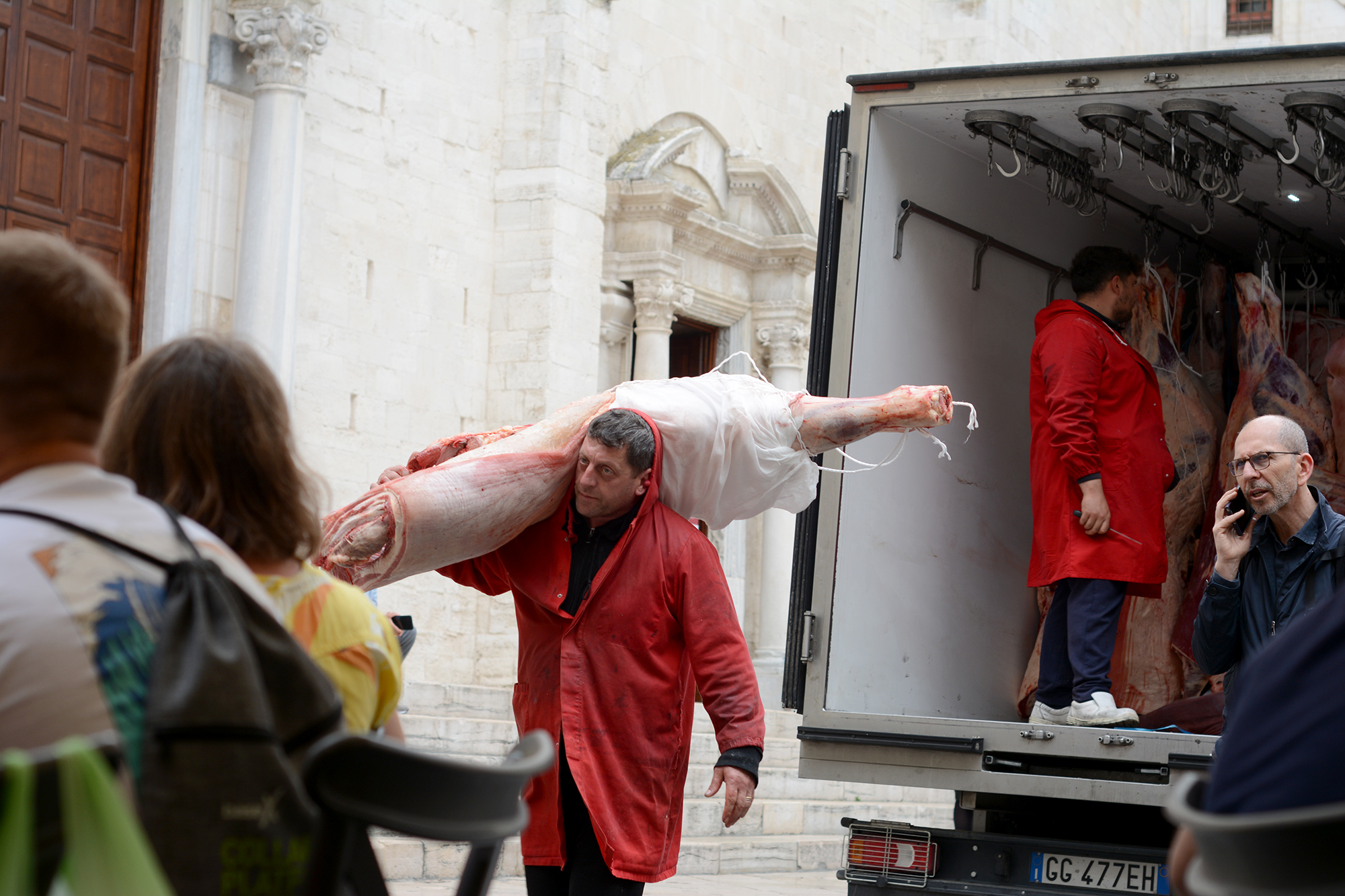
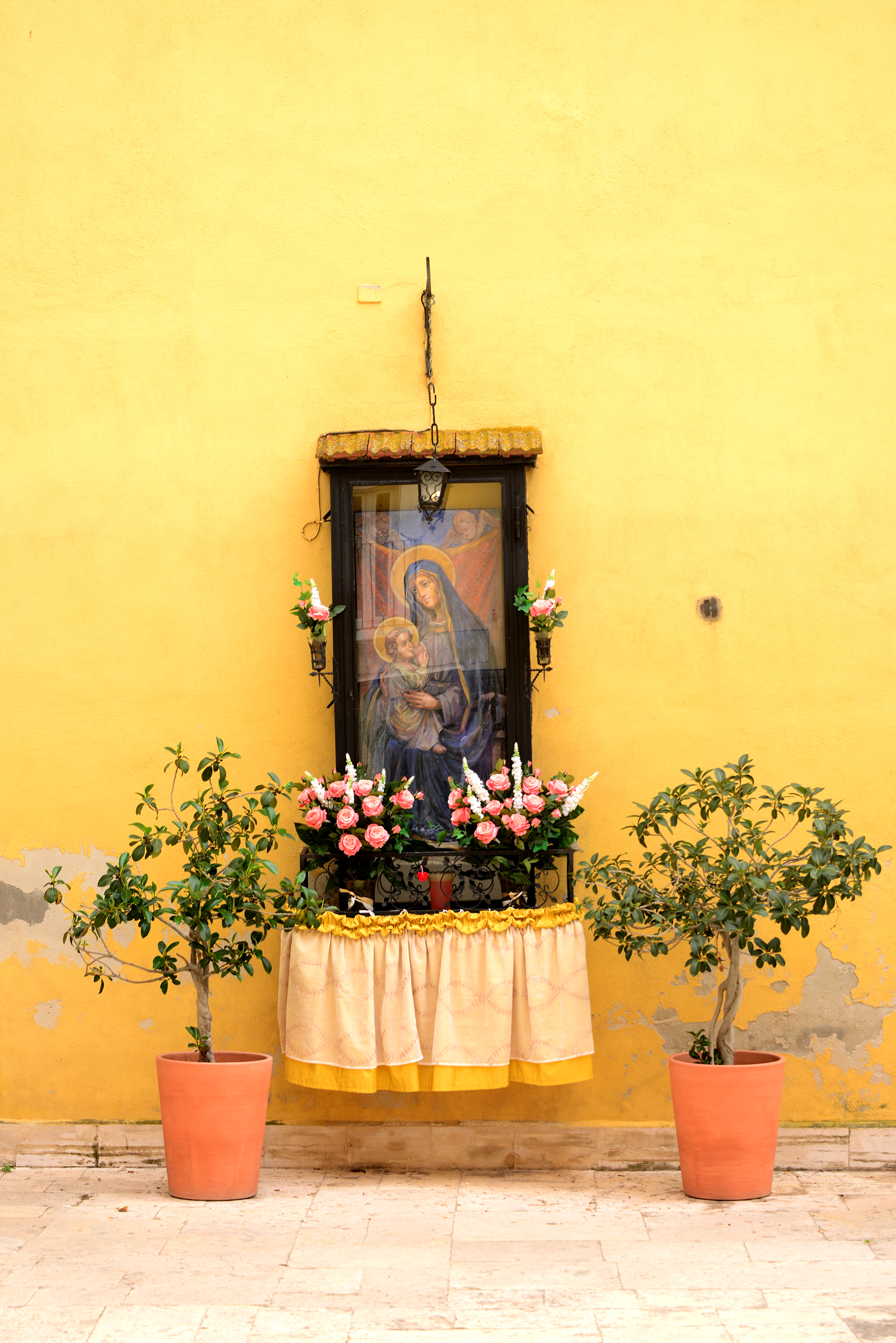


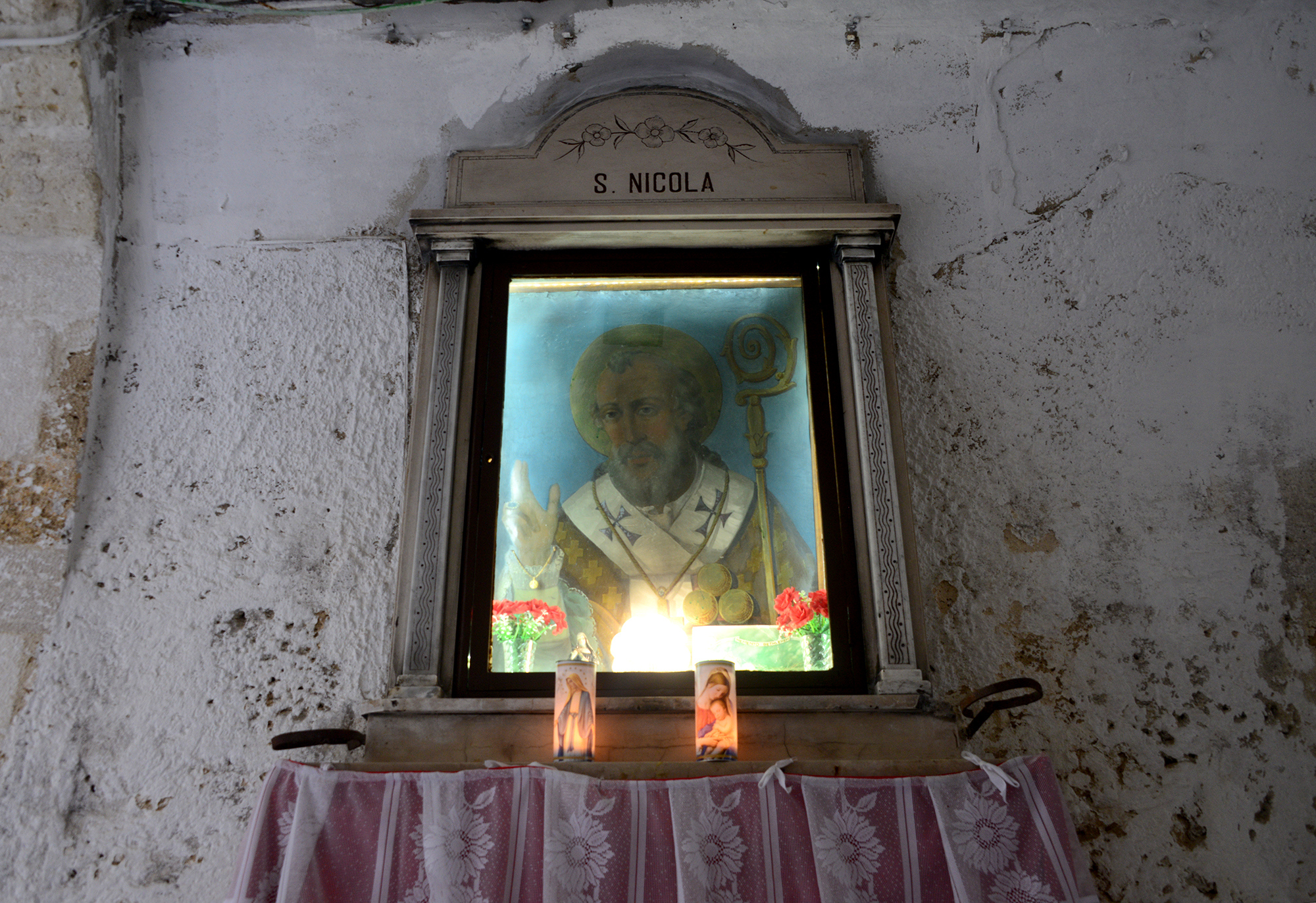

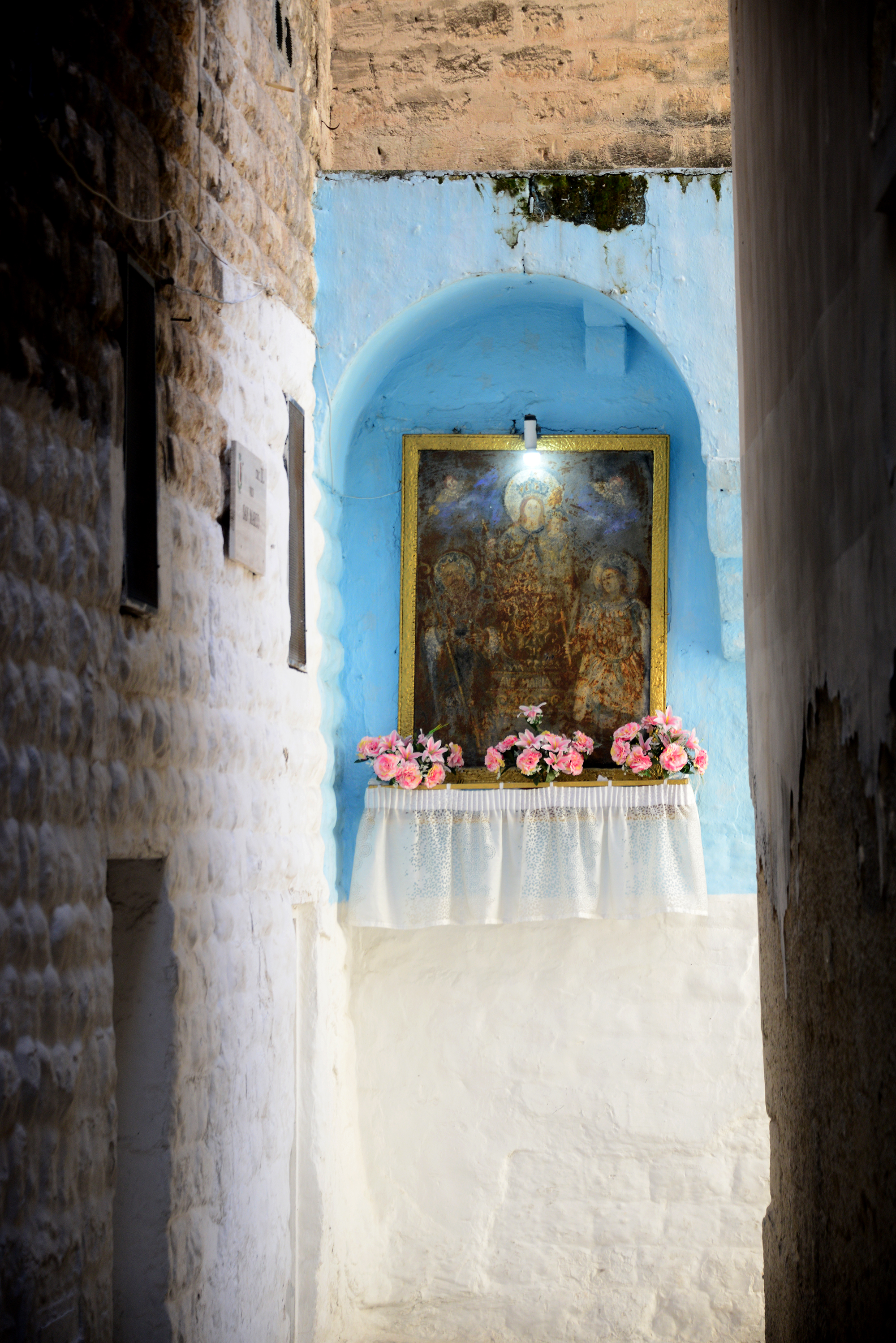
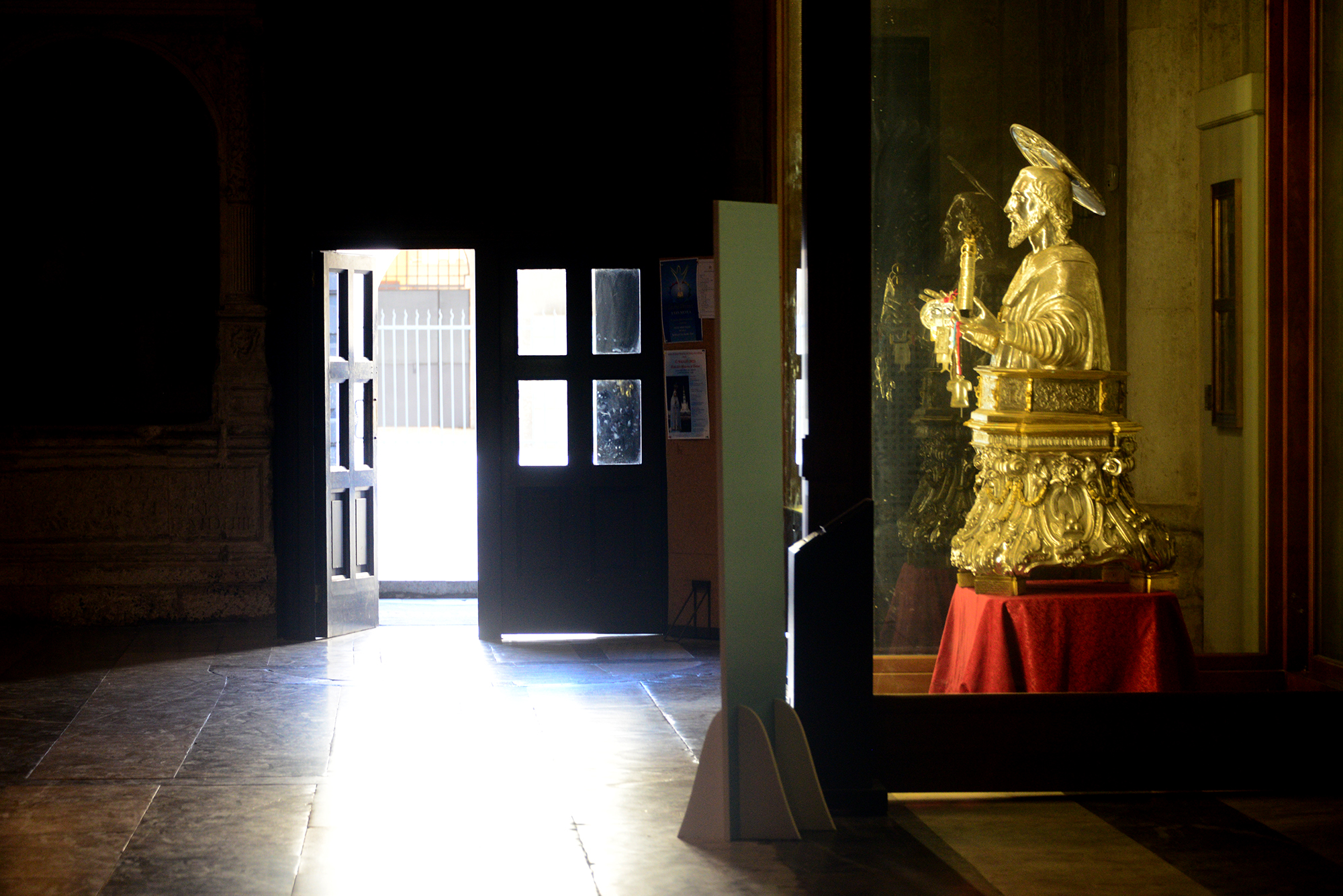

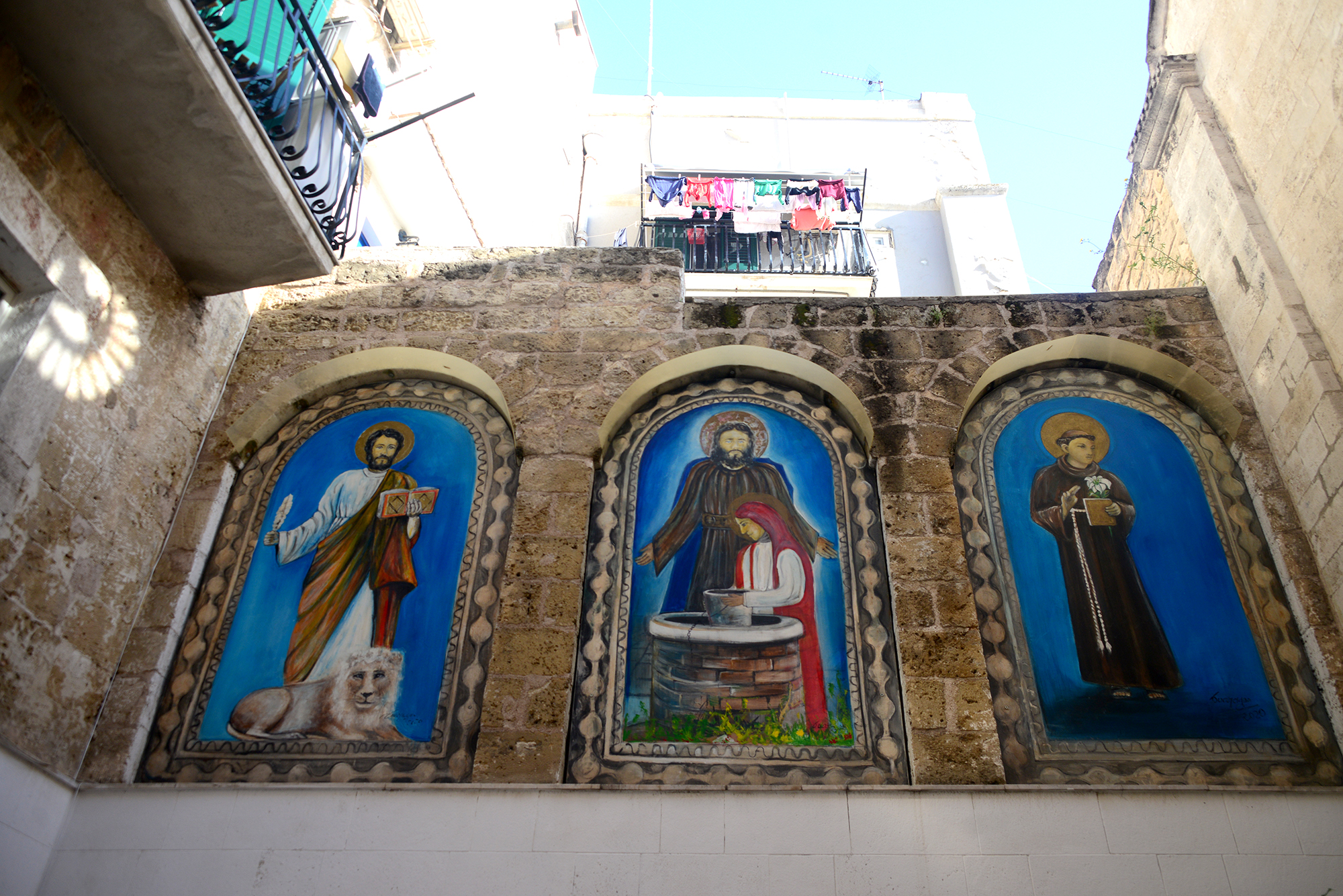

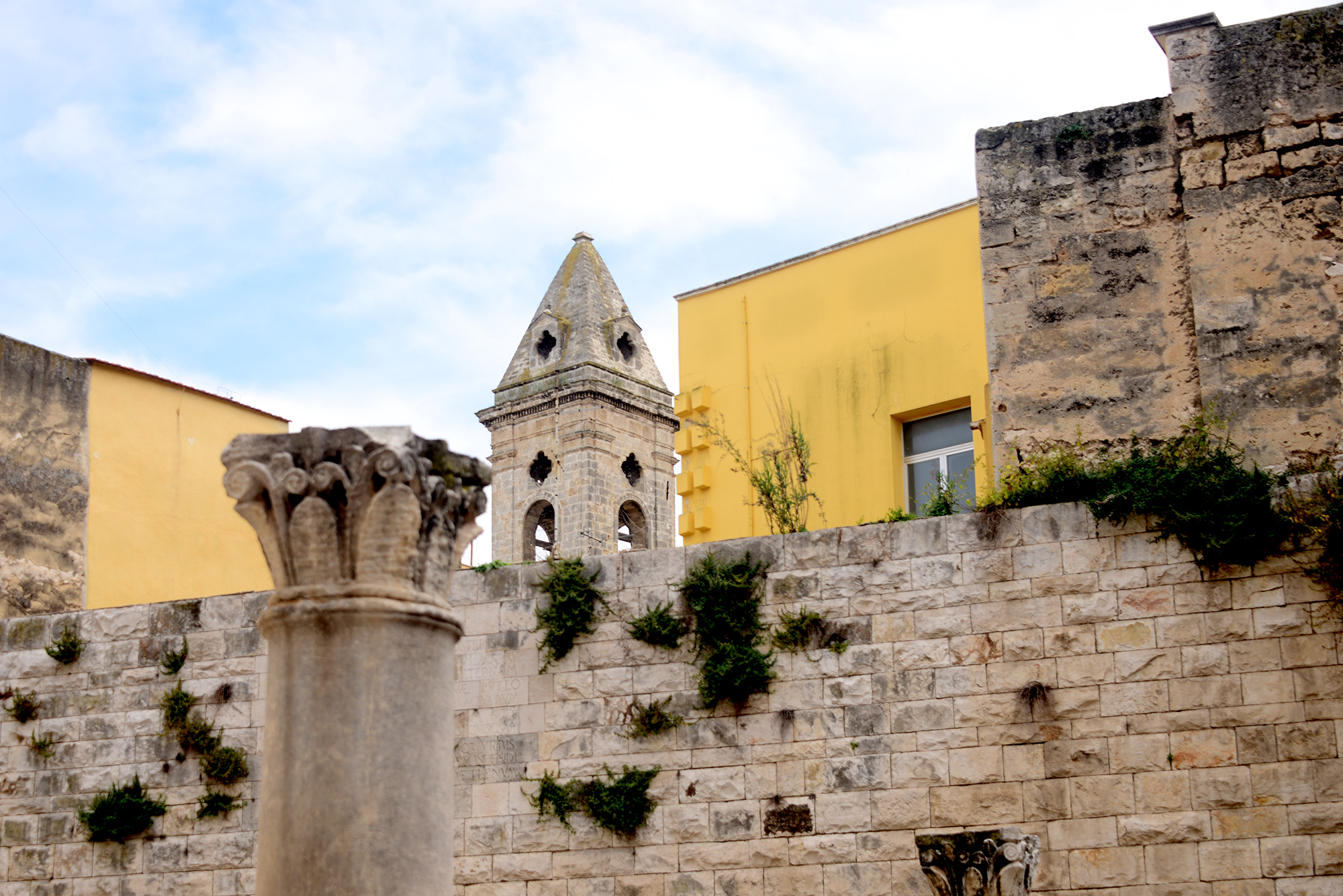
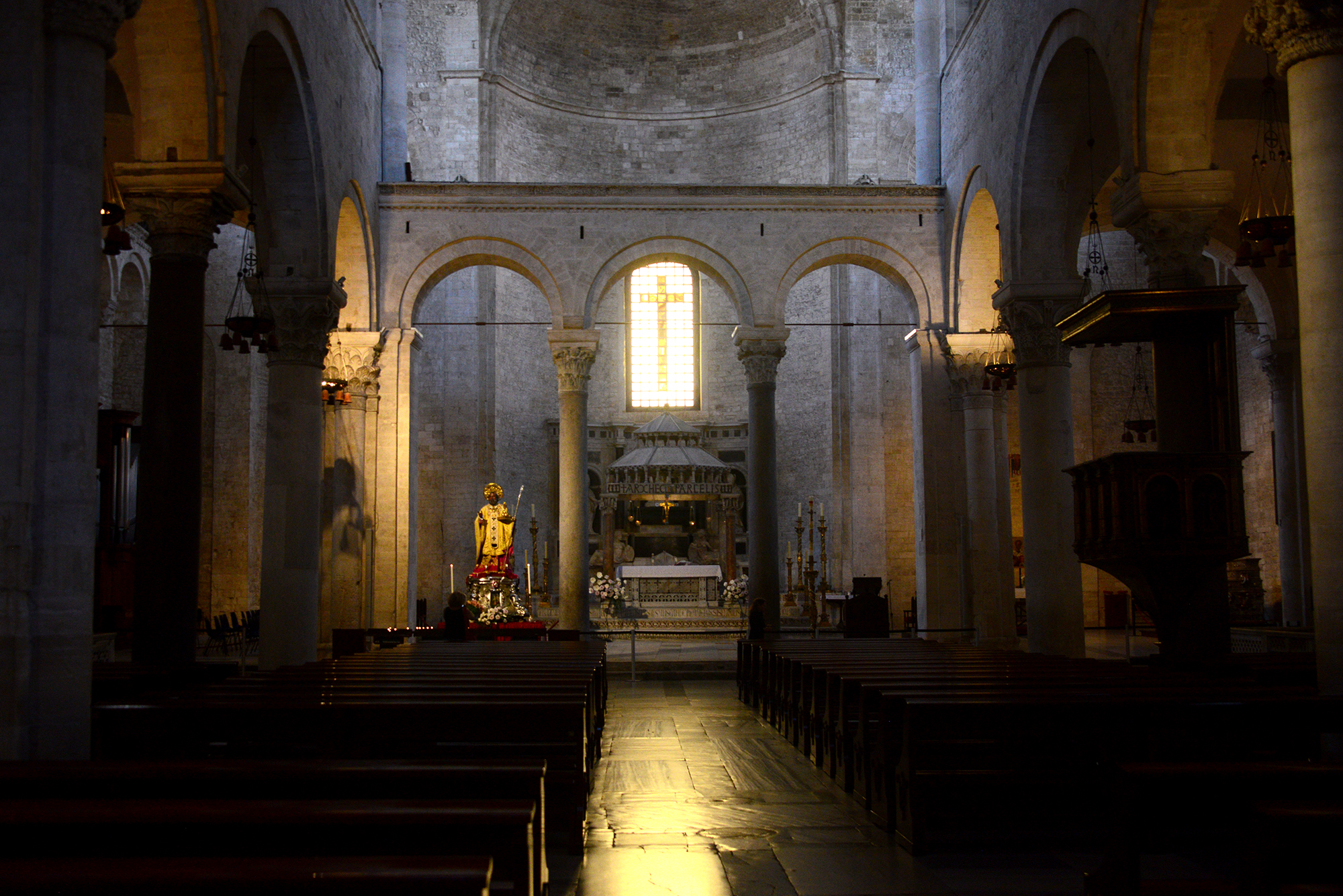
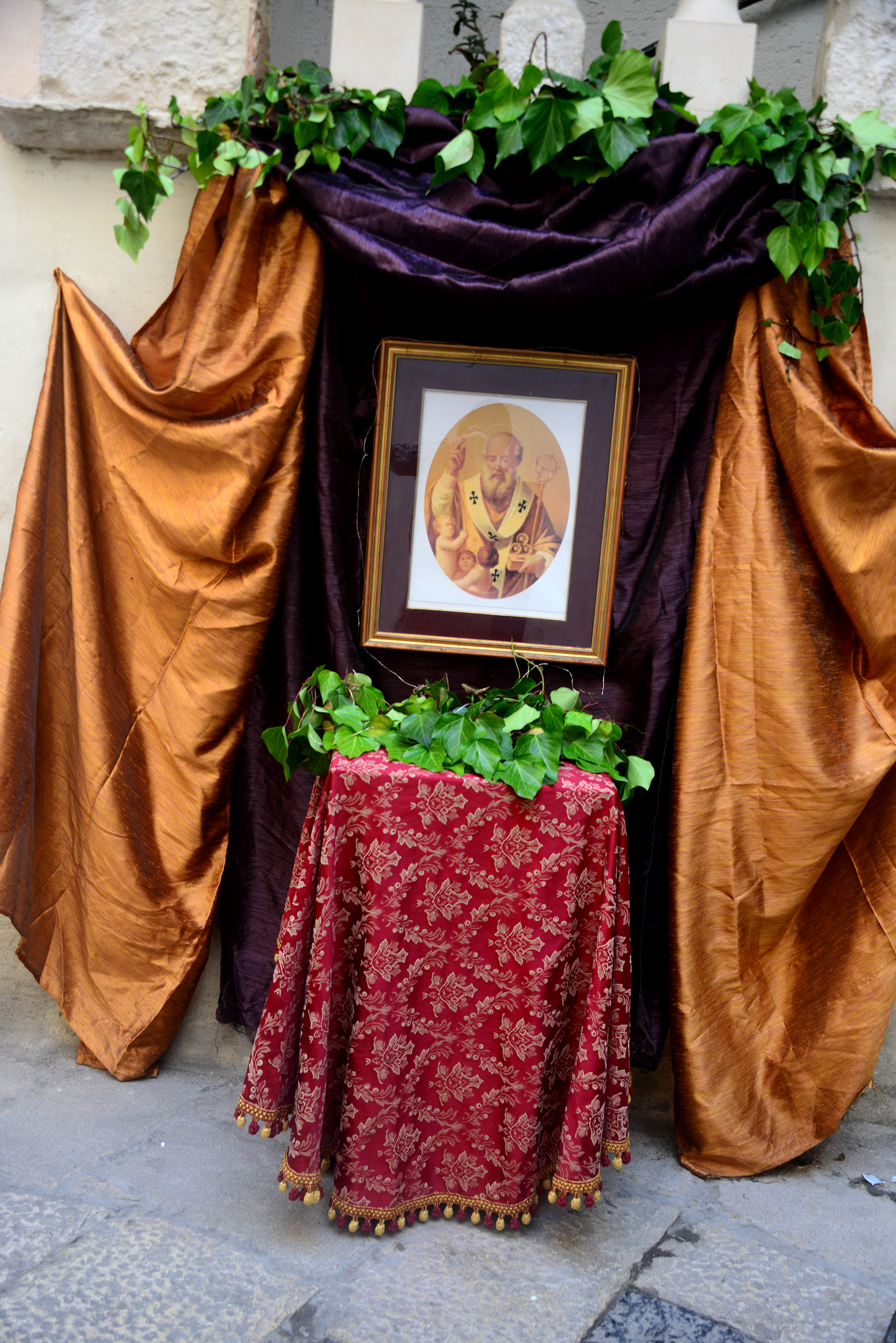
The city of Bari will be known to a lot of people, Catholics and Orthodox alike, as the final resting place of Saint Nicholas’s relics. They are to be found in the Basilica bearing the saint’s name, built in the 12th Century with this very purpose. The story of how the relics made it from Myra, located in what is now the Antalya province of Turkey, to Bari, is adventurous, to say the least, and it involves the Venetians trying to pilfer some parts of the saint’s remains to be kept in their own city. Bari was eventually victorious in this tussle, which has its own feast day in the Eastern Orthodox calendar, known as the Translation of the Relics of Saint Nicholas from Myra to Bari, celebrated on May 9th. According to tradition, the relics emit a holy substance- known as the manna of Saint Nicholas. Disappointingly to some, Italian scientists have concluded that the manna is most likely water, caused by the condensation in the underground tomb located in a humid port city. On the 9th of May, a small amount of this liquid is gathered and then further diluted with water, to be sold in decorative containers believed to have healing powers. While I am not particularly religious, I have always been intrigued by religious ritual, and by the solace it can bring to believers. I am also struck by how certain places of worship do succeed in conveying a feeling of the otherworldly. I bumbled into the Basilica very early in the morning- I did not expect it to be open, but it was, and it charges no entry fees. A few people were headed downstairs, to the tomb, from where you could hear the chants of the morning prayer. Given the importance of Saint Nicholas in both traditions, the Basilica mingles Catholic and Orthodox ritual seamlessly. I walked towards the altar, flickering golden light pouring in through the stained glass windows. Of the three incarnations of the Christian God I was always most intrigued by the Holy Spirit. And for a brief second, perhaps, I could glimpse it here.
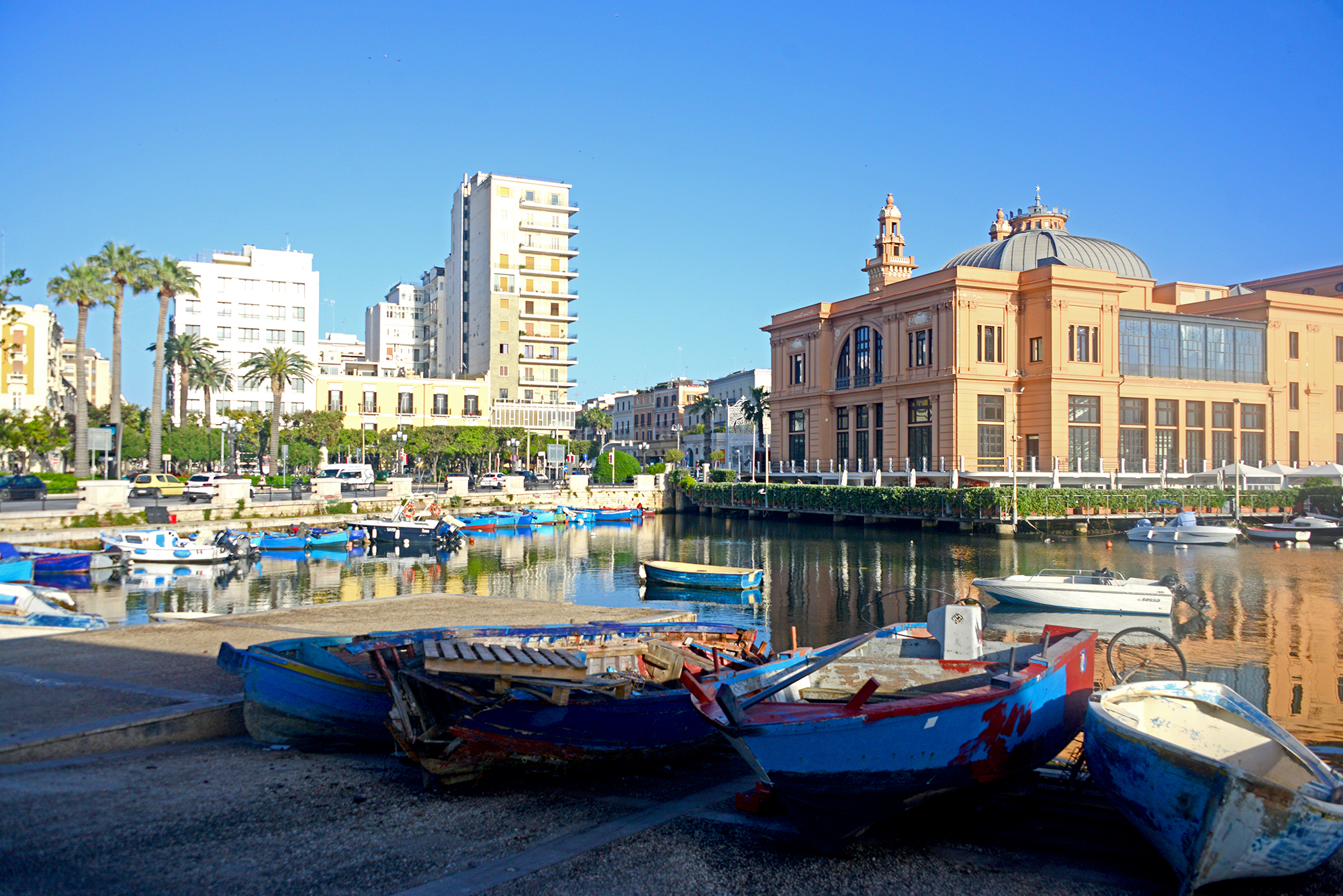
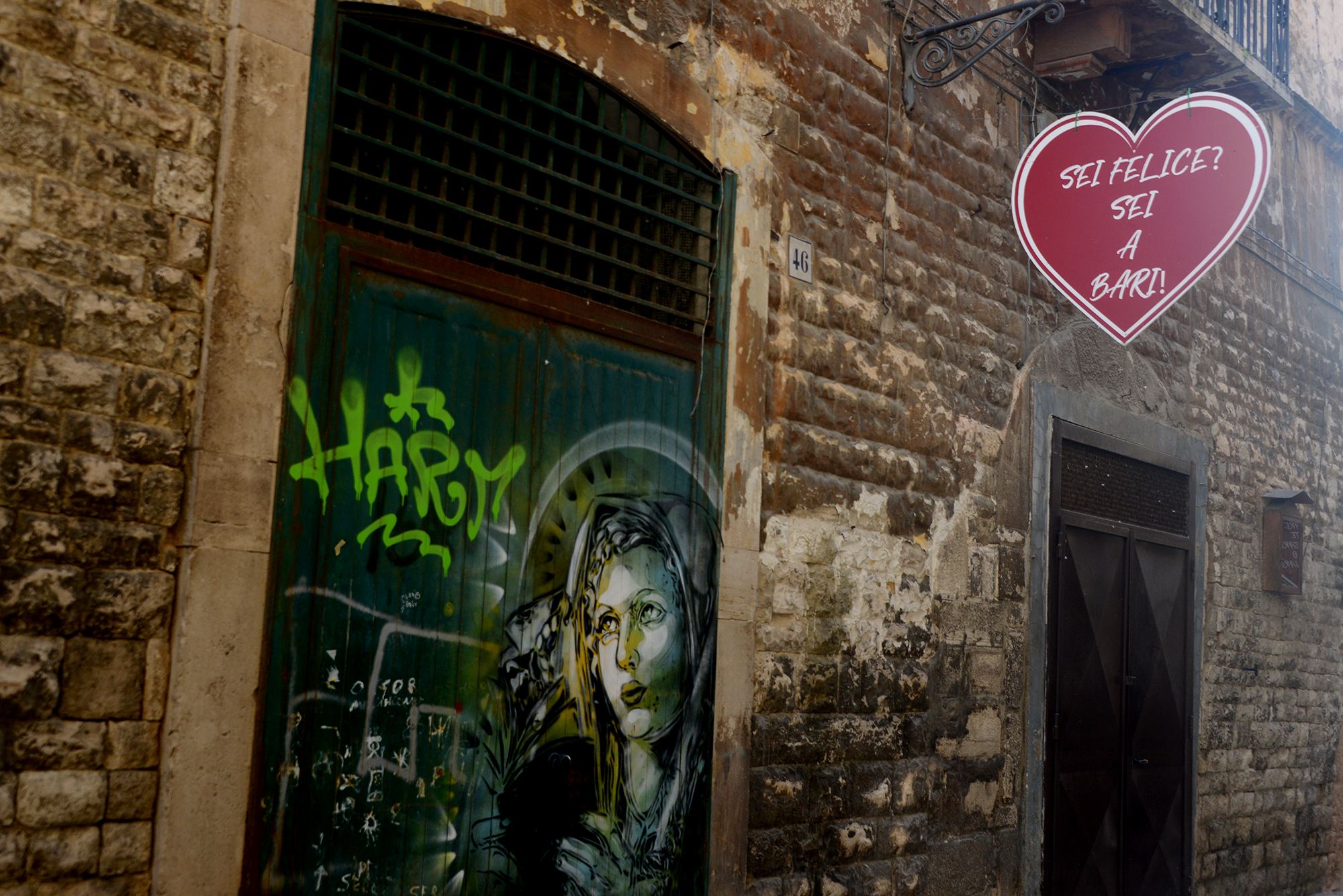
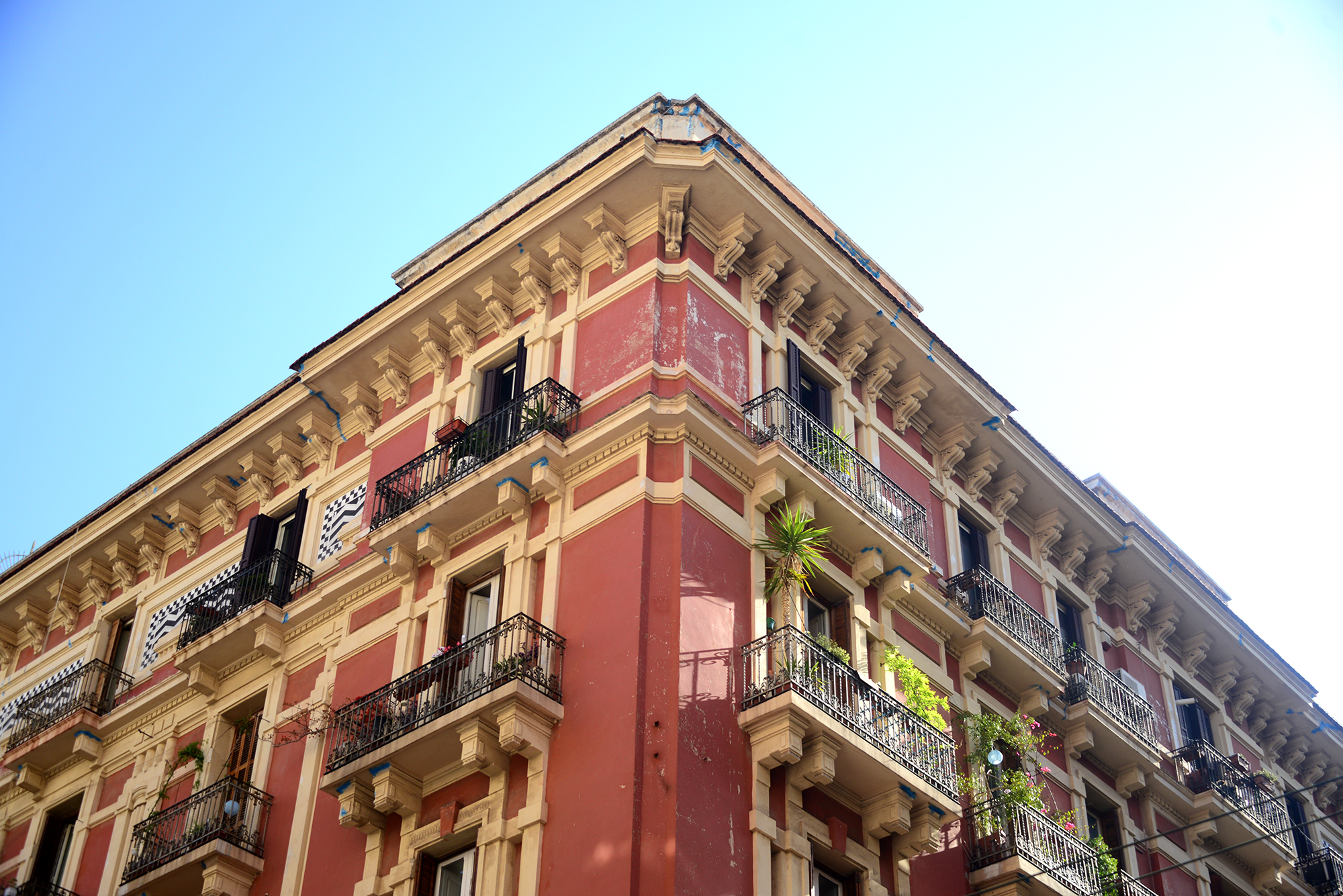
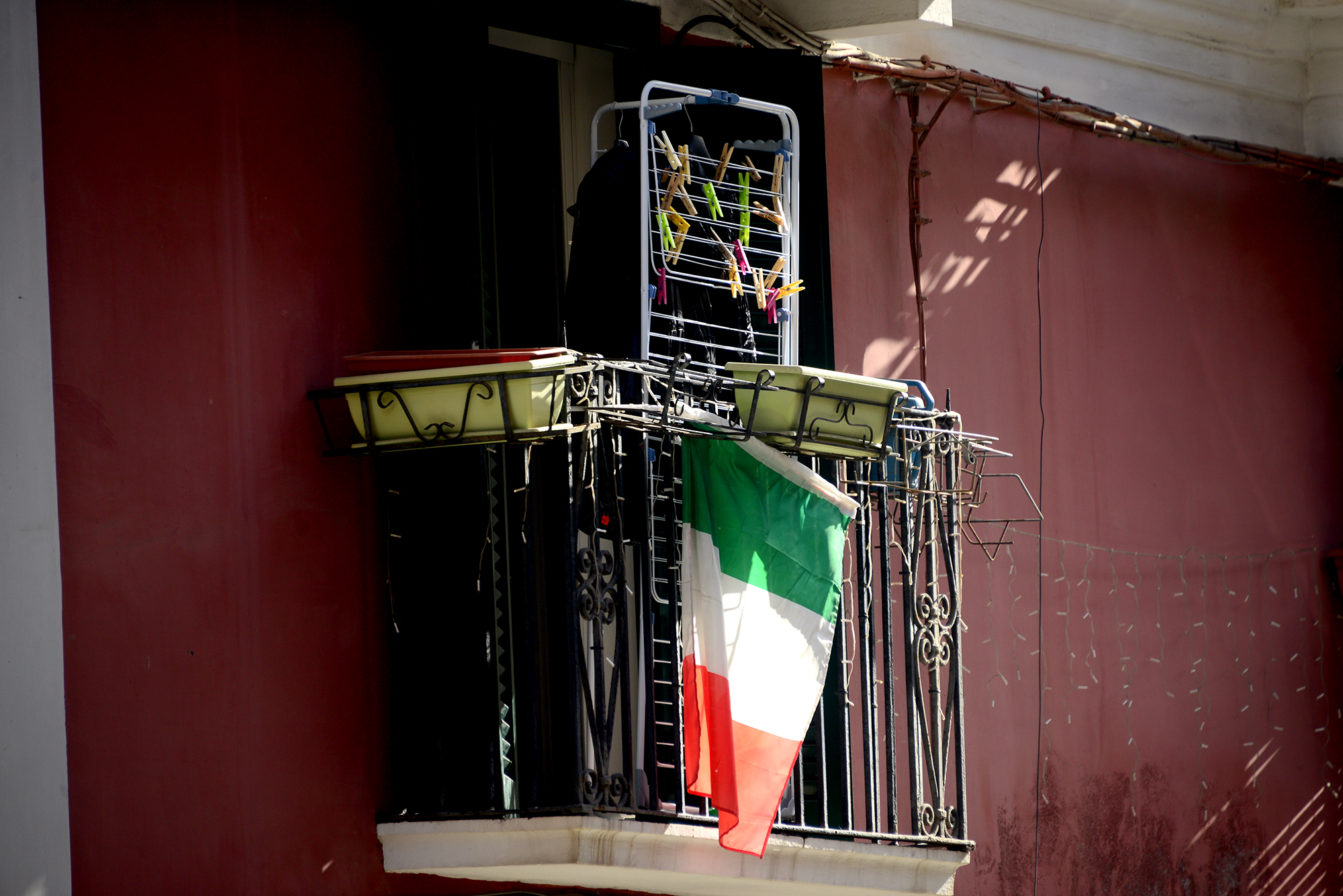
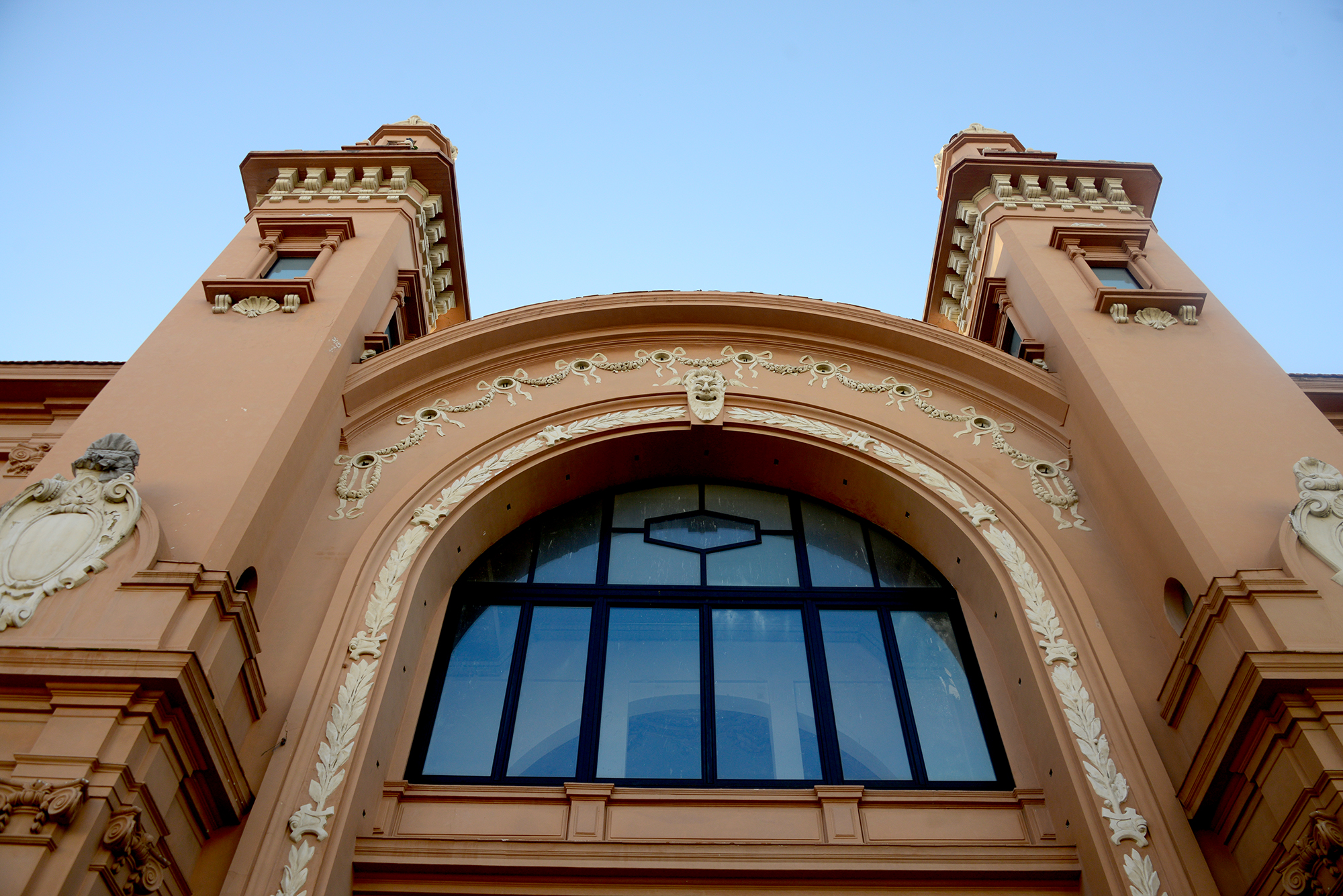
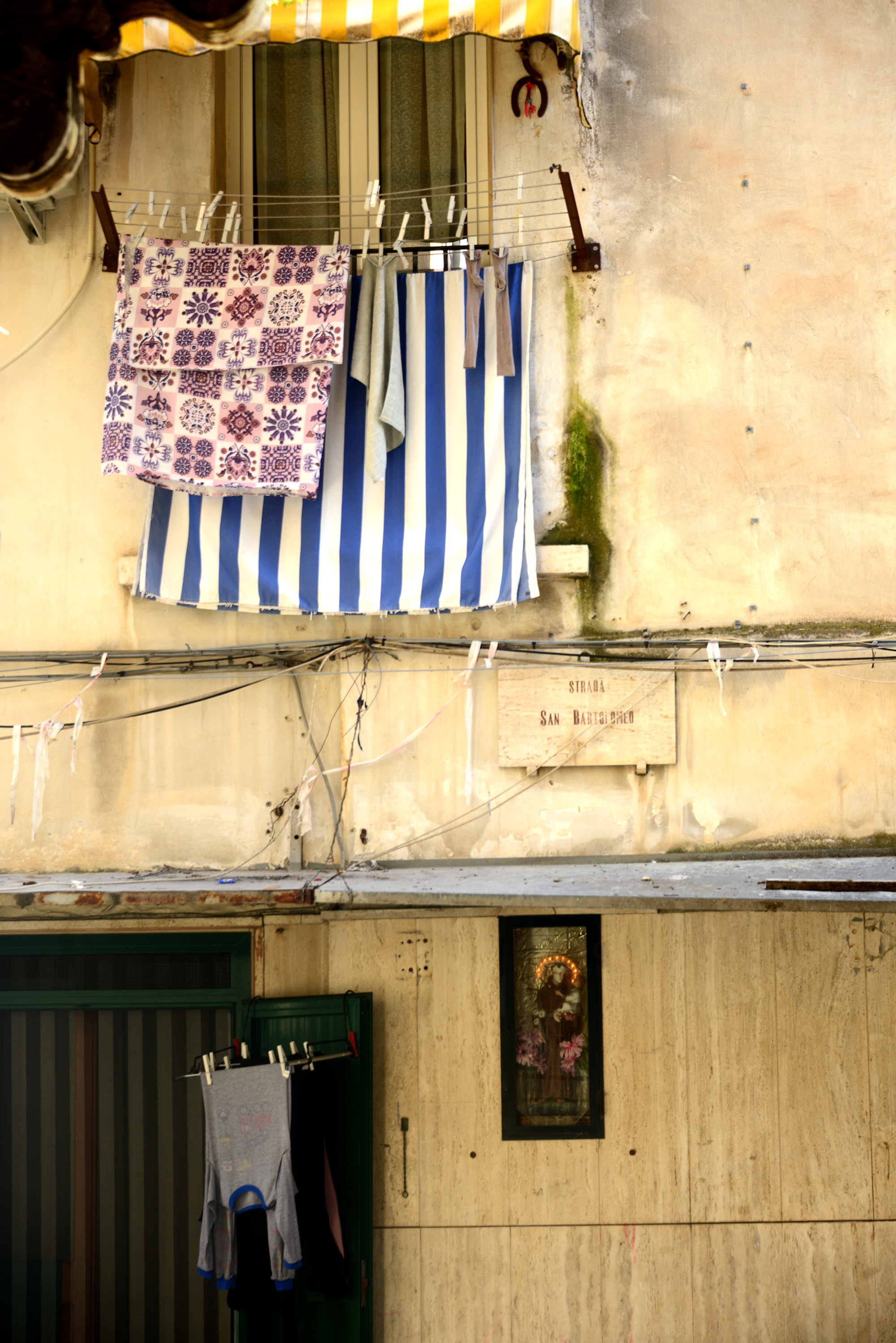
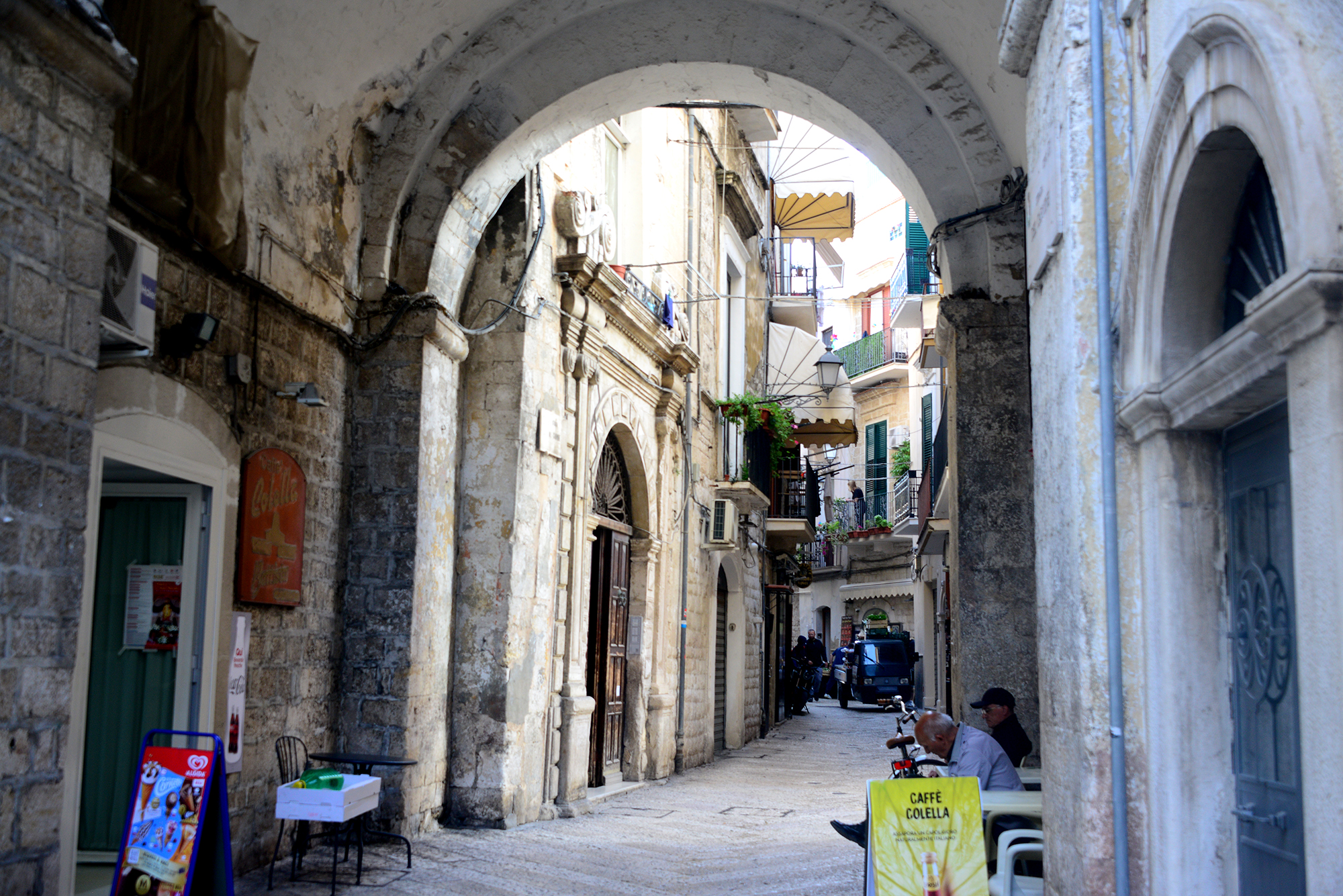
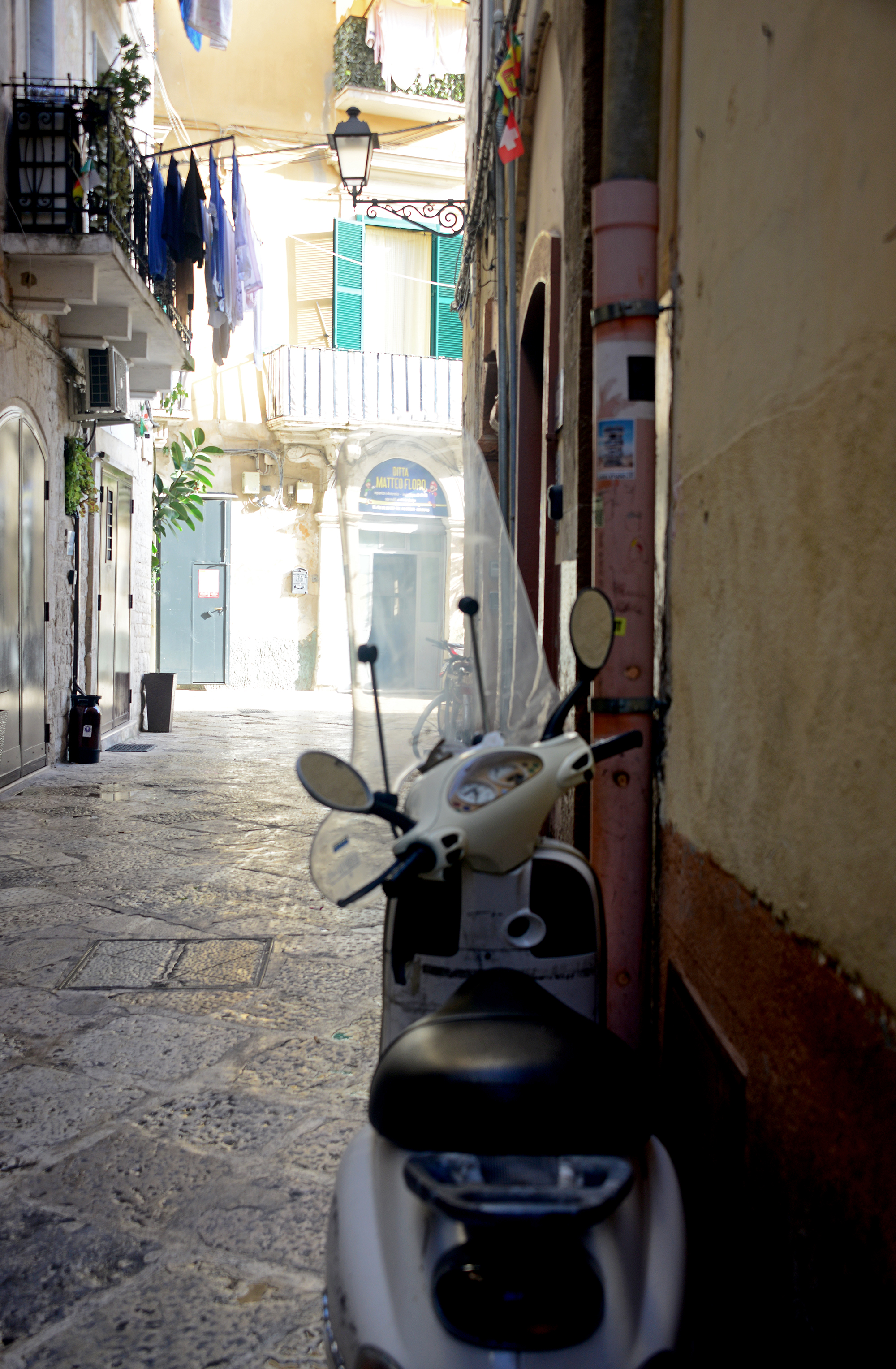
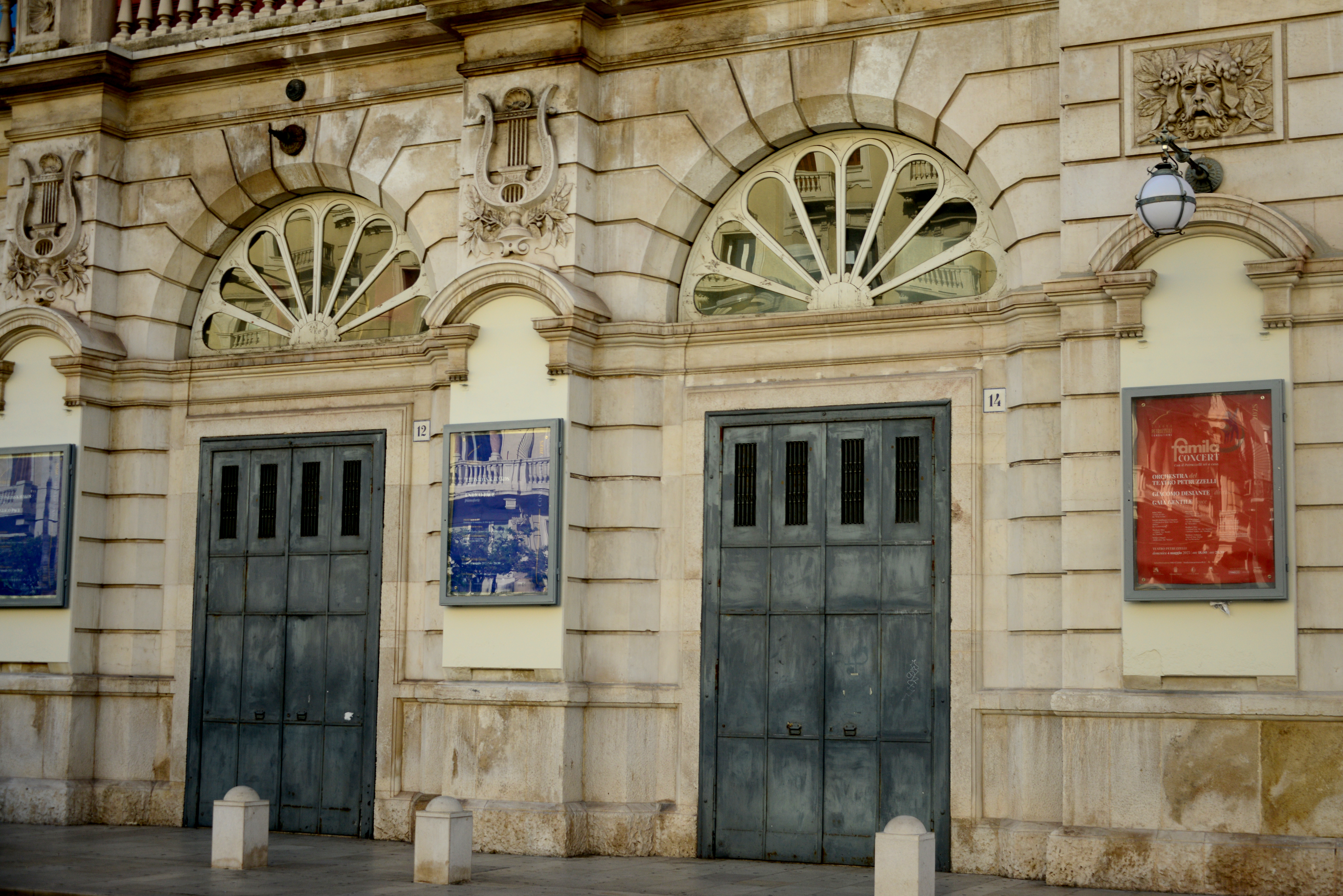
In more earthly matters, we spent some lovely idle hours on the terrace of La Pagnotta– which is theoretically a cold cut store, but has a terrace where you can drink amari and spritzes, and also serves as an impromptu hub for the people living in the area. Bari’s old town is a typical Mediterranean affair, with narrow, crooked streets, scooters emerging from impossible corners, freshly washed linen blown by the warm breeze and life spilling out from the rooms to the squares- most houses don’t have corridors, so you get frequent glimpses into interiors, such as the time I discovered that the strange sounds coming from a window nearby were an old gentleman conversing with his large, green parrot. Ciclatera sotto il mare has some intriguing signature cocktails and, as the name suggests, a lovely view of the sea-they’re staunch on not taking bookings, so in later hours you can see people hovering around the premises, waiting for a table to become available. The sweet spot for finding a table is right after opening hours (11 AM) on a weekday, when you can gently drift from espresso time into spriz time. We were planning to try some signatures in Hagakure Noh Samba as well, but, as it turned out, they didn’t do the signatures on a Sunday-whether this was a general rule, or one off for that week was not that clear. They did make a decent, if vermouth heavy, Negroni, and there’s not much we can say about the food- they have Asian fusion dishes, which is not what I will necessarily go for in the limited time I have in Italy, especially as Budapest has a strong Asian cuisine scene. Judging by the popularity with locals, it should however be a good choice if you feel a little exotic. Right across the street from the Hagakure, you will see the neoclassical Teatro Petruzzelli, rather strikingly painted vermillion- built at the end of the 19th Century, it went through a complete renovation after a devastating fire in 1991. Its building also hosts a pastry shop with a pleasant terrace, a rather perfect setting for one’s morning coffee. Tucked away in the old town, Wine Bar Tranquillo lives up to its name in being a calm hub where the friendly owners will recommend good wines without being patronising about what is the right or wrong choice.









 Pocket Diary Budapest