The one caveat I had about going to Matera was the bus- I don’t like travelling by bus, as a rule, I will always go for the train, if such a choice is available. I must also mention the fact that when it comes to Southern Italy, most people, both locals and tourists, will opt for cars, which does make a lot of sense if you plan to visit more places, and Puglia is packed full of tantalising destinations. But we were on a city break of sorts in Bari, and Matera happened to be, well, right there. Bari’s airport is for some unfathomable reason named after Karol Wojtyła, better known by his stage name of Pope John Paul II, and the city is jam packed with Polish people in that odd way in which Rhodes throngs with Finns. But the inspection of Bari itself would come later, for I had figured that it would be easiest to reach Matera with the shuttle service leaving Bari airport at fairly regular intervals during the day. I generally use the Omio site to book public transportation when abroad (no advertisement here, I simply find them to be very reliable as a European travel aggregator), and both our trips, from the airport to Matera, and then from Matera to Bari central station, went quite smoothly. It is worth paying attention to arrival and departure stations: the airport shuttle dropped us off next to Matera train station (it does, in fact, exist, but only serves short regional connections), whereas the Bari bus left from the main bus station, which is further afield, on Via Don Luigi Sturzo.
The one slightly unnerving detail is that, while Omio (a German company) very conscientiously sells you tickets with seat reservation, the reality is quite different: seats are occupied based on order of arrival, and for a busy connection, you might even have to wait for a second, ‘relief’ bus. This happened to us during the trip to Bari, when we retrospectively felt that the hour or so spent drinking amari and reading Gazzetta dello Sport in the company of the local winos playing the slot machines in the fabulously run down station bar might have been better spent getting to the platform very early. Actually, no. The experience was one of those things that make travel really worth the hassle, and I wouldn’t trade it for anything- a short while after distractedly grabbing the paper to read up on my team’s abject travails, I realised that two gentlemen were patiently waiting for me to finish, possibly with the intent of double-checking betting odds. A third one entered, eyed the empty table, and was given the answer of ‘it’s not here, the lady is reading it’. Thus, I became a part of the ecosystem. Not a mere traveler, but an actor in the life of a place.
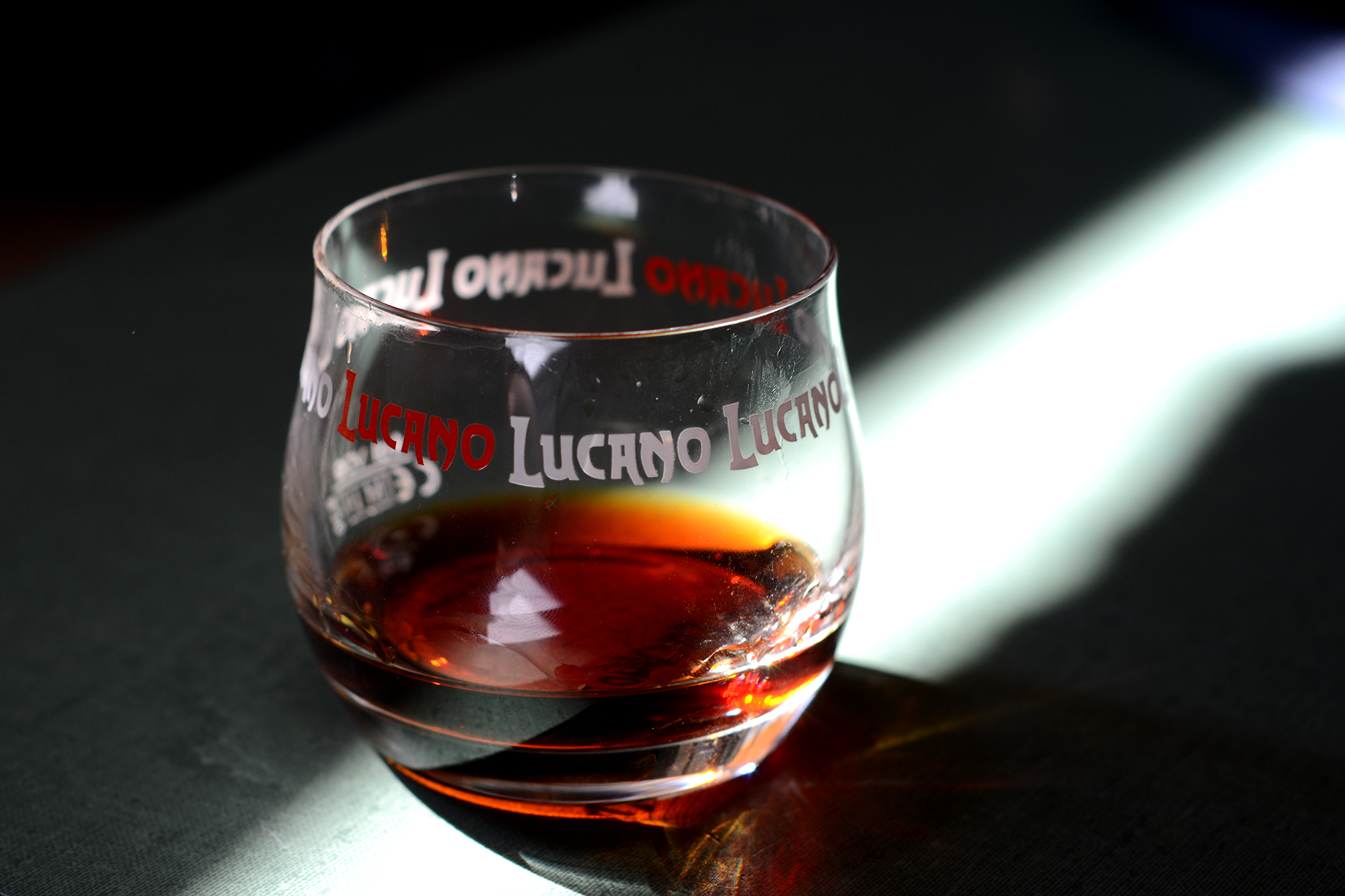
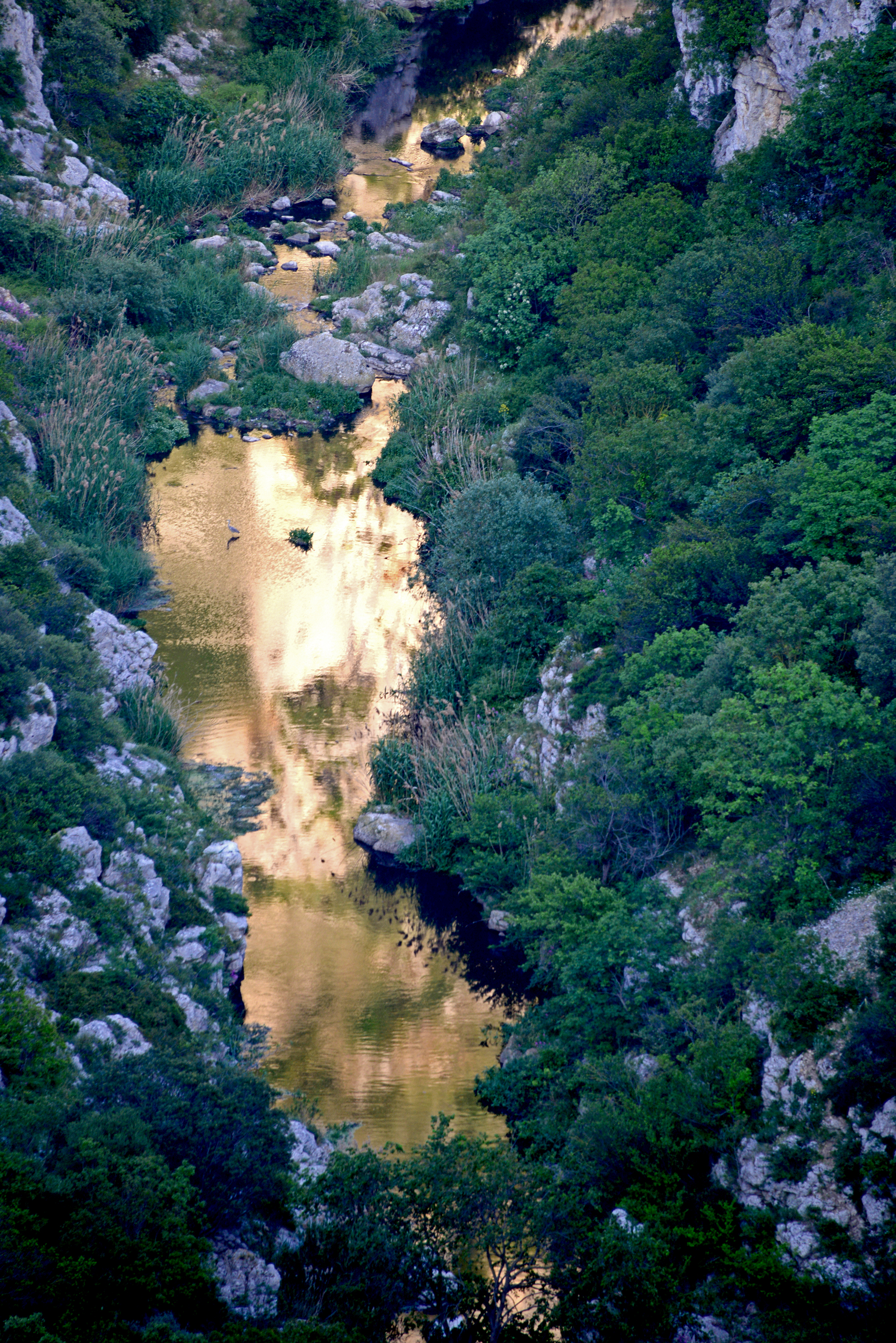
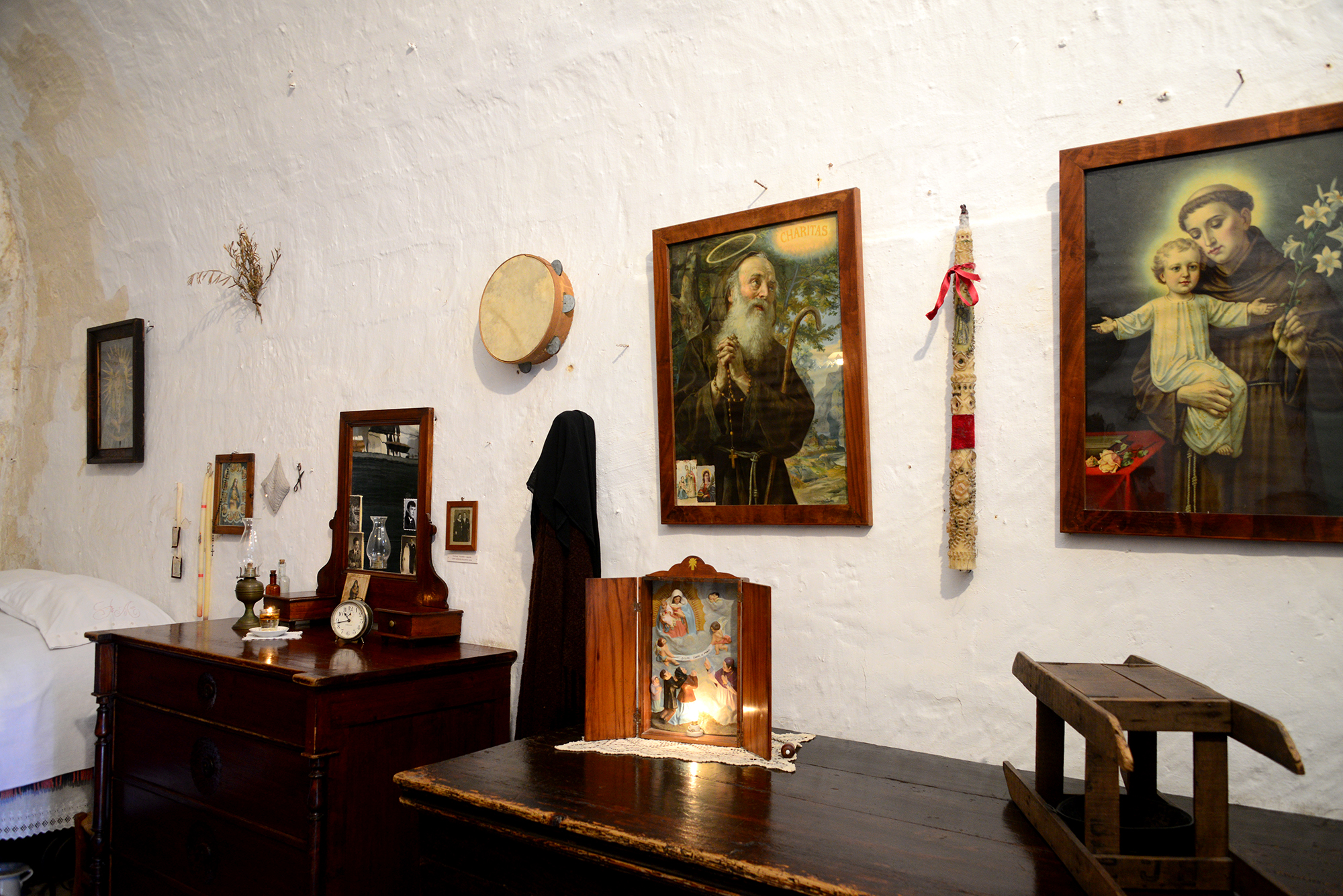
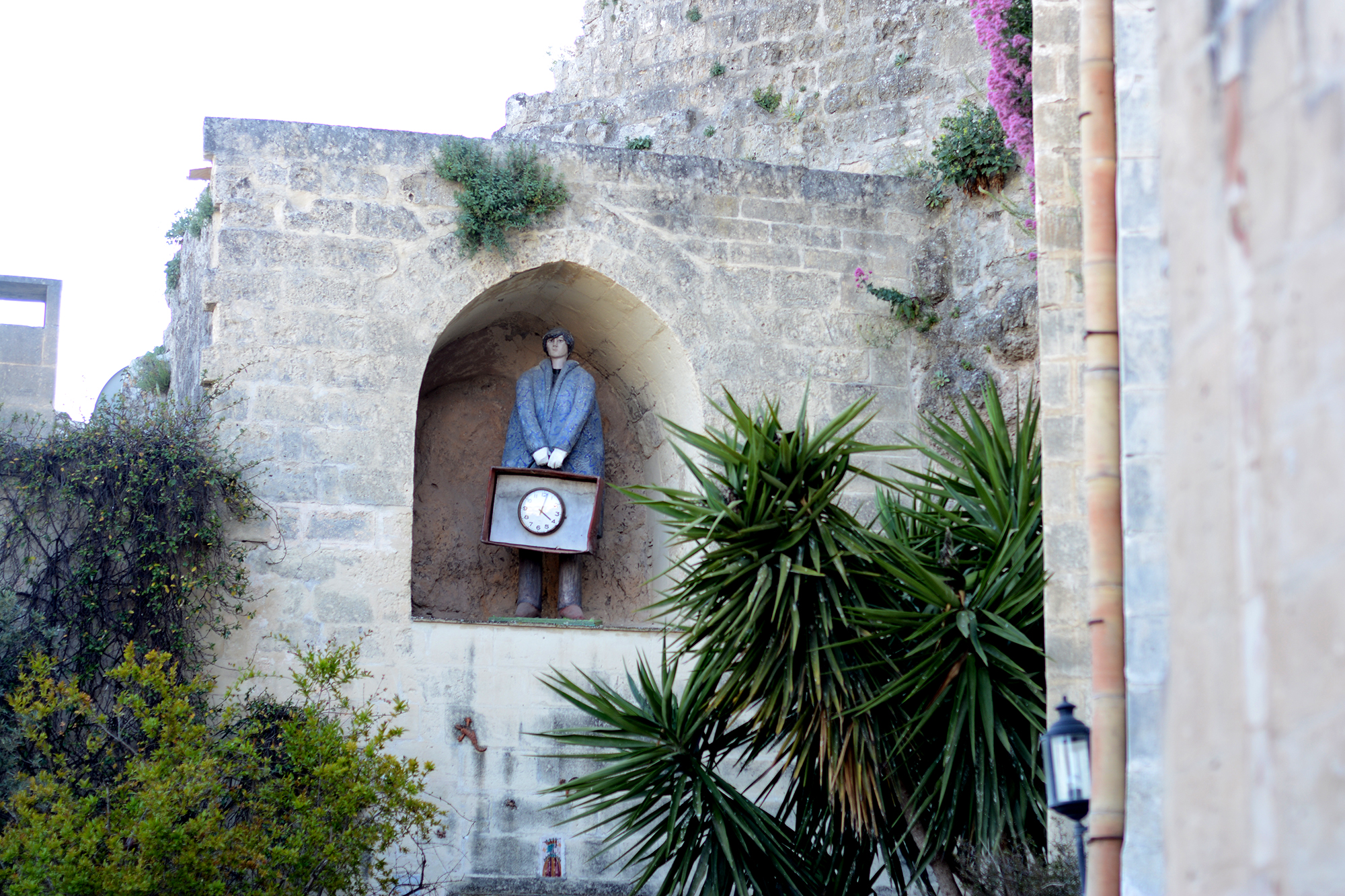
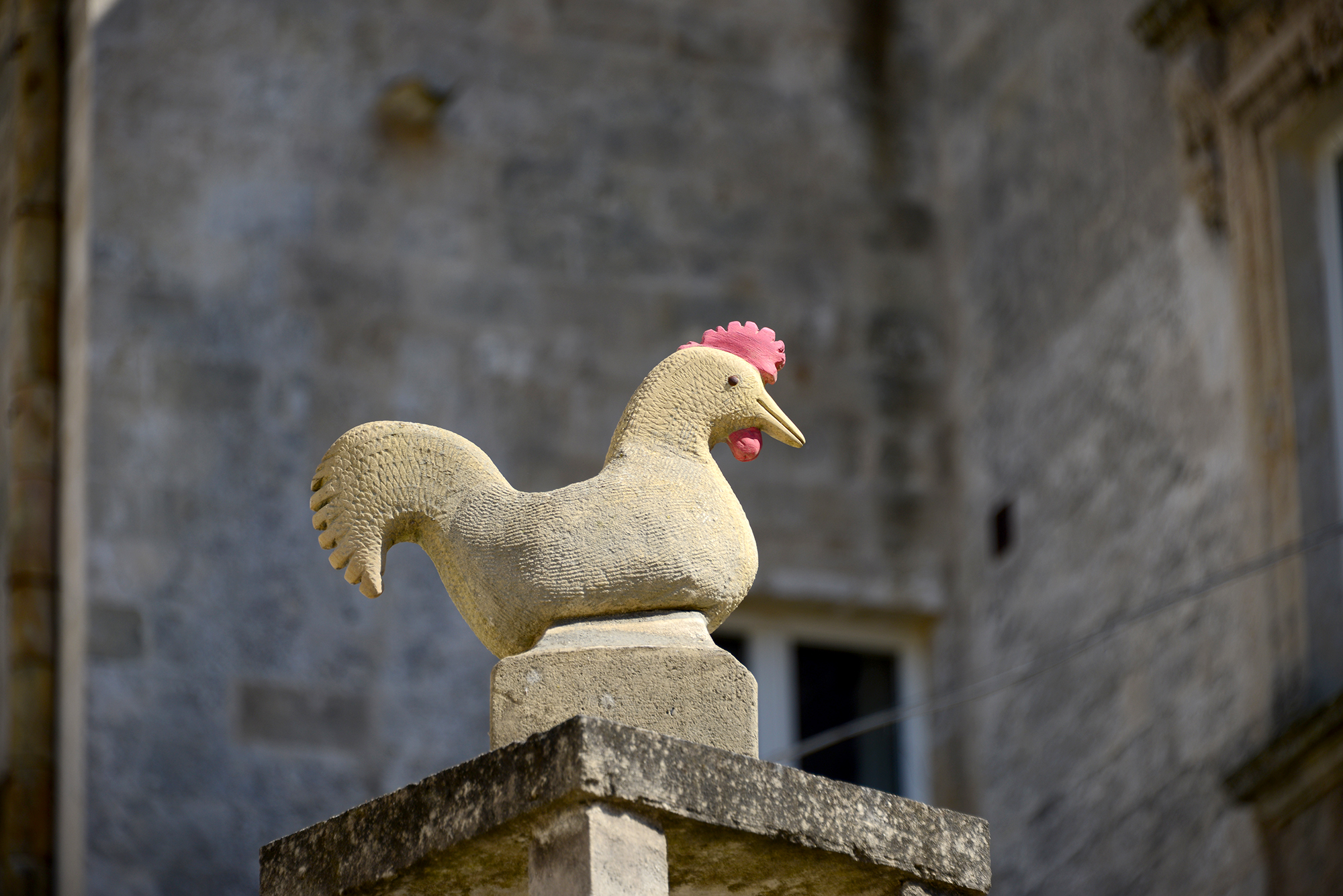
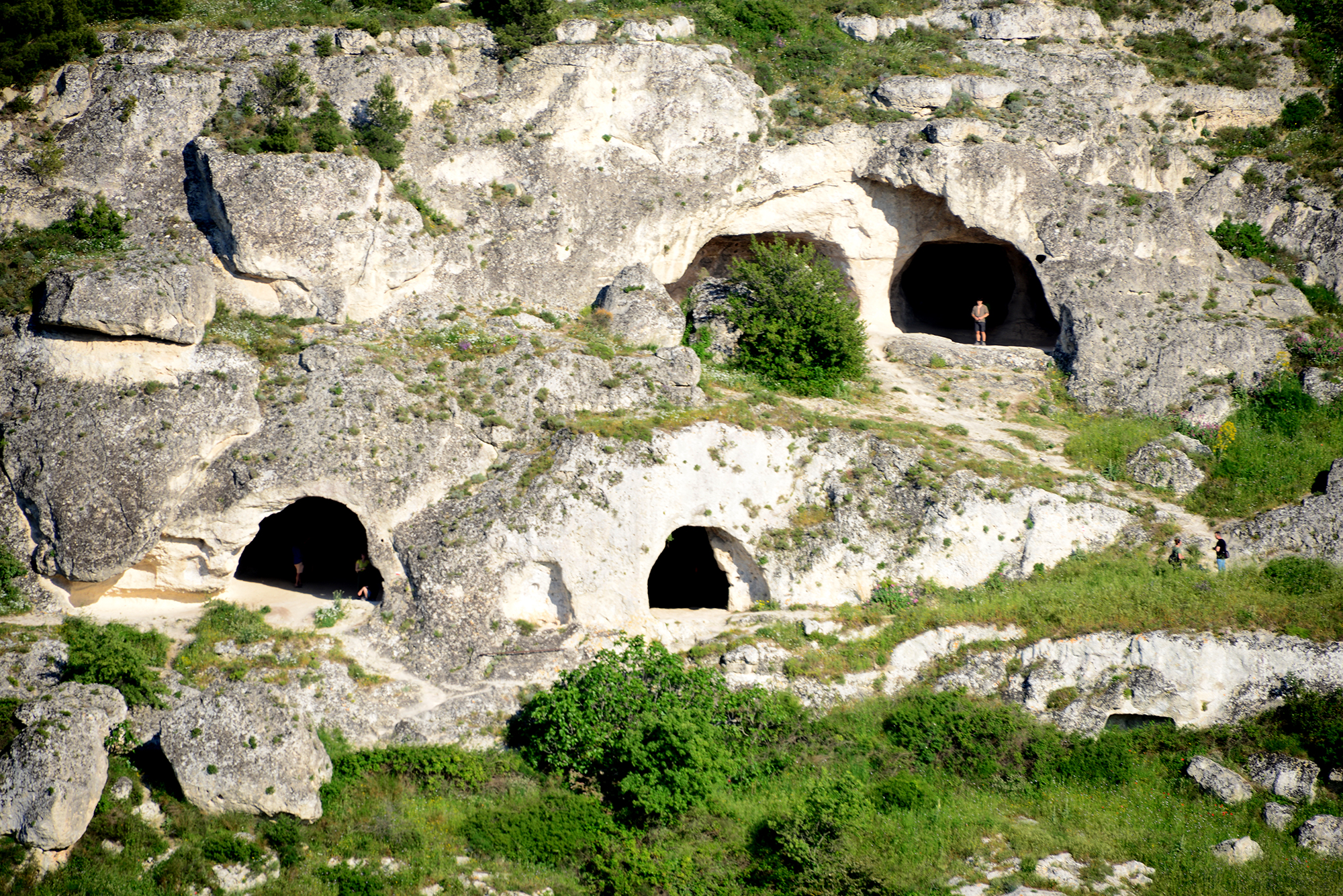
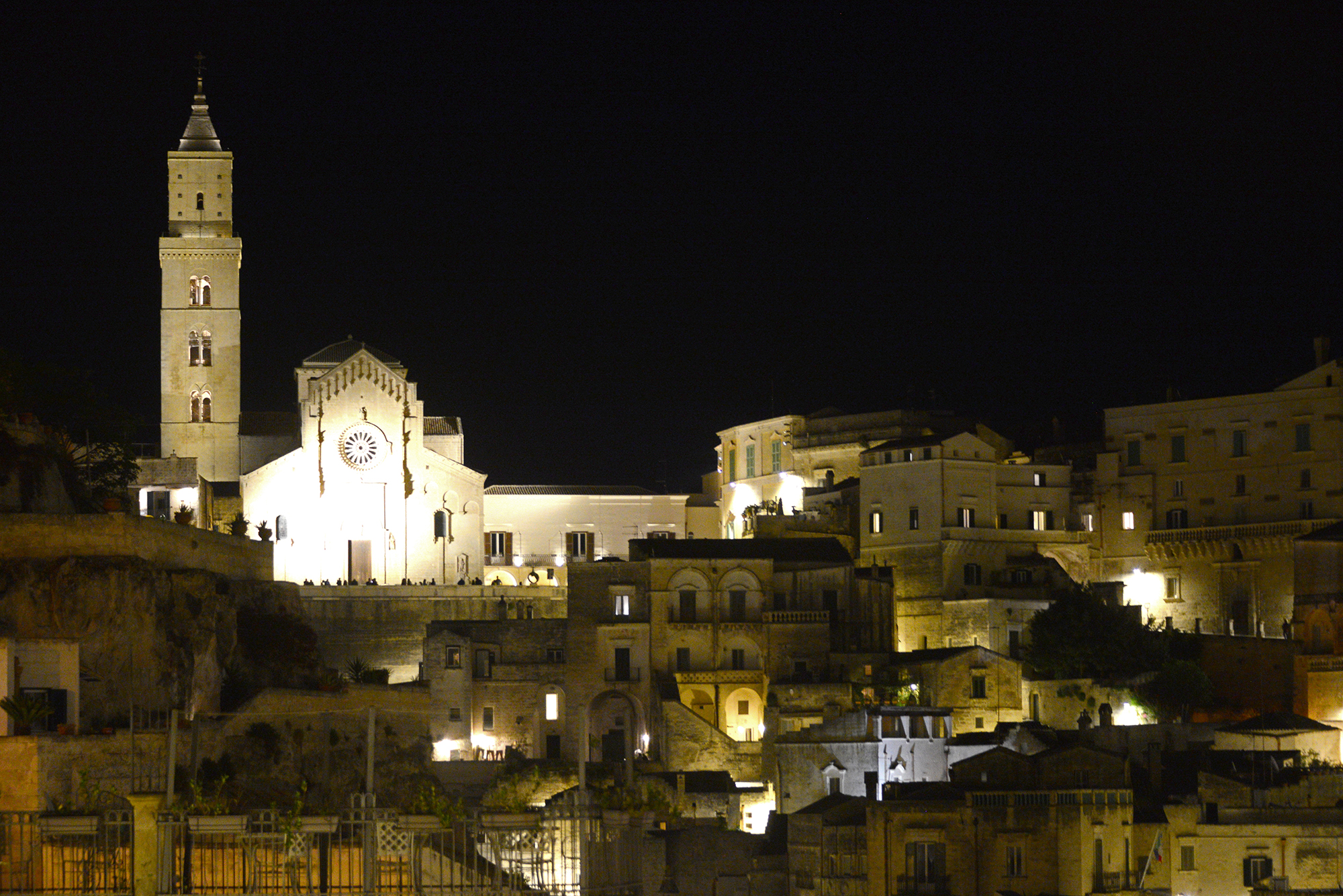
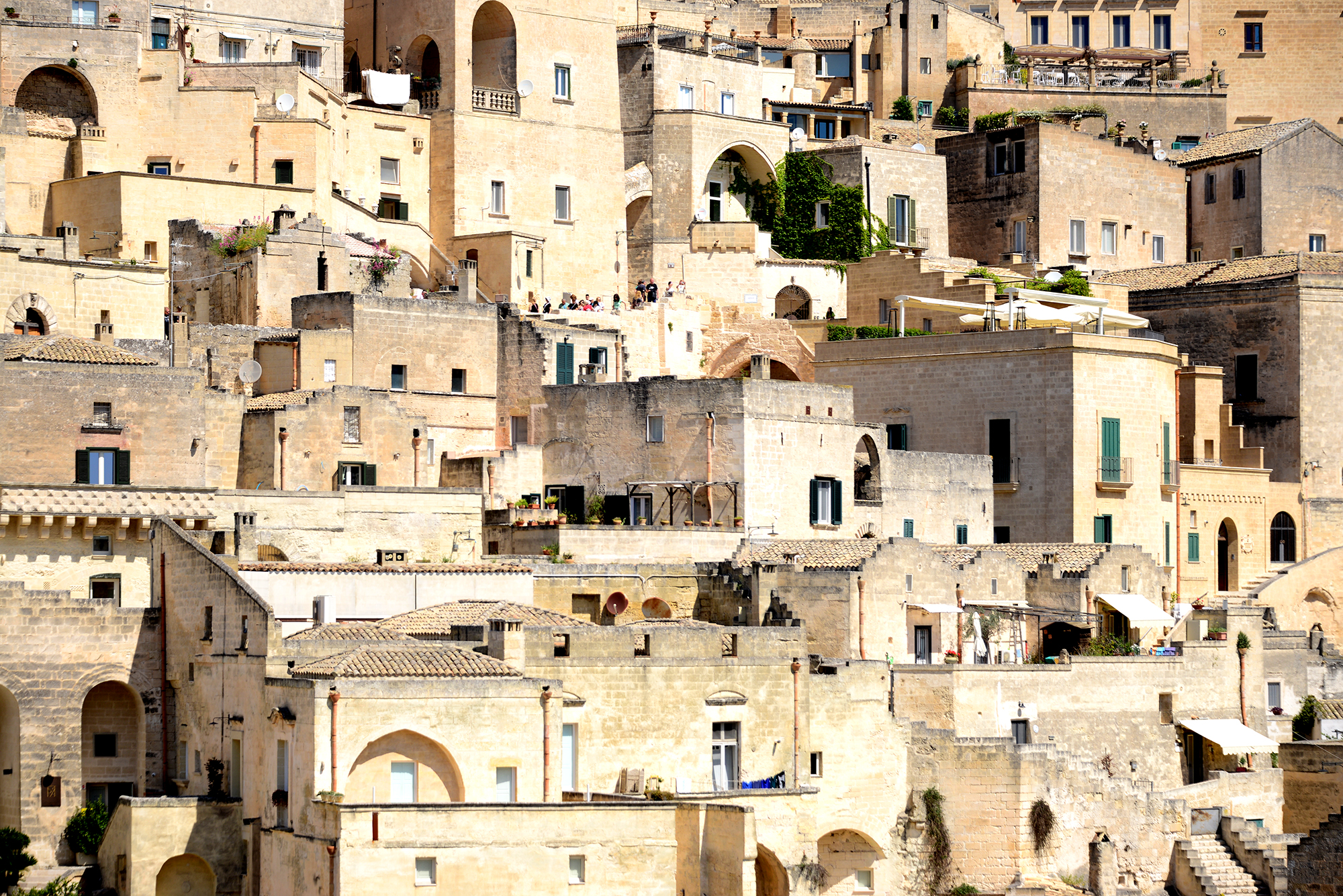
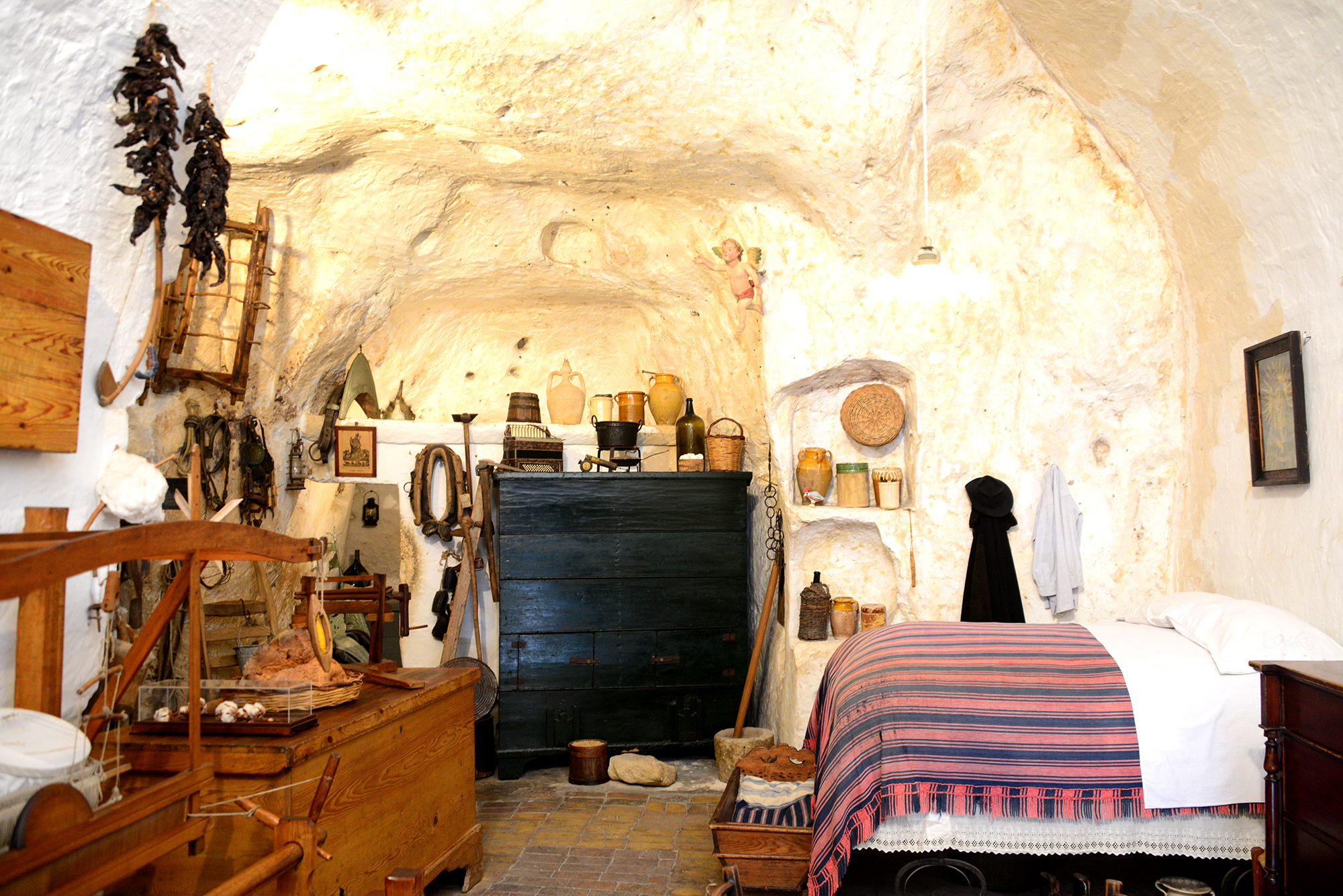
And a very old place this is, one of Europe’s oldest continually inhabited settlements (along with another one of our recent destinations, Malága): the first traces of habitation date back to the 10th century BC. The town lies on the banks of the Gravina river, at the boundary between the regions of Puglia and Basilicata- the latter was historically known as Lucania, which became a very exciting detail for the blog’s industrious co-photographer, once he discovered his new favourite Italian amaro, the Lucano. While the company is based in Pisticci, further south in the Matera province, they do have a flagship store on Matera’s Via del Corso. Matera’s main claim to fame are, of course, the Sassi- cave dwellings which were excavated from the fairly soft limestone, sprawling along about a dozen levels, with connecting courtyards known as ‘vicinati’, and the cathedral crowning it all from the town’s acropolis (as most of Italy’s southern regions, Lucania’s shores were also home to powerful Greek colonies). Today, the Sassi are mostly used for hospitality, as the last ‘real’ cave dwellers were moved into modern accommodations, built outside the old city core, in the 1950s. One of the last inhabited homes, Casa Grotta del Casalnuovo, is set up as a museum, and can be visited for the very reasonable price of three euros. The cave, of about 50 square metres, and with the tiniest of windows facing the riverside, was home to a family of eight, plus their horse, mule, pigs and chickens. While the practicality of the arrangement would make IKEA designers proud, with the kitchen wall packed full of utensils and the bedsheet drawer doubling as a bed for the younger children, the living conditions do strike a modern visitor as incredibly harsh and very remote from the Italian poster concept of dolce vita. As such, in the early 20th Century, they were considered bad press for the region- the Fascist regime drew up plans to relocate the inhabitants of the Sassi to newly built model neighbourhoods, but the project was only finalised in the 50s. While on the face of it, the move was reasonable and necessary, some do believe that a more thoughtful strategy would have better suited the preservation of the city’s ancient ways of life and traditions- a very interesting read on the topic can be found here. Today, the Sassi are a bit of an artificial entity, with bars, restaurants, hotels, small shops and artist’s residences. A ubiquitous sight are stalls of decorative objects made of terracotta, most notably the cucù, a small, vividly coloured rooster that doubles as a whistle, traditionally used to ward off evil spirits and bring prosperity. They are contagiously cute, so I currently have one benevolently staring at me as I write these lines.

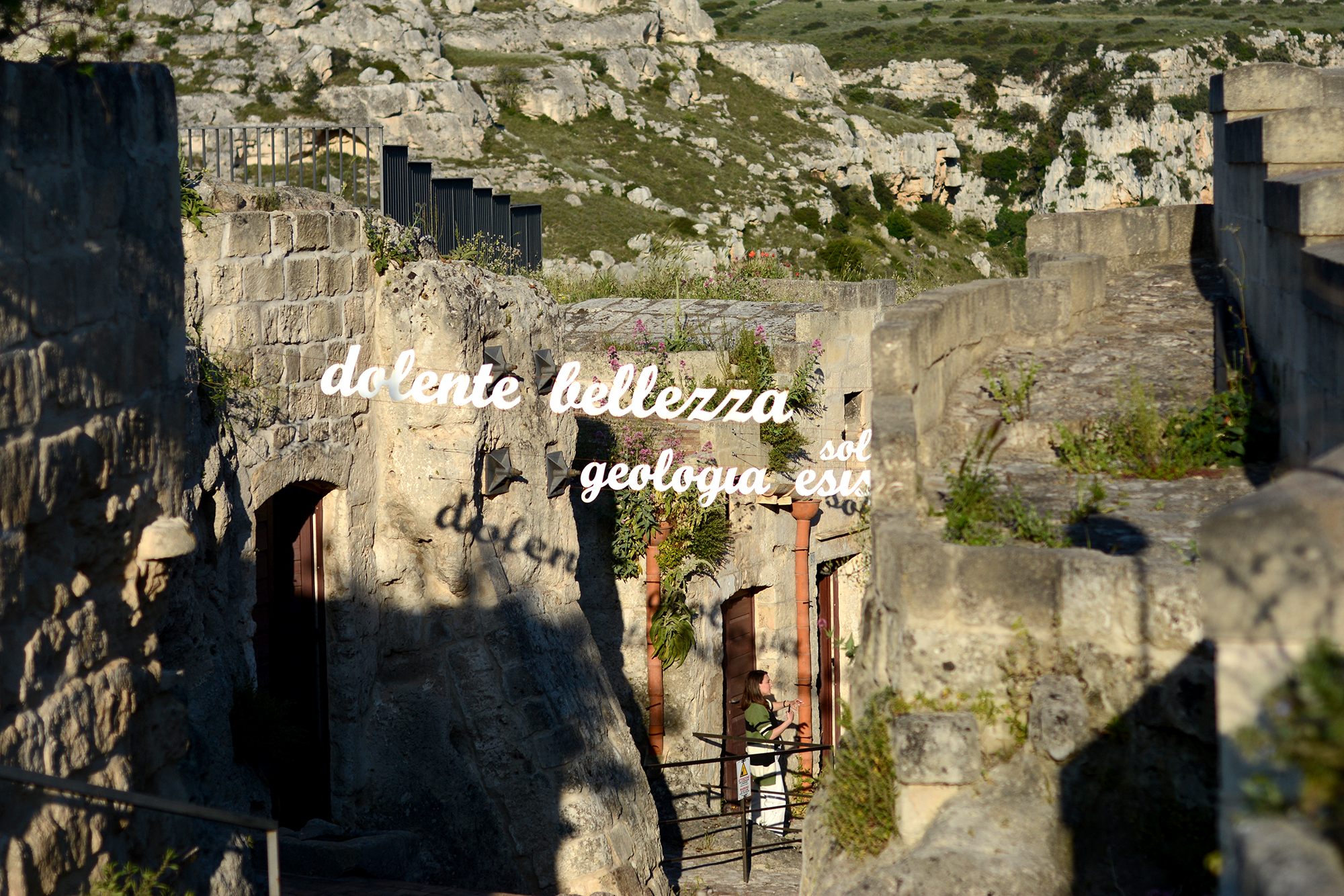
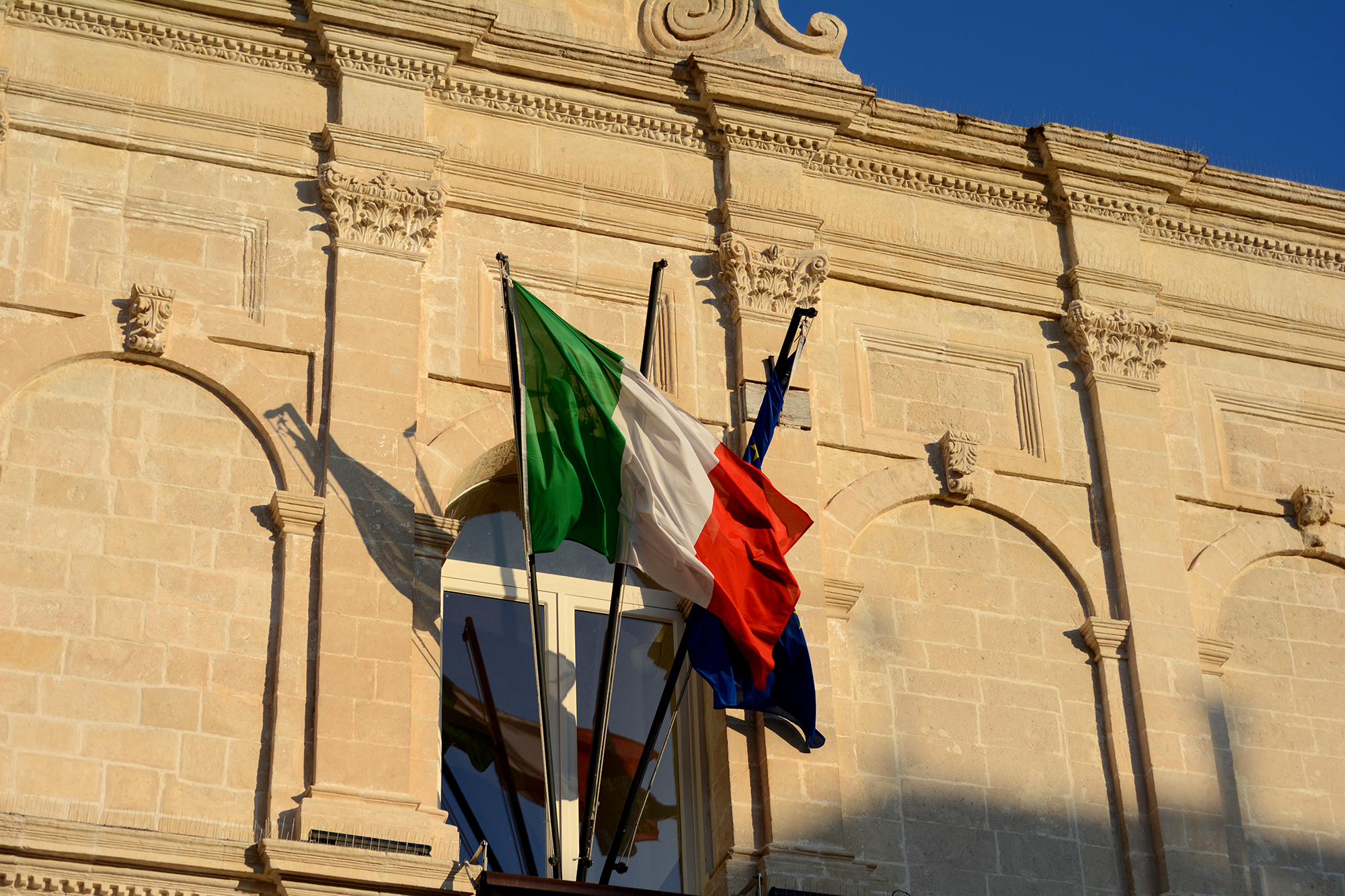
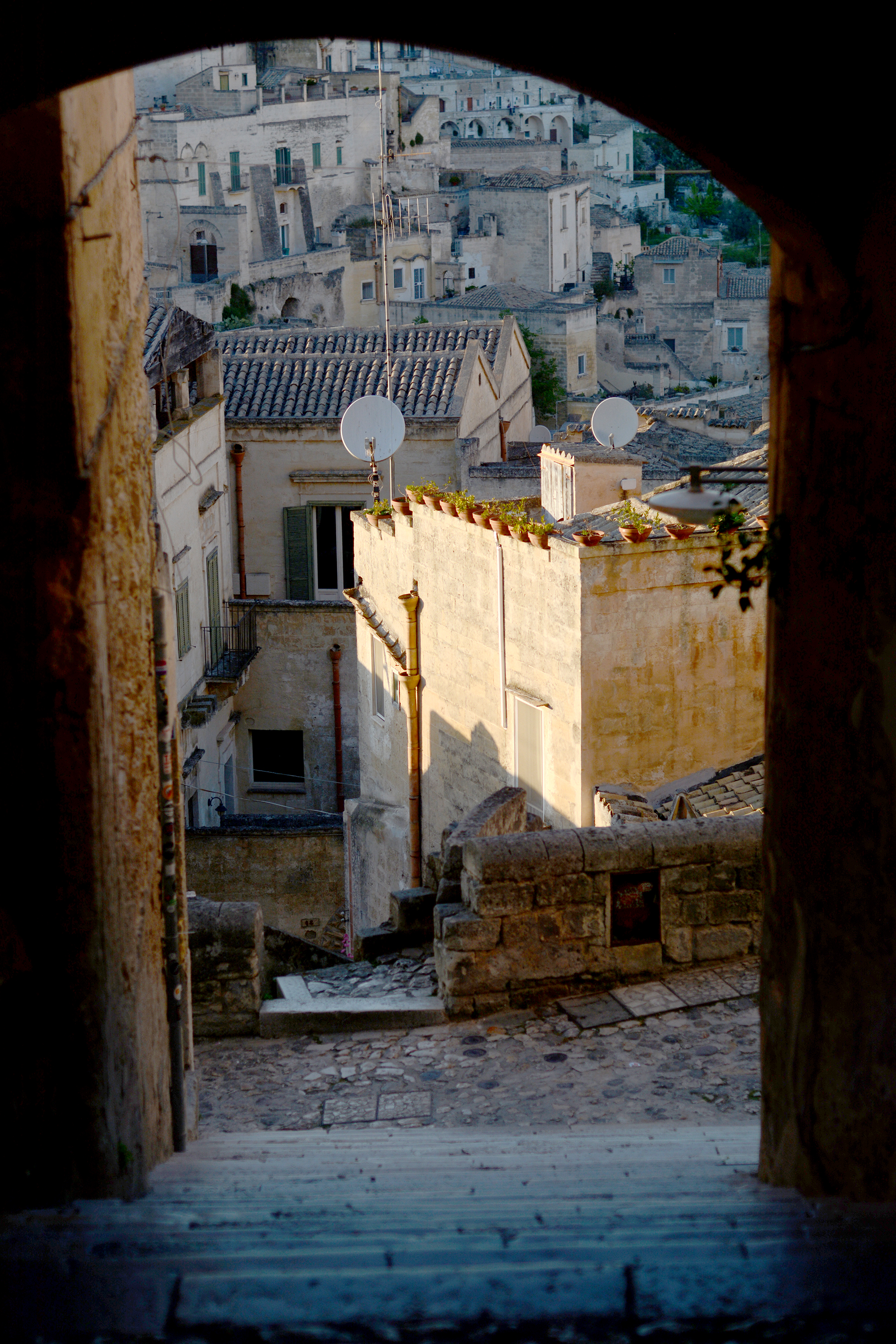
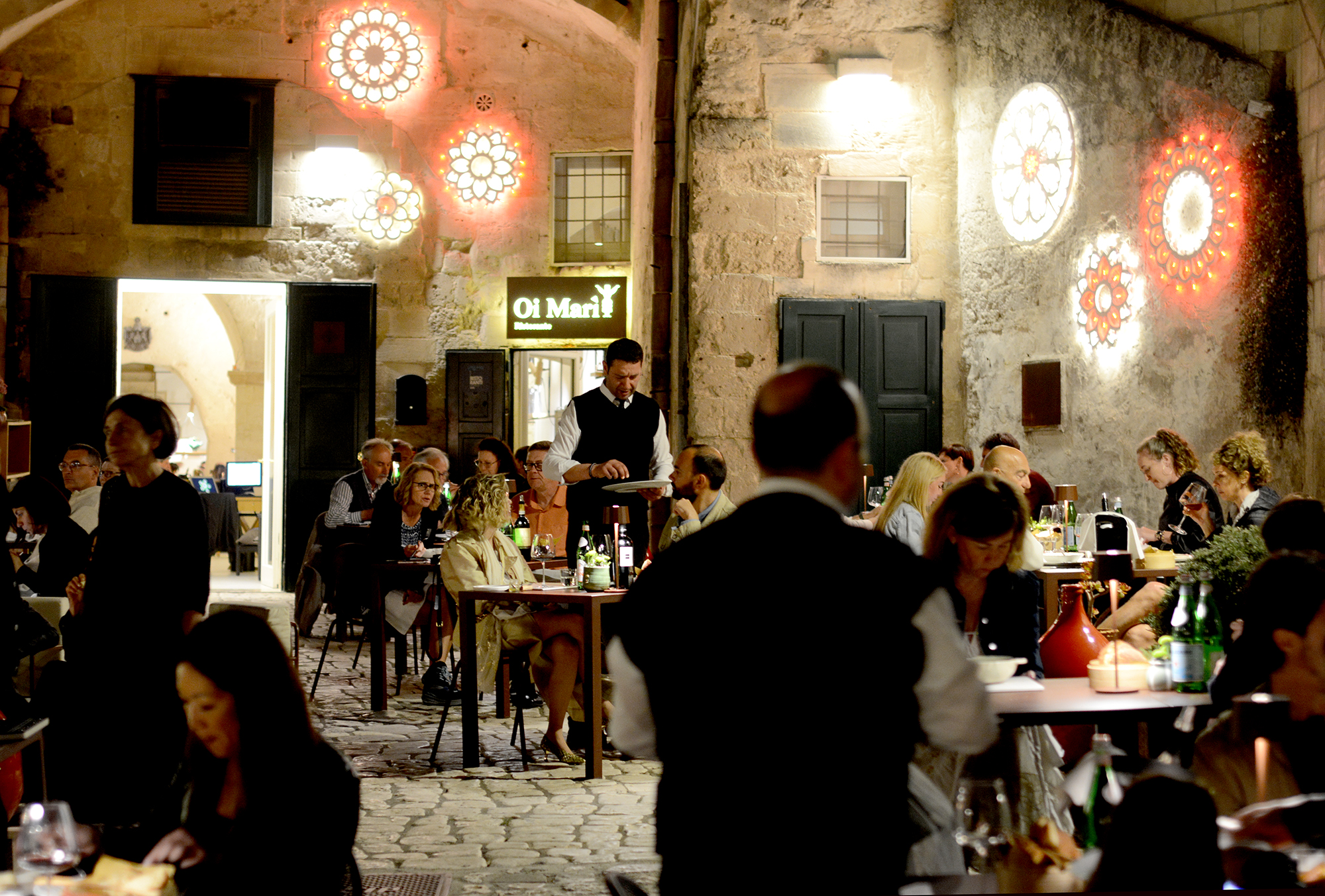
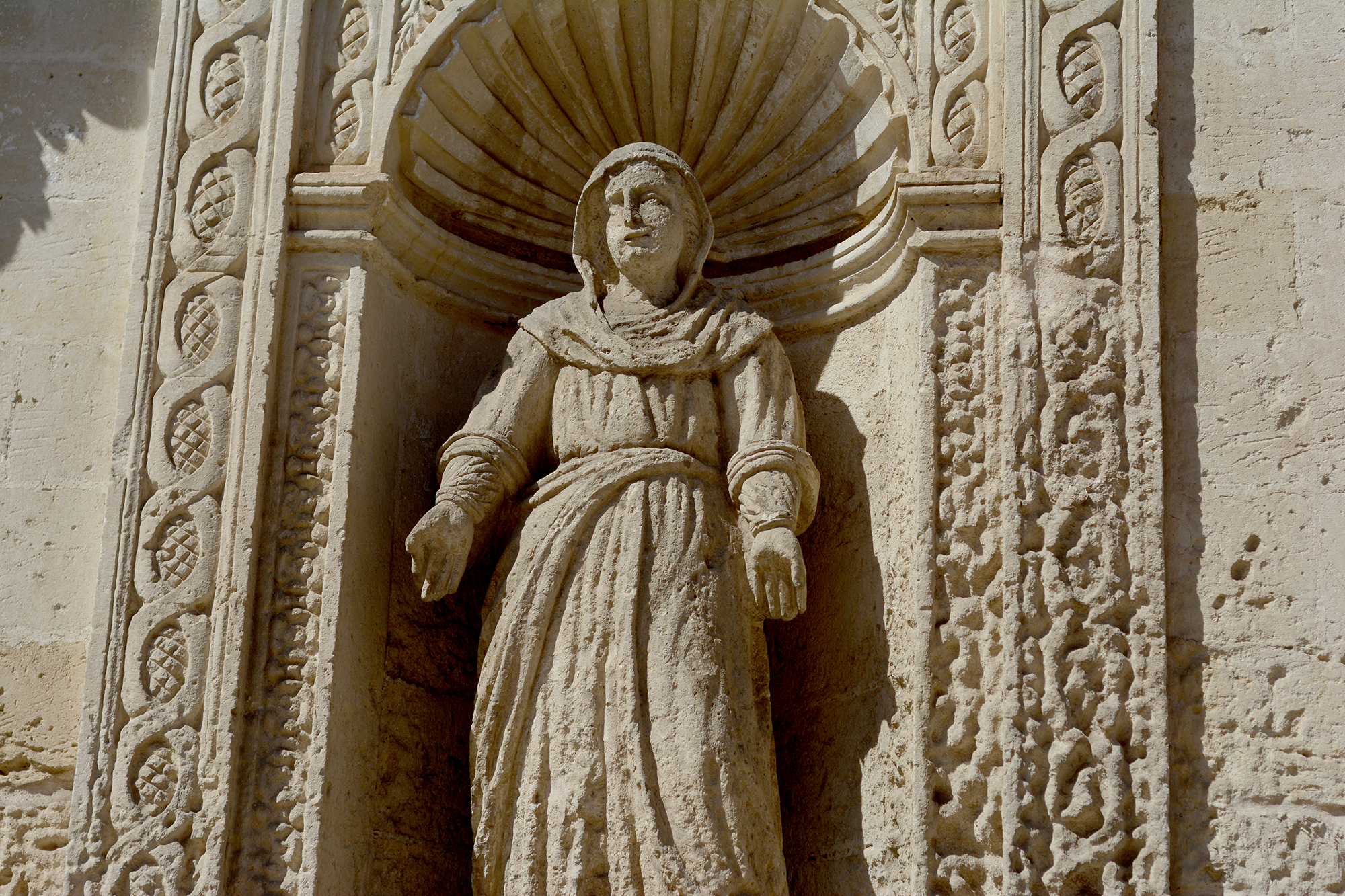
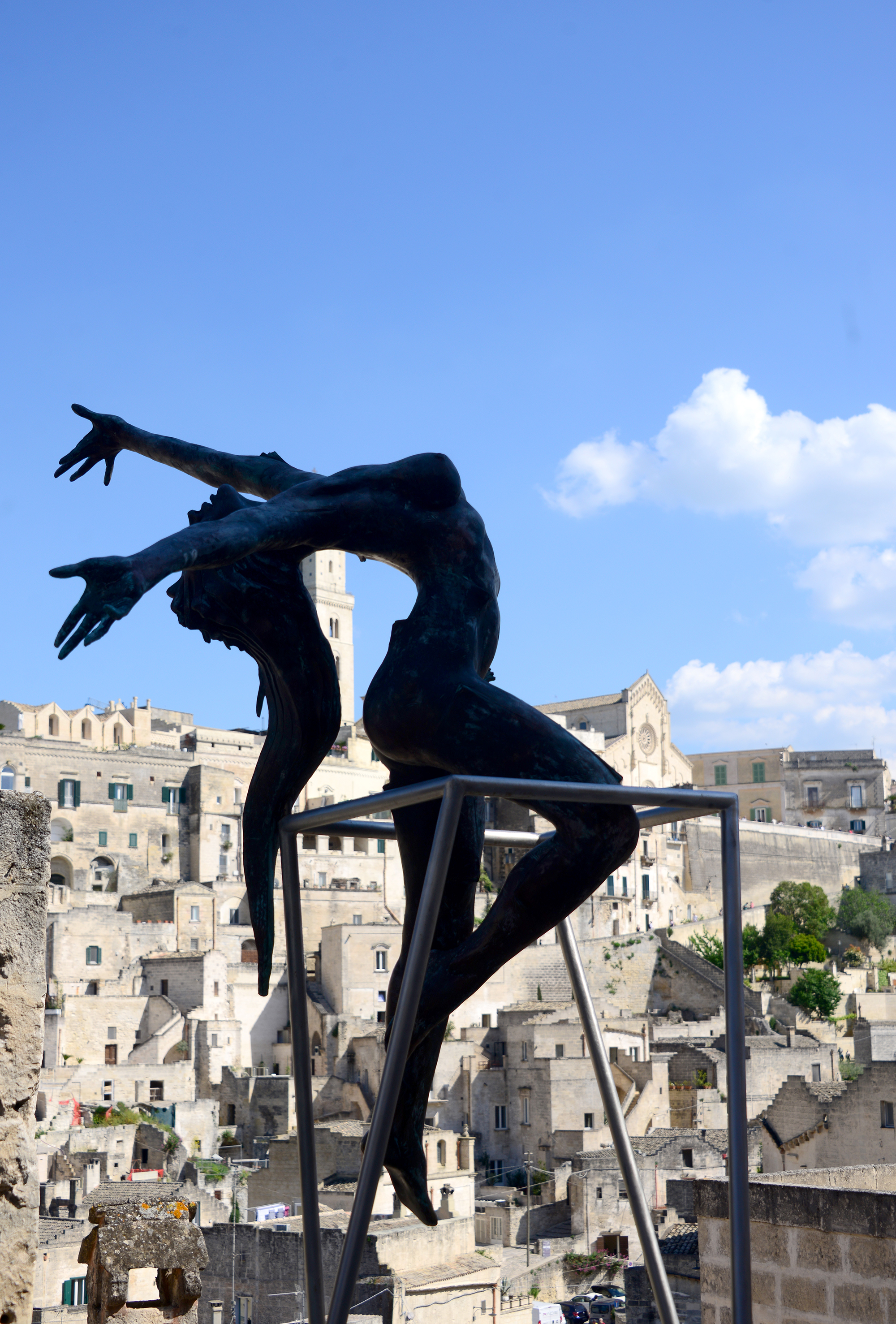
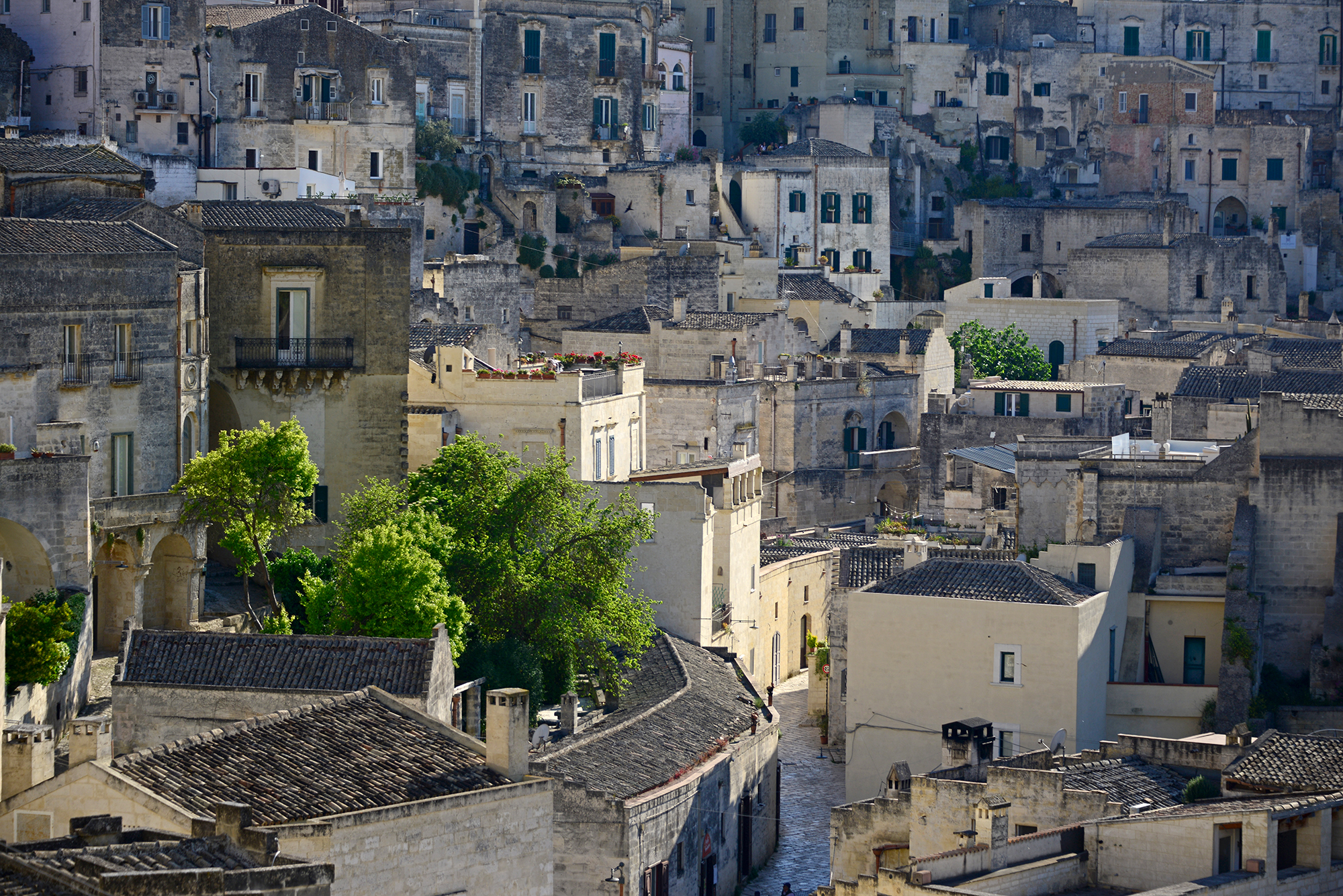
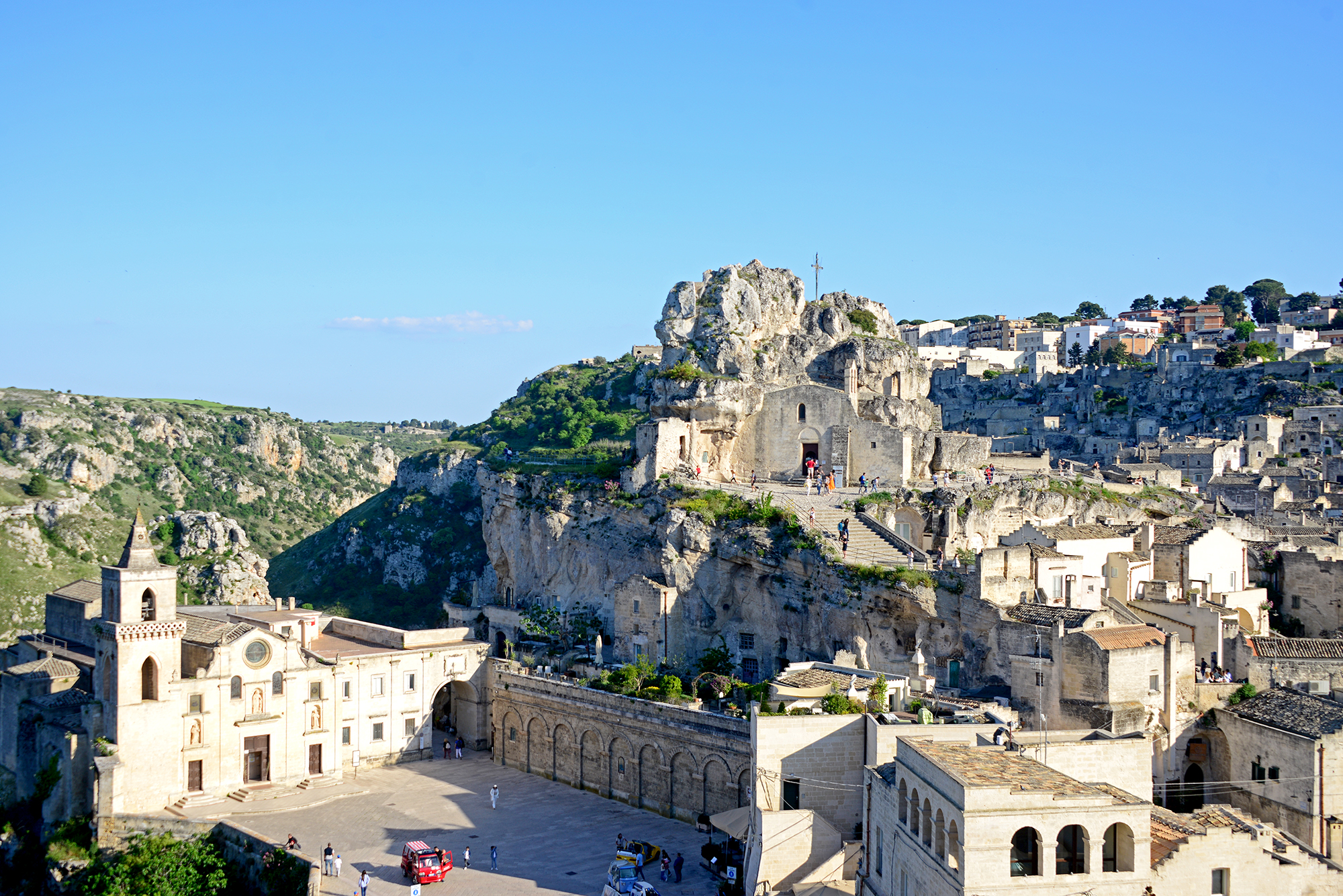



Matera’s breathtaking architecture has also served as a magnet for film crews- while film snobs will gravitate toward Pasolini’s The Gospel According to Saint Matthew, most cinemagoers will recognise it primarily from Bond, James Bond’s exploits in No Time to Die. No James Bond film will ever work without some solid vehicle chases, but the Sassi are ill fitted for traffic: many streets are completely off limits, due to laws- of the Italian state, and of physics, whereas others do accommodate smaller vehicles, unavoidably causing misery to both drivers, constantly blocked behind slow pedestrians, and pedestrians, constantly honked at by irate drivers. A bend in the road bears witness to the many shades of paint of the cars that scraped against it.
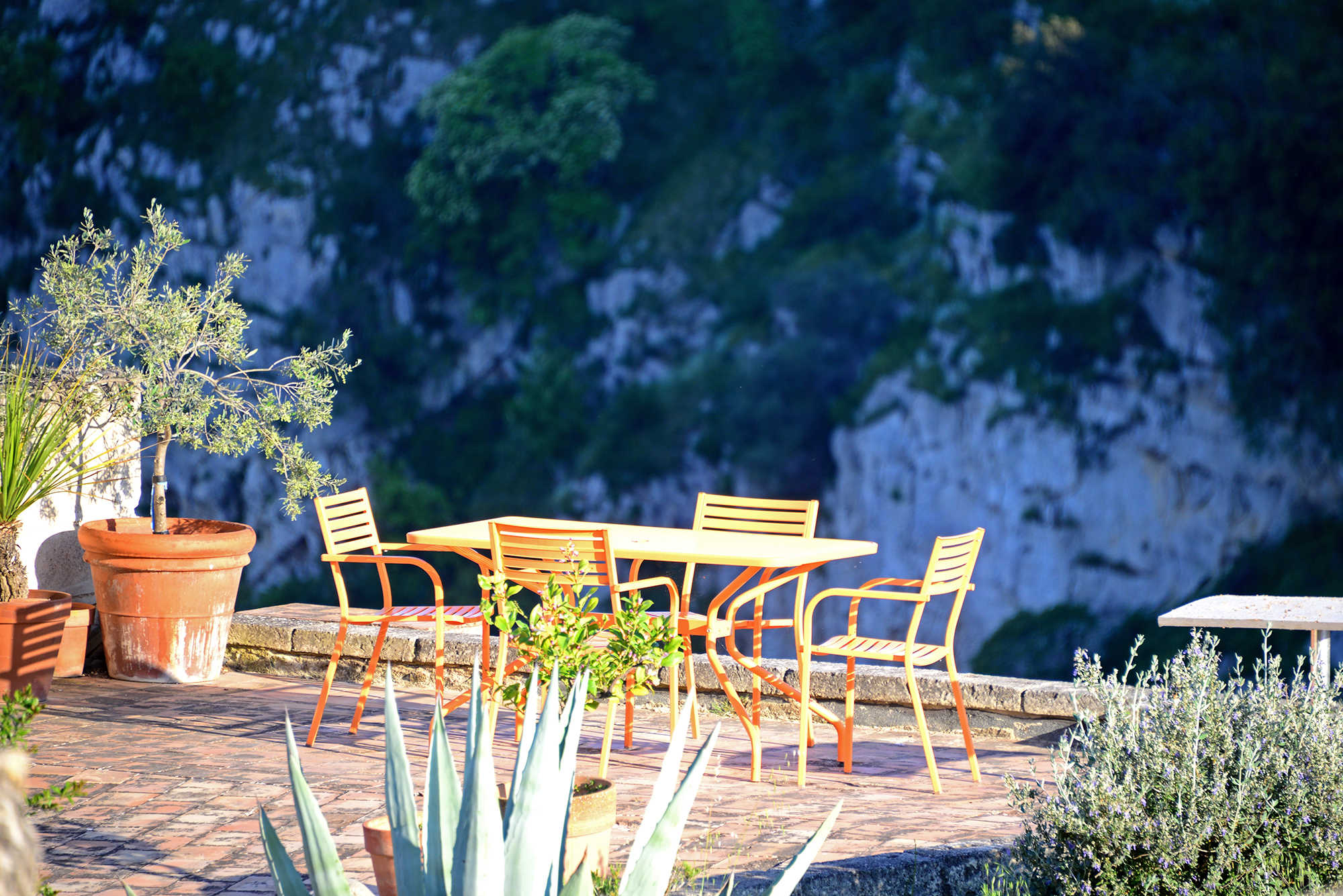
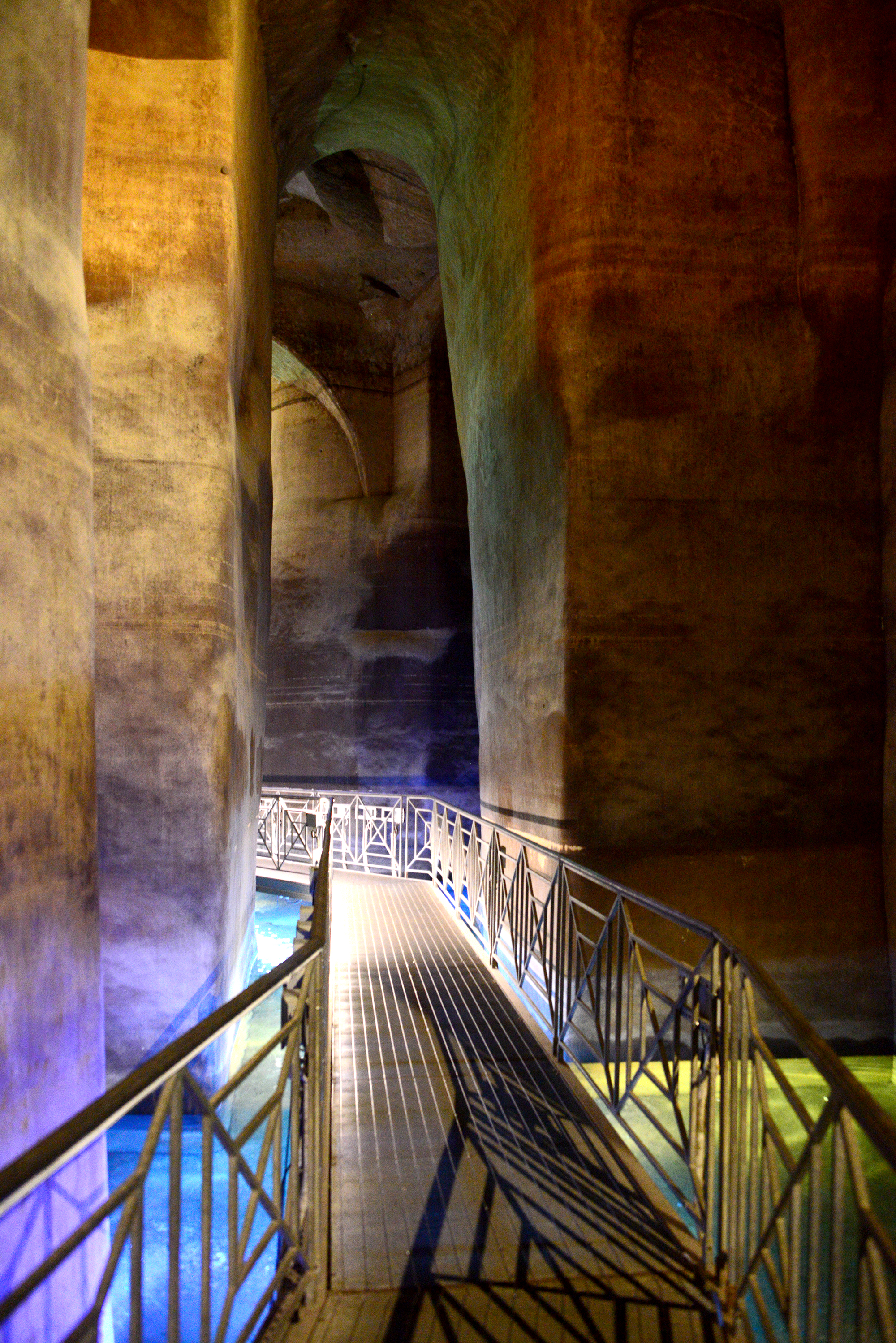
To be in line with the spirit of the place, we went for a cave accommodation- the San Pietro Barisano Residence, which we warmly recommend, on account of the great amenities, the superb coffee we were served with our breakfast and the complimentary cute dog- a shaggy, lovely, potato shaped old thing which was the first staff member to arrive on location at 7 AM, patiently waiting for the opening of the buffet area. Spending the morning on the terrace overlooking the Sassi, watching the pink and apricot shades of the rising sun slowly colour the ancient walls was a blissful affair, yet I must admit that I would find living in a cave a bit oppressive in the long run, even with modern amenities such as electricity and running water. There is something menacing in the silent, cold rock closing in on you- while we think of life in the sunny south as carefree and easy going, Matera is more a story of survival in spite of the elements, and not thanks to them. Even water was hard to come by- while the town’s structure offered protection from attackers, it did make carrying water up the hill an arduous affair. Several cisterns were built to collect rainwater, of which the largest was the Palumbaro Lungo– no longer in use, it can be visited for another three euros, which seems the amount Materans like to charge for about everything.
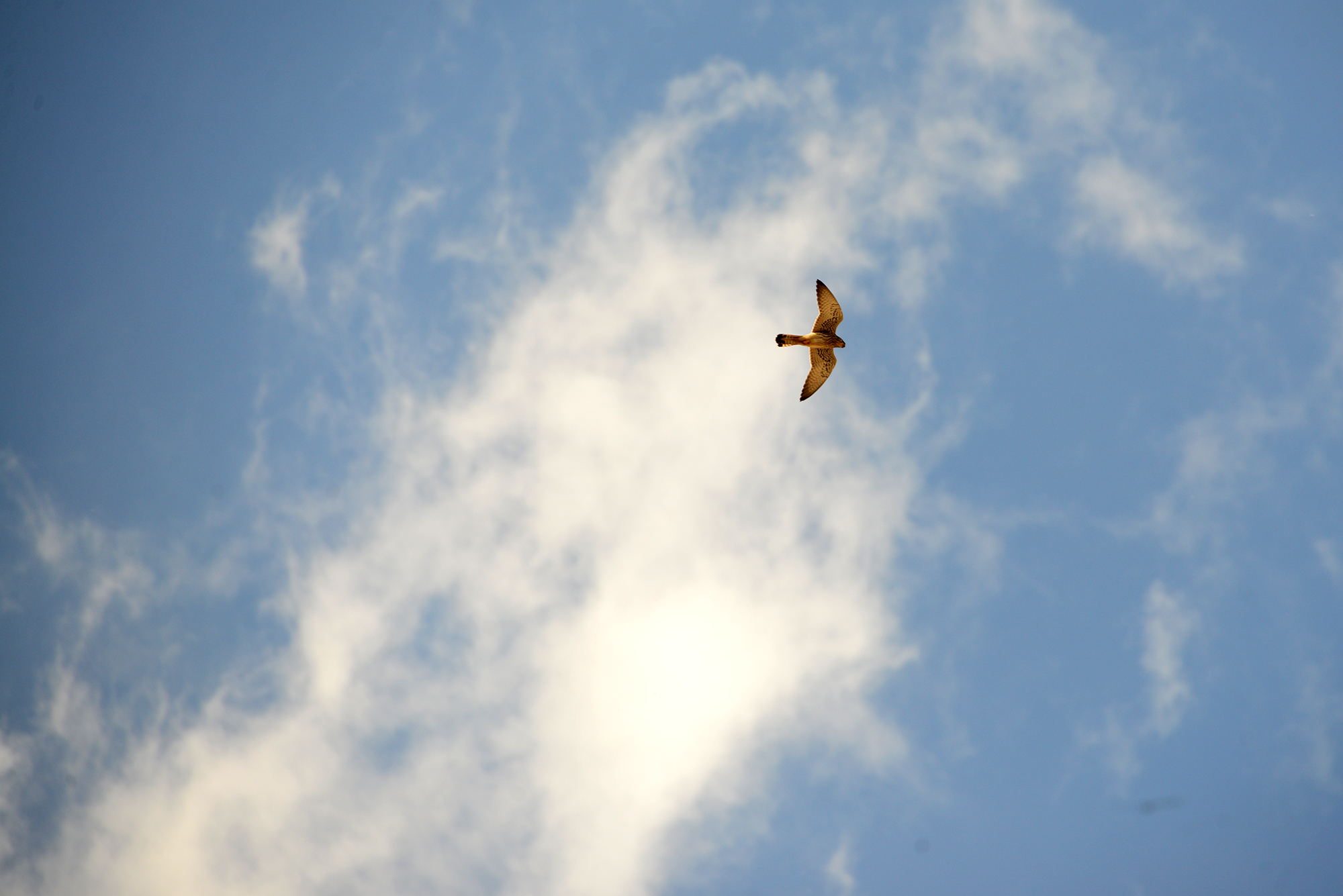
If walking the streets of European cities you have the feeling of being watched, it often turns out to be an inquisitive pigeon, but in Matera, you’ll probably be watched by a lesser kestrel, or falco grillaio in Italian. The birds nest all over the area of the Sassi and are a familiar sight on the city’s sky. Since my brain is often lost in inner translation, upon seeing a restaurant named Al Falco Grillaio, I immediately jumped to the English infused conclusion that they are either grilling falcons, which is appalling, or that they have a falcon grilling the food, which is more appealing, but also slightly odd.
Speaking of food, we yet again wanted to eat at times which are considered to be inappropriate for nutrition by Southerners. Most restaurants in Matera will close around 2 PM and stay closed until as late as 7:30 PM. Should you be a clueless continental wishing to nourish your mortal frame in this interval, options are scarce. On via Bruno Buozzi, leading to the Santa Maria di Idris cave church (notice how we focus on food and mention one of the main attractions of the city only in passing) you have Pane and Pomodoro, which serves passable if not brilliant food, a decent option if you are famished and/or in a hurry. A better choice is to opt for Vicolo Cieco, on via Fiorentini, which has a great version of the millennial staple food, the charcuterie board (worth learning the Italian for it too- tagliere) and, as advertised by our bartender, the best Negroni in town. We felt he might be getting a little ahead of himself, but he was dead right. Once the night comes, you can move over to Ristorante Da Nico, which serves several local specialties, including orecchiette (the favoured pasta shape of the area) and dishes made with pezzente sausage, which, as described by the connoisseurs over at TasteAtlas is ‘a rustic offal sausage from southern Italy’. Often considered, especially by sniffy Northerners, to be poor and backward areas of Italy, Puglia and Basilicata are reclaiming the delights of the so called ‘cucina povera’, food that is simple, but nutritious and made of whatever fresh ingredients are available at a given time in a household. While Puglia is often associated with the Primitivo grape, we took a liking to the less known Negroamaro, which originates a bit further south, in the Salento region, in the very heel of the Italian boot.
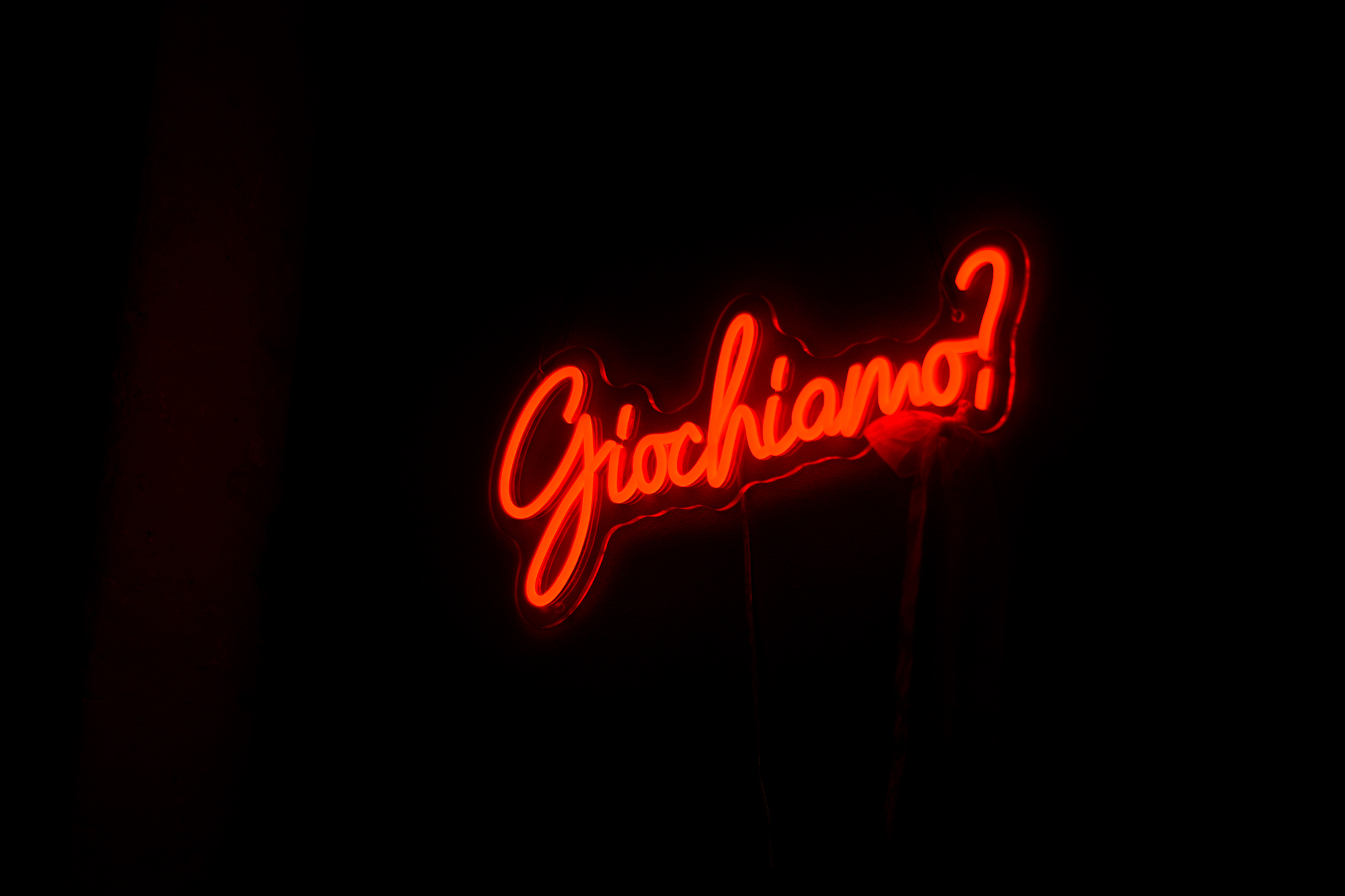
I strongly feel that the main point of travel should be discovery, and the element of surprise- which must have been lost on the Hungarian gentleman who dashed into Zipa café like the proverbial bull in a china shop, and declared it NULLA, EGY NAGY NULLA (non Hungarian speakers are free to take a wild guess at this) for not having tiramisù. In fact, while called a café, it doesn’t have coffee either. It has wonderful signature cocktails, and a cool cave-like interior which leads onto a terrace wedged among rocks. Zipa is not as much a place as a vibe, with the waiters constantly trying to contain the flow of visitors looking for a selfie spot and accommodate them on large moveable cushions in accordance with wherever the shade is at the given time. Had I been more artistically inclined I would have probably come up with a video installation of passers by peering into the cave-like interior to understand what the place is about.
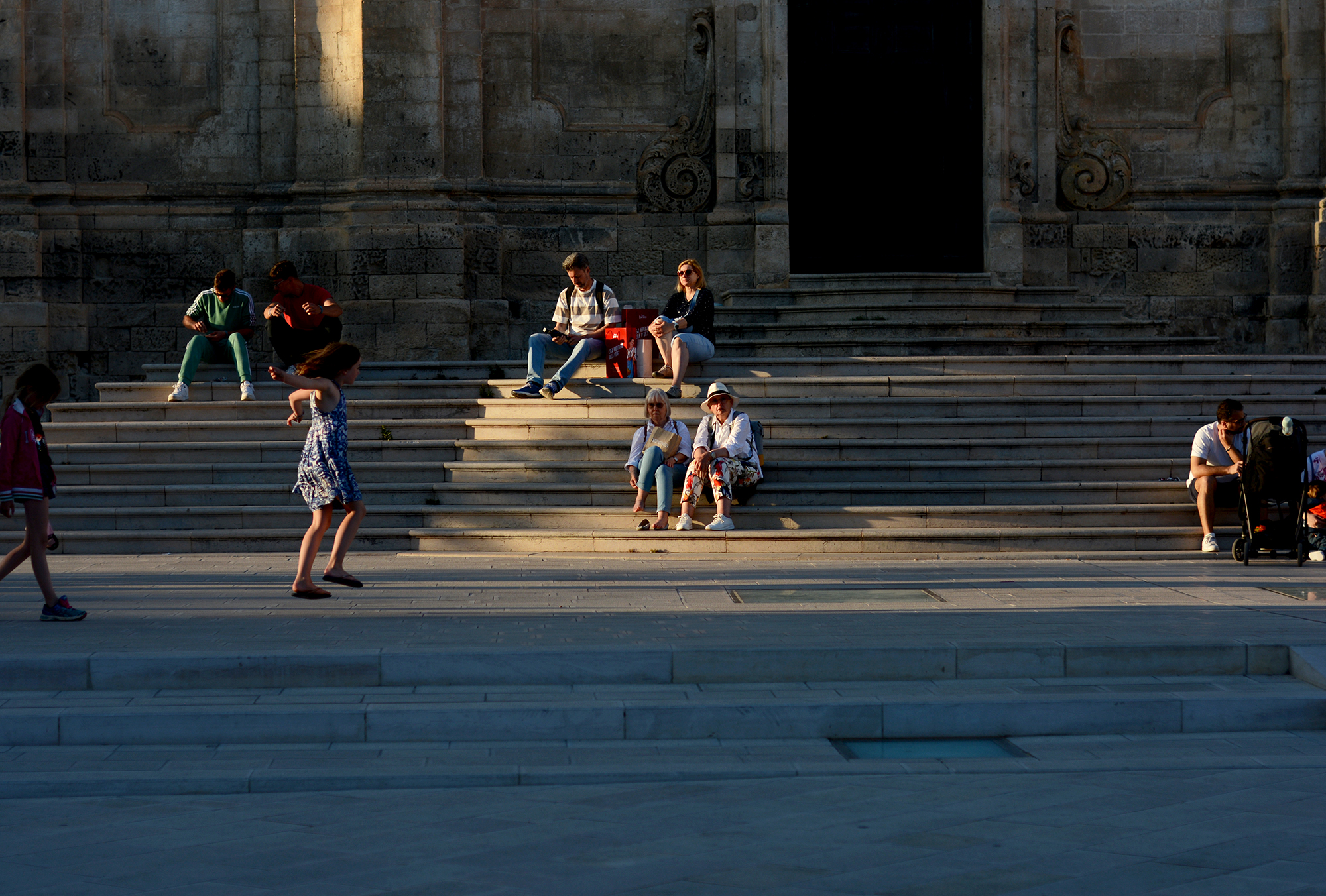
The good people of Matera did not survive for three millennia carving their story in stone to make tiramisu for a clueless tourist. They’re probably not all that enthused about us being there in the first place, but we all need money, in the end. But when a little boy, sweating in the heat of the Southern sun ran into the shade of our cave bar and delightedly exclaimed ‘ombra!’ before being whisked away by his resolute grandfather, it dawned on me that this might be it: we travel to share little moments of other people’s lives and the more we explore our differences, the more, in the tissue of their complexity, we will glimpse the threads that ultimately connect us.










 Pocket Diary Budapest
One Comment Add yours