The train ride from Málaga to Granada takes you from the sea to the mountains, through stunning valleys bathed in crisp sunshine and fleeting mist, among vineyards and olive groves, in a brief hour or so. Provided there is no lady, Anna Karenina like, on the rails. But there was, and we waited in the sleepy town of Loja, for something or other to happen, ideally, for our train to move. At least I could hone my Spanish listening skills (Like Lucy, the weird Duolingo lady, I was always listening), overhearing not overly edifying conversations with the train’s non plussed conductor. I honed my reading skills too- local news assured us that the lady was injured, but alive, and traffic on the line would soon resume. On the speaking front, I kept mum, until the vermouth would untie my tongue in a friendly neighbourhood tapas bar.
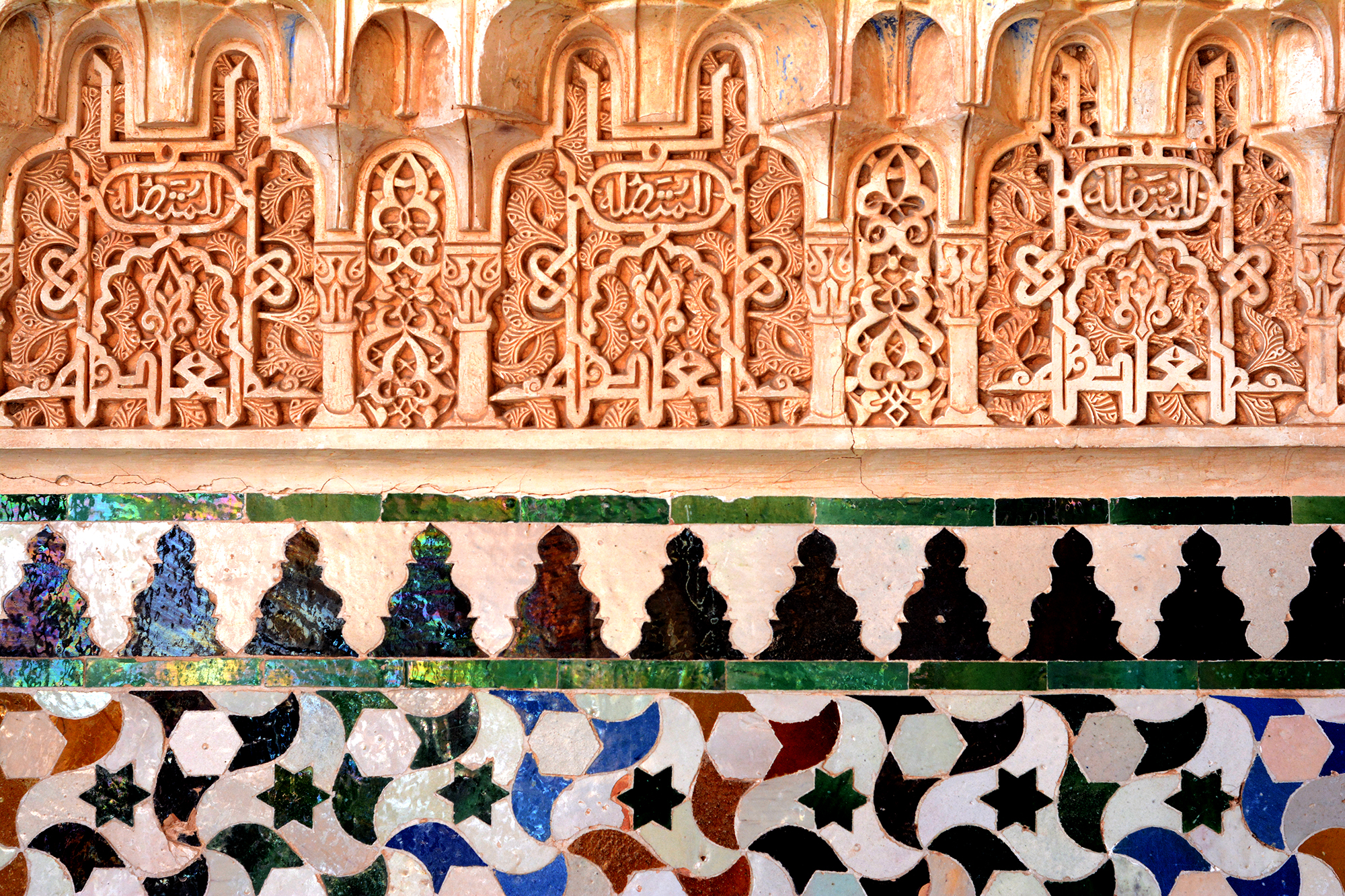
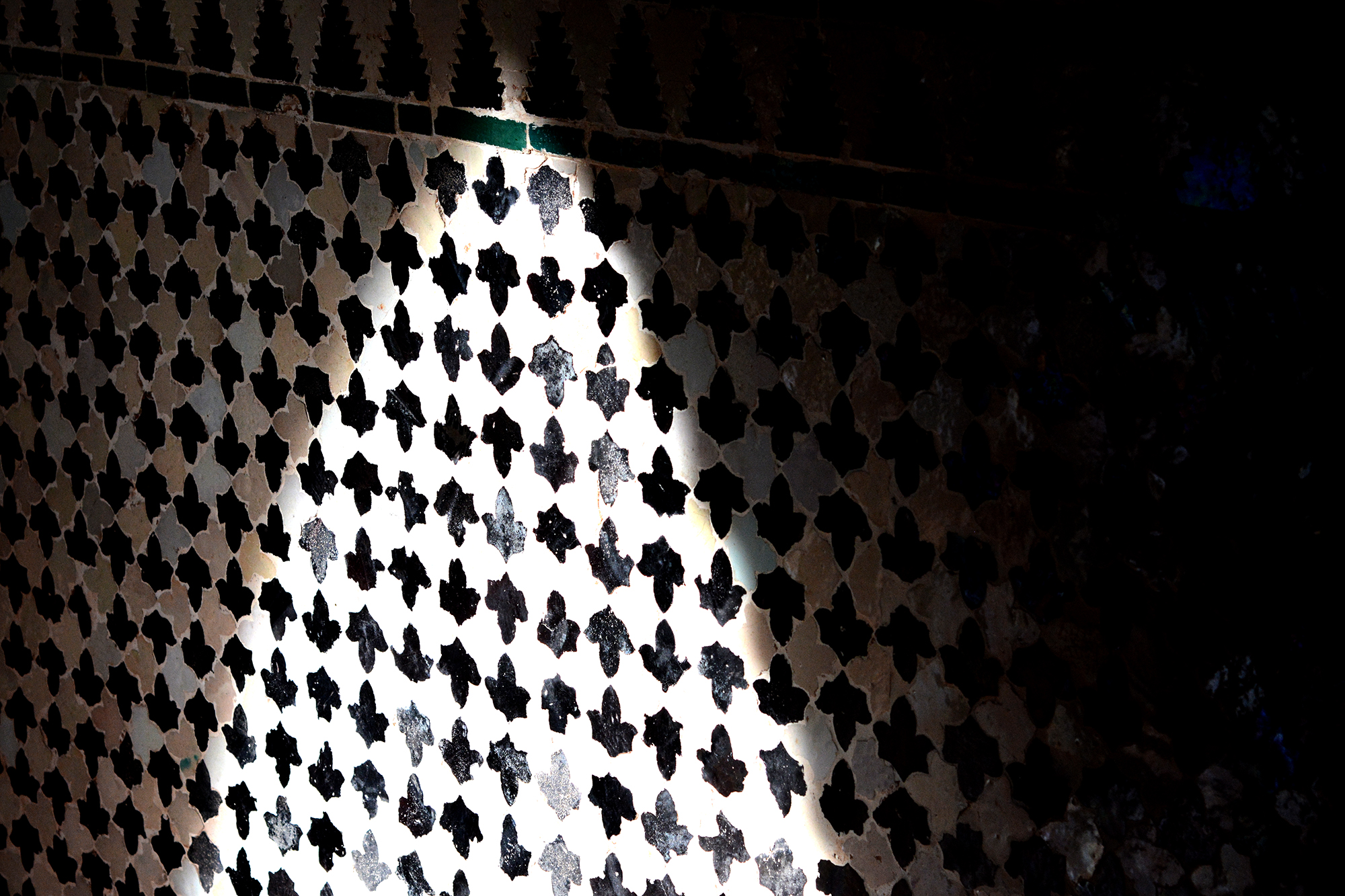
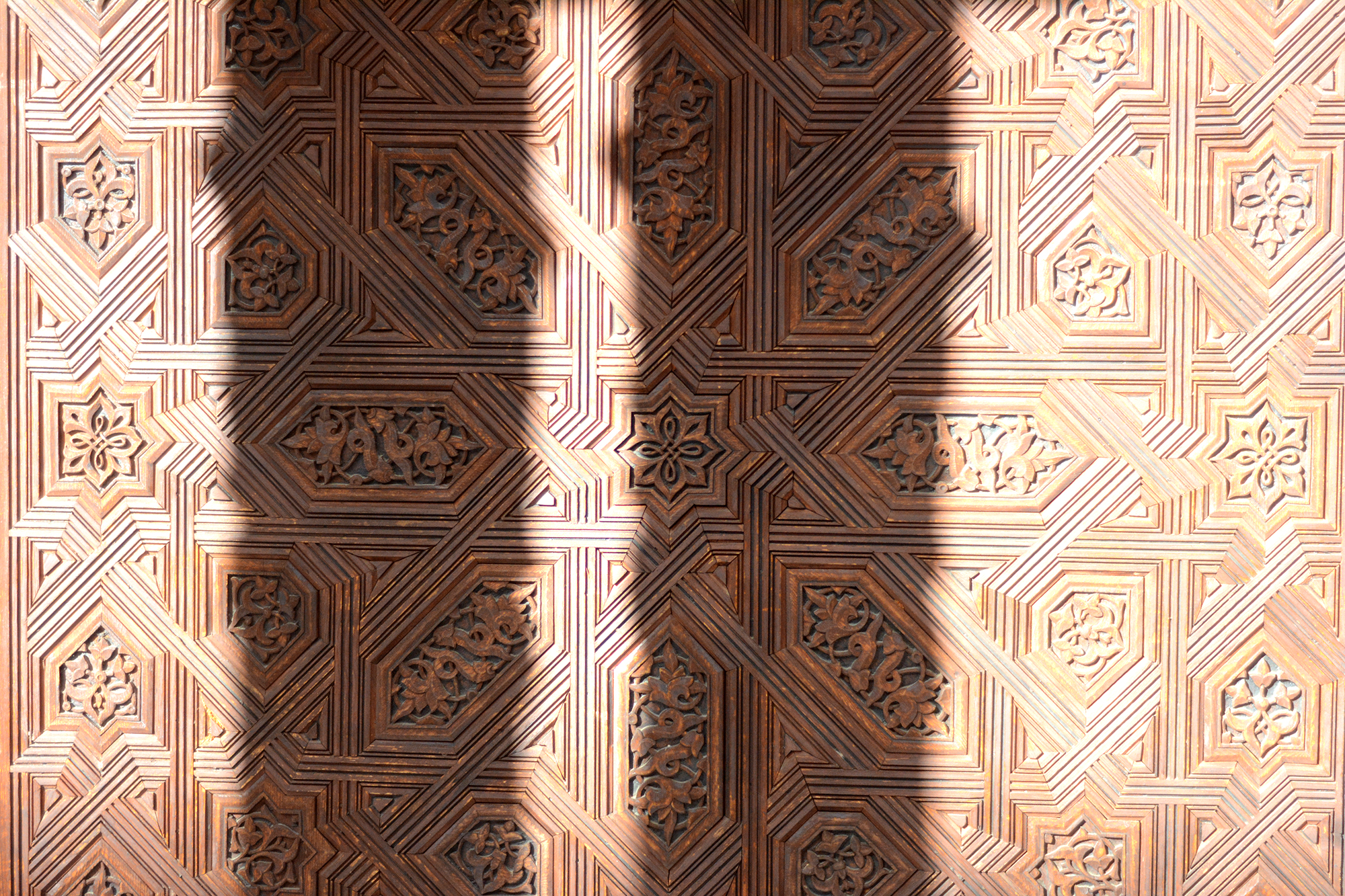
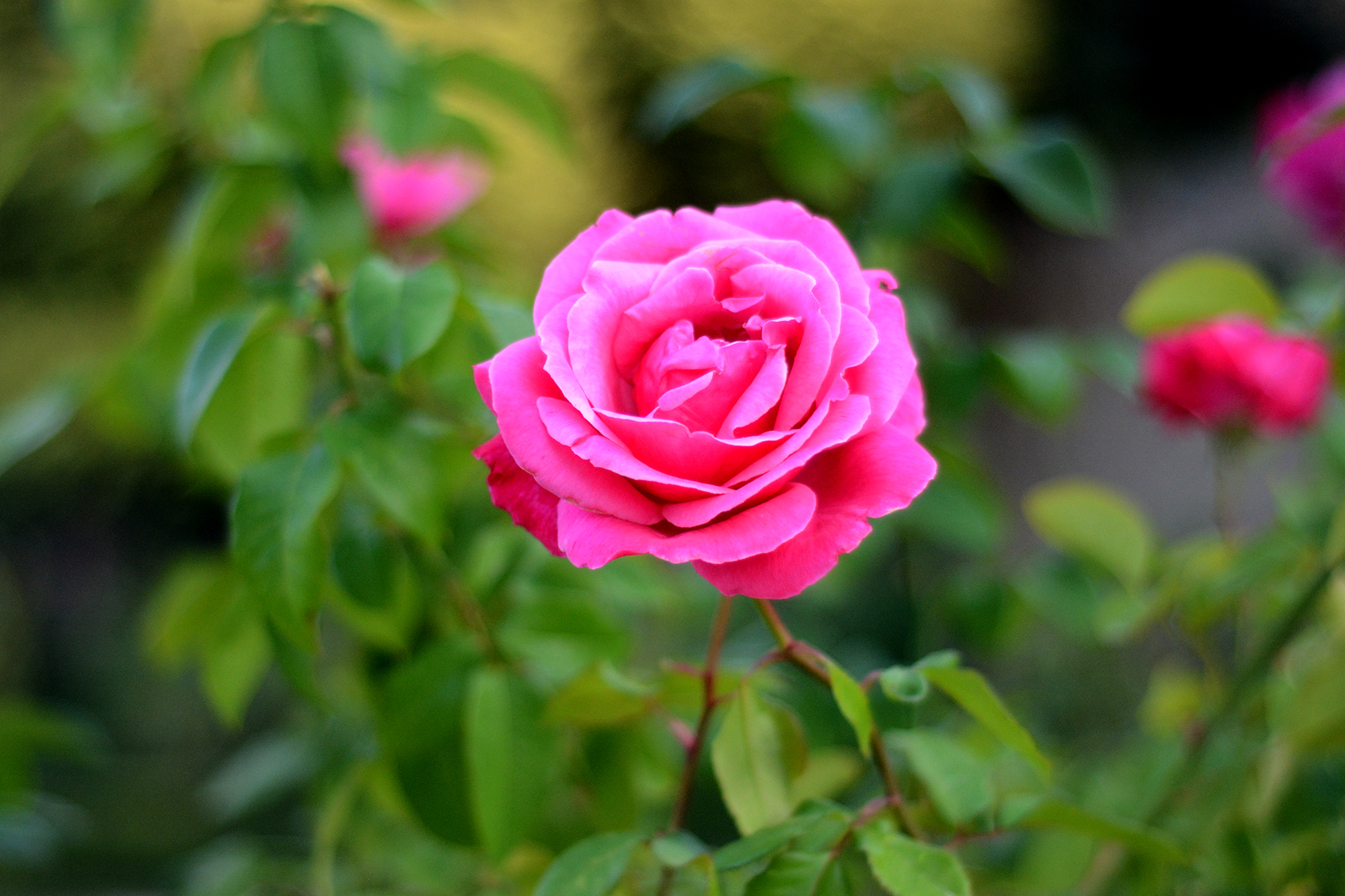
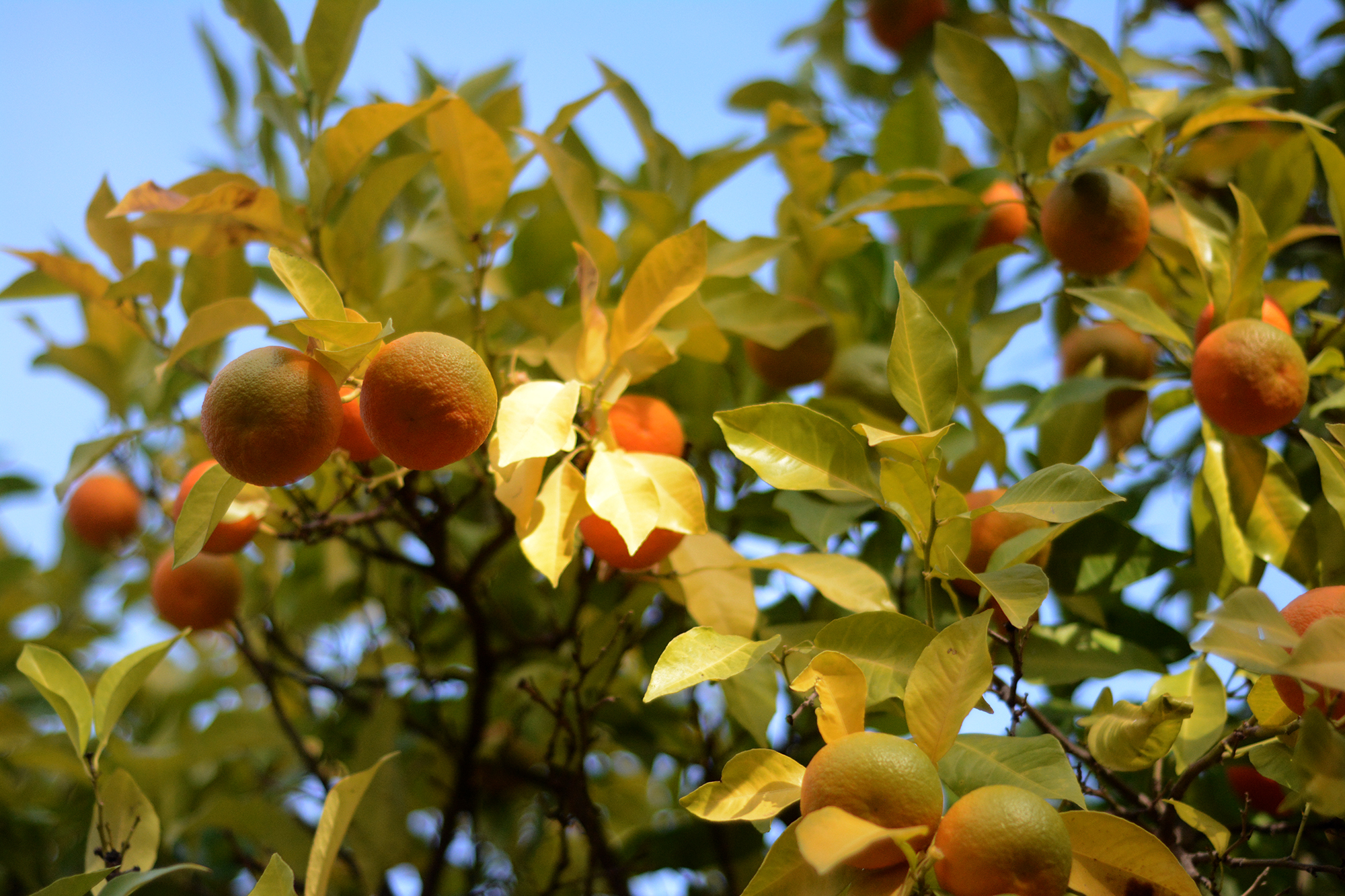
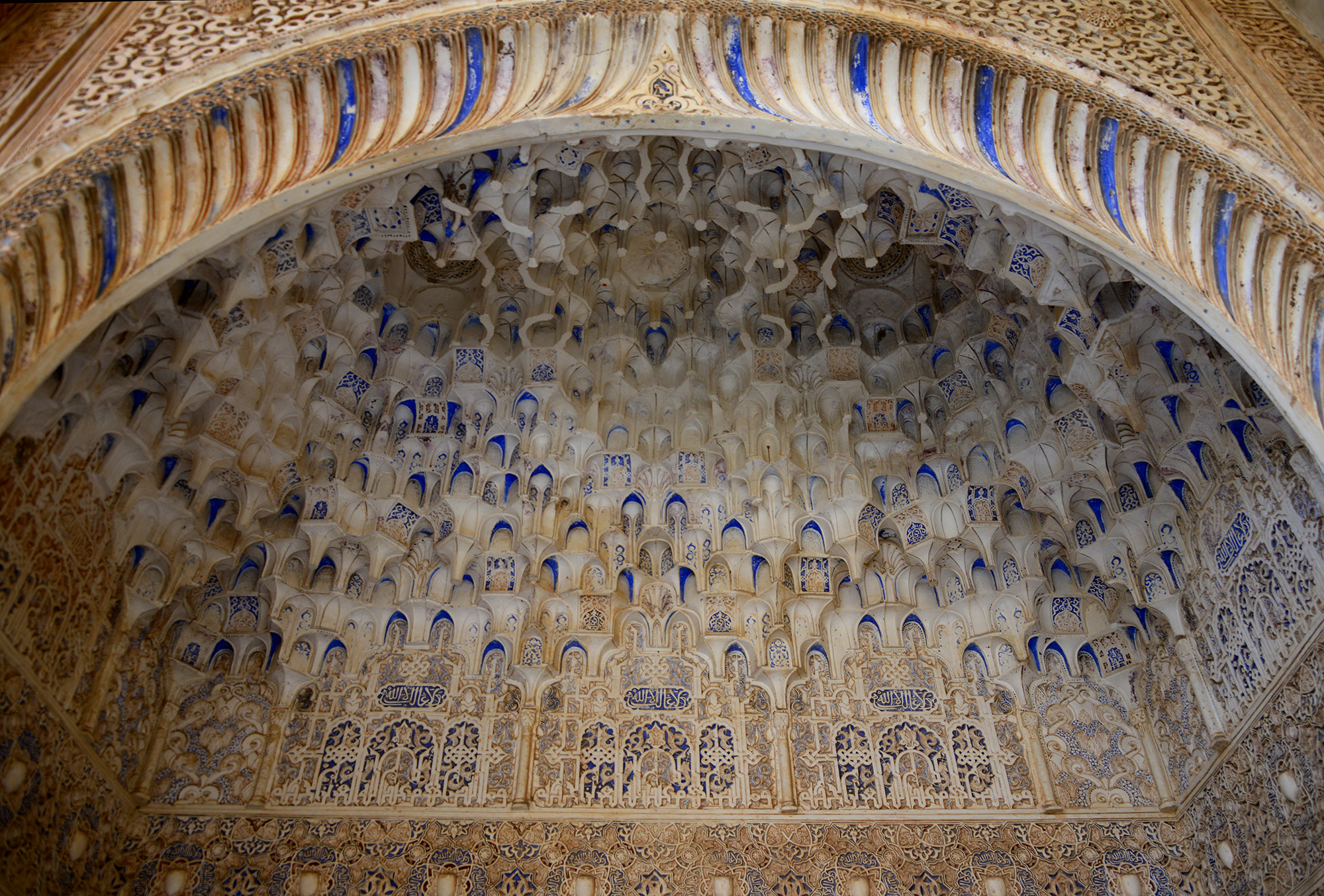
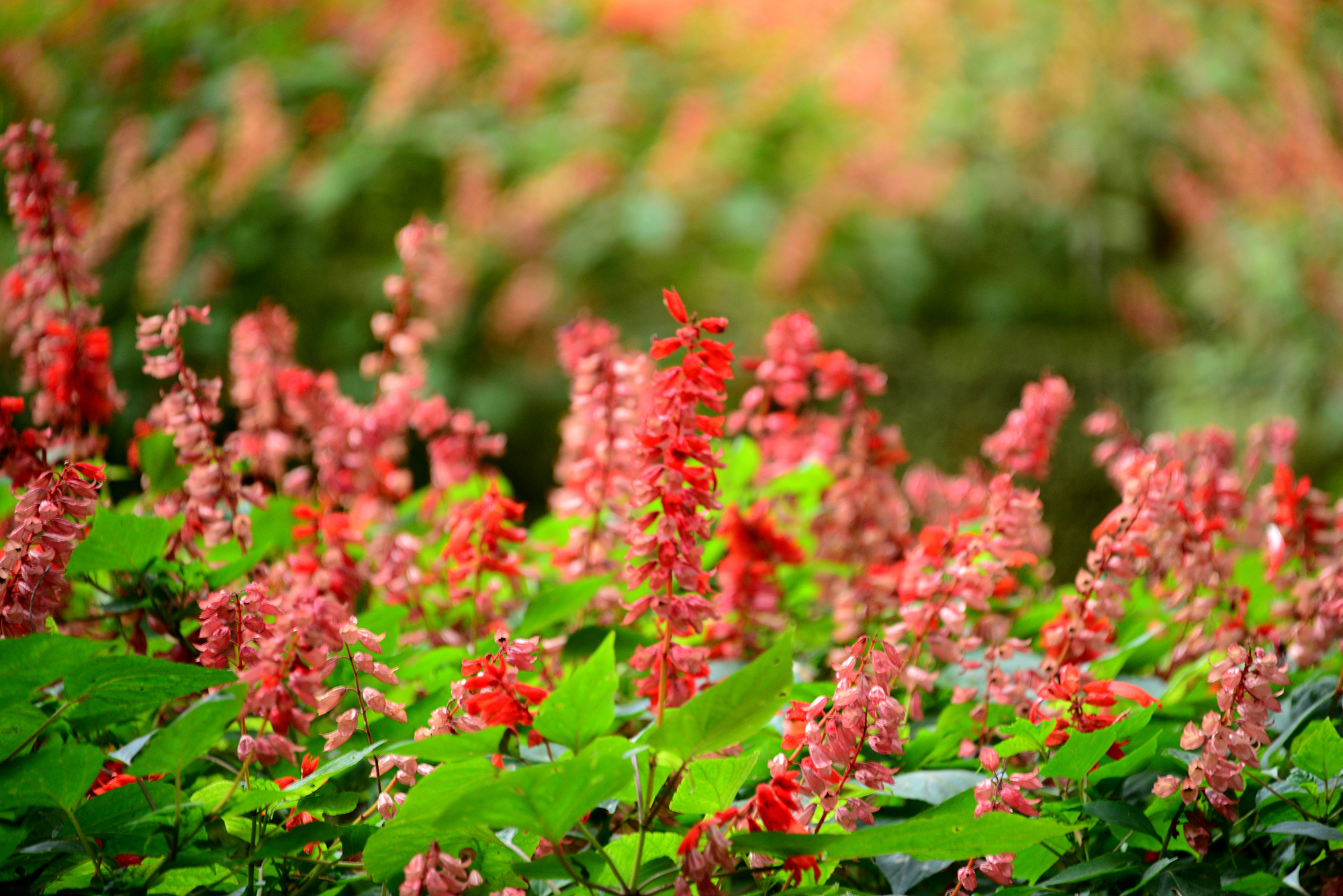
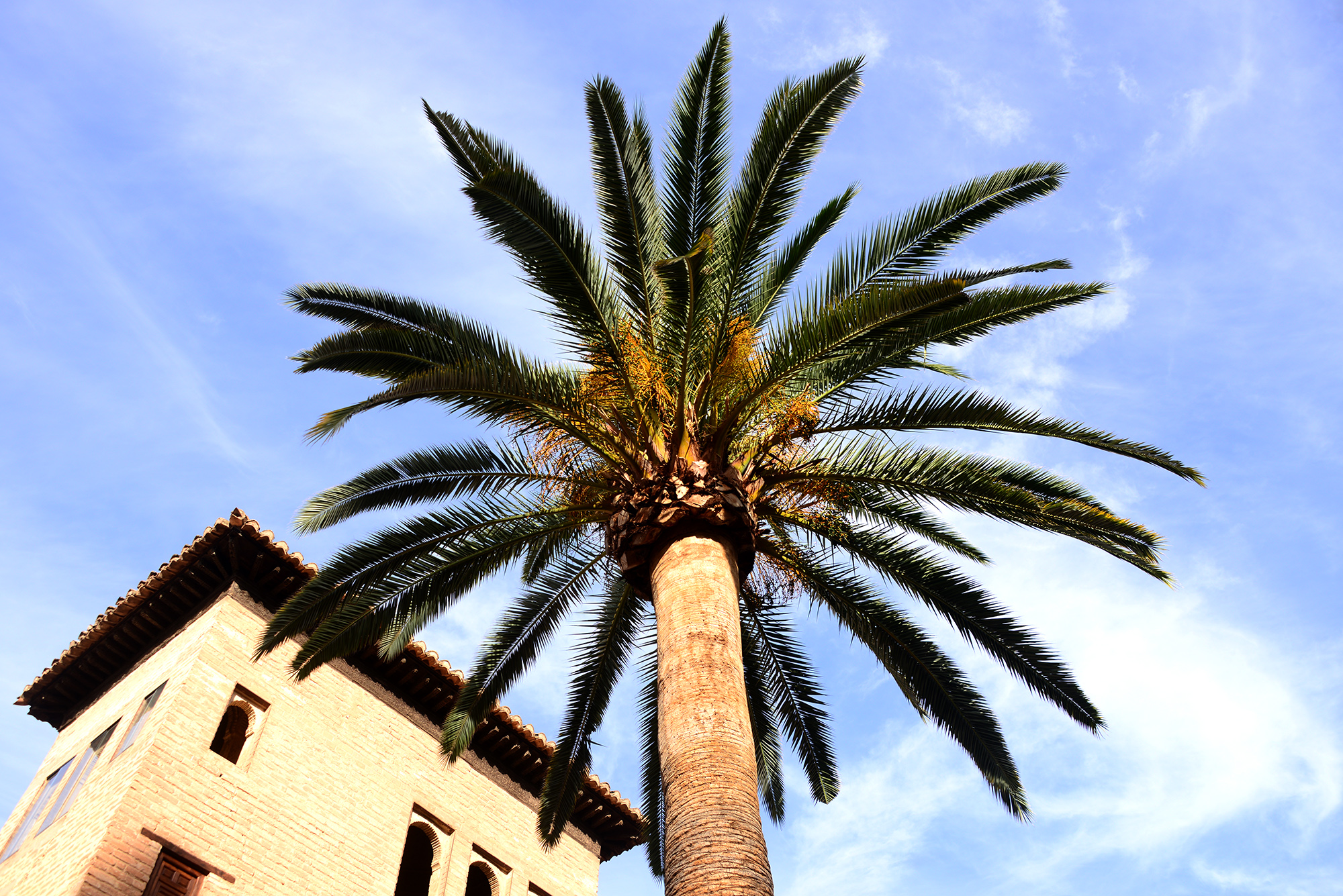
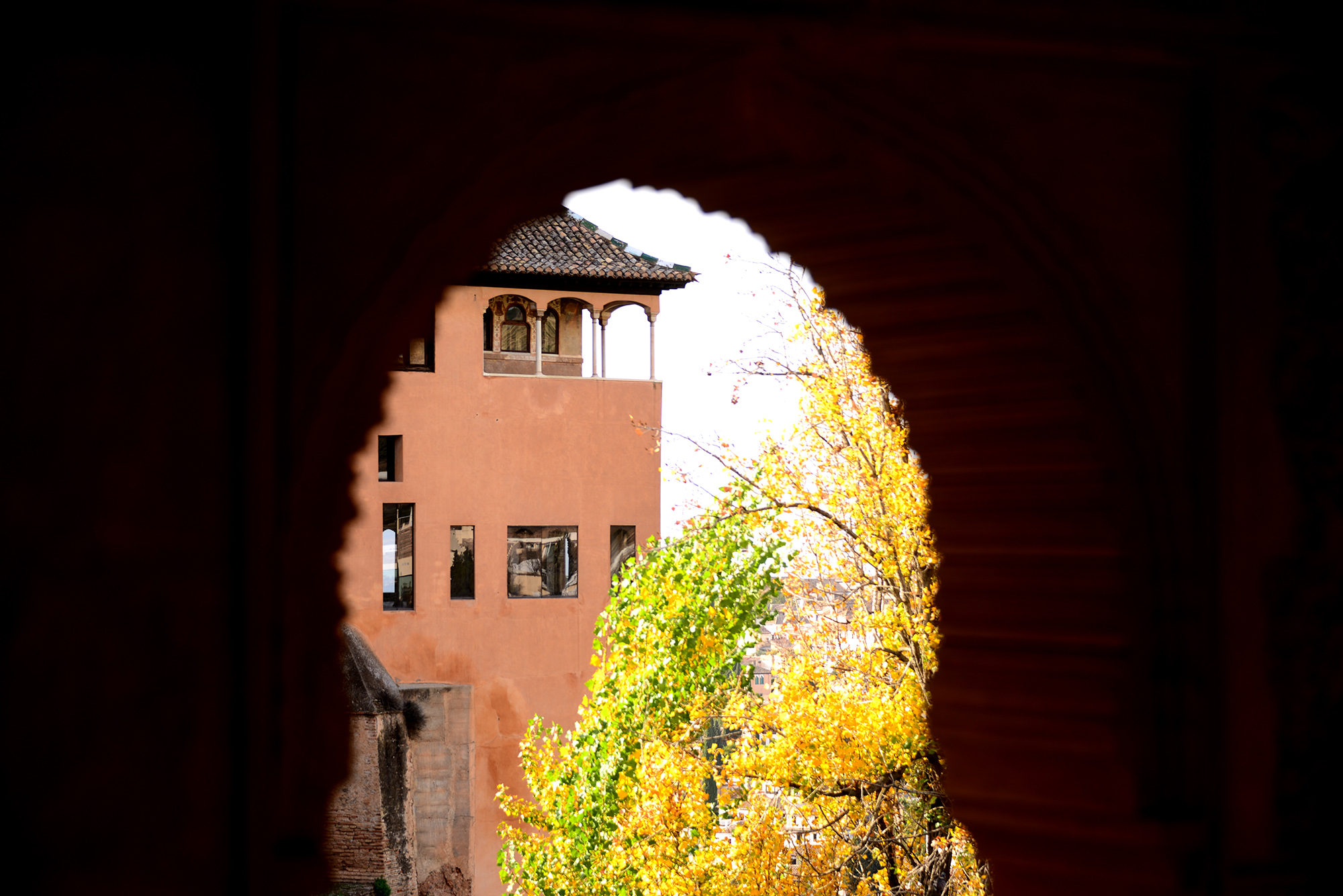
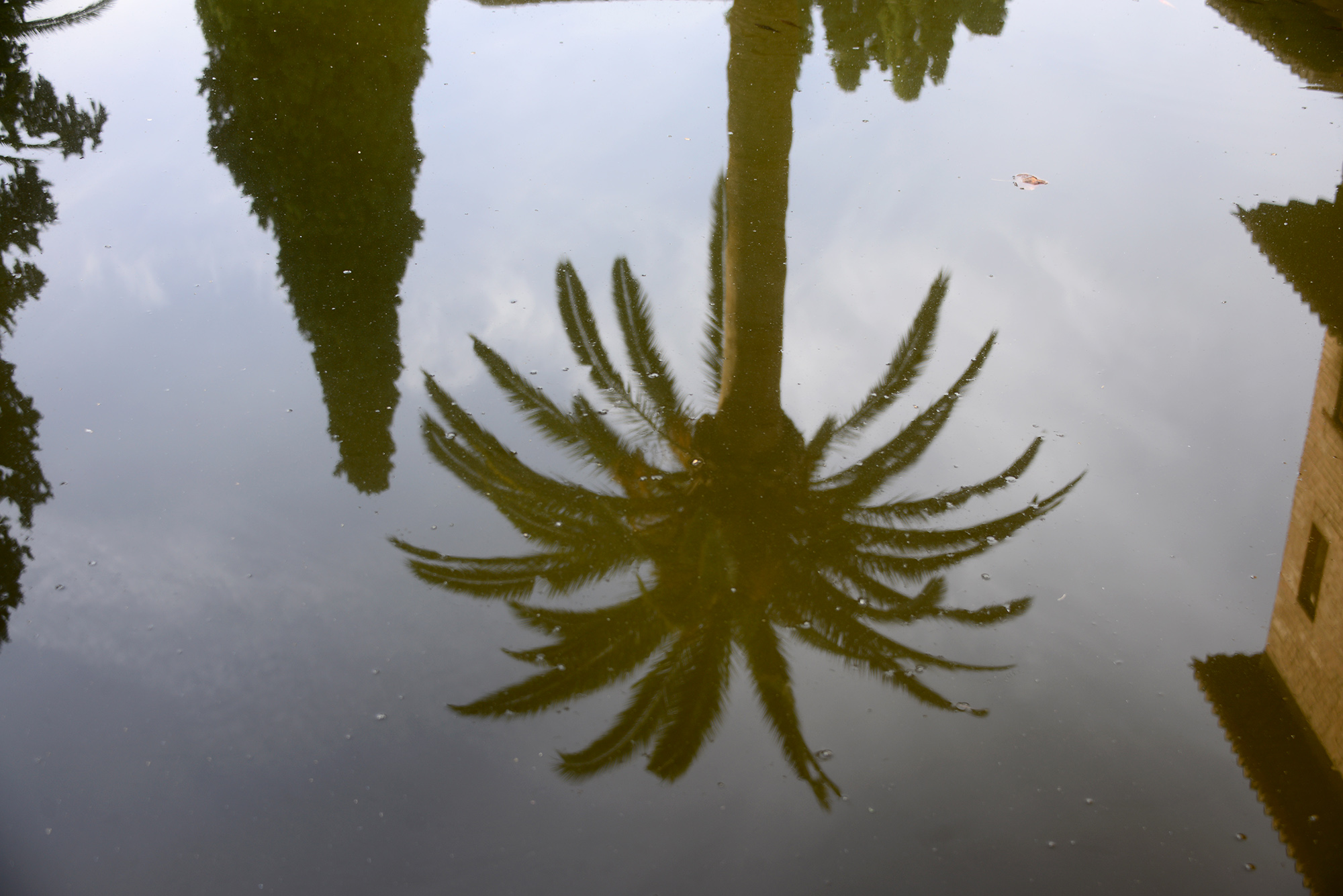
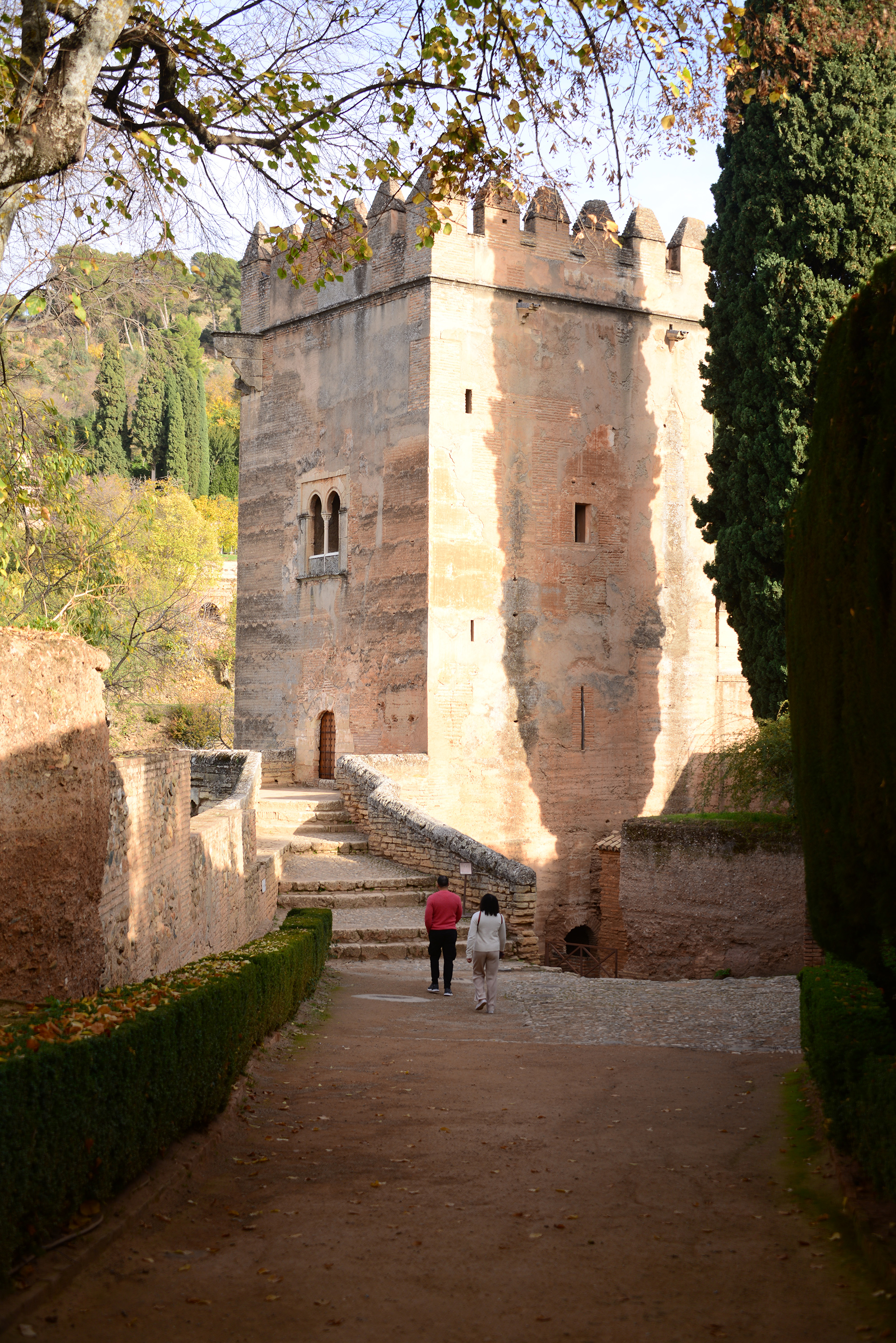
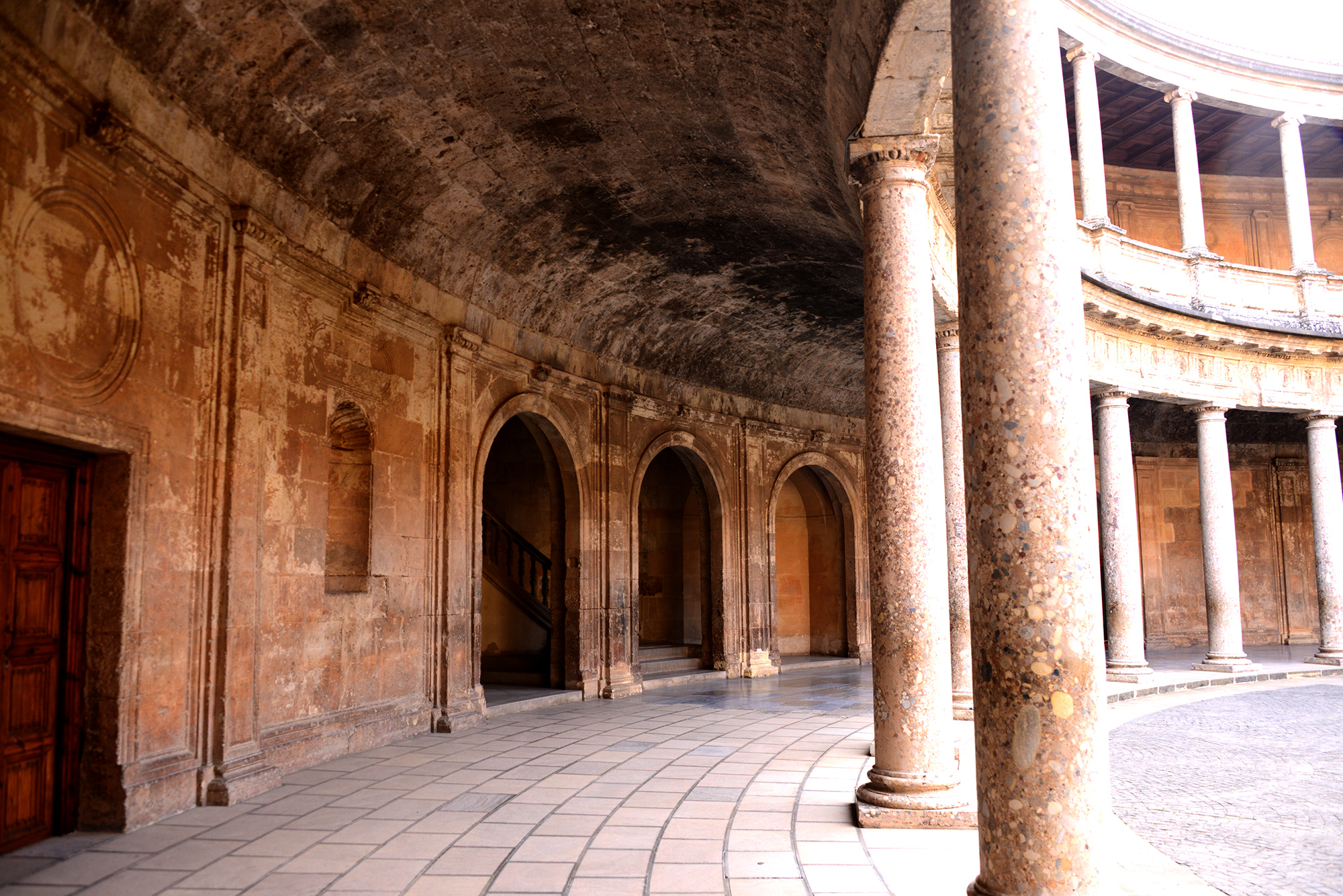
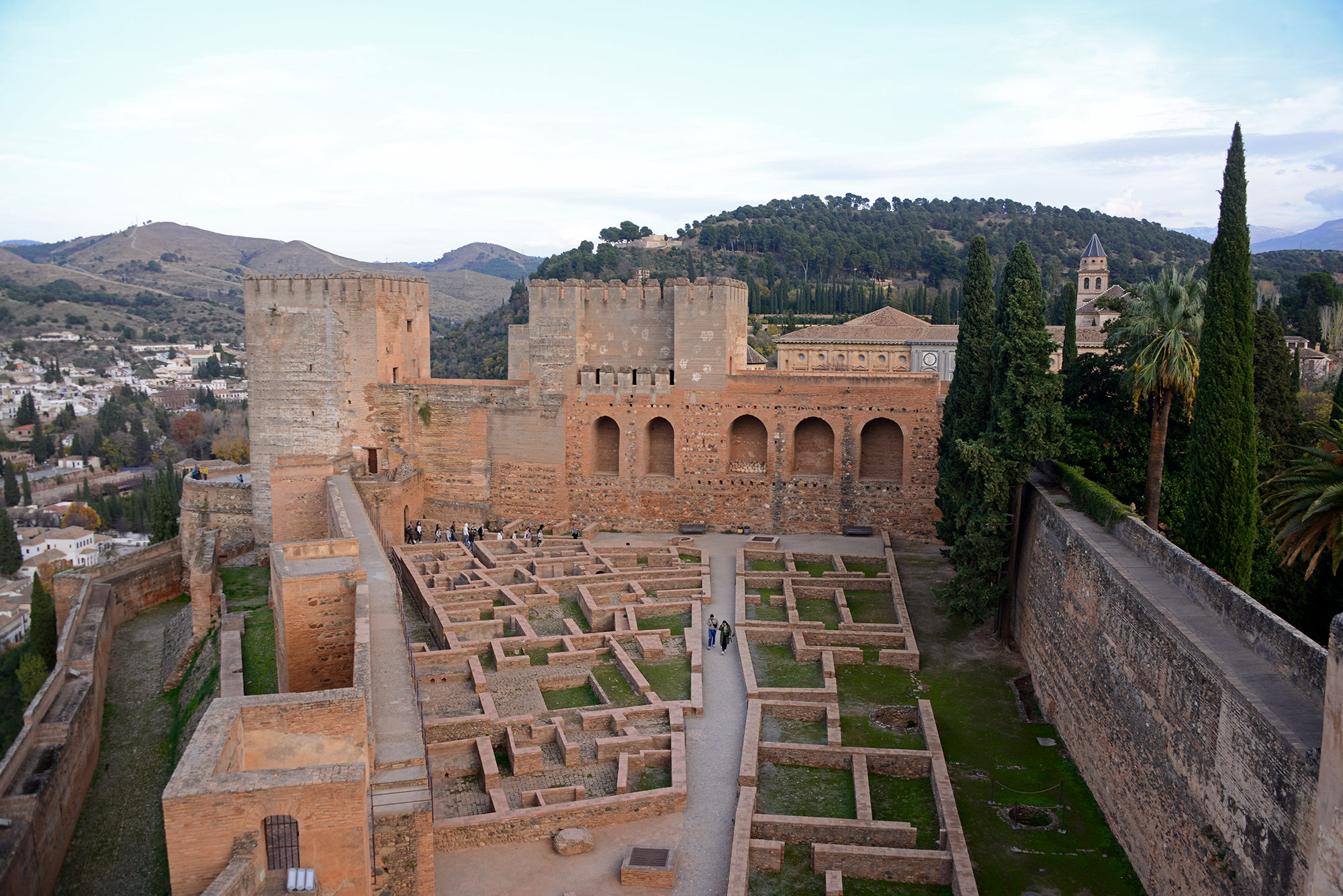
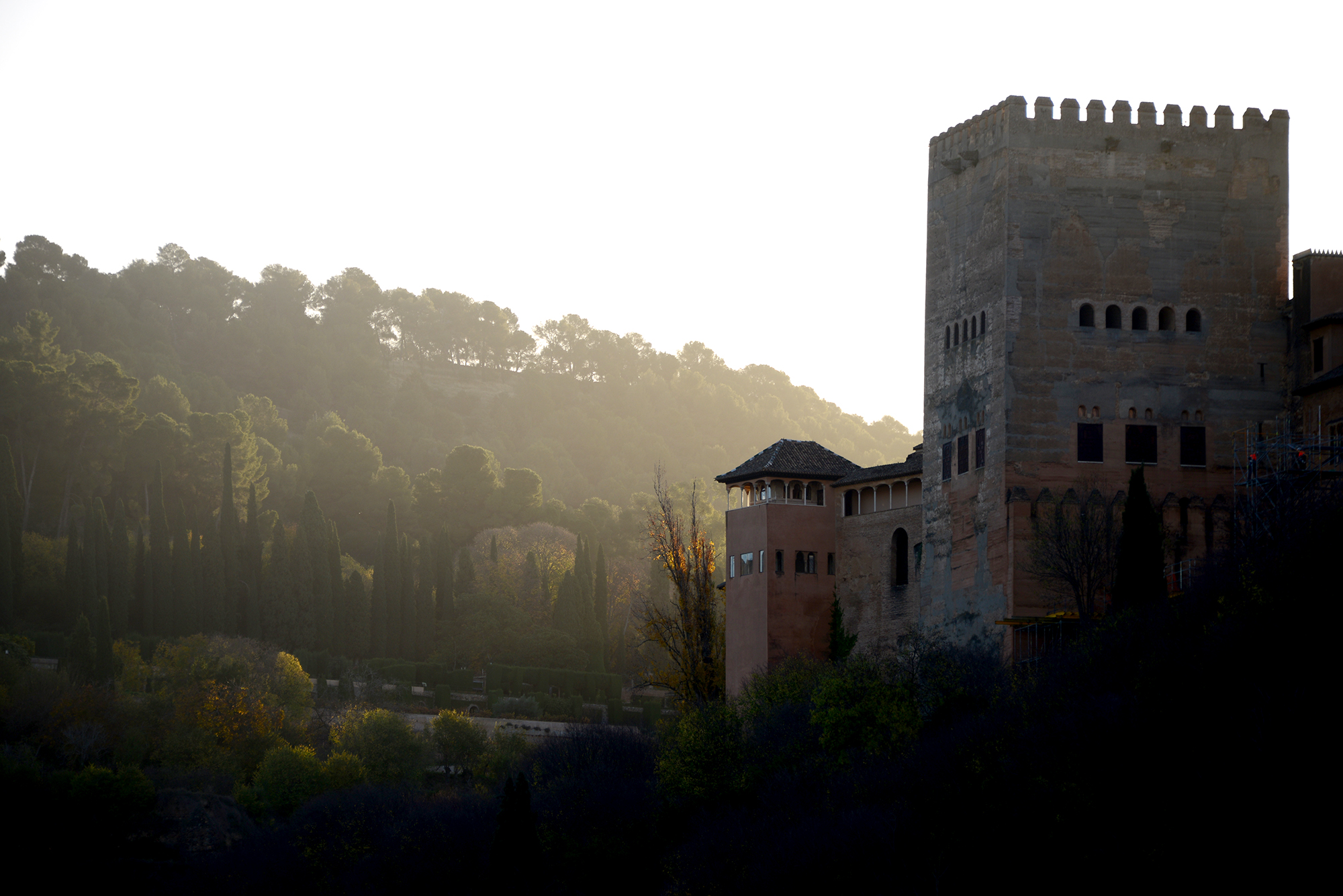
Granada was the last of the Arab emirates in Spain to fall, in the fateful year 1492, marking the completion of the Reconquista. But on the snaking road leading uphill to the Alhambra, the past seemed very much alive. Reaching its heyday during Nasrid rule in the 14th century, the site is now part of the UNESCO World Heritage. Somewhat neglected in the centuries following its conquest by the Spanish, its gothic charms were rediscovered in the 19th Century, largely through the work of Anglophone writers, most notably Washington Irving. After its ownership passed from the royal family to the Spanish state, a number of restorations were undertaken, some more fortunate than others. It remains one of the masterpieces of Moorish architecture, and is absolutely stunning, even when thronged with hyperactive visitors. A labyrinth of lush courtyards brimming with orange trees and roses, fountains trickling softly, cool rooms bedecked in vividly coloured mosaics and carved stucco, ceilings adorned with the stalactite like sculptures known as muqarnas, the majestic peaks of the Sierra Nevada on the horizon. Alhambra, the red one, whose name was first mentioned in a few lines of poetry tied to an arrow shot over its rammed earth walls, is the perfect backdrop for a tale of mystery and magic right out of the Arabian Nights. Up in the Sierra Nevada lies the Pass of the Moor’s Sigh where the last Nasrid ruler, Abu Abdallah Muhammad XII, better known as Boabdil, is said to have taken a last glimpse of the city before commencing his exile. The name sounded strangely familiar, and then I remembered Boabdil being evoked in Salman Rushdie’s The Moor’s Last Sigh.
In a decidedly more mundane development, tickets are available both on site and online- the latter option is probably wiser as it allows you to skip the queue, but might prove a little stressful when you’re stuck on a delayed train. Full entry, with access to the Nasrid palace and the Generalife, the adjacent garden estate, costs 45 euros at the time of writing. There are entrance time slots, but they are not extremely strictly policed, as longas one is not ridiculously early or catastrophically late. What is strictly policed is the presence of the ID connected to the ticket (you have to provide your identifier at the time of buying), not having it means you will not be able to enter, even if you have the ticket itself. In low season, queues are minimal at the general entrance, but you will have to wait longer for one of the entry times to the Nasrid palace, which are also strictly respected, to control the number of visitors roaming inside. The full tour is estimated to last around four hours, which is about right if you inspect every nook and cranny- we did not, but had a very pleasant pit stop including red wine and bocadillos at the small kiosk next to the palace entrance.



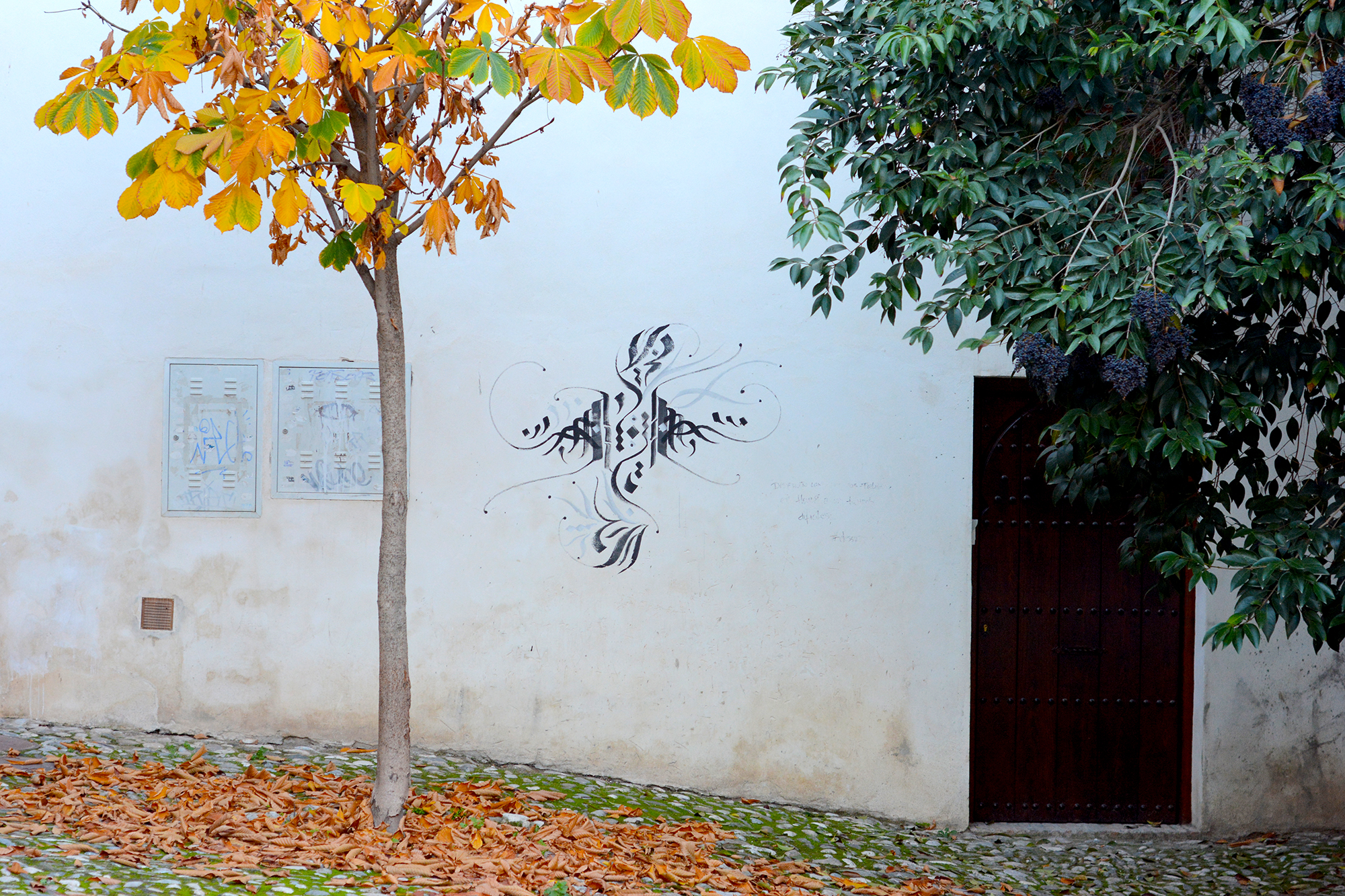
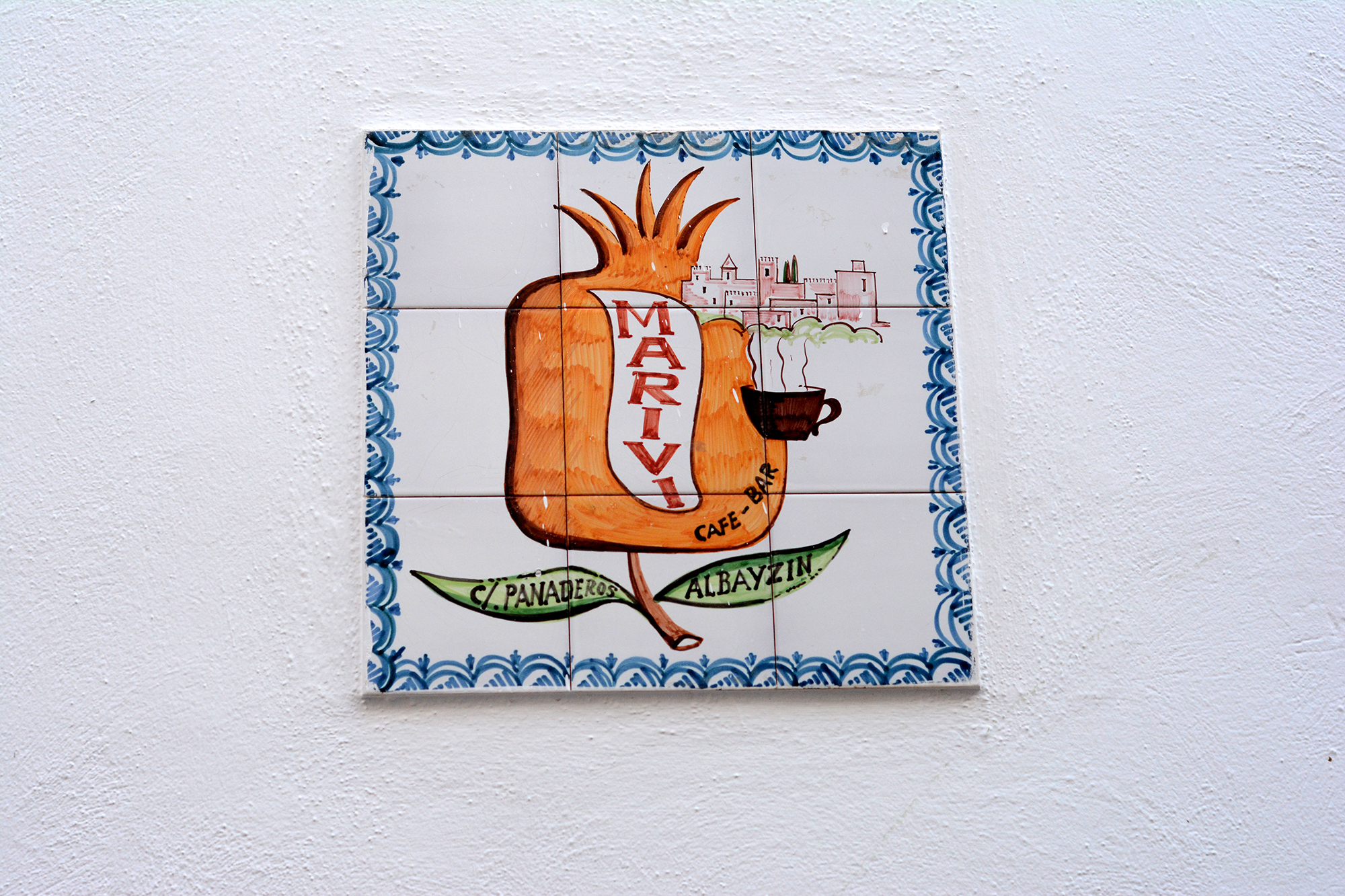
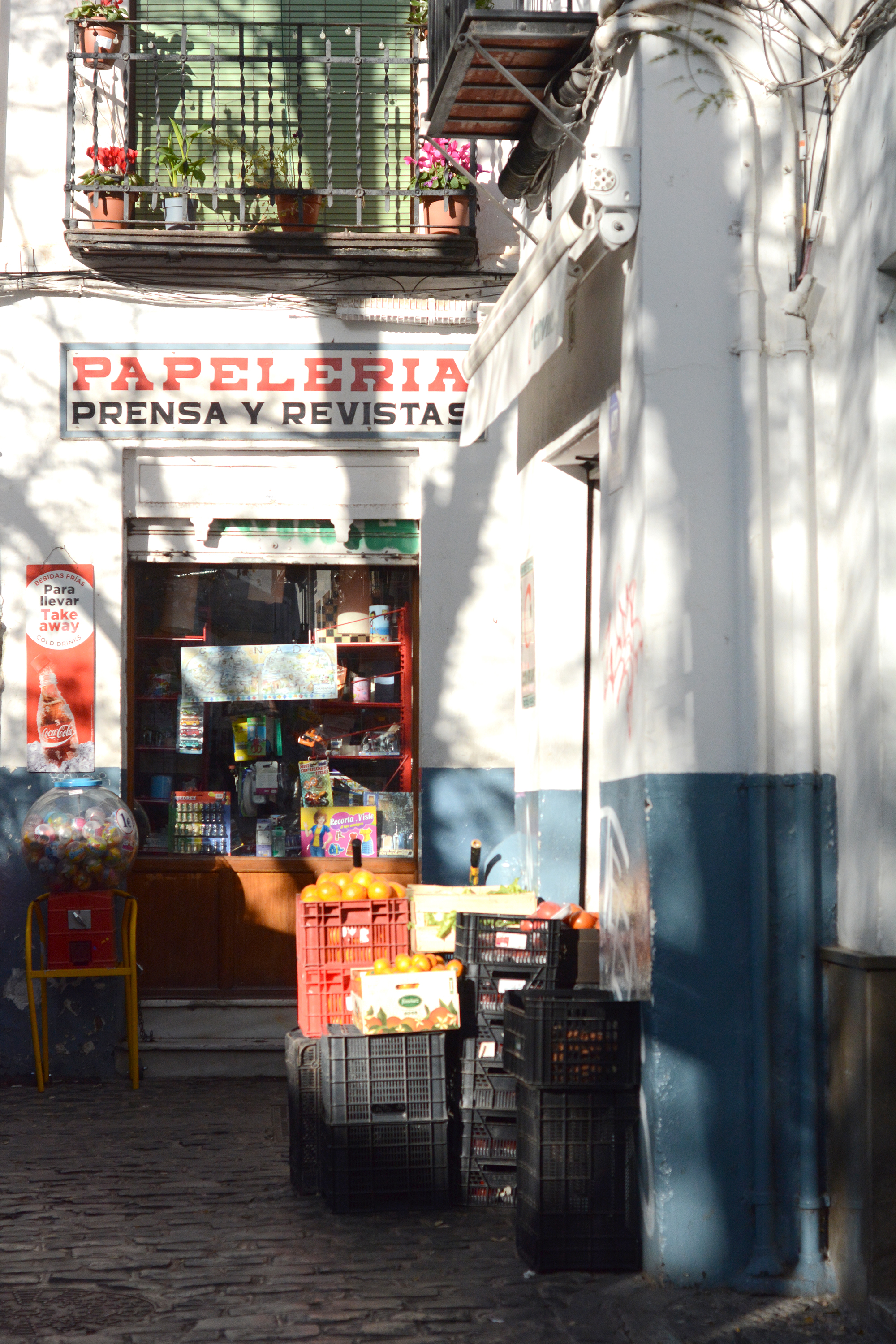
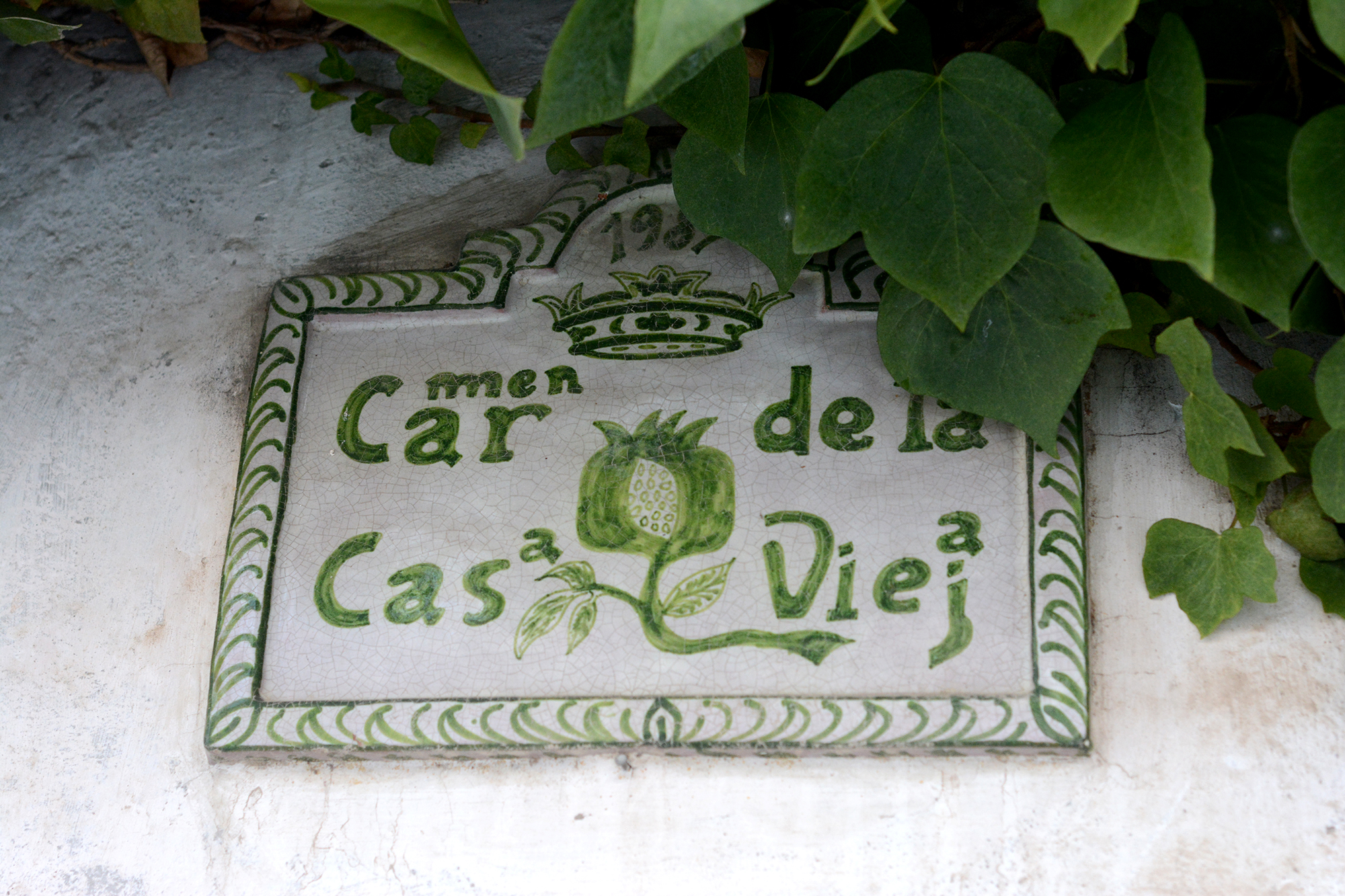
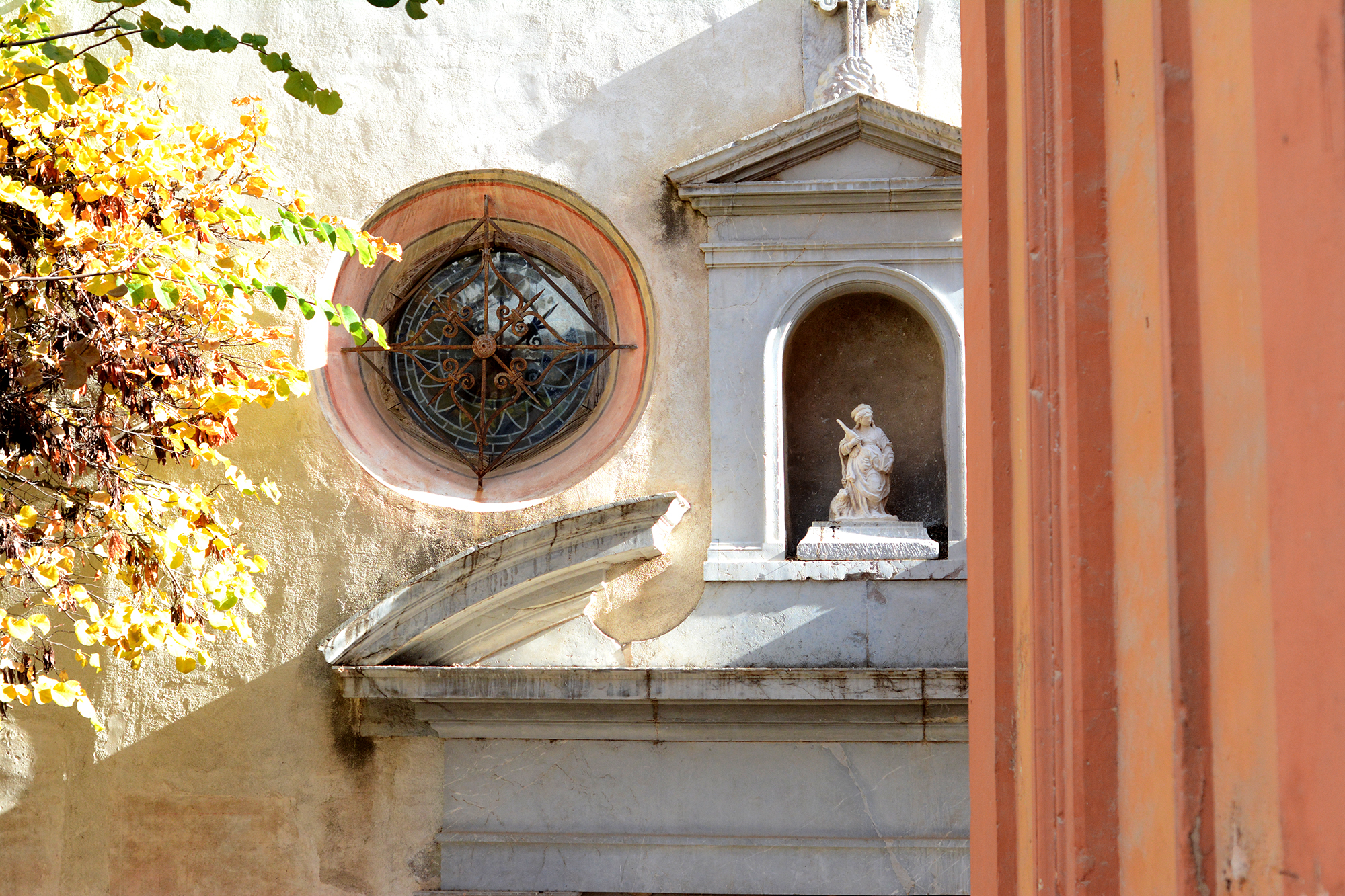
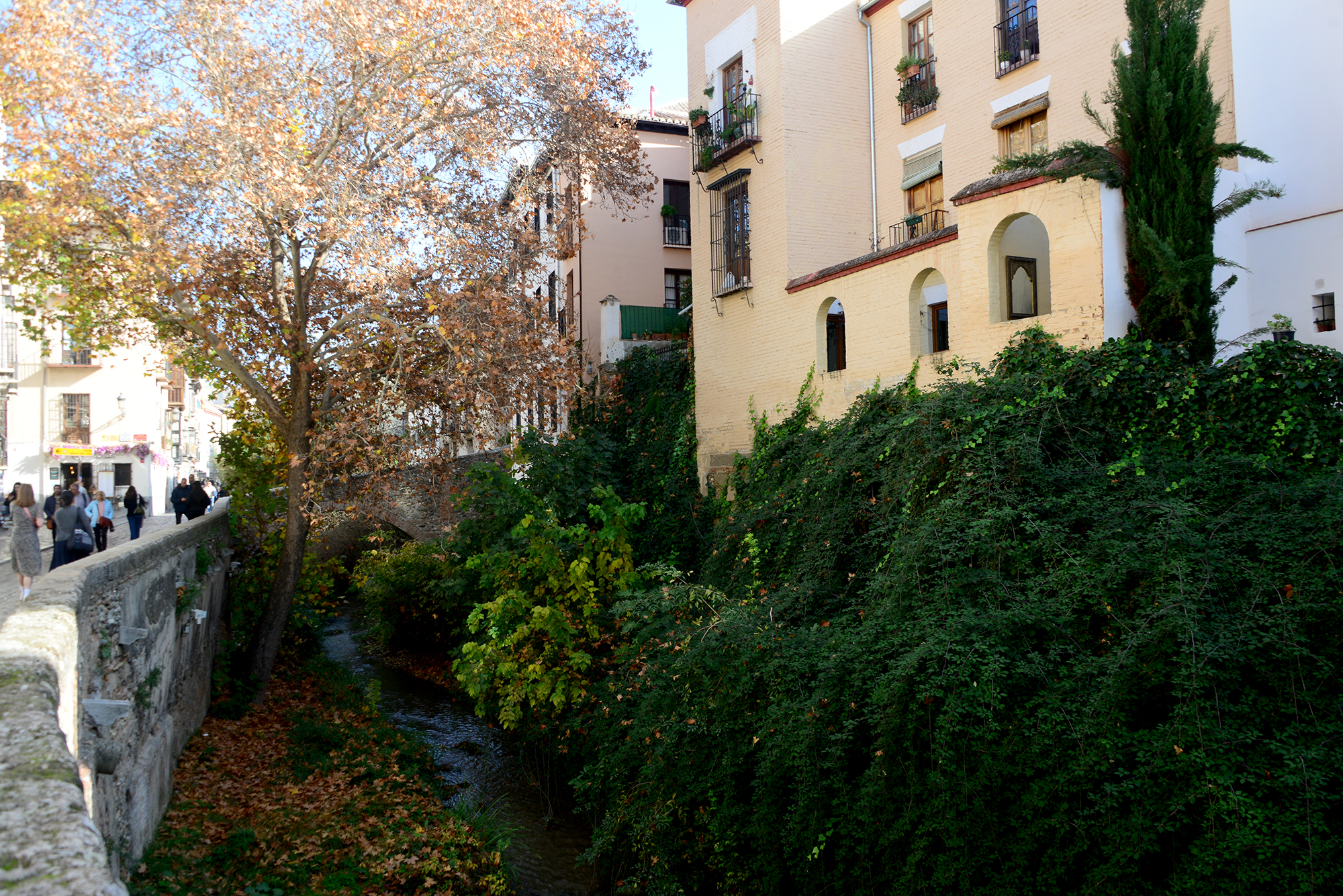
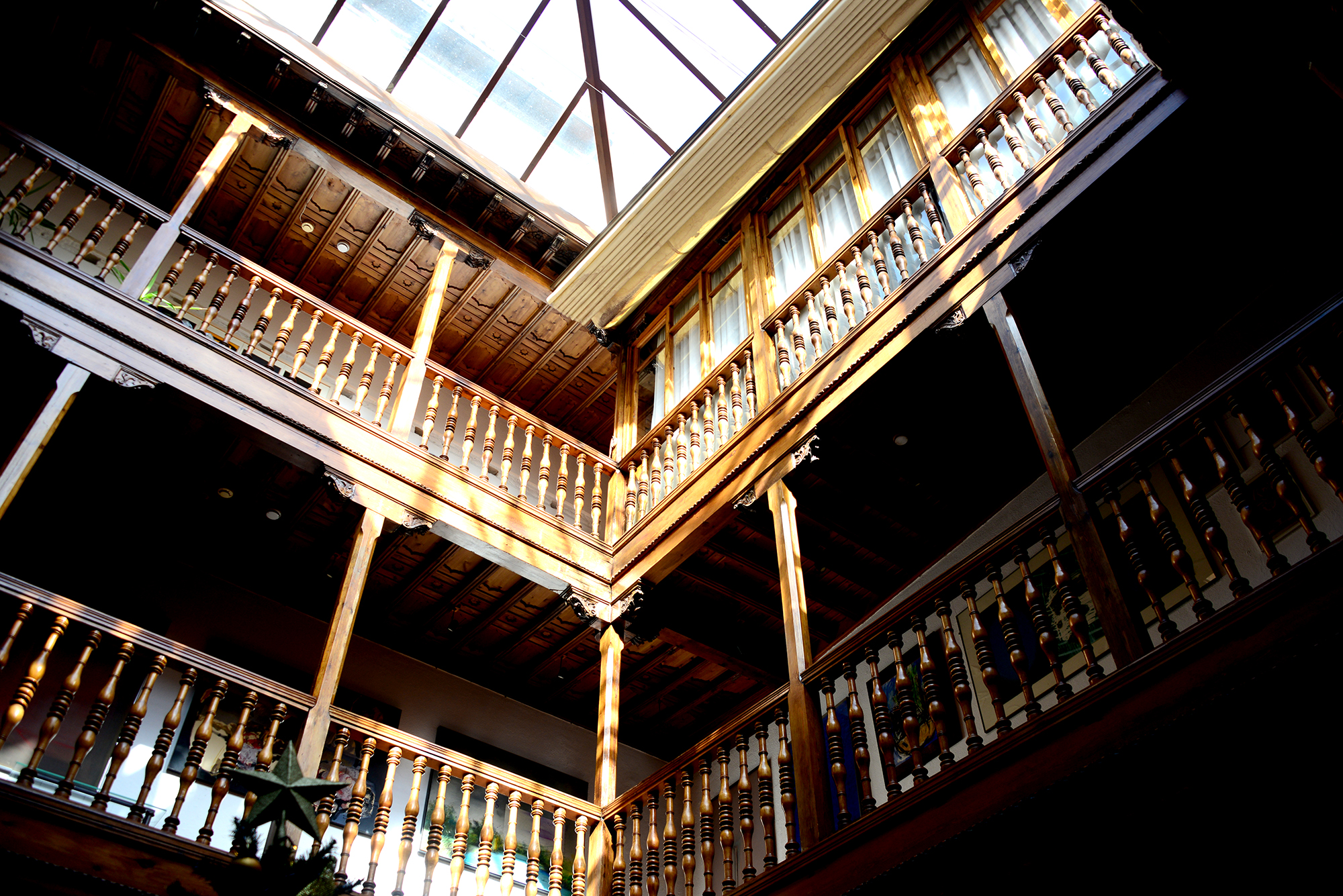
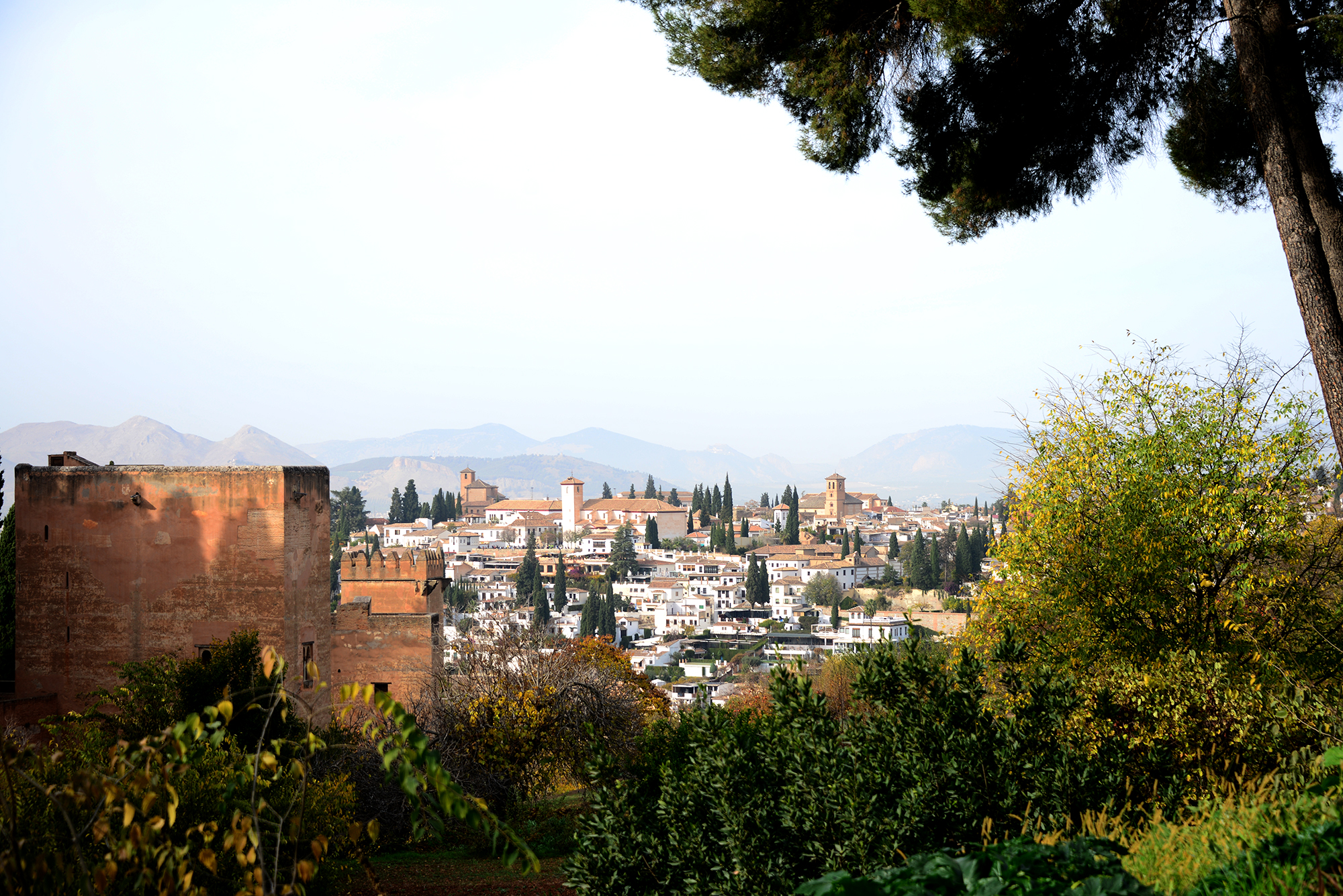
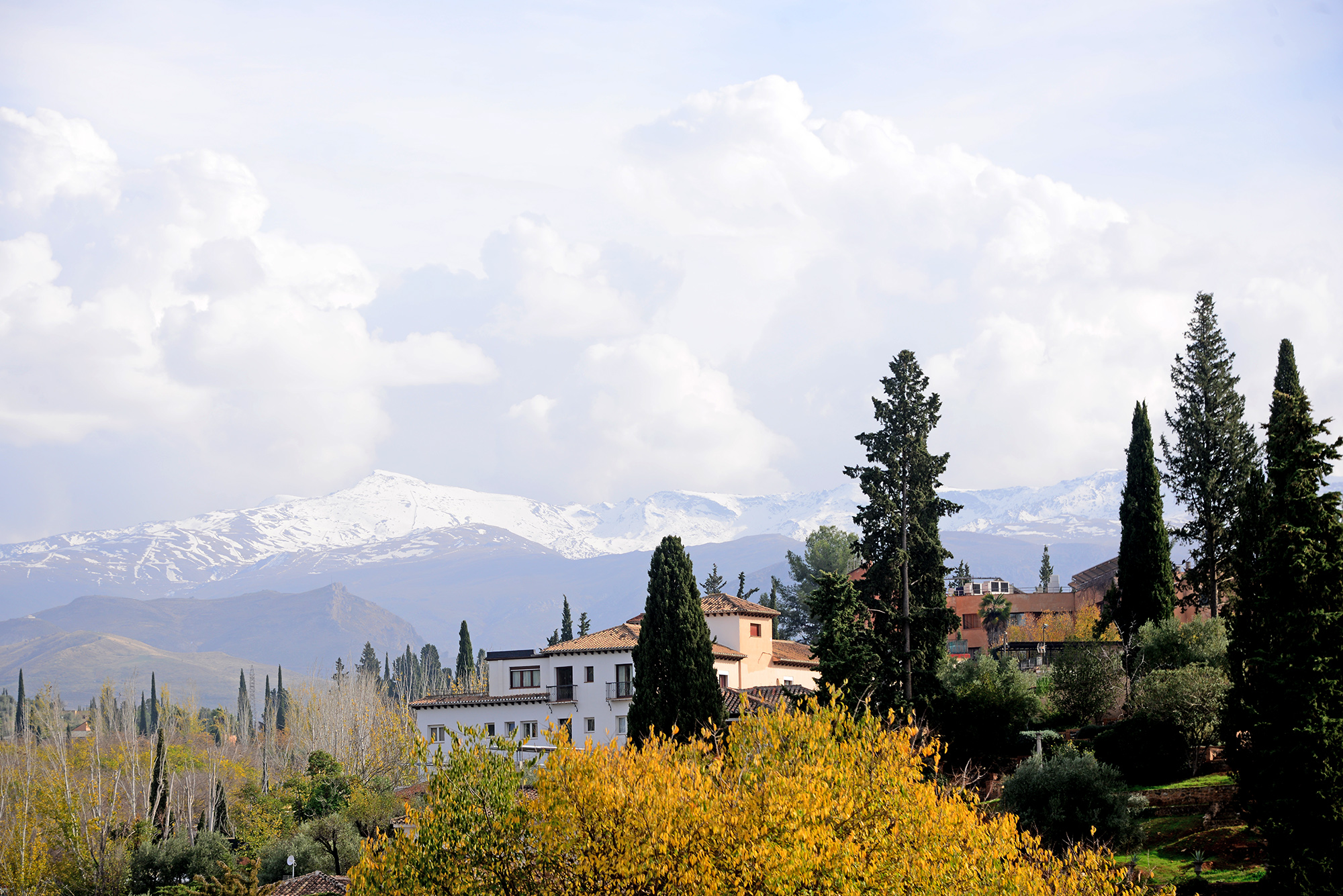
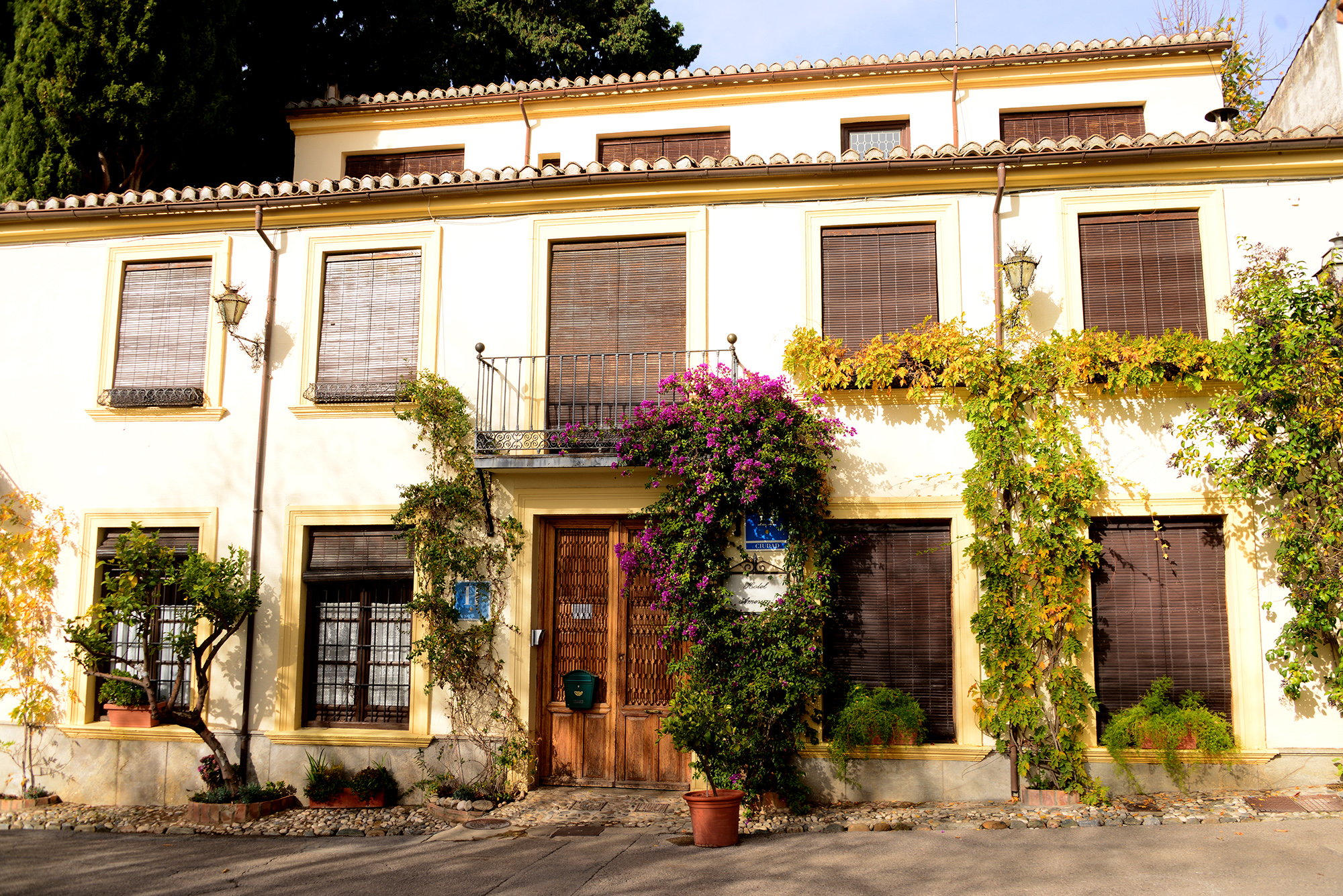
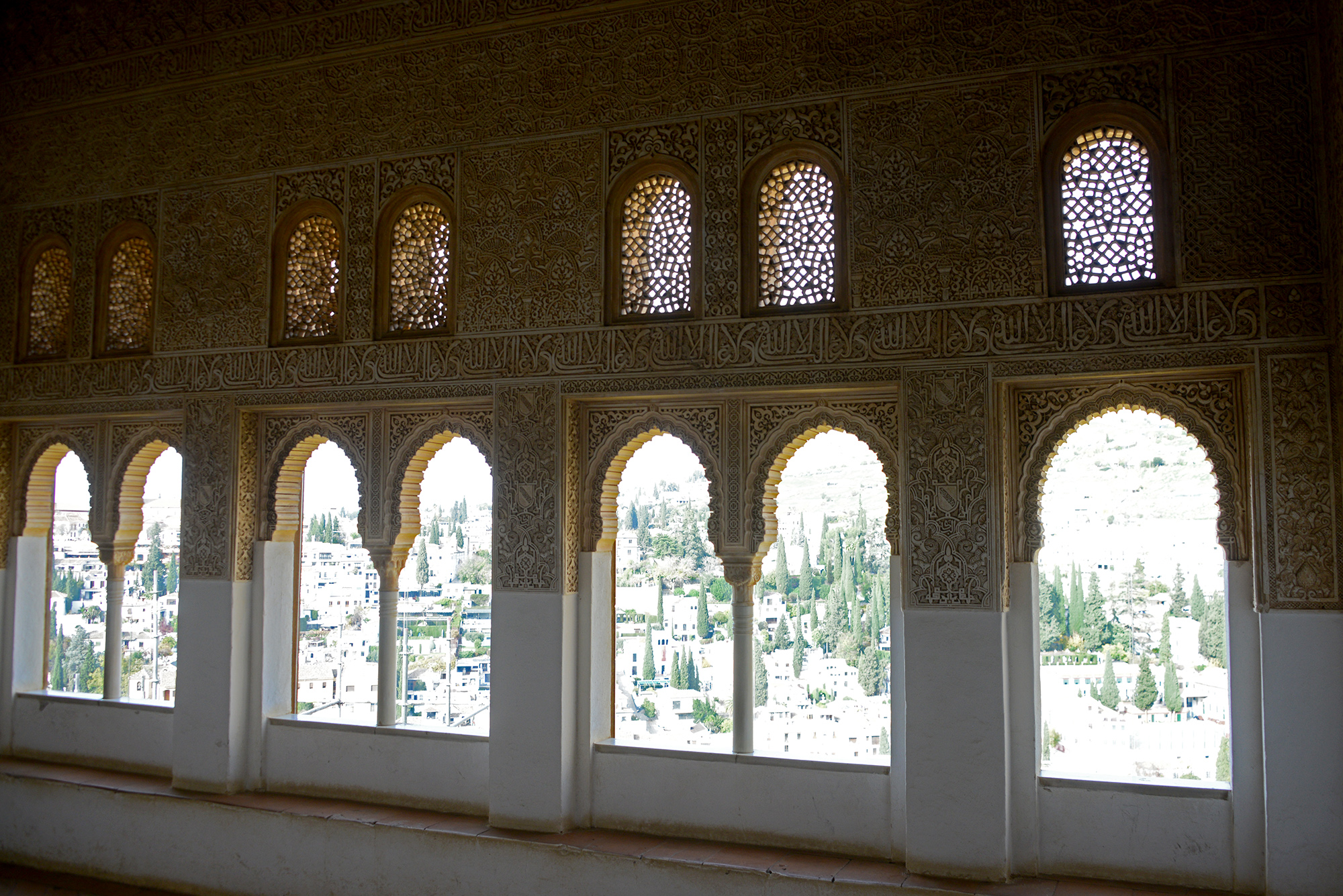


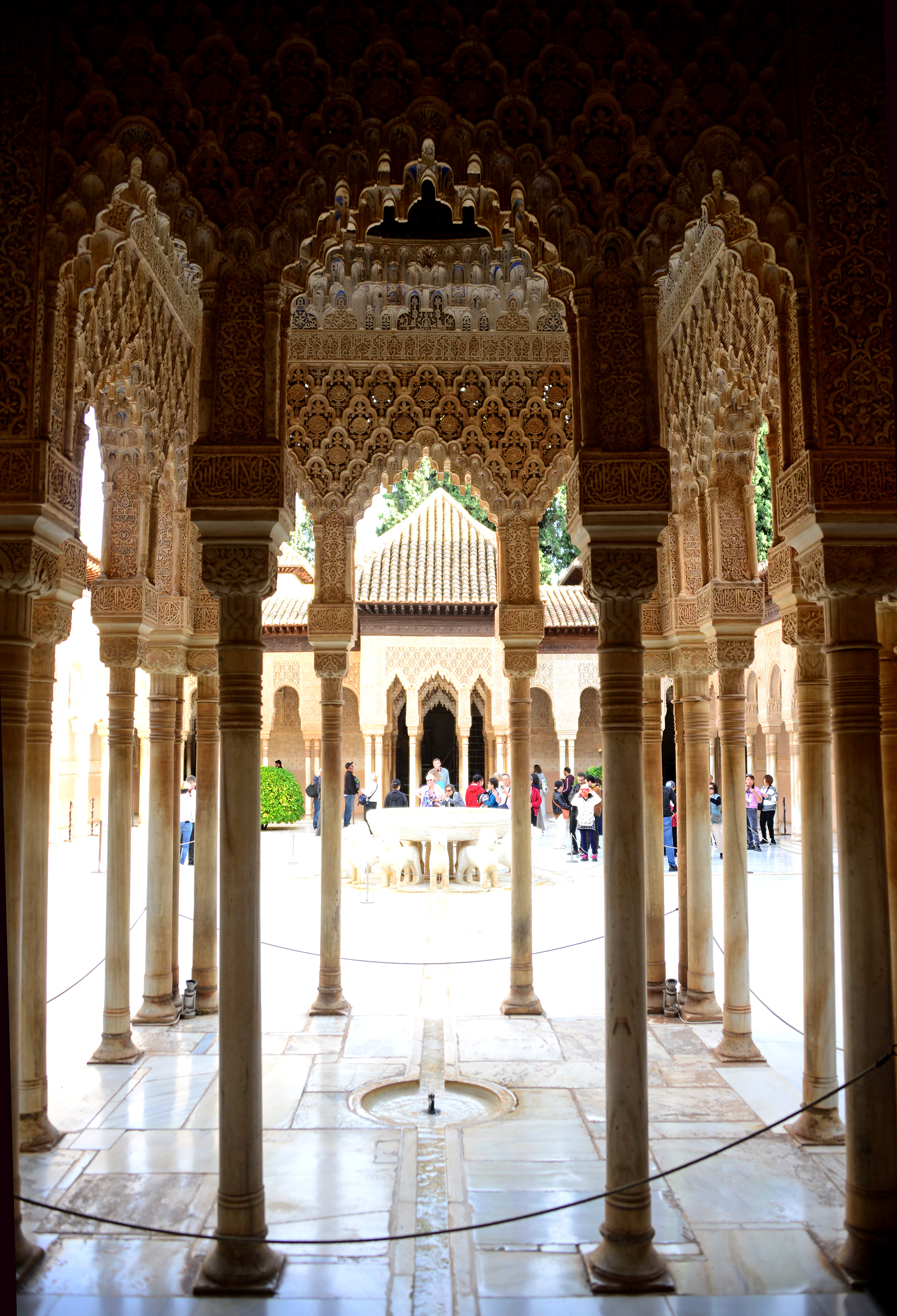
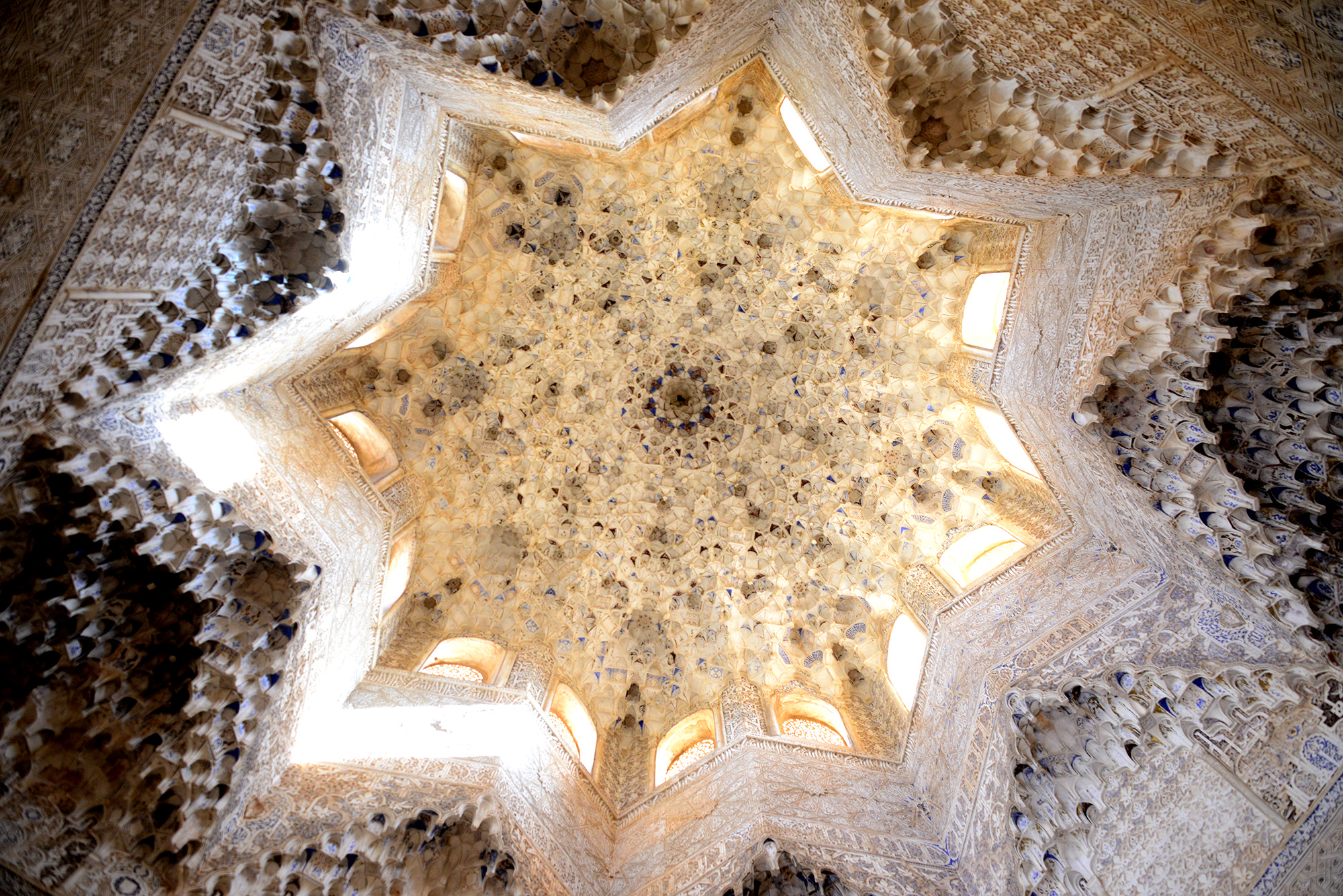
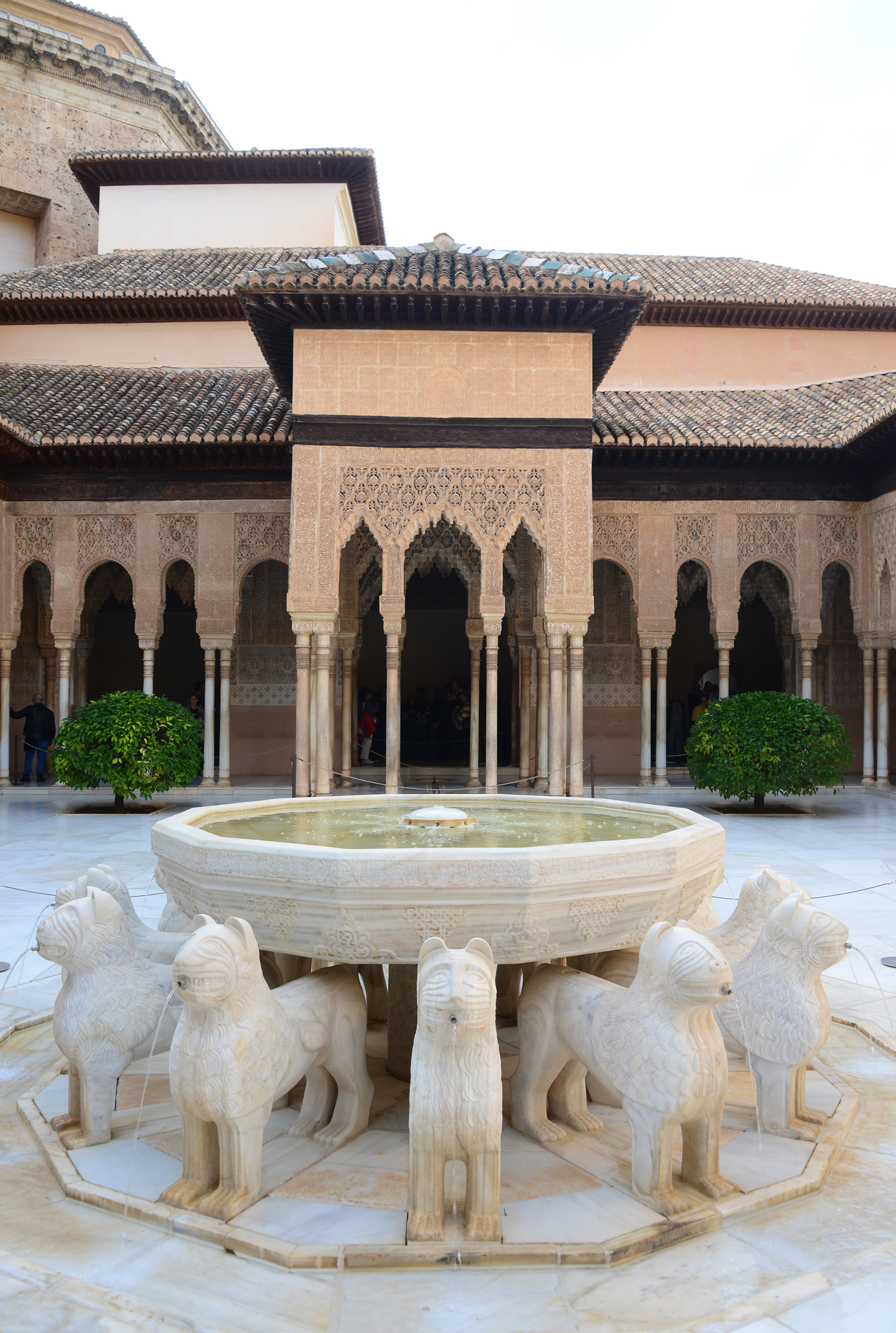
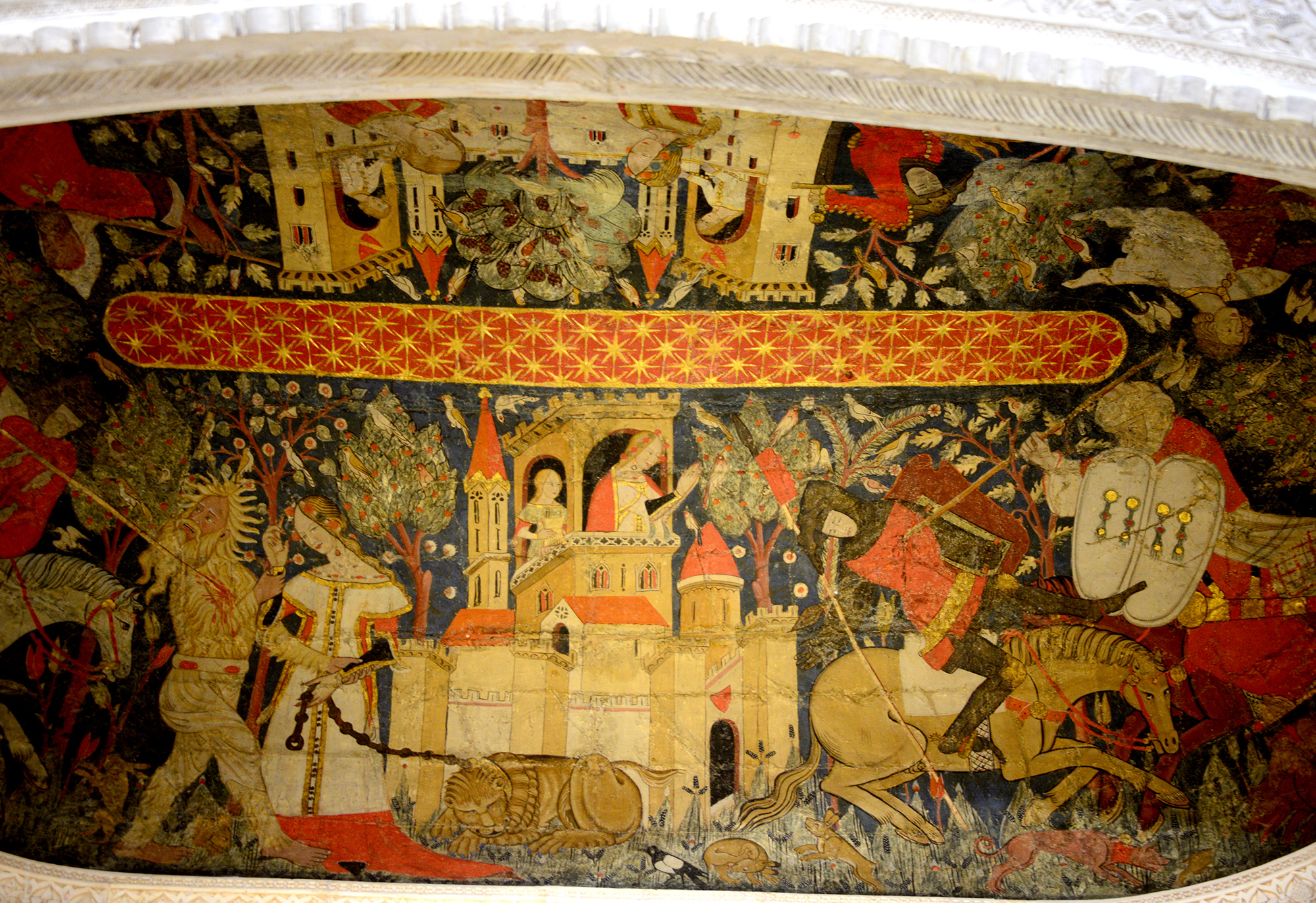
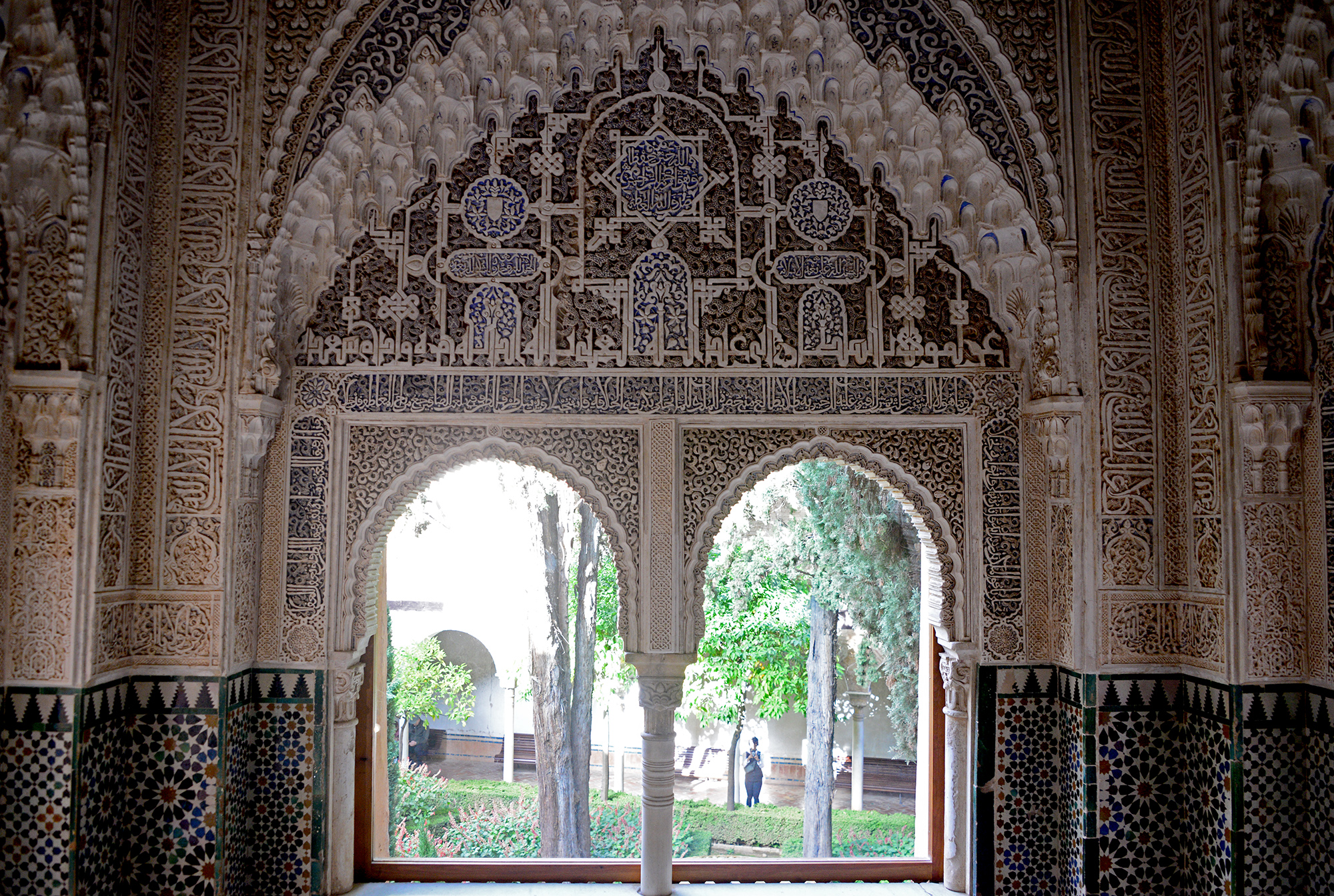
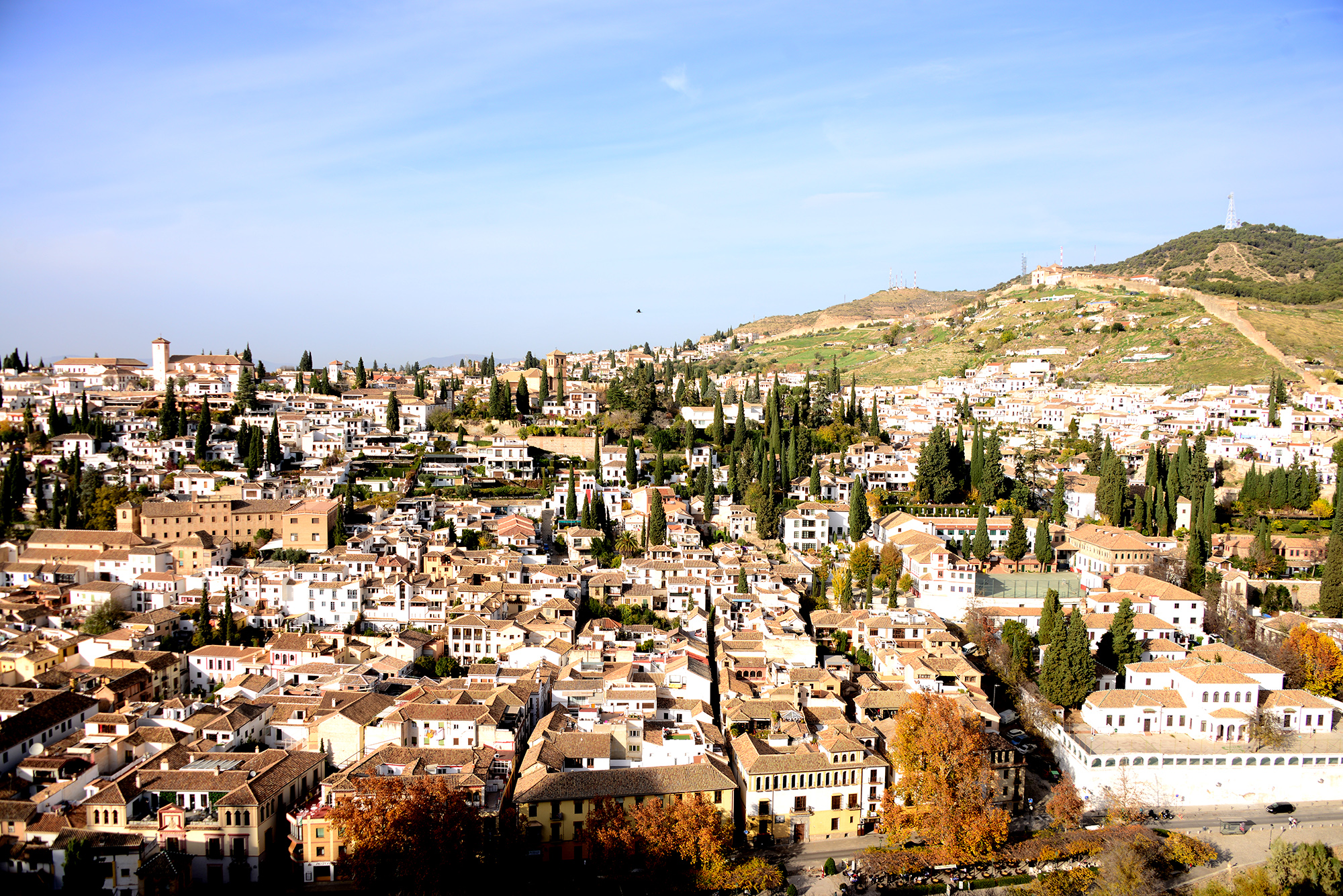


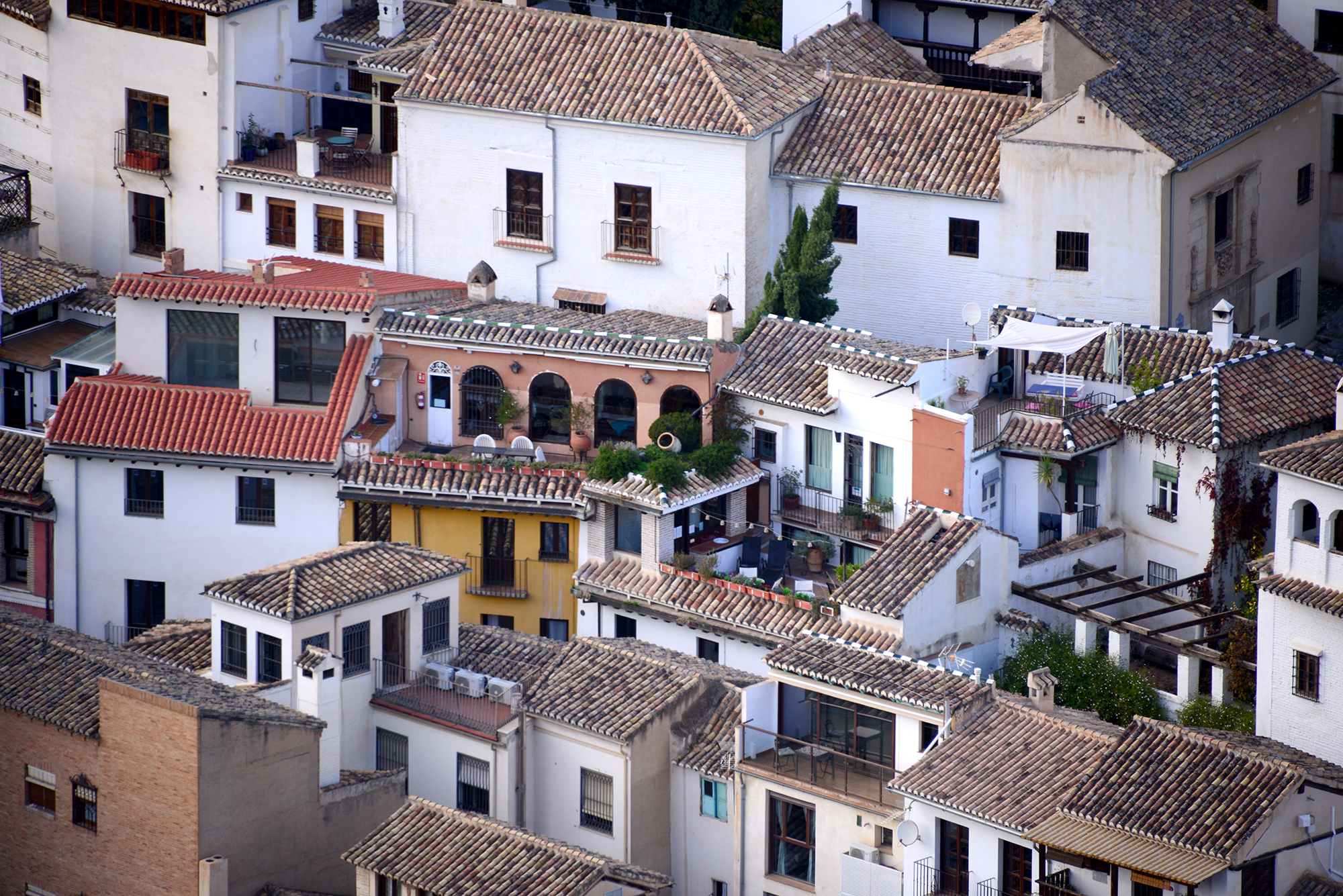
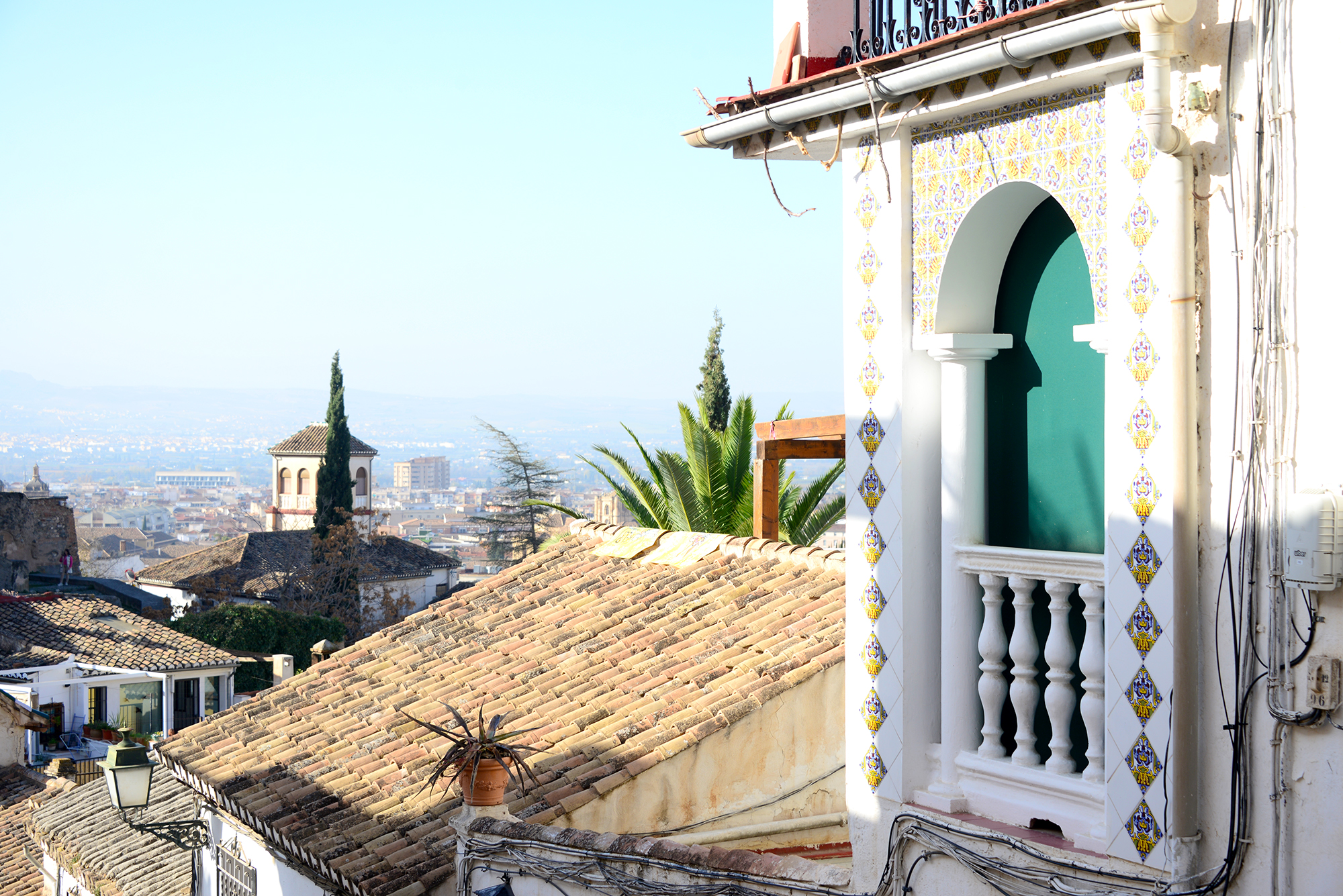
Across from the Alhambra lies the neighbourhood of Albaicin, which has retained its medieval street plan and many historic buildings. I was absolutely delighted that our hotel, the charming Palacio de Santa Inés, had wonderful views of the Alhambra and lay on the very edge of the Albaicin, close to the Darro river, which splits the city in two, and was traditionally the water source of the Alhambra palace and its gardens. While sipping my morning coffee, I discovered that our suite also had perfect views of the Museum of the Inquisition. A decidedly darker, yet inescapable chapter of Spain’s history. Granada itself was forever changed by it- while during Arab rule the city had a large Jewish population, it dwindled significantly after the Spanish conquest, with some choosing to convert to Catholicism and stay. Those who did not convert were eventually expelled under the terms of the Alhambra Decree. Muslims were allowed to stay longer, but by the early 17th century, even those who had converted were forced to leave.
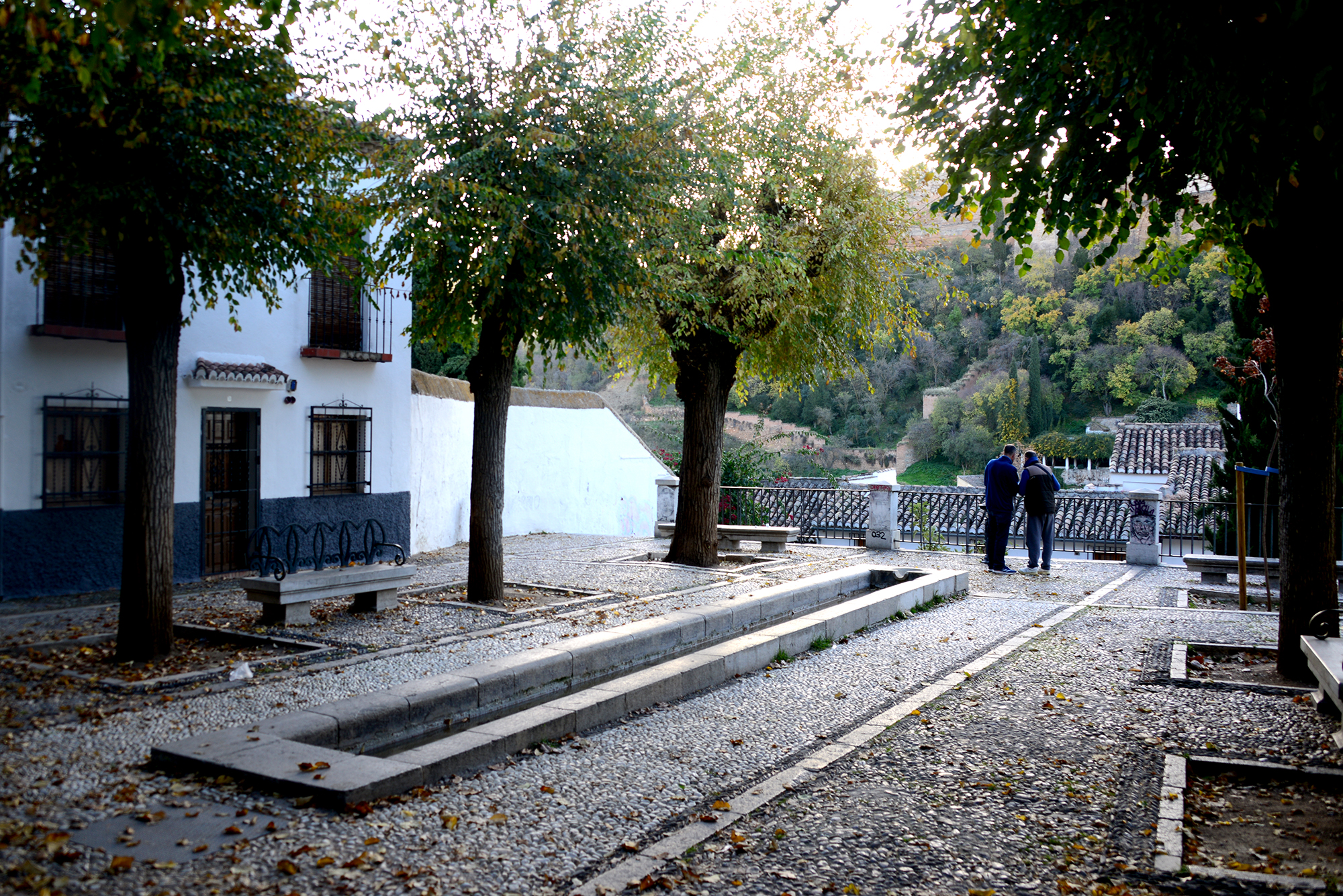
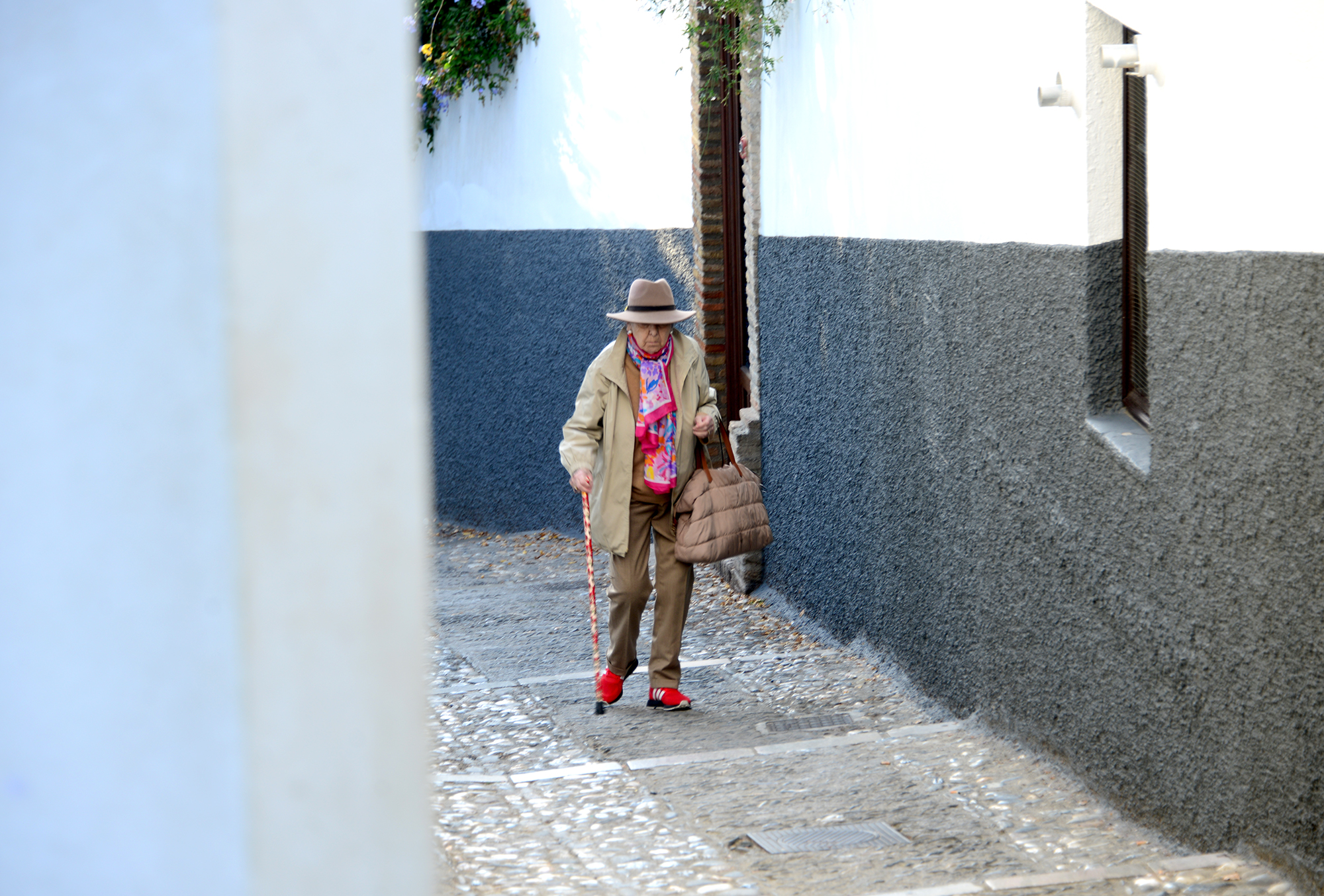
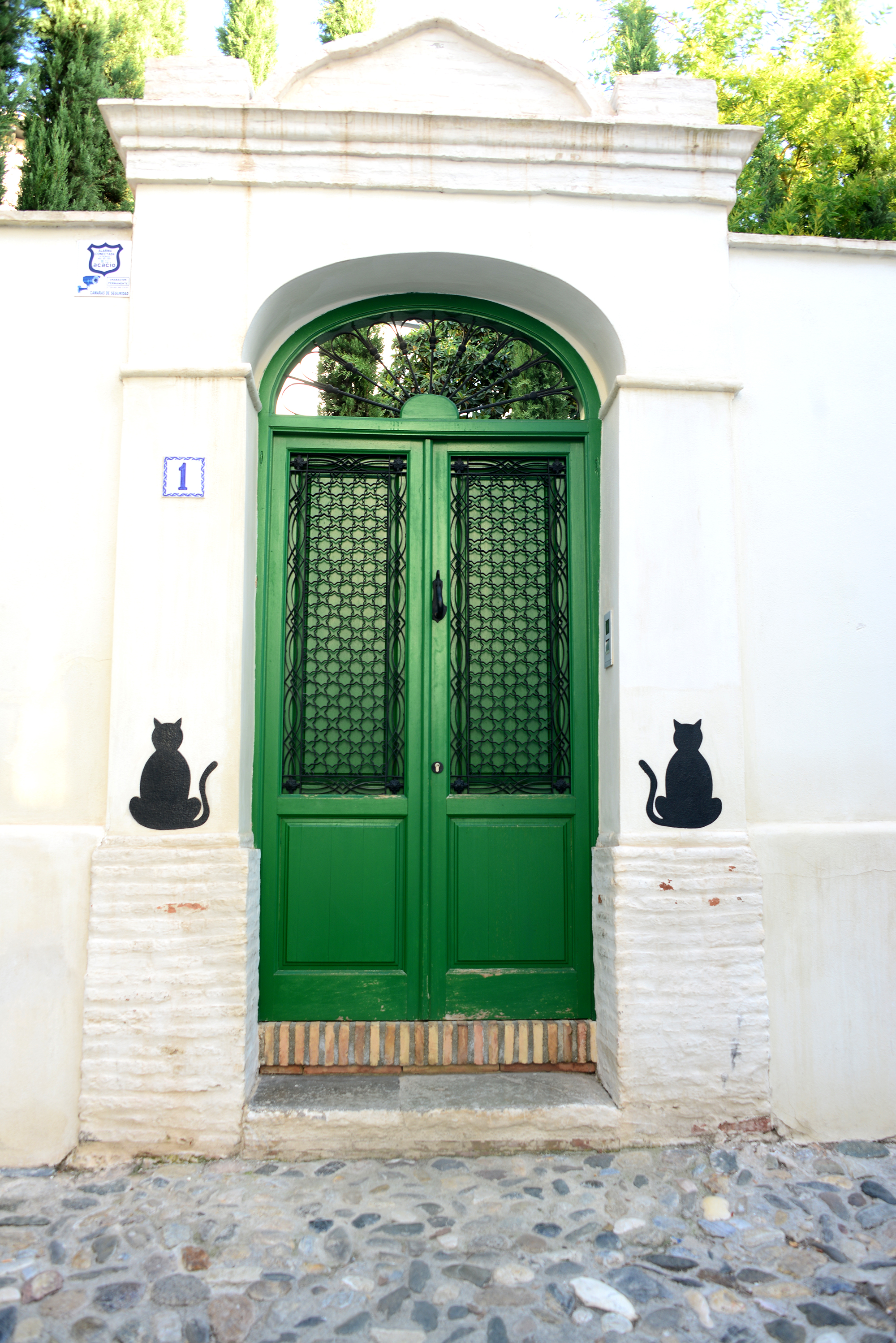
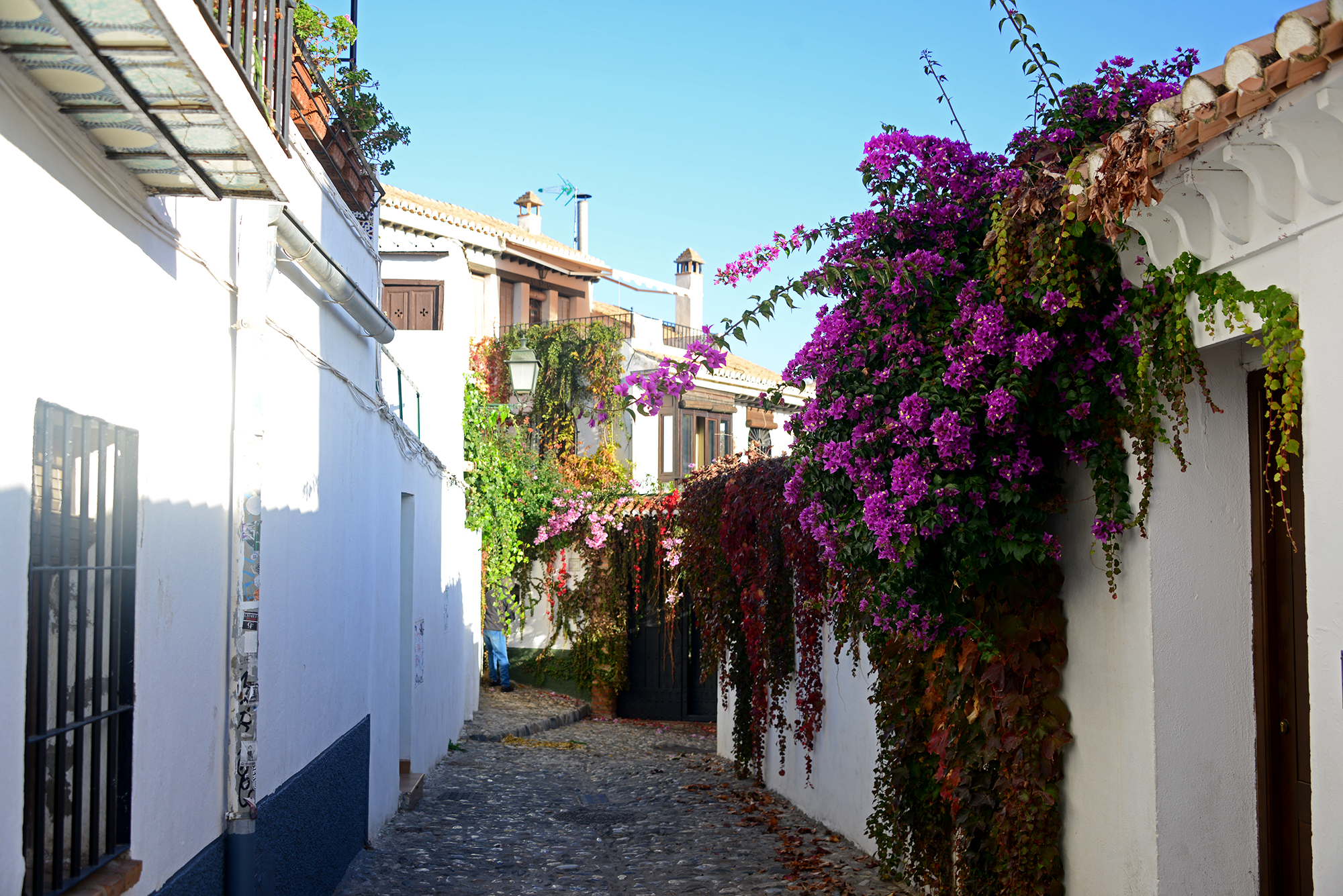
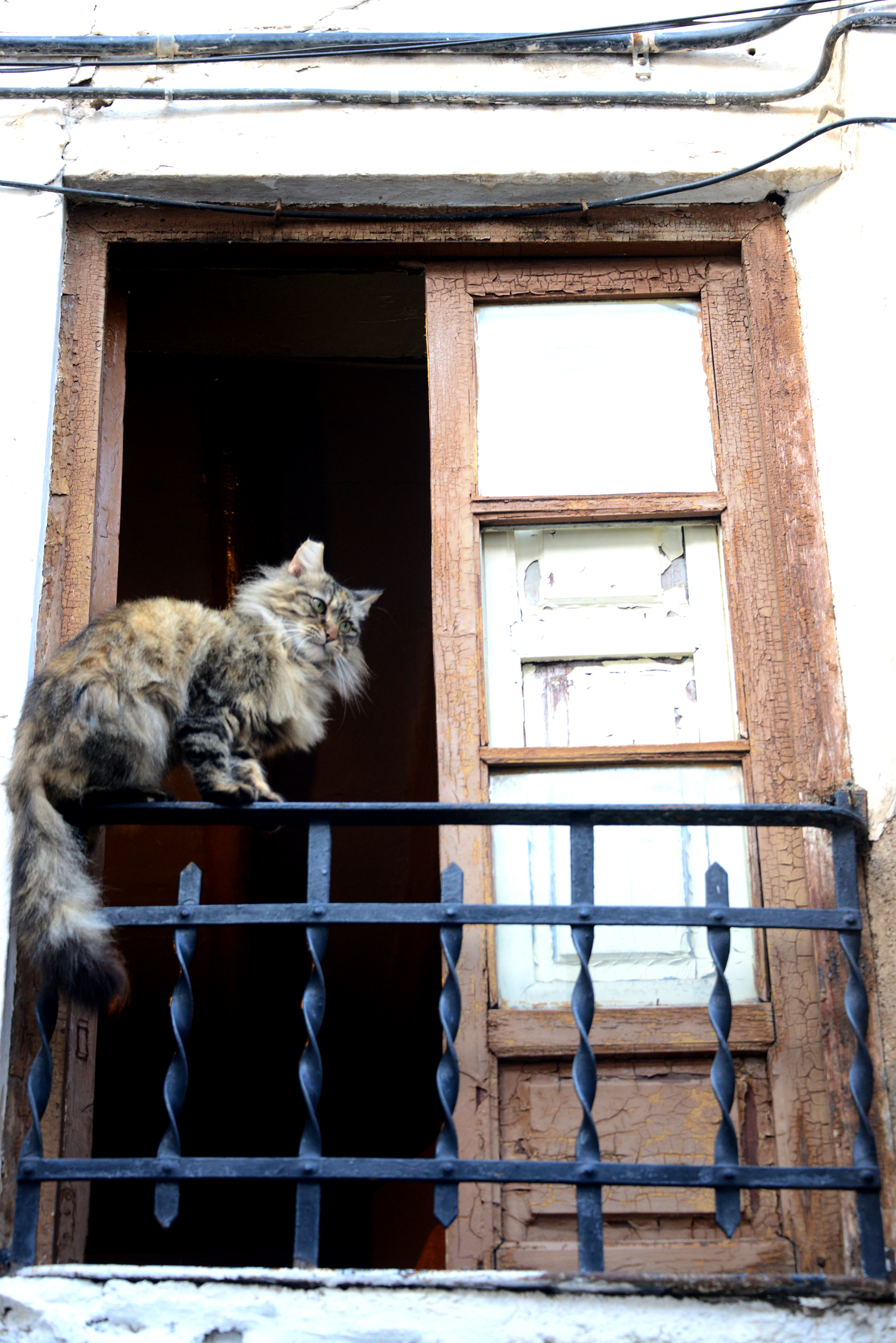
Right after sunrise is a wonderful time to wander through the streets of the Albaicin, which still carries the memories of its past inhabitants of many faiths. The early morning light bathes the Alhambra with an otherworldly sheen, with a few scattered visitors congregating at one of the miradors (lookouts), such as San Nicolas, which we would have missed had it not been for a lovely local lady who shooed us in its direction. Naturally, there will be a young man with a guitar, strumming it softly, tentatively, not yet with the tumultuous passion reserved for the evening’s flamenco dances. At Café 4 Gatos sleepy locals mingle with visitors, news of friends and relatives are exchanged over bocadillos and coffees. We walk the narrow winding streets snaking up and down the hills, passing markets where fresh produce is being stacked on the tables. Cats eye us lazily from balconies, dogs break the morning silence with their frantic little barks. Every now and then, we inspect an aljibe- a cistern, a network of which still covers the neighbourhood, or a carmen- houses typical for Granada, these come with a small orchard or garden (the name itself originates from the Arabic for vineyard, karm). We conclude that living in a carmen is probably a good kind of life.
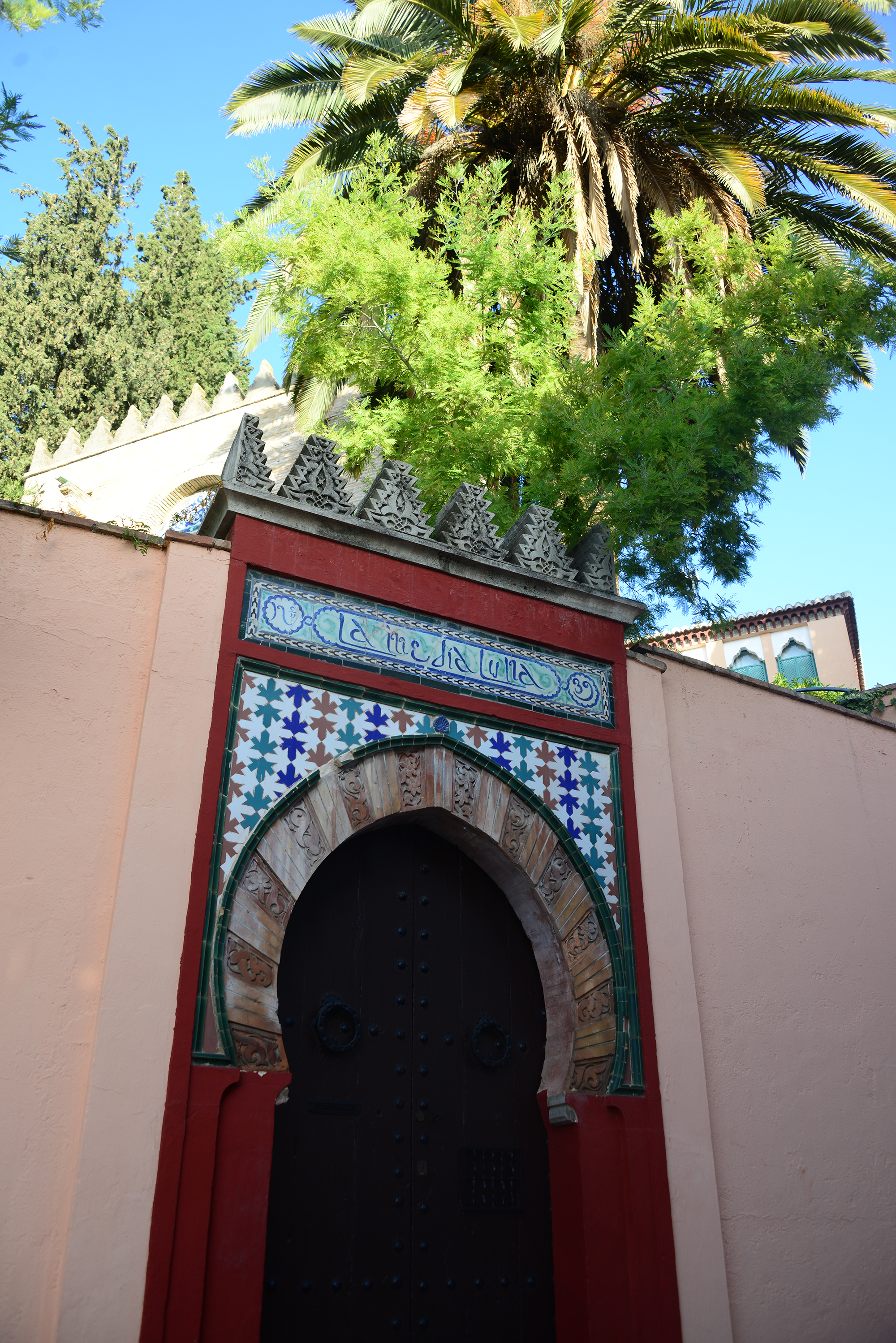
At the gate of Elvira, I am enlightened- THESE are the arches from Federico Garcia Lorca’s poem, which are referenced by Leonard Cohen in my favourite rendition of Take This Waltz. Garcia Lorca was of course the city’s son, so I would spend quite a bit of my time in Granada scouring for a bilingual edition of Poet in New York. In the end, I did not find it, but got acquainted with several lovely bookshops: Sostiene Pereira, Libreria Praga and El Tiempo Perdido, to name my favourites. For a city of around 230 000 inhabitants, the number of bookstores, and their variety, is impressive. Of course, Granada is a university town, but I chose to believe that, beyond this easy explanation, it’s also a city with a very poetic soul, pervaded by the spirit which Garcia Lorca tried to describe in his definition of the duende-the state of heightened emotional intensity evoked by certain forms of art, such as the flamenco, or Andalusian folk music, where ecstasy is entwined with an awareness of tragedy and death.
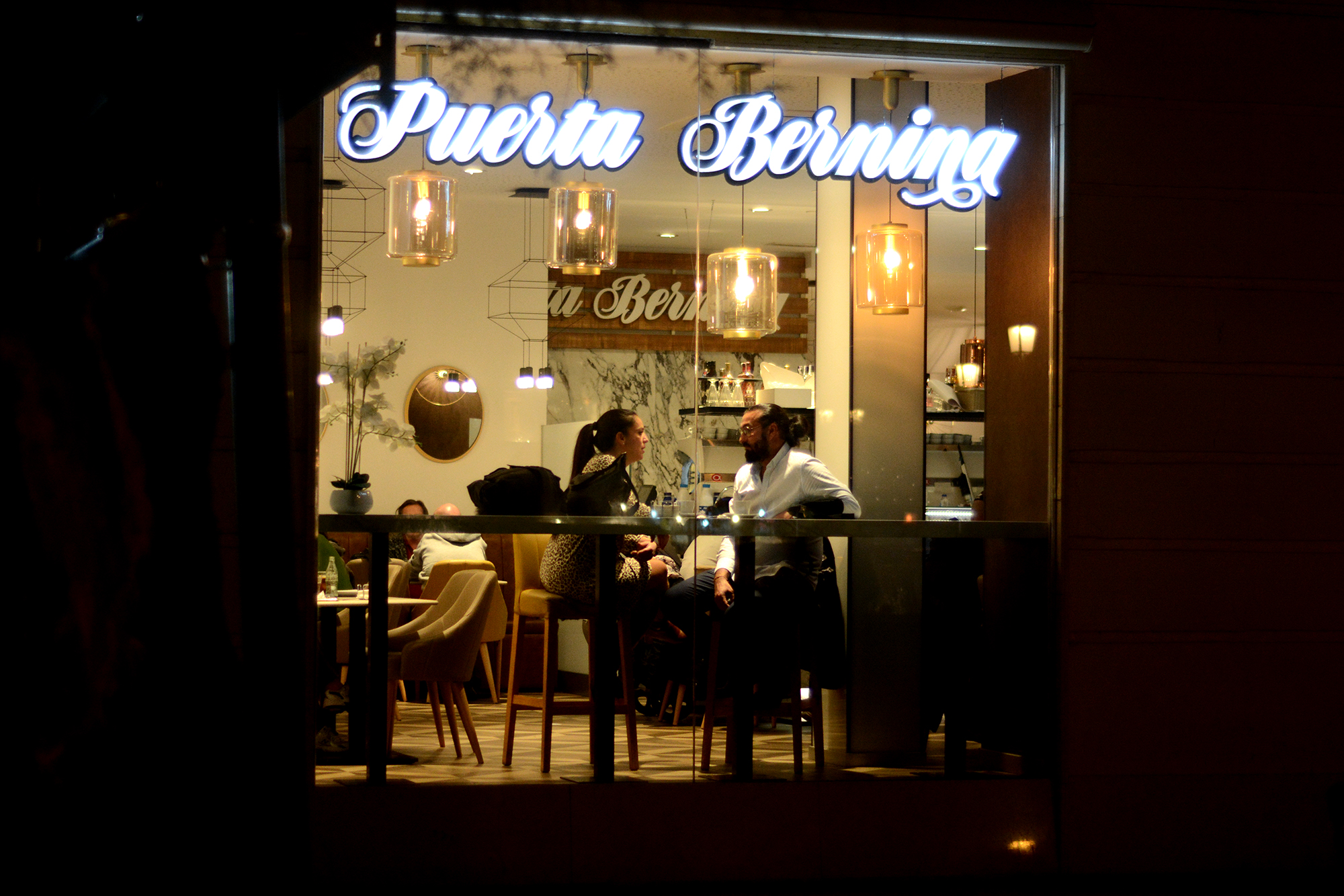
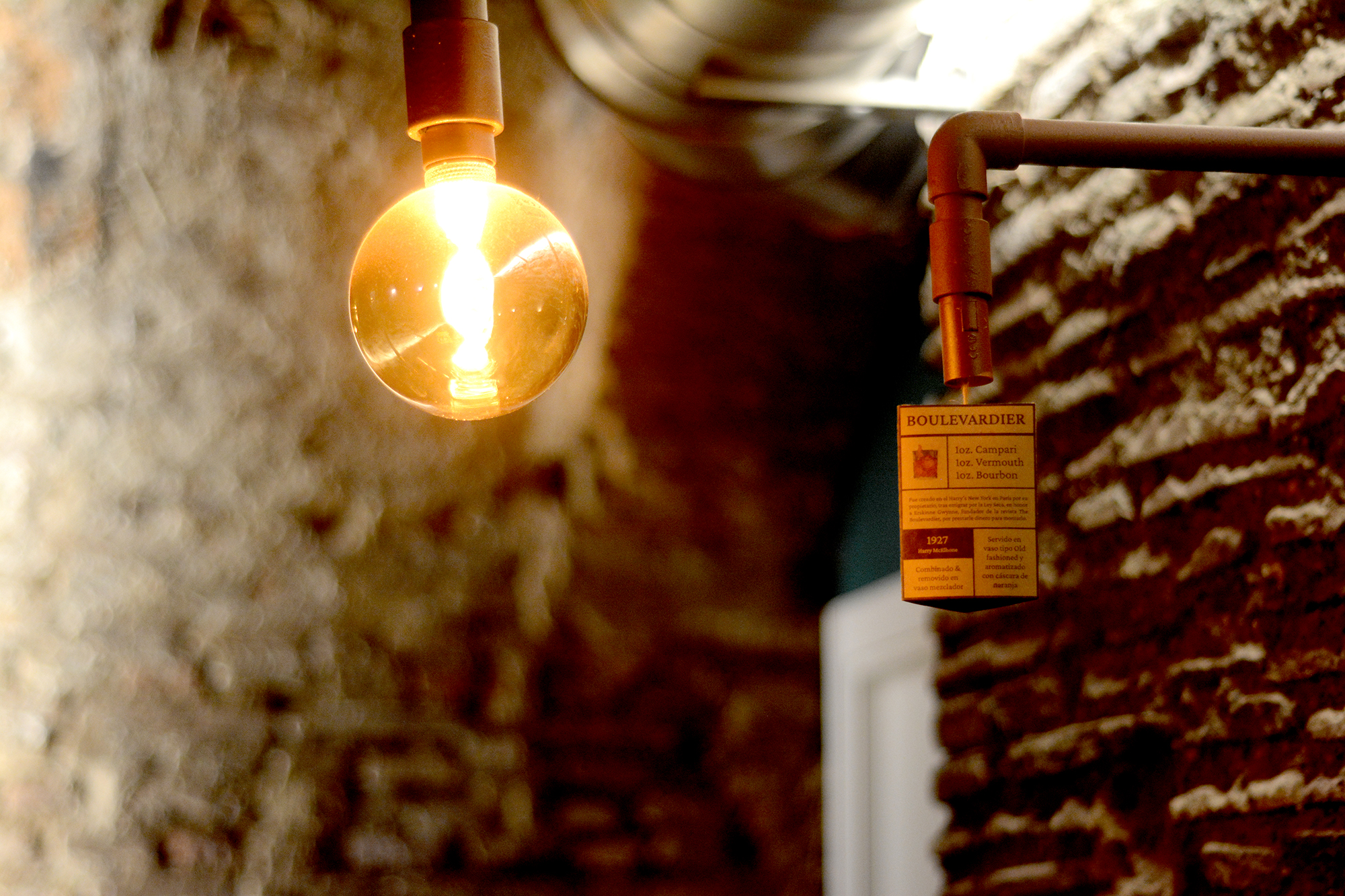
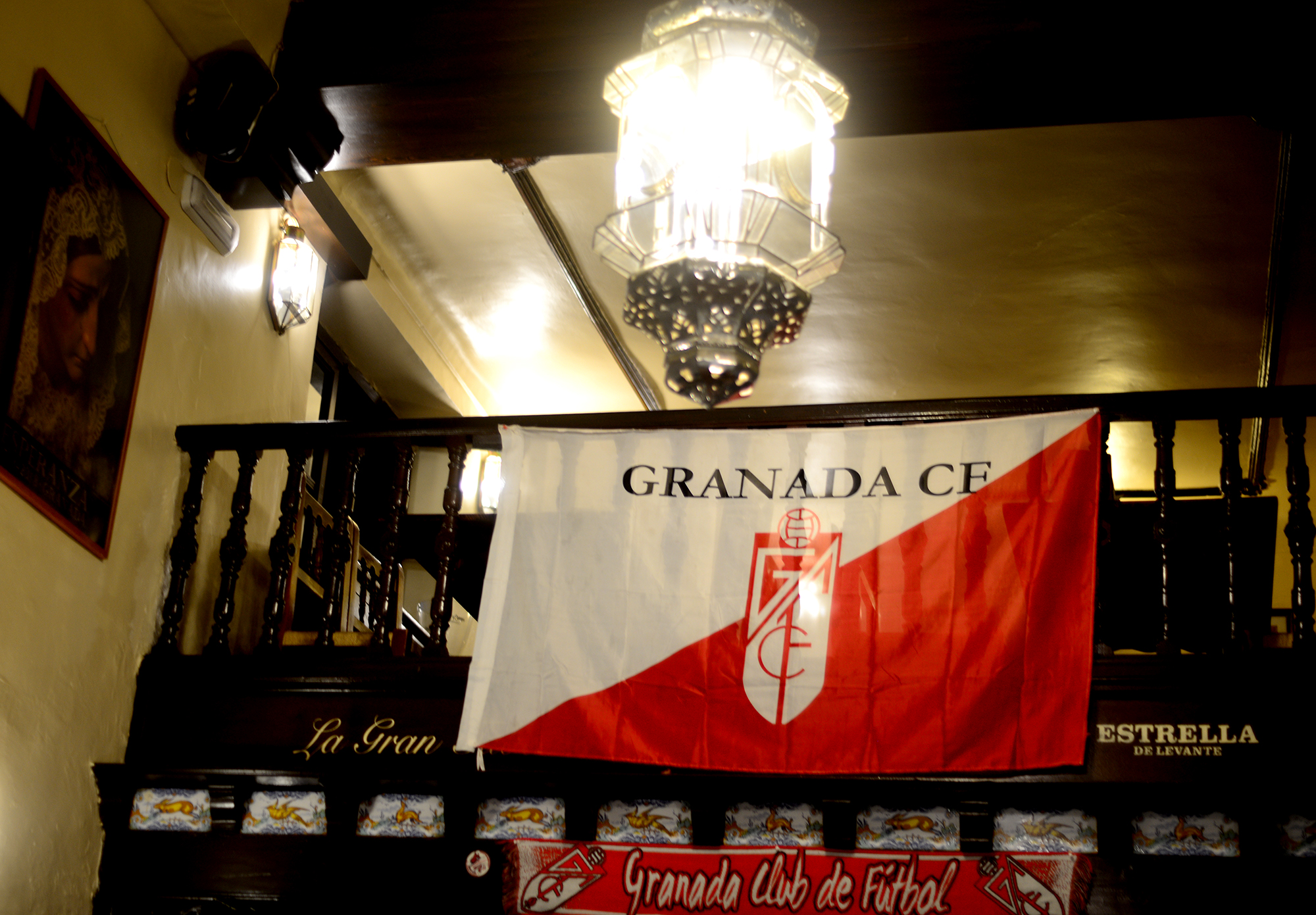
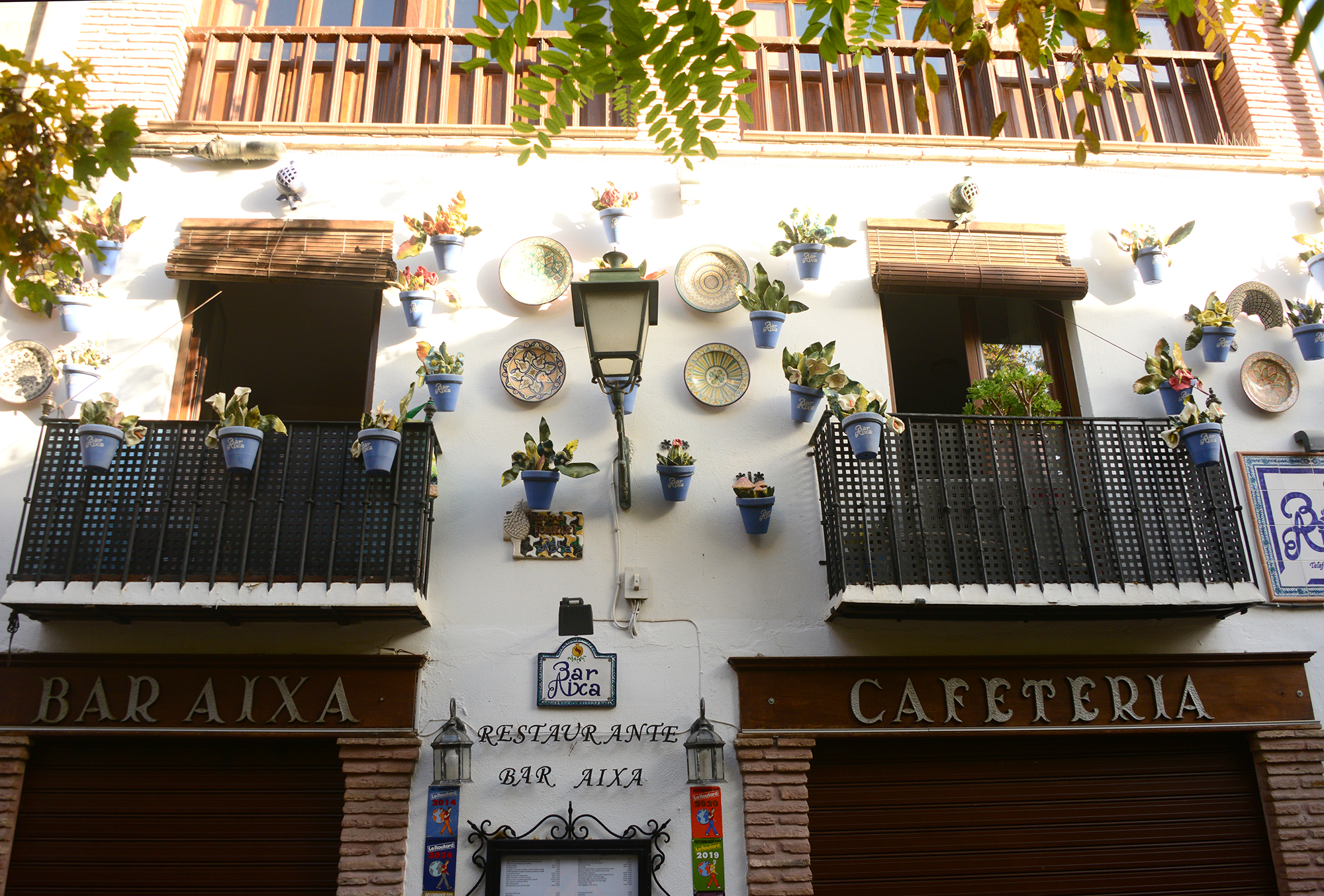
Brisk morning walks and rambling thoughts do put one in the mood for (more) coffee, and we were lucky to find Al Sur de Granada, which also stocks local products such as wine and olive oil, which we were sadly unable to purchase, lest we fall foul of Ryanair’s luggage policy. There is no visiting Granada without tapas, of course, but being just a little contrarian, we eschewed Navas street, known as tapas central, and went to La Telefónica instead-which is a five minutes’ walk away, so you can measure the extent of our revolt. Our waiter took the blog’s industrious co-photographer very seriously when he said he wanted a sumptuous ham platter, and thus we were made aware of the many moods, the many shades and the many sides of Iberian ham. They also serve a delicious version of possibly my favourite kind of tapas- berenjenas con miel, eggplant friend in honey. Later on, after sampling the delightful cocktail variations in 3 onzas, we were adamant that it was time to retreat to our hotel after a lovely evening stroll by the river, but somehow, our steps took us instead to La Gran Taberna (not the kind of place to have an internet presence, and better for it). There was quite a crowd, but after some enthusiastic chess of seats and tables, we were accommodated at the bar and simply felt compelled to have another platter of hams. Glasses of vermouth swooshed by with large, merry cubes of ice jostling inside, house wine was dispensed, and pints of the local Alhambra beer, little plates of tapas emerged from behind the bar, making us wonder if the hams were necessary, but of course they were. This is where my dormant Spanish suddenly sprung into ebullient life, and after some amiable football themed chatter with the adjacent patron at the bar, I was surprised to discover that Granada CF, lingering mid-table in the Segunda Division, have Luca Zidane in goal.
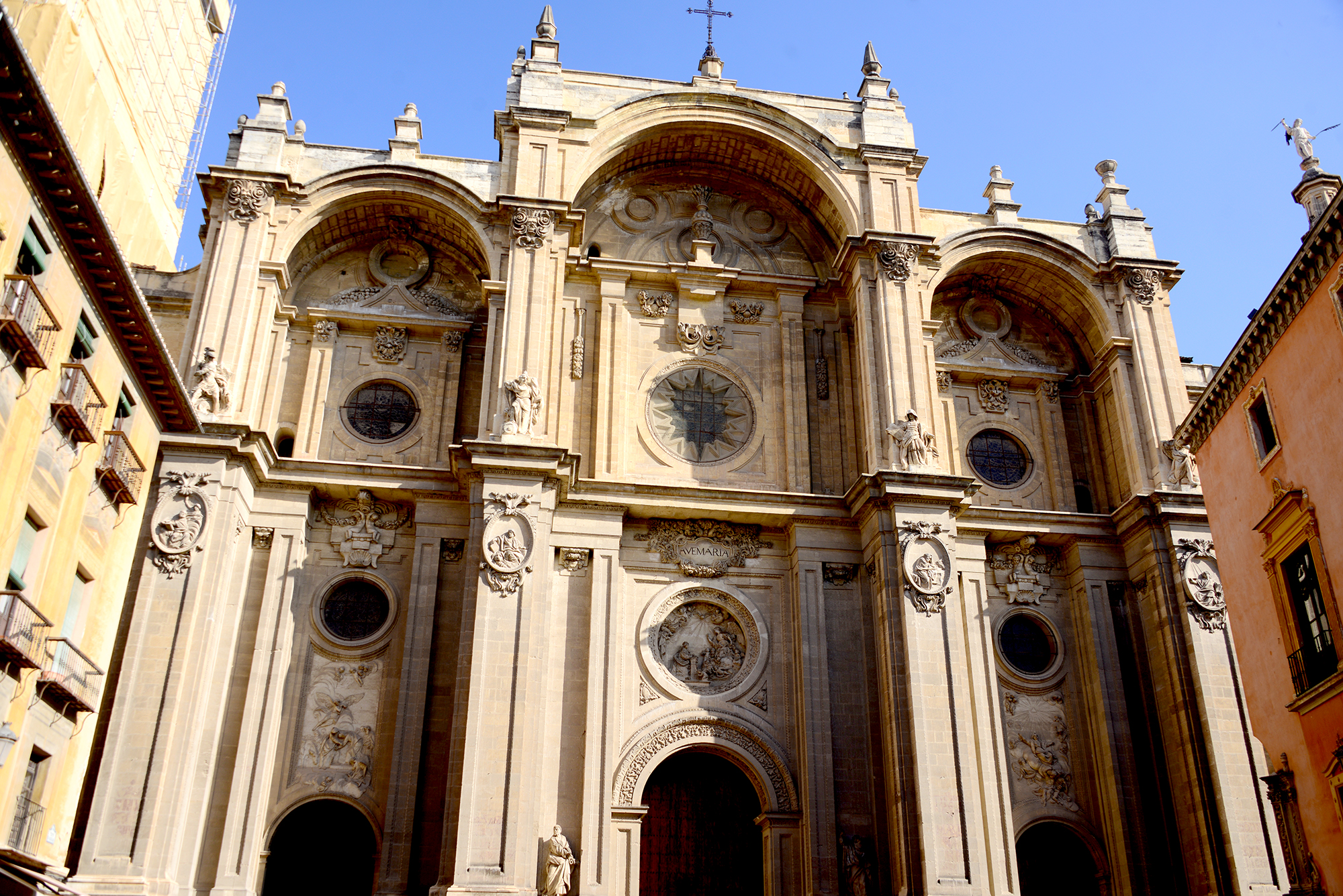
The time we’d allocated to Granada proved painfully short is what we concluded as we caught a quick glimpse of the Cathedral and the San Jerónimo monastery on our way back to the train station, having bought a bagful of turron, which, if worst came to pass, would be declared an emergency snack on the flight home. Somewhere in the distance, the Red Fortress guarded the city from above, as it had done for centuries and will do, hopefully, for many more.






 Pocket Diary Budapest