I stepped on the tarmac of Málaga Costa del Sol airport, and I took a deep, hungry breath. I immediately felt it. Plane exhaust. But beyond it, something unmistakable, tugging at the deepest recesses of my sensory memory. Salty, briny, fragrant, almost like an infusion of moss and minerals. I screamed, internally, like the Greeks fleeing the Persians, when they saw what for them was home and salvation. The sea. The sea.
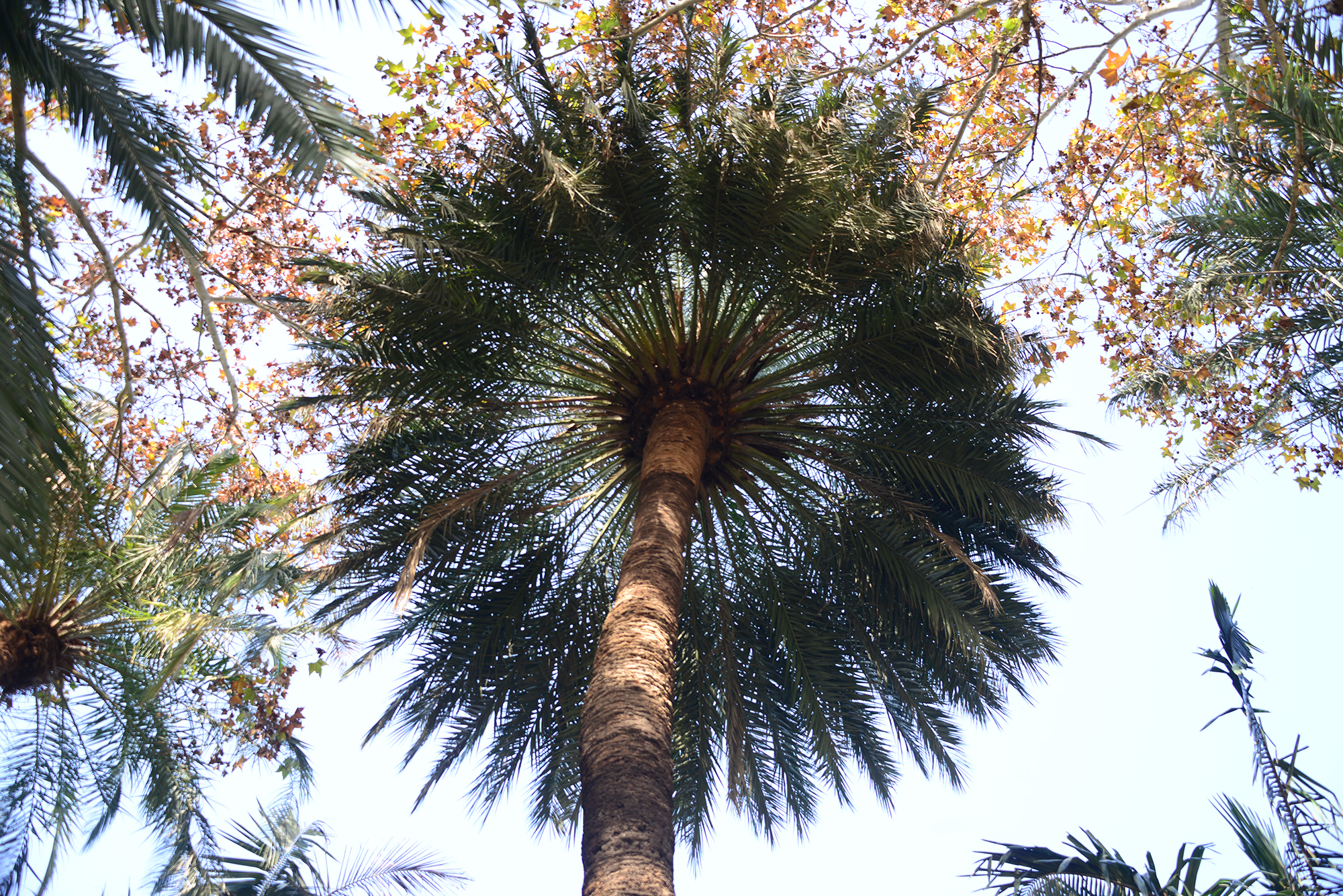
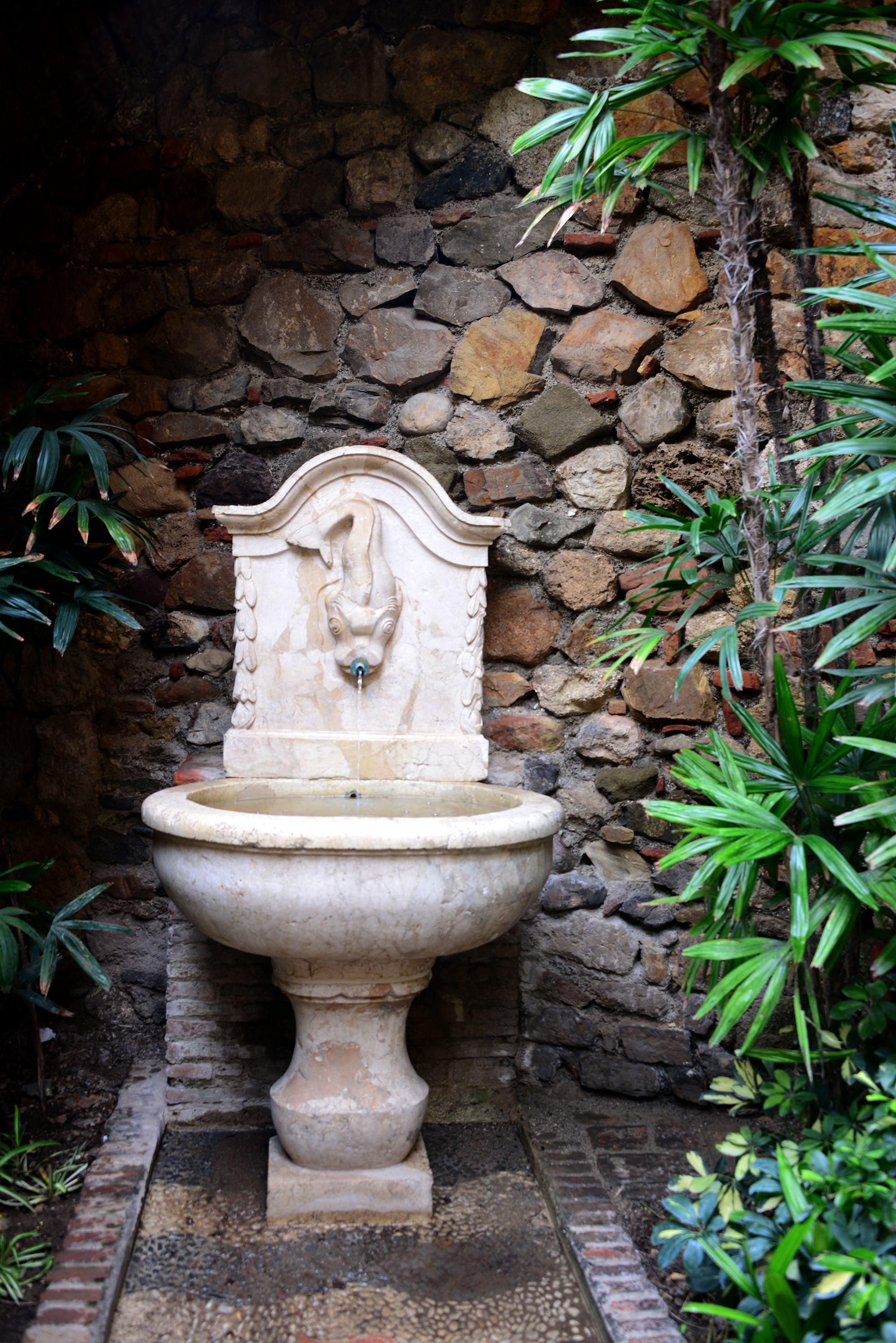
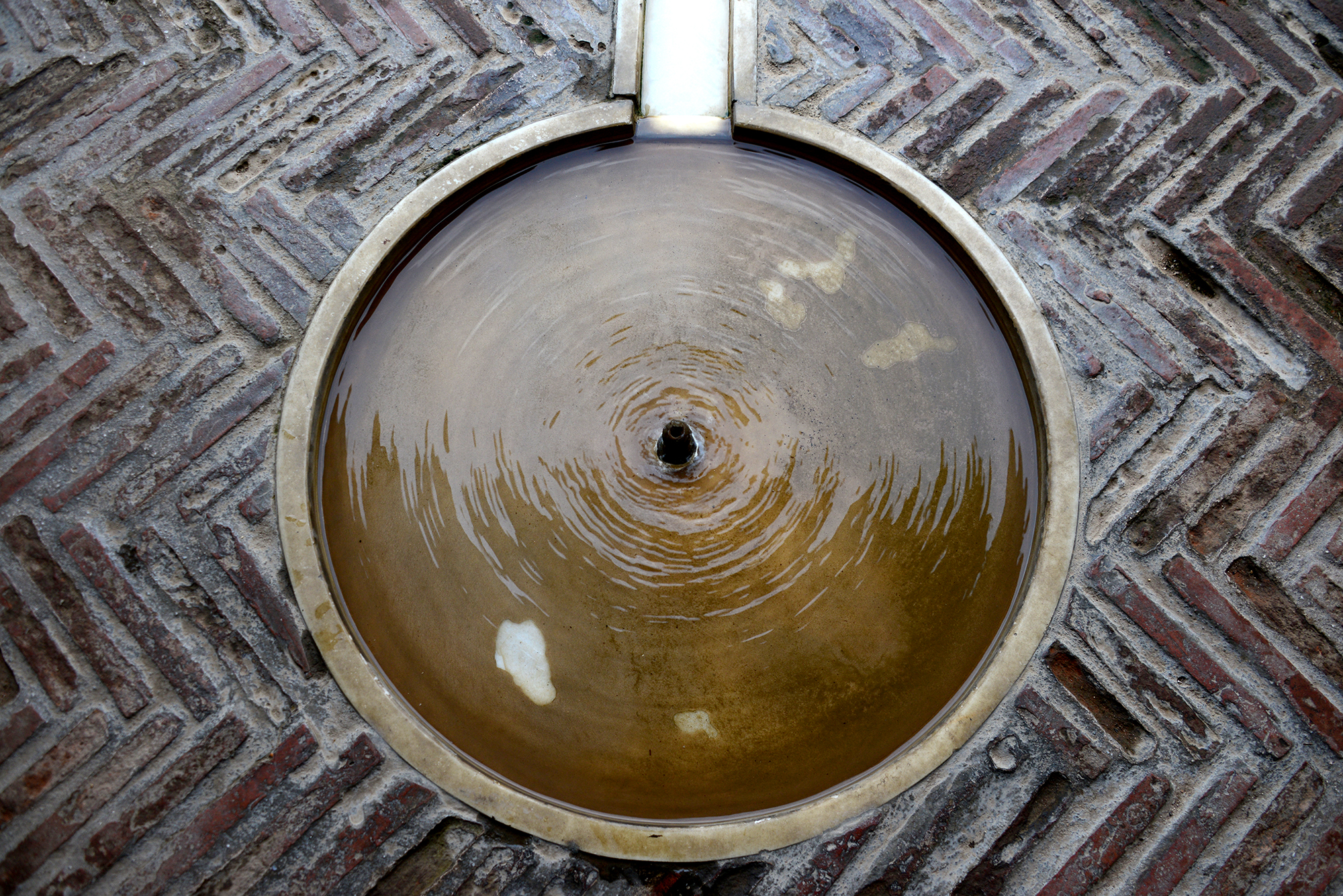
On wide avenues lined with tall palm trees, leaves blowing gently in the warm breeze, against that saturated blue of Southern skies which is very much a warm colour, there were the high-pitched cries of strange birds, fleeting by incessantly, light green flashes among the dark greens of the foliage. Monk parakeets, South American natives, unwilling travelers across the ocean, who escaped their cages to learn that this port is a good calling place, after all. Like so many other ports, Málaga, teetering on the Southern brink of the European continent, is a city of arrivals and departures. The names in its past are suspended between myth and history: sea faring Phoenician settlers founded it in the 8th Century BC, unavoidably, the Romans showed up, building theatres and fortifications, later came the Visigoths, more charming than their fame would suggest, and the Byzantines, tasting the last intoxicating traces of their power. Then it belonged to the mystical world of Al-Andalus, the Moorish kingdoms of Iberia, birthing science and art, splendid palaces with courtyards where sweet waters trickled and delicate roses bloomed, and then the glory and the gore of the Reconquista and the Invincible Armada hauling gold and spices from across the oceans.
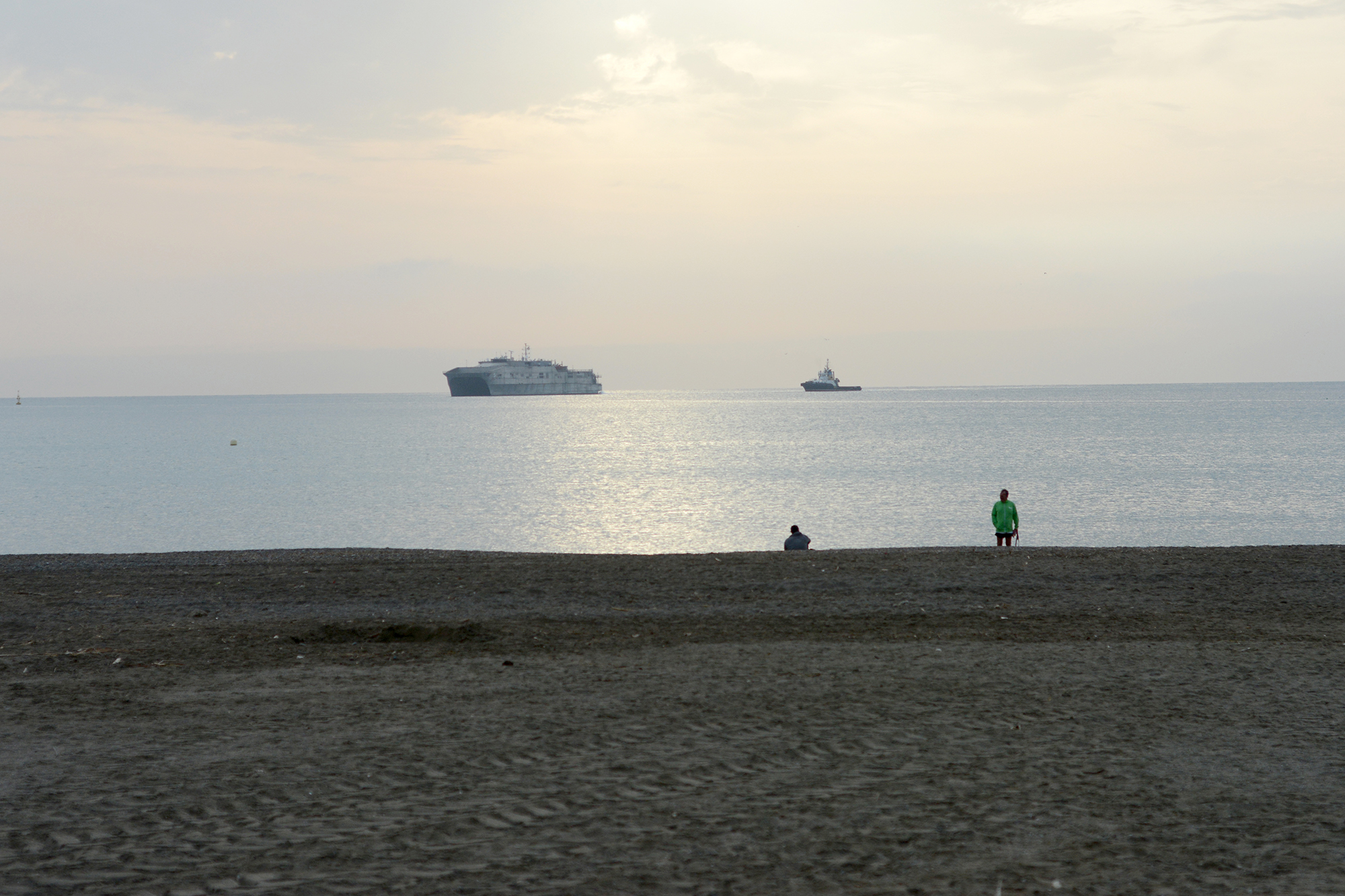
Today, it’s home to tribes of mostly elderly and rather well-off Germans, Britons and Scandinavians, warming their tired bones under the benevolent sun. They are the ones in shorts and flip flops in the same mild weather which makes locals reach for their unmistakable puffer jackets, widely recognised as the sign of a Southerner feeling just a little bit of a chill. The Spanish swirling around has overseas flavours, with Argentinians seemingly in majority. Everywhere you look, there are shops selling empanadas, maté, dulce de leche and various Messi related paraphernalia, and Argentinian steakhouses abound, some being quite exquisite, as the blog’s industrious co-photographer, somewhat of a steak fiend, can attest. As I walked along the Antonio Banderas sea promenade (one of the city’s famous sons, alongside a certain Pablo Picasso), large signs pointed towards the ferry connection to Ceuta, one of the two remaining Spanish enclaves in North Africa. Seasonally, the Spanish and Moroccan governments coordinate increased connections to allow for workers to return home to their families. The implication, on the Spanish side, is that they might as well stay there. Morocco, from their end, wouldn’t mind getting the enclaves back. The relationship remains fraught, yet essential to Málaga’s identity.
And there’s also a large Romanian diaspora, made up, initially, mostly of unskilled workers arriving for seasonal jobs such as fruit picking or constructions, and then settling with their families, having children and grandchildren suspended between two uncertain identities. It is a slightly discombobulating experience, recognising familiar facial features or the tint of an accent, but not knowing whether to act on them: some of the younger generation might no longer speak fluent Romanian, some do not mind being identified as Romanians, others would prefer not to. On a terrace, sipping something called a Lunch Negroni- perhaps on account of the coffee it contained, no explanation for the coconut, but it was delicious-we worked our way back, with the waitress, in fragments of her Romanian and my Spanish, to what might well have been a sort of Vulgate Latin. After the traumas of speaking fluent, if accented French in Paris and getting relentlessly judged for it, the south of Spain comes like a breath of fresh sea air: my meagre attempts at a sentence peppered with Italian words drew rapturous enthusiasm in bars, cafés, restaurants, shops and pharmacies. My Spanish, amigos, es perfecto,¡PER-FEC-TO!, exclaimed the bartender in the tapas bar, as he brought me my umpteenth vermú. A few more, and I’d have applied to the Spanish Academy. Having mentioned the vermouth- the original version is of course Italian, namely Turinese, but it has also become the staple tapas drink of Spain. Made with local wine varieties, the Spanish vermouth will therefore have a slightly different taste, often perhaps softer- distilled with water and ice, many glasses can be consumed, alongside tapas, in one sitting without an overbearing effect.
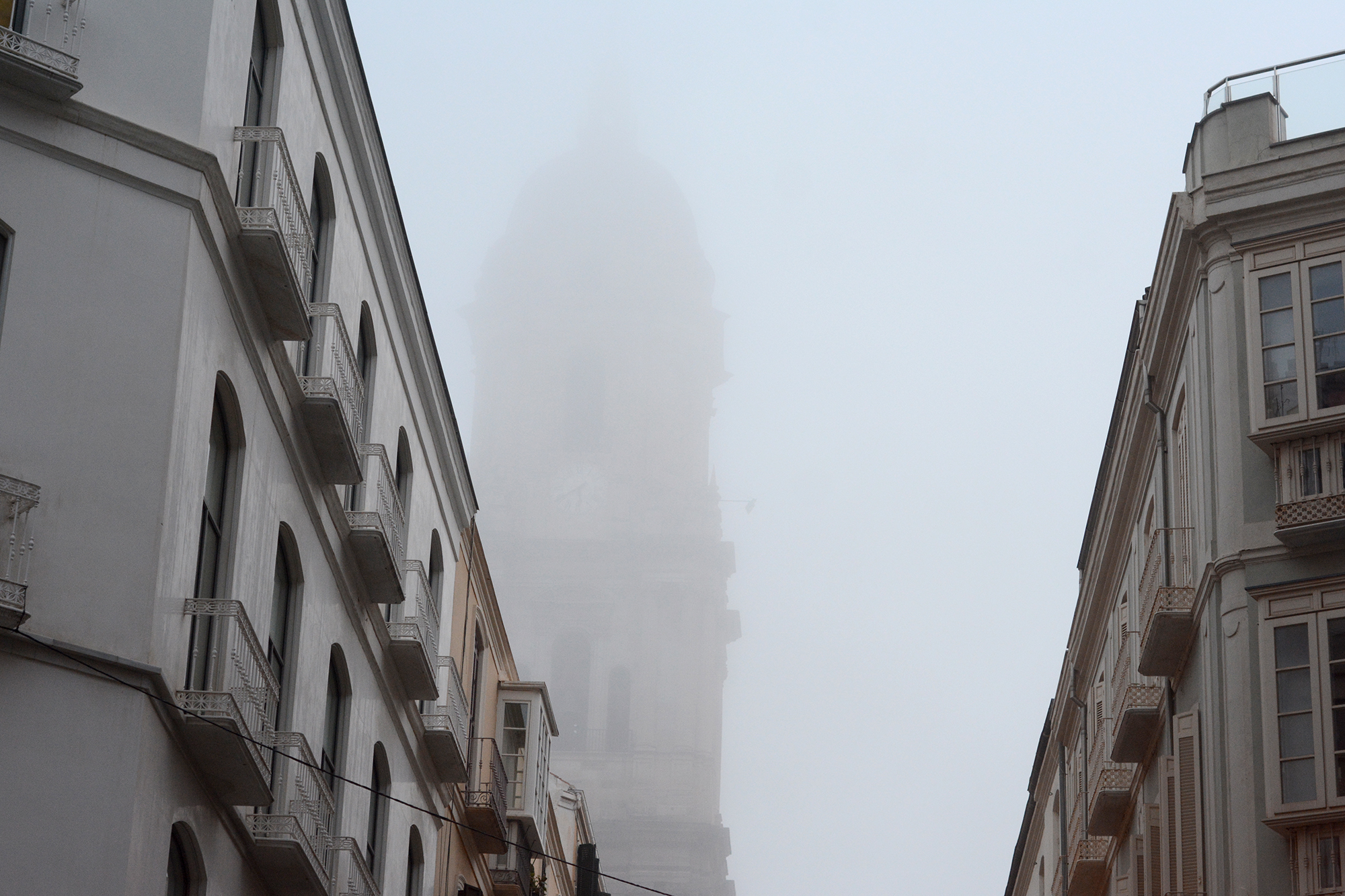
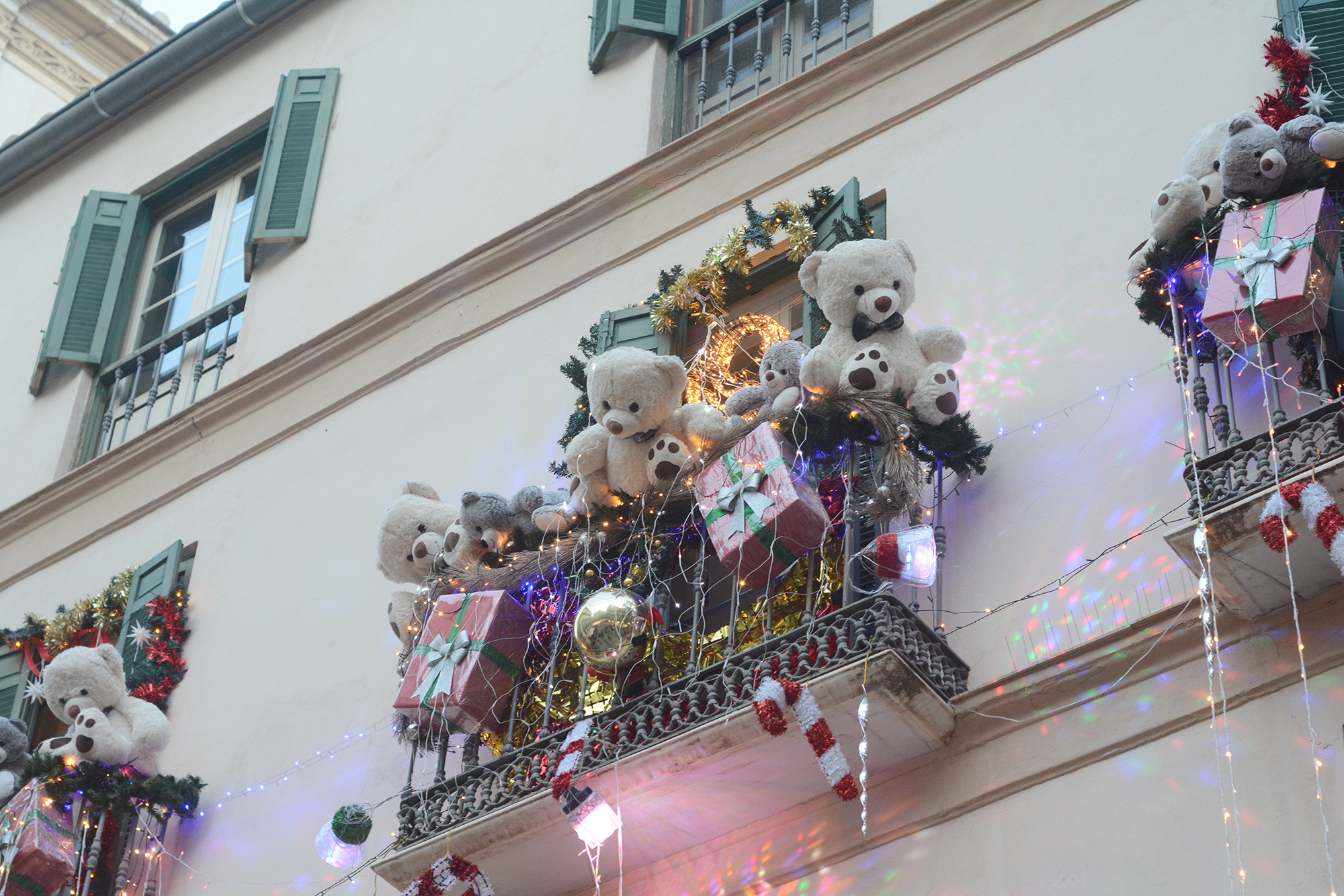
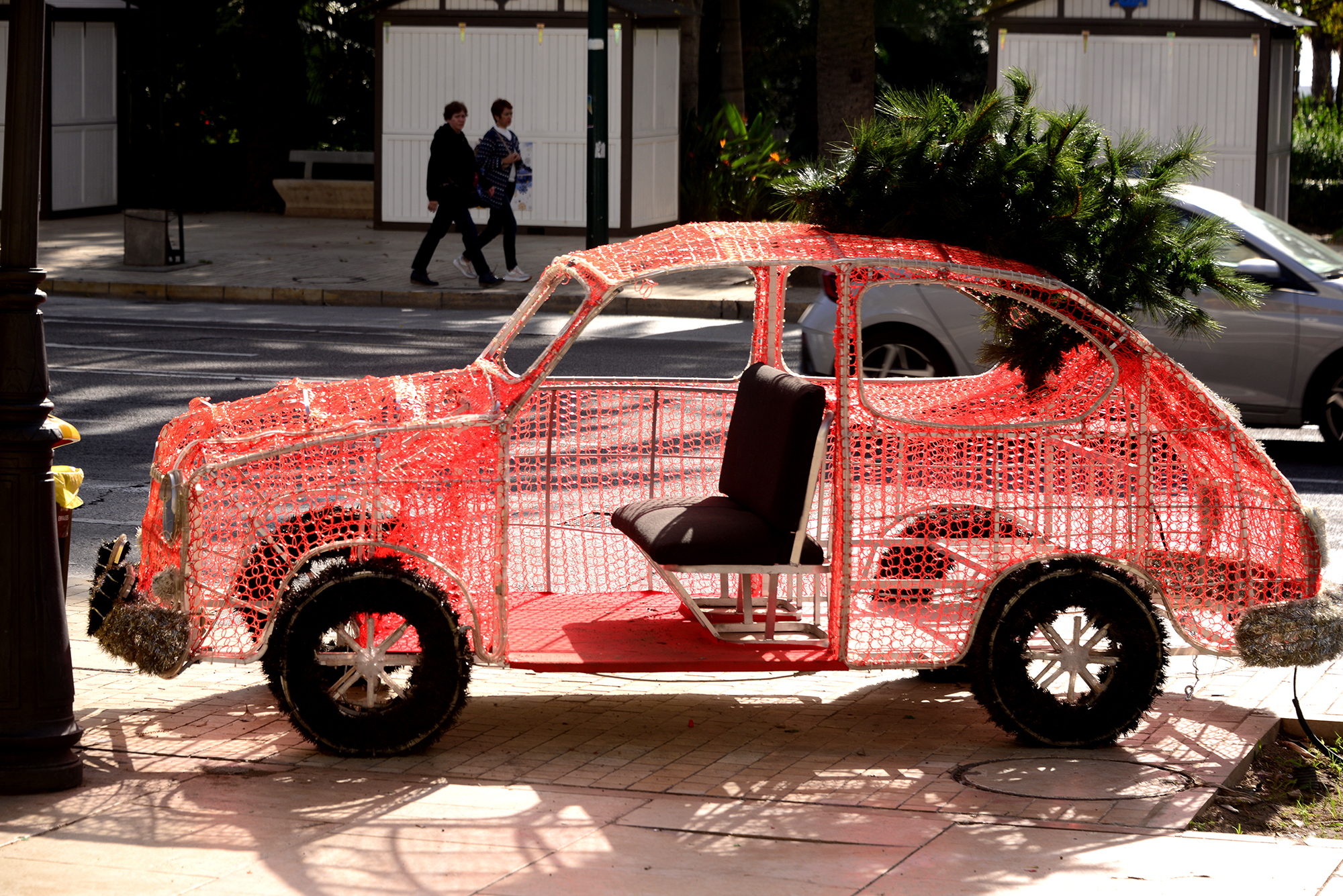
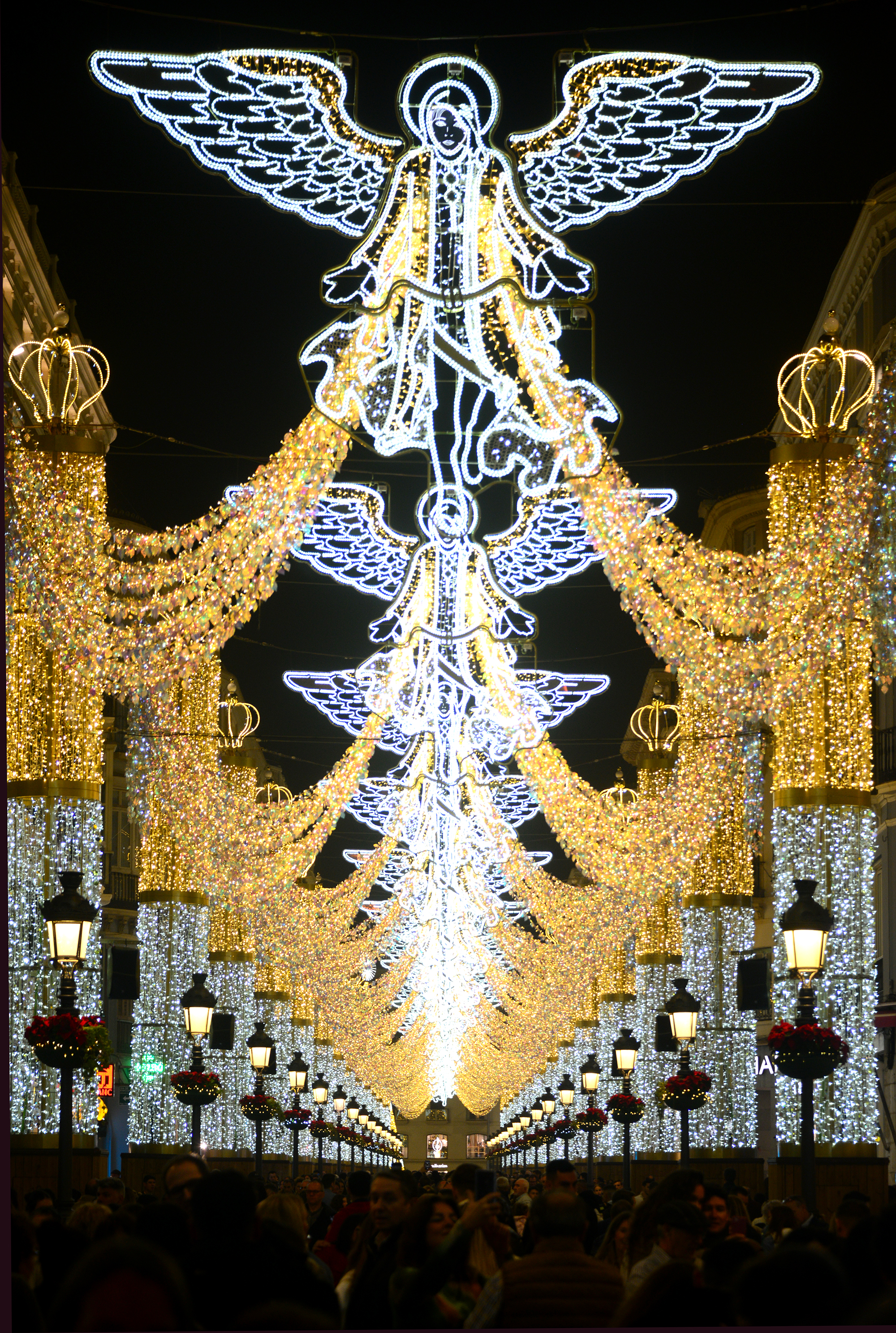
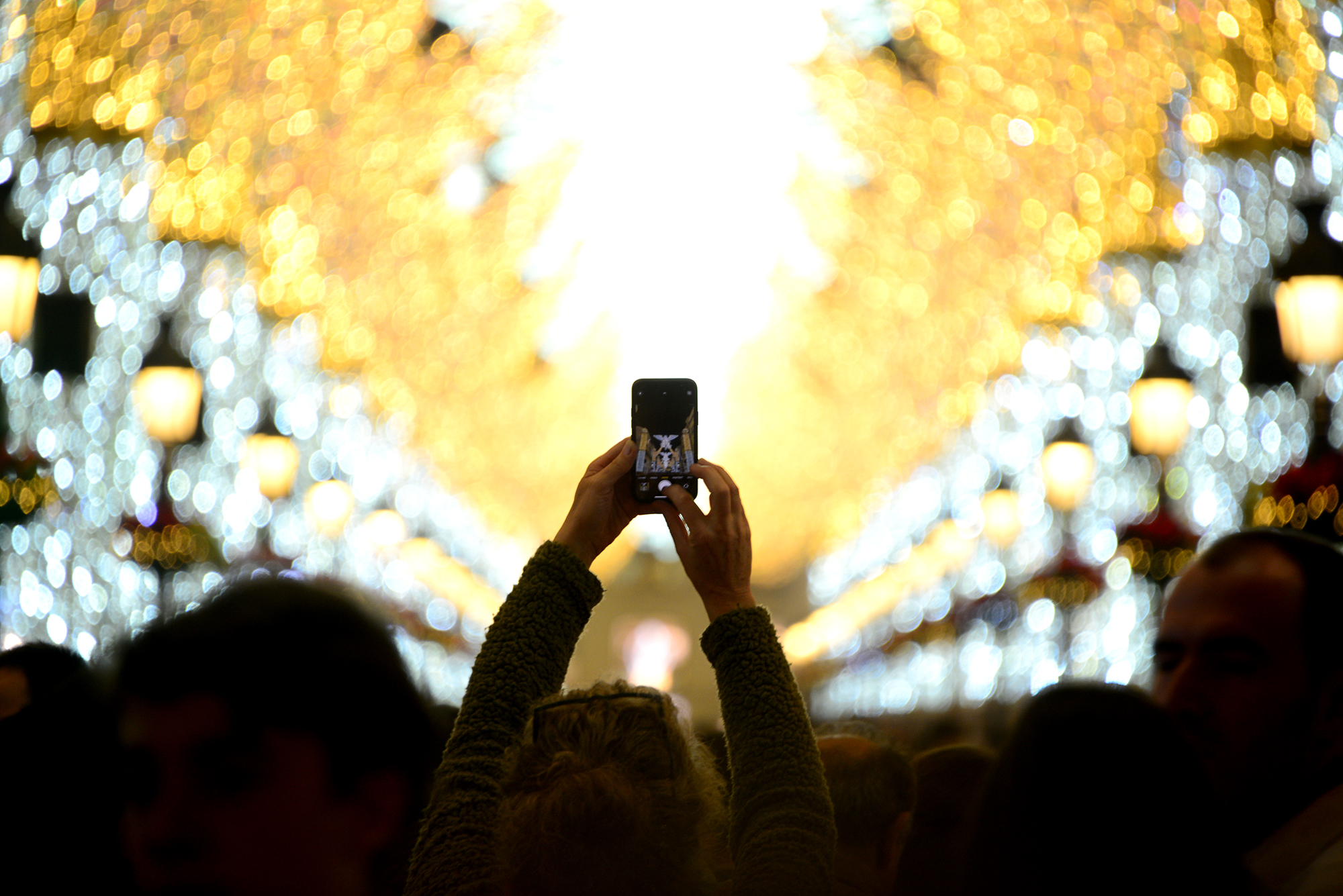
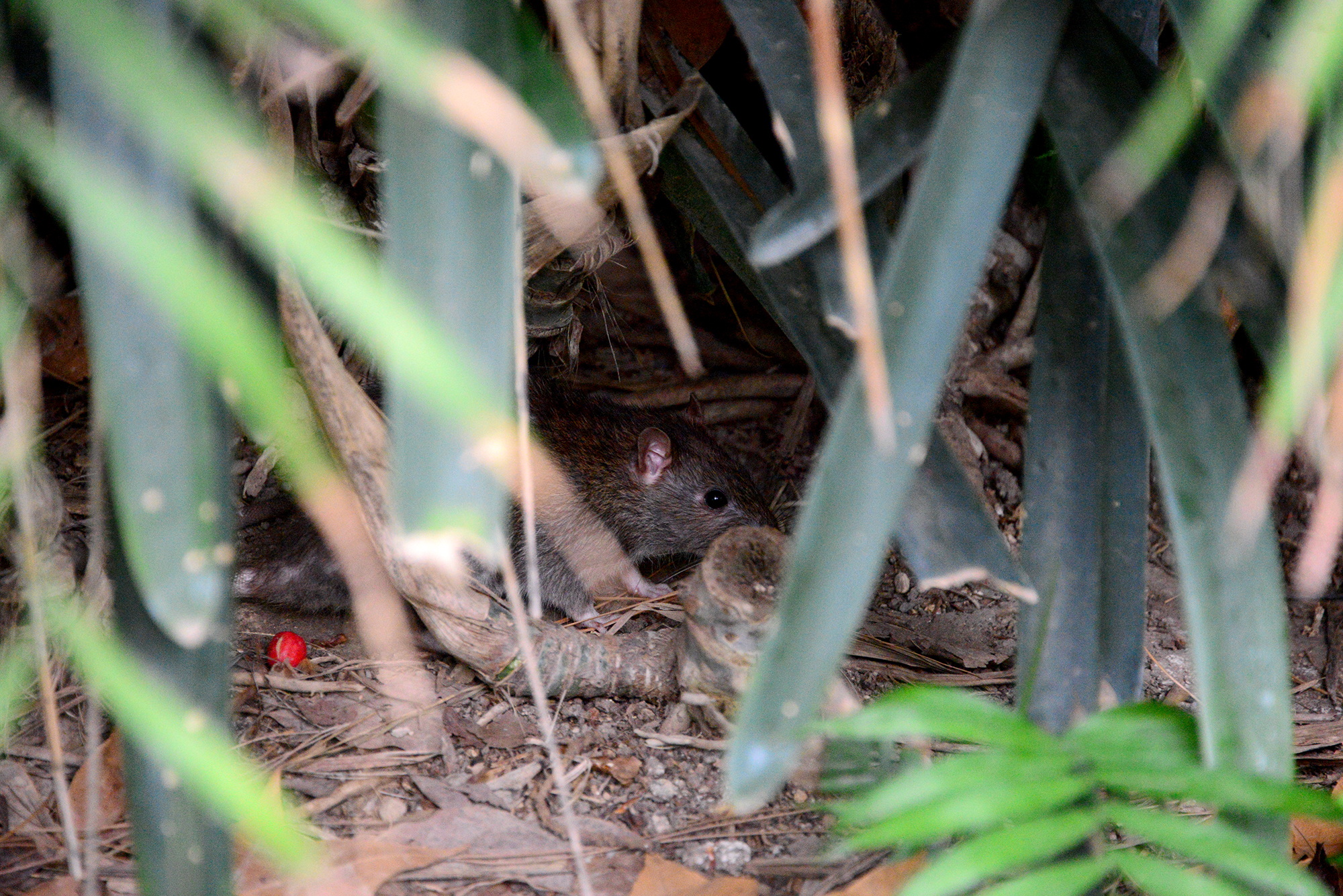
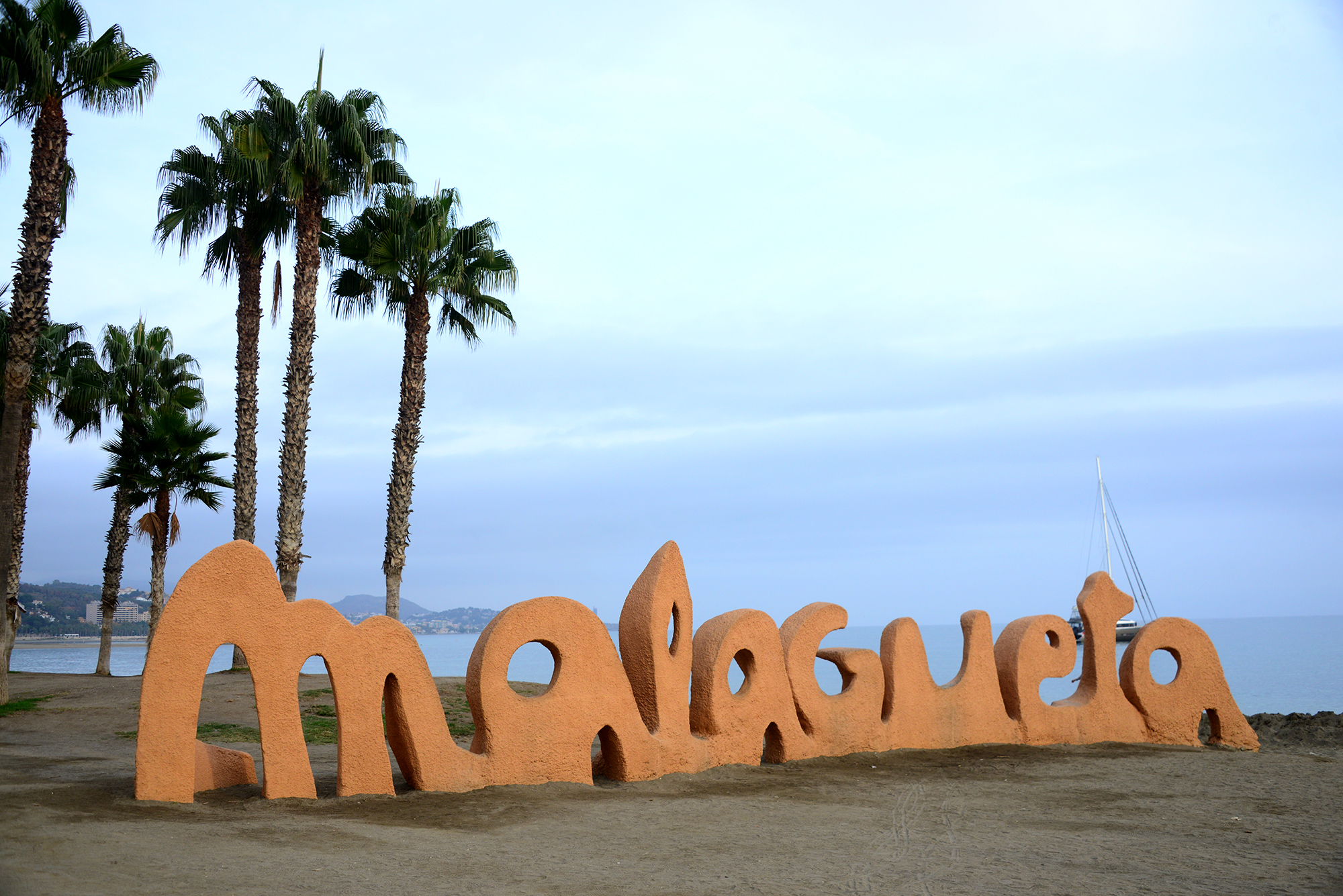
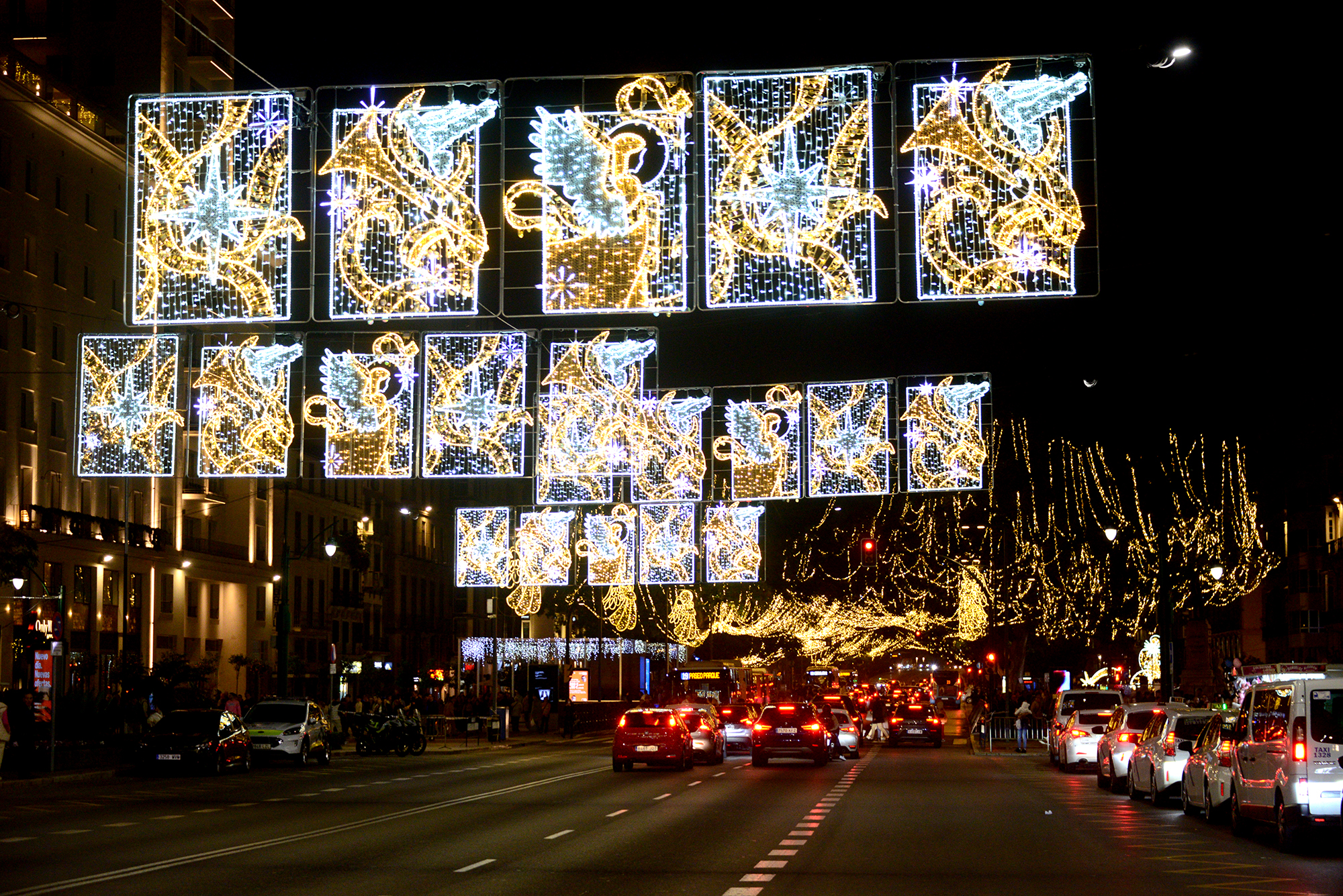
Some other local delights, such as the sea food, were sadly lost on us. We entered the bustle of the central Mercado de Atarazanas, built in the late 19th Century on the site of a Moorish naval workshop, with somewhat wary expressions. Rows upon rows of freshly caught fish gleamed in the late morning sun, transactions were being perfected, long, boisterous queues signaled the most popular stalls. In summer, we were informed, the best local fish dishes, known as espetos (skewered fish, most frequently sardines) are to be had at the beach bars known as chiringuitos. These transient shacks are dismantled come winter- and indeed, we saw their equally despondent and hopeful skeletons on Malagueta beach, waiting for the promises of a new season. Speaking of the beach- in early December, one can, with just a little bit of stamina, have a dip in the sea, yet the blog’s industrious co-photographer ultimately opted against it, given a somewhat overcast afternoon. This was, however, a strange kind of overcast- the cloud cover was not compact, it was more like a thin film, letting through an eerie translucence. Although the sun was not always visible, you could discern it, like a dancer about to emerge from behind the curtain. Come evening, fog snuck into the city centre- thick and milky white, it had something of a living entity about it, moving across streets like a cat prowling around. Christmas lights blinked through it, rows of large, triumphant angels. Perusing the stalls on the seaside promenade, I concluded that this is the only kind of Christmas market I ever want visit: warm, breezy, comfortable. Shaded by palm trees, fragrant with gardenias, with the occasional squirrel or vole scuttling by. Poinsettias thriving in the wild- another American import, yet somehow fitting in a country where a deli can be called an ultramarino. From across the ocean come wondrous things.



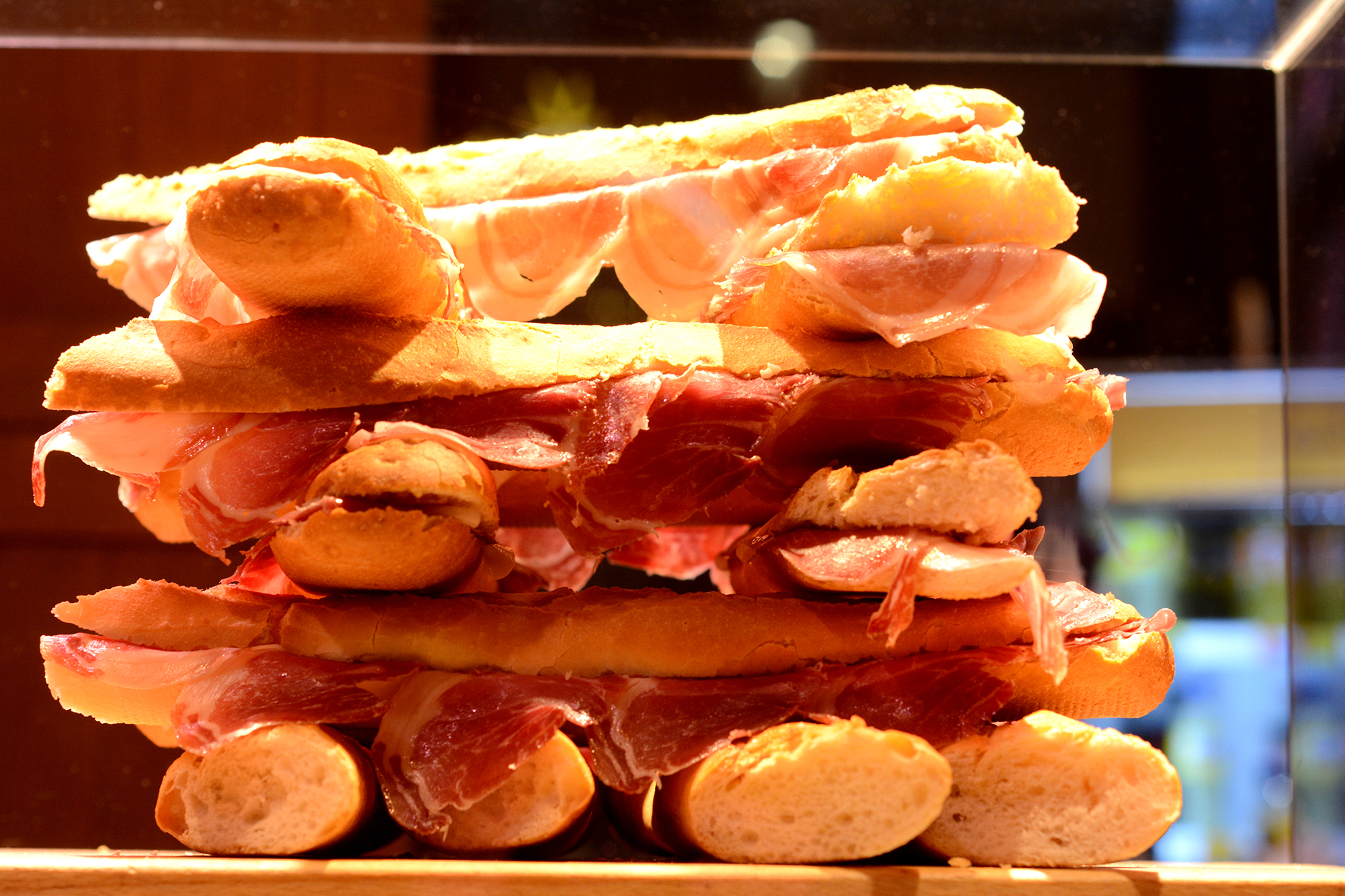
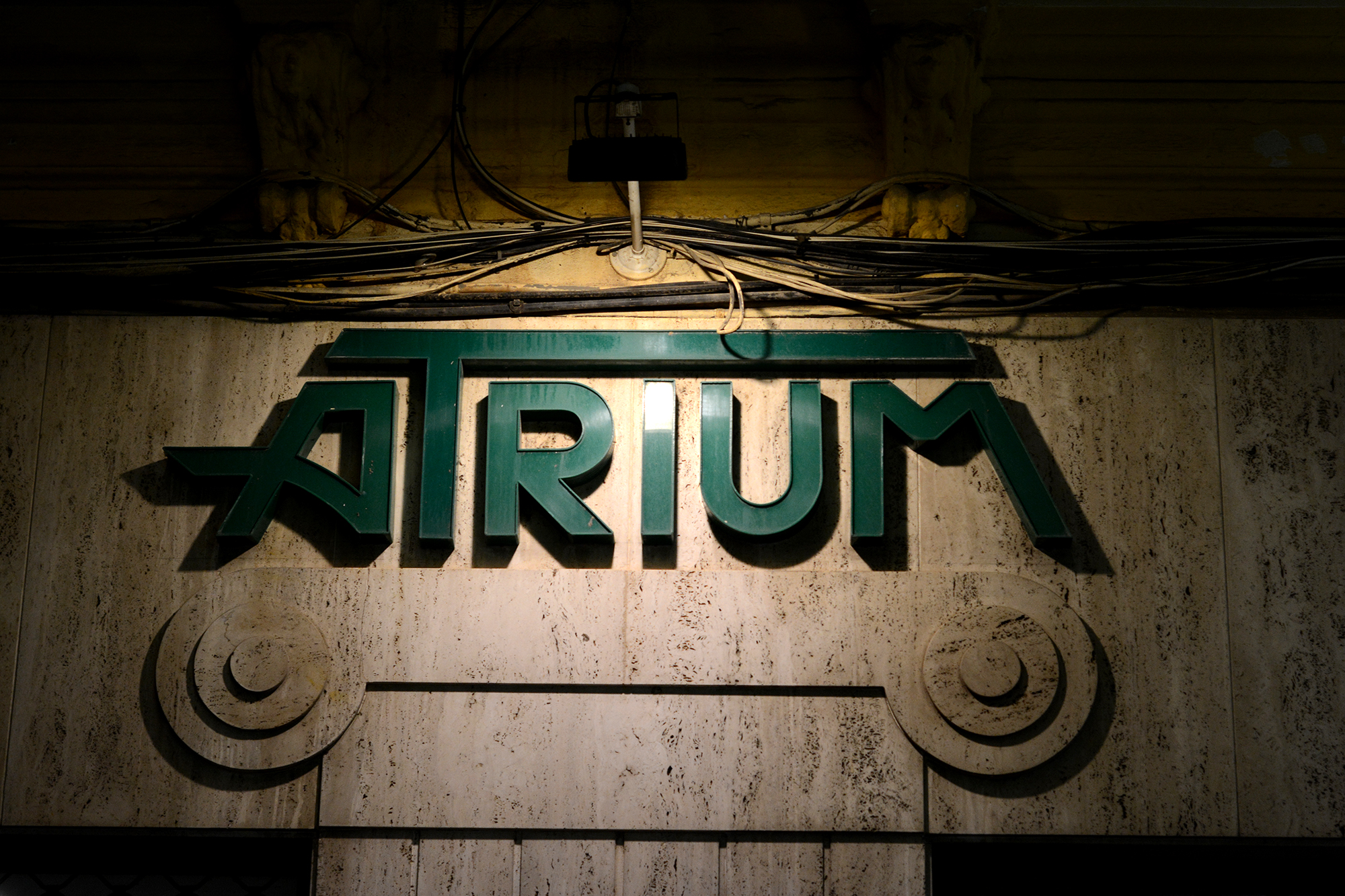
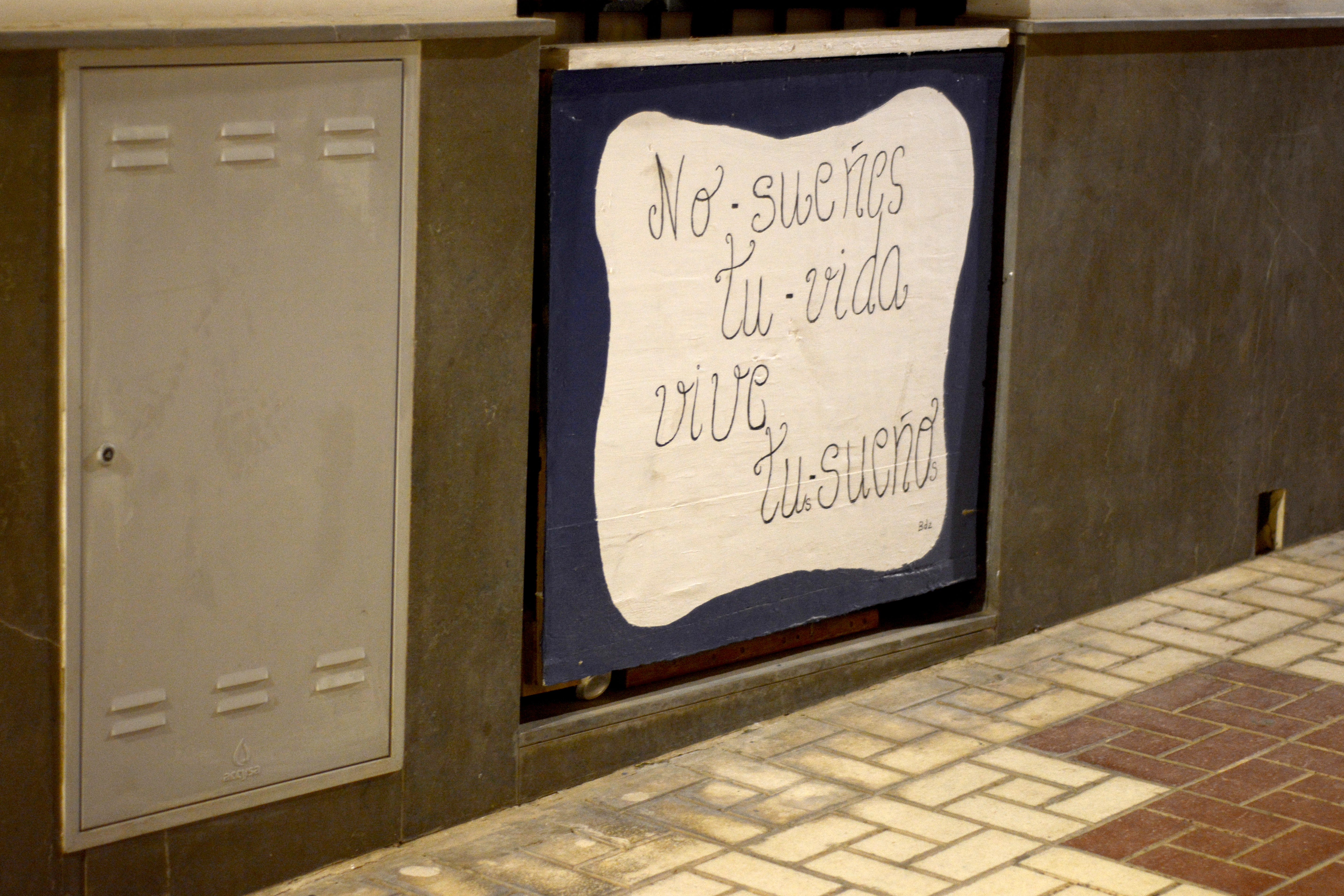
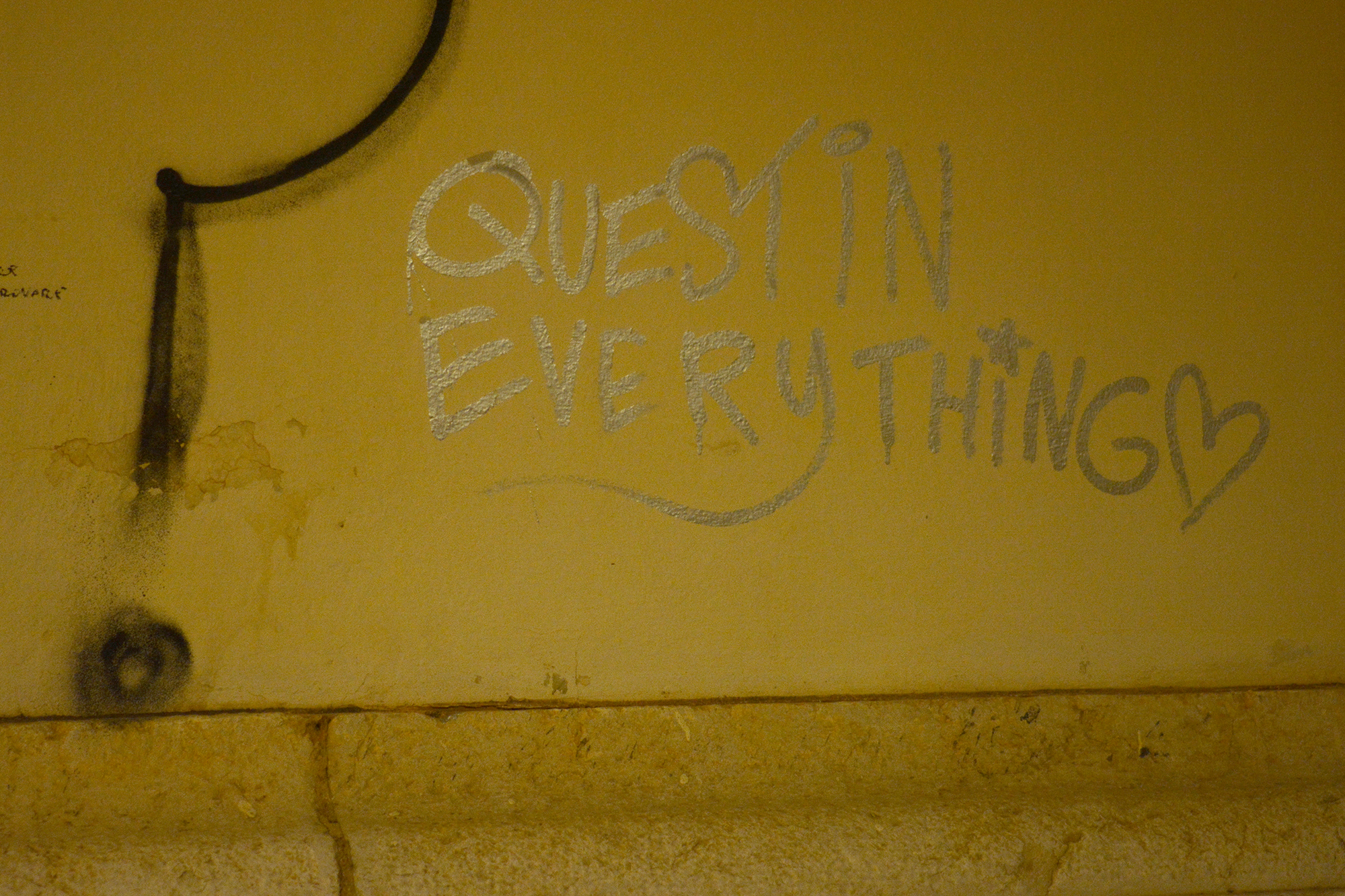


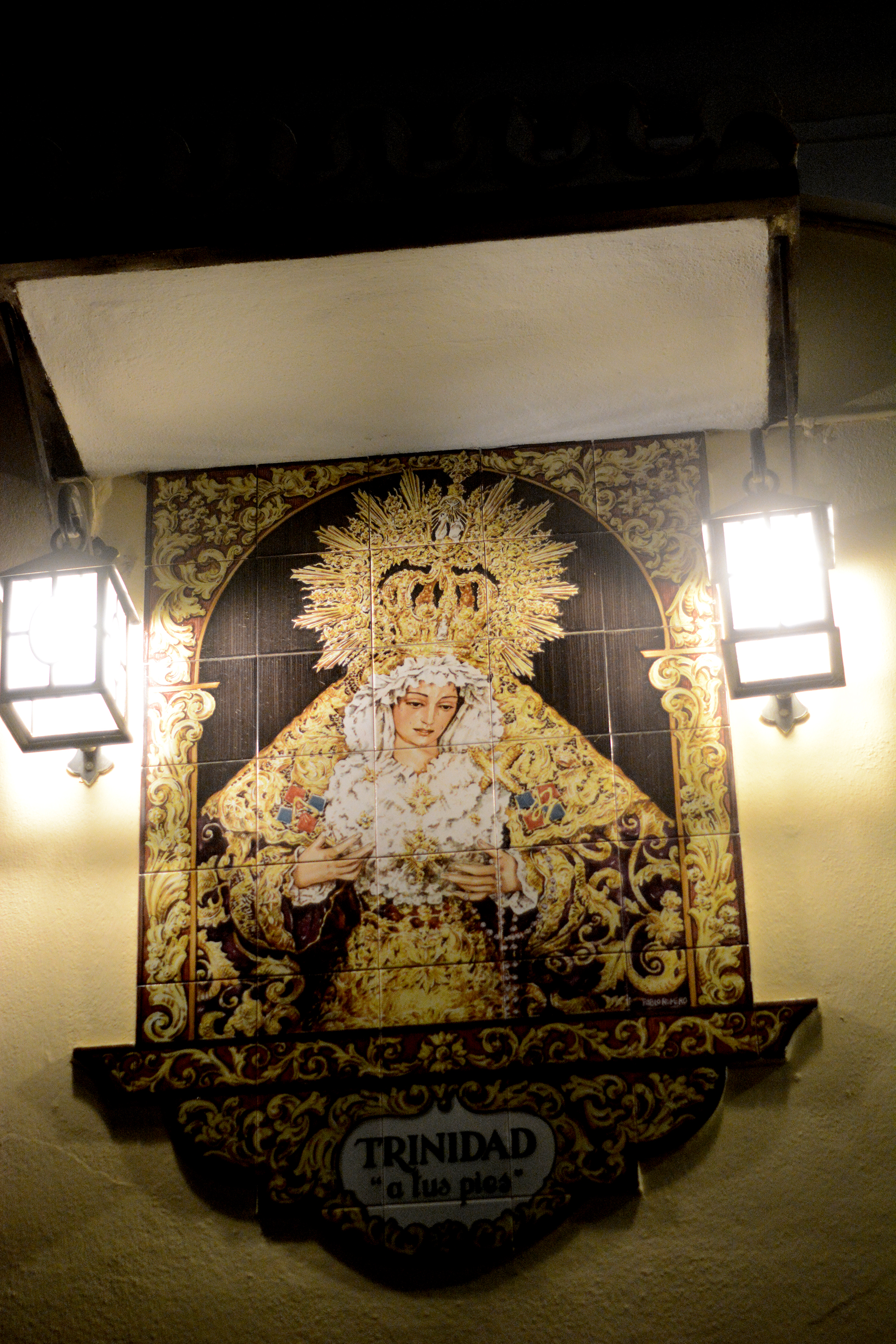

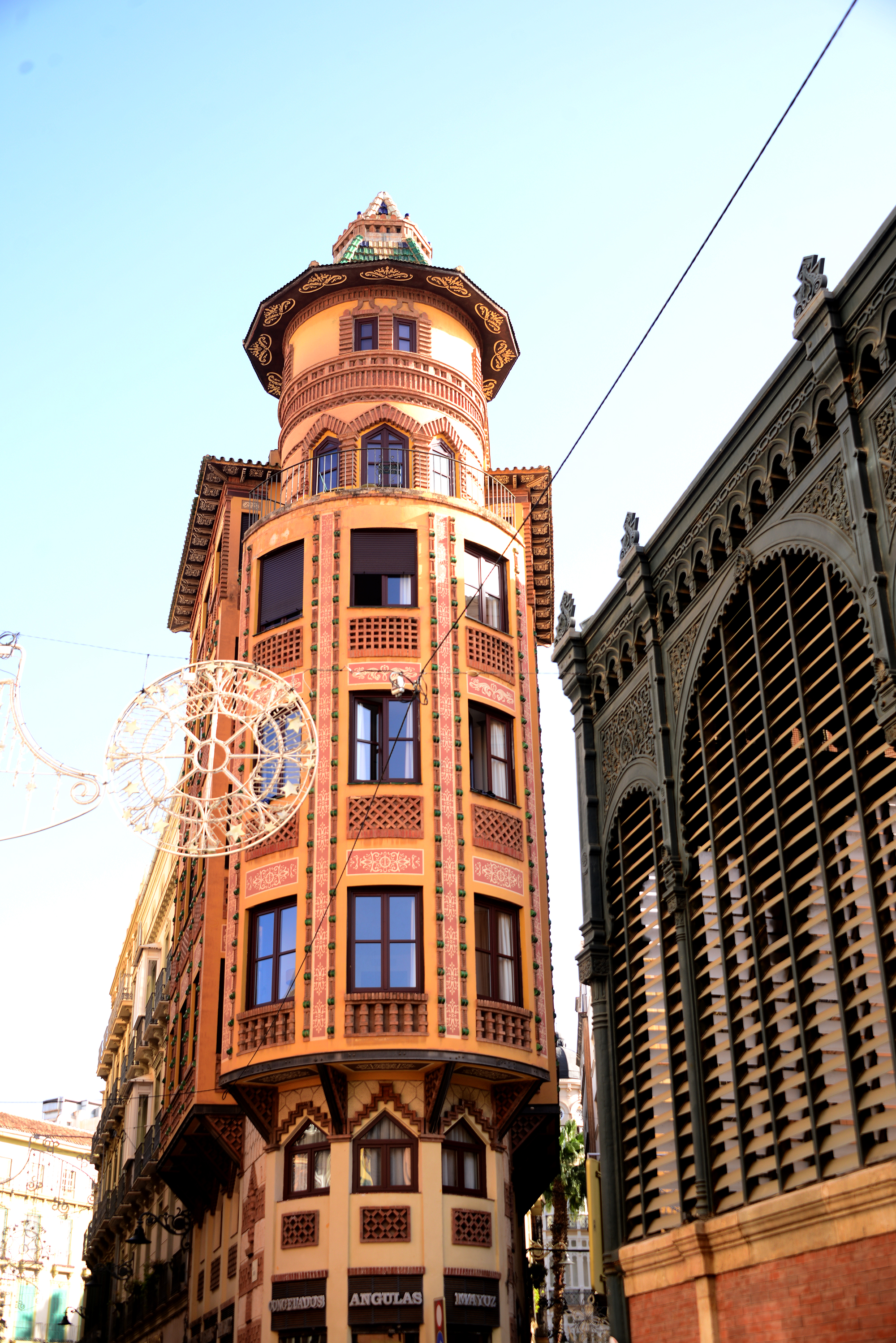
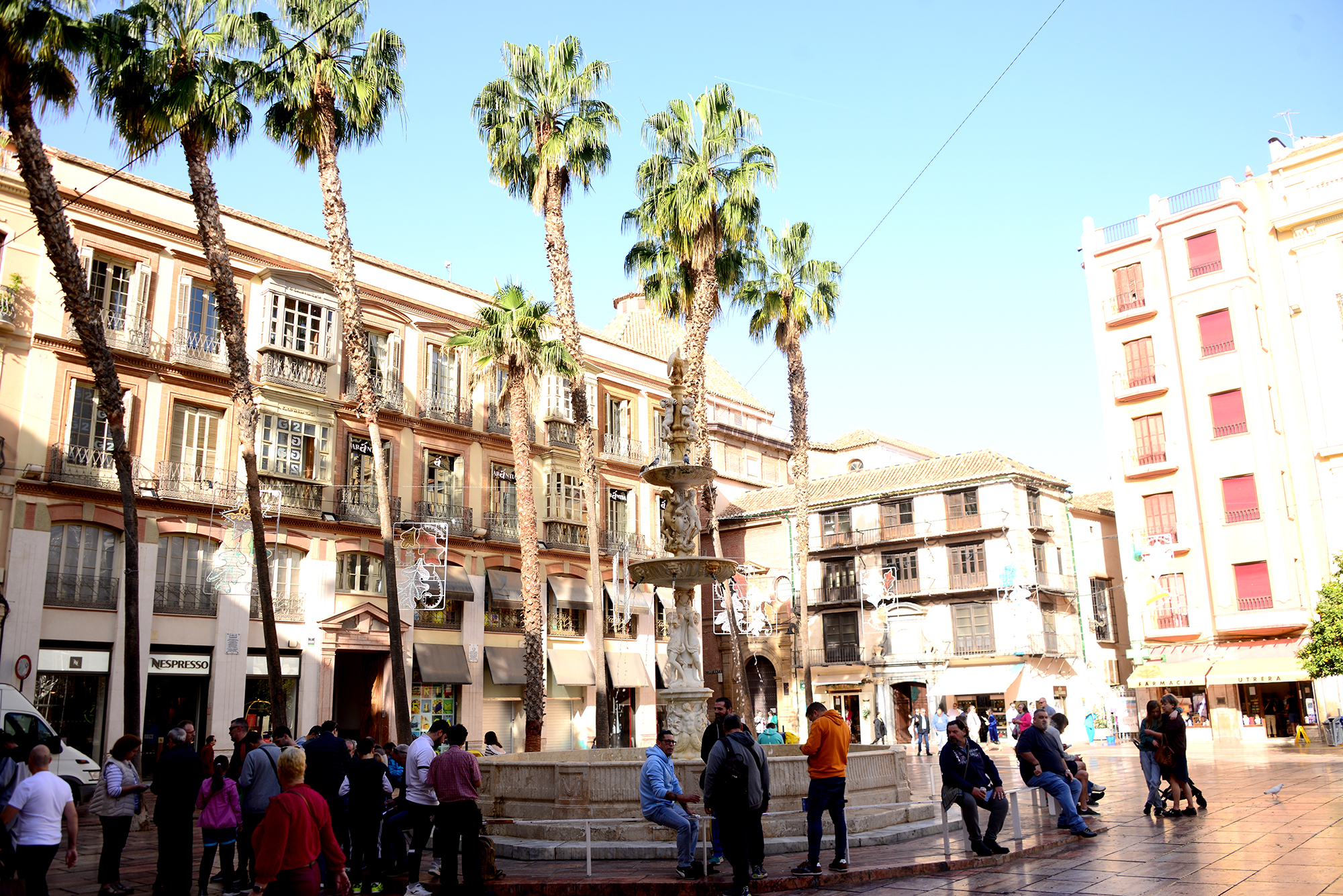



In the vicinity of the market, we saw worlds collide: a long queue waited in front of BrunchIT, one of those hipster units which look ghostly similar in all major European cities, and serve similar food, as well. We therefore decided to reclaim the word hipster for what it is and marched into the sprawling labyrinth of Casa Aranda. They serve local staples such as bocadillos and churros smothered in cups of chocolate, the service is random, at best, the coffee average, the chatter is unbearably loud, tables are constantly being organised and re-organised by new arrivals, some patrons look like they arrived with the Reconquista and never left. In one word, magic. Why anyone would ever miss this for avocado eggs Benedict is beyond fathomable.
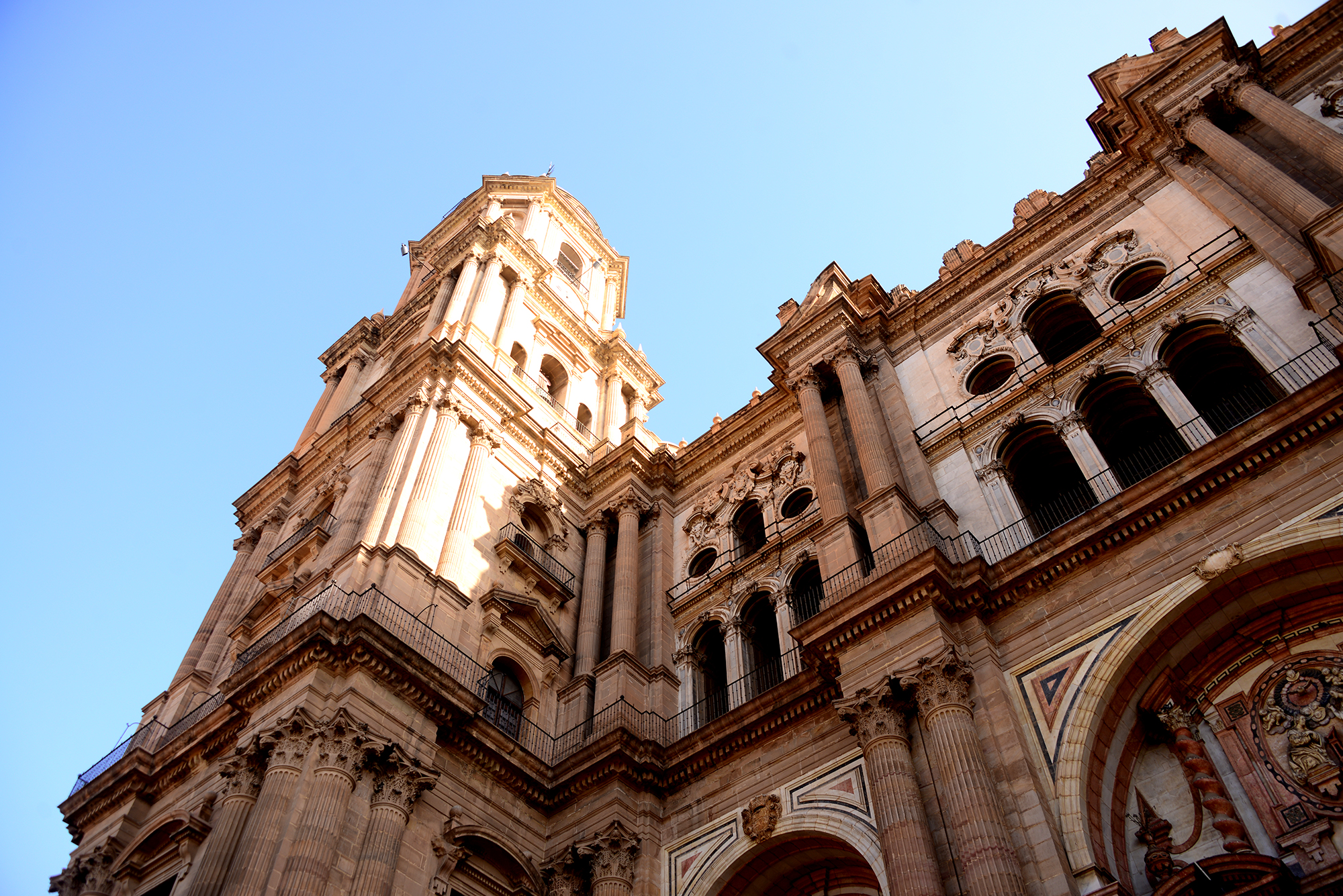
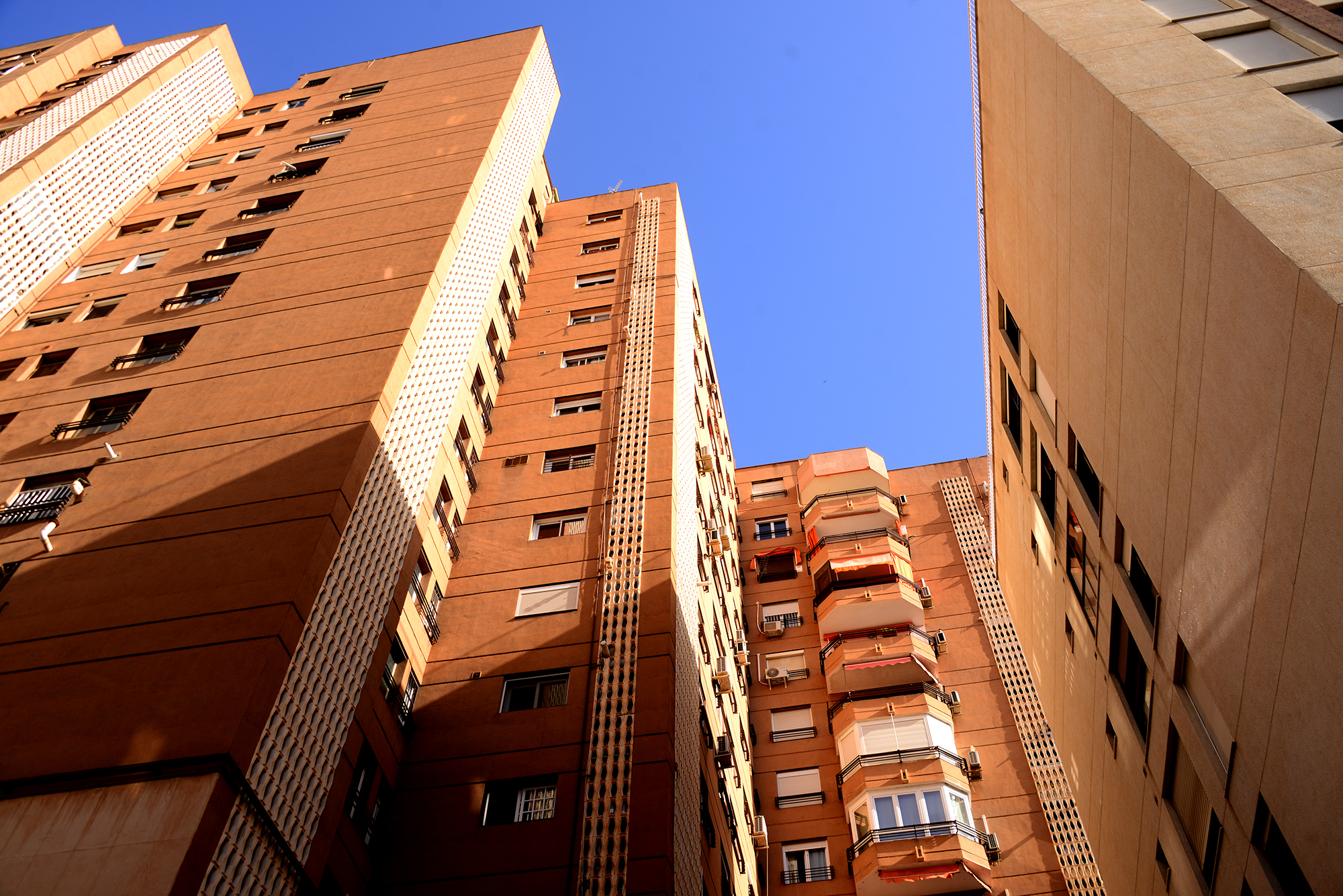
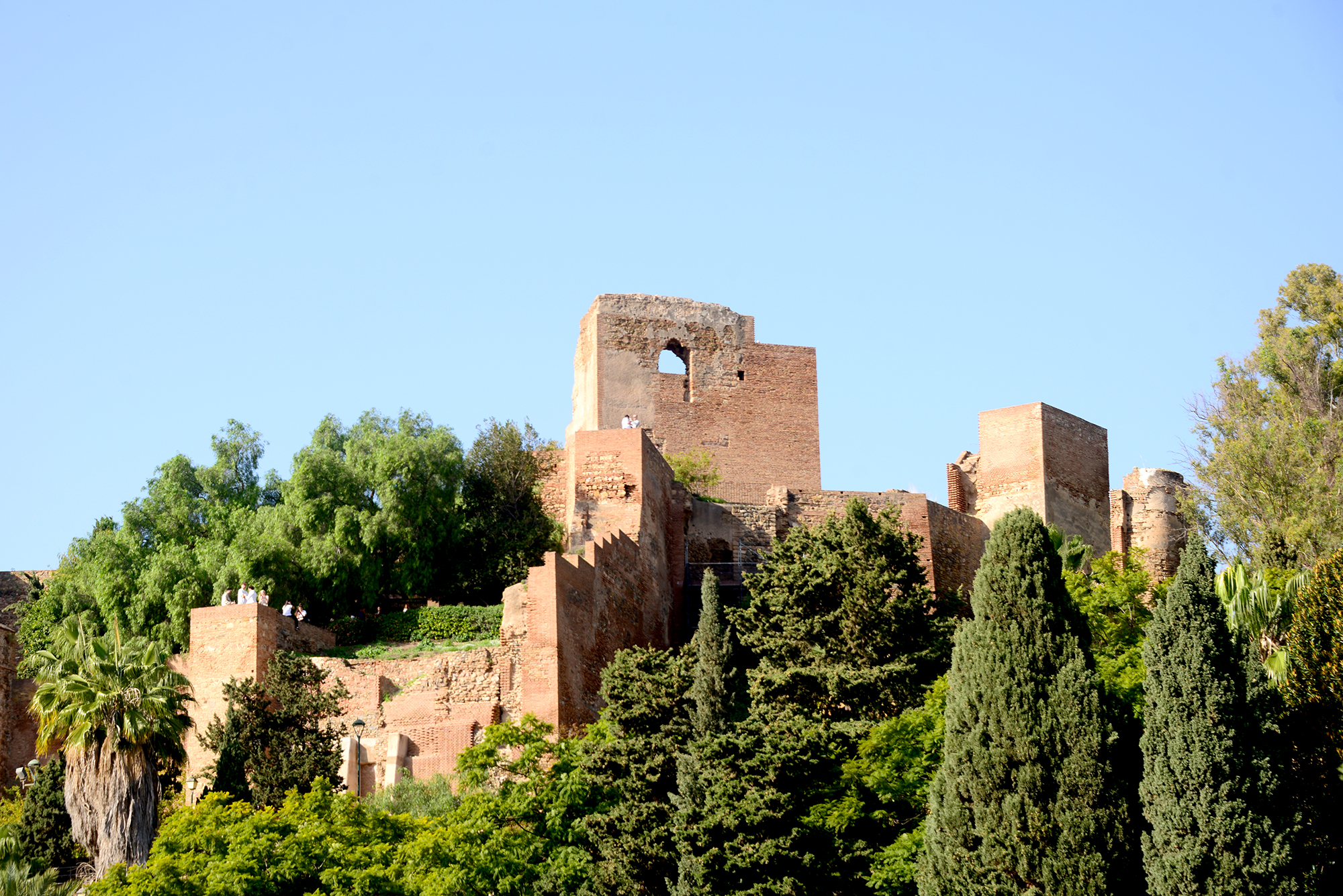
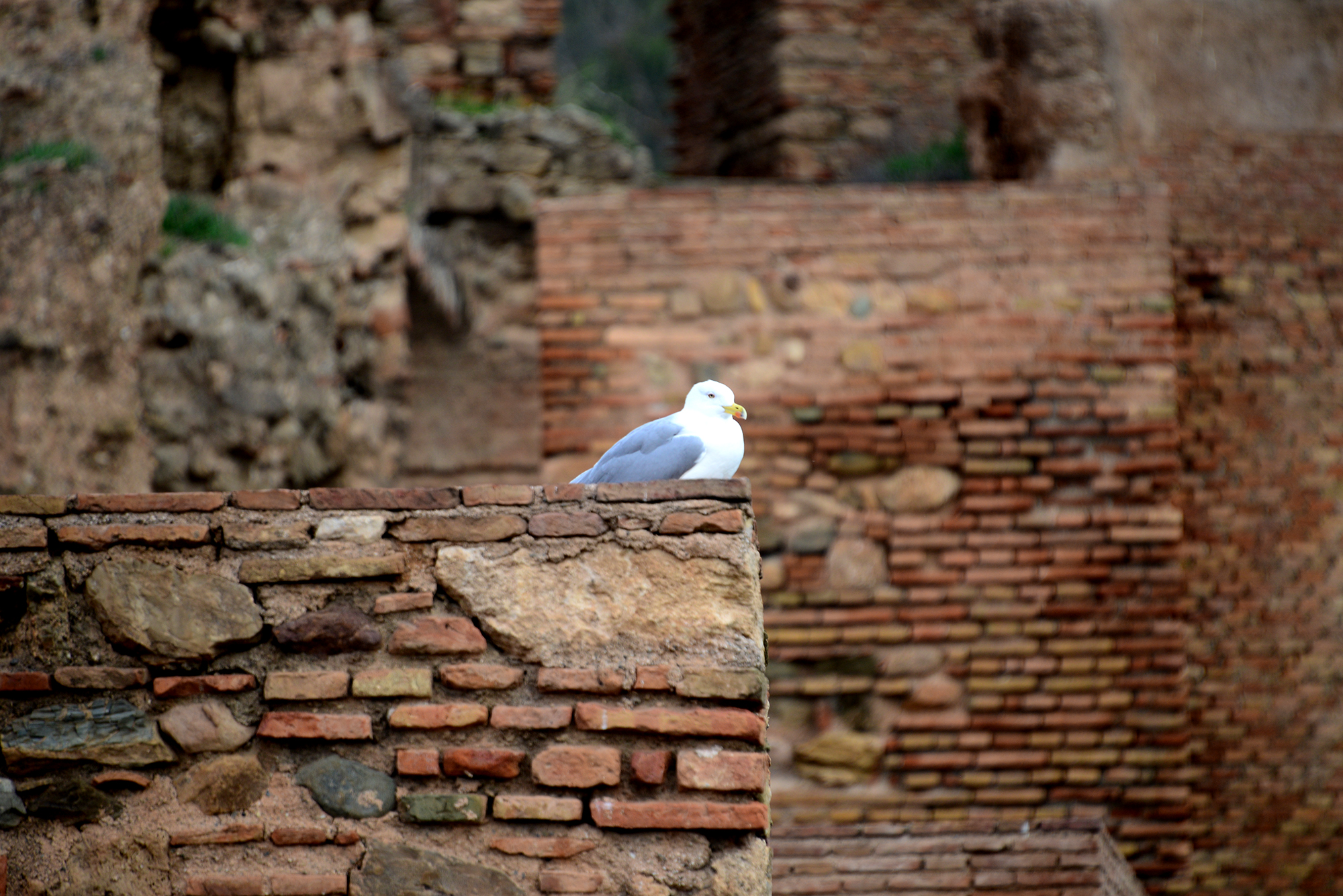
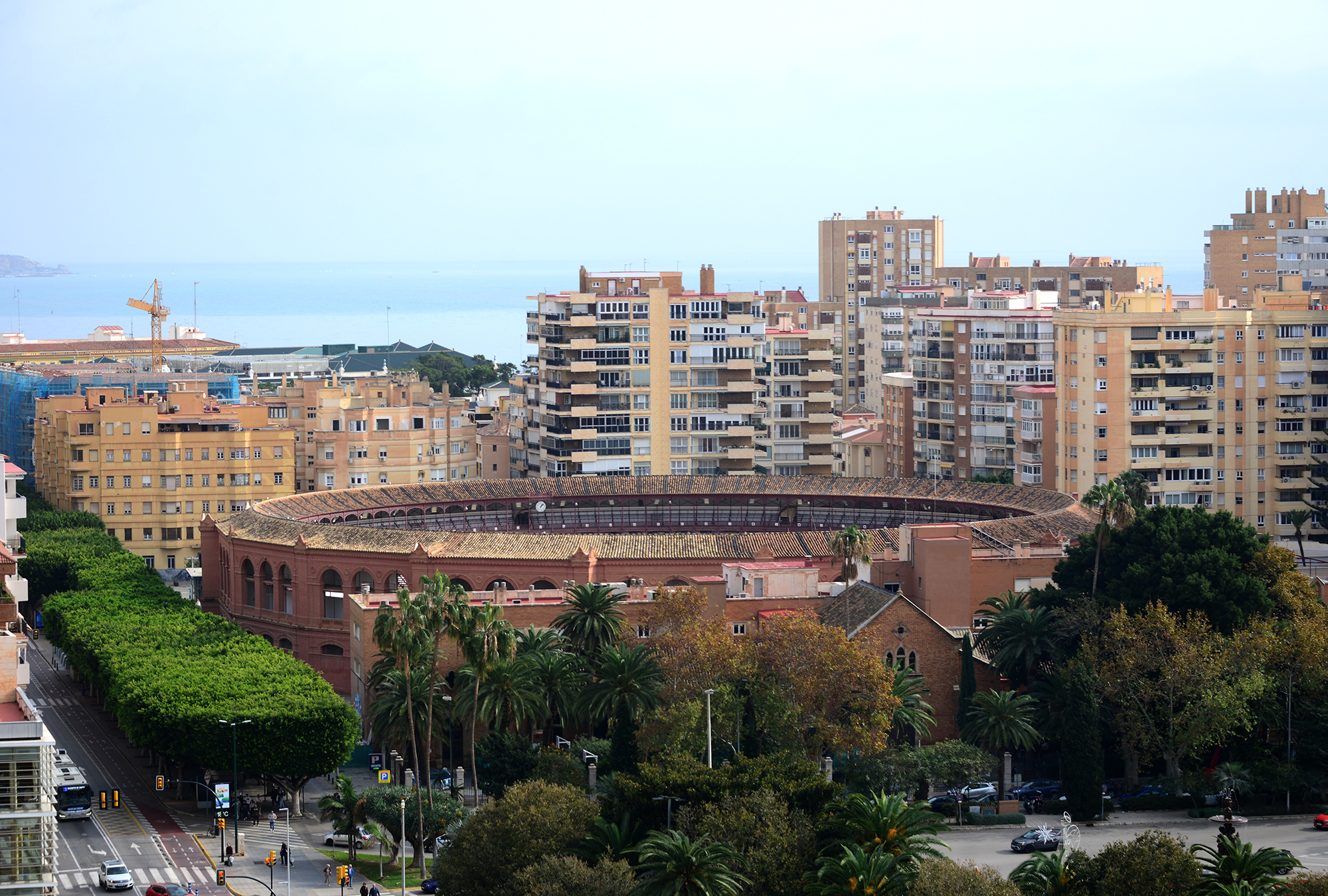
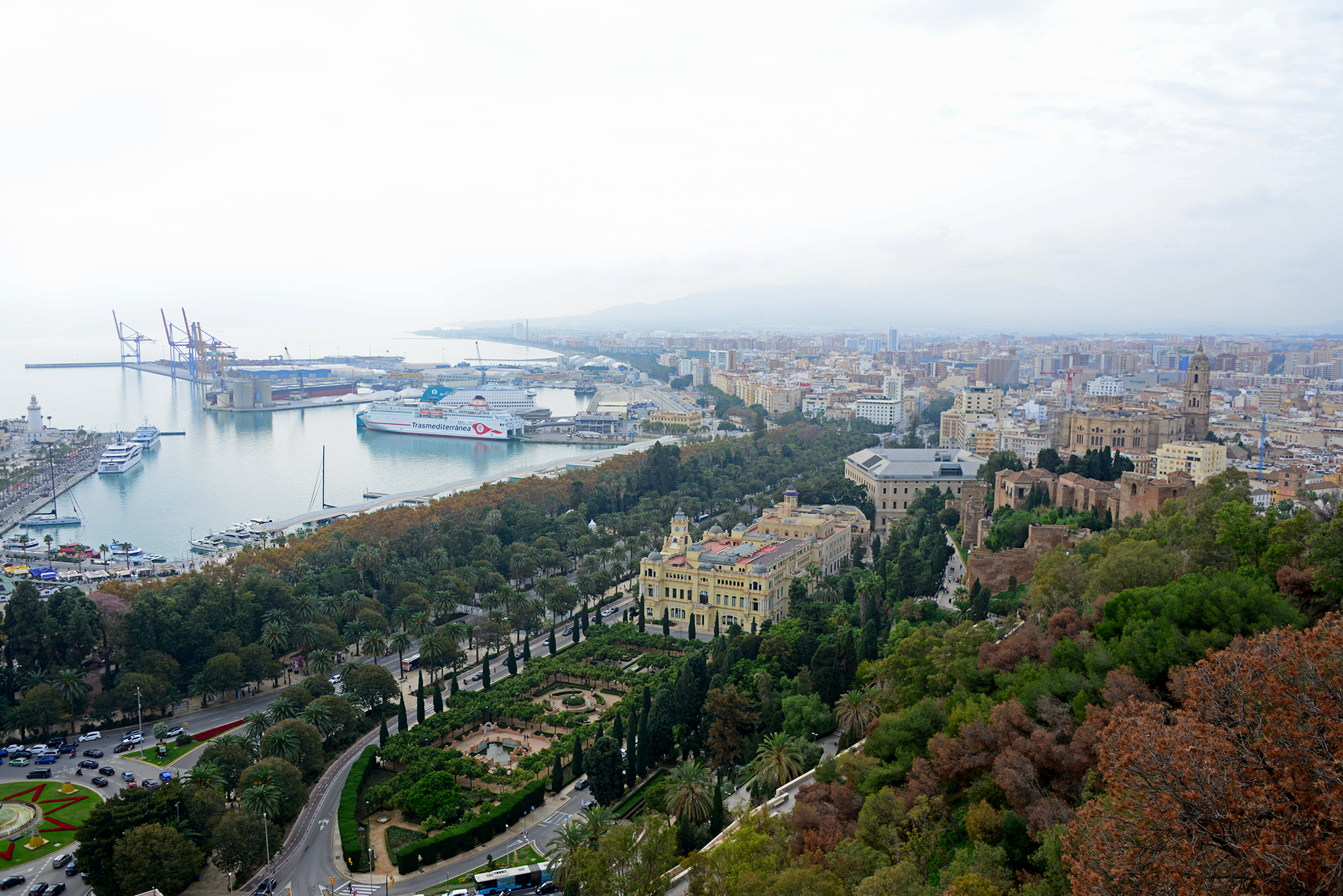
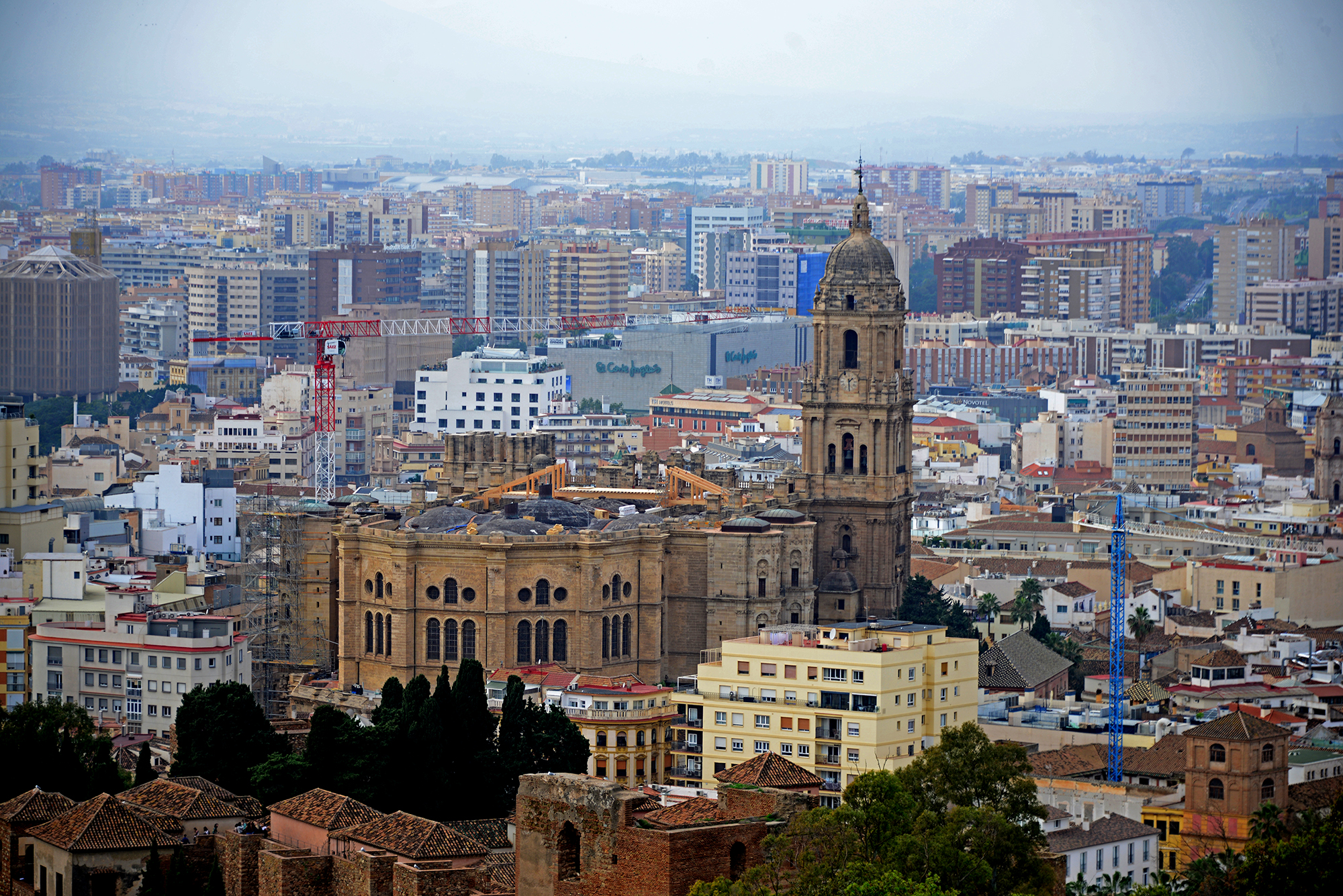
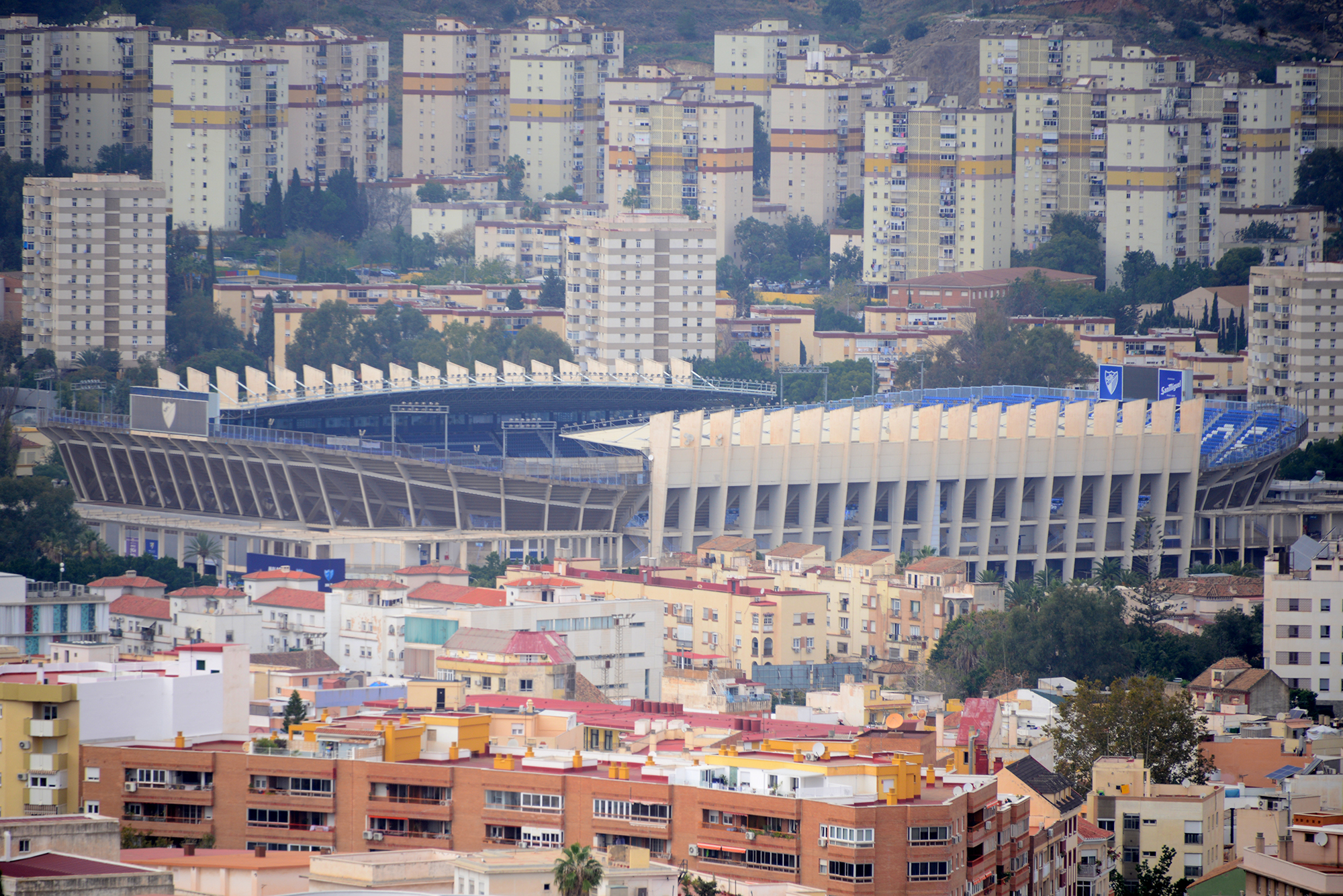
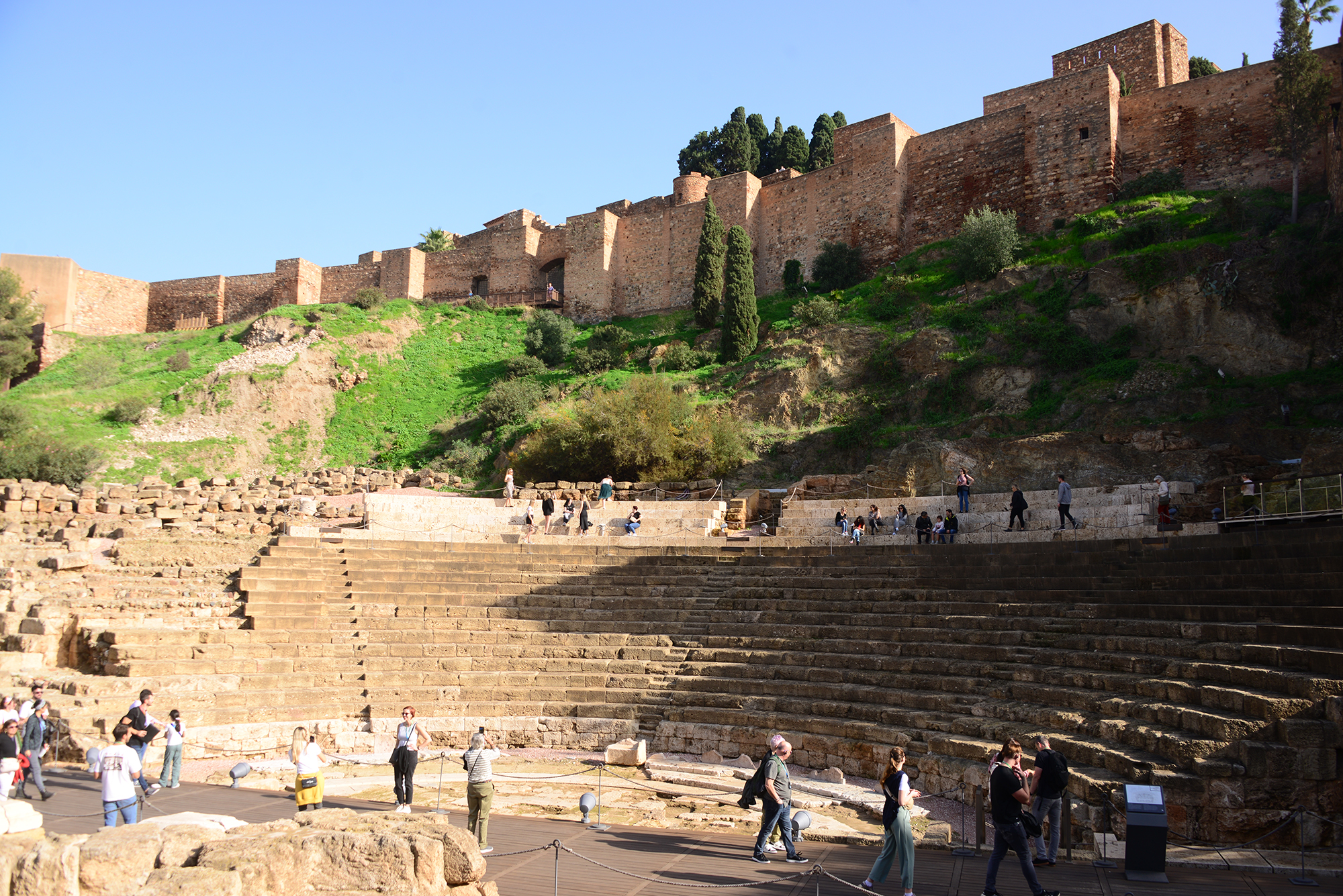
From Casa Aranda, it’s just a short walk to the cathedral- full name Santa Iglesia Catedral Basilica de la Encarnación, because if you’re done with a Spanish name in under 30 seconds, it’s not even a name at all. People who are taken aback that the Sagrada Familia of Barcelona (which, if one is not confused enough by now, is neither an iglesia, nor a catedral or a basilica, but a templo expiatorio) is not yet finished will be relieved to know that it took the good people of Málaga two and a half centuries to finish their cathedral, by1782, so much so that the architectural style changed during its construction, morphing from Renaissance to Baroque. The finished product being just a little too baroque for our tastes, we decided to focus more on other historical sites nearby- such as the remains of the Roman theatre, and the Alcazaba and Castle of Gibralfaro, the Moorish fortifications on the hill of the same name. It is, nevertheless, poignant that the three would be so close by, connecting three eras of the city’s past seamlessly. This is perhaps one of Málaga’s greatest charms, a feeling of continuity, of wedding disparate elements into a whole. No cataclysmic ruptures, more like fissures in the tissue of time, that the city, like a body healing itself, mended. From the heights of the Gibralfaro, even the hodgepodge of new housing sprawling in all directions seems to blend into a continuum. You can take in a bit of everything: the edge of the Baetic Cordillera, the mountains protecting the city from the north, the port, with its vividly coloured metal cranes, the bullfighting arena surrounded by palm and orange trees, the bed of the Guadalmedina river, completely dry when we visited- but at least providing the opportunity to discover that the many Spanish toponyms containing ‘guadal’ come from the Arabic ‘wadi’, river valley. The Rosaleda stadium, home to Málaga CF, one of the first European clubs to become the vanity project of a Middle Eastern investor. Now sunk back into the quagmire of the second division, the club enjoyed a brief, exhilarating excursion into the upper echelons of the continental elite in the 2012-2013 season, when they lost a breathtaking Champions League quarter final tie to the eventual finalists, German champions Borussia Dortmund.
The truth is, we’d chosen Málaga as our destination solely due to the fortuitous intersection of geography and low-cost airline schedules, wanting somewhere warm to go to at the onset of central European winter. Sitting on a small terrace by the Alcazaba, under leafy trees, listening to the chirping of birds and the ebb and flow of conversations, breathing in the air, fragrant with the scents of the sea and late blooming flowers, and sipping a local red, one does become a little sentimental, though. Perhaps we hadn’t chosen Málaga, perhaps it was Málaga that chose us, we just heard the call, like so many travelers across thousands of kilometres, and thousands of years.
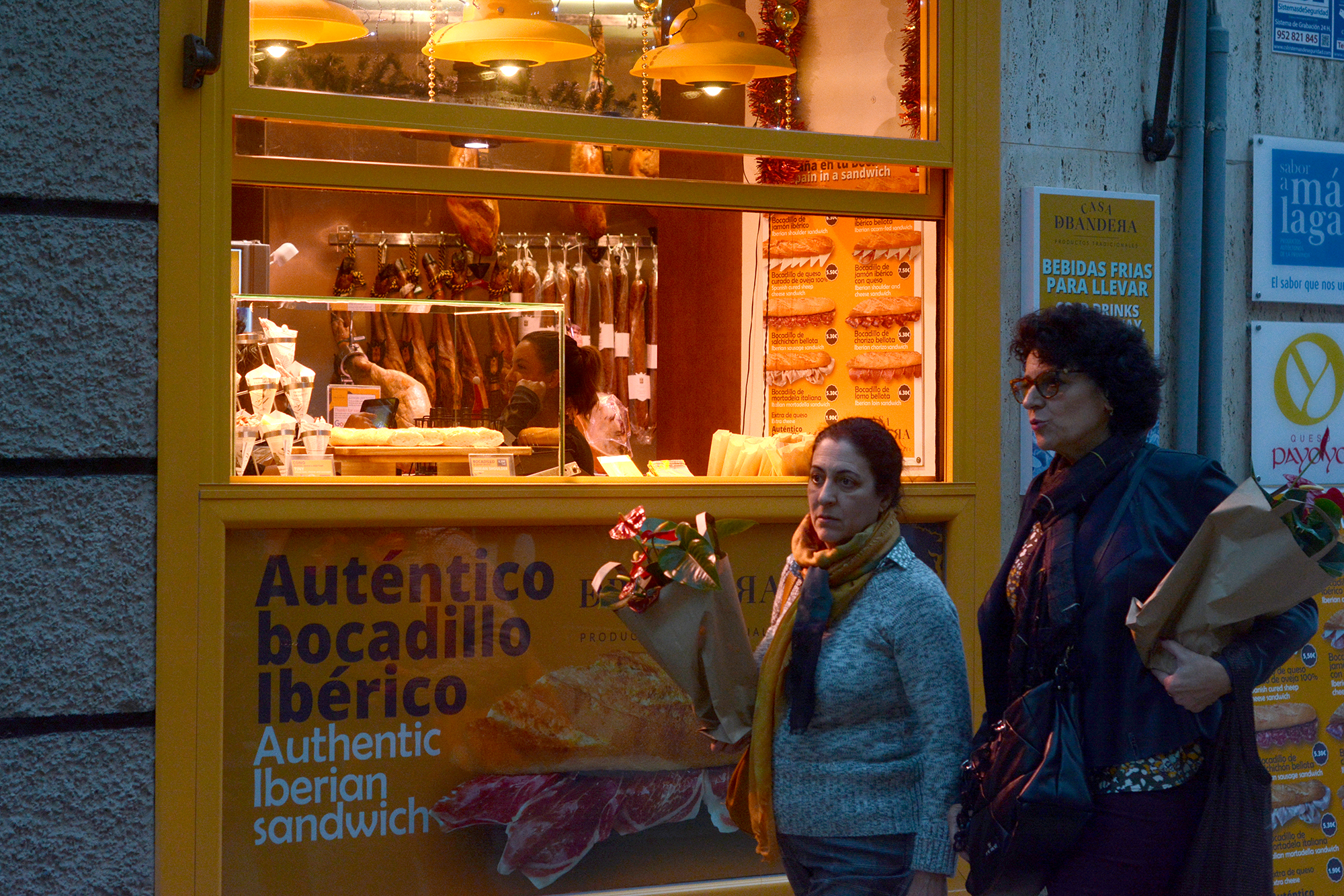
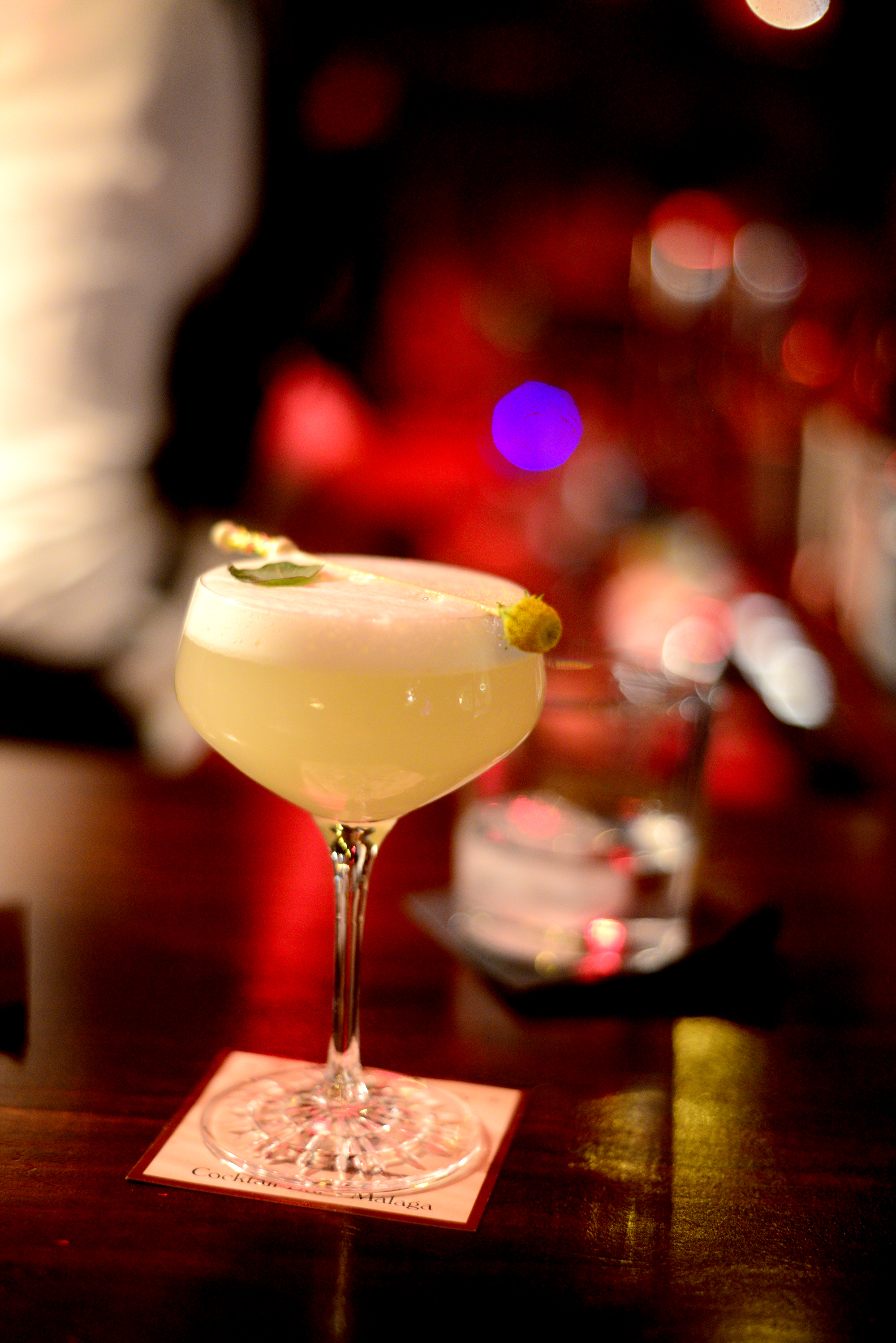
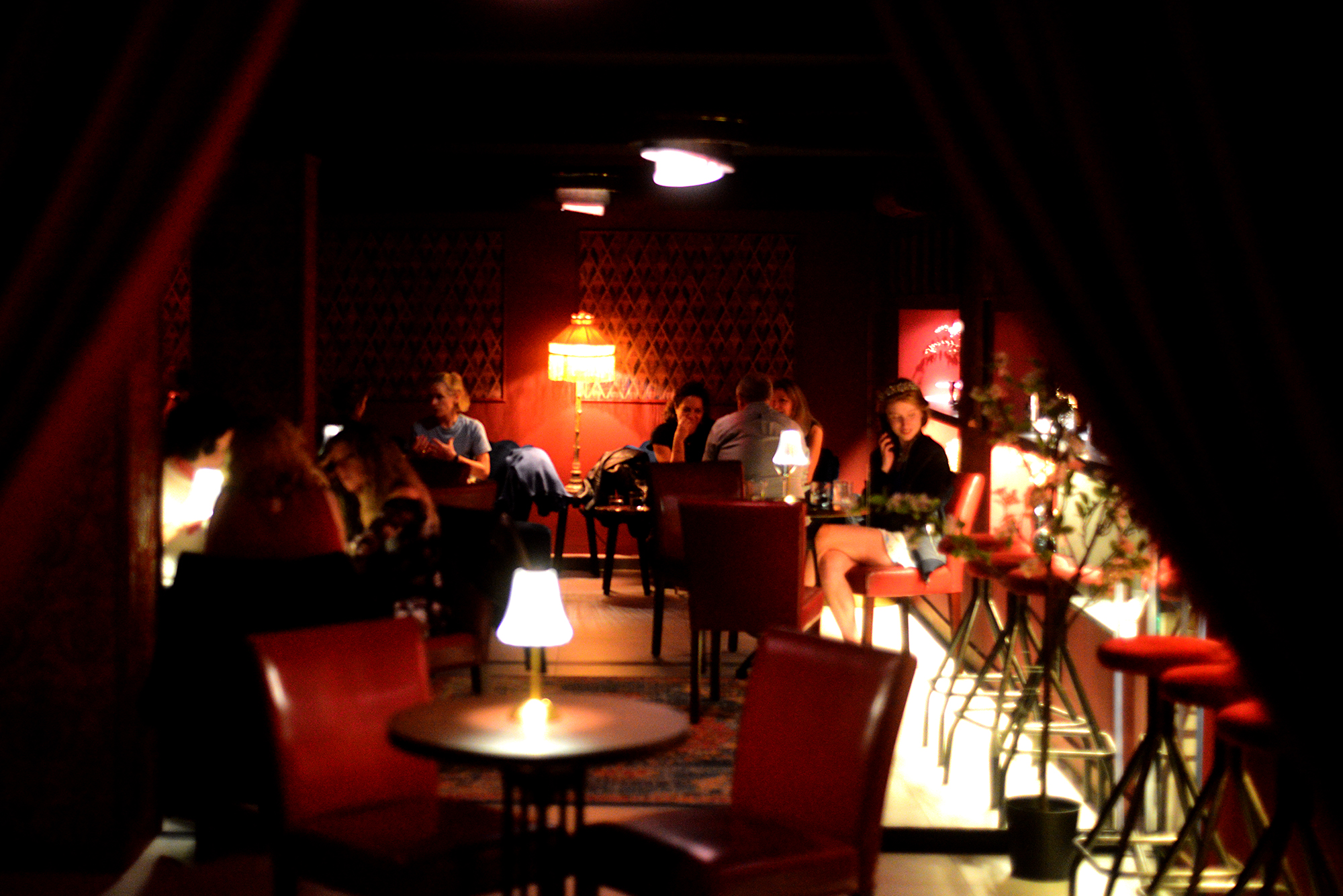
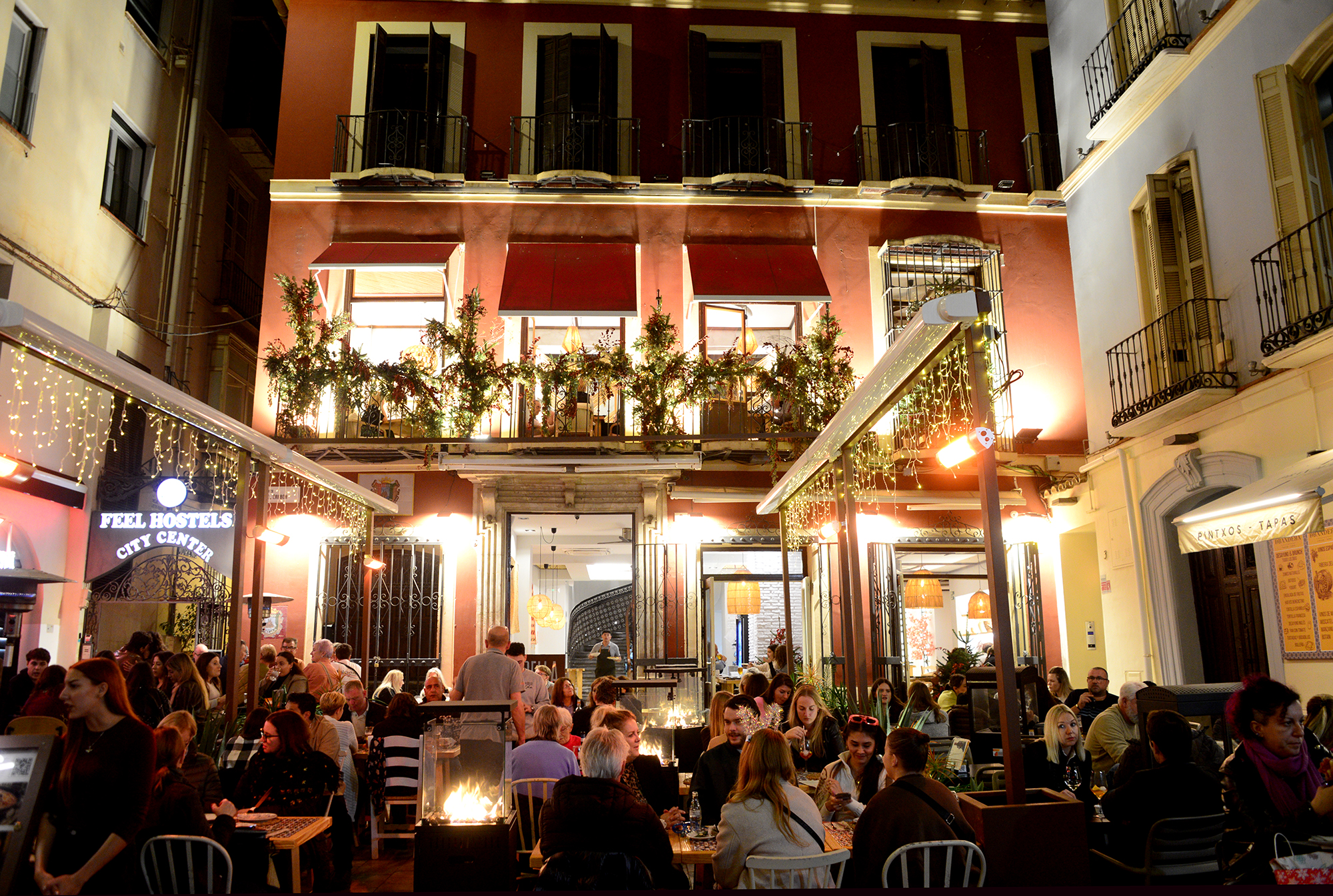
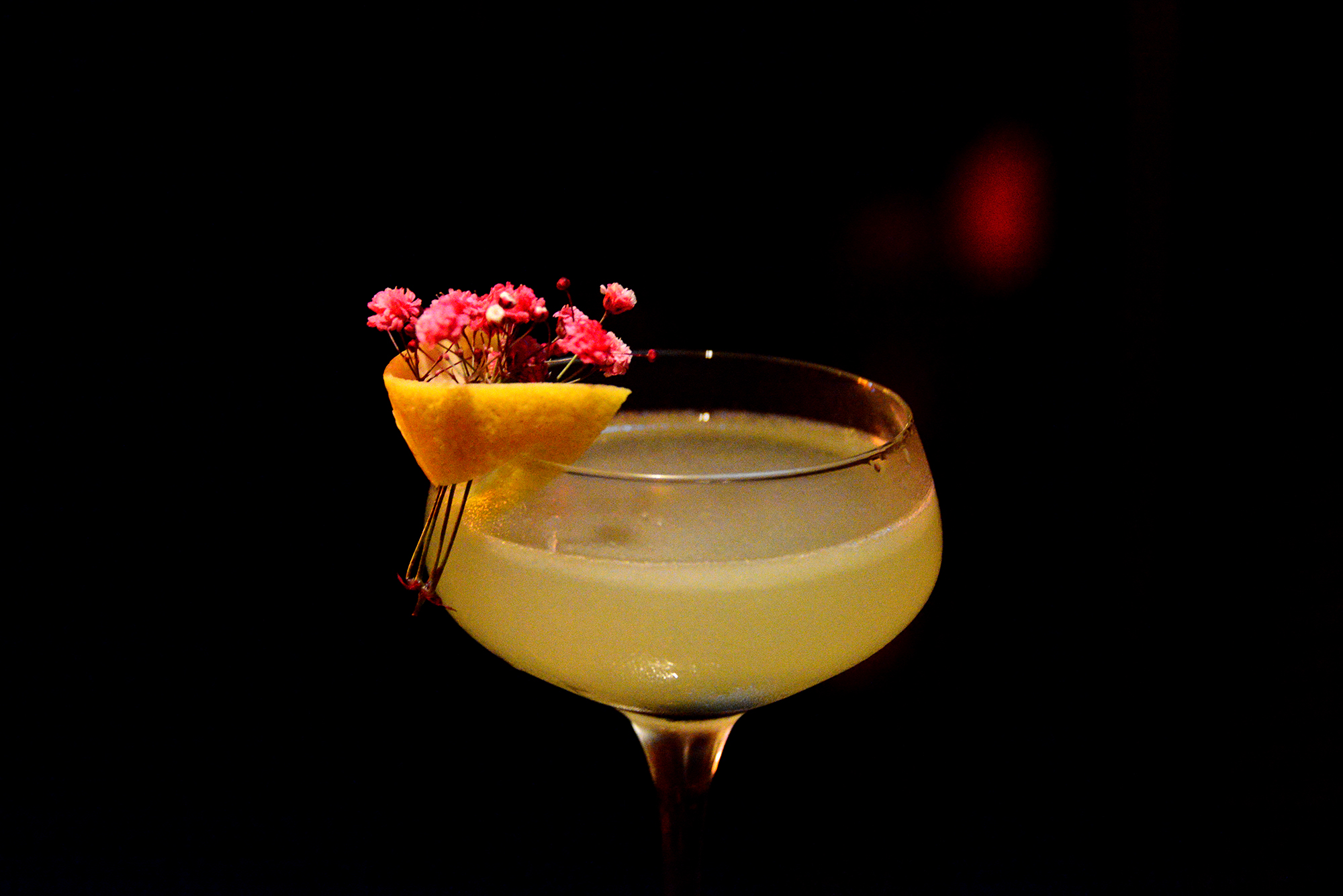
In terms of practicalities, good coffee is to be had in several places, our favourite being Next Level Specialty Coffee, with two locations close by in the city centre. For food, as already mentioned, we were partial to Argentinian steakhouses, namely Pampa Grill, La Guernica and La Cabrera. Meson Iberico is one of those famous establishments where drinks come accompanied by complimentary tapas, and is absolutely packed and bustling at lunch and dinner times (and closed in between). We also had great tapas in Pez Wanda, and a lovely jamon serrano bocadillo which saved us from the evils ofa hangover, in Casa Debandera. For cocktails, we recommend The Pharmacy– besides a great selection of signature cocktails and a lovely scent of palo santo, they also come equipped with a fantastically skilled bartender, who in between concocting delicious beverages, also mastered the art of politely but firmly removing British stag doers from the premises. Another great spot for cocktails is Renard– at the time of writing, their list of signatures includes a collection based on star signs, and I am proud to confirm that the Taurus is fantastic. While Spain remains more of a wine country, the craft beer scene has considerably improved as of late, and we could indulge in some fine domestic IPAs at Central Beers– where I also learned, the hard way, that in most Spanish establishments the women’s toilet doubles as the disabled facility.
You might notice that we criminally left out two staples- the local sweet fortified wine, and the Picasso museum. The excuse for the first is that we are simply much more into dry wine and vermouth, and for the second, officially, it’s that I find that Picasso’s art is less informed by the place of his birth, than by the places where he lived from his teenage years onwards. Actually, I am not really either an expert or a big fan of Picasso and I feel disinclined to visit museums in a new place I am only getting to know. However, I am delighted to inform you that Picasso’s full name was Pablo Diego José Francisco de Paula Juan Nepomuceno María de los Remedios Cipriano de la Santísima Trinidad Ruiz y Picasso. And on this bombshell, it’s time to end.







 Pocket Diary Budapest
One Comment Add yours