The flight from Budapest to Bucharest is a brief one-hour affair- hardly has the plane reached cruising altitude that it starts to descend towards the south Romanian plain. Yet, for years, a direct connection failed to take root. More precisely, Tarom, the Romanian national carrier, did have a daily connection, but prices for flights flown by coffee grinder style turboprop planes were prohibitive. Option B was the train. So, there was no option B. One reaches a certain age, frankly anything beyond eighteen coupled with the thrill of a summer holiday with your mates at the Black Sea, when crossing the whole dusty, disheveled length of the Romanian rail system is akin to a descent to Hades.
But earlier this year, WizzAir reintroduced the Budapest-Bucharest connection. The outbound flight in either direction is a bit inconvenient, arriving late at the destination, and warranting an extra night at your accommodation. But that is nothing compared to the prospect of six inebriated men from Oltenia playing cards all night in the compartment you share, while munching on sandwiches generously enriched with onion. I am not making this up. I lived through it and will carry its aftershocks to the grave.
As we prepared to land, I was racked by a slight feeling of guilt: this is my homeland’s capital, and yet I know less about its practicalities than, say, those of Athens. Landing in Athens is followed by a familiar sequence of events I can repeat on autopilot. Bucharest felt unknown, and inspired a certain angst, especially as the first thing we had to do was get to the city centre in the late evening. My formative years were steeped in horror tales about how people I knew and people whom people I knew knew, were cheated by the subtype of vulture known as the Bucharest cabbie. But globalisation came to save us: I ordered an Uber and a very nice young man in a clean and comfortable car whisked us to our apartment, for the exact price calculated by the application. And the ancient brain circuitry activated itself. While I may not have known Bucharest very well, I knew a lot ABOUT Bucharest. I recognised the boulevards and squares I saw in news reports, the buildings on the pages of textbooks, the names of streets from novels, bars and clubs from the anecdotes of my friends, art venues and posh cafés from Instagram posts.
My Bucharest, therefore, lives a little out of time. The tales of dissolute gentlemen drifting in an equally Levantine and Proustian dreamstate at the turn of the 20th century happen alongside the midnight bustle of the Dristor kebap shop, where the spices approximate those of Istanbul as well as anything outside the current border of Turkey could, and then a horde of Irish accented vampires walks in. Not the ghosts of Bram Stoker and company, just a stag do. Travelling in late October, we discovered a Bucharest merrily basking in a dubious Halloween capital of the world vibe. Those Germans accusing Vlad the Impaler of drinking blood might have meant him harm, but look at us now, half a millennium later, turning his infamy into hard cash.




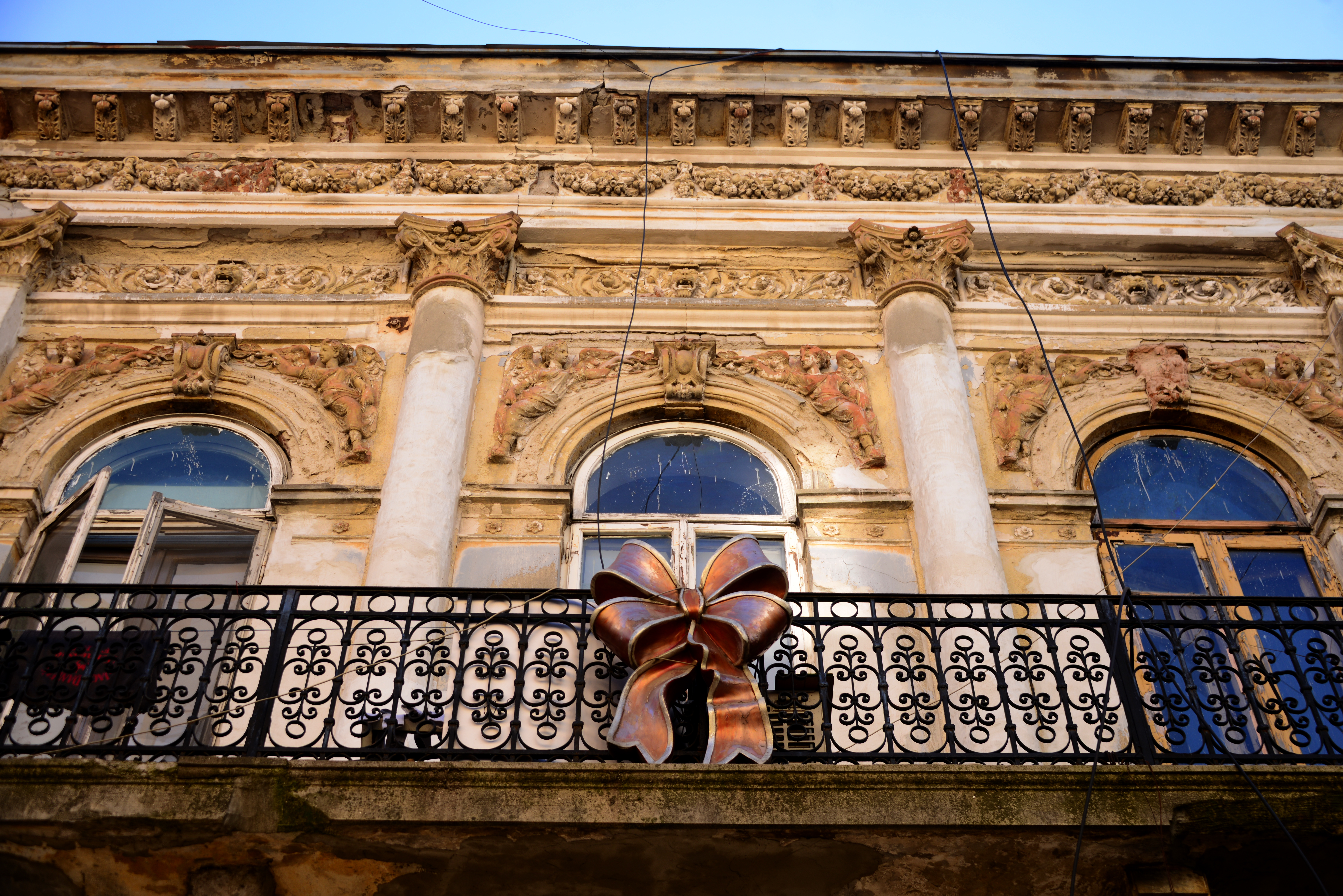




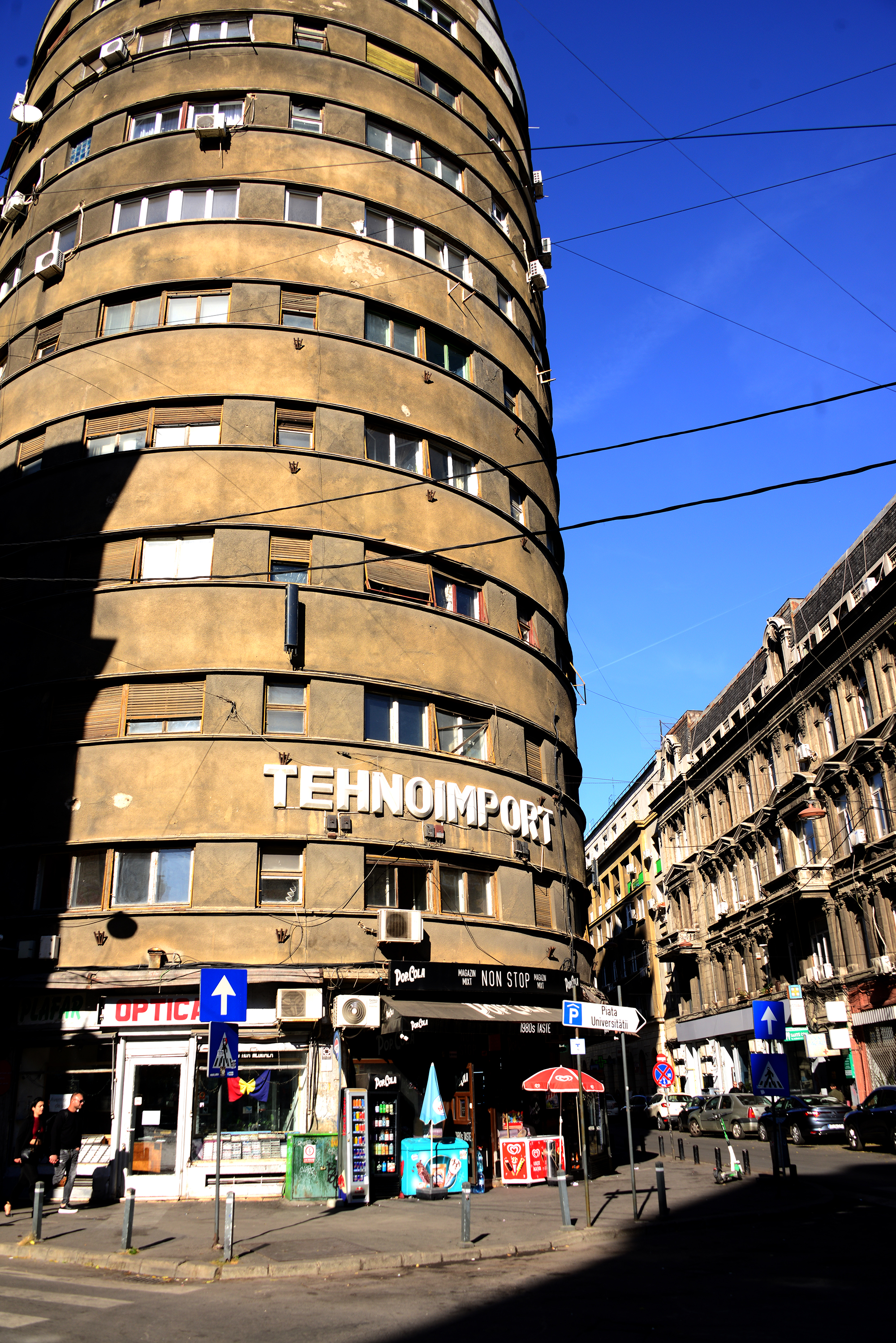
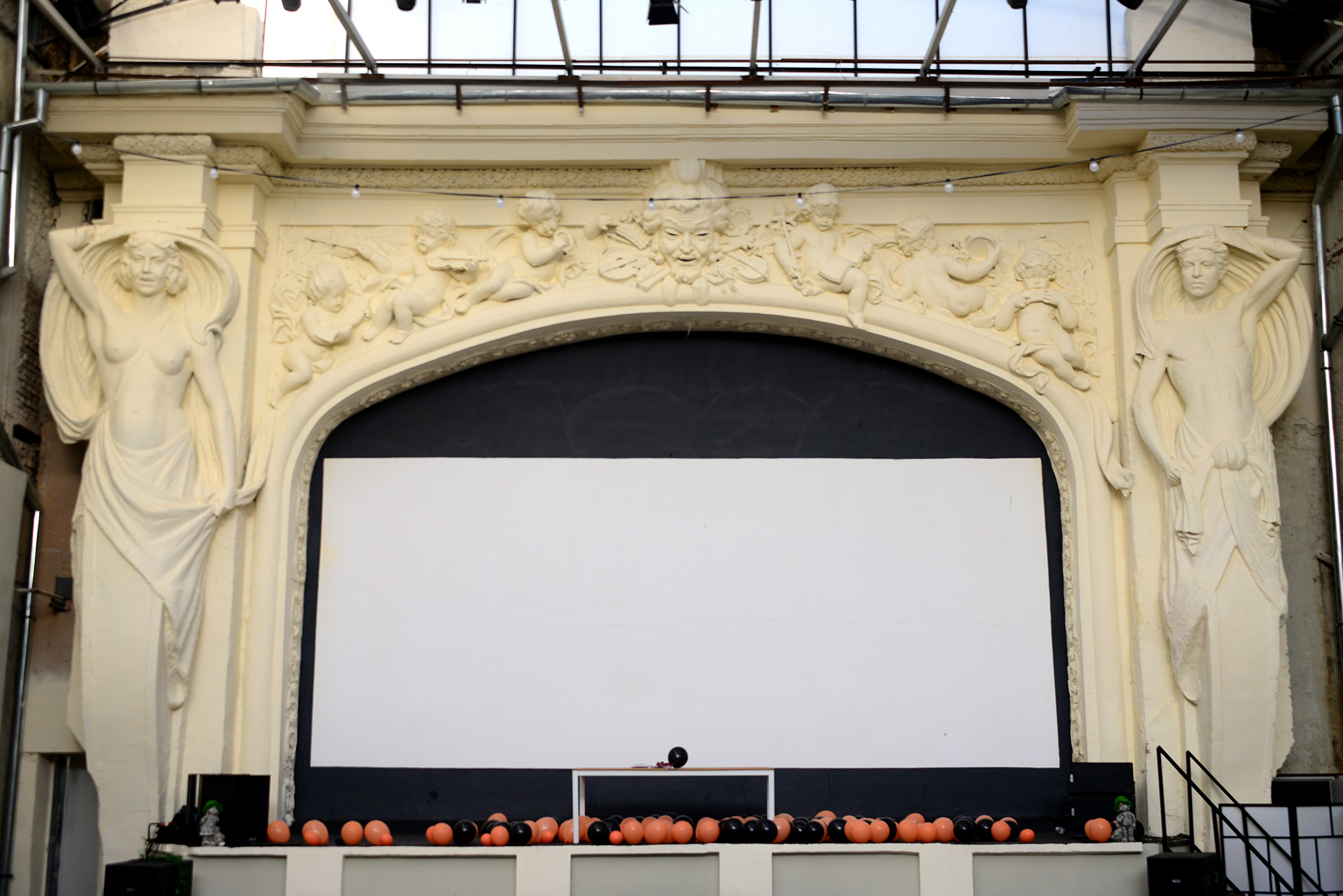
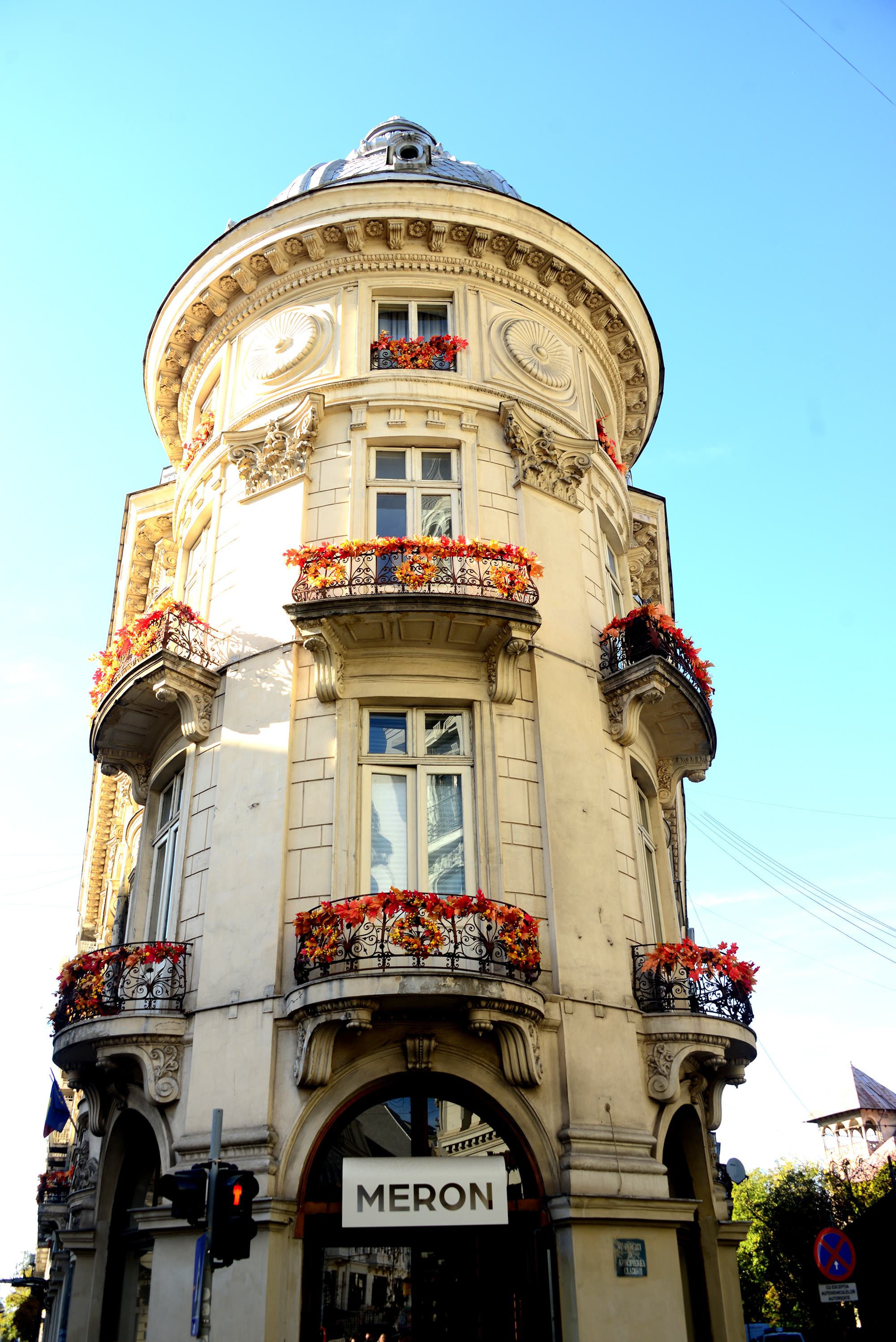
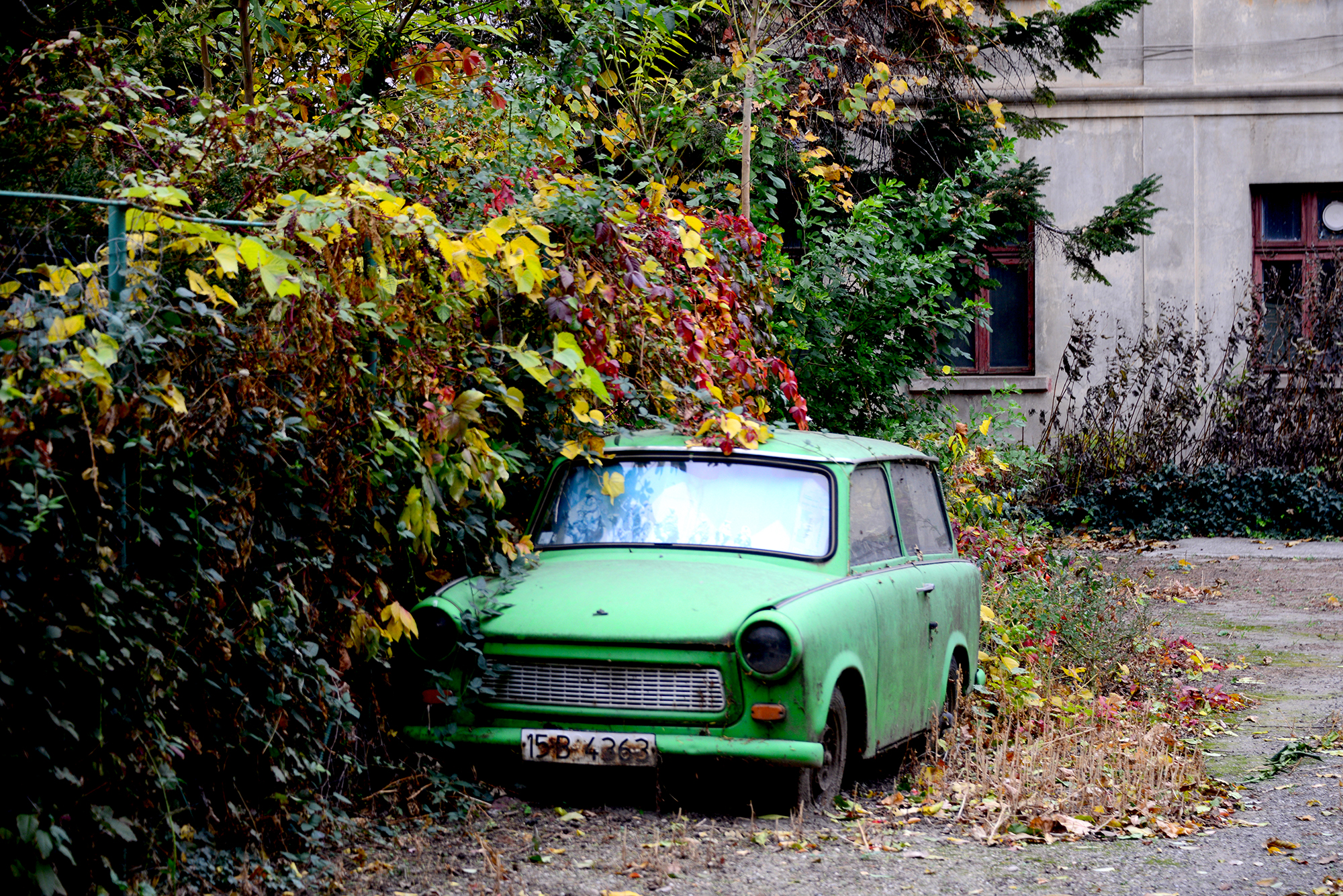
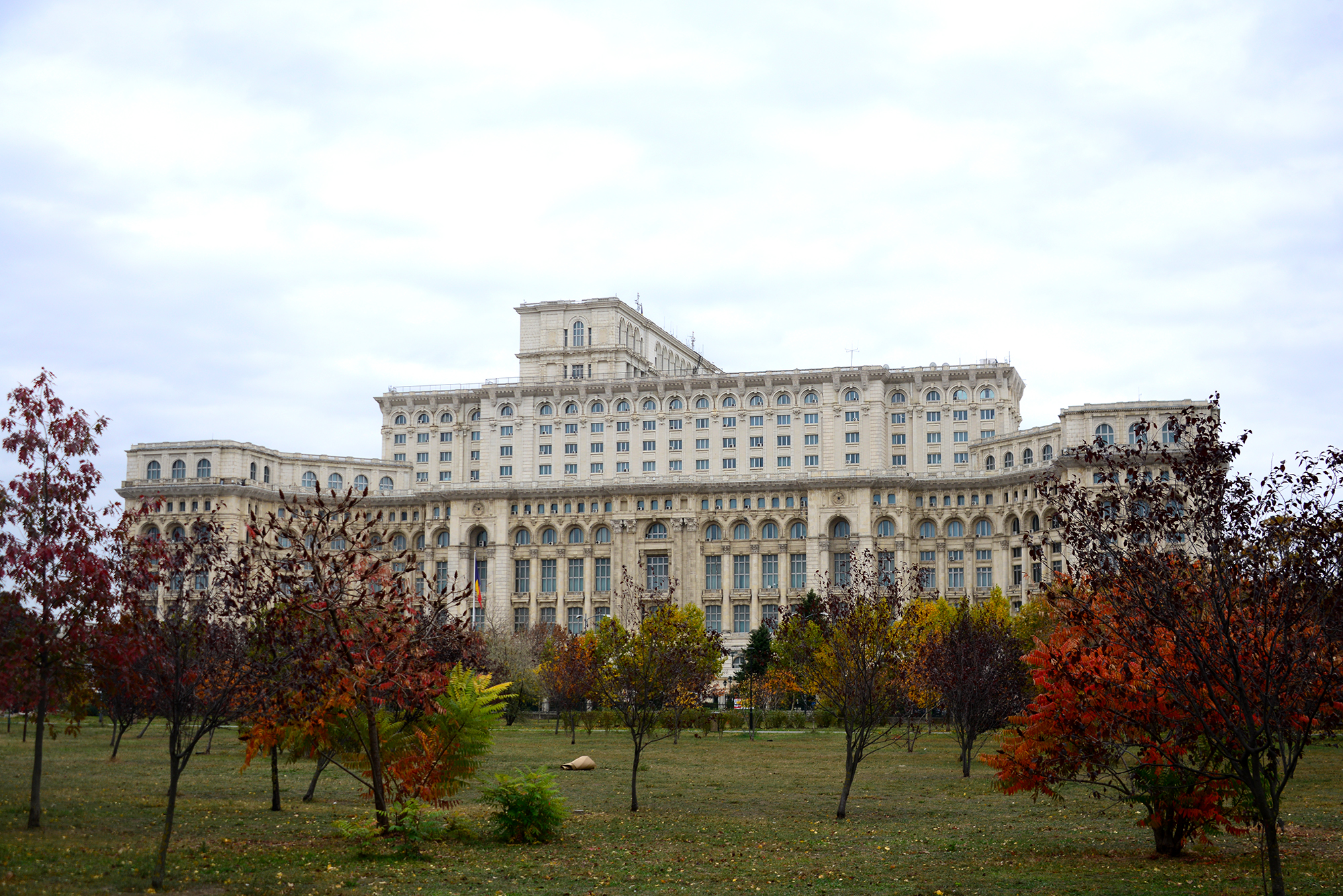
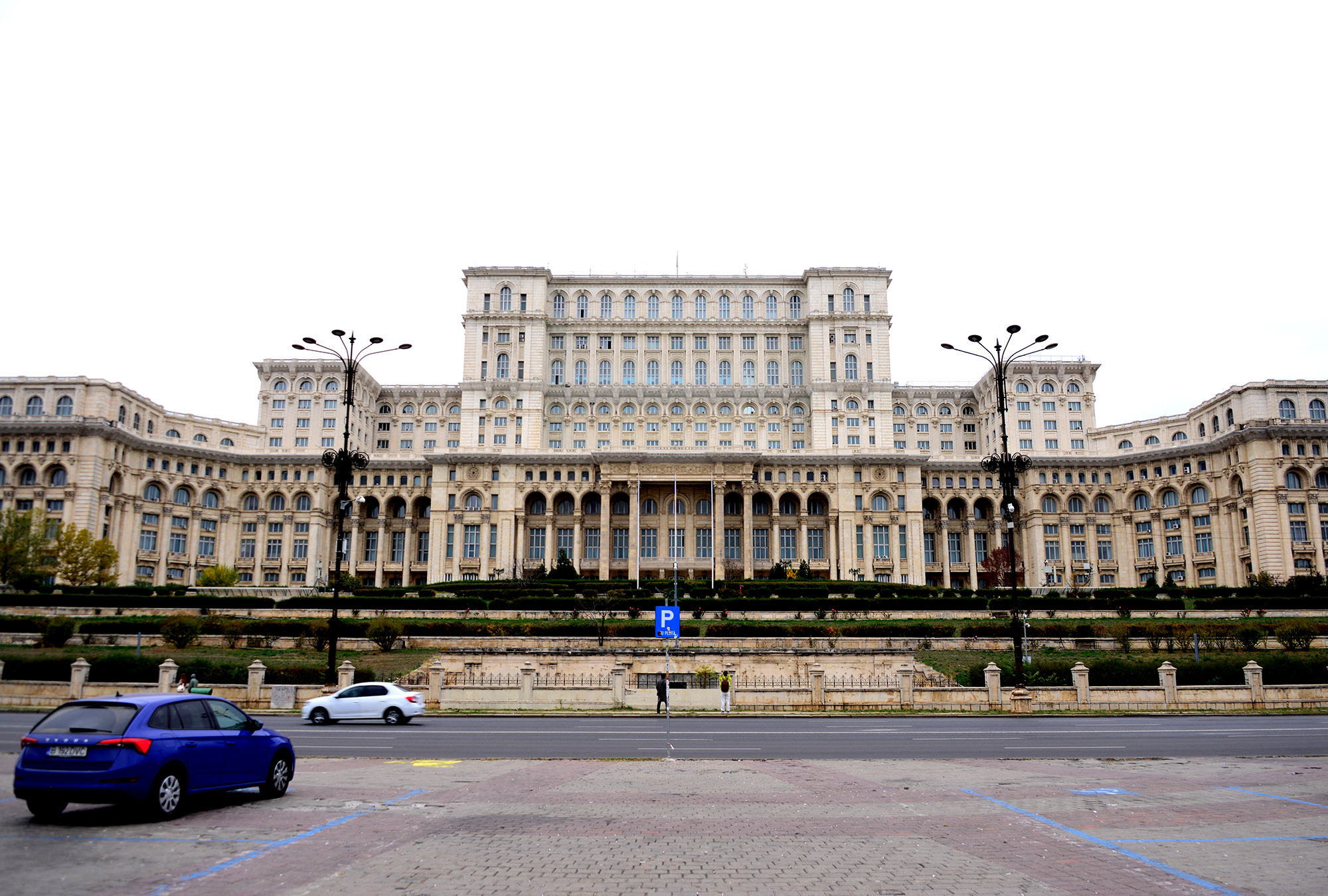
What is left of the old town soon dissolves into the somewhat ominous breeziness of grand boulevards. More Moscow, than Paris though. Or perhaps Astana or Naypyitaw. Dictator’s fever dreams crossing over into post-apocalyptic film backdrops. But let me tell you something: I thought that the Palace of Parliament would be bigger. I had seen it before, as a child, and that must have warped my perspective. And the People’s Salvation Cathedral was not as ugly as everyone had told me it would be- some Orthodox churches just tend to be hulky and a little grim. Together, they work almost as a piece of performance art, monuments to how delusions of grandeur morph through the ages, crossing the boundaries of time and ideology. Many of the older streets meander in fully unexpected ways, disappearing and then reemerging after a sudden turn, like rivulets running through a karstic landscape. Compared to the geometric, chess board discipline of inner city Budapest, this is a disorientating experience. No surprise then when the street which suddenly emerges is Mântuleasa, part of Mircea Eliade’s Bucharest dreamworld, in which characters get lost in a realm hovering between this dimension, and another. In a way slightly reminiscent of Berlin, Bucharest seems like an experiment of what a city can be, if you add just a little drop of the insane.
I walk at the crack of autumn dawn towards a hip café and I feel like an idiot when I think to myself how colourful everyone’s clothes are. From somewhere deep down in my mind vault, a memory of a pre-Revolution boulevard sprung out, all tinted in sepia. I wonder if my kindergarten bag was as brown as I remember it- with a little animal figure on it, a sandwich and a bottle of water inside, as the plumbing of public institutions was not to be trusted. In another café, a young man talks about quitting. He makes splendid coffee while explaining how he hates the job and people in general. We are the nation that gave the world Emil Cioran, after all, the grand philosopher of existential dread. As a child, I made my dolls a little library, slips of paper bent in two with titles on them. I am happy to report that Barbie’s favourite read was On the Heights of Despair. The barista of doom remains unflinching as an acquaintance drops in, with that boisterous familiarity that spreads from the tips of the Balkan to the Mediterranean Sea. She delivers the tale of how her Revolut app locked her out the previous evening, as the face recognition AI was bamboozled by her Halloween make up. Everyone in the café chuckles.
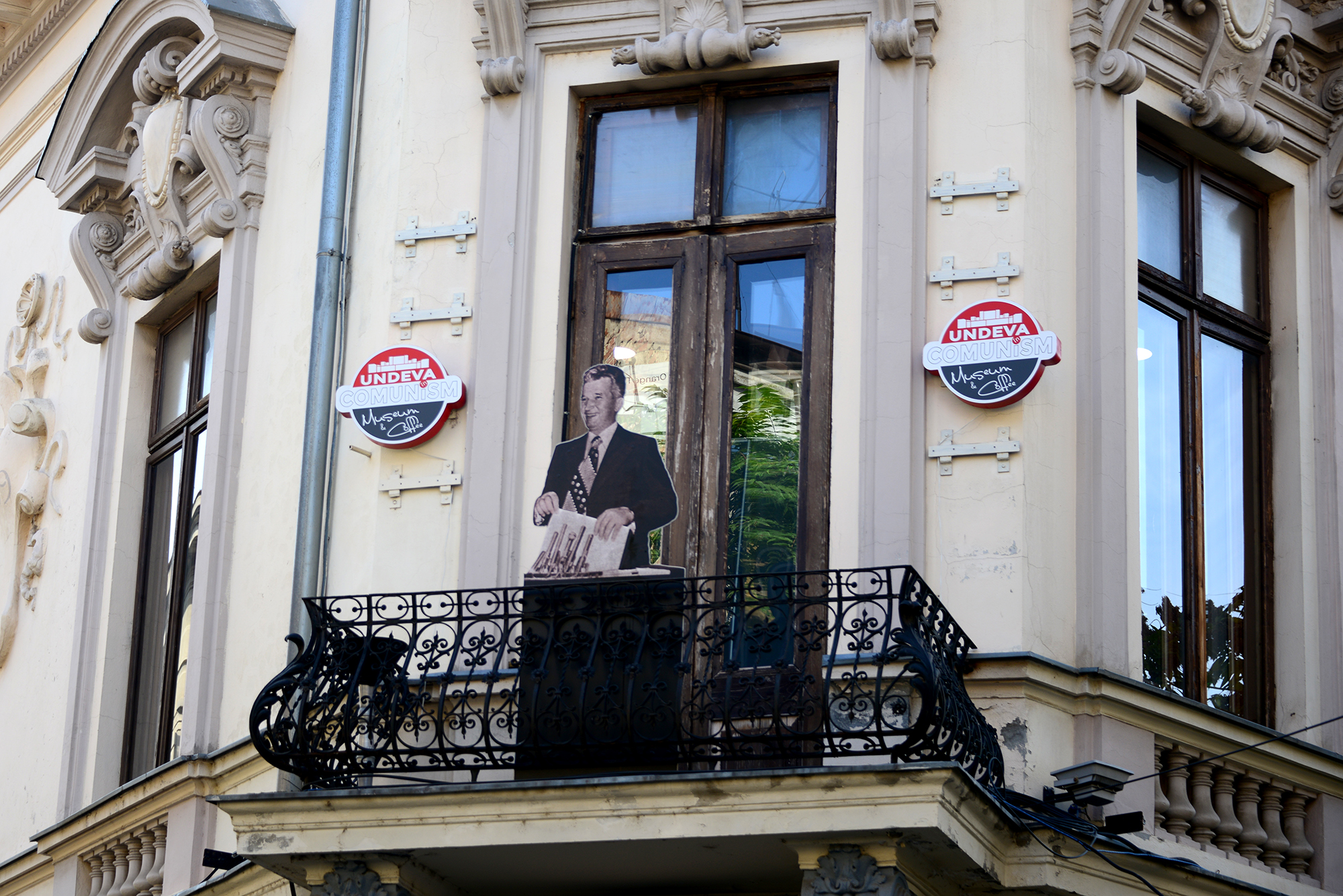
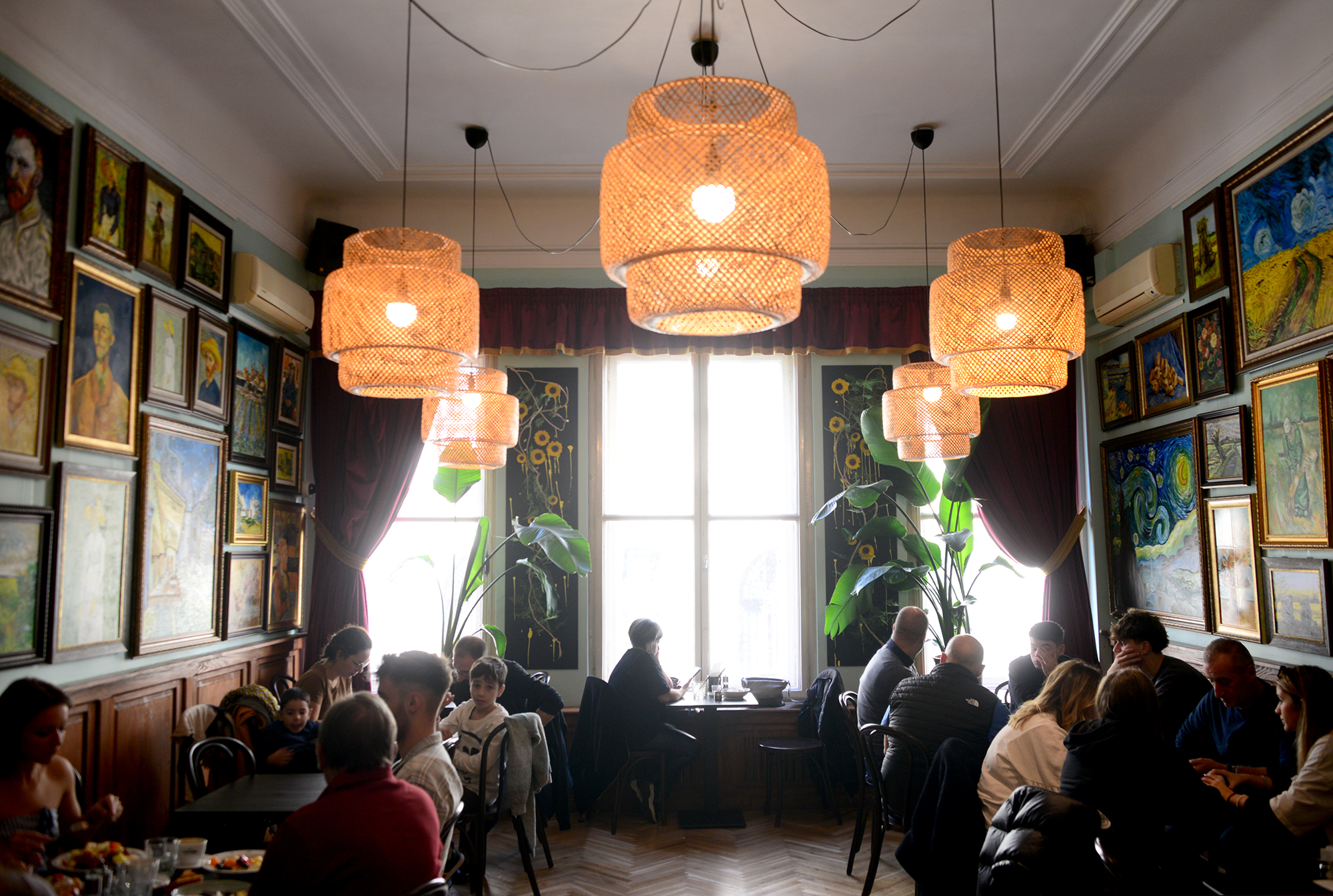
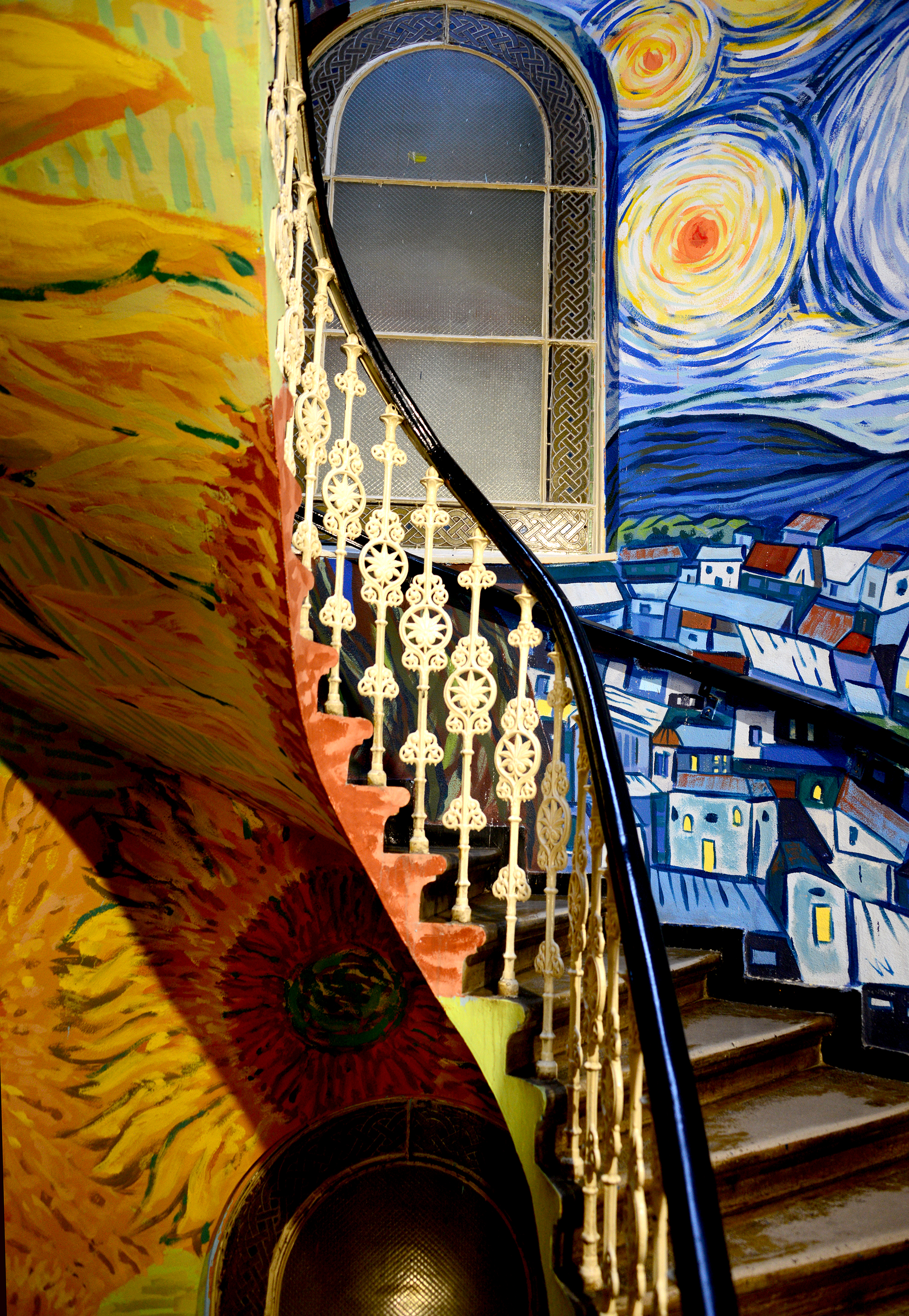
Safely steeped in a sense of the familiar by now, I do occasionally, willingly jump into tourist traps, for the thrill of it. There is a Van Gogh themed café, in an old bank building. Why Van Gogh in Bucharest, I muse, but guests are nonplussed and happy to pose under the starry sky snaking above the staircase. I remember Hanul lui Manuc from long ago when we travelled to Bucharest with my father. It has sprawled into a labyrinthine world of courtyards, terraces and half hidden rooms, with waiters rushing by carrying giant trays of meats and beers. You can call it overtourism, or a modern nod to the bustling world of caravansaries. People passing by need to be catered to, now as much as then. Old banks seem to move the imagination of local entrepreneurs, and the building which served as the headquarters of the one of Romania’s first banks, the Marmorosch, is now an exclusive hotel gobbled up by the Marriott chain. Visiting its cocktail bar, a spectacular affair housed by the former vault of the bank, we encountered that opportunistic shiftiness that occasionally invades the Romanian soul. Noticing that we were a large group, with English speakers included, the waitress added random drinks to our tab, then insisted we pay together, so we don’t notice the trickery. Realising we were neither as tipsy or as clueless as she had hoped, she relented, citing an honest mistake.
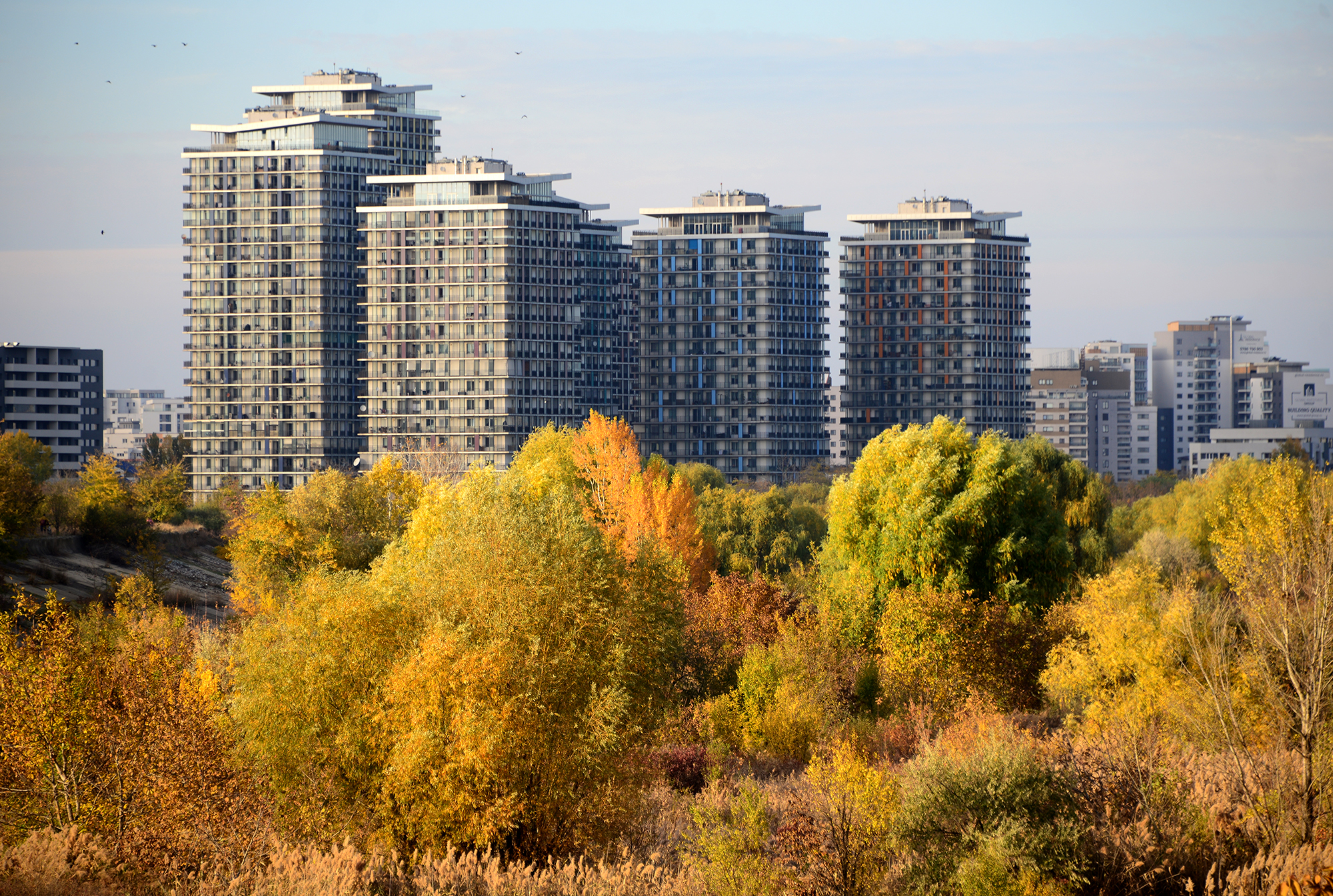
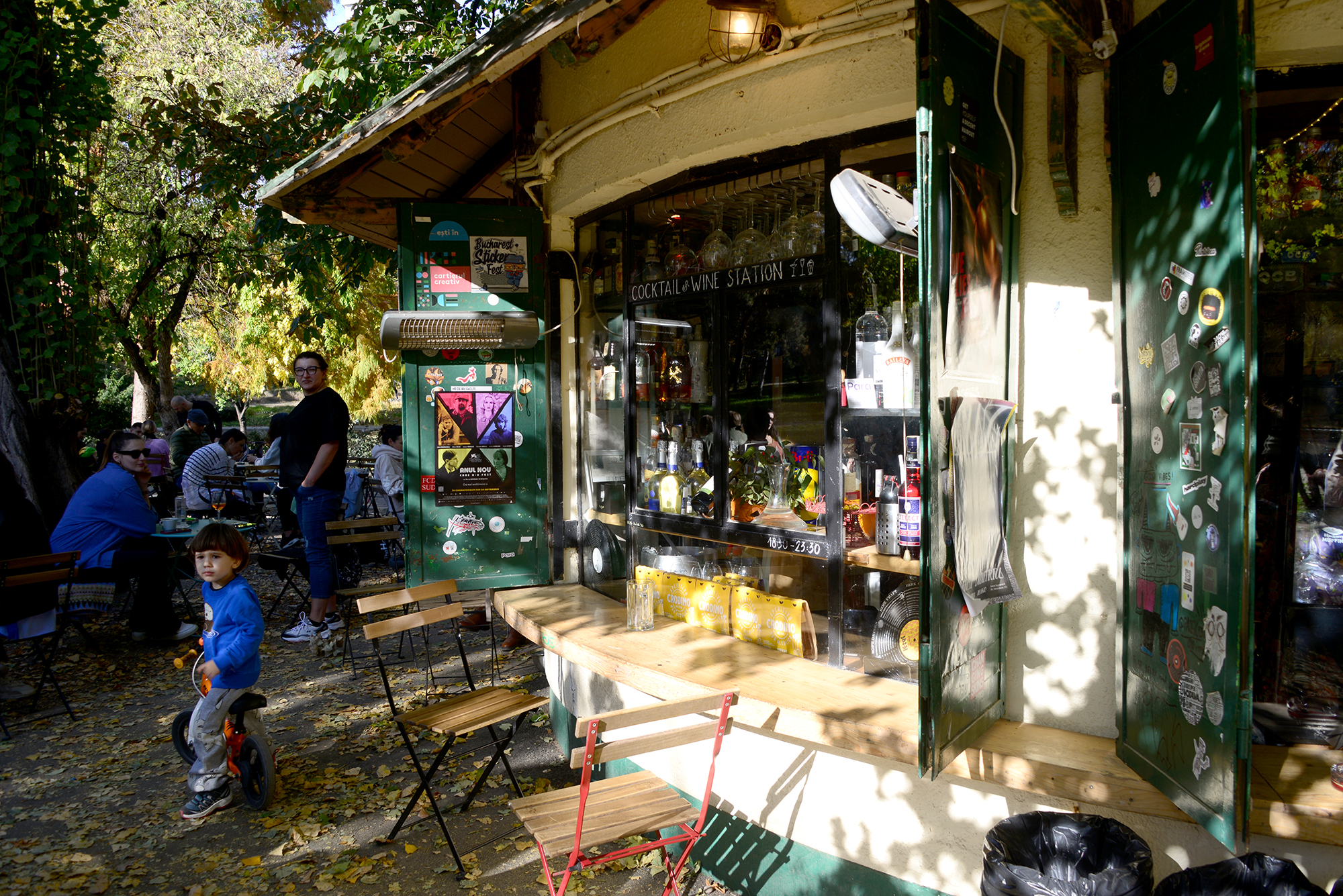
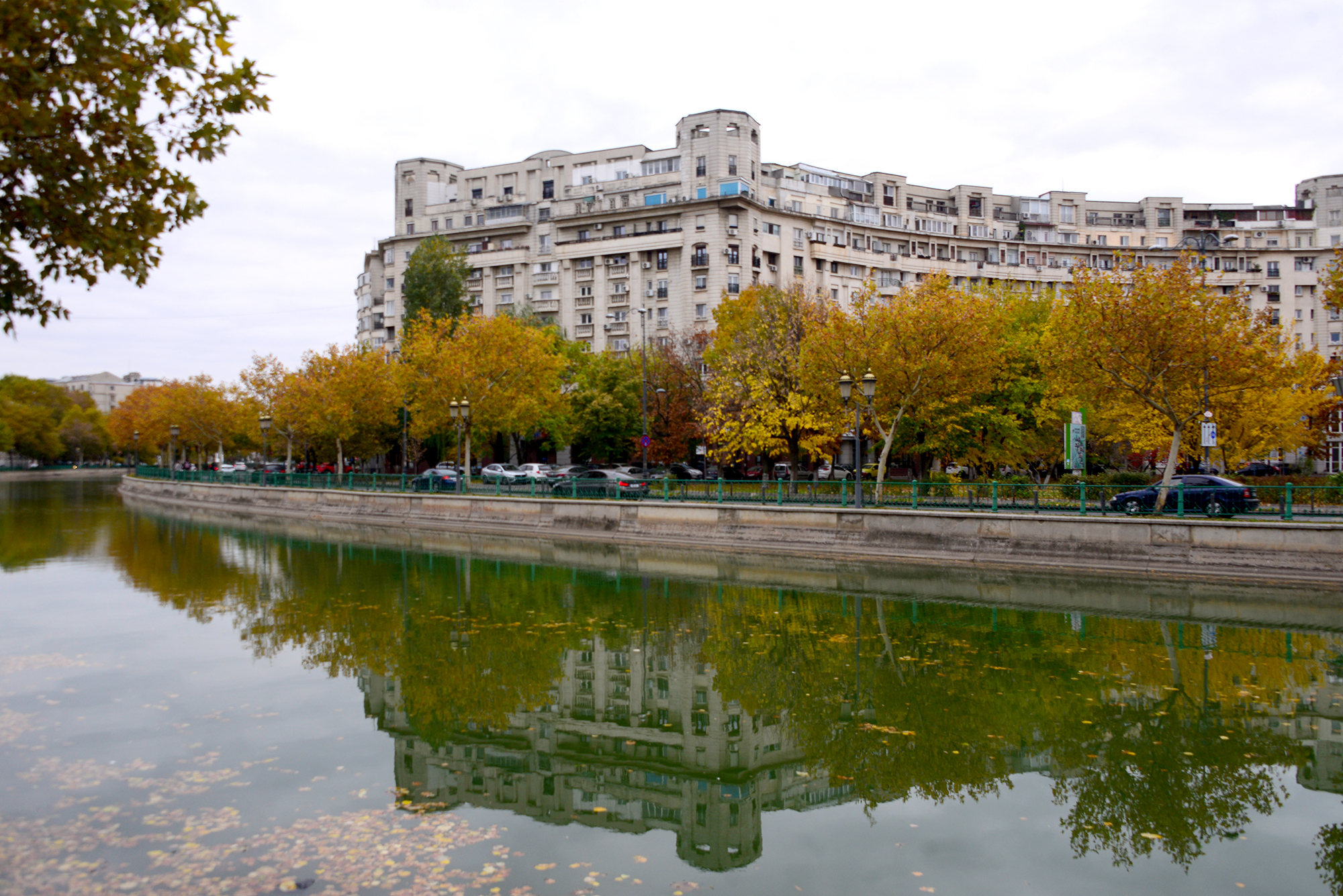




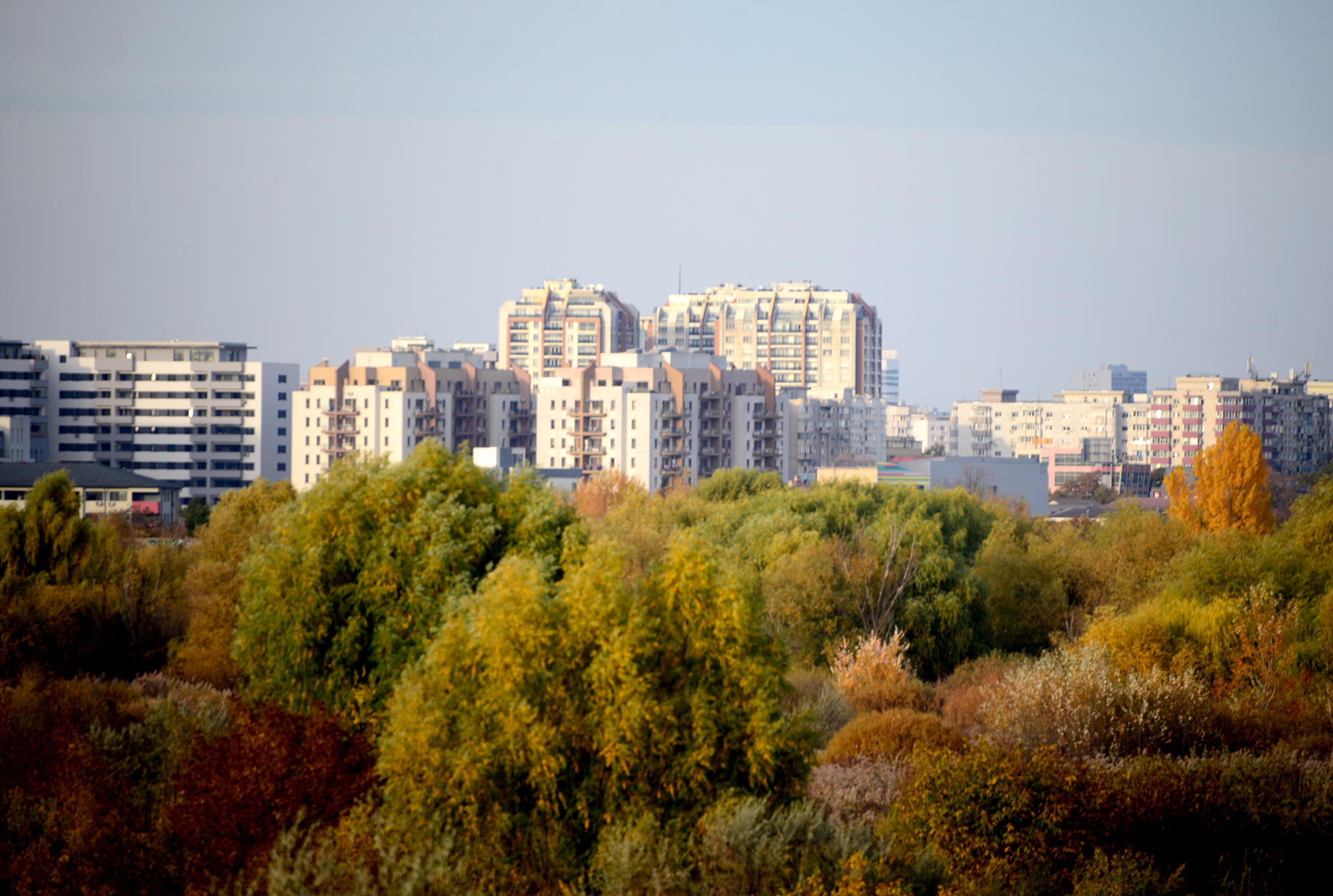


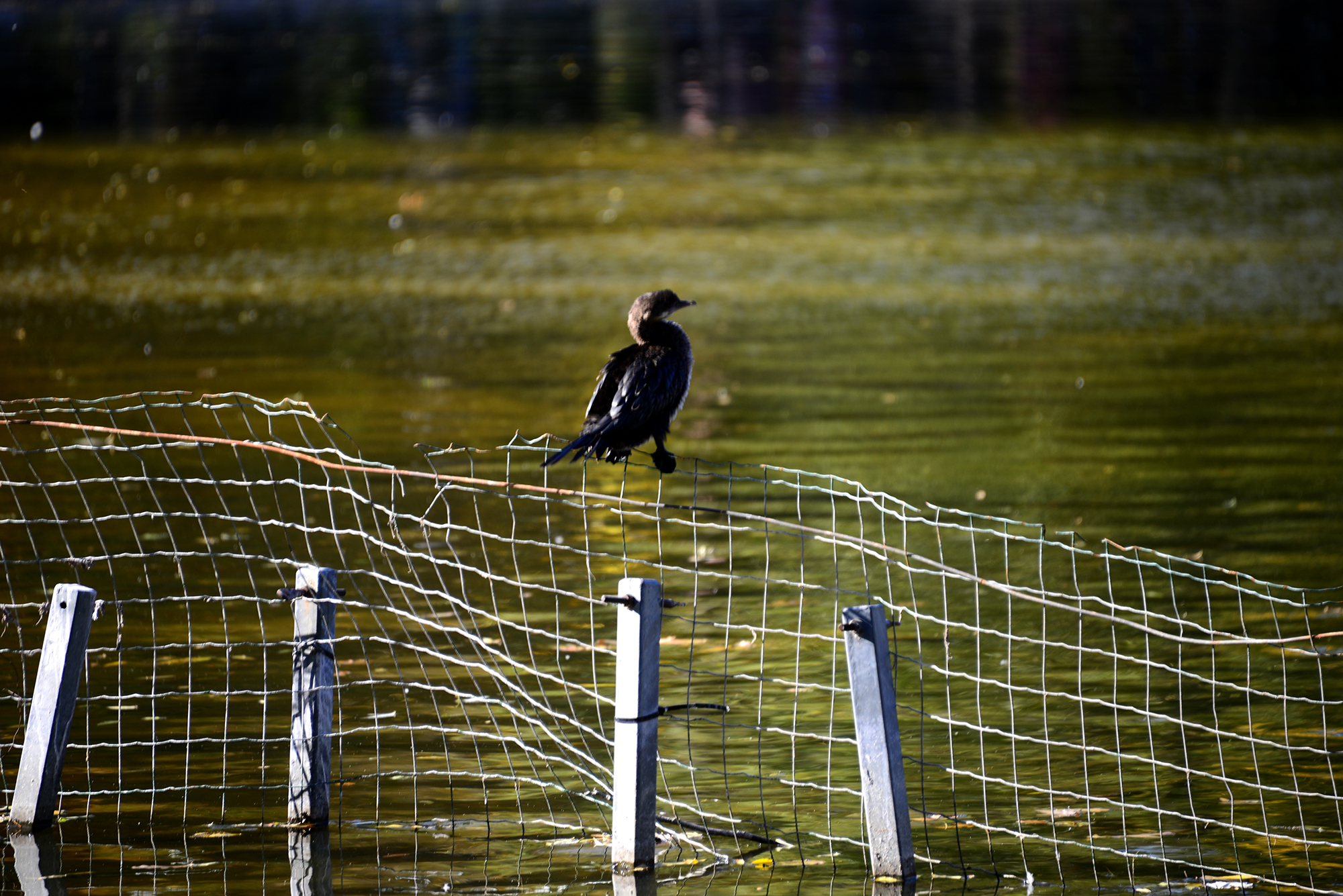
While this was a one off, it did remind me of the bitter remark I’ll hear every so often: Romania is a wonderful country, too bad it is inhabited. If nothing else, we can at least hold on to our self-deprecating humour. Or leave humanity behind, and venture into the wild. The Văcărești Natural Reserve was meant to serve as a reservoir, part of an extensive project to alter the flow of the Dâmbovița. To accomplish this, the Communist regime partook in one of its favourite activities: razing whole neighbourhoods, churches and monasteries to the ground. In this case, the historical Văcărești monastery, which was considered one of the pinnacles of the eastern Baroque style known as brâncovenesc. The project was still ongoing in December 1989 and was never finalised. Currently, the area is maintained as a self-sustaining ecosystem by voluntary organisations. Of the wildlife to be encountered, we were most excited by the otters, who unfortunately proved elusive- insert here the image of brave millennial urban explorers googling ‘do otters hibernate’. No, they do not.
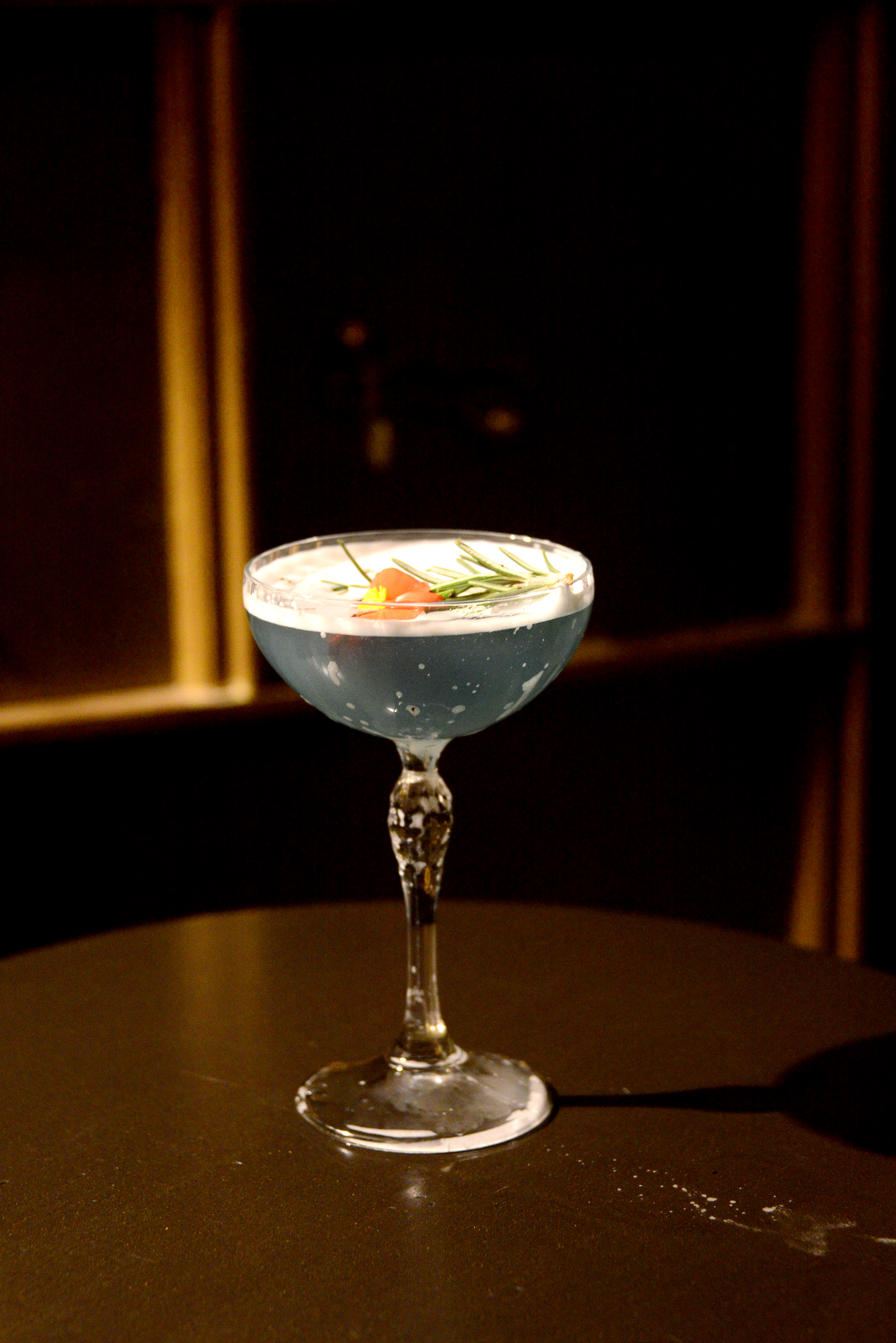
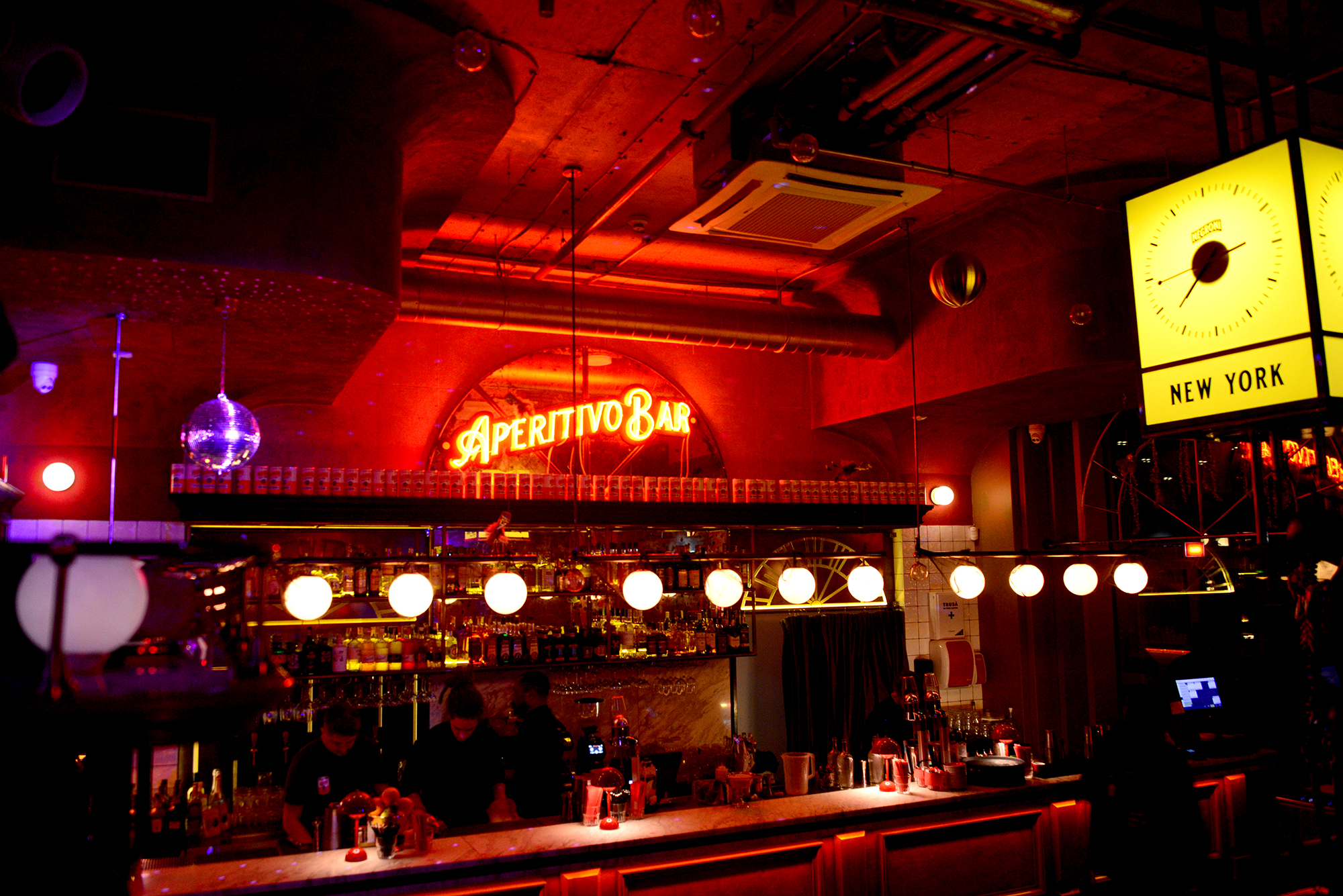
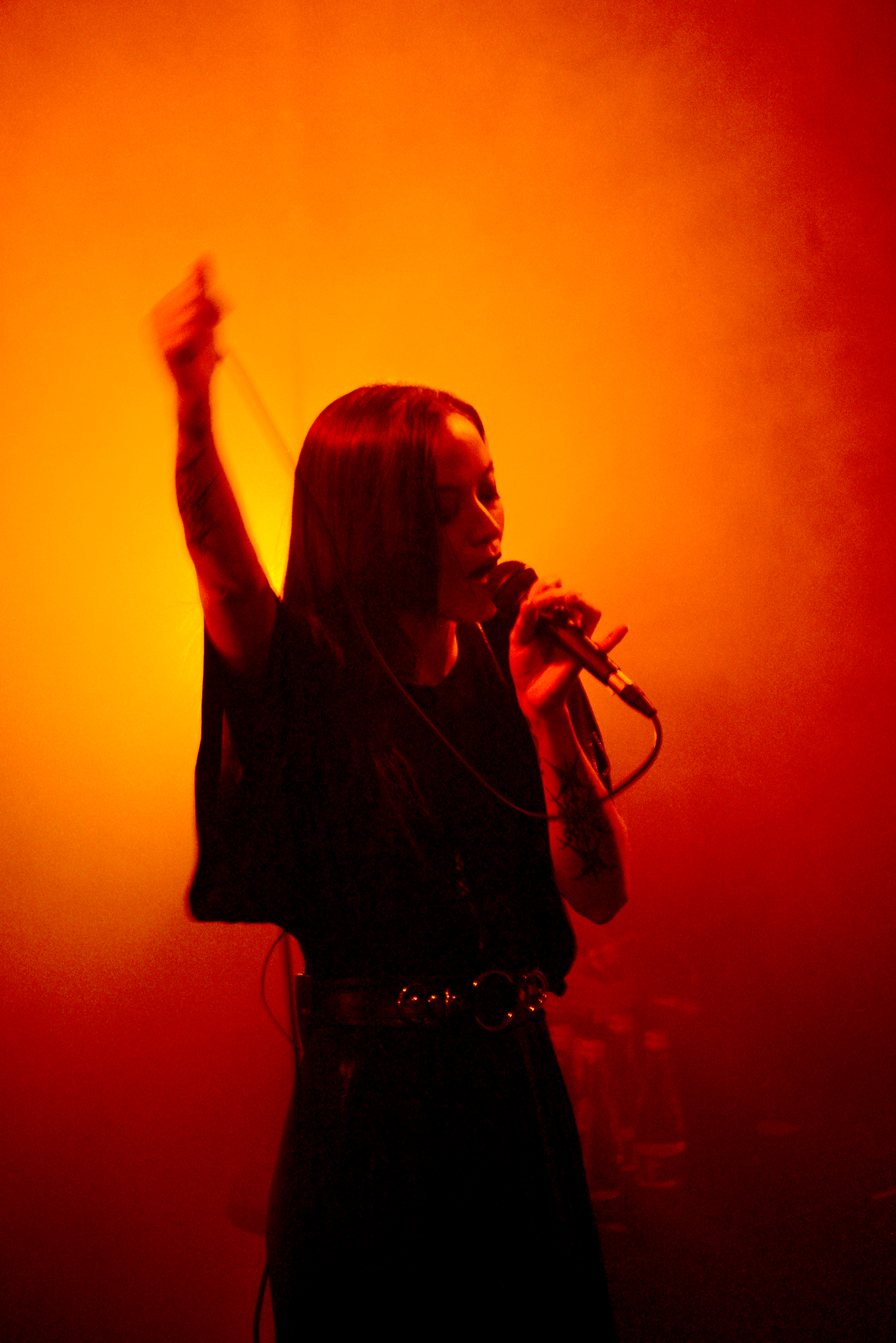
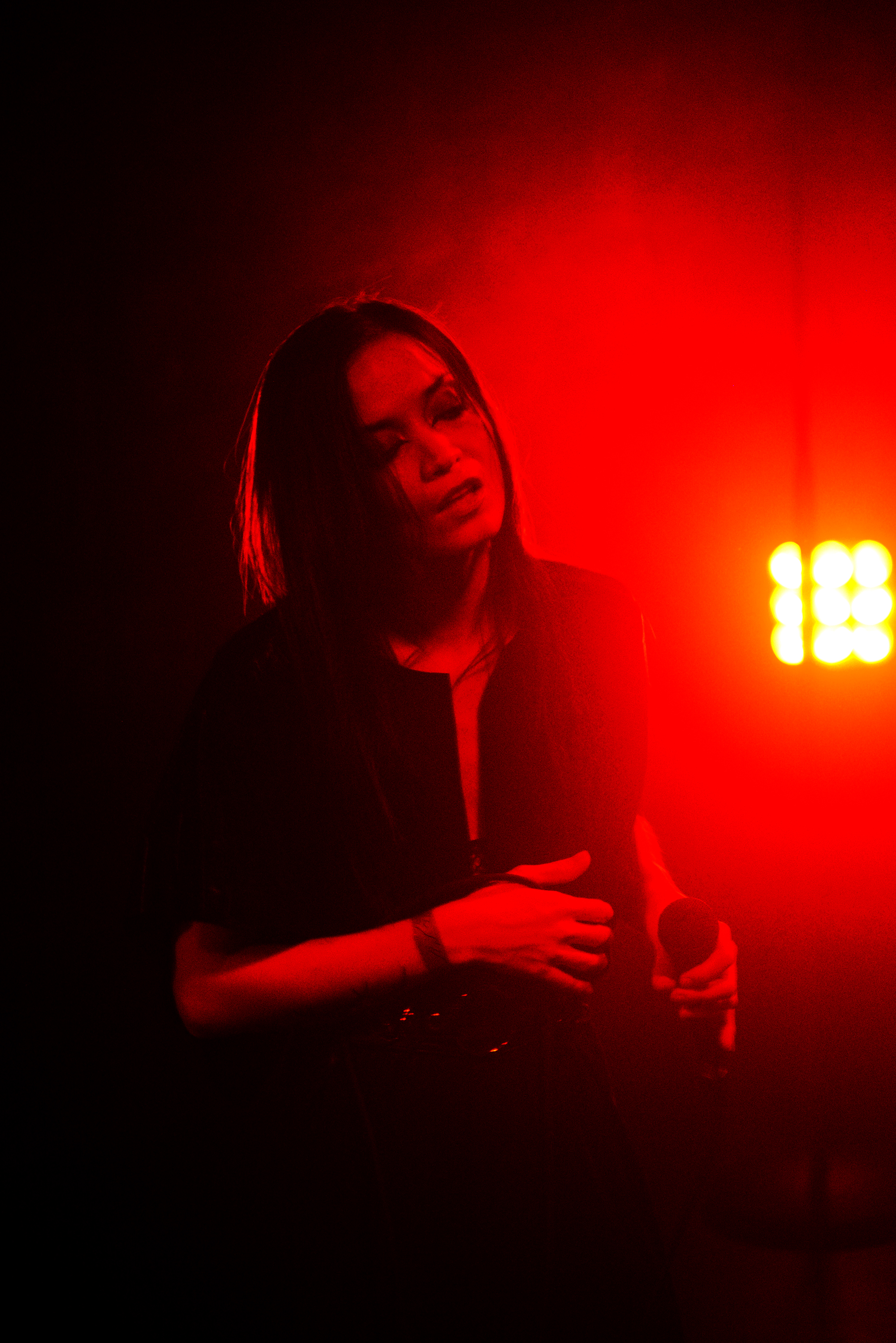
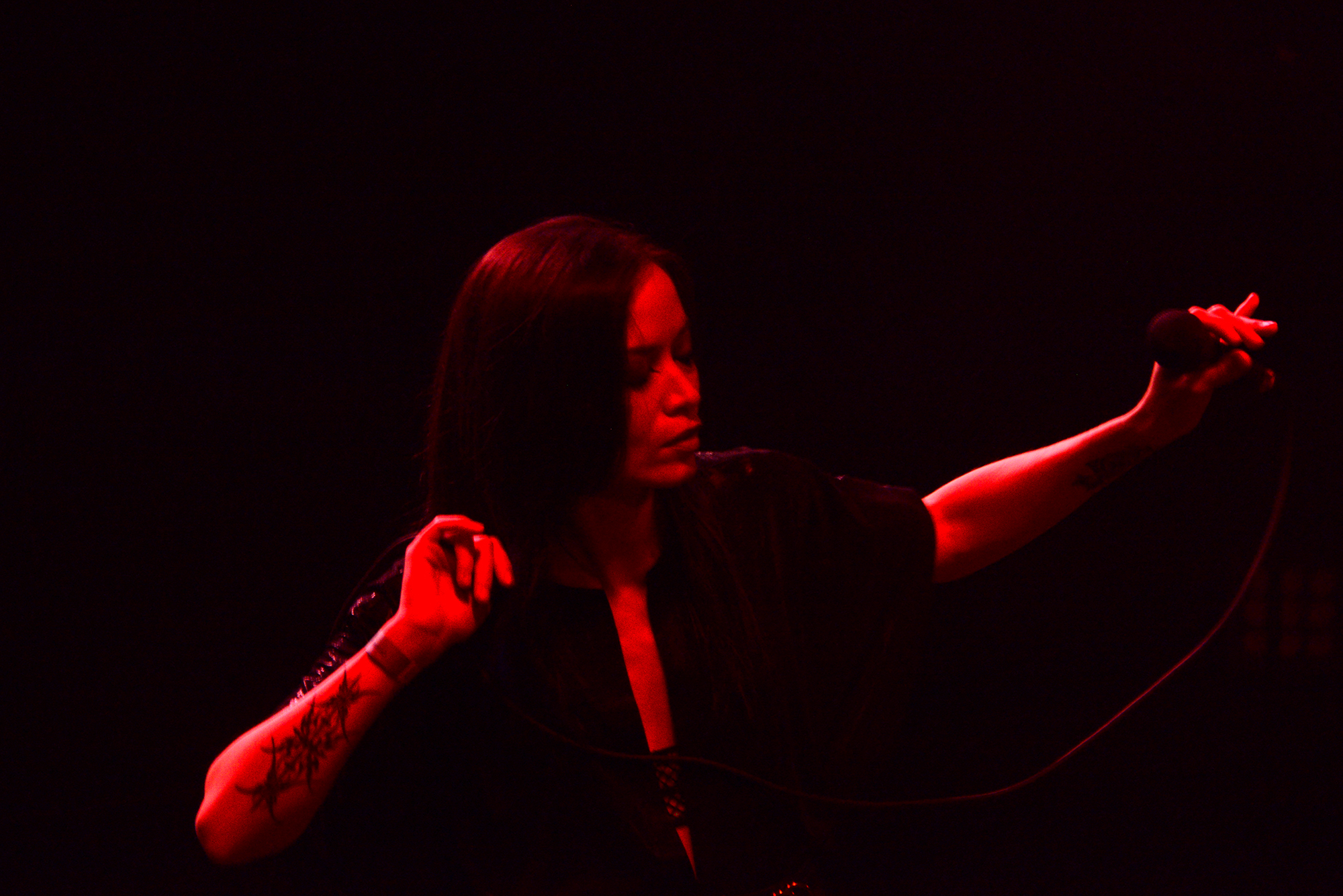
The brave millennial urban explorers would later return to their natural habitat, the club via the cocktail bar. By this point, having been to the Van Gogh café and a Peruvian watering hole, we no longer asked why something, such as a Negroni themed maze of a bar, existed in Bucharest. The city obviously contains multitudes. While I explored a local variation named Romanian Gimlet (it contains brandy and is quite delicious), the blog’s industrious co-photographer’s politeness defeated him twice, when his orders of ‘Negroni, please’ were heard by the waitress as ‘Negroni spritz’. So, we had a lot of Negronis, both right and wrong, though not the sbagliato, excuse the pun, and we were quite in the mood for the Linea Aspera concert in Control. Control proved to be a great iteration of the indie club which exists in many European cities, and which draws approximately the same crowd each time around, and the occasional tourist who will nevertheless feel instantly at home. Even more familiar was the sudden decision to bail after the concert, buy drinks from a corner shop, and share them in someone’s flat while discussing highly important matters no one will remember the next day. The corner shop was predictably populated by people in their late teens and early twenties- we knew we were dinosaurs not because we felt tired or achy, but because we bought the expensive tequila. The surest sign that you’re veering into middle age is that you can tell good tequila and have the finances to afford it. We then proceeded to get stuck in a lift, just to prove that we can be immature irrespective of age.






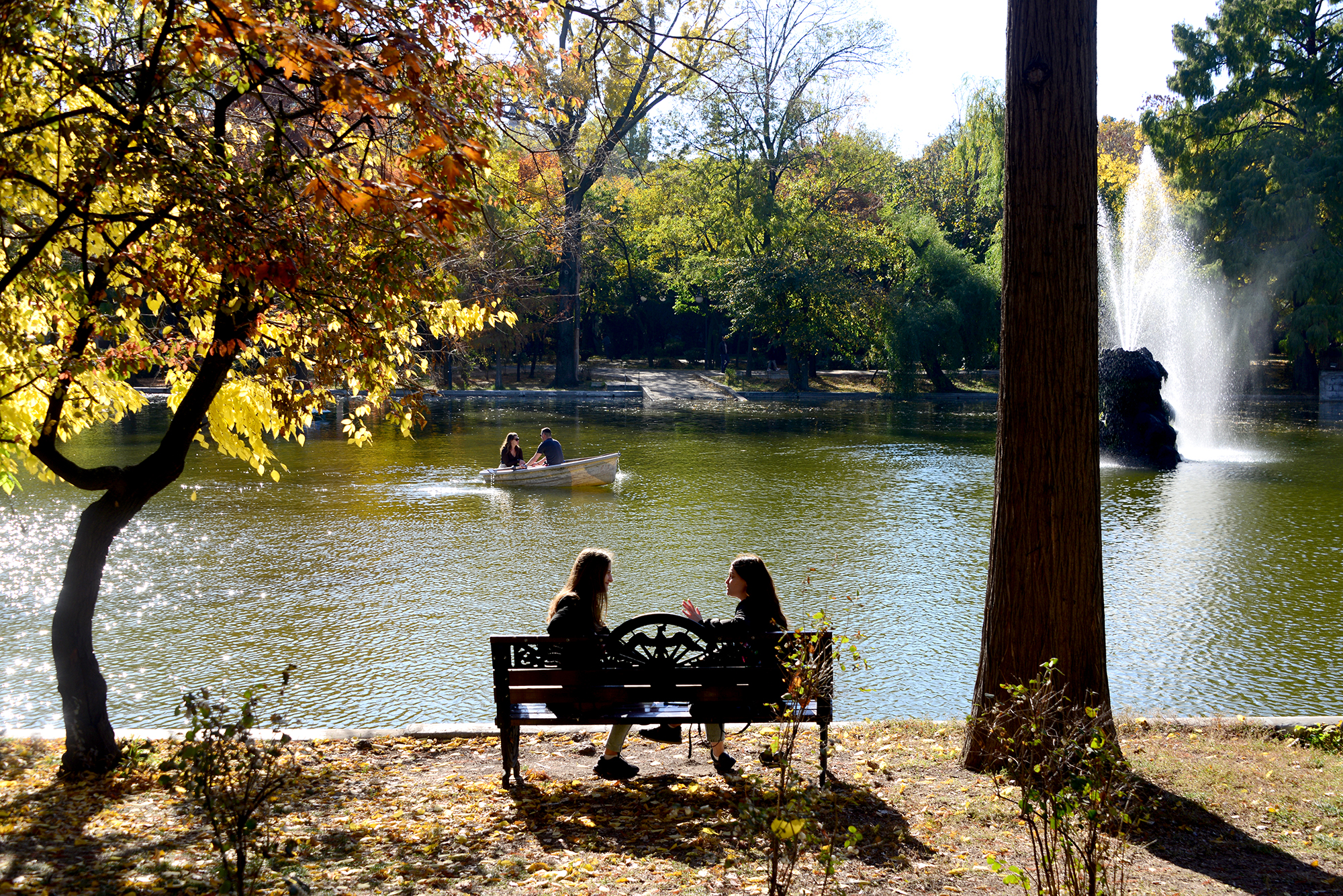
For the last day, we saved a visit to the MNAC– The National Museum of Contemporary Art- which is housed by the Palace of Parliament and is a good plan B if you want a glimpse inside the building without the official tour- the booking process of the latter is expectedly byzantine, and favours groups over individual visitors. Our choice was further helped by the sudden arrival of winter, with cold gusts of wind, between the Saturday evening and the Sunday morning. As we took in the gray vastness of the city from the terrace of the MNAC, the previous day’s sunny stroll and drinks al fresco in the Cișmigiu gardens felt a lifetime away.
We wrapped up our outing at the Hop Hooligans Taproom. I never thought I would be enamoured by something coming out of Jilava (the location of the brewery itself) but Hop Hooligans have worked up quite the fame in beer loving circles, as a brewery that likes to occasionally experiment but will also release solid classics for more conservative palates. The flight home was more fraught than we’d hoped for- fog in Eindhoven set off a chain reaction that led to a four-hour delay. At the airport entrance, the security personnel scanned our boarding passes shaking their heads: this one is so late, it almost certainly won’t take off. The blog’s industrious co-photographer was somewhat surprised by such brazen negativity, but he ignored the fact that we’re a people whose national epic is about a man who knows he will be killed by his friends and does nothing about it. Actually, he does. He complains to his sheep. So, at the airport, we complained to each other. And then the plane took off.
Finally, here’s a list of some other places we’ve been to and liked: for coffee, Emozia Coffee Manifesto, Bob George (there have been plenty of drinks recommendations in this this post, but here is another one: besides ‘just’ coffees, they also have great Coffee Negronis), MAAD City Coffee Shop (tiny but lovely, with a view of the Armenian Church, when and if its refurbishment works will be finalised) and Loom 68 Coffeeshop. (excellent coffee, striking design and they also had fun Halloween themed stickers as a bonus). For great breakfast/brunch: Simbio – with splendid Eggs Benedict and a mean combo of steak and eggs if you need to recover swiftly from the night before. If you crave some more traditional food: Gambrinus (conveniently situated in the proximity of both Negroni Aperitivo Bar and Control), and for great burgers paired with good beer: Ironic Taproom. Cărturești Carusel bookstore has gained quite some popularity on social media- and they do have a solid selection of foreign books as well, and it’s also worth visiting their quirkier little brother, Cărturești and Friends. Antic ExLibris have a somewhat random selection of discount books, mostly in English and occasionally other languages as well- don’t plan on buying any new releases, but they do stock unexpected gems, if you have the time and patience to go on a bargain hunt.
 Pocket Diary Budapest