I have spent an inordinate amount of time trying to start this post. Which is not a bad thing, because I have learned something. I have a problem with Florence. It’s not that I don’t like it. It’s more that I don’t know what to do with it. In a nutshell, I was more interested, as a Juventus fan (those familiar with the dynamics of Italian football will immediately spot the conflict), in perhaps watching a game at the Artemio Franchi stadium than going to any of the museums in Florence. And museums, well, it has plenty. I would go as far as calling most of it a museum, and in this museum, there are people. Some of these people have read a lot about Florence, frequently in idealised Anglo-Saxon travel writing, a lot of it being succinctly summed up in this Wikipedia blurb on Eat, Pray, Love: ‘During her travels, Liz discovers the joy of Italian cuisine, indulging in pasta and gelato for four months.’ There are perhaps even more people who haven’t read anything about Firenze, but seen it- not from every angle, but from about five angles, always repeated, always curated and sanitised into something that could have been generated by AI if you typed a prompt of. ‘a place with stunning architecture where I can have pasta and gelato for four hours, days, months, years’. There always seems to be a temporal limit, though.
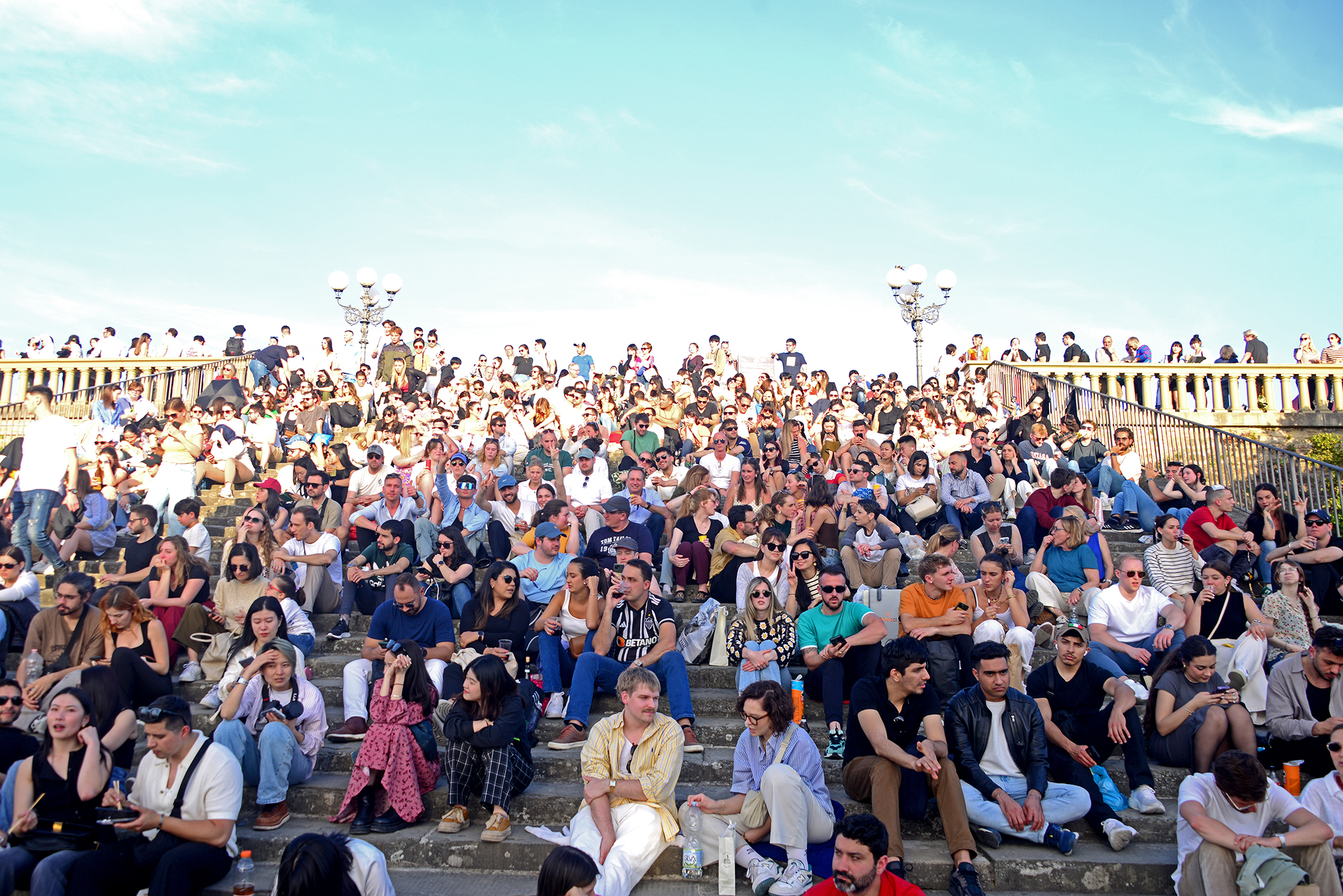
Time seems scarce, for these people, in Florence. Things to do, places to be, art to be exposed to like moths to hot light. We learned this as we did, eventually, succumb to the ‘lure of the view’ and climbed to the Giardino delle Rose. More precisely, we ended up at Giardino delle Rose after having discarded some other giardini, as all had entrance fees. Mind you, I get it, why they would charge these fees, but it’s a Catch 22 situation, nevertheless. Having too many tourists is unpleasant, so have them pay for your discomfort, thusly attracting mostly the kind of tourists who are happy, and able to, pay their way anywhere and feel entitled in return. And thus, the ouroboros of annoyance and unpleasantness swallows itself, and only the rich will inherit the Earth, or, in our case, the Giardino. On the other hand, it’s a thought the Medici would have probably agreed with.
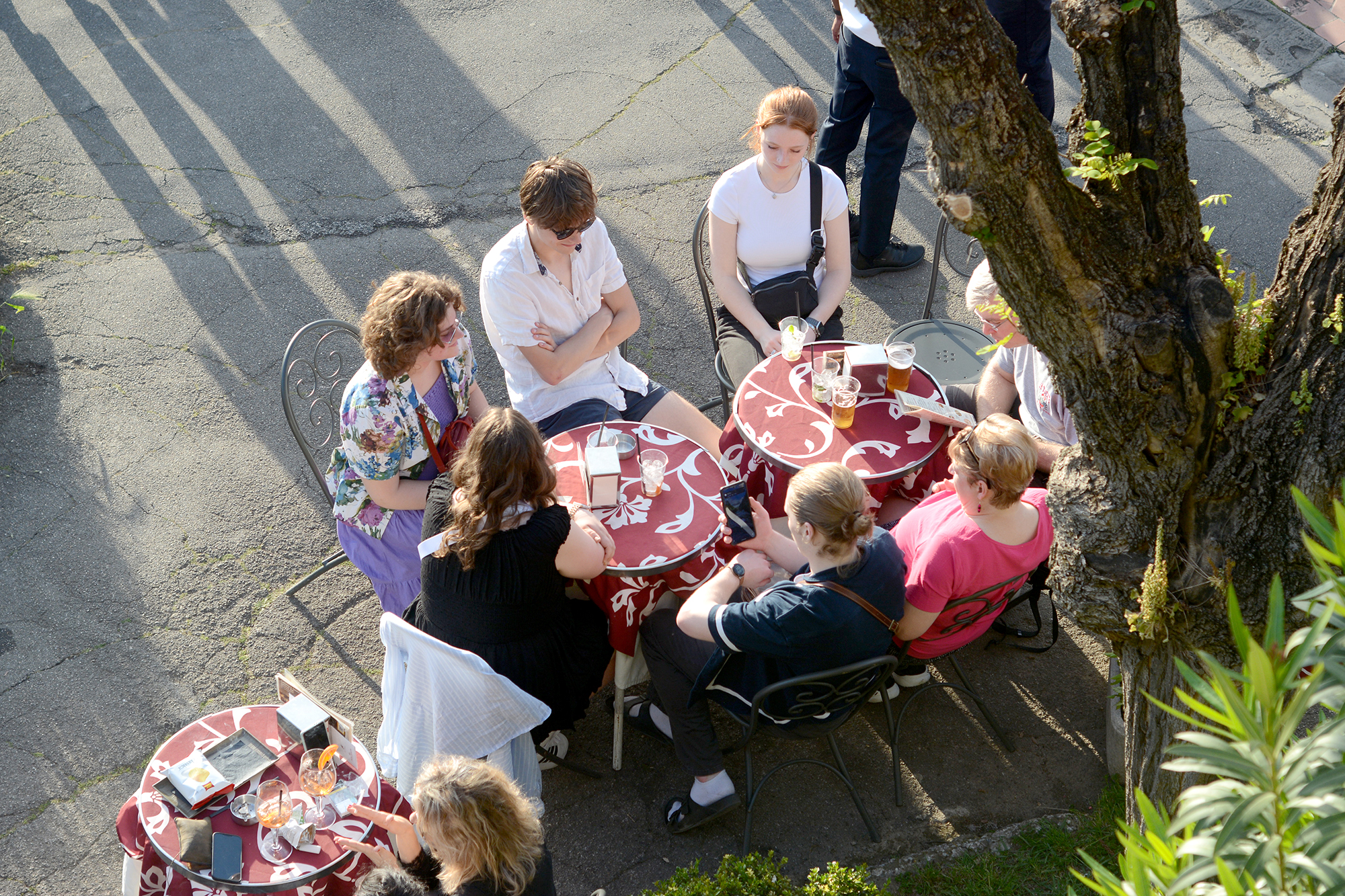
Atop the incline facing the city, the crowds had settled like pigeons on a warm rooftop in winter. The seating arrangement was so packed you couldn’t drop a penny, or, more fittingly, a forint- Hungary’s national currency originated in 13th Century Florence, as the fiorino d’oro. If only it were as strong as the Medicis at the height of their power. Our forints, converted with a tragic loss into euros, did buy us an excellent Aperol Spritz and here I have to commend Florentines on not abusing the location and providing the ubiquitous orange drink in a very good version, and at a fair price, right in the belly of the touristic beast.
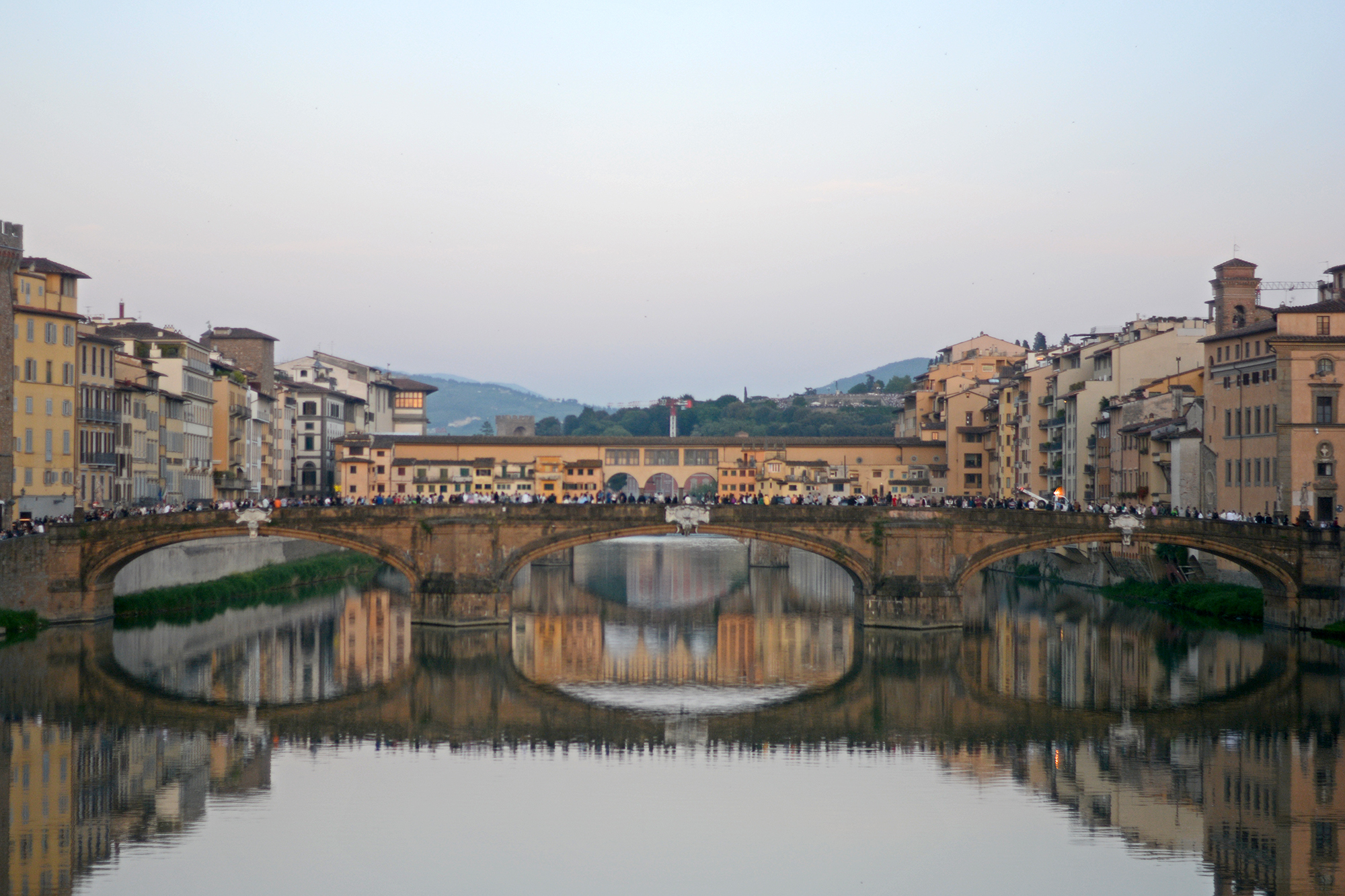
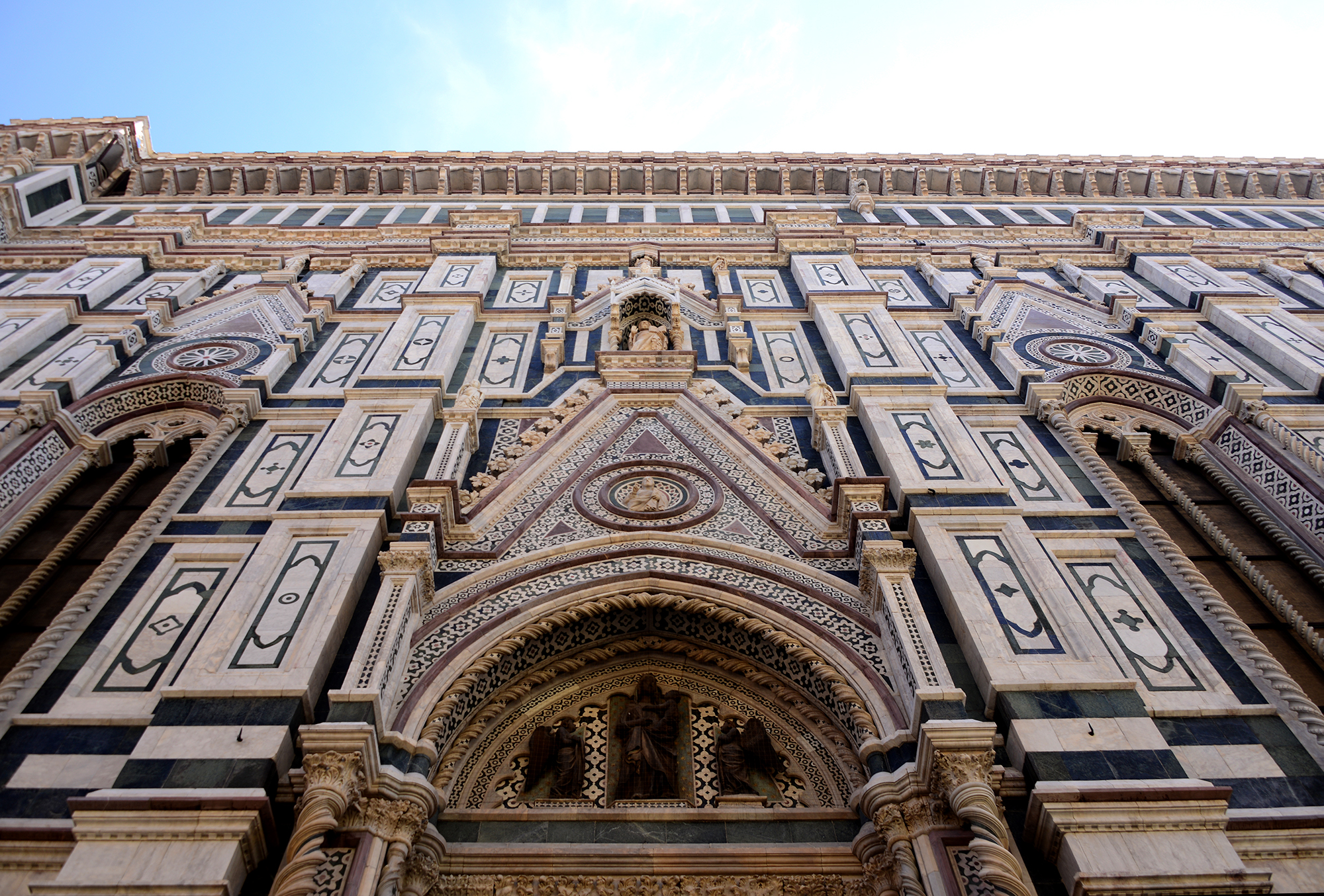
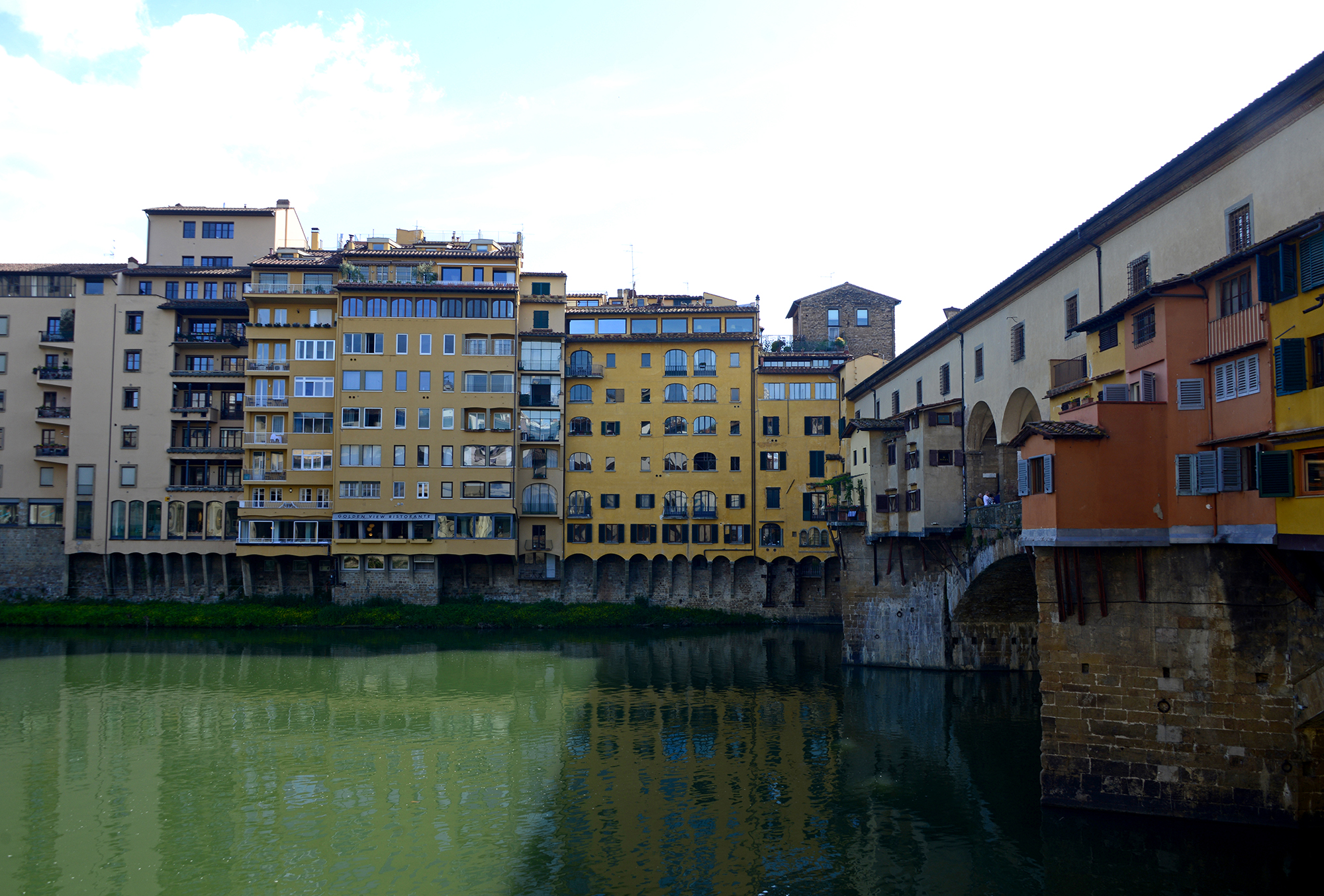
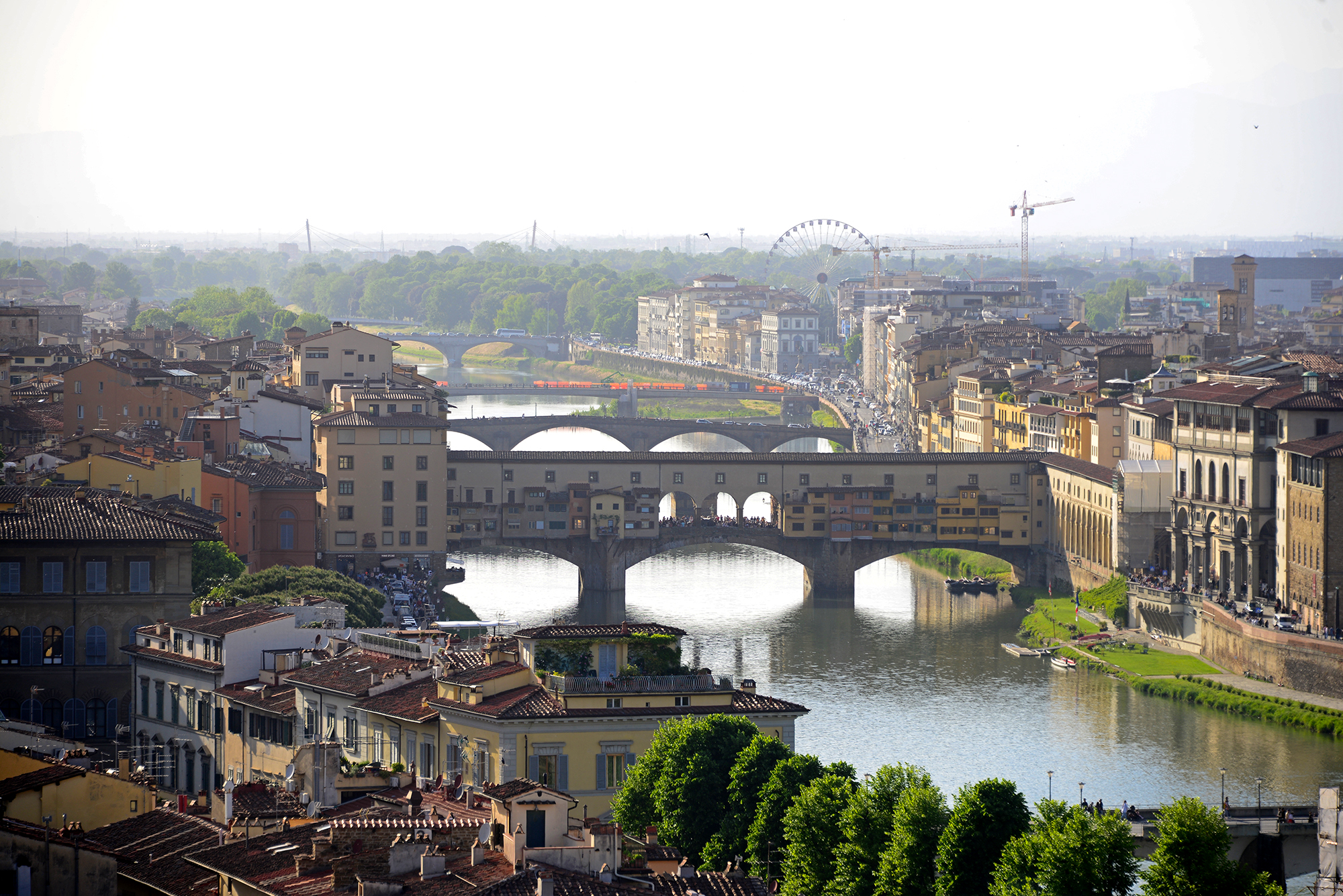
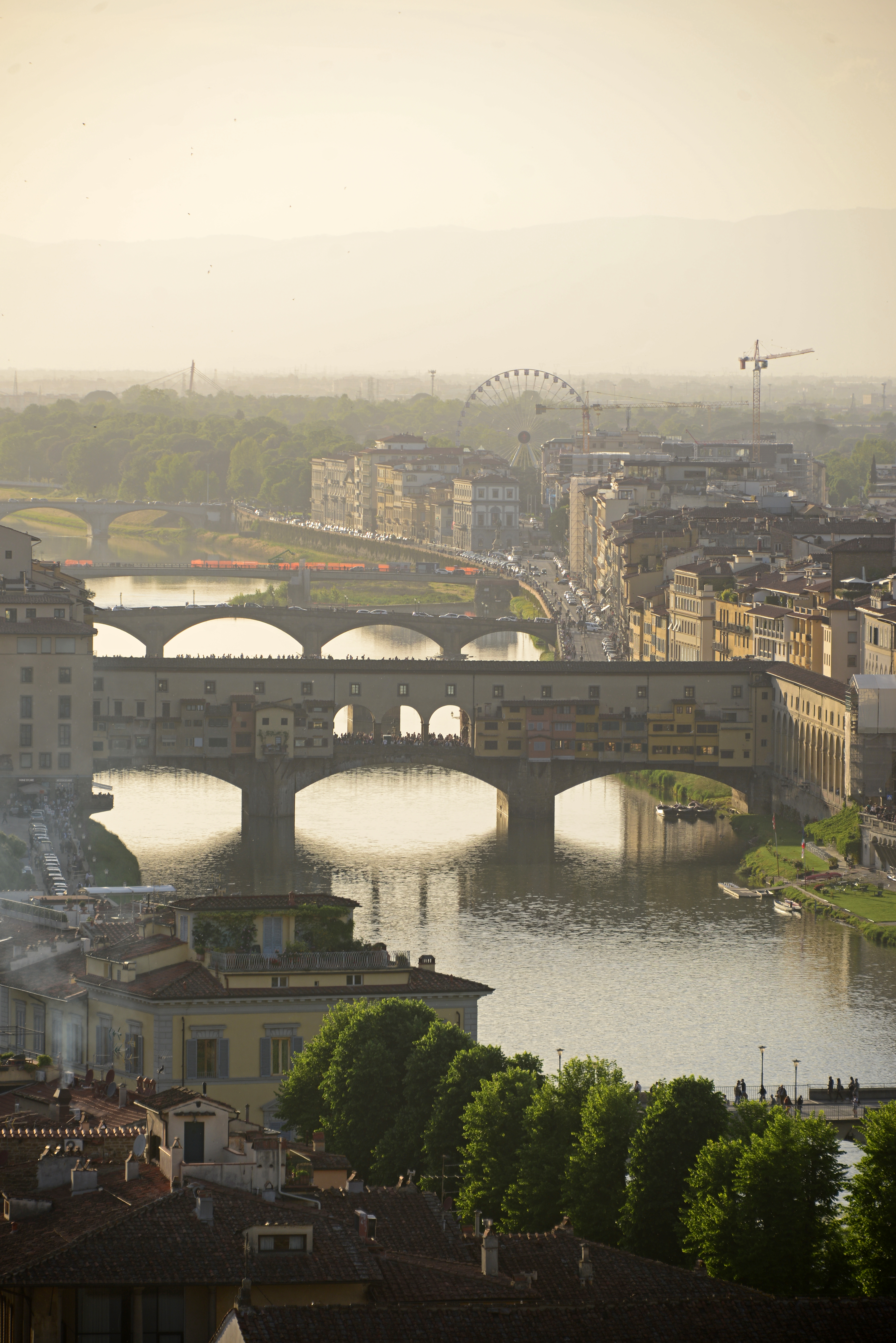
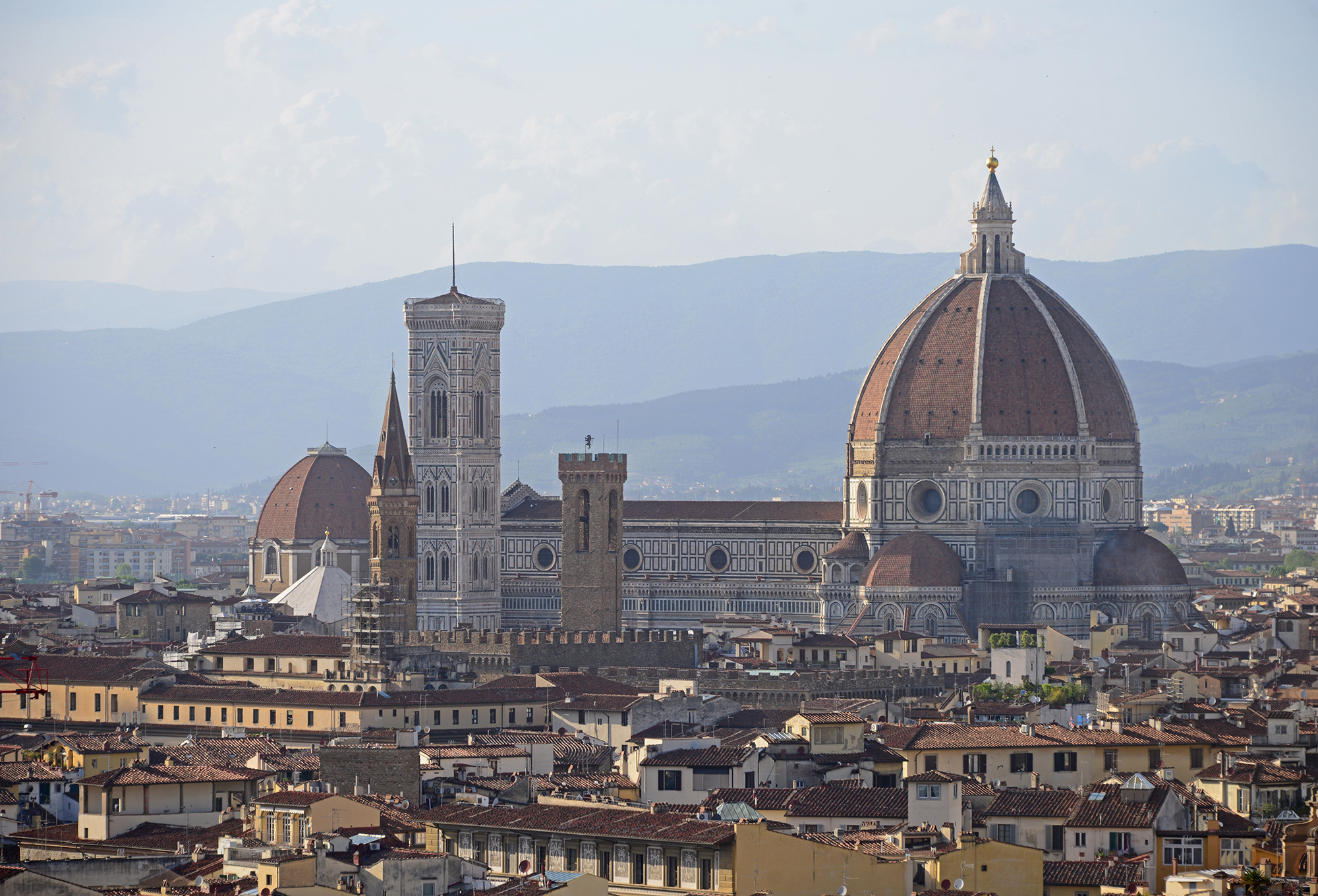
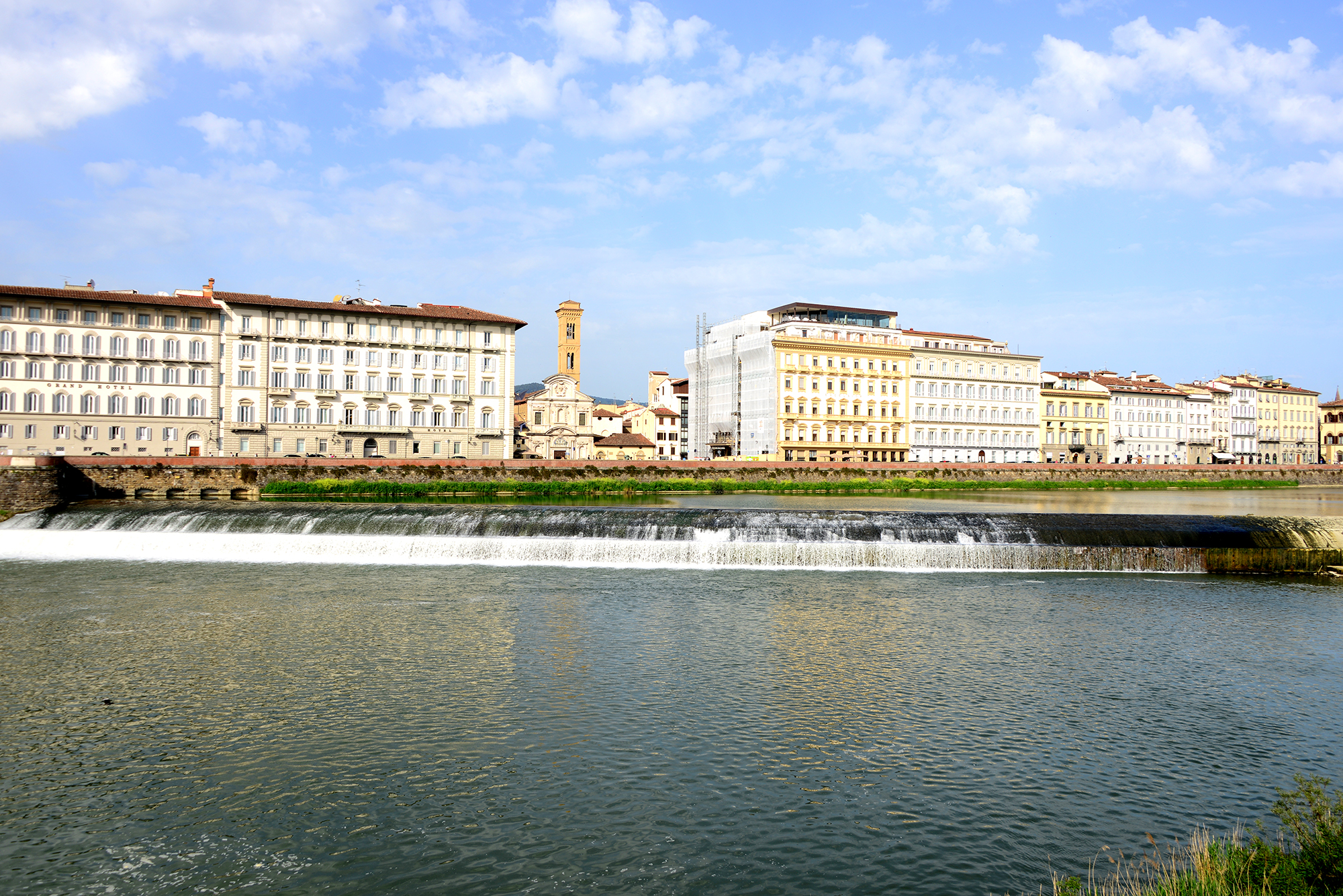
And so, we settled in with the vultures and witnessed a tragedy almost Greek in its proportions. Seated behind us was a young couple, he Italian, she British, and they had come to Florence for the day, on a romantic date of sorts, from somewhere around Bologna. Now they needed to go back but couldn’t. The evening trains were packed, only the most expensive fares were still available and the young man, smitten as he was, felt ill inclined to part with his euros. Time is scarce and love has a price, as long as it’s not too high. So, he did what all Italian men will do. He called his mother for advice. He missed a lot of things in the process. The ice in his Aperol melted and turned it the colour of a sick man’s urine sample. The sun set over the Arno, the roofs of the old town, the Cathedral of Santa Maria del Fiore. The British girl got ever sadder and quietly offered to pay for the tickets, if it helped. Then they left, and I am quite afraid the romance did not survive Florence.
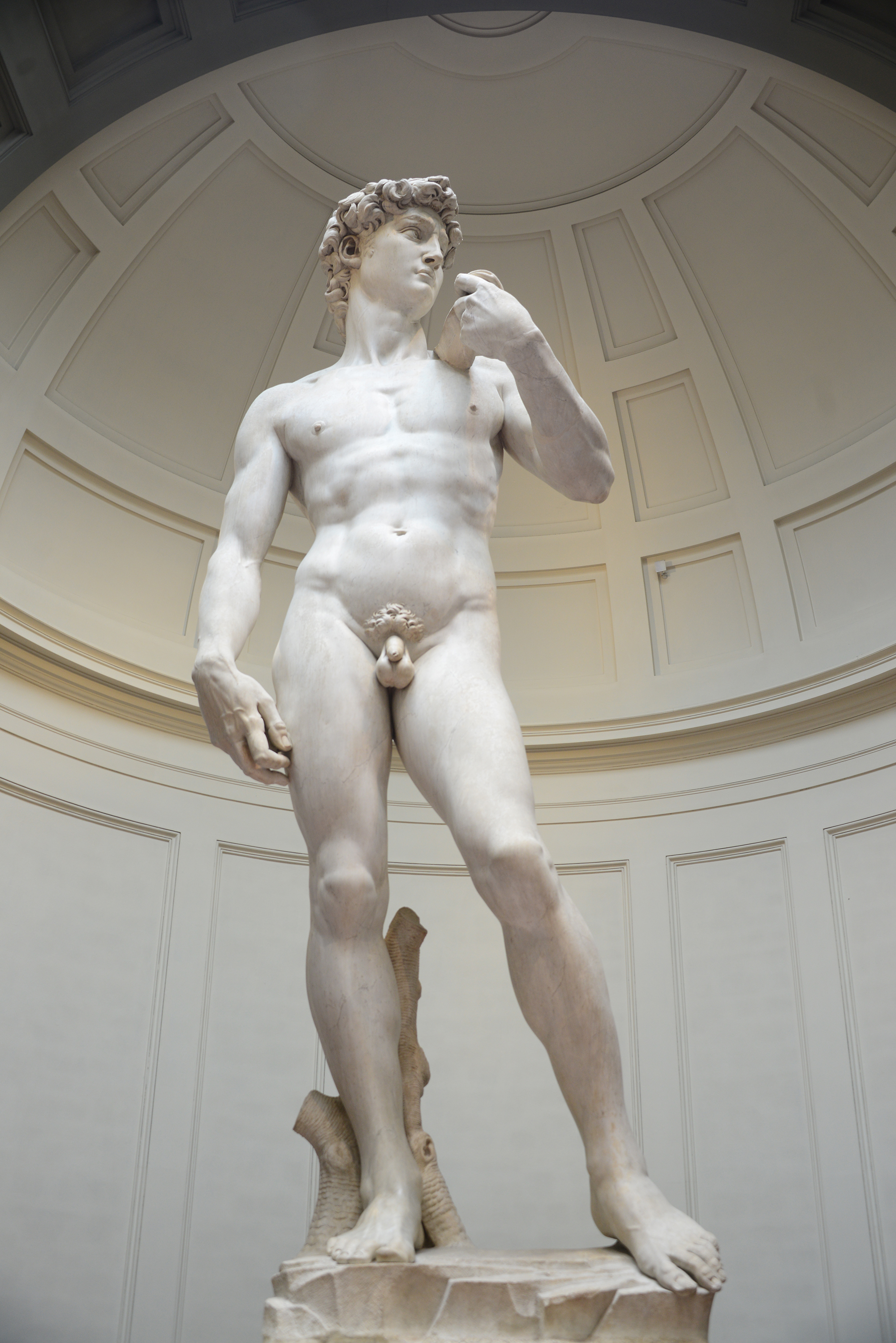
There was no romance in queuing to see Michelangelo’s David, either. Especially not in the company of the Chinese influencer who spent the full two hours live streaming his experience in quickfire Cantonese, fully immune to the increasing levels of irritation around him. Sure enough, we could have booked our tickets in advance- which is what you must do if you do insist on seeing the museums, but I am somewhat averse to having fixed schedules when I travel. Serendipity is not to be found in an Excel sheet. I did love the second floor of the Galleria dell’Accademia, though, because it was empty. While everyone was peering up the butt crack of the really quite fetching young man, I haunted empty rooms, inhabited by sad faced saints, magnificently resplendent in shades of soft pink, pale purple, deep blue, and gold. The works of minor masters rendered irrelevant to the masses by the incandescent genius downstairs, whispering their secrets to me, and me alone.
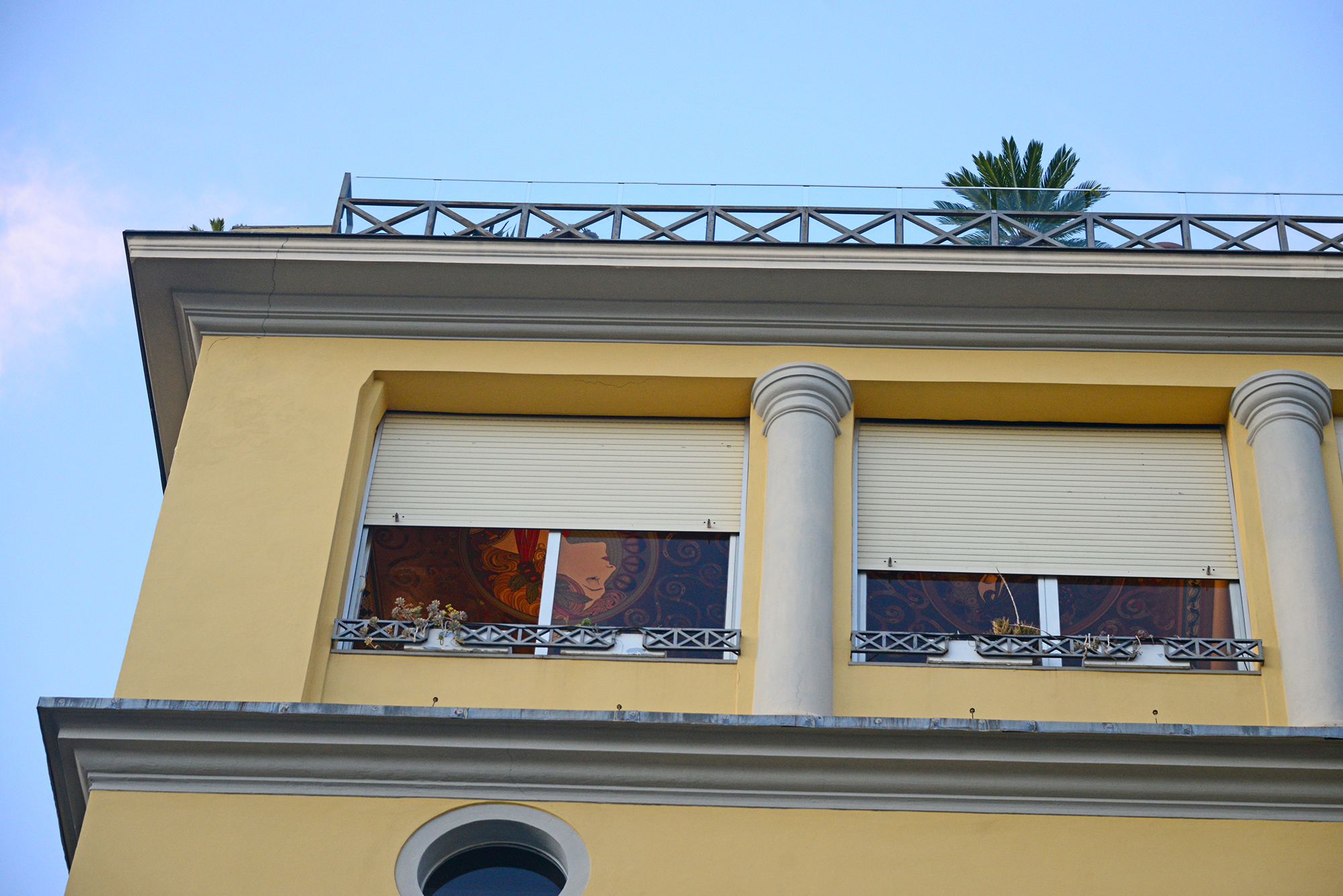
In the end, Florence’s saving grace were moments liked these. The frescoes on the ceilings of random apartments, glimpsed through half lowered shades, witnesses to an organic connection between the city and art that goes beyond the controlled realm of museums and art galleries. A woman’s voice, translating the Palm Sunday mass at the San Jacopo Soprarno Greek Orthodox church, the lovely strangeness of a female voice in a rite that doesn’t normally allow women to preach. Accidentally running into the house where Dostoevsky finished The Idiot- intriguingly, Florence has been eternally loved by writers, but in a very particular way: they would live in Florence and write about somewhere else.
The small bar in the Mercato Centrale, where an elderly gentleman was having his coffee. His hands were shaking heavily, and he would regularly spill a bit of the coffee, but the waiter continued to chat with him amiably, pretending nothing out of the ordinary happened. Later, the man’s daughter came and helped him walk away, thanking the waiter for taking care of her father. Covid was so hard on Italy because it assailed one of its foundations: Italy IS a country for old men and women, a country where you can age with grace and in comfort, where the old are valued not just as tokens of days past, but essential parts in how the fabric of life is woven. We found more proof of that in the scarf shop in Borgo dei Greci where we were served by a couple in their seventies, the lady delighted to impart advice on which scarves we should buy for our mothers. As we left, the man remembered an important detail: their grandchild had made them an Instagram page and printed business cards with it, perhaps we would like to take one. We did, we followed the profile, and you can do the same here. Morning in the Pasticceria Nencioni, with softly clinking cutlery and the dark scents of coffee mingling with the sweetness of freshly baked puff pastry. The carefully accessorised, ancient lady who enters to be greeted with compliments of you are splendidissima today, as always, and how are you, and how is Roberto. She is fine, Roberto, a bit less so, she adds, neither alive, nor dead, holding on. Yet another Tuscan in Dante’s Purgatory.
It might say a lot about my priorities in life that thinking of Florence will often make me think of a Negroni. The origins of the cocktail are murky, but the most popular story is that a certain Count Negroni was sipping his Milano-Torino, a cocktail also known as an Americano, and containing Campari and vermouth (one spirit from Milan, another from Turin, hence the Italian name) and, intolerably for the count, soda water. He was doing all this in the Caffé Casoni, morphed into today’s Giacosa, and came up with the bright idea to do away with the soda water, and add gin. The Negroni is thus a potent but merciless concoction, better saved for the evening, or the run up to a meal, with Aperol Spritzes being the more frequent day drink. The making of both the spritz and the Negroni are subject to the same almost religious beliefs as most food in Italy, with one bartender explaining me that the spritz should contain neither soda water, nor ice, just the absolute perfect balance of Aperol and prosecco. There’s a war on soda water in Italy, it seems. The Negroni in Giacosa is thus a fine proposition, but we couldn’t complain about the one in Regina Bistecca either.
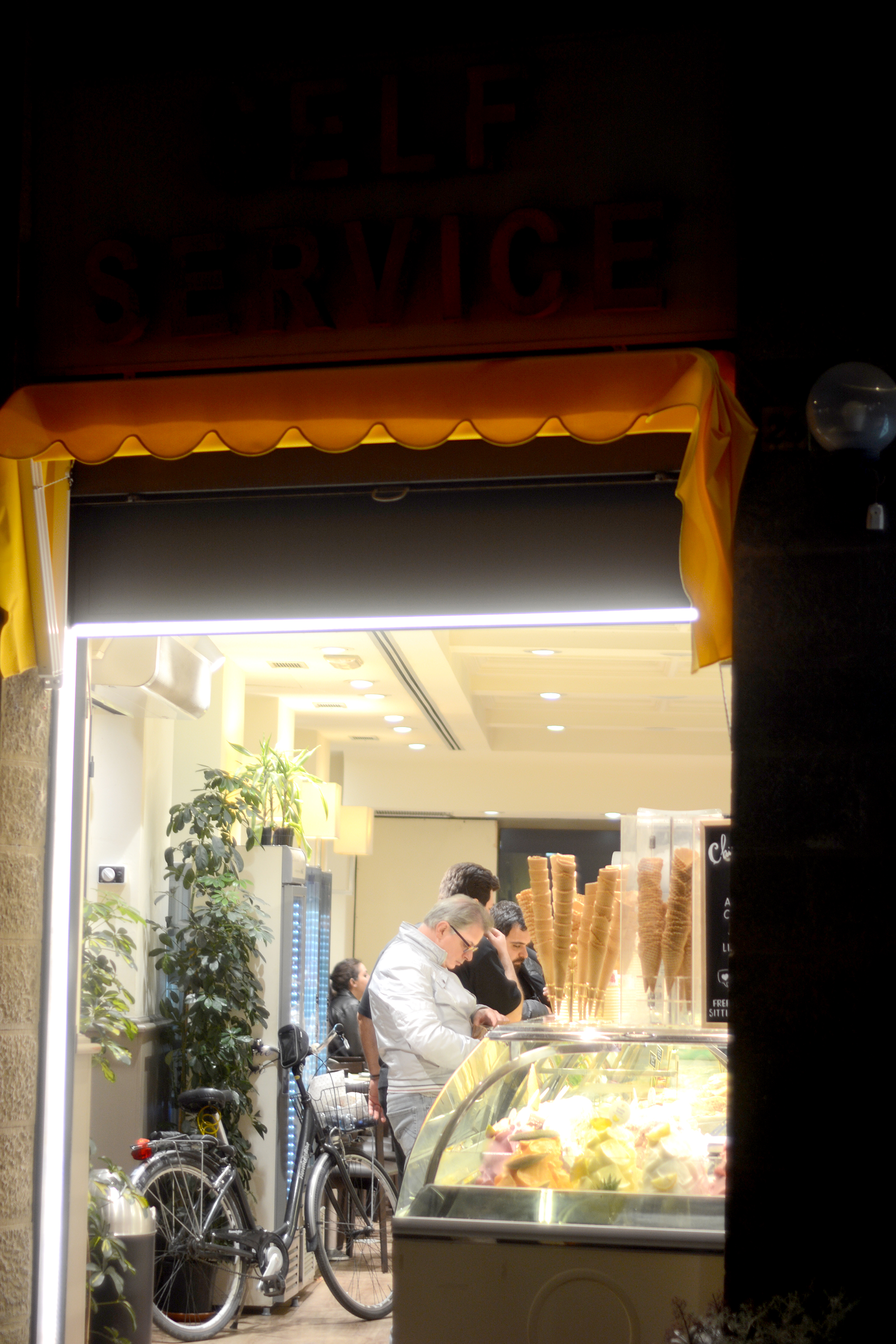
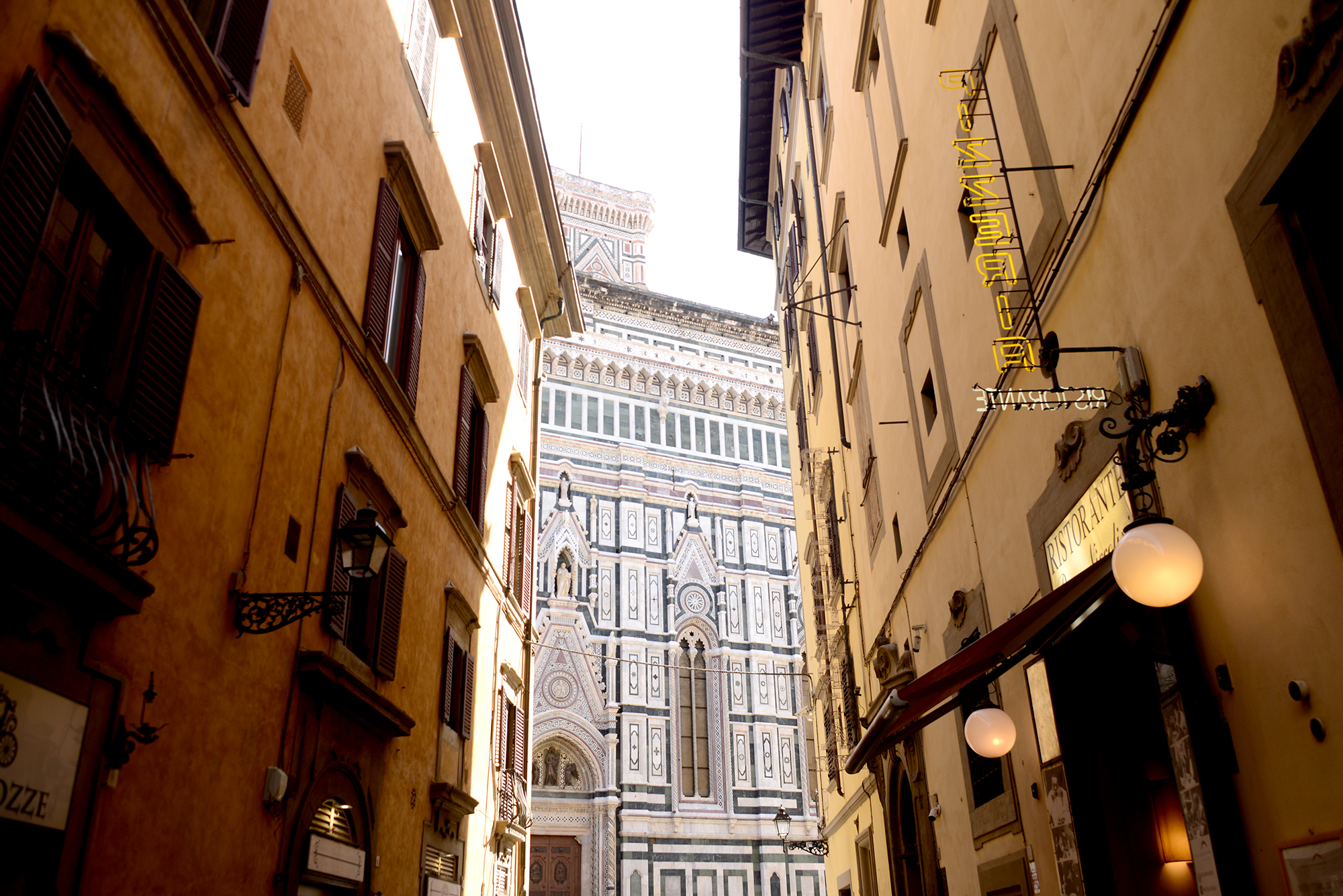
The blog’s industrious co-photographer noticed the restaurant as we were queuing for gelato, what else. His interest is immediately piqued by steak, and Regina Bistecca advertised itself with having landed on a list of best steakhouses of the world. Lists and proximity to the cathedral did not bode very well in my books, but on this rare occasion, I was mistaken. Bistecca alla fiorentina is one of the staples of local cuisine, made of young steer or heifer, and, ideally, cooked rare. The blog’s industrious co-photographer is, however, culturally averse to rare, and occasionally struggles with chefs who consider well done the eighth deadly sin. In Bistecca Regina they were very gracious about it, and after having prepared the steak rare, they returned some of the meat to the kitchen, and cooked it through. Both the food and service were excellent, and the prices, while in the higher range, not extortionate by any means. The previous evening we’d had our dinner in another quite central location, Lo Stracotto, where we had both pasta and Chianti- but refrained from the gelato. It was another fortunate find, but generally speaking the area of the cathedral of Santa Maria del Fiore has its fair share of tourist traps. They’re not atrocious- worst I can say about the pasta we had, as an emergency solution, on one such terrace, is that it was very average and worked alright for a brief pit stop with the view of the cathedral as backdrop. But having average meals in Italy is still some sort of a sacrilege.
I’d add buying Chinese made fridge magnets in any place that is not China to the same list, but, sadly, there are things you succumb to when fueled by Chianti and Negroni. I went for an otherwise quite fetching giglio fiorentino, the city’s emblem, which is however not a lily, as the name would suggest, but an iris, known in Italian as fior di gaggiolo, hence the customary purple colour. I was also tempted by a Batistuta jersey magnet- while the glory days of Batigol are long over, he is still venerated across the city, his likeness giving David a run for his money when it comes to who is the city’s souvenir king. My vote is clear. Only one of them could score goals and look tantalisingly good while doing it.
Speaking of Florentine institutions, we mingled with half of East Asia in the Officina Profumo Farmaceutica din Santa Maria Novella– popularity in that particular part of the world is such that even a considerable part of the staff is Asian, thus also ludicrously polite. There is something ironically incongruent in an insta-heaven that started as a pharmacy during the Black Plague of the 13th Century, run by the Dominicans of the Santa Maria Novella monastery. Its commercial operations started in the 16th Century, and its Acqua della Regina fragrance, first concocted in in 1533 as a wedding gift for Catherine de Medici, beats Echt Kölnisch Wasser by two centuries as the oldest known fragrance still in production today. Most of their scents are quite simple and floral, something akin to freshly washed linen beating against the wind in an orange grove. Which, as far as I am concerned, is an antechamber of heaven.
As you might have guessed by now, I have a very strict limit to how many Renaissance palazzos I can take in in one day, but I will make an exception for the Palazzo dello Strozzino: recently renovated, it operates as a sumptuous bookstore by day, and cinema by night- known as the Giunti Odeon it offers a very solid selection of books, in Italian but also in English and other foreign languages, and operates as a cinema come the evening.
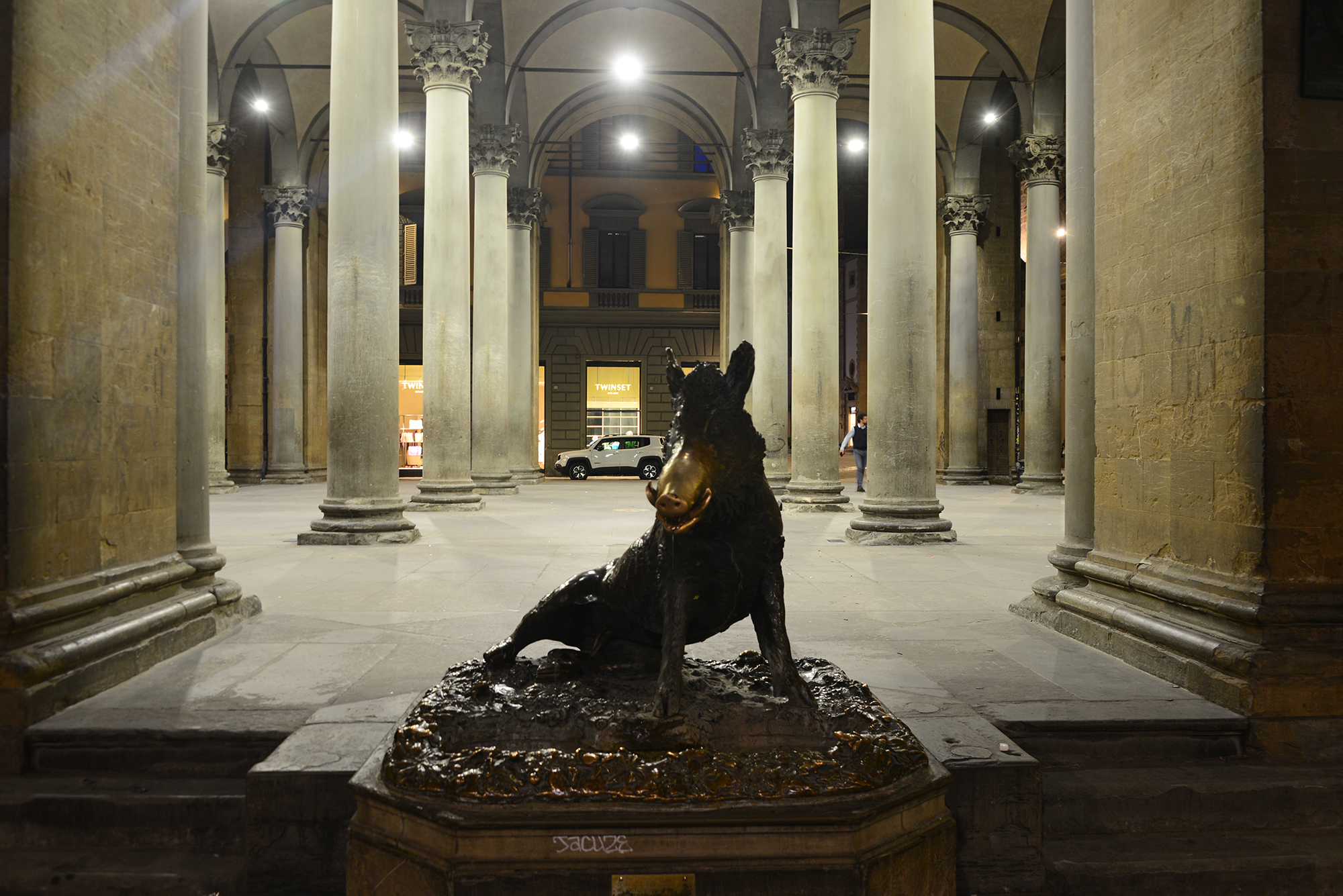
But what about the wild boar? This was the question that popped into my mind as the light gently reflecting from a gilded mirror and illuminating a group of putti woke me up in my hotel room after an evening made pleasantly effervescent by the brainchild of Count Negroni. Did I actually see the wild boar? Yes, I had. The Porcellino is located in the Piazza Mercato Nuovo- the current iteration is a copy of the bronze copy made by Pietro Tacca of an Italian marble copy of a Hellenistic original. Yes. The Pietro Tacca version is currently housed by the Uffizi Museum, where we haven’t been this time around. But the legend says that if you touch the Porcellino’s snout you will return to this quirky old city with a few new tricks up its sleeve.











 Pocket Diary Budapest