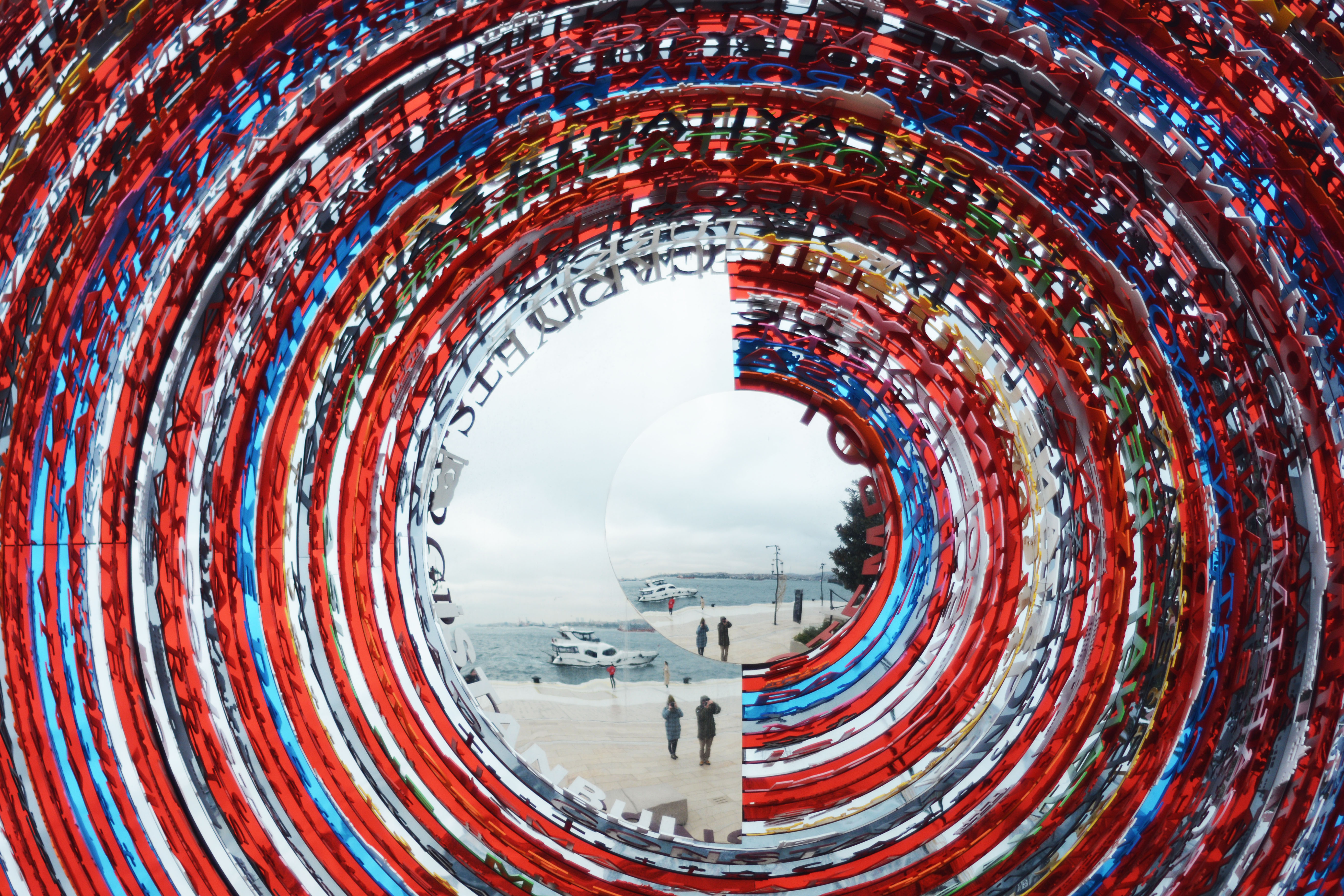
Our long and arduous quest for nourishment, somewhat hyped in the first instalment, lasted a whole five minutes. Istanbul Modern rubs shoulders with the Galataport development- to be more precise, it is in fact a part of it, dominating one of its ends, alongside the Nusretiye Mosque situated across the same square. For a moment, as we veered towards the seaside promenade where I’d identified a suitable looking restaurant, I had the very strange feeling of being in Oslo, out of all places. I knew the reason as well: Oslo has similar seaside areas, where industrial zones, fallen into disuse and disrepair, were converted to housing, office, and entertainment spaces. At Galataport, the passenger ferry terminal was kept, but the rest of the infrastructure was radically changed, with long rows of modern buildings dotted with cafes and restaurants aimed at a hip crowd. The type and degree of hipness is well embodied by the presence of one of Saltbae’s burger joints, which, I am happy to confirm, was very much not where we were going. Possibly irritating some as a typical gentrification exercise, I personally found Galataport a good solution to modernising a city without dislocating its connecting tissues.
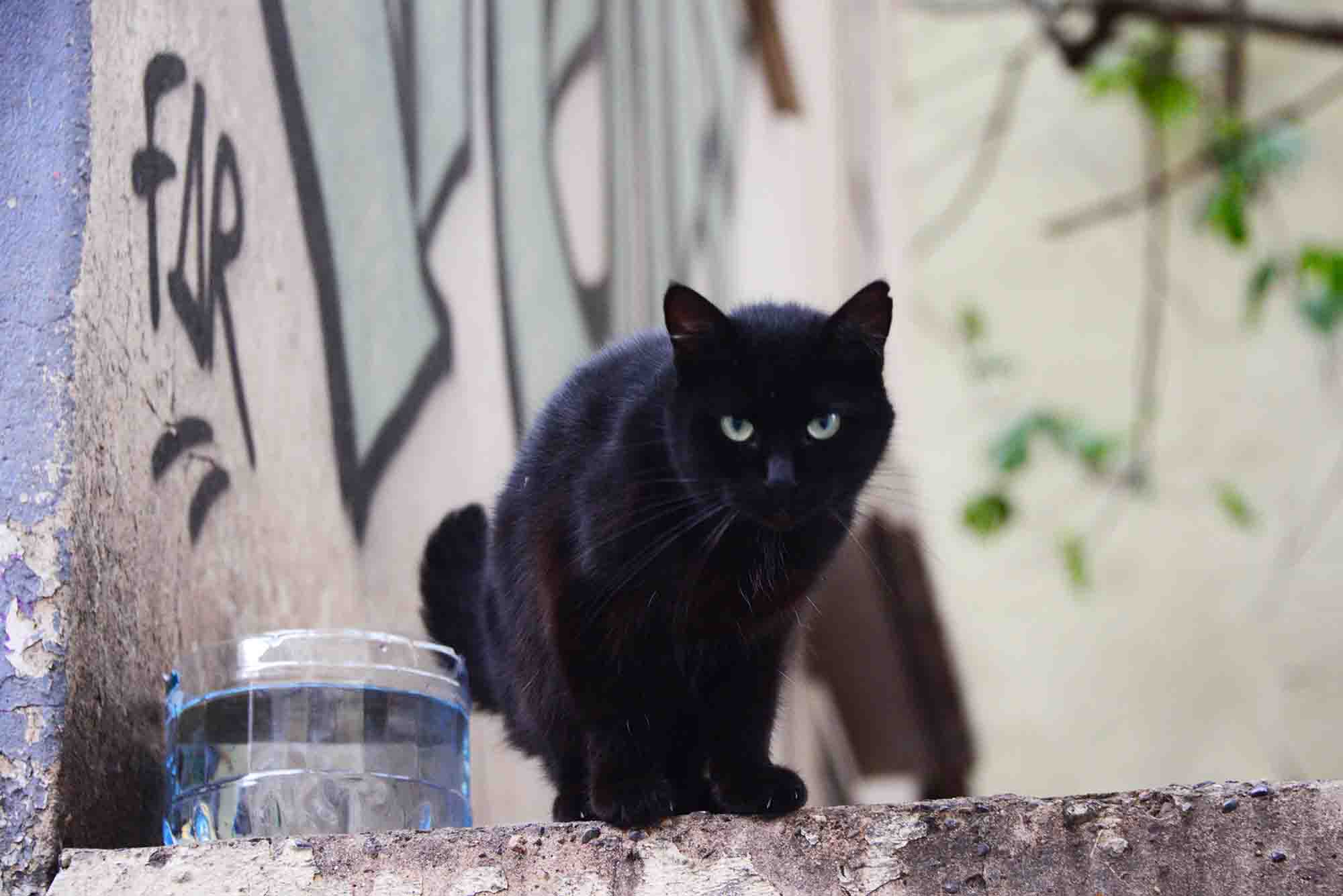
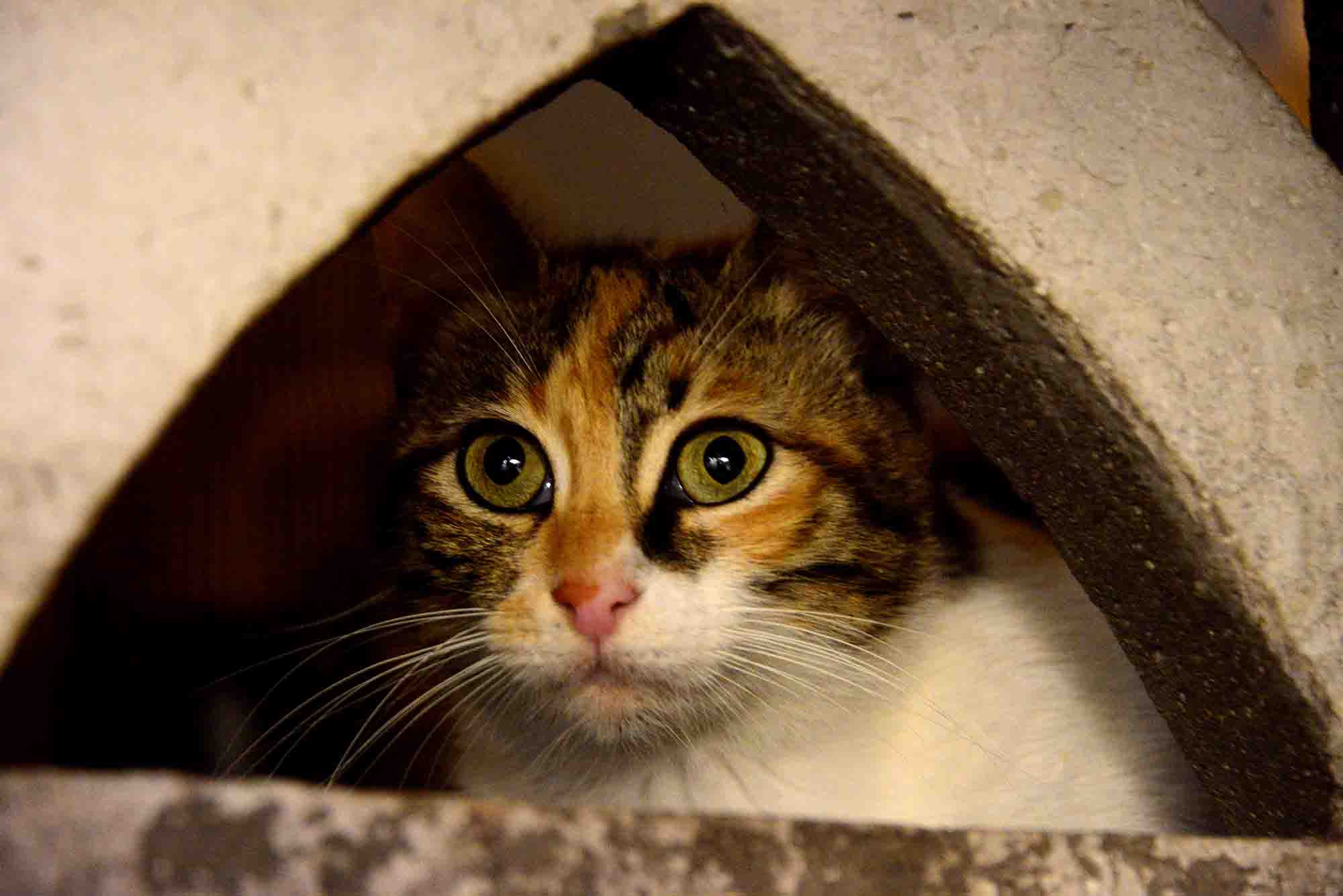
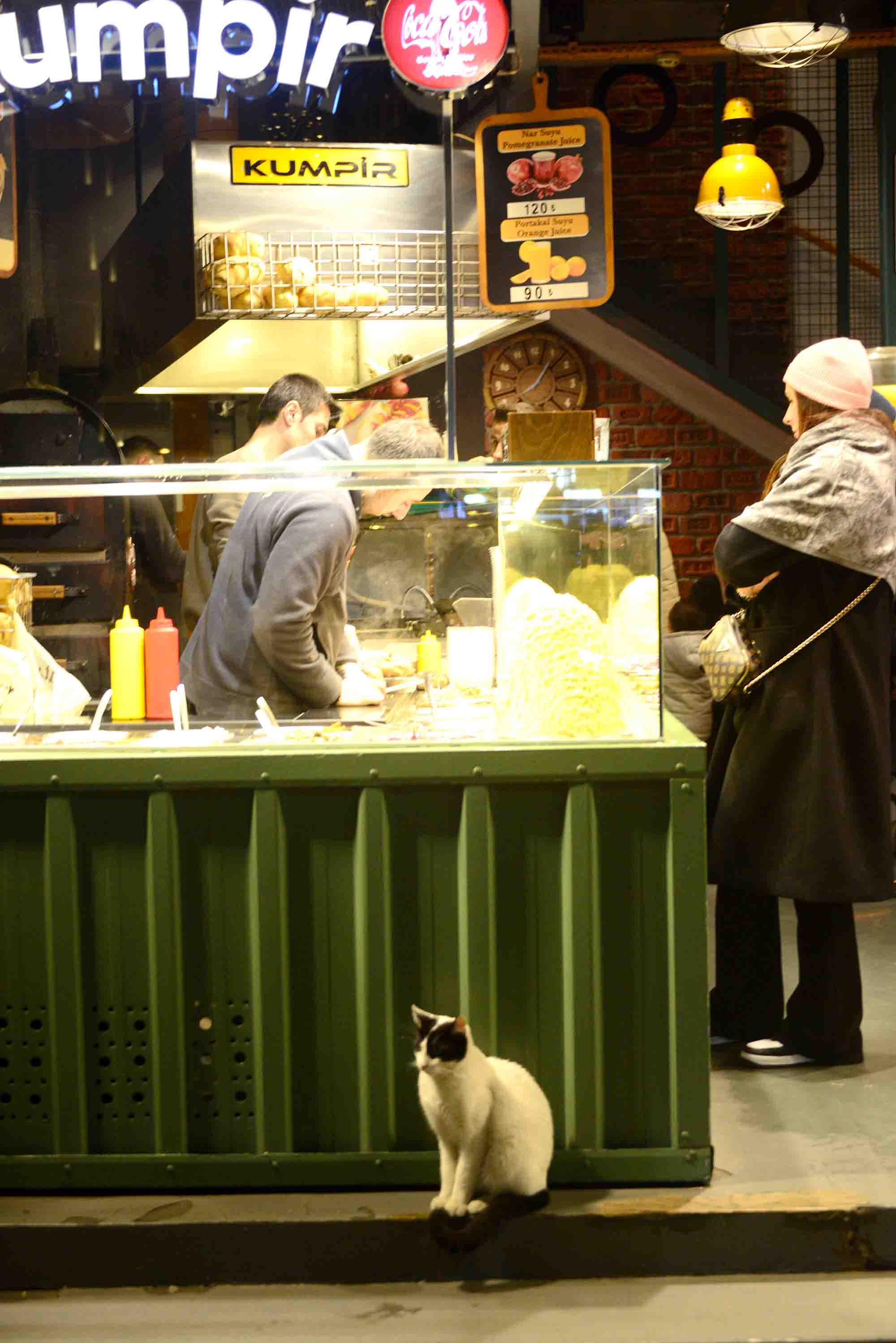
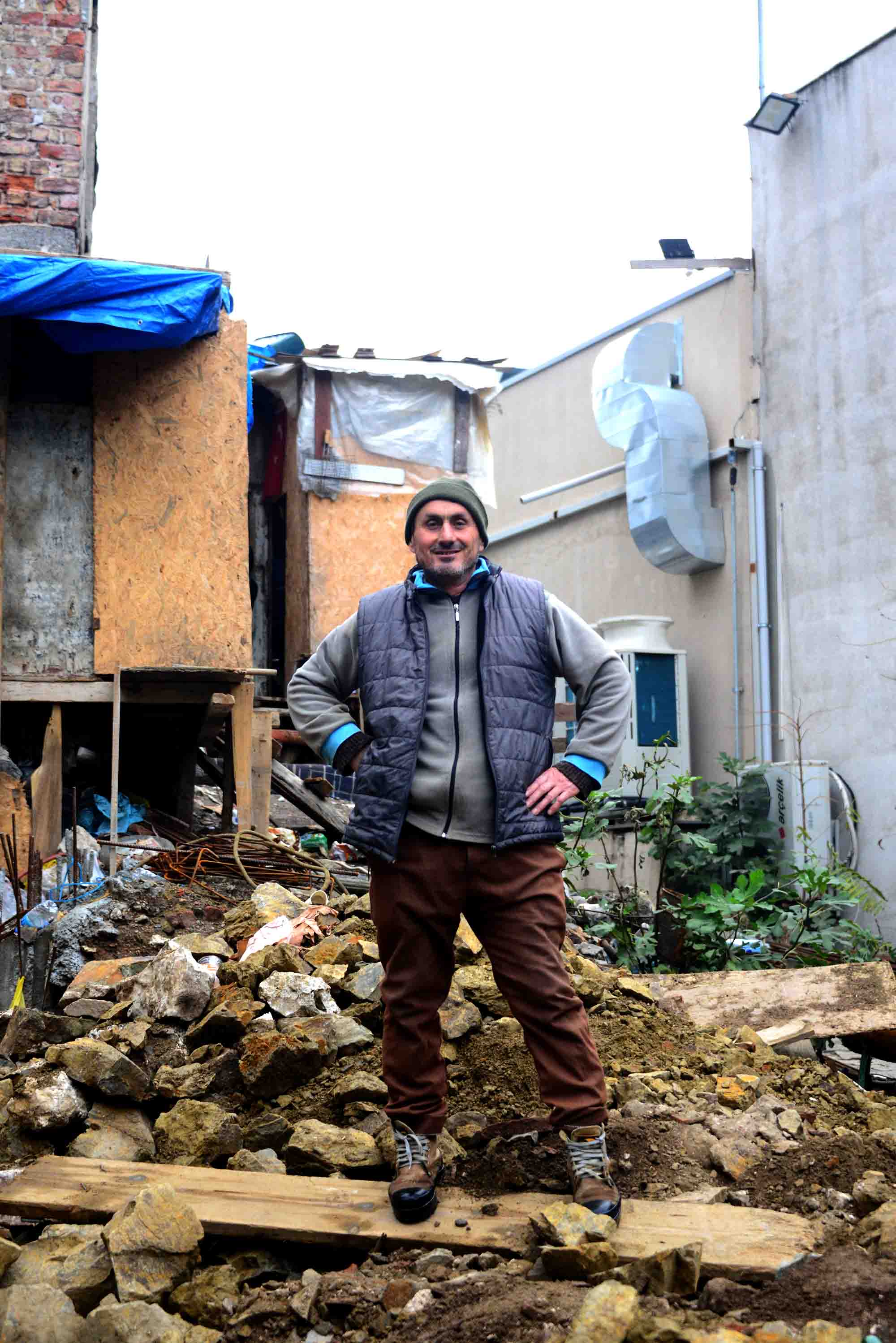
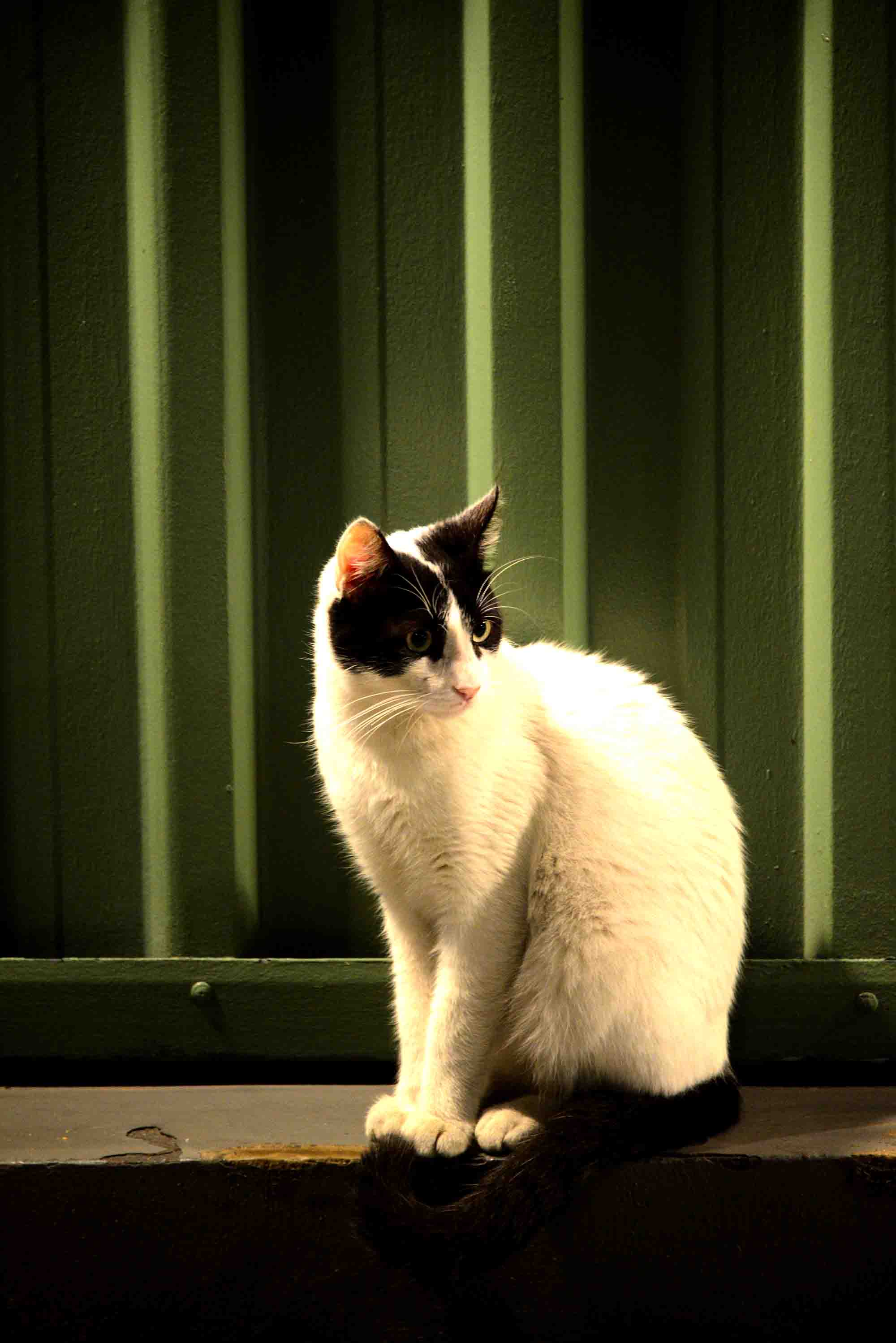
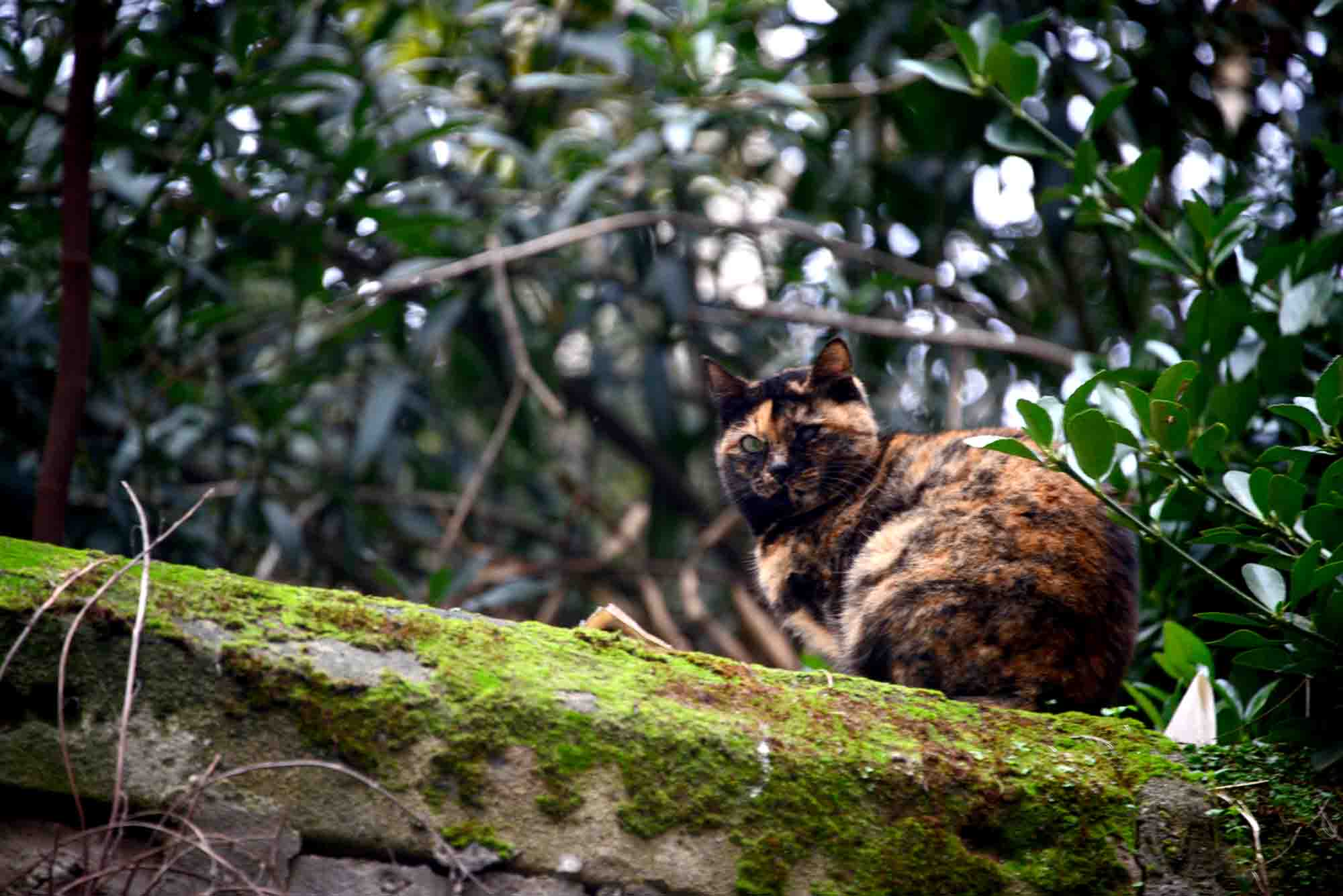
We had a lovely meal of grilled meats in Kirpi restaurant (which means hedgehog, and, as I later discovered, is in fact part of a larger chain), accompanied by a splendid local Cabernet Sauvignon- Merlot blend. My haplessness at all things wine is revealed by the fact that I did not take note of exactly which of wines on the menu it was. I strongly suspect it having been the Çanakkale wine, which I would possibly choose based on geographical proximity. Reinvigorated, we decided to take a leisurely walk to Cihangir, and visit the Days Comics and Collectibles bookstore. Reader, take note: there are no leisurely walks in this part of Istanbul. We were almost immediately faced by a steep network of staircases, and at the very first fork in the road, we chose the wrong direction, ending up in a dead end, under the judgmental eyes of several of Istanbul’s cats, who had watched us silently as we made yet another one of our life’s terrible mistakes. To say that there are many cats in Istanbul is an understatement, but that is true of many areas in the Mediterranean. In Greece and most Aegean Turkish towns the cohabitation of humans and felines is happy, if somewhat fraught. Cats are generally liked and catered for, but every now and then a shoe will land on their arched spines after some form of mischief. In Istanbul they are, however, positively worshipped. Stores and restaurants will have their resident cats, housing estates are dotted with neat little bowls and comfortable sleeping arrangements. In the emergency section of mini markets, alongside the usual cigarettes, napkins, lighters and chewing gum, you will invariably find cat food, and people will drop everything to run out and feed the cat, if so she wishes, even though most of them are the size of small mountain lions already. While the Cihangir sphynxes kept mum, a kind gentleman working on a construction site did point us in the right direction, and we extricated ourselves from the steep maze, exhausted but delighted to have made it.
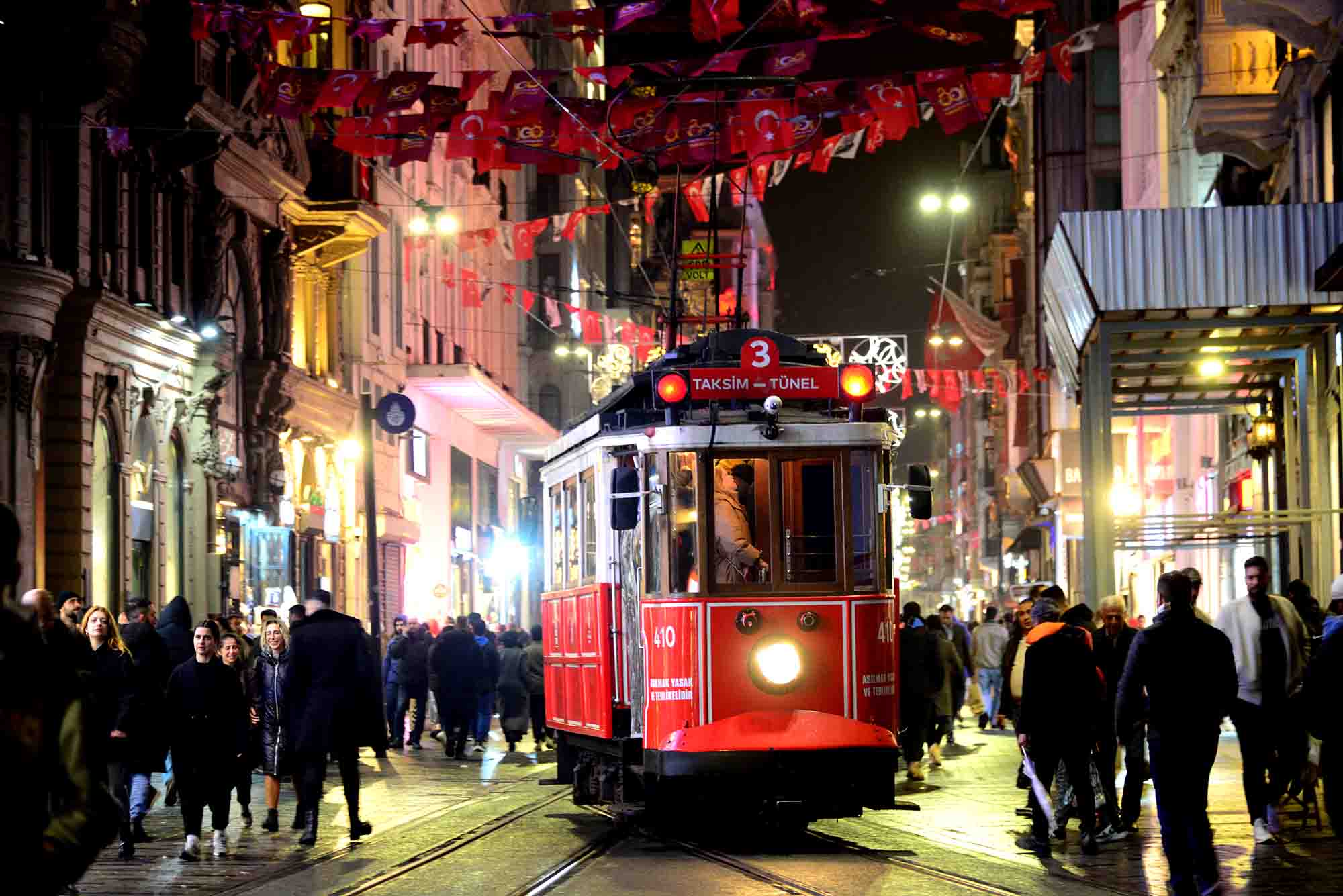
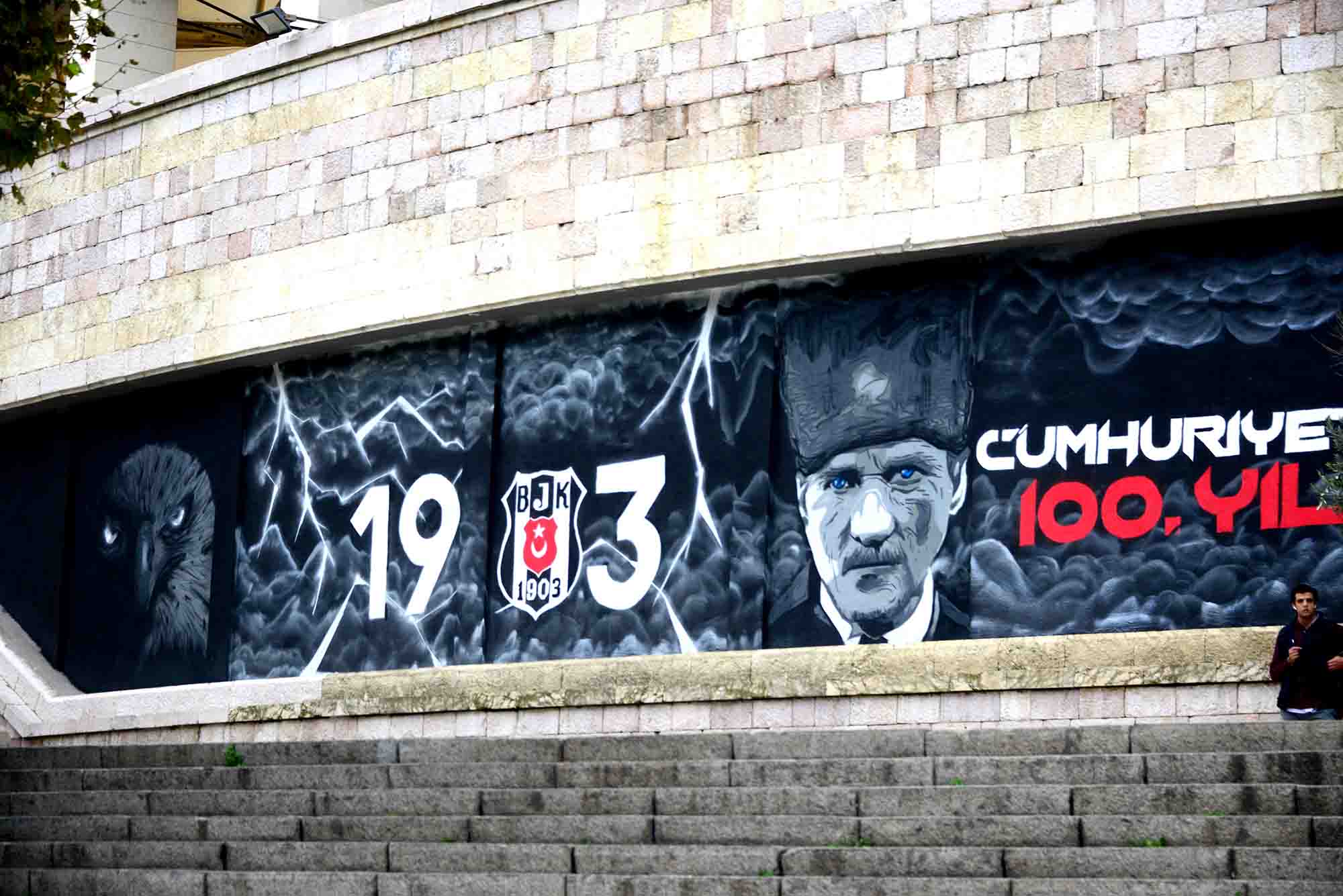
The blog’s industrious co-photographer was impressed with the offering in Days Comics, but he is a demanding man, and so we set off towards the Beşiktaş neighbourhood, to inspect another comics store, imaginatively called Comic-Comics on Google maps. On our way, we waxed lyrical that although we have visited most ‘important’ palaces, we had criminally missed the Dolmabahaçe palace, but at least this time around we could inspect the open-air photo exhibit of Mustapha Kemal Atatürk’s life. While Atatürk imagery and Turkish flags are always prominently present in public spaces, this year it reached hitherto unscaled heights, given that on October 29th, the country celebrated the 100th anniversary of the founding of the Turkish republic.
Also along the way was Beşiktaş stadium, the newly built facility which replaced the historical Inönü stadium. As a (possibly naïve) football purist, nothing irks me quite like the vandalising of a club’s traditions: while it made a lot of sense to build a modern stadium to replace the dated infrastructure of the old Inönü, changing the name was one step too far- to add insult to injury, while theoretically the stadium simply bears the name of the club, every few years or so it will be ceremoniously renamed for the most recent sponsor, so after having been Vodafone for a few years, it is now known as the Tüpraş stadium. Turmoil in the fans’ hearts could be settled with some decent results, but, alas, Beşiktaş are halfway through a putrid season, entering January with the fifth new managerial appointment of the season, and trailing criminally behind the two big city rivals, Fenerbahçe and Galatasaray. At least their away kit looks stupendous, so you can look fabulous while being made fun of by your Fener and Galata supporting friends. (One of the basic tenets of Turkish society is that everybody has at least a minimal allegiance to one of the big Istanbul sides. They will also have friends and acquaintances in the other fanbases, and will bicker with them endlessly, ranging in tone from the amiable to the vicious. And thus, the human comedy survives and perpetuates.)
The good news is that Comic Comics is actually called Arkabahçe Comic Shop, and while it is a little hard to find- it is located inside a fairly derelict shopping centre rather pompously called Büyük Beşiktaş Çarşısı-Big Beşiktaş Market-it has an excellent selection of comics both in Turkish and English. In keeping with our painfully hipster agenda, we proceeded to the Craft Beer Lab, which seemed eerily empty. As we sat, in our great loneliness, sipping our IPAs and watching replays of Serie A games, we did notice that a constant stream of patrons was in fact arriving, but then disappeared into a tunnel of sorts near the toilet, never to resurface. Our suspicion that we had discovered a secret portal into a parallel dimension was quashed by the harsh reality of the back door opening into the smoking area, which, by the time we figured out its mystery, was absolutely packed.
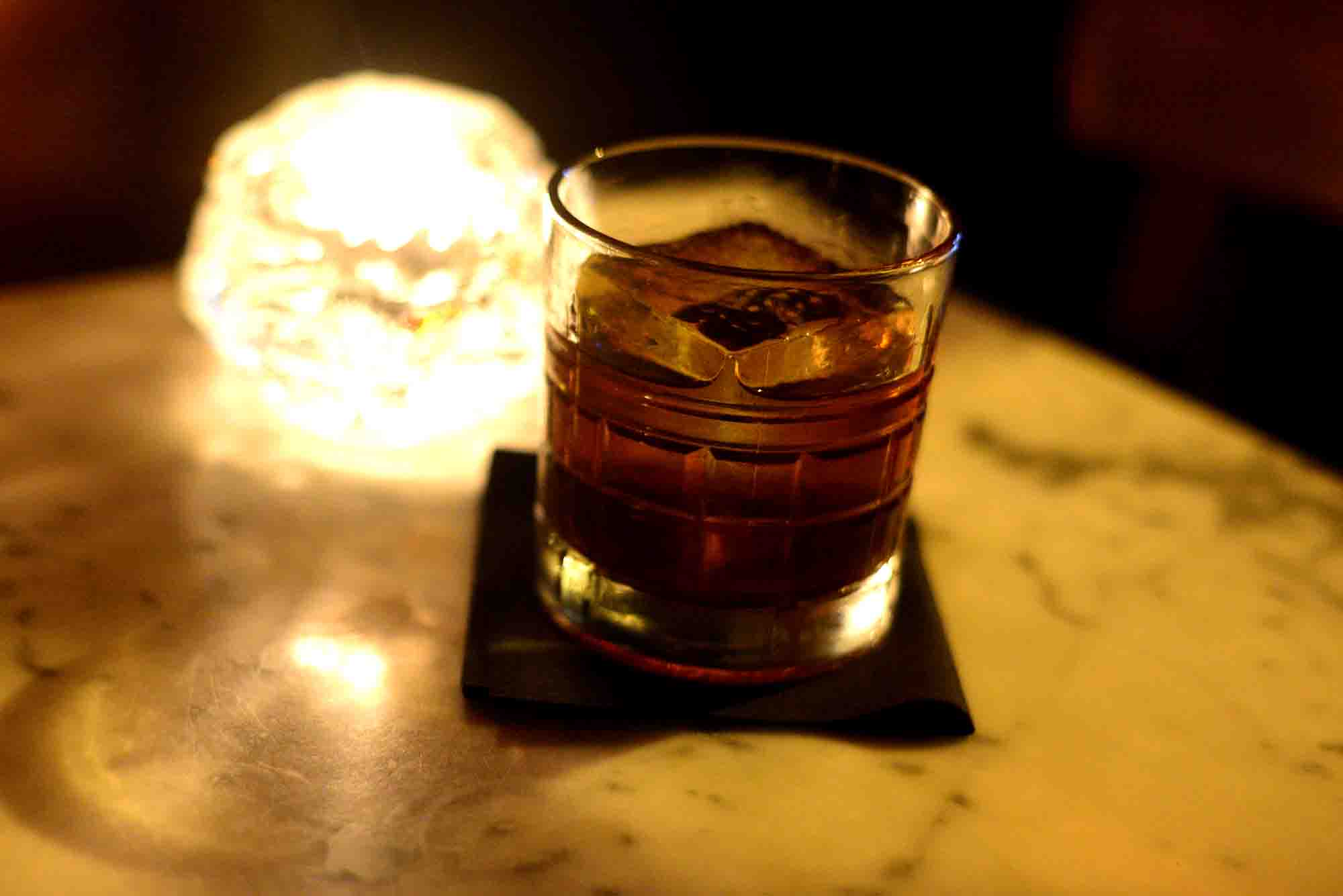
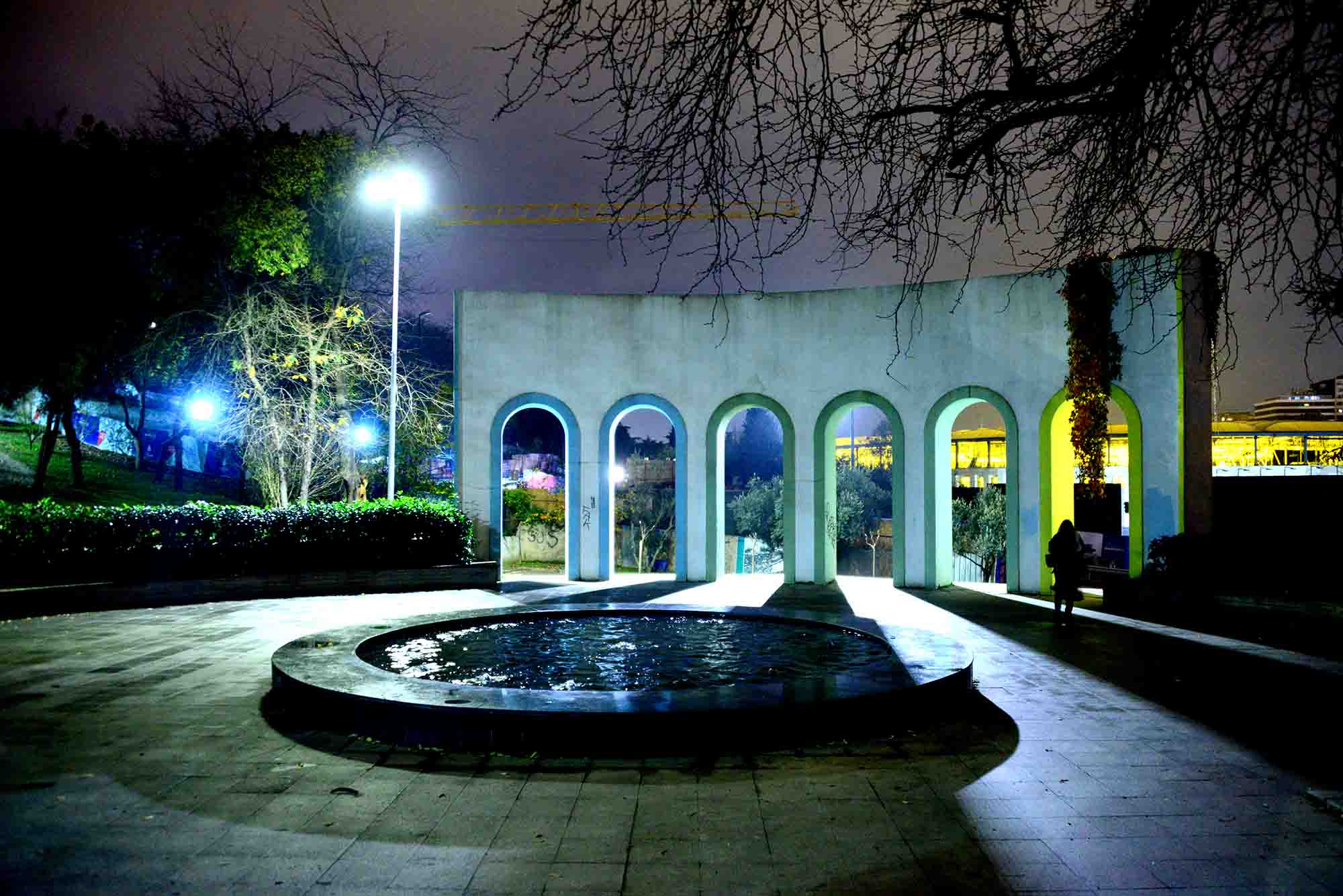
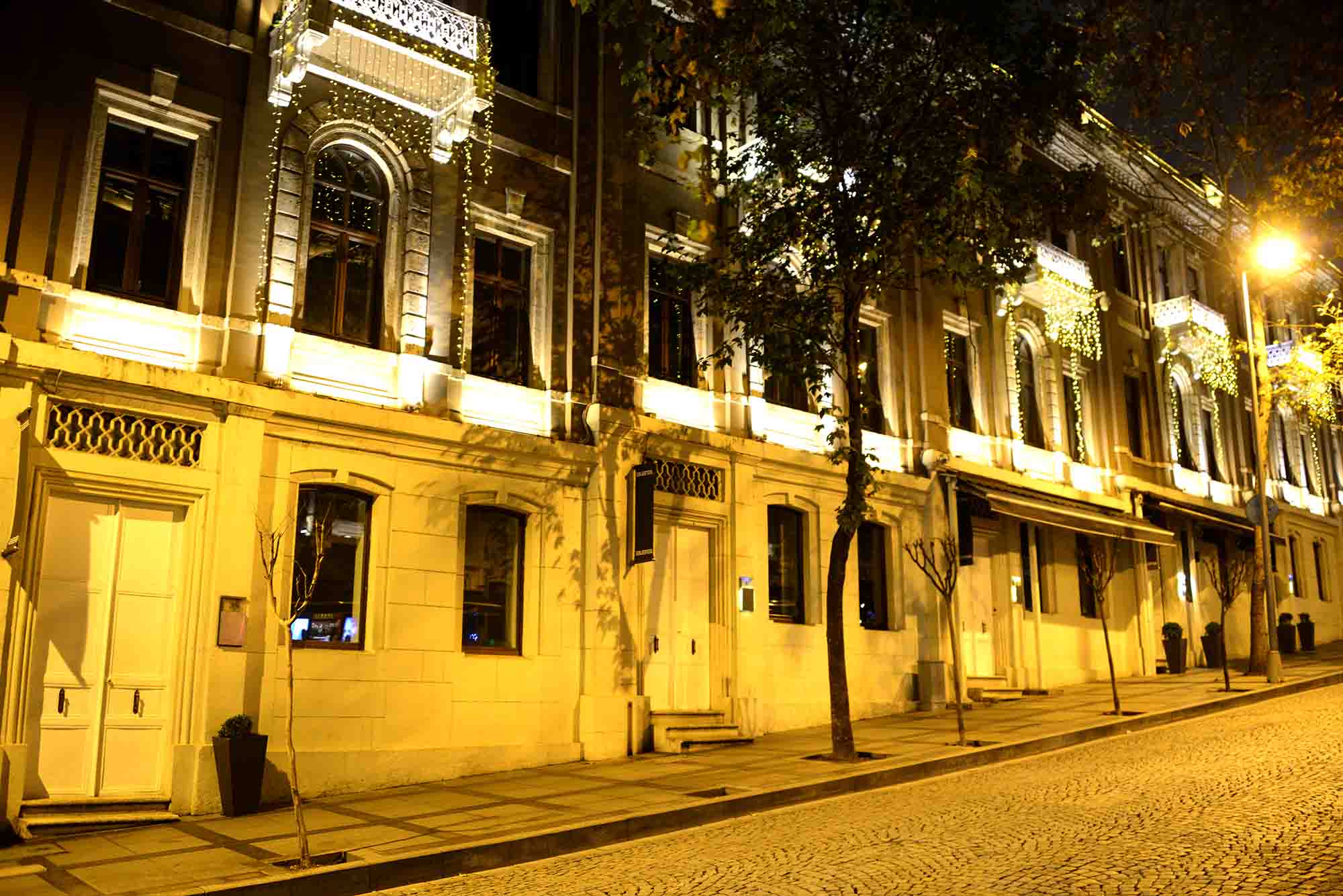
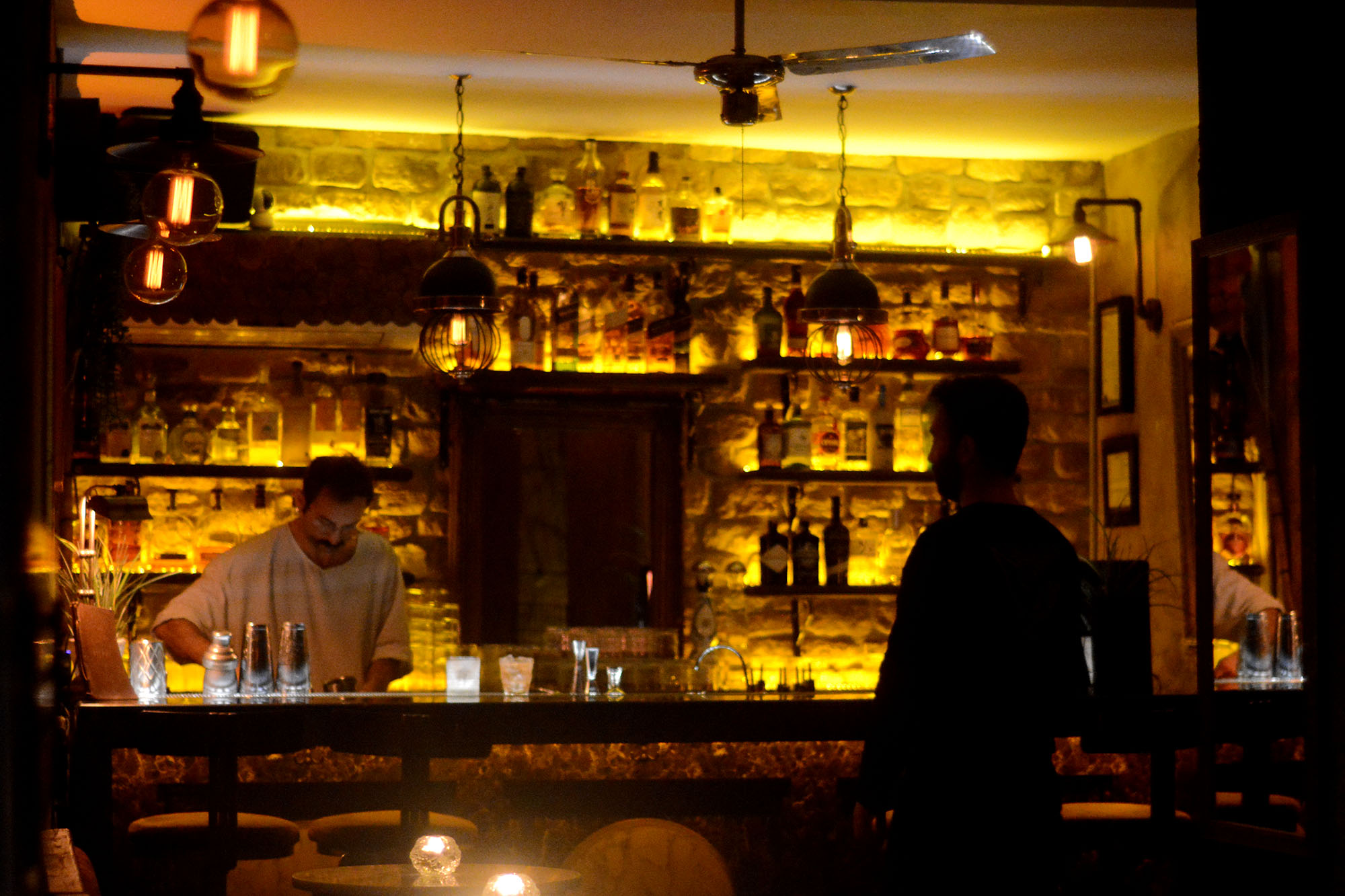
With an Alice in Wonderland experience sadly averted, we walked through the Akaretler district, along well-preserved 19th Century row houses, which, as we discovered, were built as homes for the high-ranking officials serving at the Dolmabahaçe palace. Given the late hour, which is to say about 4 PM in December, we did not see much of the Maçka and Gezi parks as we were making our way towards Taksim square, but at least the steep road by the Hilton became exciting, that is, ridiculously slippery under a very fine icy drizzle. Our next stop for the evening was Flekk, a cocktail bar with a Scandinavian vibe and a trippy infinity mirror in the bathroom, becoming ever trippier as cocktails multiply. These are excellent cocktails, but of course we recommend moderation. Should moderation fail, there is an unexpected solution nearby, in the form of kokoreç. The blog’s industrious co-photographer happens to be an absolute kokoreç fiend, thinking about this exquisite delicacy as soon as he sets foot on Turkish soil. He has been known to plan entire days and reorganise carefully laid out family trips with the sole purpose of consuming kokoreç. I have always found this passion of his somewhat outlandish as kokoreç is made of lamb intestines, usually served as a sandwich, with pickles on the side. I have however learned that few things work their magic quite like kokoreç when you are pleasantly tipsy, and want to keep it that way, also avoiding next day’s hangover. Given the fact that views on alcoholic consumption are manifold in Turkey, there are people who eat kokoreç simply for the sake of it. These people remain great mysteries to me, but who am I to judge what I do not understand.
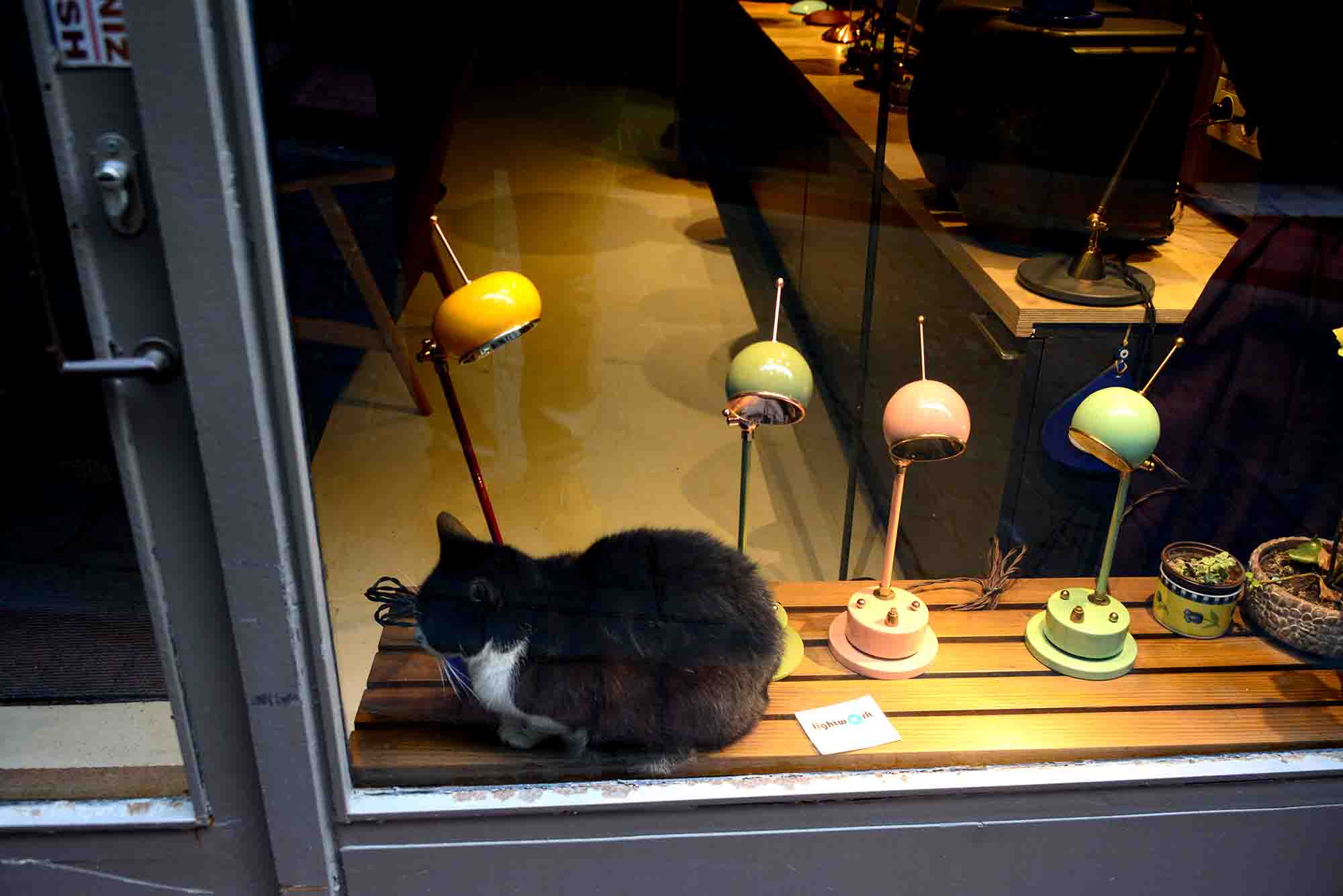
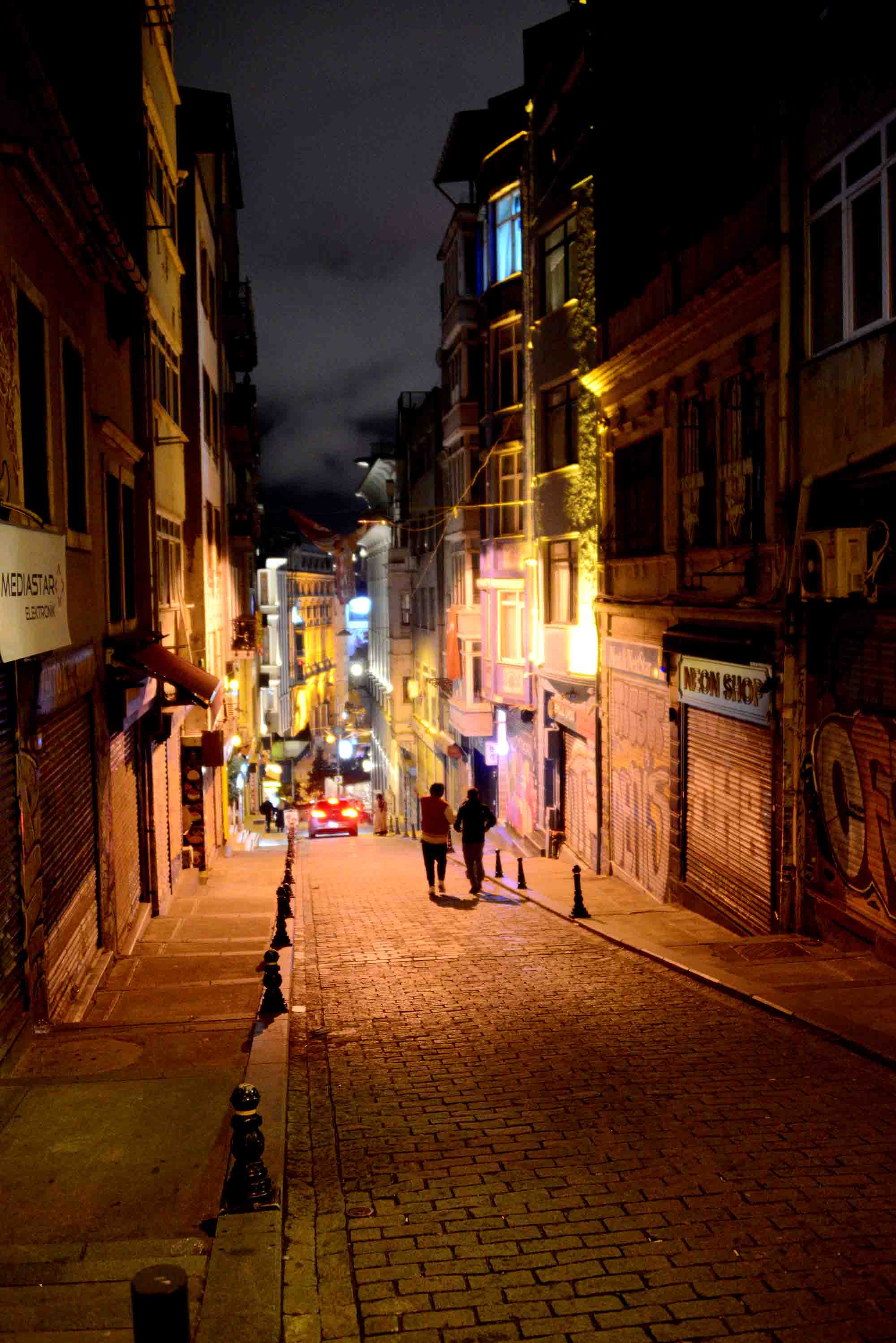
The vibe in Galata’s Şampiyon Kokoreç was very jovial on a balmy winter’s evening (the drizzle had come and gone) and this made us open to one of the great joys and, simultaneously, ills of our modern times: unnecessary shopping. Most establishments lining Istiklal avenue and the adjacent streets will be open late into the evening, justly counting on trapping hapless tourists like moths. And so we entered Aponia, because they had a cute cat (all stores in the area have a cute cat) and a rather sleepy clerk smiling beatifically (all stores in the area have such a clerk) and we bought T-shirts, because we needed more T-shirts. Obviously, we didn’t, but in the long run, I can soberly justify this purchase with the facts that I did not have purple T-shirts, and now I do, and the material is incredibly soft and comfortable. The material is also locally sourced, made, etc, you know the drill. Both our evening, and subsequent morning perambulations in the area- warmly recommended as incredibly efficient cardio workouts-also took us onto Yüksek Kaldırım street, which happened to be mentioned several times in the novel I was reading at the time, Burhan Sönmez’s Labyrinth, and such random factoids always delight me more than they should.
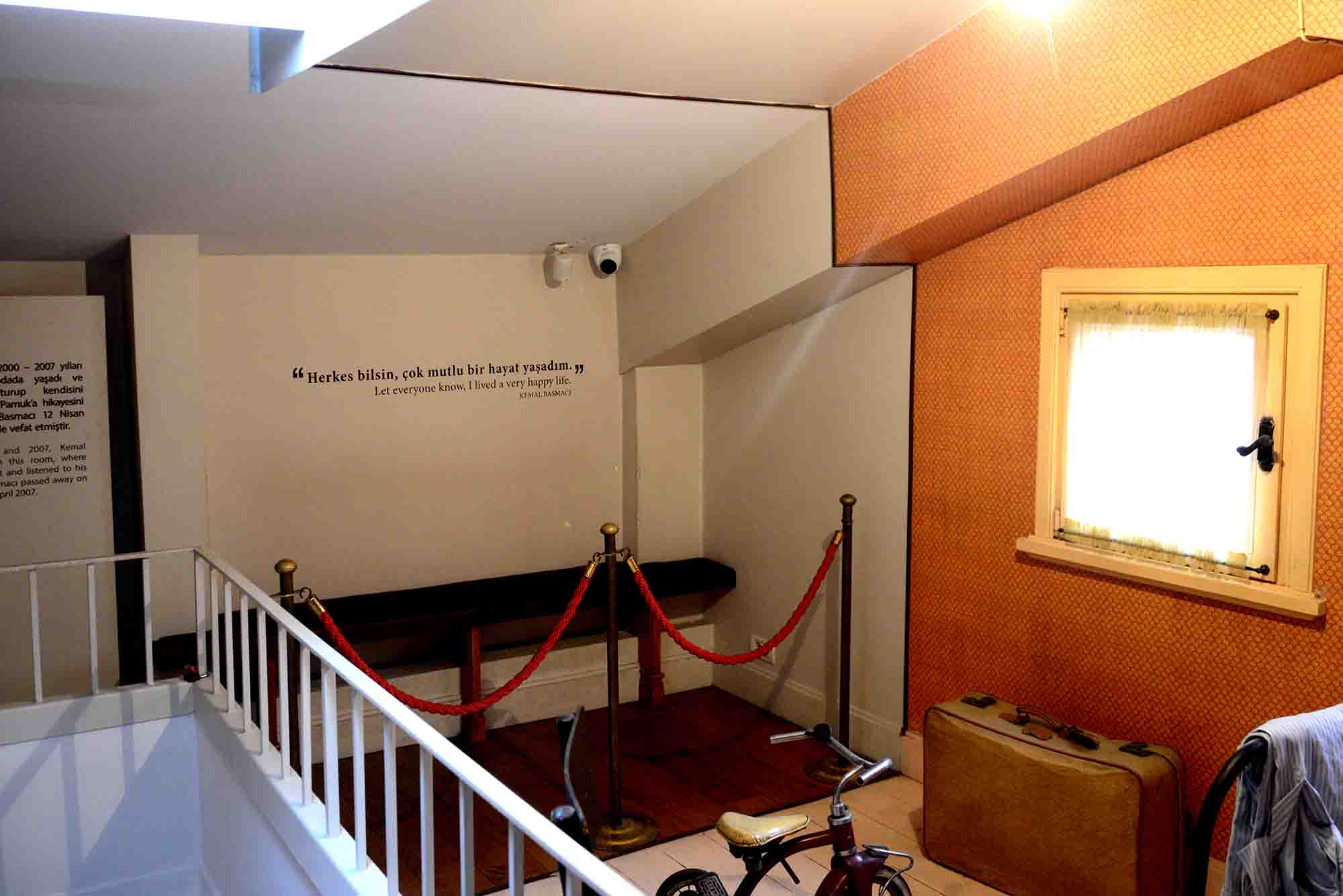
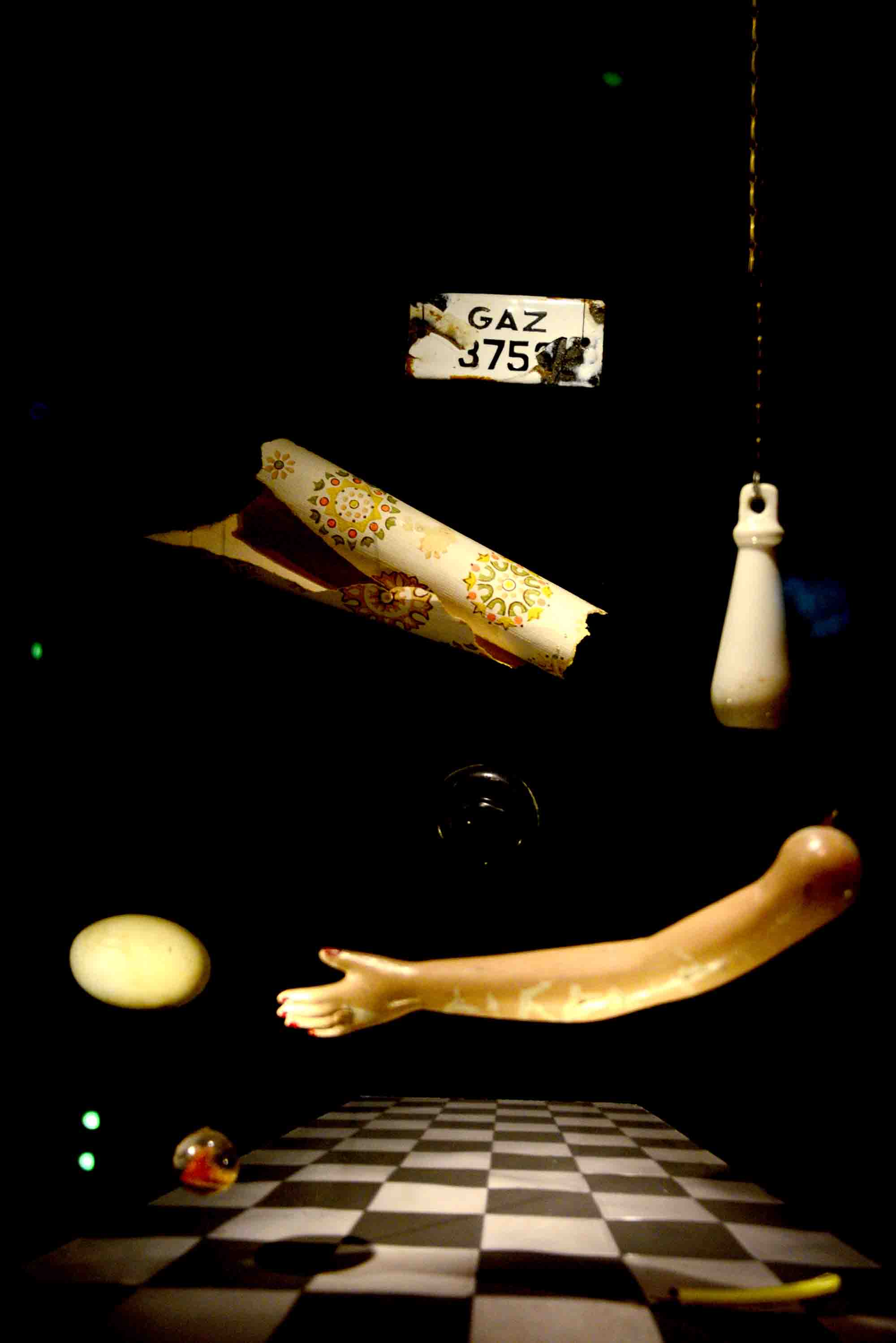
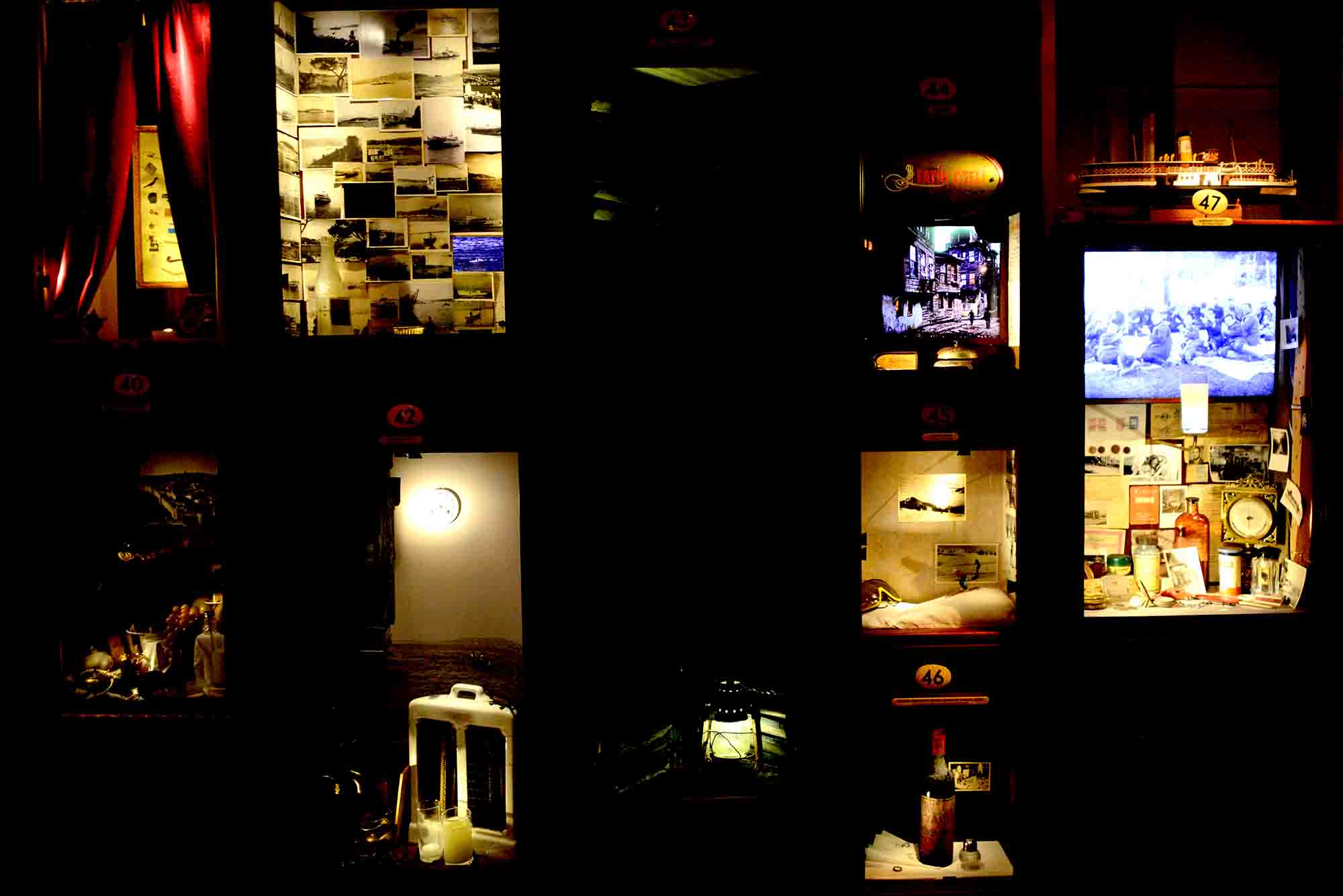
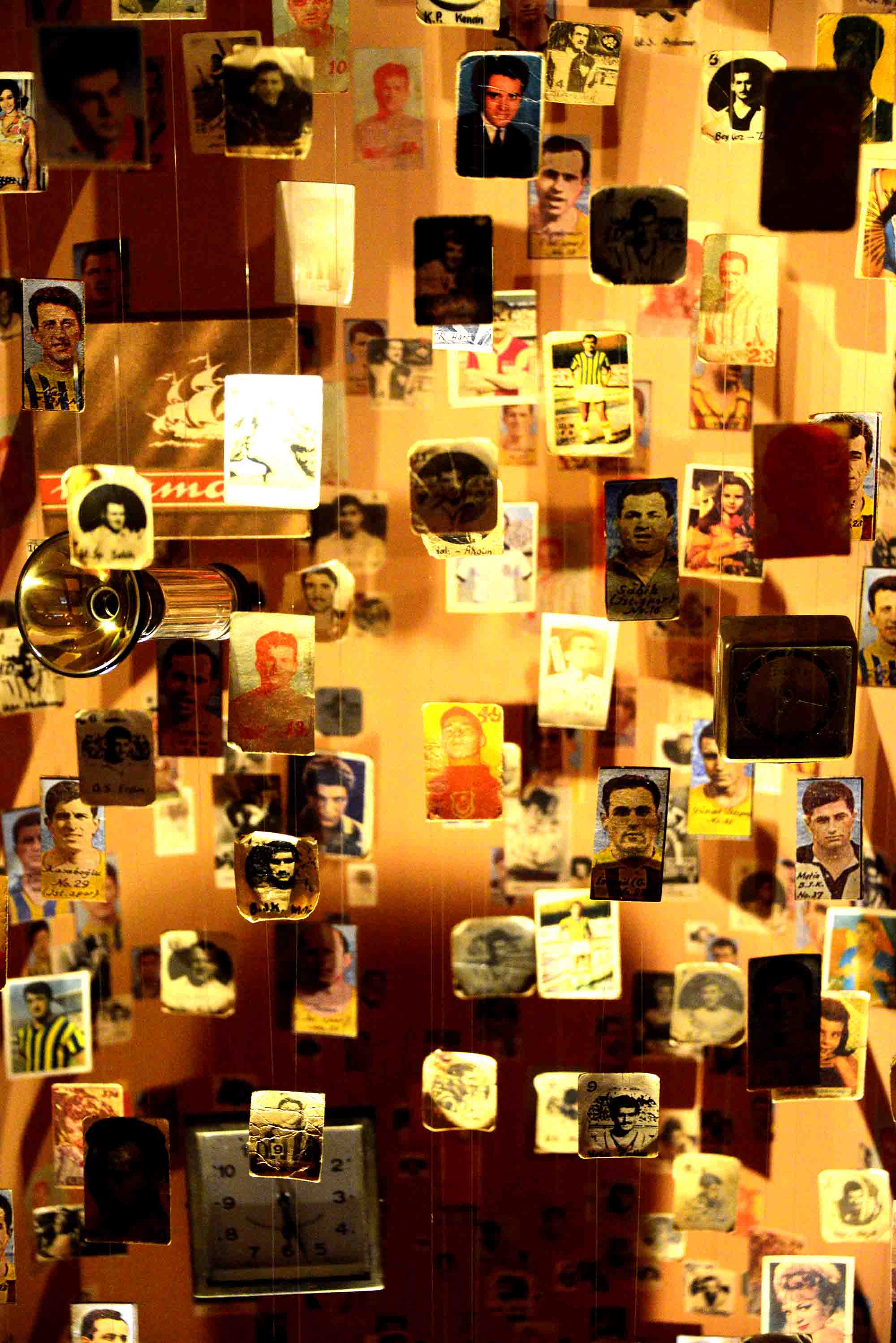
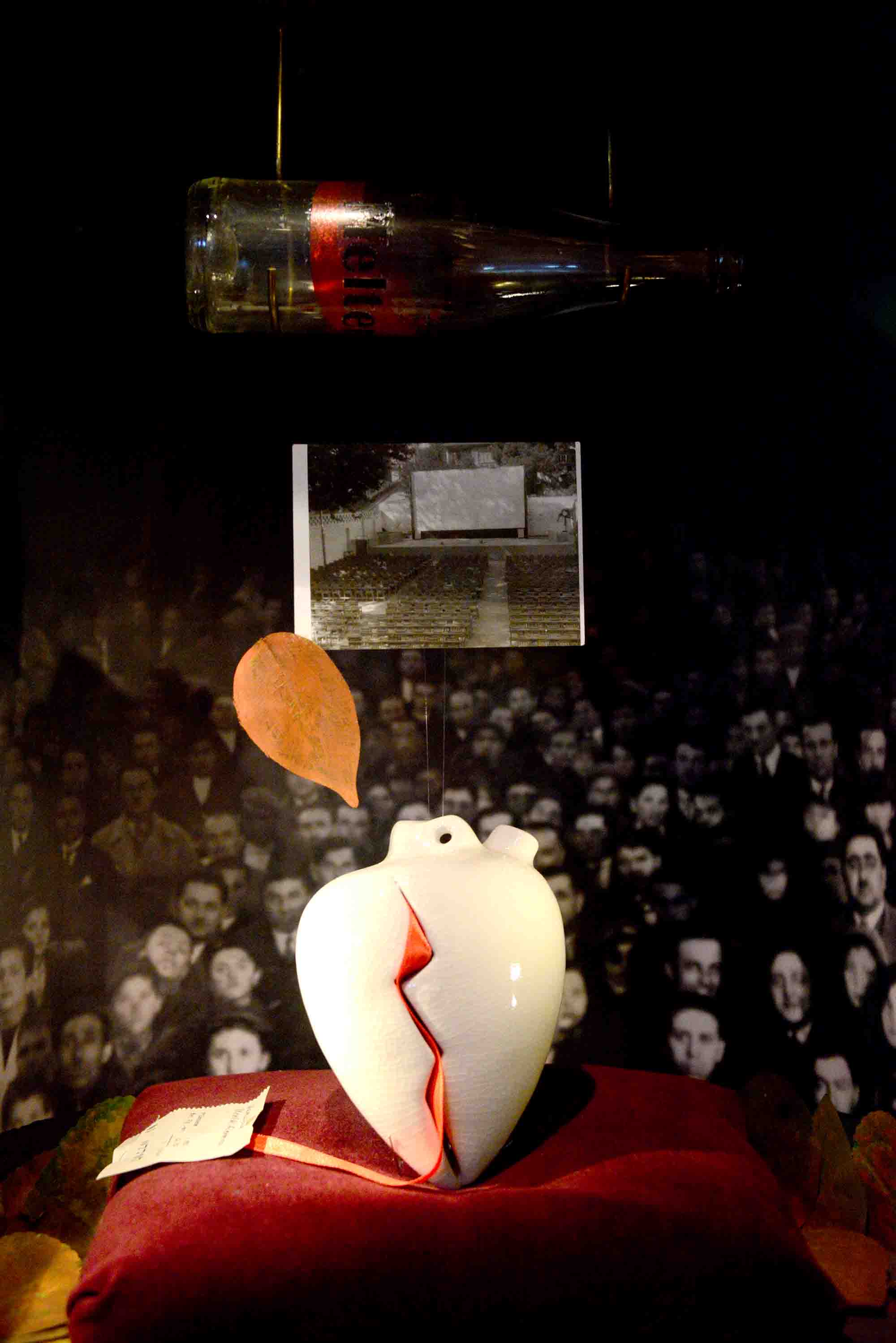
To be fair, most of our second day gravitated around a literary undertaking: visiting The Museum of Innocence, which is, in its most straightforward description, a collection of knick-knacks matching the chapters of Orhan Pamuk’s novel of the same title, which tells the story of Kemal Basmacı’s infatuation with Füsun, a distant relative. In parallel, it also tells the story of Pamuk’s infatuation with Istanbul- admittedly, he has a nonfiction book on the same topic, but The Museum of Innocence adds a different layer to the relationship through its narrative arc. While most enjoyable to someone who has read the book and is familiar with the fate of the characters, the museum can also be viewed separately, as a unique glimpse into a time and a place- the Istanbul of the 1970s and 1980s. It is also a statement of what Pamuk feels museums should be: not necessarily a collection of high art, nor collections following the fates of the rich and the powerful, but a discovery of the past through the everyday lives of everyday people. Normally treated as sidenotes, these are the lives that most of us are living. To every Mehmet the Conqueror, there are millions of Kemal Basmacıs, and their tales are no less important in the grand scheme of things.







 Pocket Diary Budapest
One Comment Add yours