Only an idiot would go for two days to Istanbul and hope to achieve anything- and so we did just that. It has to be said that our saving grace was having been to Istanbul before, and, on these occasions, having ticked off all the ‘cumbersome’ must-sees, the palaces, the mosques, the churches, the cisterns, the city walls. Right after writing this, I came to discover that the walls were neither a must see, nor a must preserve for some. Pity the fools who don’t realise Istanbul is what it is today exactly because of all the things it has been in the past.
A close inspection of everything of historical worth in Istanbul would probably take the better part of a lifetime. There’s a guide to that, a nice, hefty, breezeblock I haplessly carried around with me- Hilary Sumner-Boyd and John Freely’s Strolling Through Istanbul. Its online description begins thusly: ‘For 43 years John Freely has known, explored and loved his adopted city’- better part of a lifetime, I told you so. This allowed him incredible attention to detail, and so he lost this weak-minded reader somewhere midway through the intricate description of the Fatih mosque’s courtyard. I was in fact facing the Fatih mosque, and what caught my eye, instead of the arches, was a young woman struggling to manoeuvre a stroller and a pint-sized dog at the same time, her vividly coloured scarf flailing in the wind like a battle flag. To each their own entertainment.
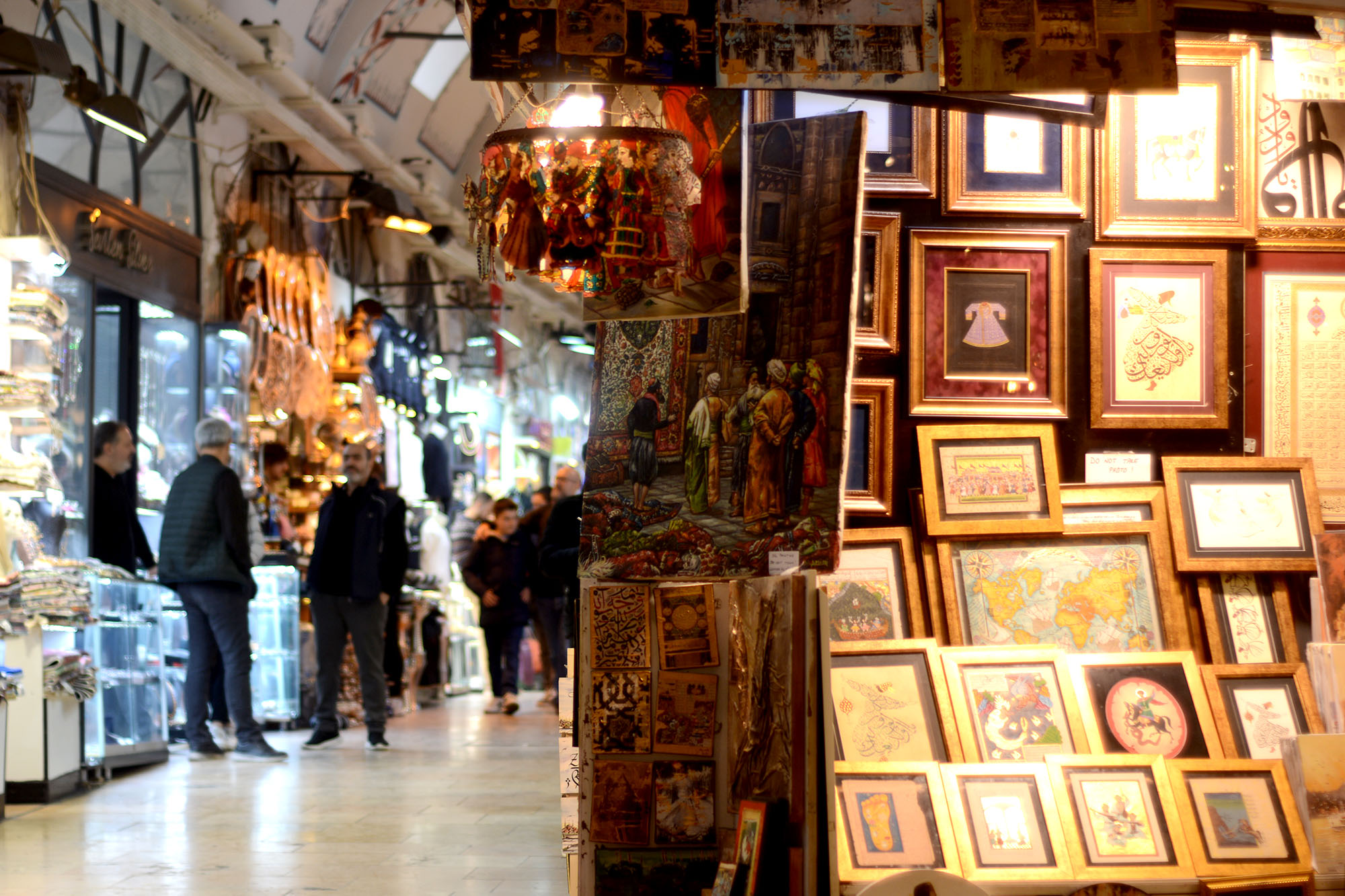
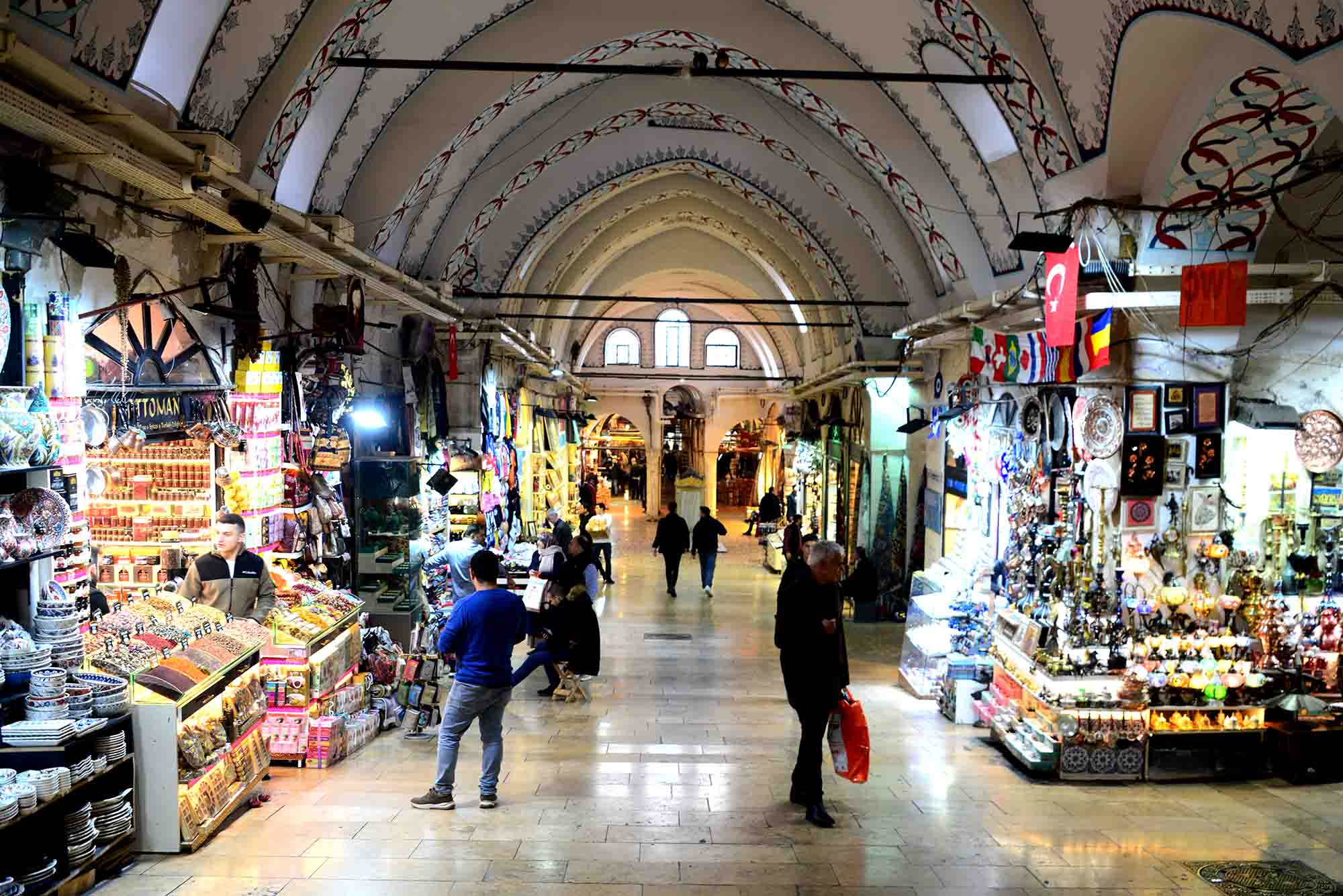
I was still holding on to the utopia of my Freely project in the Kapalı Çarşı (Grand Bazaar), where we’d ended up primarily because it was on our way from the bus station to Galata. The bus station at Esenler does deserve a special mention for being one of the most hideous constructions known to man and somehow simultaneously managing to turn organised chaos into an art form: the fact that anyone ever finds their connection is a miracle repeating itself thousands of times each day. So, there we were in the Grand Bazaar, and had absolutely no intention of shopping, which does defeat the whole purpose of a bazaar. Instead, I was reading up on what Freely had to say about it, and it’s a lot- expectedly, the only thing which stuck with me was that the restaurant he recommends, Havuzlu, is still alive and kicking. And the reason why I knew about the Havuzlu was seeing it on my way to the restroom. We’ll take a short detour here into what is useful travel information of sorts: as any Western traveller, I was taught to fear Turkish restrooms, always half expecting a fetid hole in the ground arrangement. My experience this time around was, however, overwhelmingly positive. All restrooms I had the luck of visiting were spotless, all of them had at least one stall with an ‘English throne’, and the majority were free to use- the one in the Bazaar had the quirk of being accessible only with the Istanbulkart- which you should probably have anyway, to get around with public transportation. (Briefly tarrying on the bazaar topic, there is a great ambient album by Ali Kuru which opens with a quirky little track that neatly sums up the sonic experience of the place.)
Crossing the Galata bridge sends Freely on a stroll through the city’s history. It’s possibly the most useful part of the book for somebody with the attention span of a Labrador, as it is succinct but touches on all the important milestones. Should you be open for a more detailed history, Freely obliges in another volume, Istanbul: The Imperial City. Also for history fiends I warmly recommend Jason Goodwin’s Lords of the Horizons, which is an entertainingly written history of the Ottoman empire, and if you crave entertainment of a breezier sort, Goodwin also has a series of detective novels set in 19th Century Istanbul, centred around the character of Yashim, the eunuch detective- the first story, The Janissary Tree, takes place in the aftermath of an important moment in Ottoman history, the disbanding of the Janissary corps.
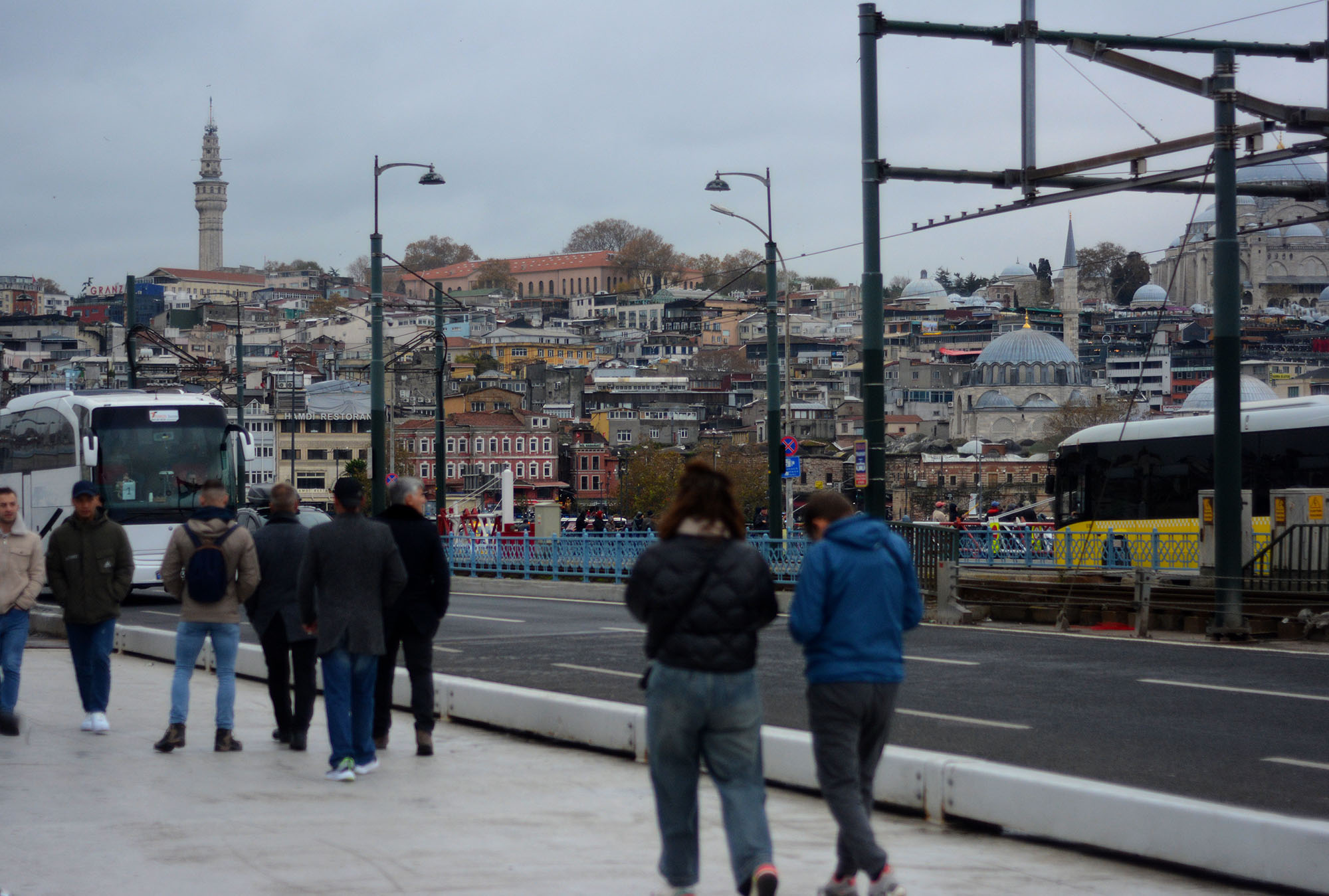
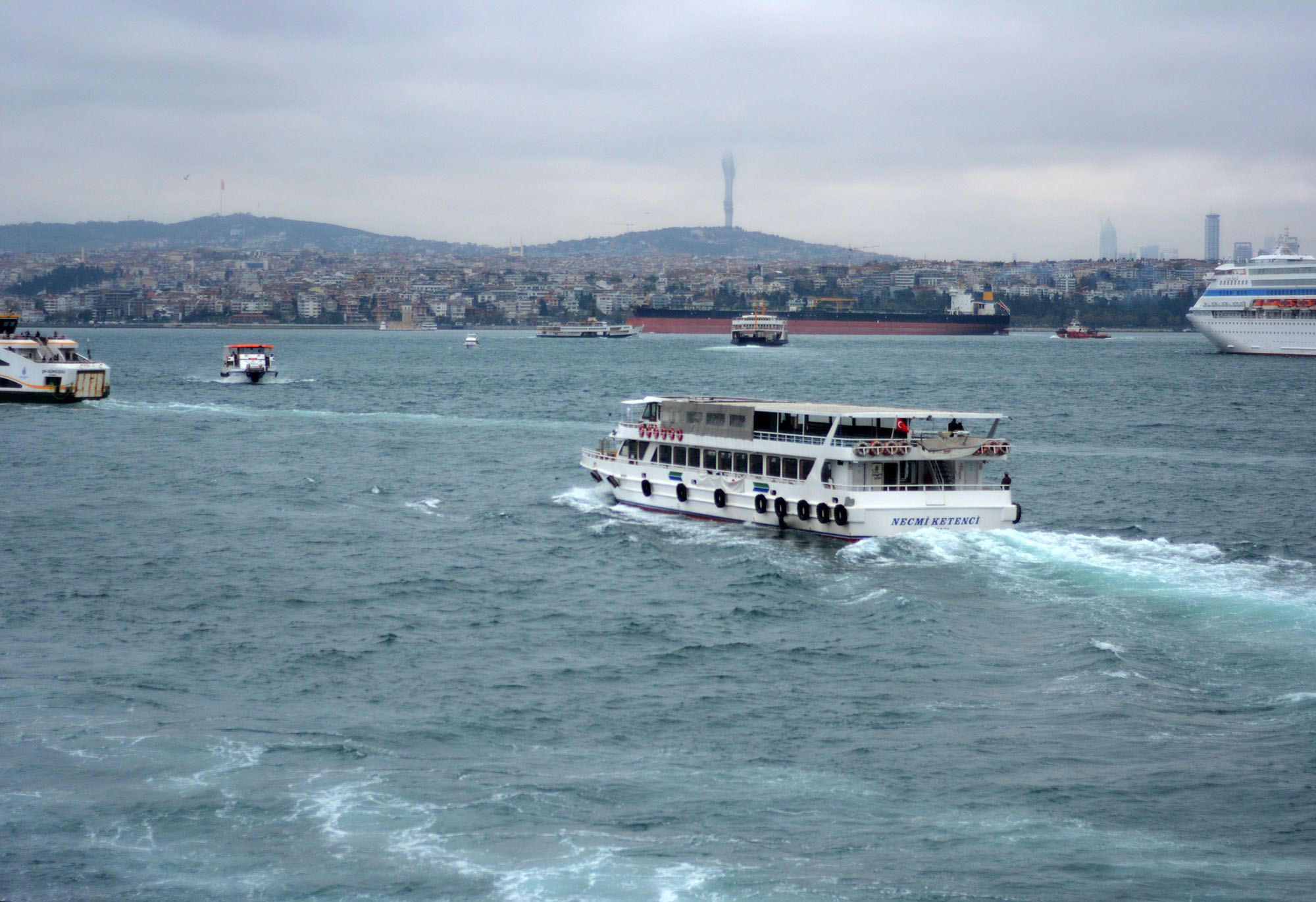
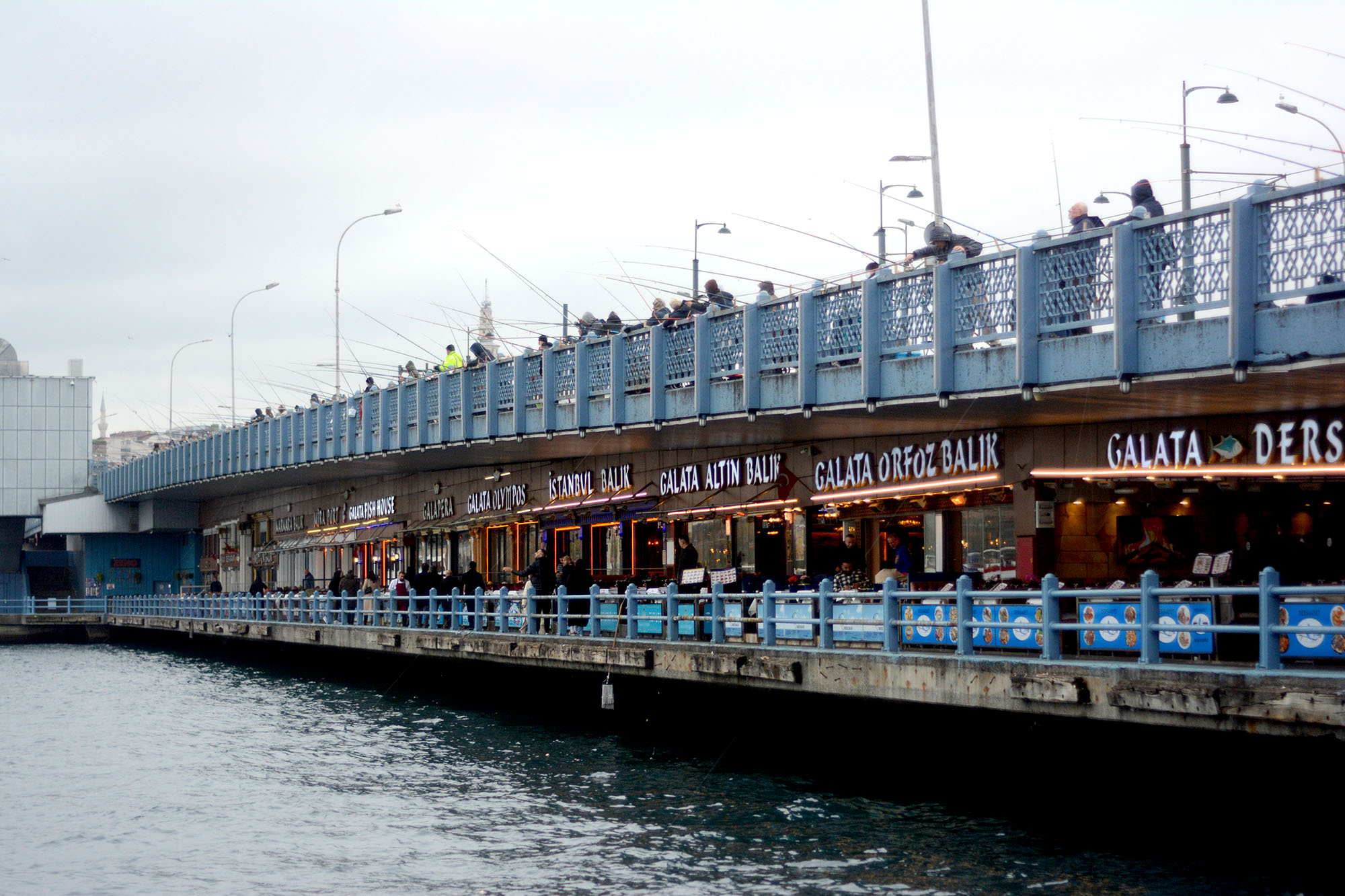
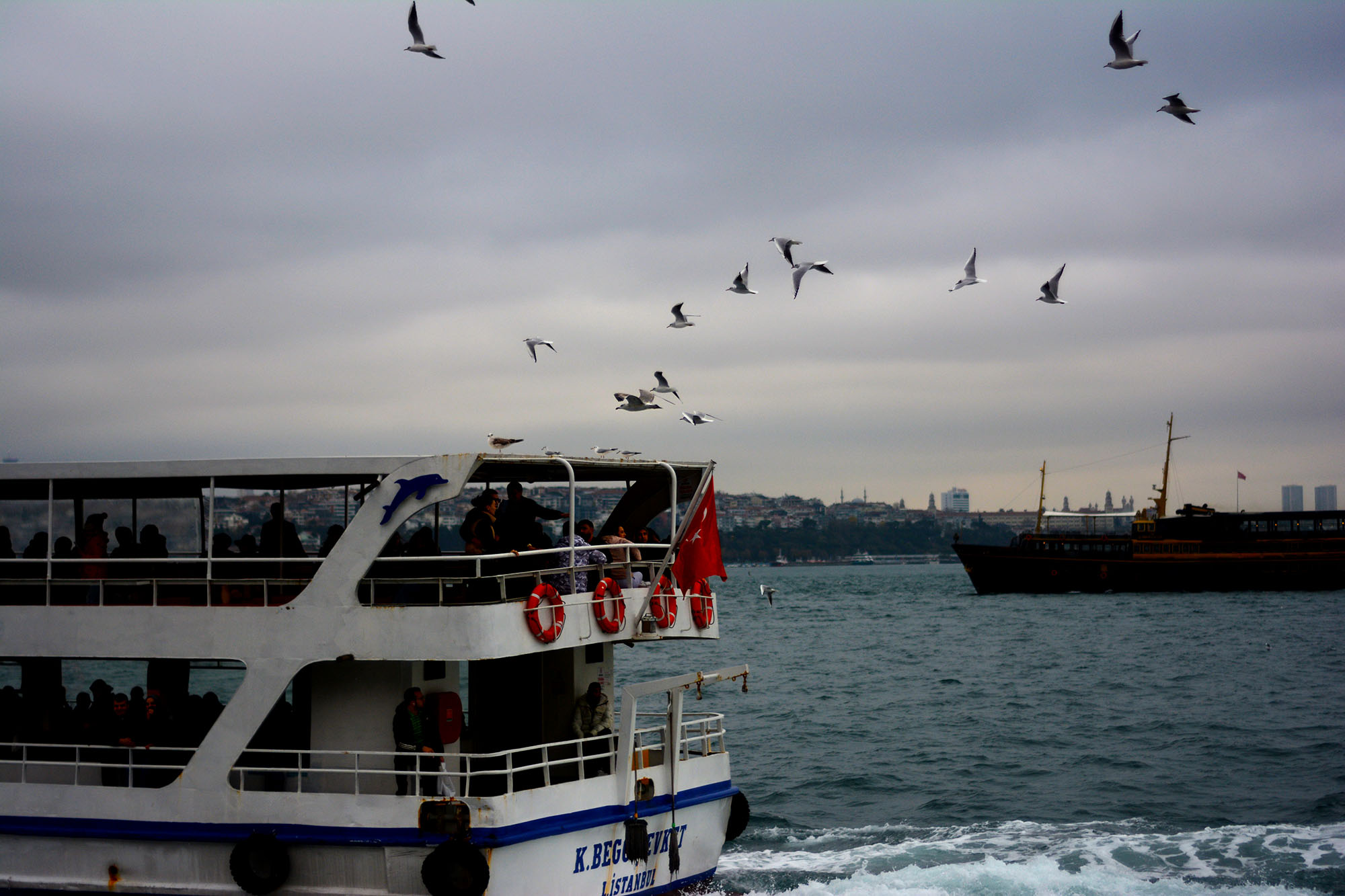
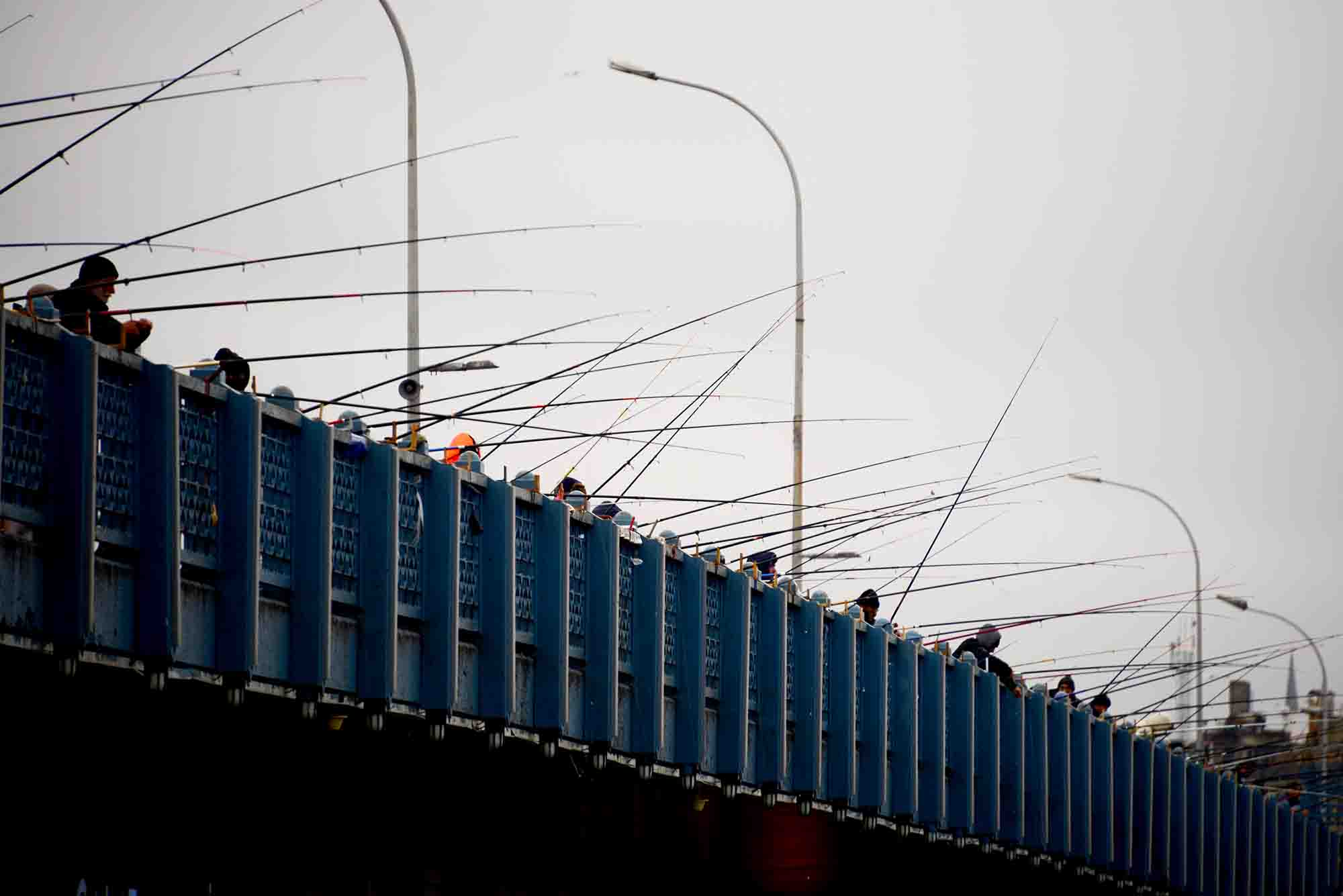
Crossing the Galata bridge happens to be one of my favourite things to do in Istanbul, and while it elicited a craving for erudition in Freely, it worked its predictable way on us, and elicited a craving for beer. The way to do the crossing right is, first, to inspect the work of the fishermen on the top deck, and then to go to the lower deck to one of the sea food restaurants, where your fresh fish will often be accompanied by a glass or so of rakı. The glitch in the Matrix is that neither the blog’s industrious co-photographer nor I are big fans of sea food, and drinking rakı without an amuse bouche is losing a good part of the experience. We therefore opted for a proletarian serving of beer instead, and watched the boats make their way to the Eminönü and Karaköy piers, and the freshly caught fish being hoisted upwards towards the unseen fisherman standing above us on the top deck. There is something quintessentially Istanbul about being both at the centre of a heaving global metropolis, and at the same time, being an outsider, and an onlooker, a little ill-fitting in the global scheme of things. German has words for everything it deems necessary, but so does Turkish: this strange melancholy feeling is known as hüzün and can be rightly called one of the main characters of Orhan Pamuk’s work, to whom we will return later.
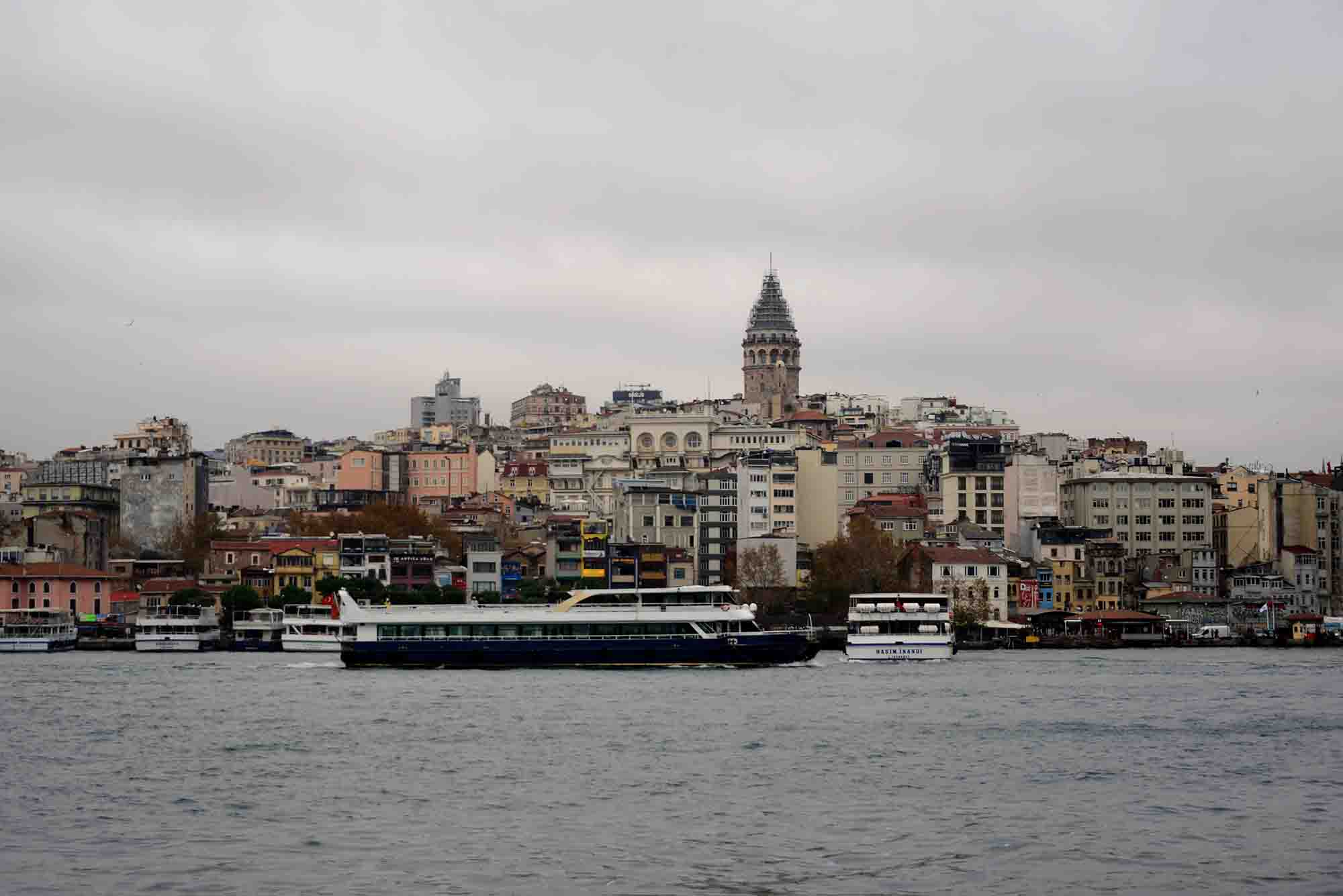
Having crossed into Galata, we lost Freely, and he lost us: he found the ramshackle districts of Beyoğlu of little interest to his architectural explorations, while we were to spend most of our time in this area. He was therefore ceremoniously deposited in our hotel room, and there he lay undisturbed for the rest of our stay. Speaking of our hotel: the Casa de Port is a great option for a city break- easy to get to from public transportation, and close to the hot spots of Karaköy. The proximity to public transportation is not to be taken lightly- a few dozen metres uphill you will already be required to either do a bit of mountaineering with suitcases or pay a somewhat extortionate price for a taxi likely to be stuck in traffic for long periods of time.
Our first pit stop in Karaköy was dictated by a sudden, irrepressible craving for caffeine and yes, we did go to one of those ‘hipster’ places which look alike in all modern cities. Even their attempts at difference- namely the promise of sourcing locally and supporting small businesses- are, in the end, part of the same trend. We therefore went to Kronotrop and got a flat white with beans from a local roastery, and with local milk, which local milk was suspected to be a vegetarian option by the blog’s industrious co-photographer. Long and the short of it, he felt that his people didn’t ride, smite, and plunder all the way through the steppe drinking mare’s milk only to then be let down with insipid oat juice at the end of the journey. I personally found the coffee to be alright, but if I am to recommend one speciality coffee place in the area, it will be Old Java Coffee Roasters Galata, which supplied us with a wonderful breakfast the next morning and coffee from their own (locally roasted) beans, and I must confirm they are absolutely excellent.
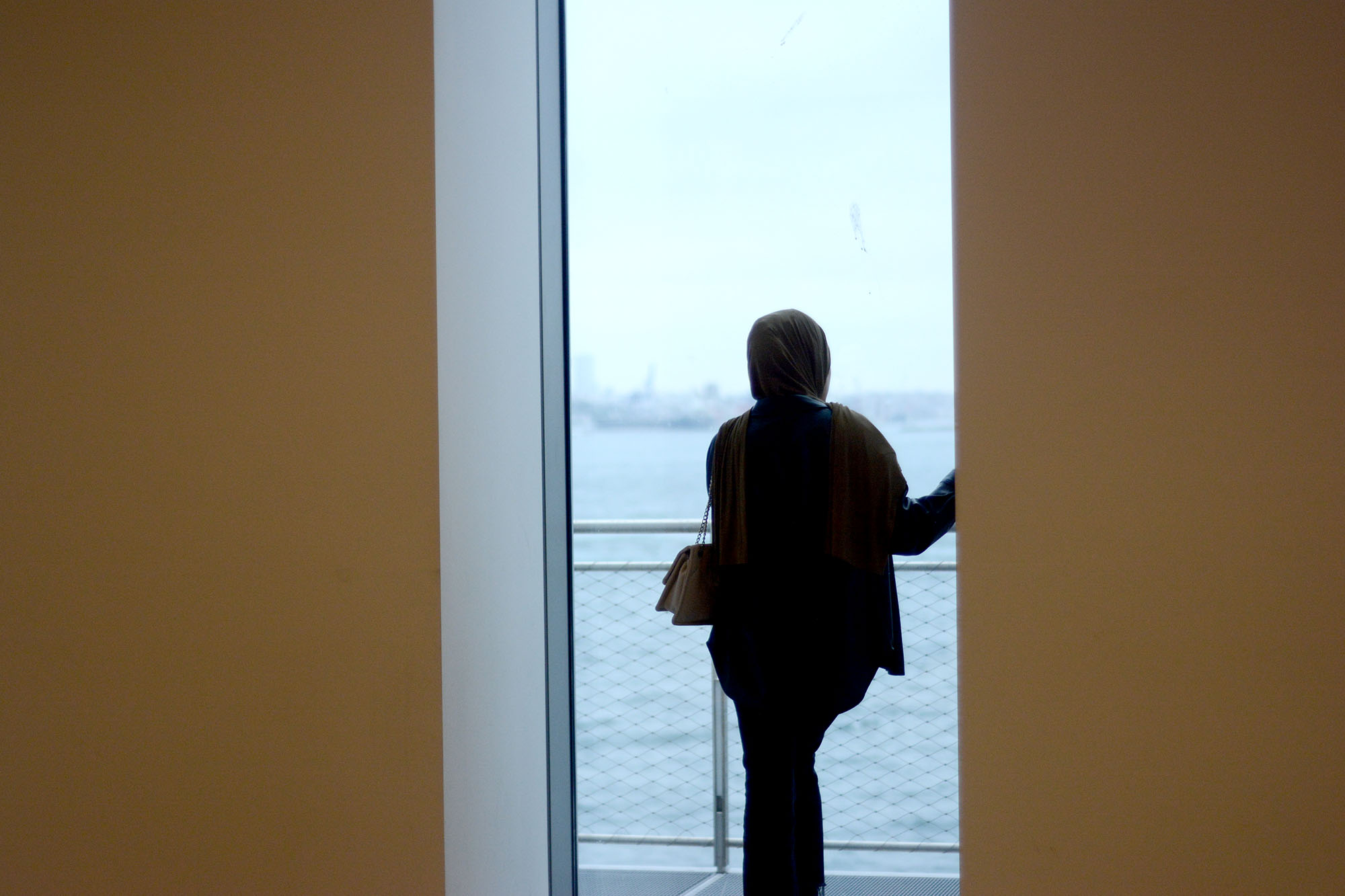
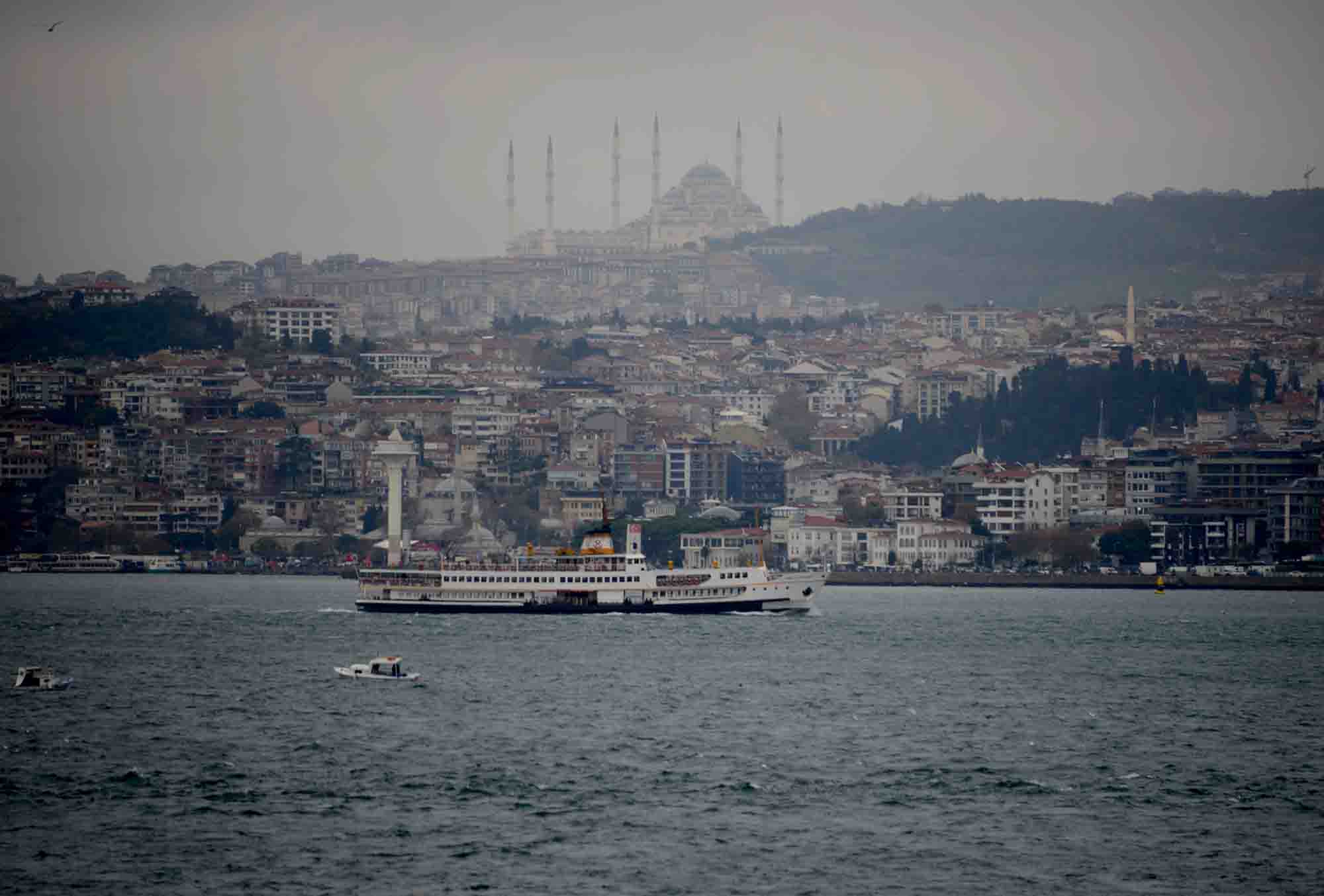
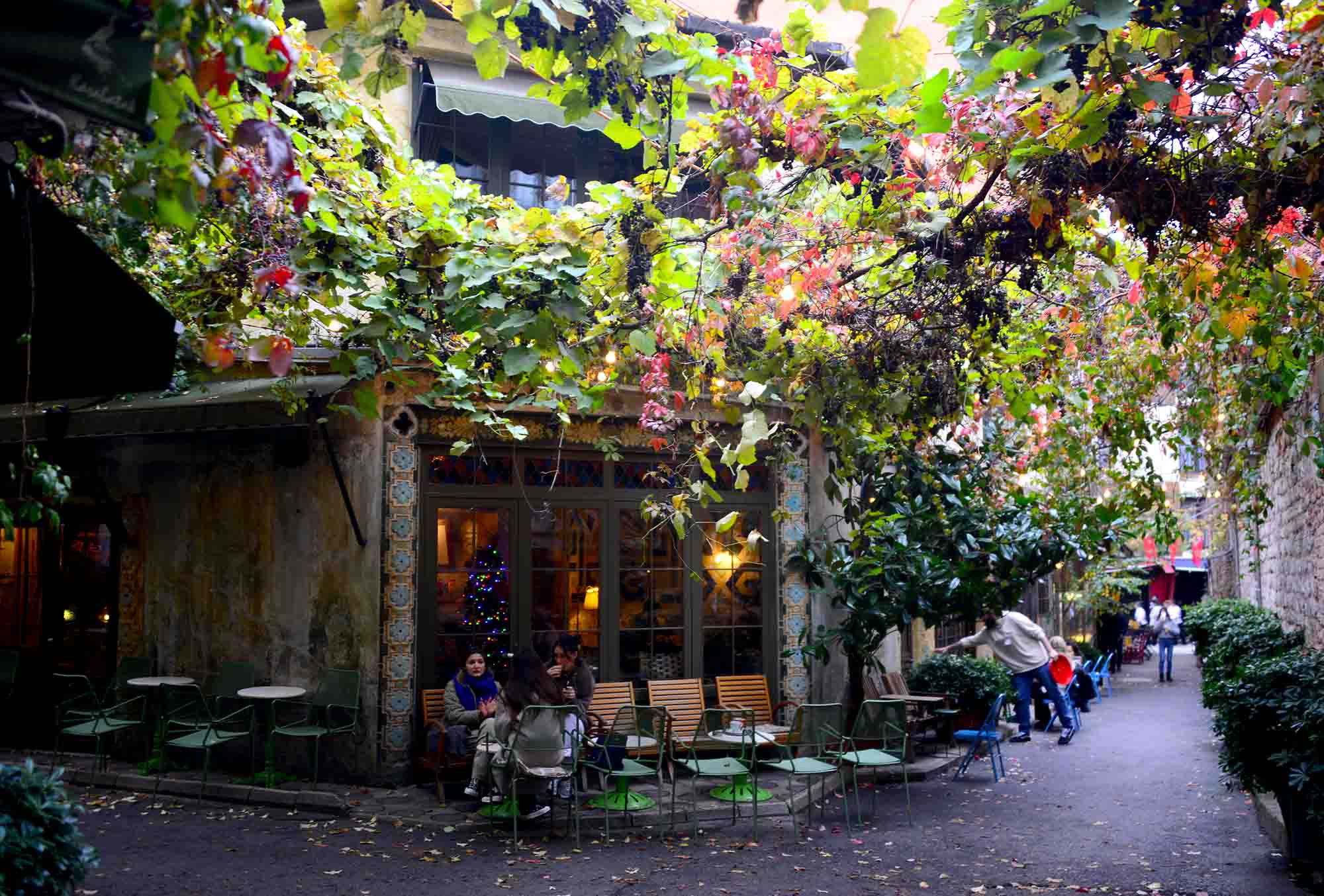
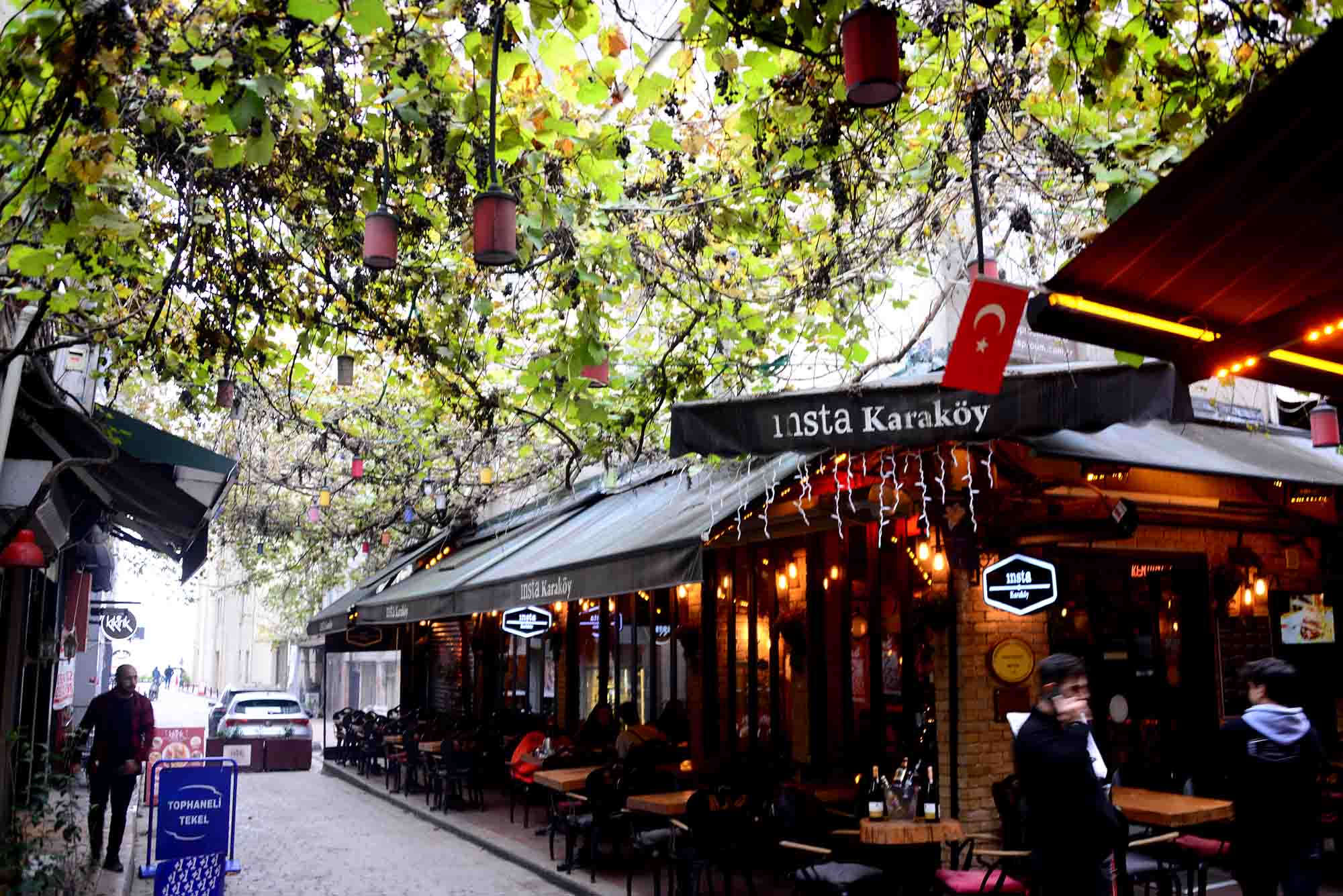
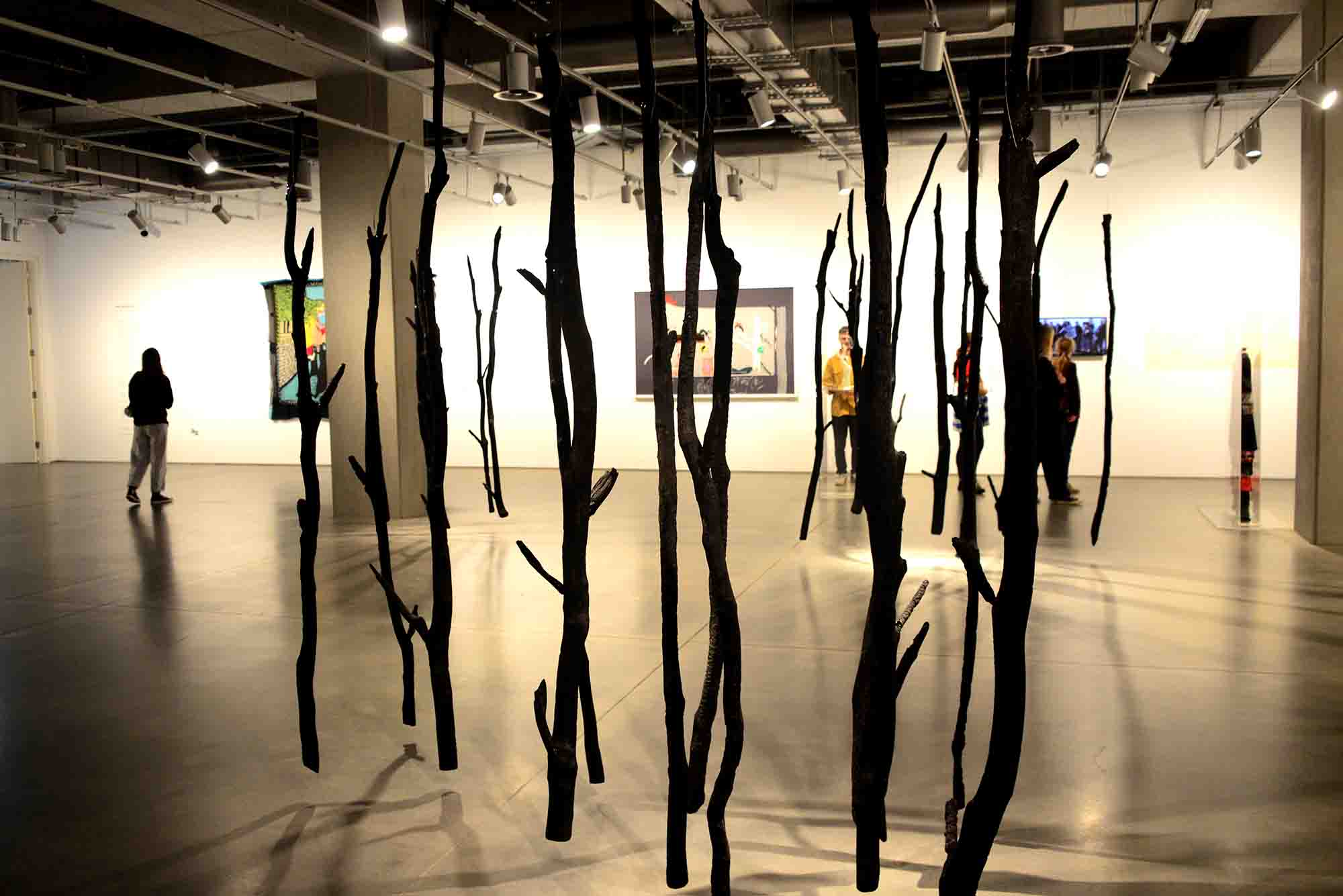
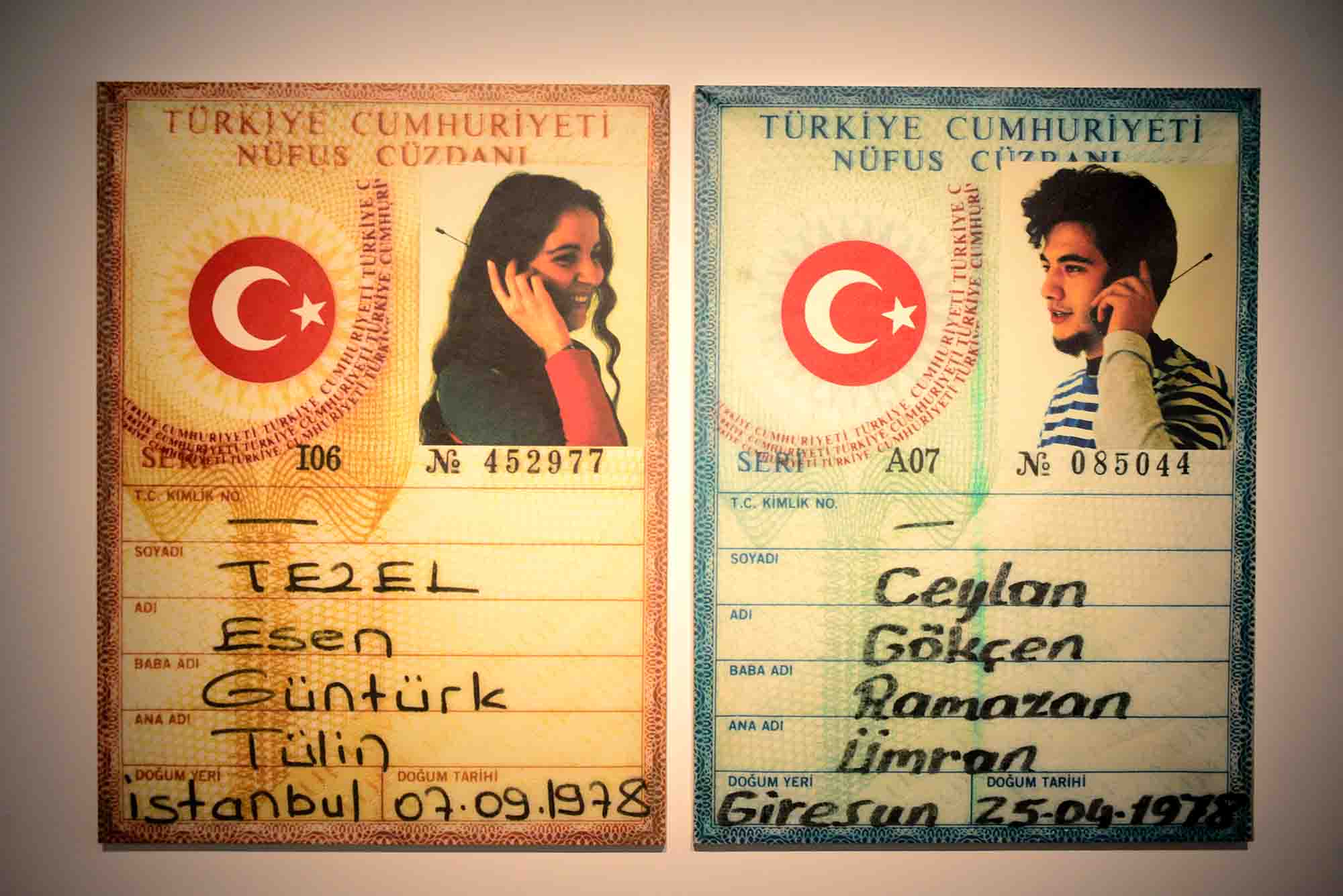
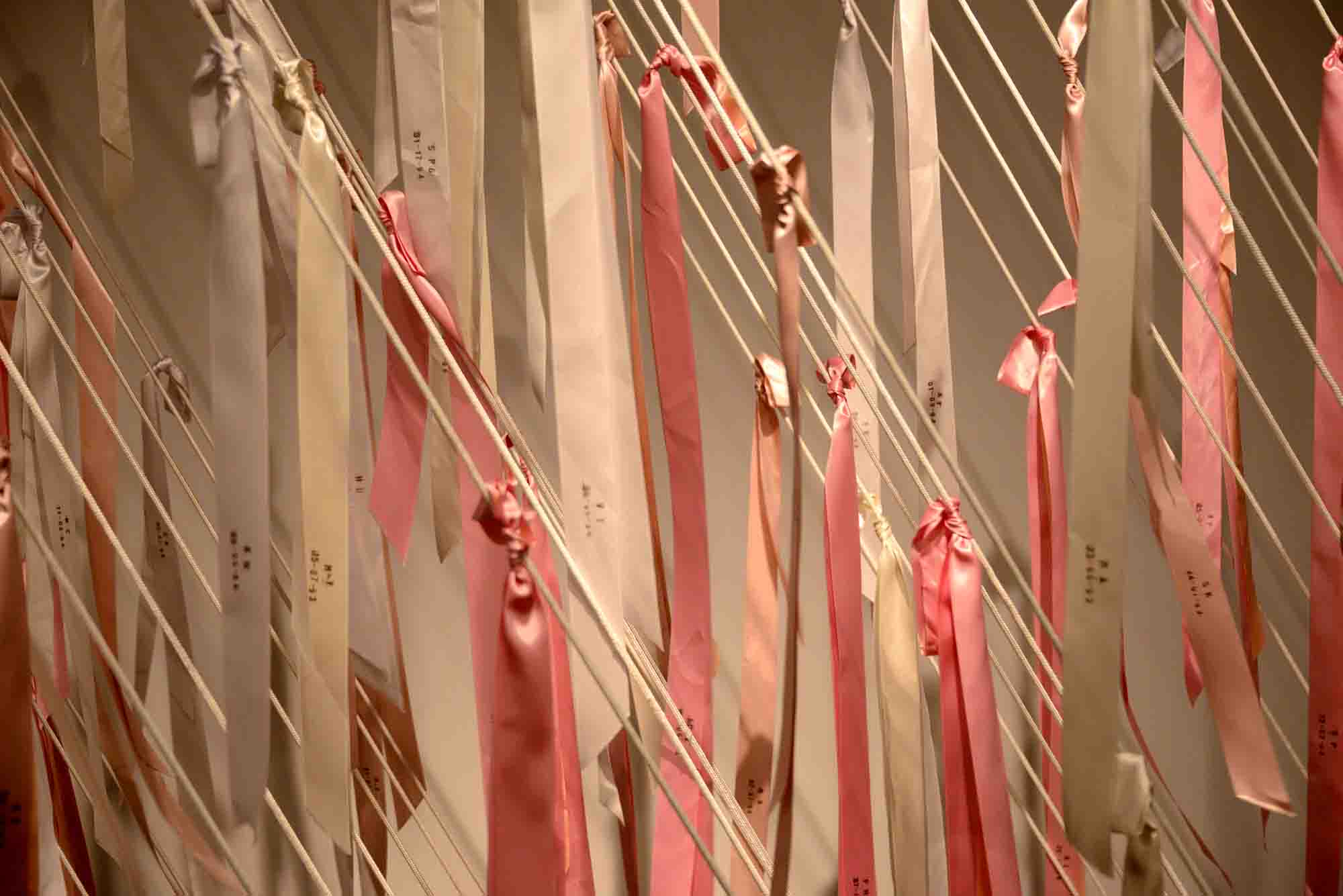
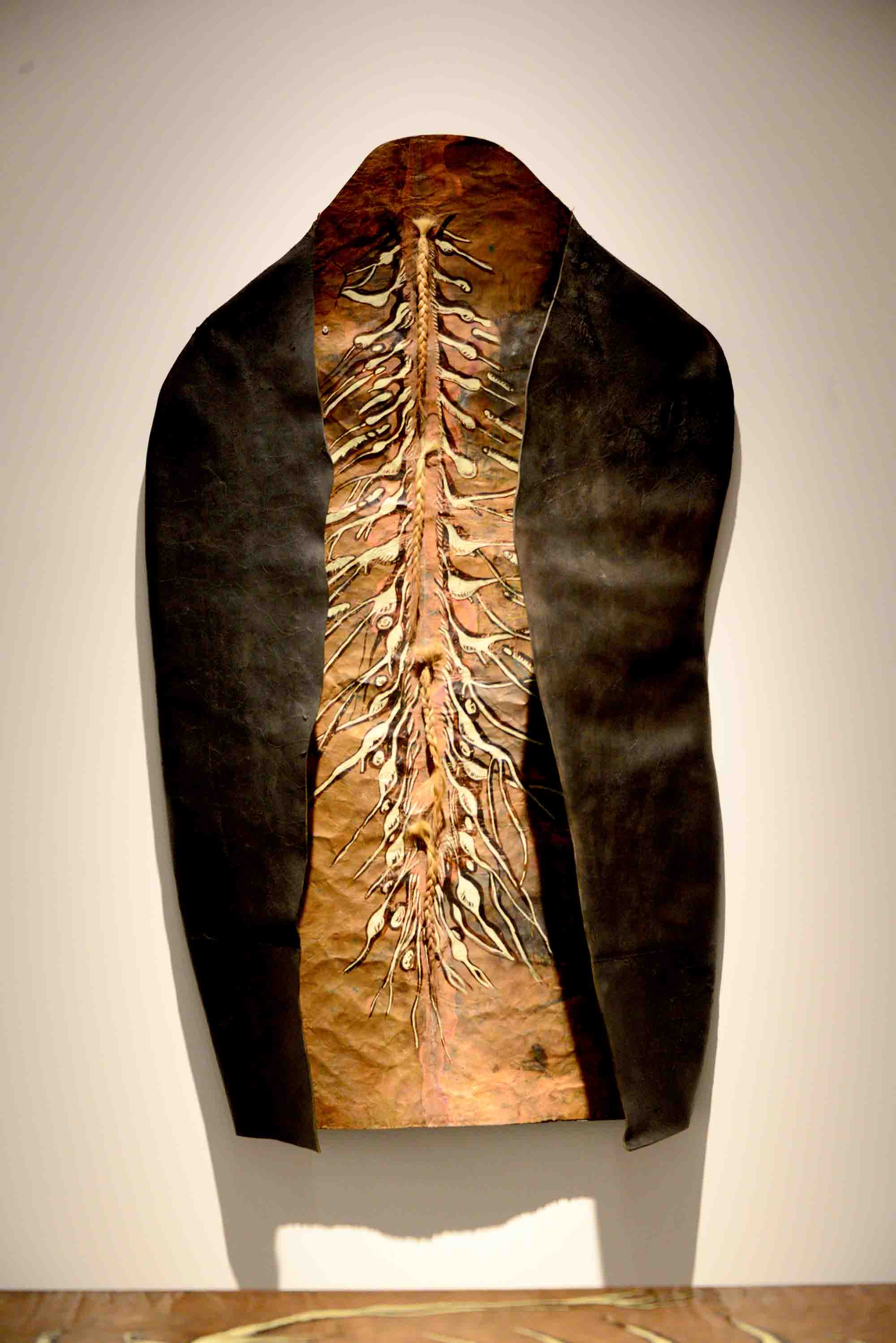
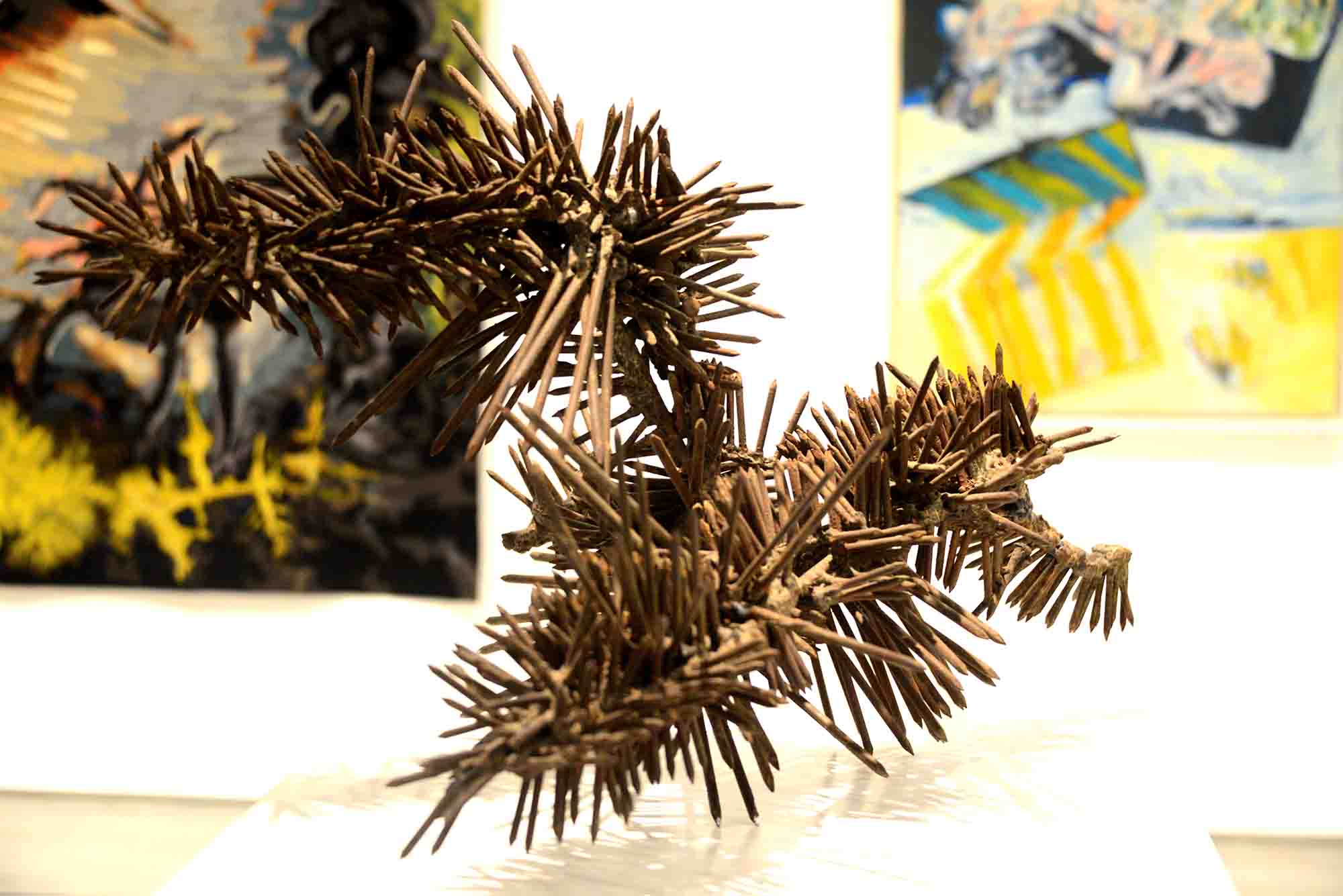
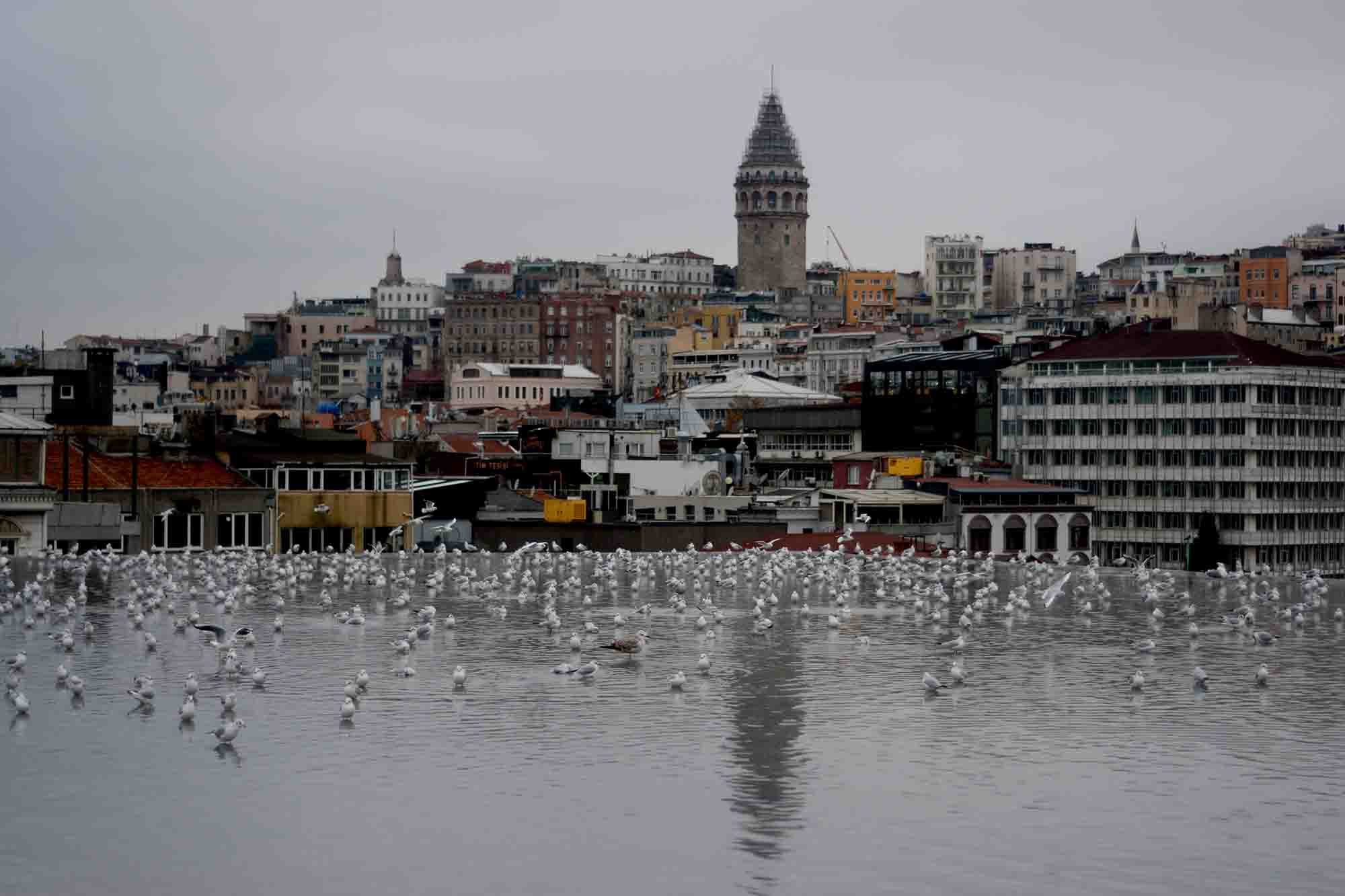
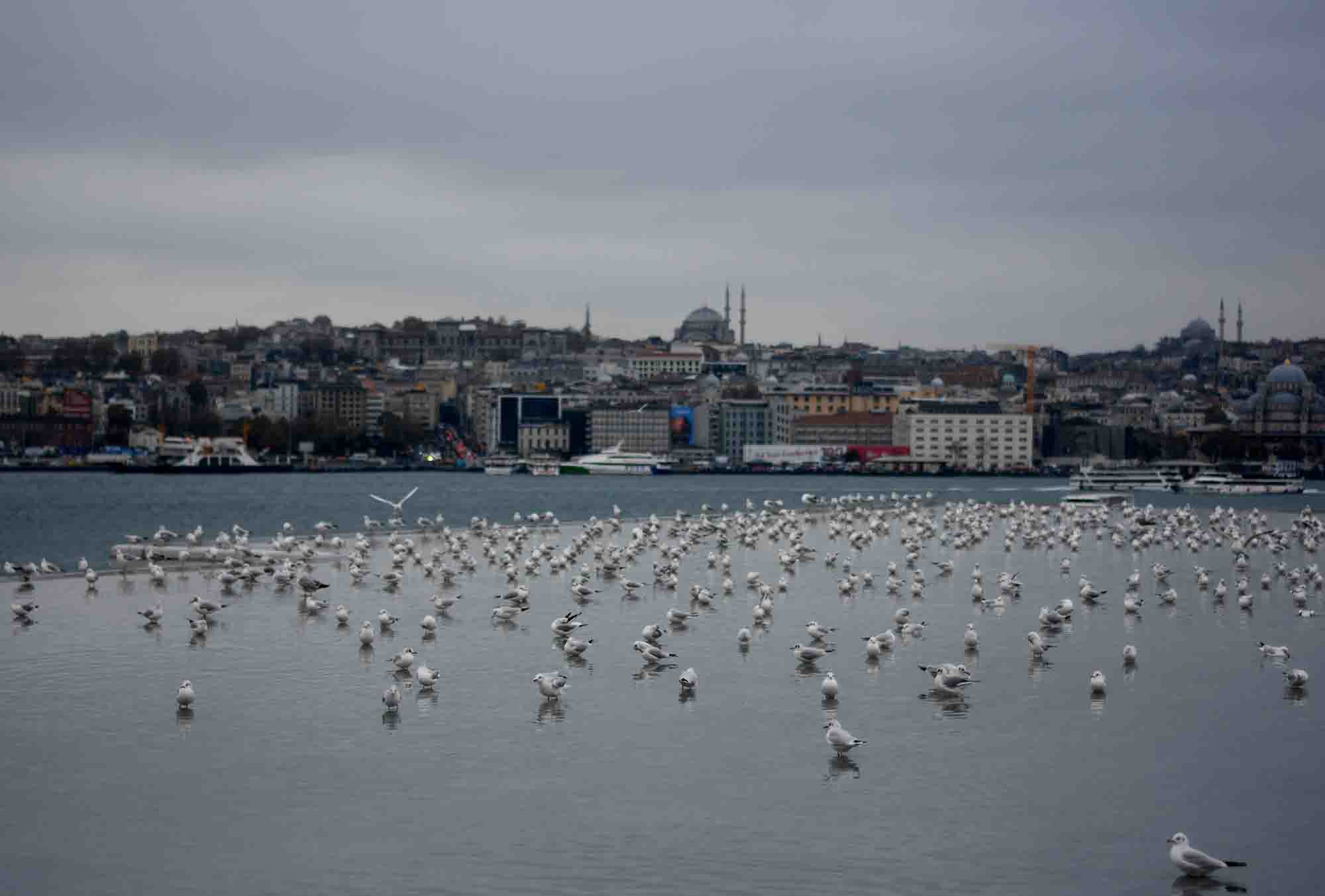
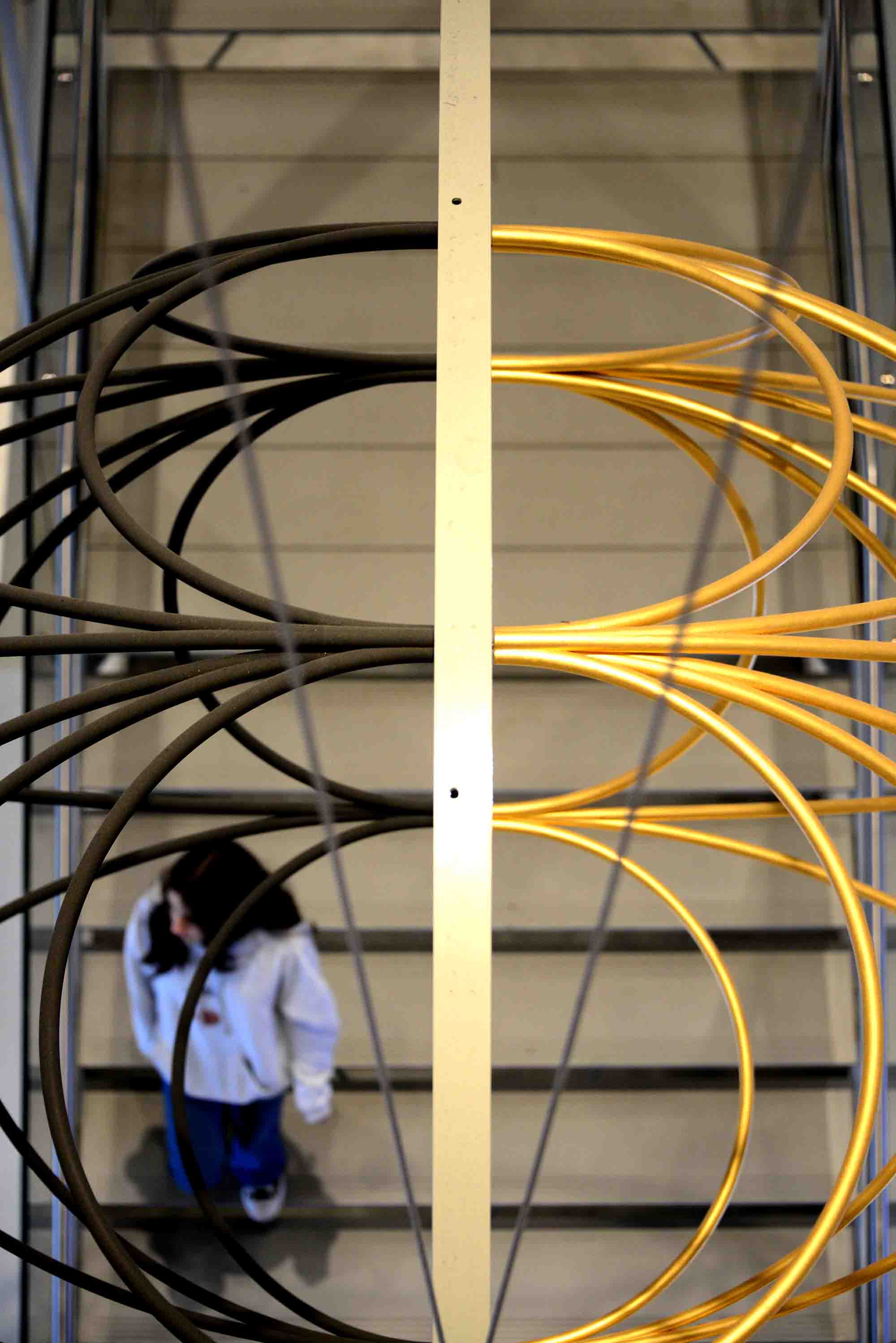
We then spent some time wandering on Karaköy’s streets, still overgrown with the lush, rust coloured vines of autumn in early December, and then made our way to Istanbul Modern’s new building, which had just opened earlier in 2023. I won’t beat about the bush: the museum was love at first sight and quickly landed among my favourite museums ever. The building was designed by the Renzo Piano Building Workshop, in collaboration with local architects, but the real trump card is the location, on the shores of the Bosphorus, with stunning sights of both the sea, and the Galata hill. The top floor terrace comes complete with a water surface designed to reflect the Galata tower, and plentifully populated with ill disposed sea gulls. You guessed it right: absolute Instagram heaven, that kind of setup where you feel both compelled to take a picture, and just a little bit ridiculous for doing so, for thousands of very similar pictures have already been taken.
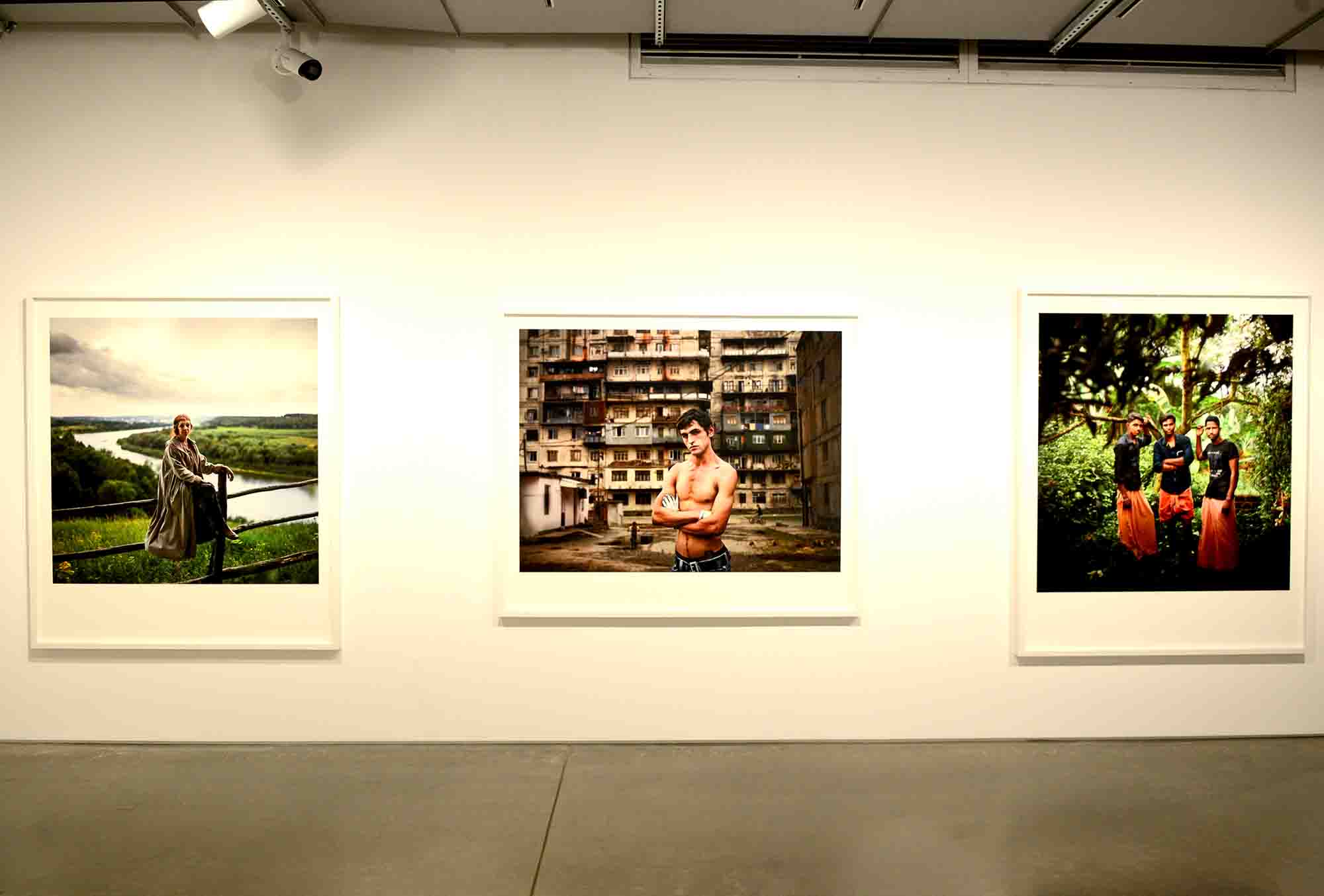
Much better photography is to be found inside the museum itself. One of the first exhibitions shown in the new building is Another Place, a collection of stunning portraits taken by photographer and film maker Nuri Bilge Ceylan throughout his travels. Full disclosure: Ceylan happens to be one of my favourite directors, ever since I saw his third long feature, Uzak/Distant, at a film festival in my first year living in Budapest. By a twist of fate, two young men, probably in search of a Michael Bay type offering, asked for tickets for the very first film showing that afternoon. While the cashier valiantly insisted that they opt for something else, they were adamant to choose the very first screening. In their defence, while completely taken aback, they lasted the whole film. It includes scenes of a man getting stuck in a sticky mouse trap at night, inside jokes on Tarkovsky’s oeuvre and a very long sequence of another man walking through snow. It was this scene that sent the two accidental viewers into deep existential turmoil. What will happen, in your opinion, asked the first. I think he will, in the end, get there, answered the second. Unwittingly, they touched on one of the fundamental qualities of Ceylan’s art: delving into those essential elements of the human experience which we would often consider too mundane to think about but which, ultimately, define who we are and how we live. (If you can’t make it to Istanbul right now despair not, Ceylan’s latest film, Kuru Otlar Üstüne/About Dry Grasses, will premiere in most European countries this spring.)
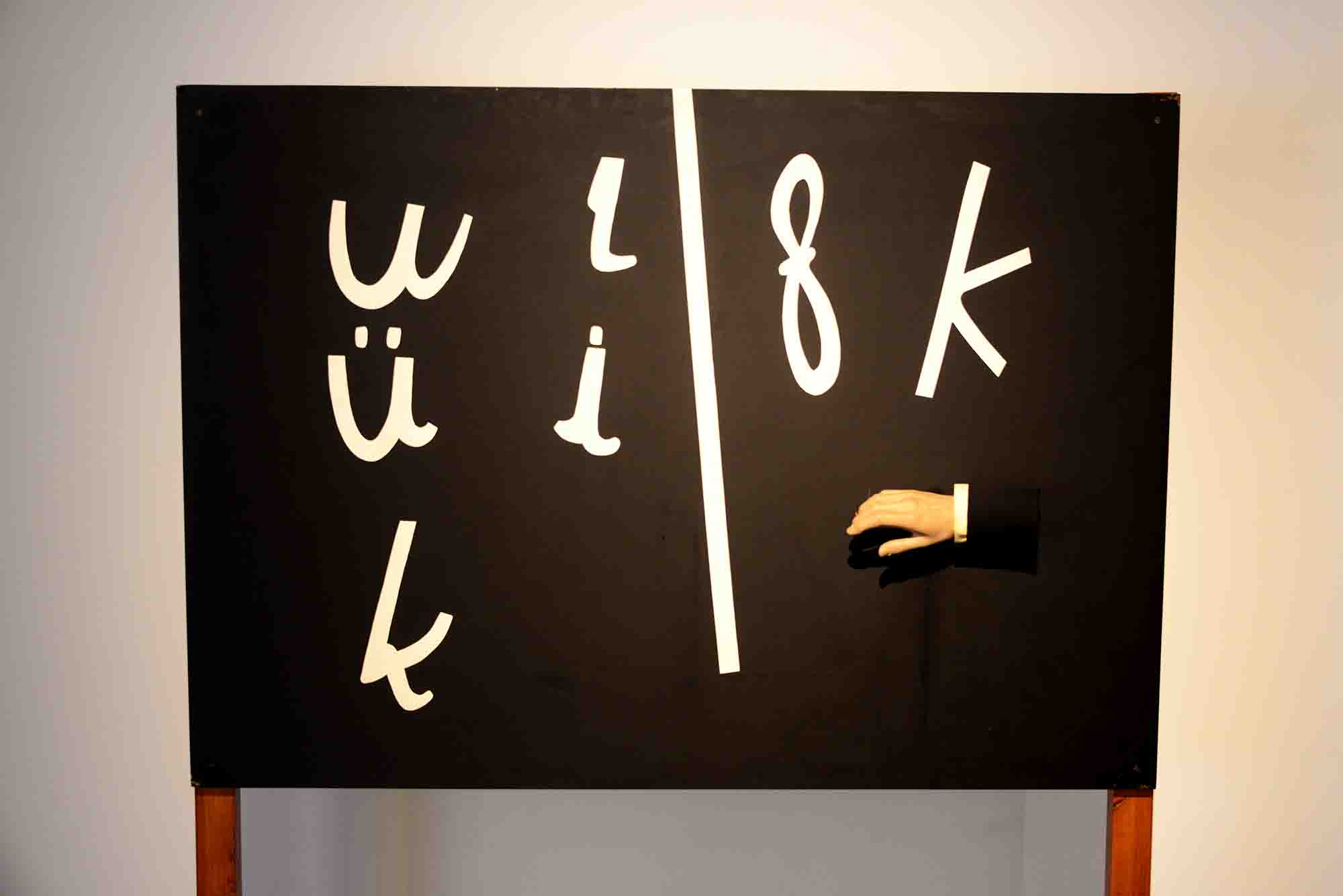
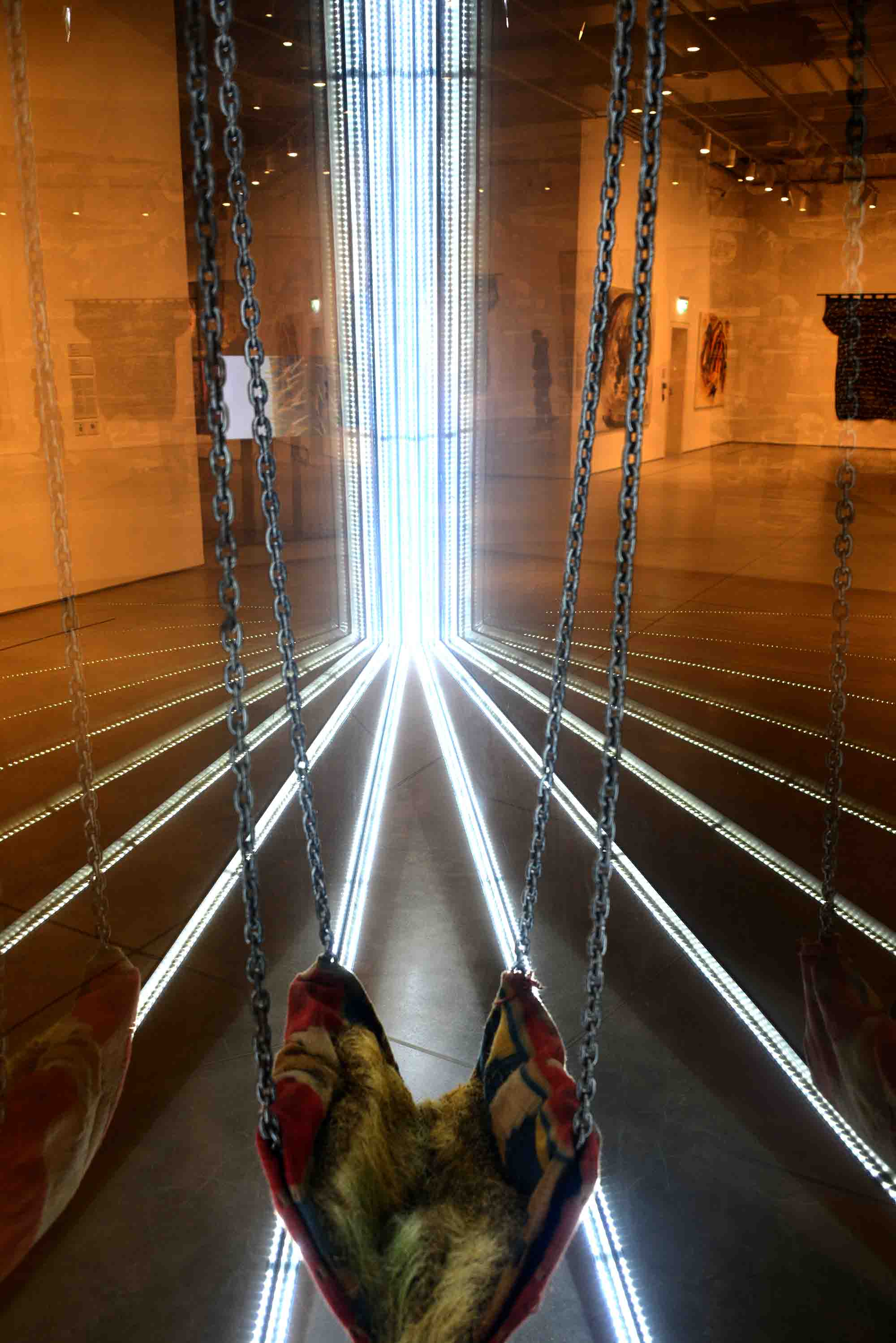
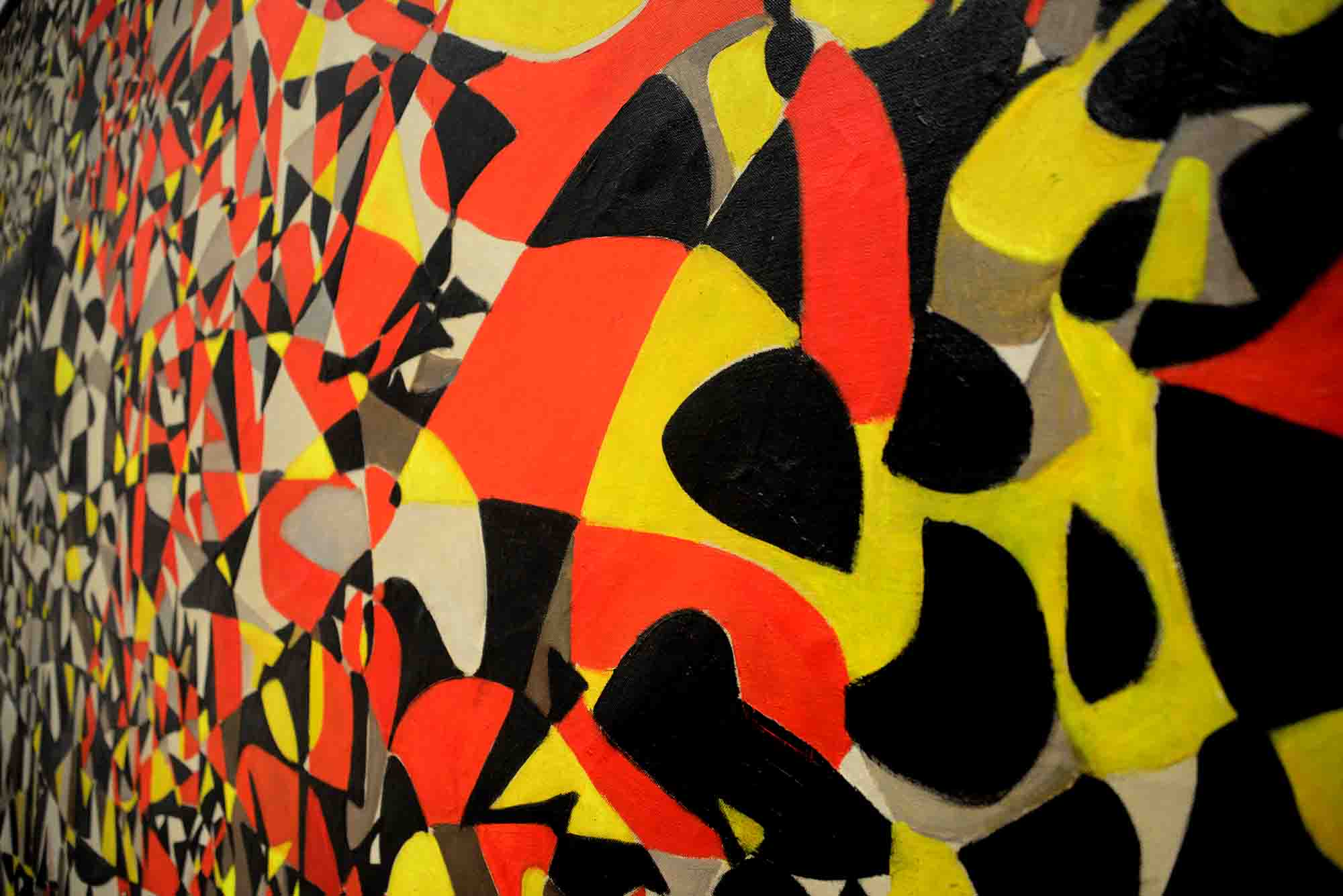
As with all good museums, this one will also require at least another visit, if not more. Still under the influence of Ceylan’s photography, I felt a little ill equipped to take in all the works from the permanent exhibition, which is a pity, as it draws up a vivid picture of Turkish modernism, most of which is sadly little known outside the country’s borders. I was thus totally in the dark about the work of Fahreinissa Zeid, who was the niece of a Grand Vizier, and the wife of an Iraqi prince- and a fine enough painter to have the first two pieces of information as a small sidenote on her resume. Some people seem to have it all, while others frequently succumb to their basest instincts. In a nutshell, we were hungry and set off to find a restaurant. The outcomes of our quest will be revealed in the second instalment.
PS: I have interchangeably used Galata and Karaköy as the names of the same district. Locals do the same, favouring Galata for the tourists, due to its historical connotations. Another historical name for the same area is Pera.
 Pocket Diary Budapest
One Comment Add yours