I find myself raiding local bookstores whenever I travel, even in countries where I don’t speak the language. Bookstores are a window into a country’s soul, and, with a bit of luck, you’ll find at least some English translations of local authors. (The availability, and language, of translations is also a good way to gauge the spirit of the place.) I am particularly inclined towards books set in the particular city or region where I happen to be. This allows me to revisit later, without moving physically, though sometimes an exciting discovery from a book will prompt me to return anyway.
Prague, however, had written itself in my mind long before I visited for the first time. I can’t really pinpoint when, and how it began, though I do have some suspects when it comes to the inception of my love for everything Czech. There was, unsurprisingly, football, the wonderful Czech team which played spectacular, eye-catching football from the mid-90s to the early teens. The terrible heartbreak of Traianos Dellas’s silver goal in the 2004 Euros semifinal, in retrospect, becomes a poignant encounter of two nations I would grow to love- at the time, though, my allegiances were firmly Czech. There was beer, the slow realisation that not only wine, but beer too can be savoured as an art form, and for that you need good beer, and good beer for me is Czech beer: the precision and simplicity of Germanic brewing meeting a more adventurous, Slavic spirit. And, to enter the realm of literature, there was Milan Kundera. There was a time in my late teens when I read almost exclusively Kundera, devoured all his novels until the spines of cheap, popular editions broke and I had to recover random pages from the back of our library shelves. There is something very Czech, I felt, in breaking loose, being just a little beyond the control of traditional forces. Even in the darkest of communist times, the Czechs sought ways out even if they came, as in Kundera’s case, with the price of losing a homeland- and a tongue, as Kundera later wrote in French. In a strange twist, this came as a solace to me, as he is among the few of my ‘very favourite’ writers that I can read in the original in the case of his French novels.
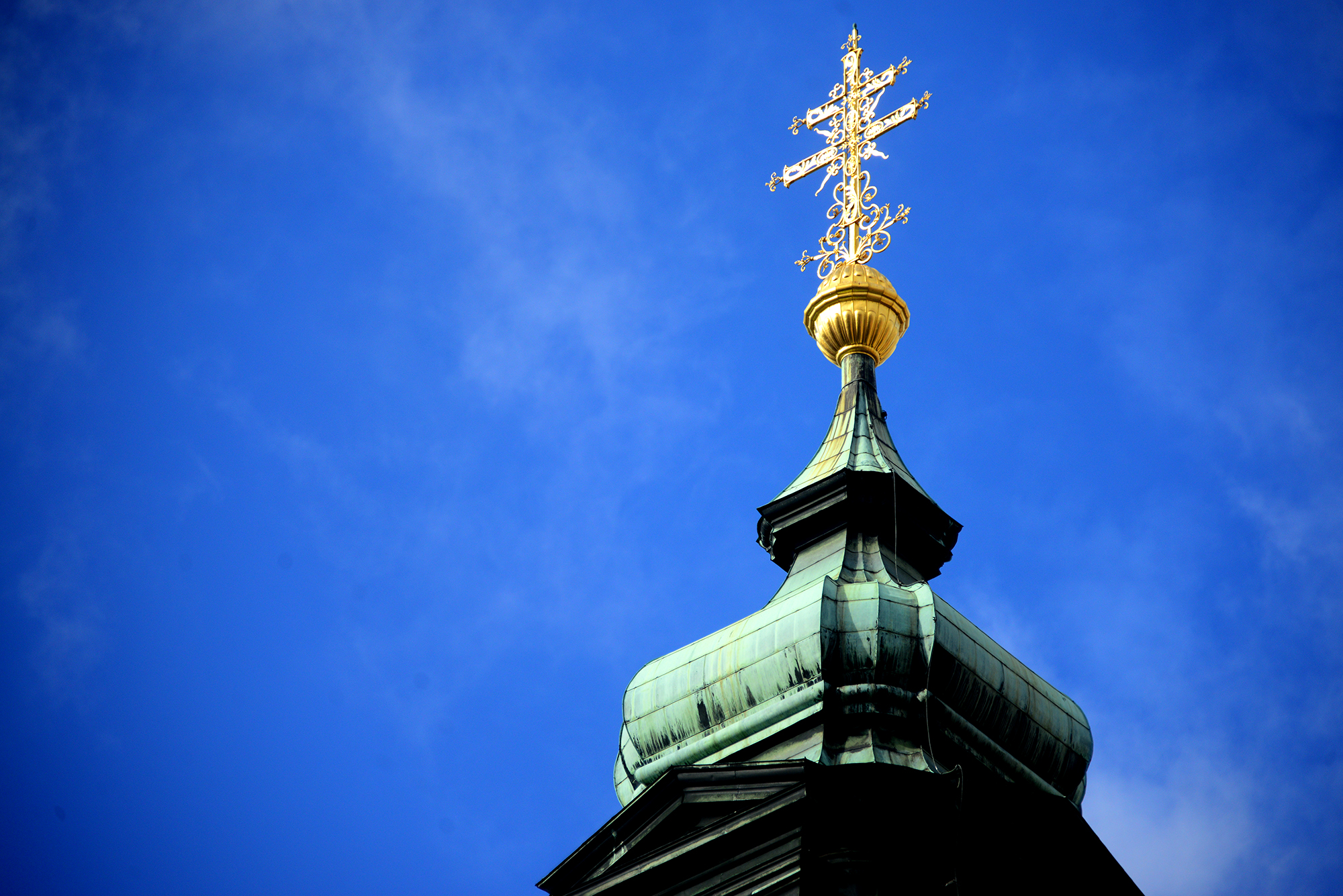
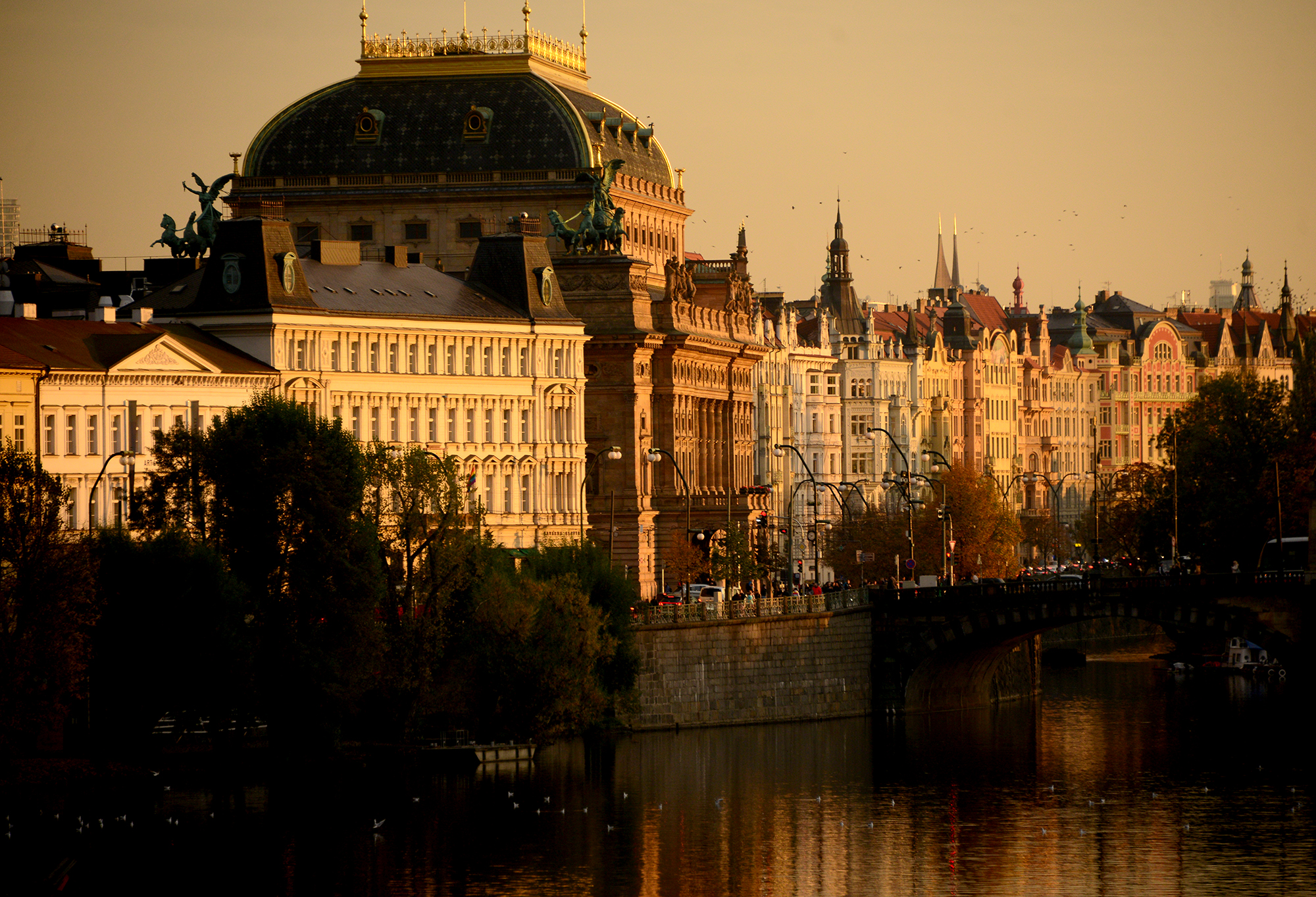
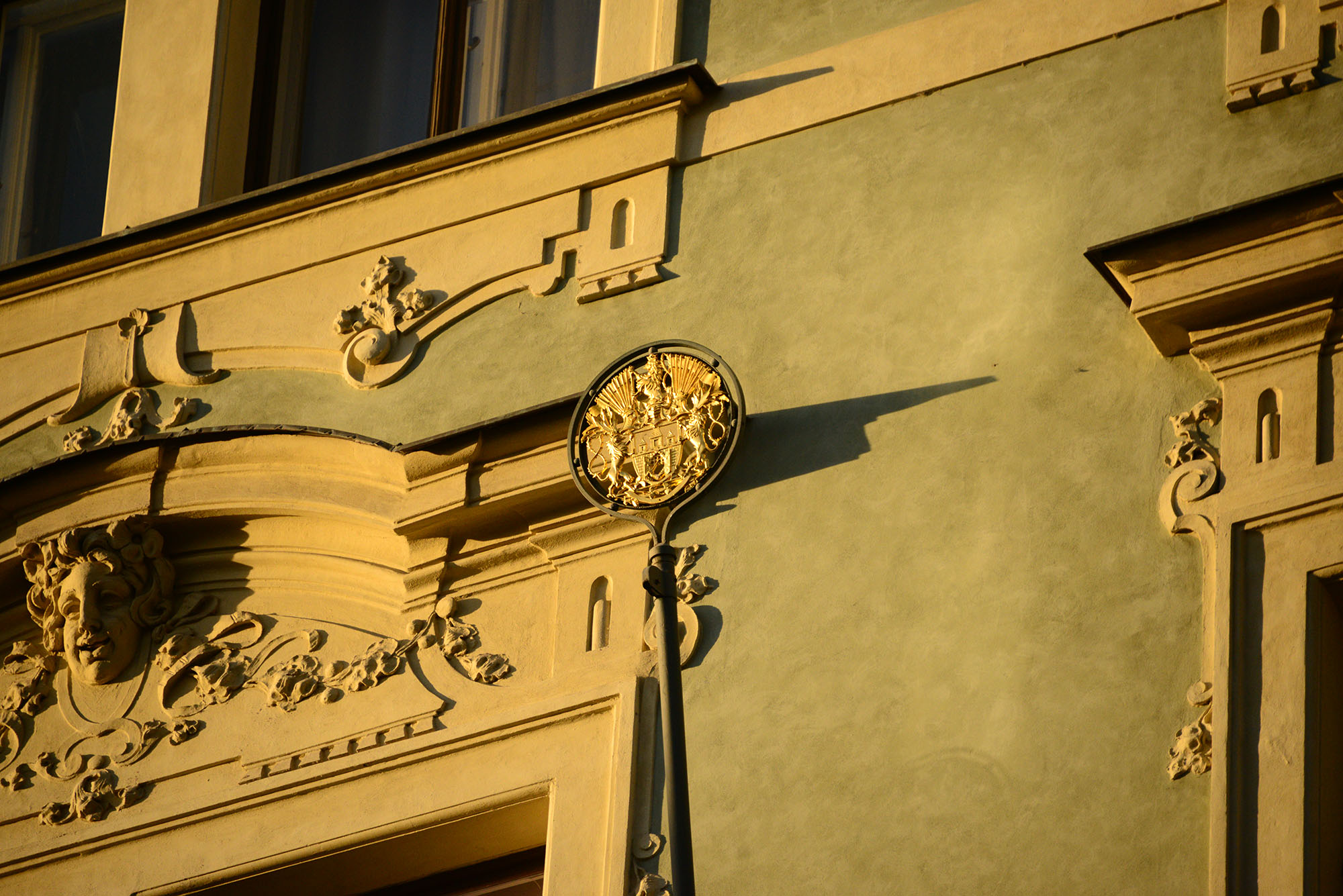
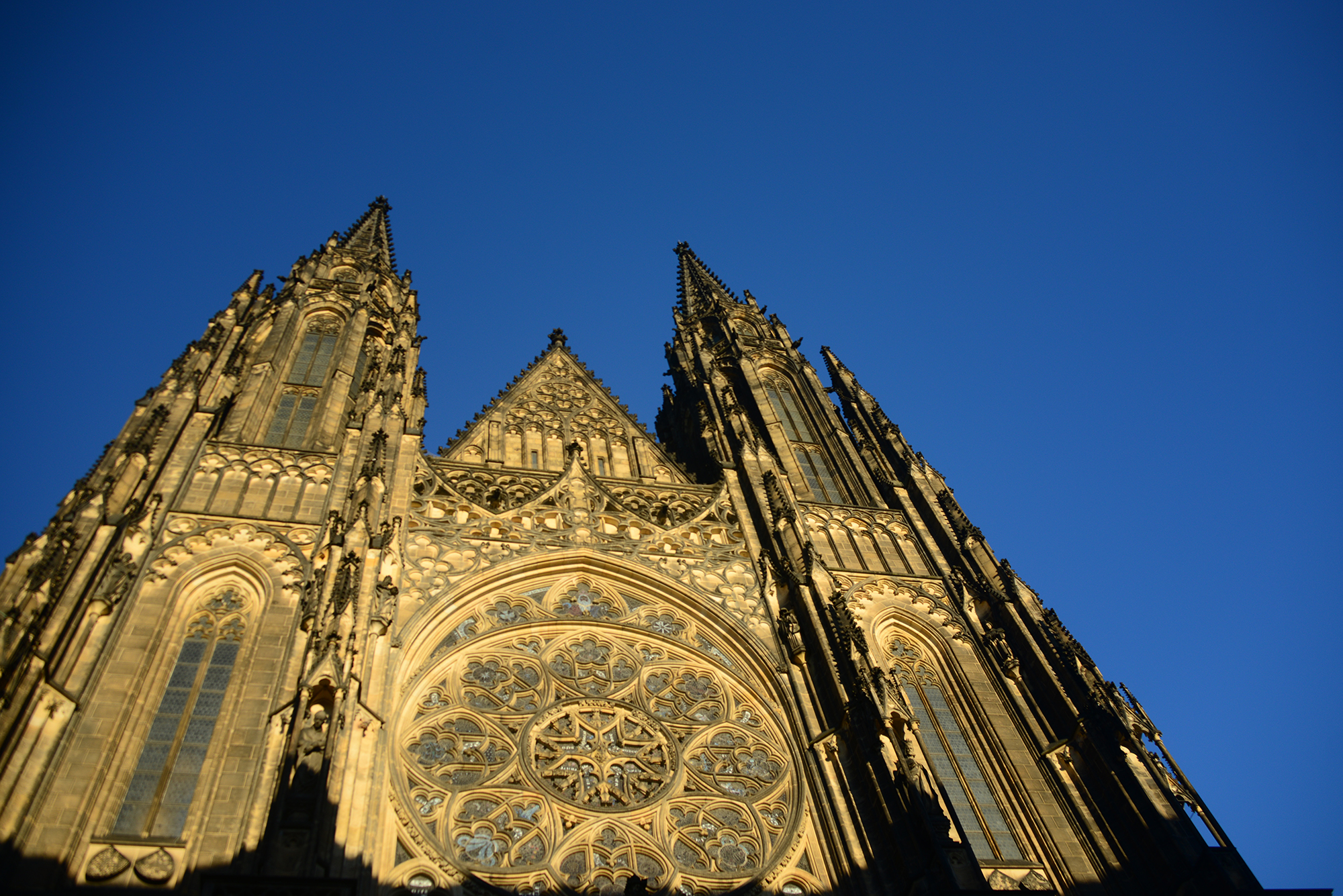
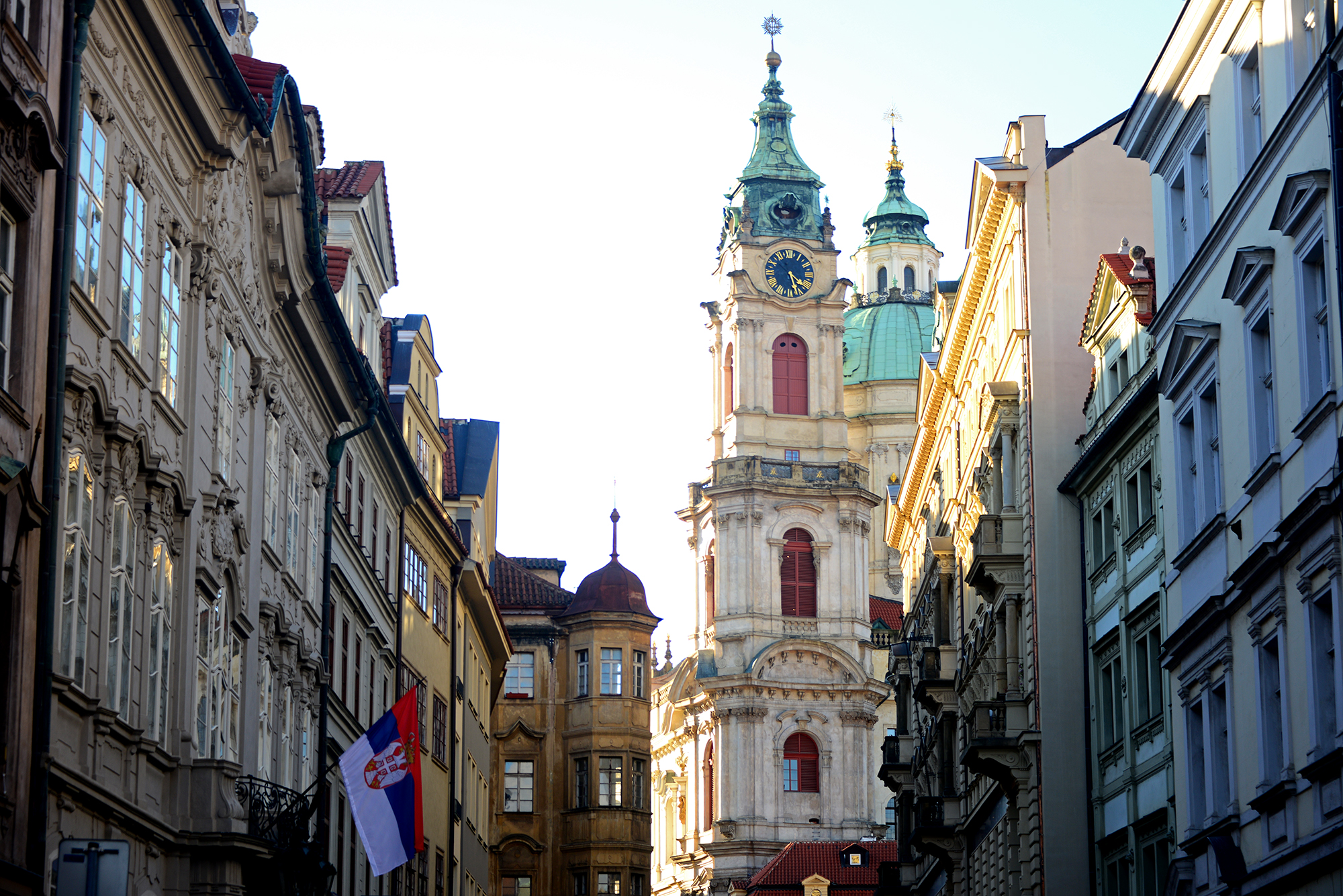
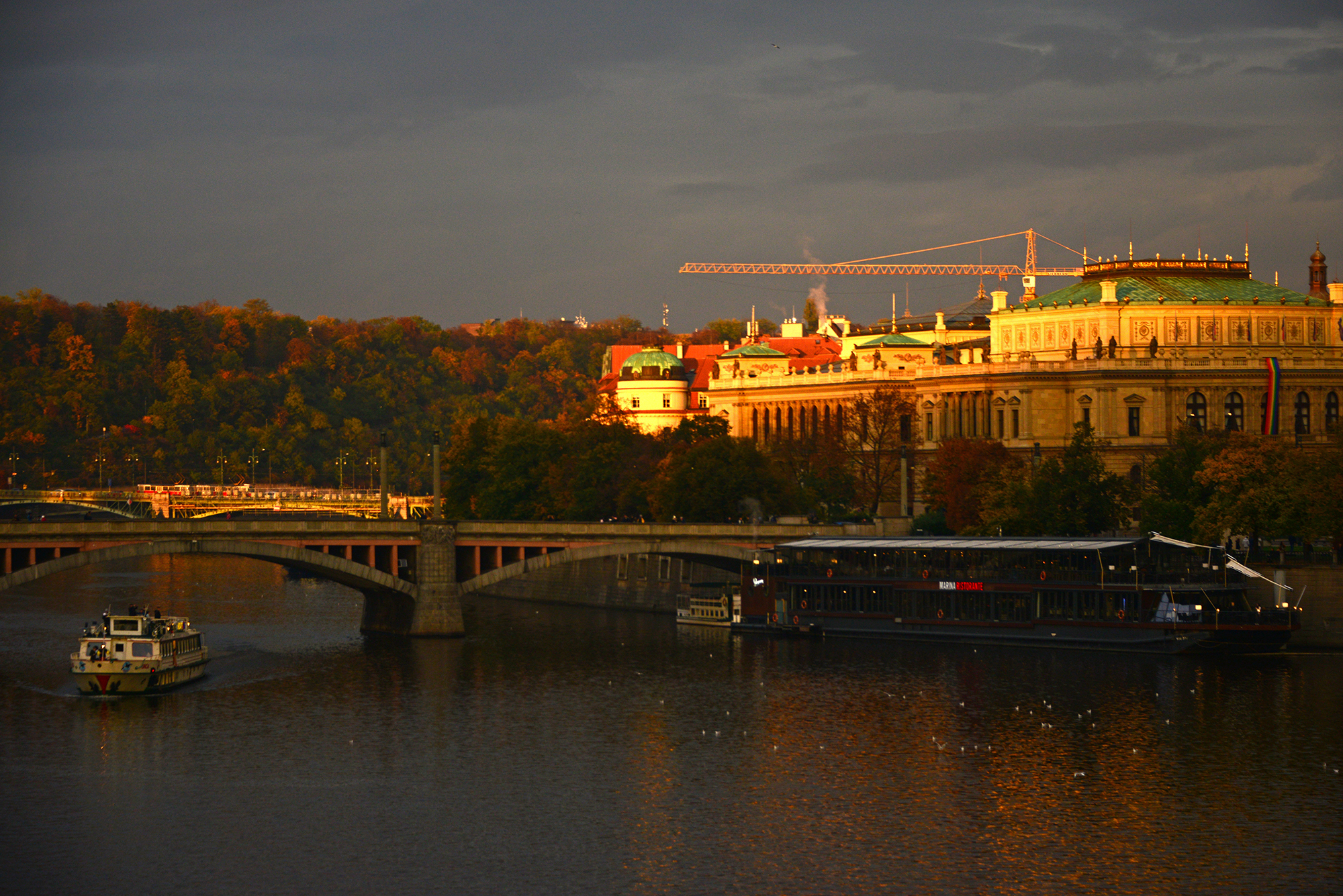
So, at the beginning, the Prague in my mind was the Prague of the spring of 1968, the Prague of the Unbearable Lightness of Being. Then came the Prague of Jan Neruda’s short stories, though, chronologically, this was a return in time, to the 19th Century. Yet the first time I visited Prague, I instantly recognised the Malá Strana, Neruda’s own neighbourhood, and the one where his characters lived. It was a terribly cold winter, and we survived on scorching hot teas spiked with Becherovka. In Saint Vitus’s Cathedral my teeth chattered so badly that I attracted the unwelcome attention of an older lady bedecked in a sumptuous fur coat. She gave me the stink eye, briefly, and I felt she’d just emerged from the pages of a Gothic tale. For there was the ominous Prague of the Golem too, as I’d discovered it in the pages of Gustav Meyrink’s novel. A city of gold, but also a city of darkness. Whenever I walk the streets of Prague, my eyes are drawn to the ever so many gilded decorations. I normally shun away from gold, find it somewhat in bad taste, don’t ever wear it myself. But in Prague, a city of alchemists, gold is at home. The light of Prague is golden too. The sundown reflecting on the Vltava reflects back on the houses and back on the river, it is liquid gold. Beer is liquid gold, the way it is served in the large, loud, passionate beer houses. The waiter will hold the glass under the tap and the beer will overflow freely, in golden rivulets, foaming ever so softly, and while the waiter chats with you he’ll splash a lot of beer but won’t mind. Beer here is like water; it exists in state of plenty. Czechs are generally considered aloof, at first, but wait until you have a beer, preferably more, together. They might not make friends that easily, but you have friends for life it you get to know them better.
The bad rep of Czechs may also come from their unwillingness to bend to the tourists’ whims, and I respect that. Prague is not to be plundered by stag does and selfie queens, although, by God, they try hard. The second time I visited Prague one of our waiters got really cross with me for dropping my napkin. I hadn’t noticed it, but he pointed it out, and grumbled something along the lines of not littering in the restaurant. The tension remained, but the subsequent orders opened a portal. Towards the end of the evening, I unleashed my secret weapon: the full squad of the 2004 Czech Euro heroes, painstakingly learned off Wikipedia to get the pronunciation right. My reward was tipples on the house, and the waiter’s broad smile, beckoning us to come back. I know that Czechs can be a little odd sometimes- I’ve read Hašek’s The Good Soldier Švejk. I love it that they can laugh at themselves just as much as they laugh at others. Their sense of humour is wicked, but not meant to hurt. Life is absurd, why take it too seriously. And when you know life is absurd, you can dynamite it from the inside by playing tricks on those who feel over important. It might be a little, secret, moral victory, but what great joy it brings.
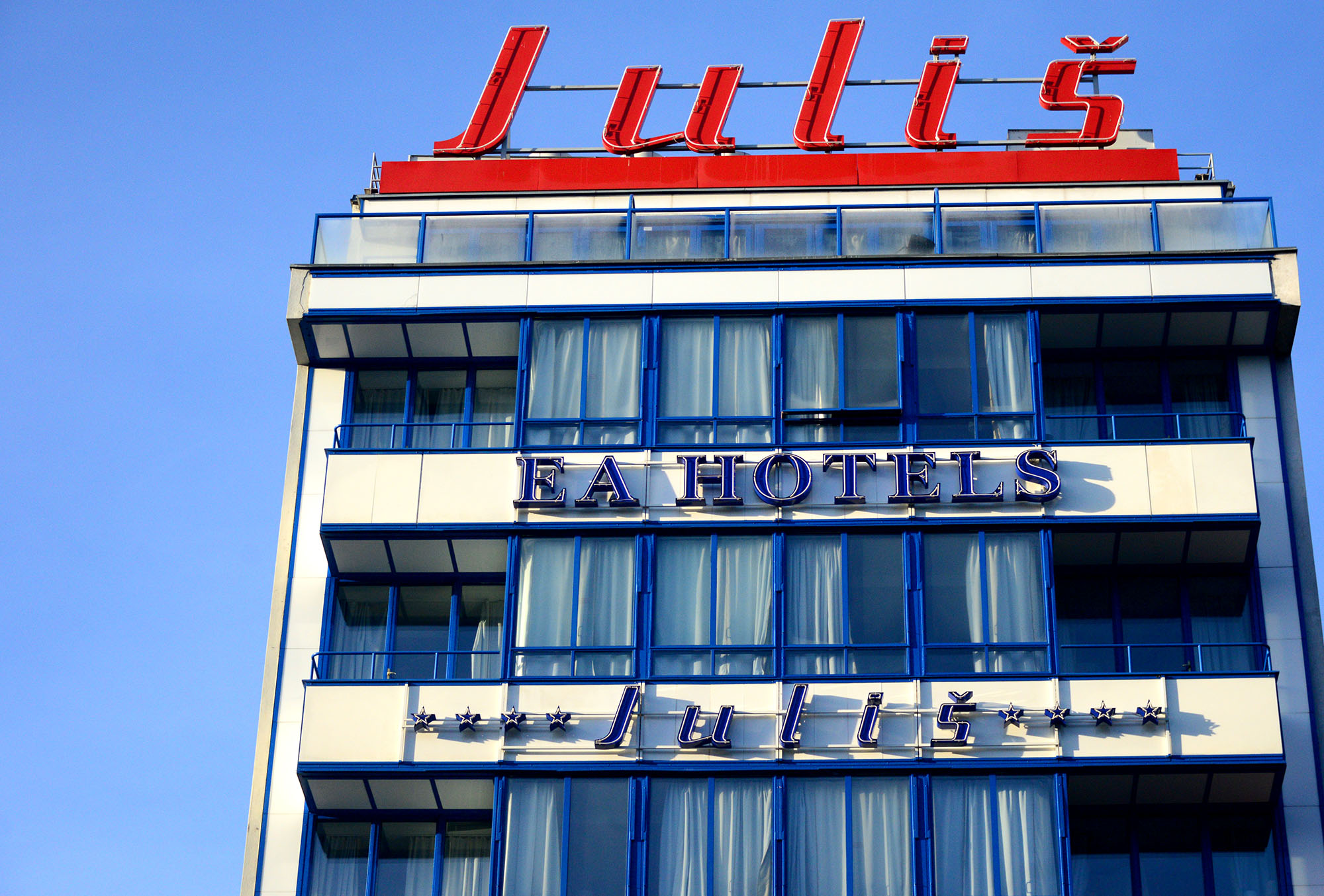
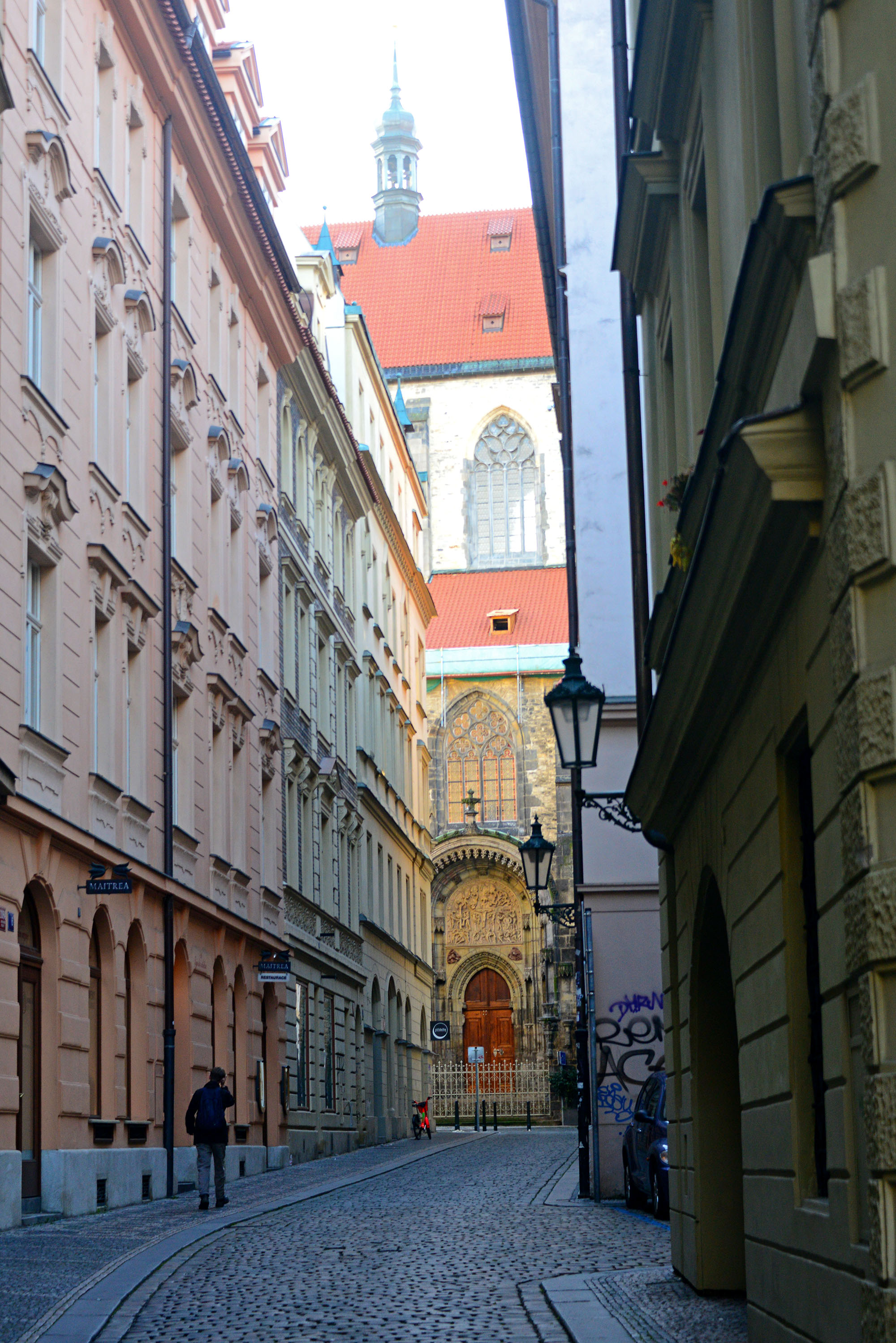
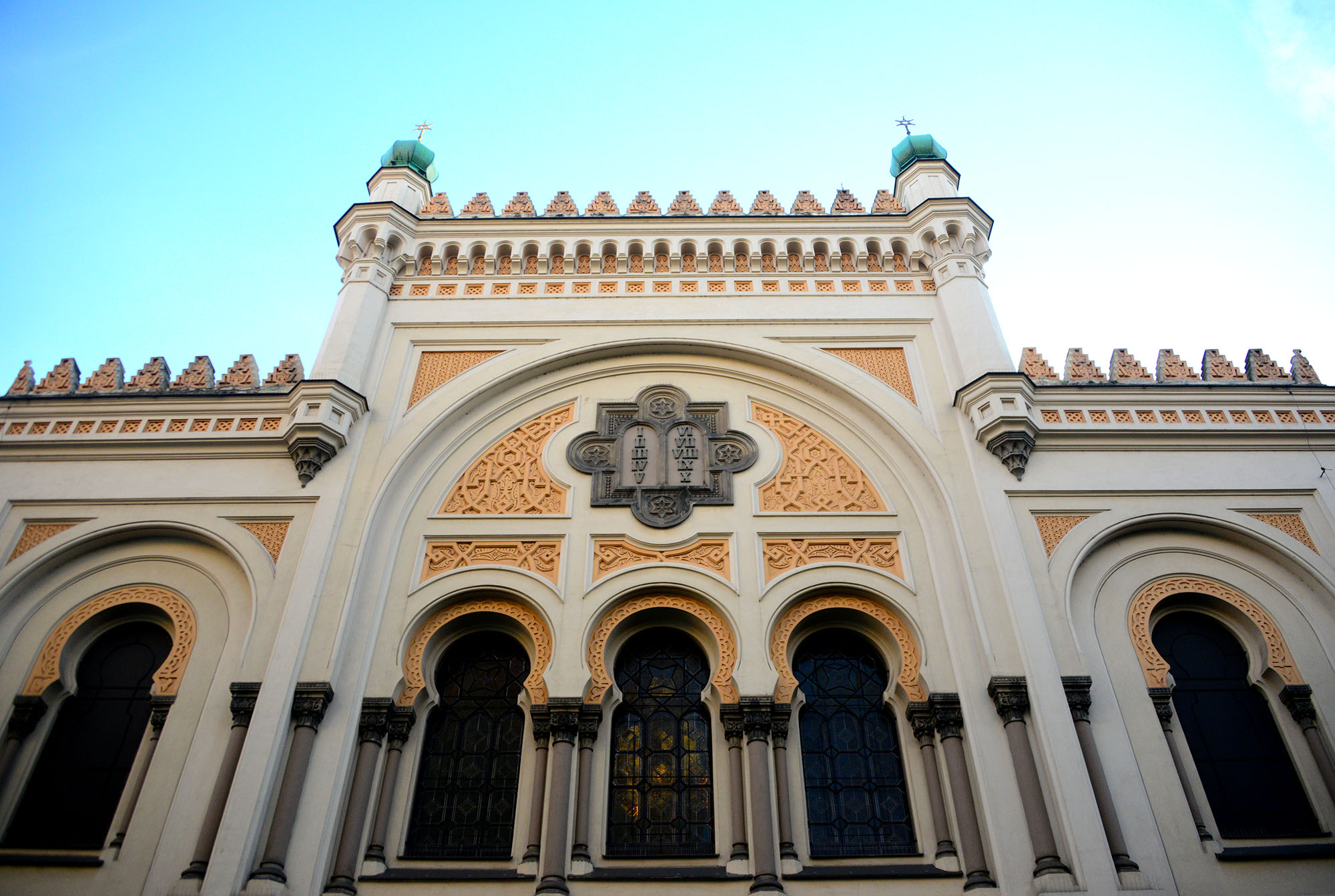

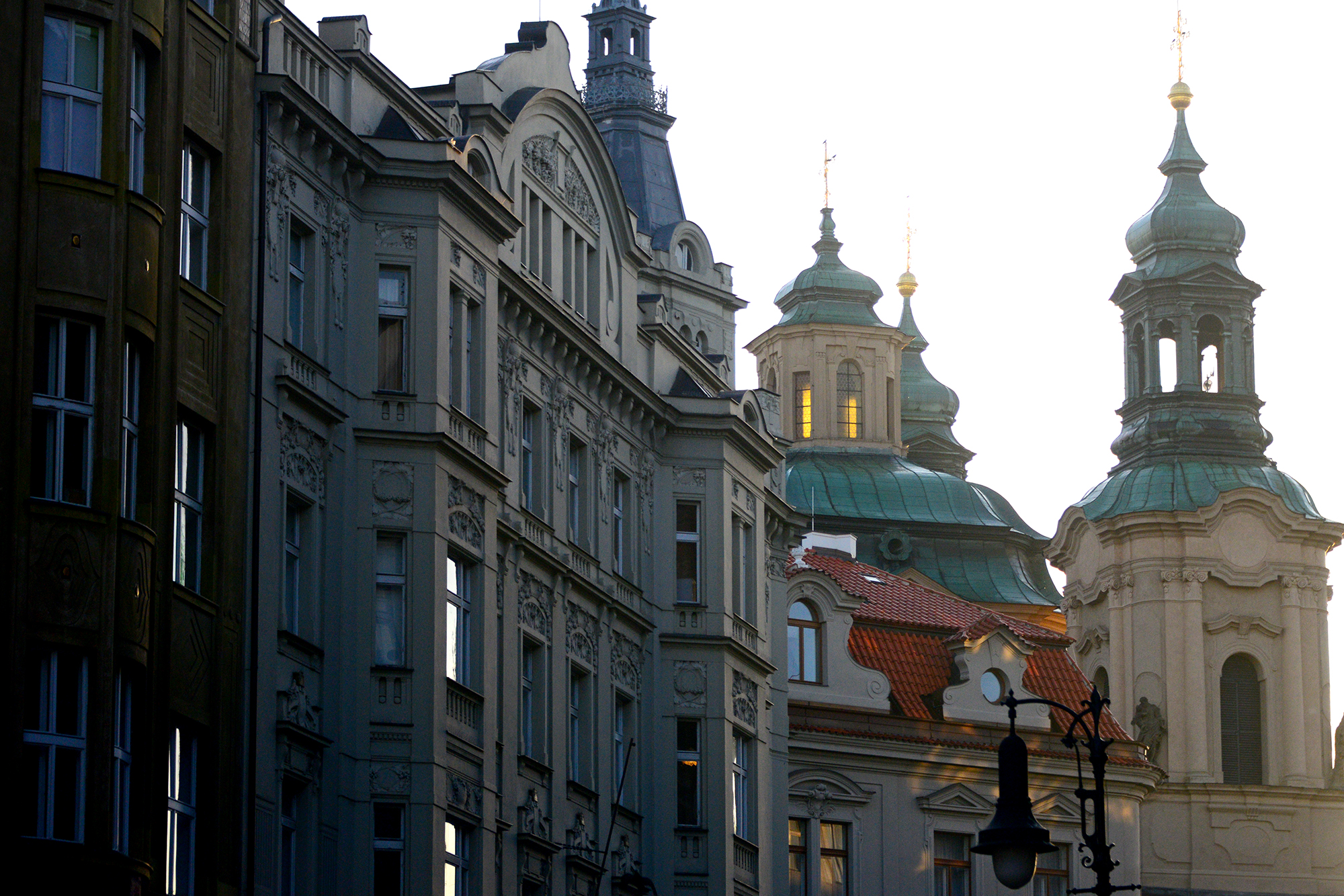


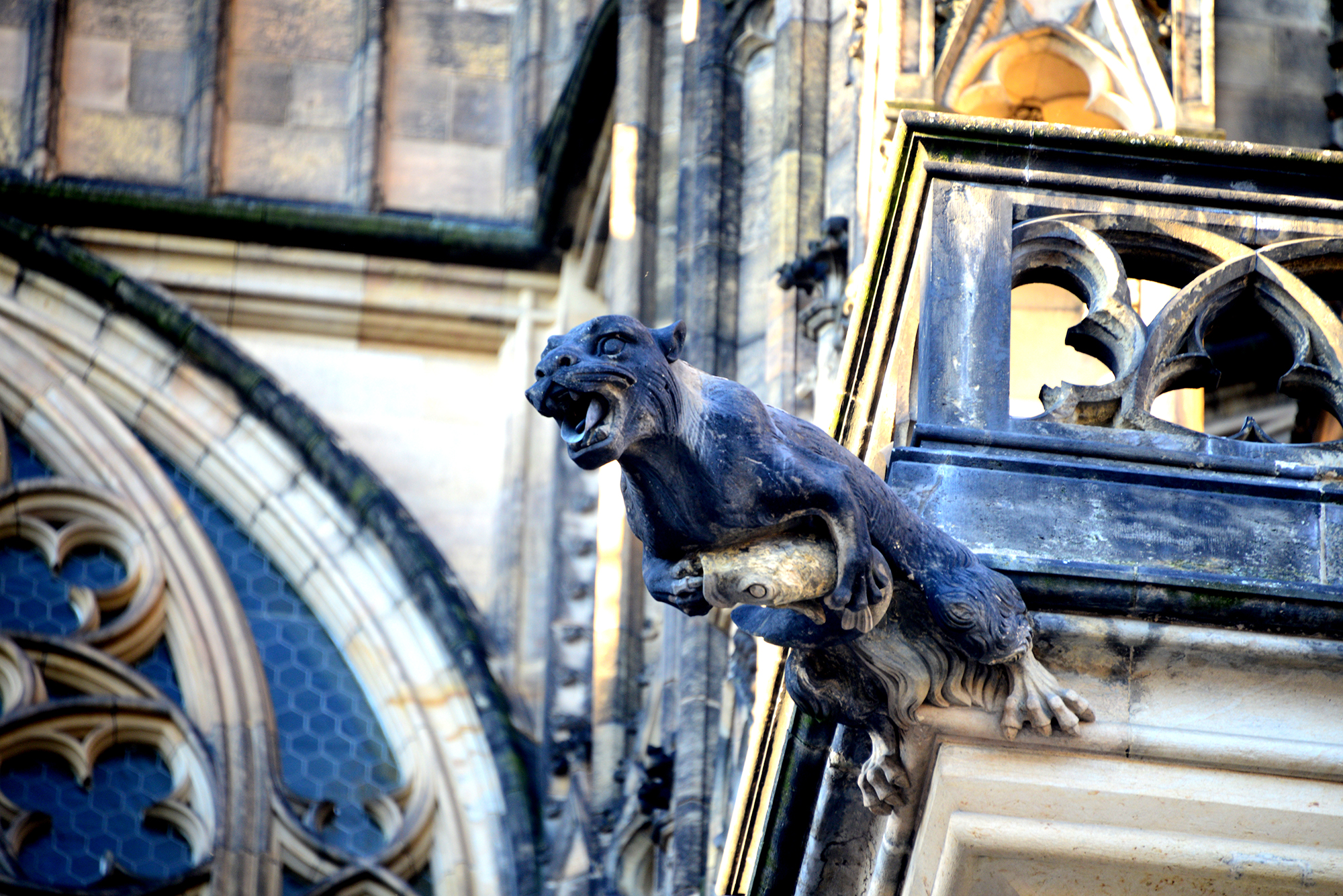
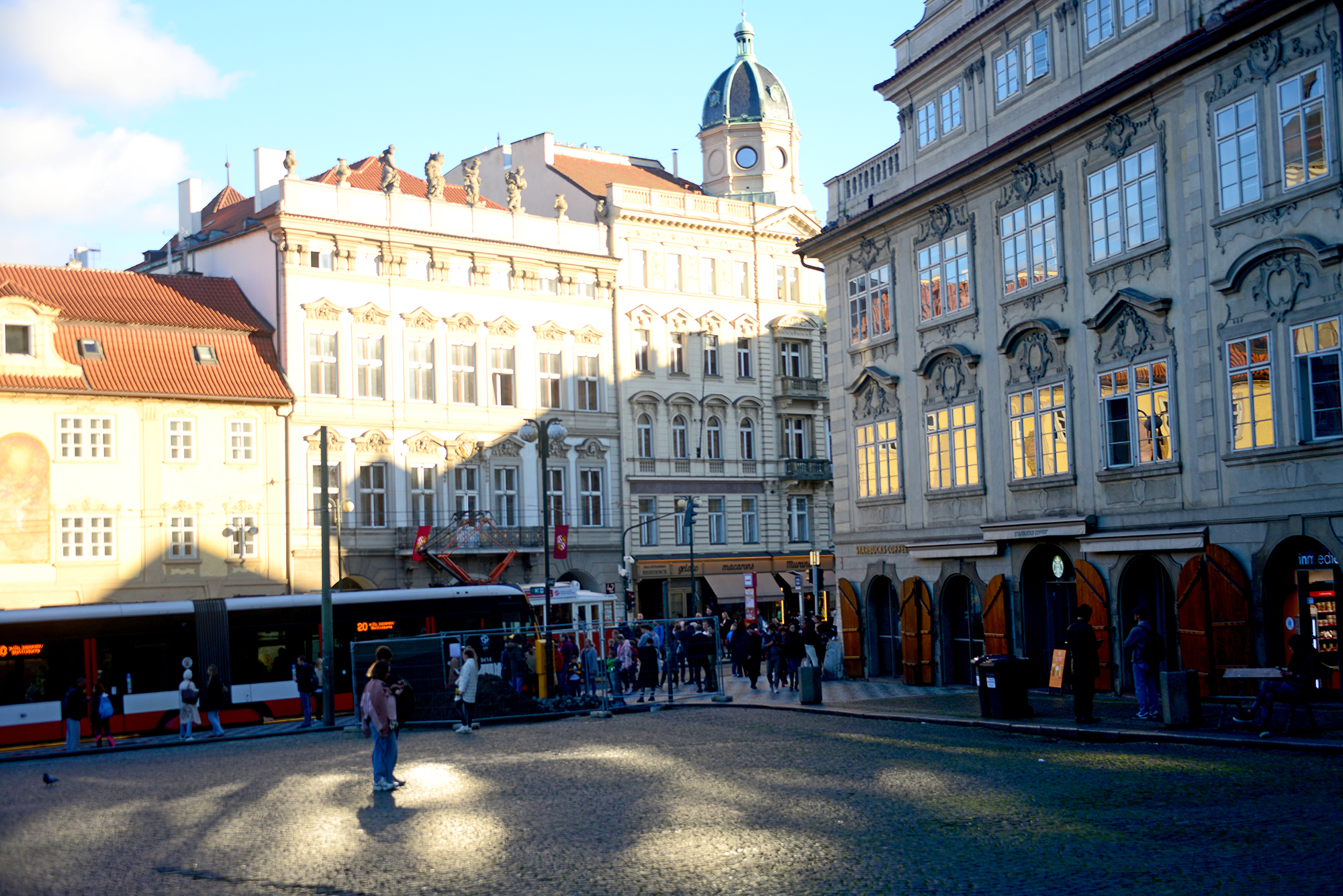
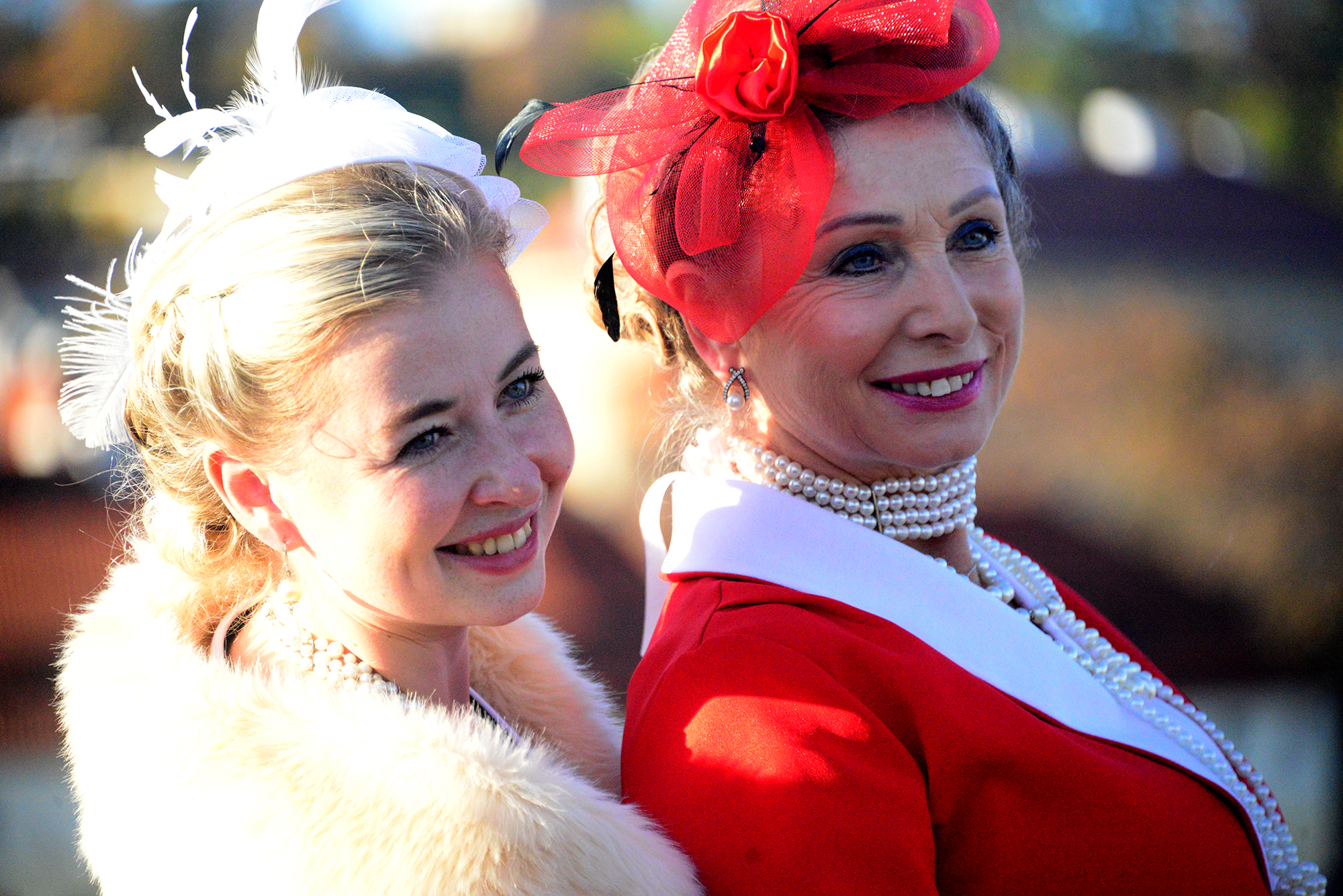
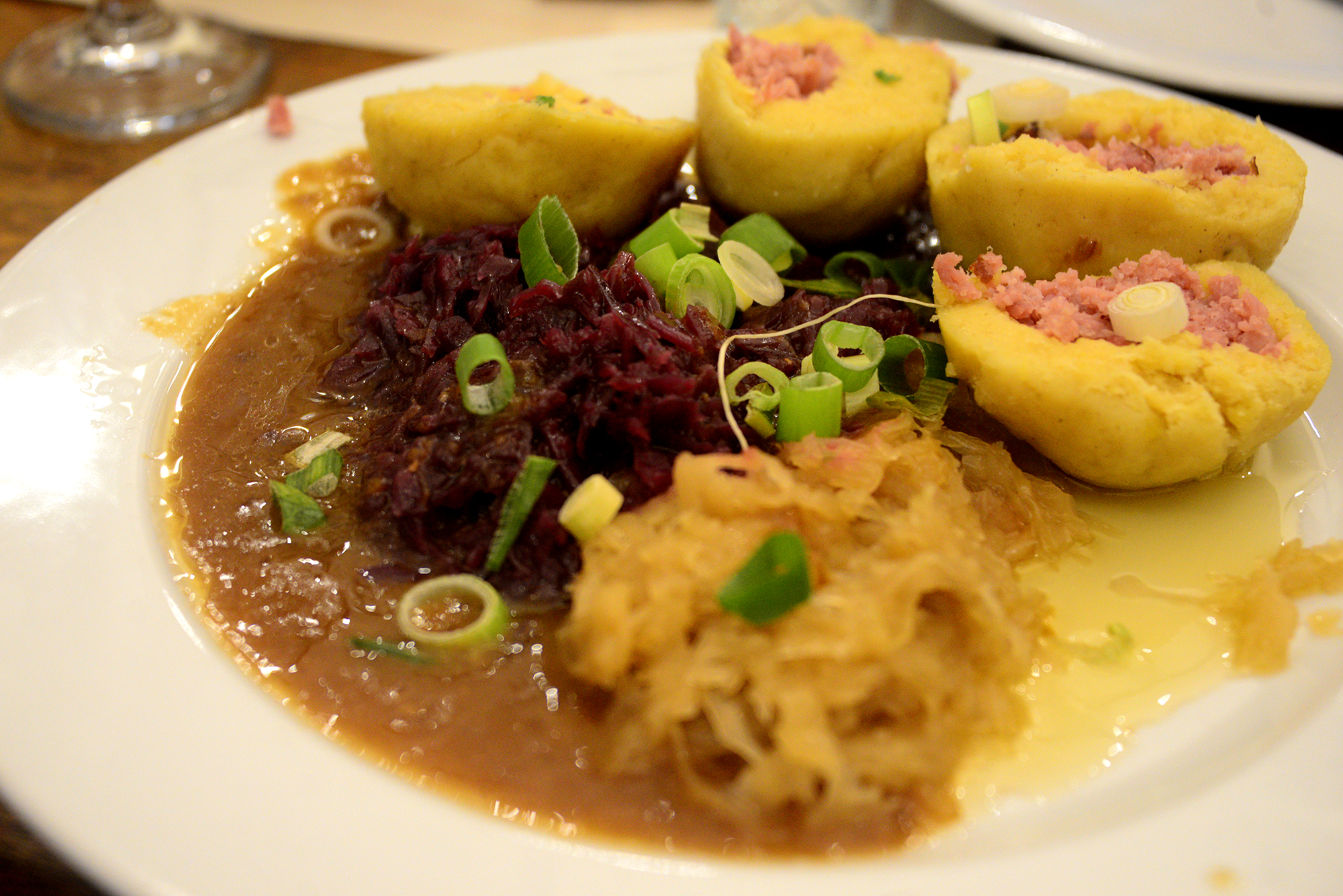



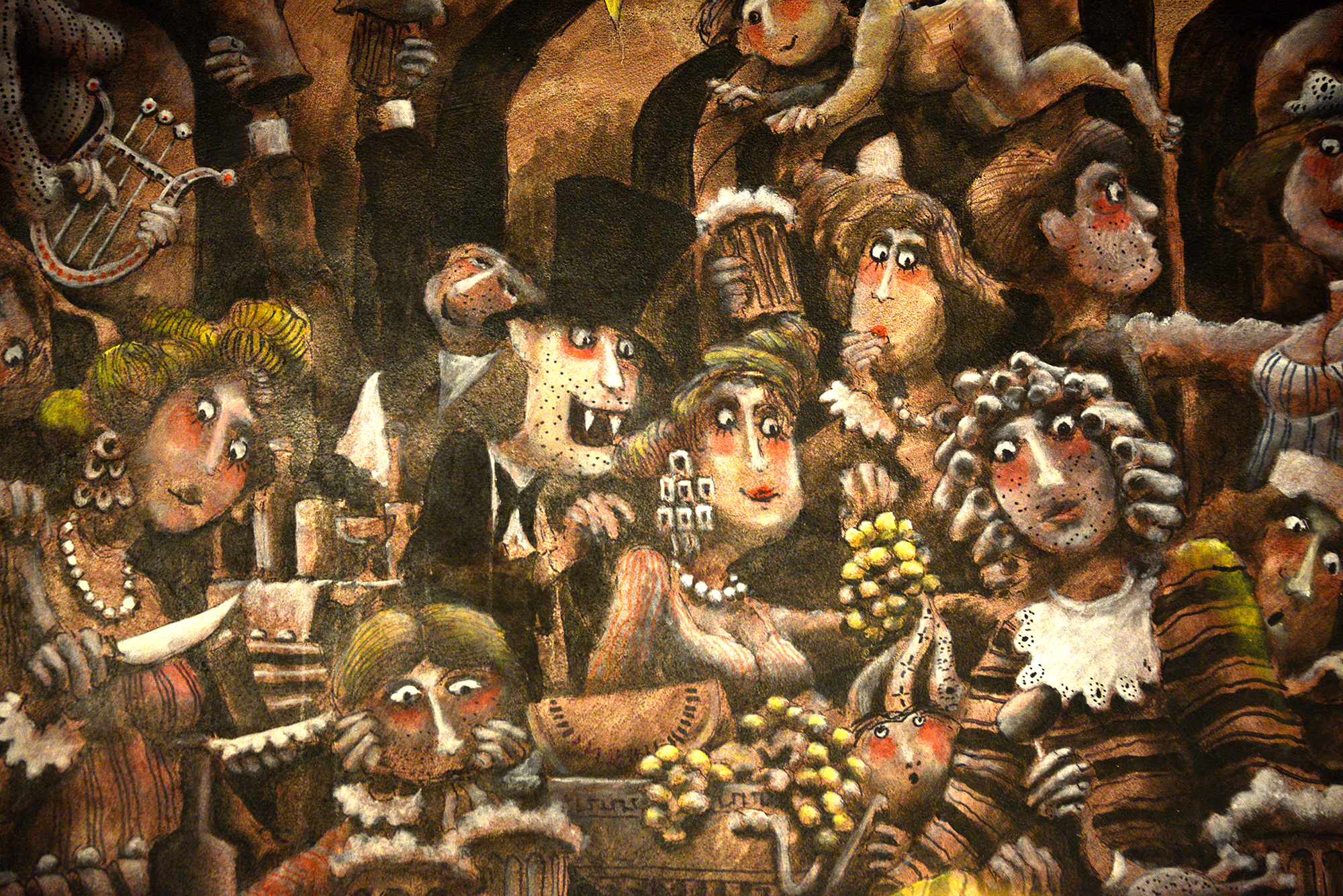
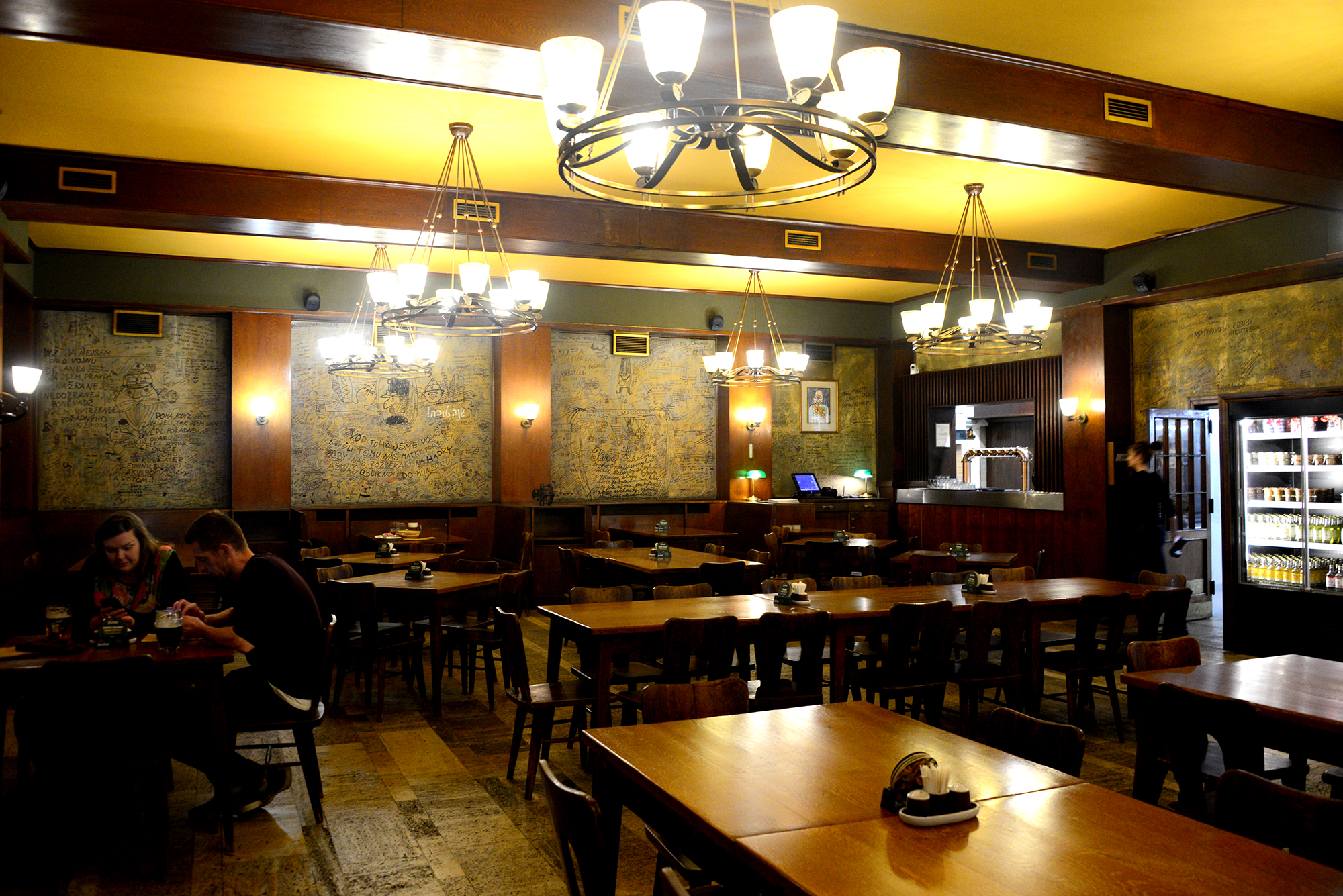
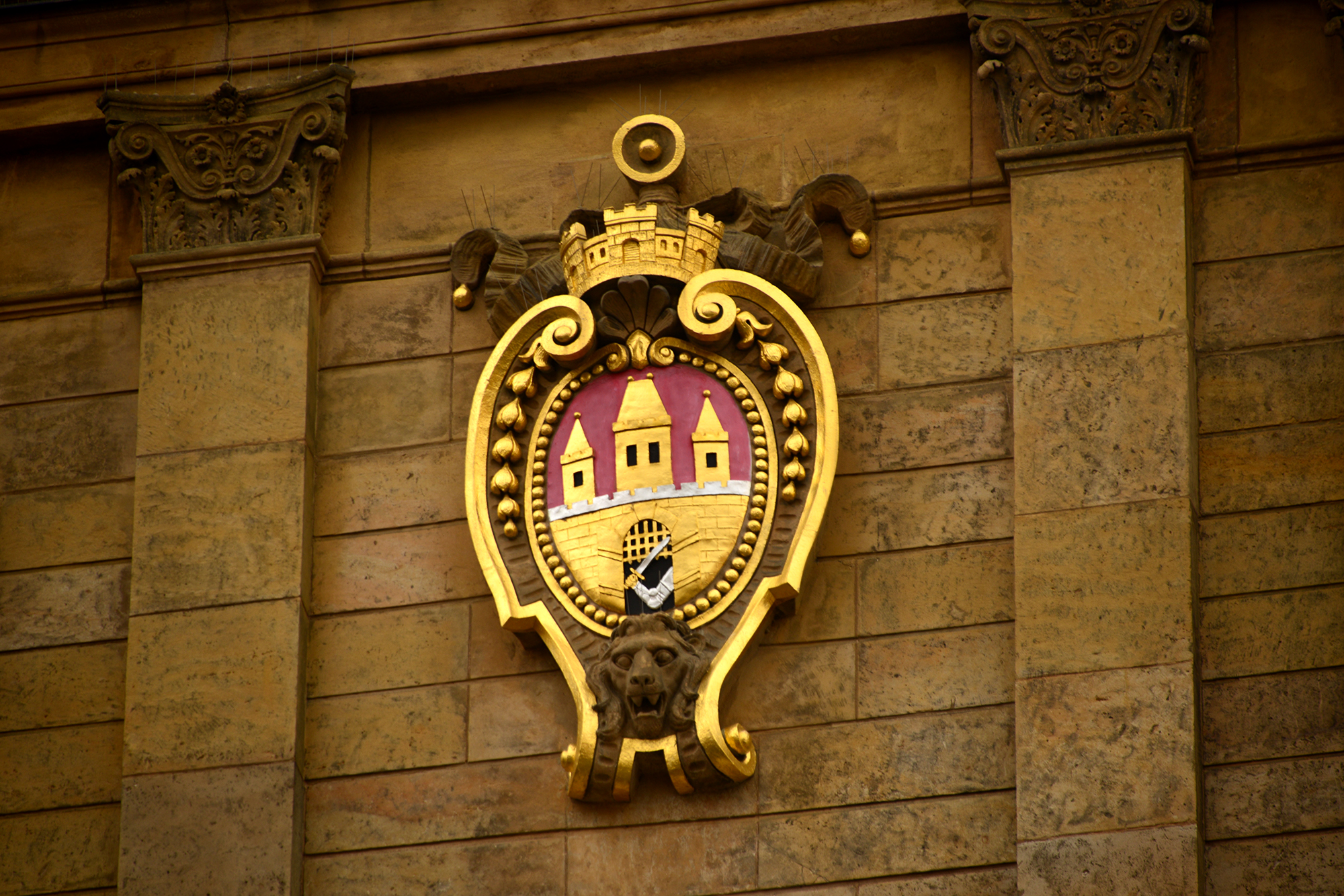

During our joint trip to Prague, my father insisted on two things. First, going to U Kalicha, Švejk’s preferred hangout, and the location of Franz Joseph’s portrait, which is shat upon by flies, and gets the landlord arrested. The restaurant is still there, and so is a mockup of the painting, but no one is offended anymore. Thus pass our great tragedies and puny sorrows alike. He also wanted to see Kafka’s gyrating head, in permanent metamorphosis. For no one has had a keener eye for the great absurdity of human existence than a sad faced, German speaking, bureaucrat from Prague. He was just that, and also so much more. To anyone calling the Metamorphosis a work of (science) fiction, I suggest a moment of deep, true introspection. Let’s face it: on certain, accursed mornings, we’ve all woken up an insect at heart.
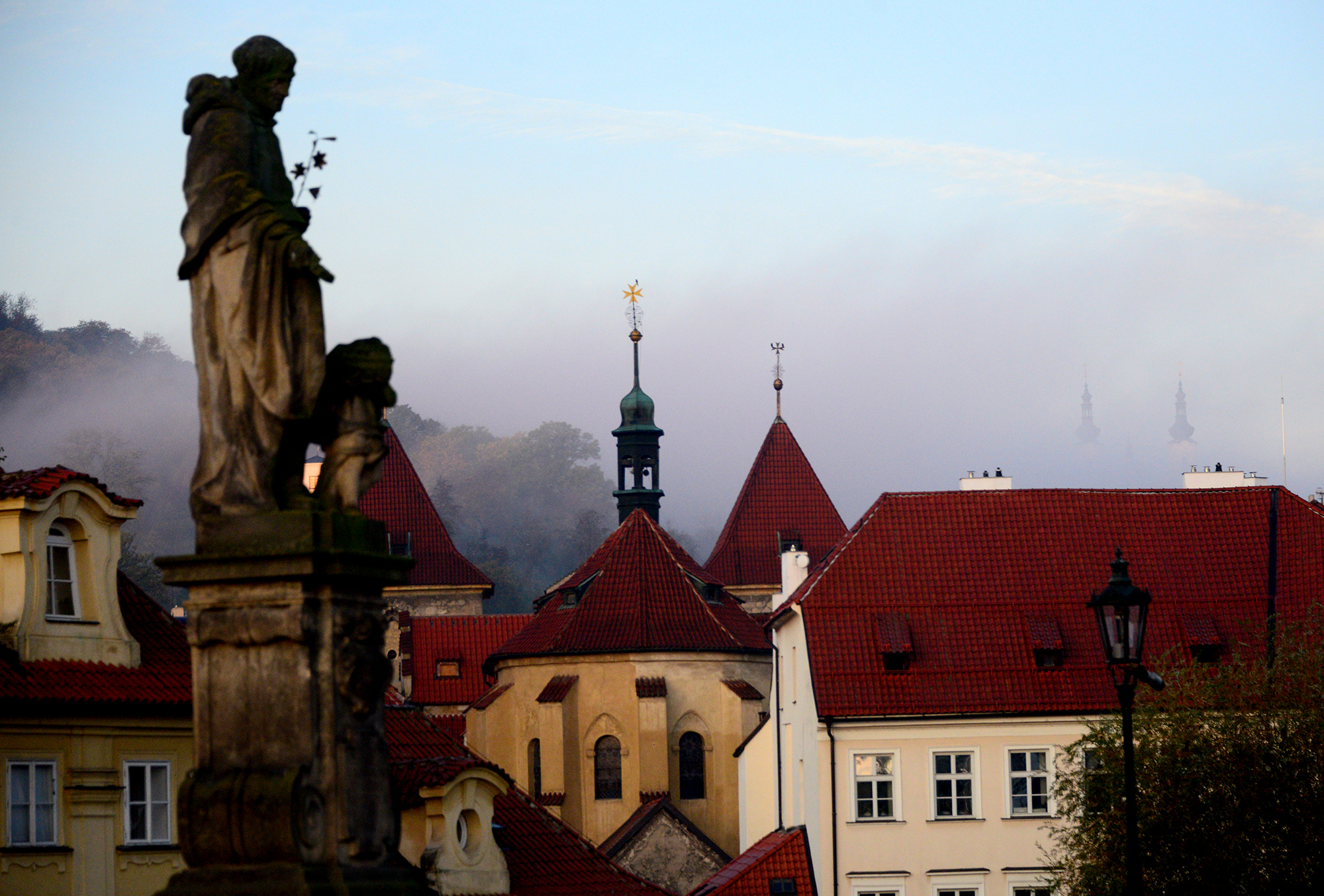
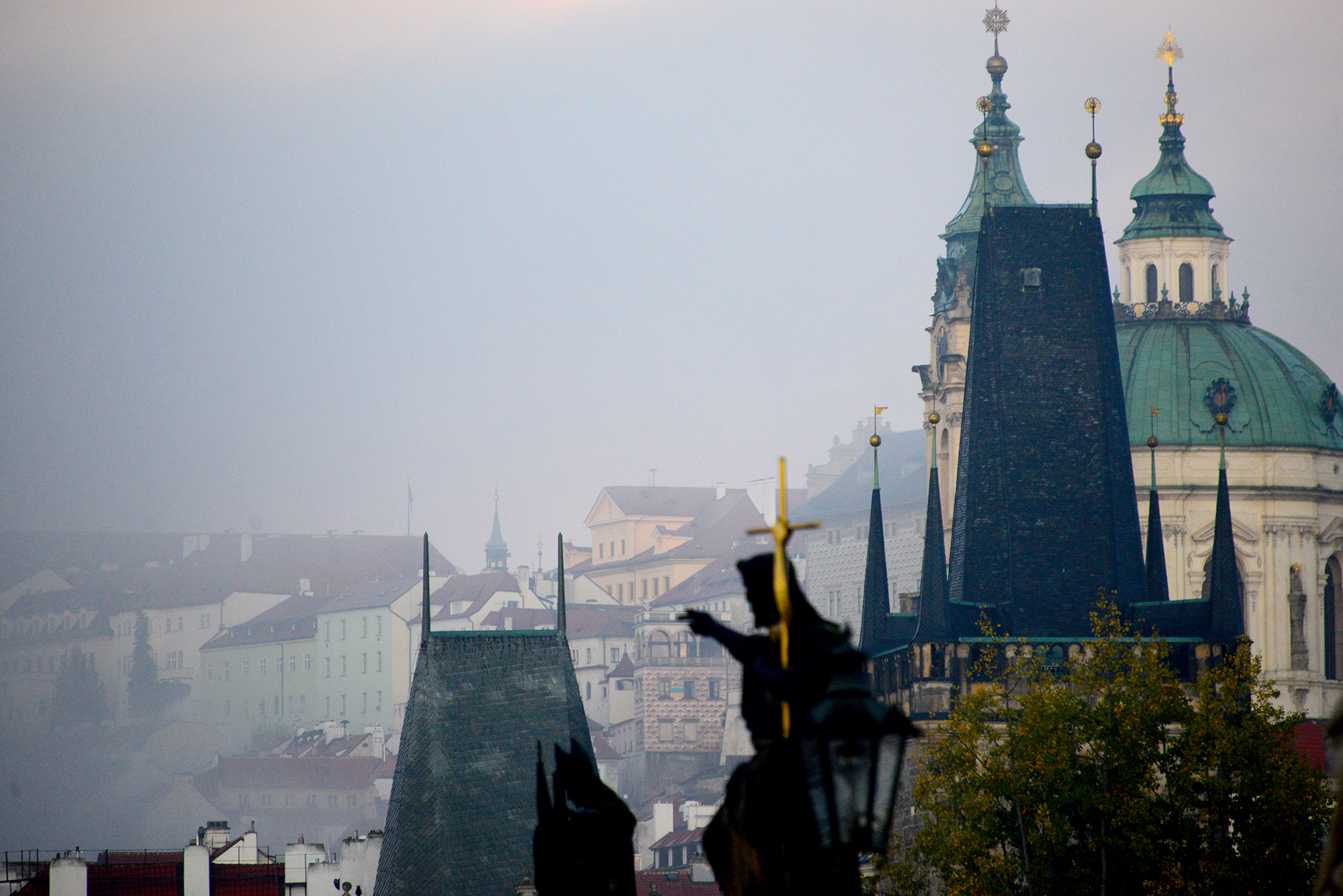
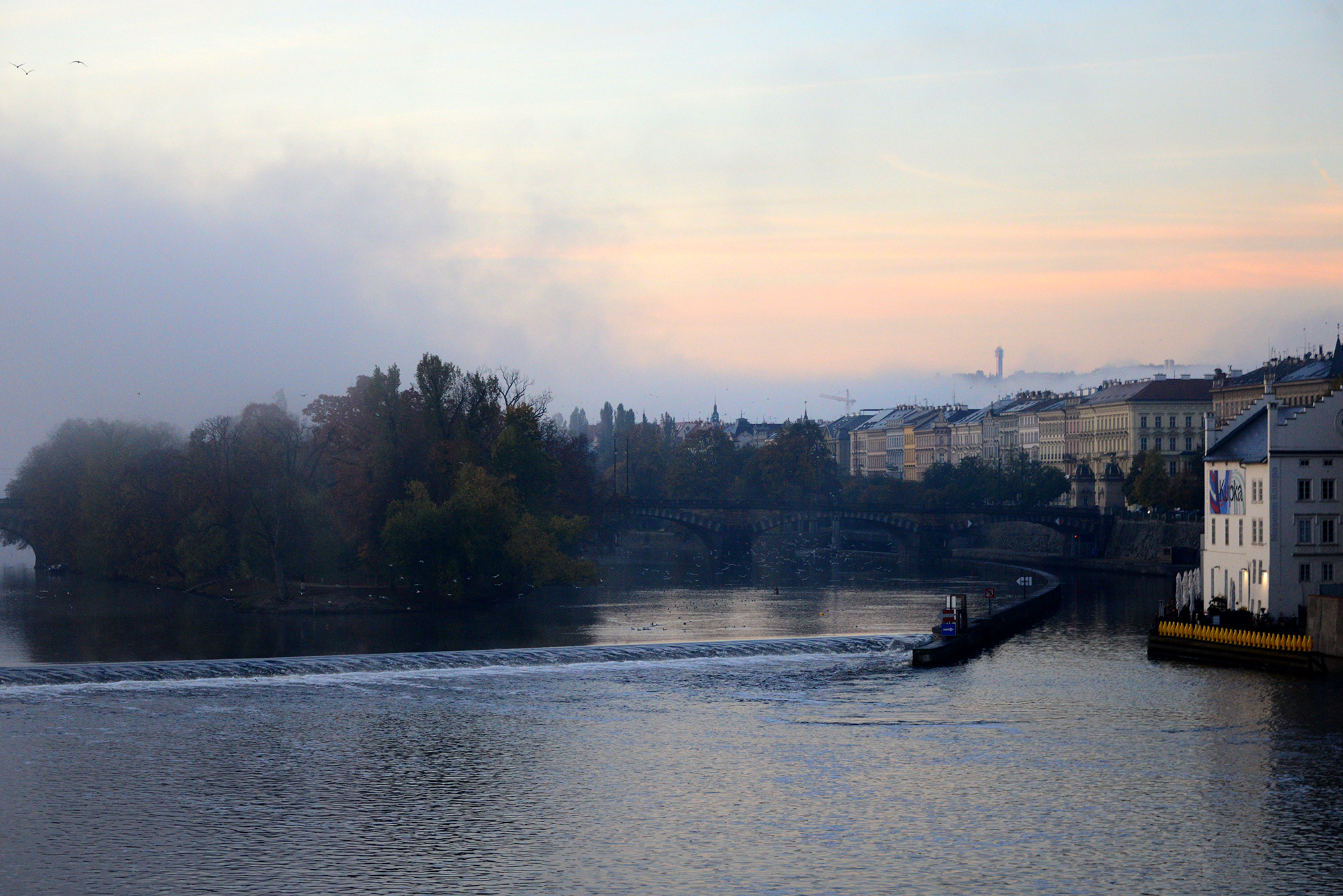
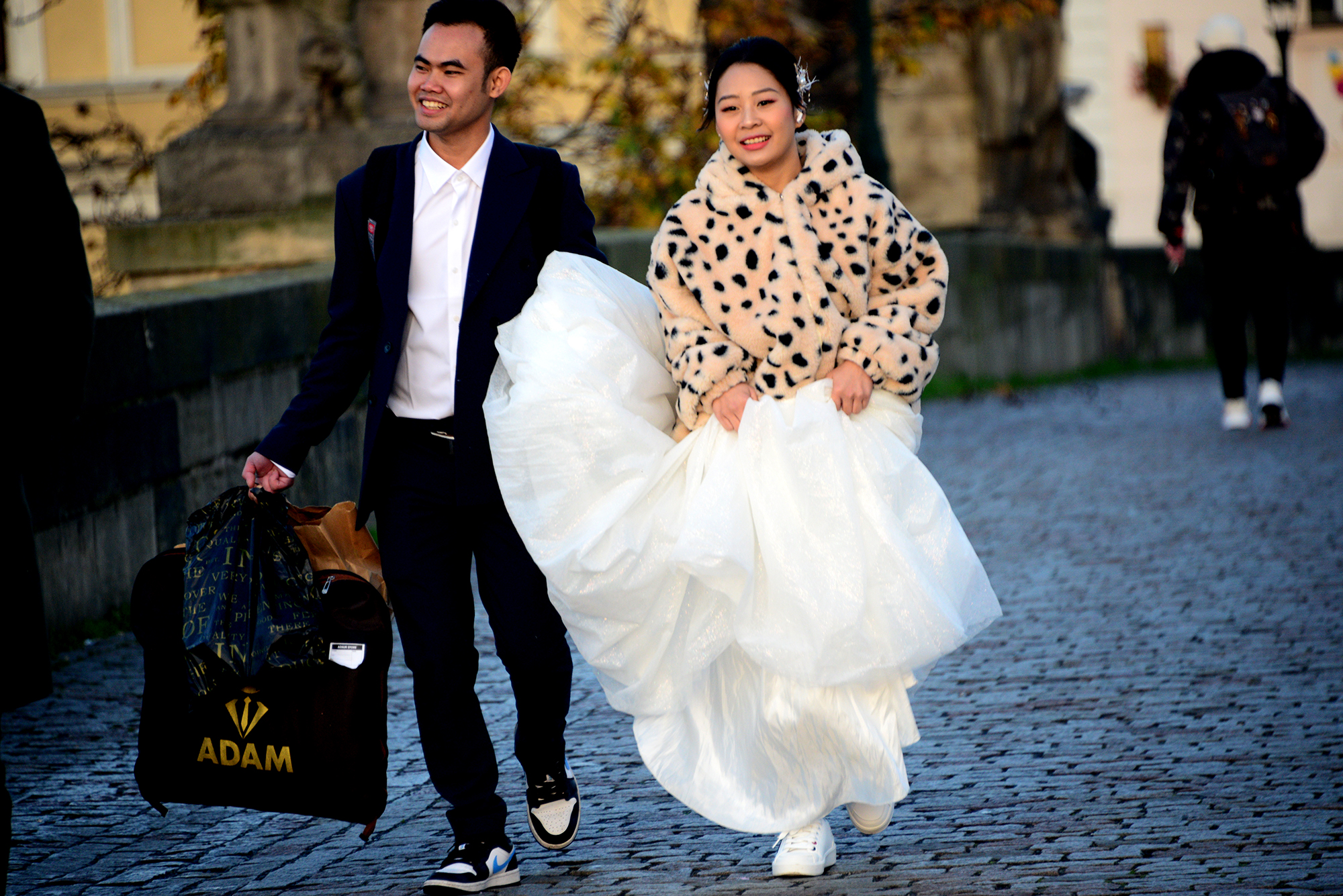
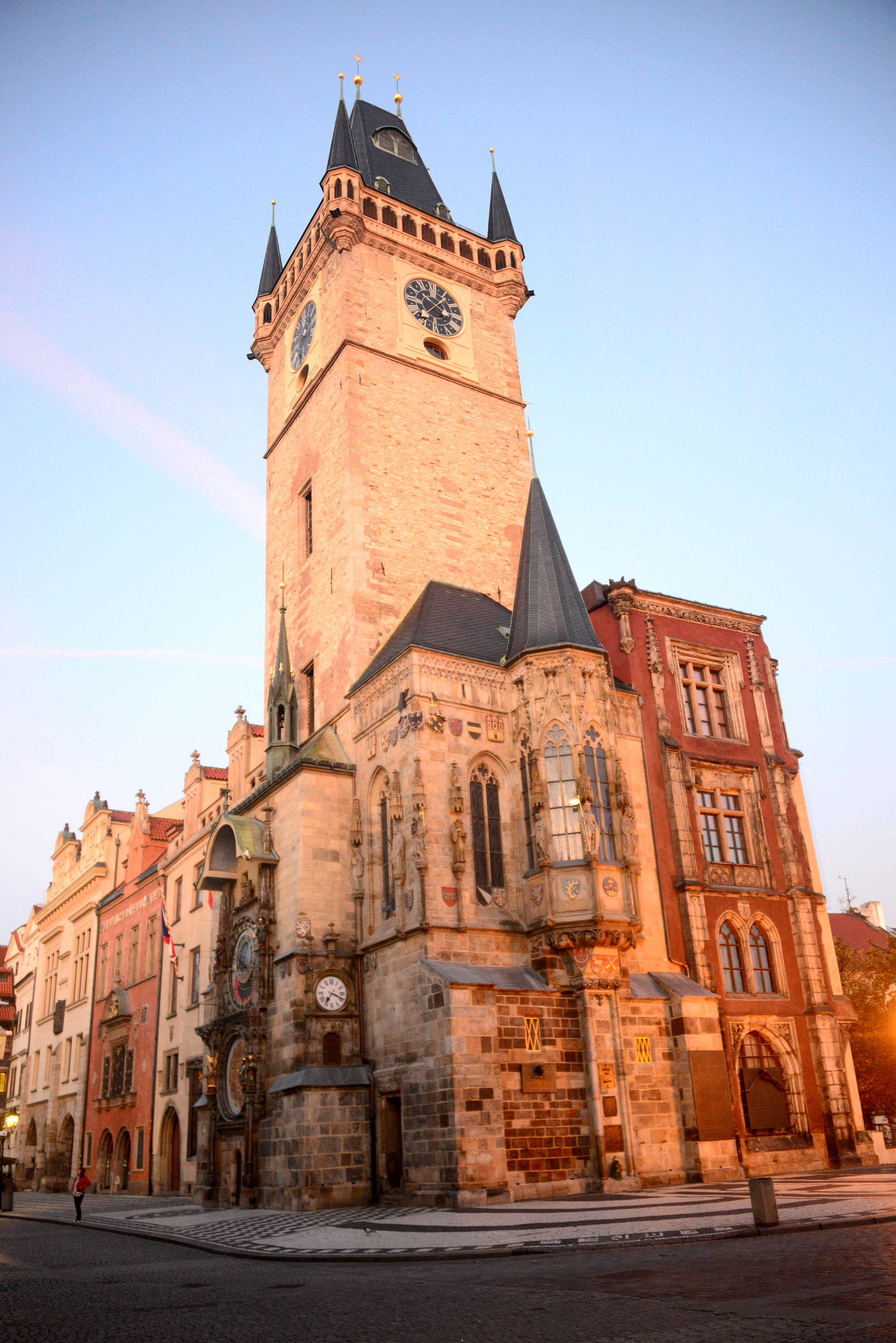
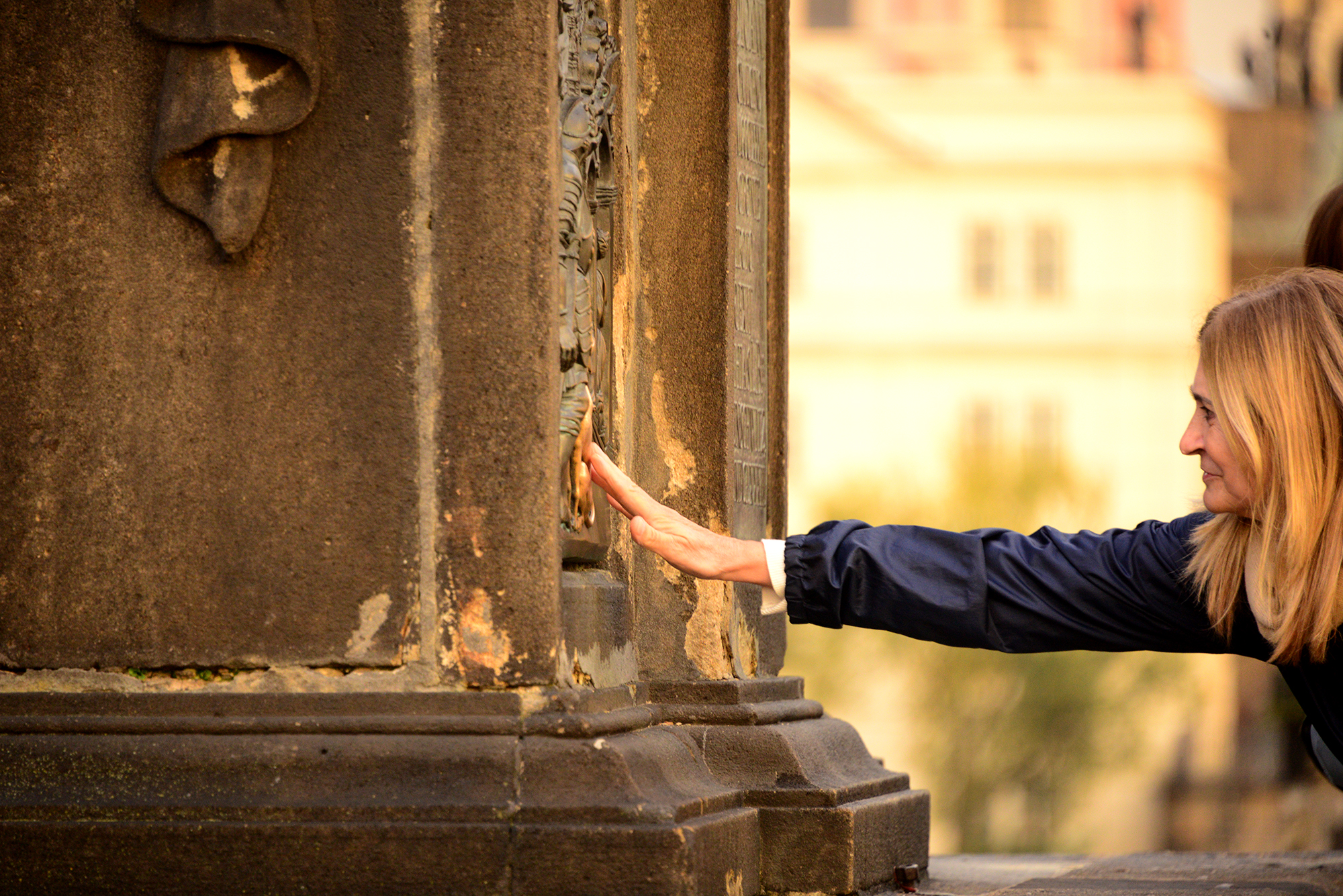
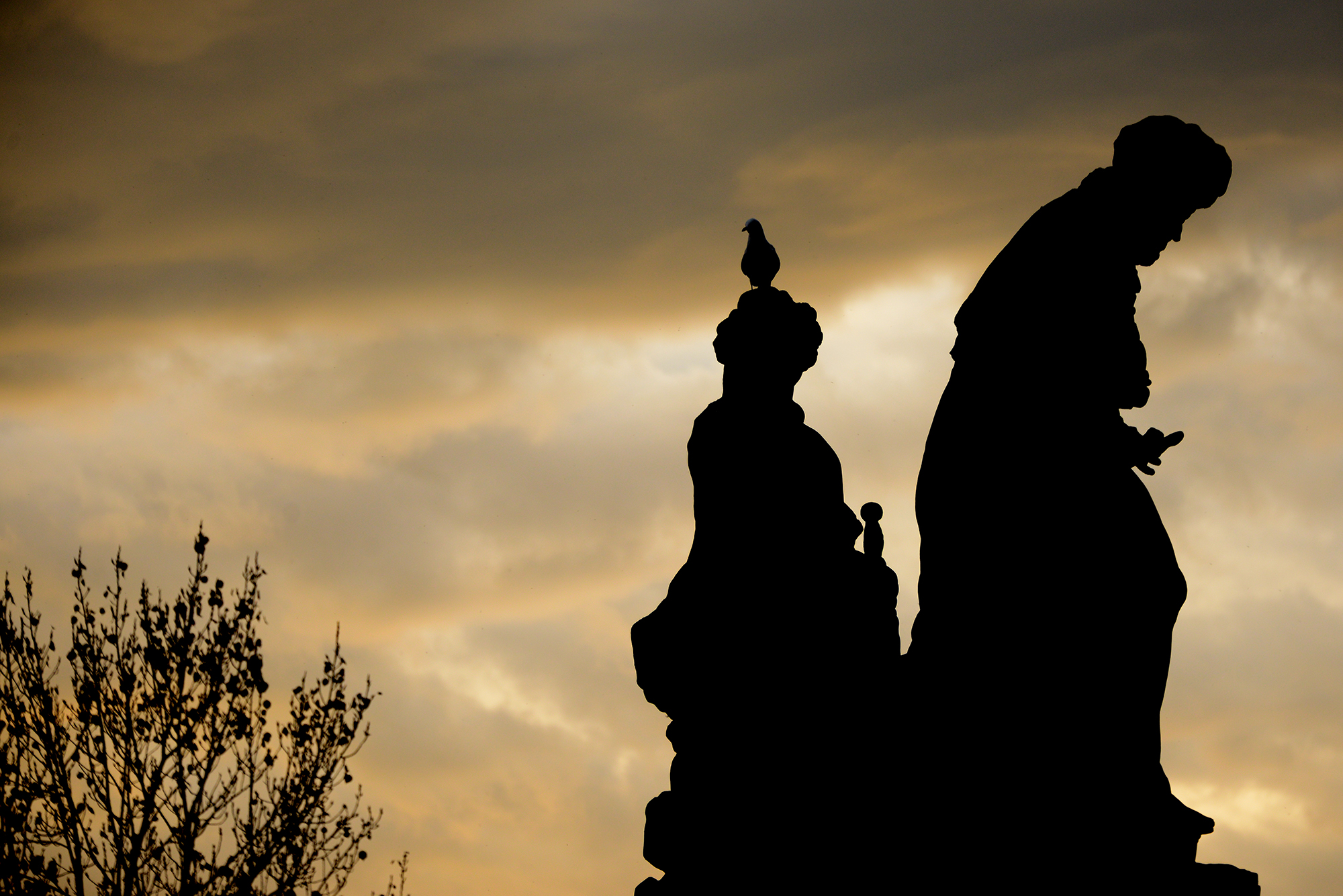
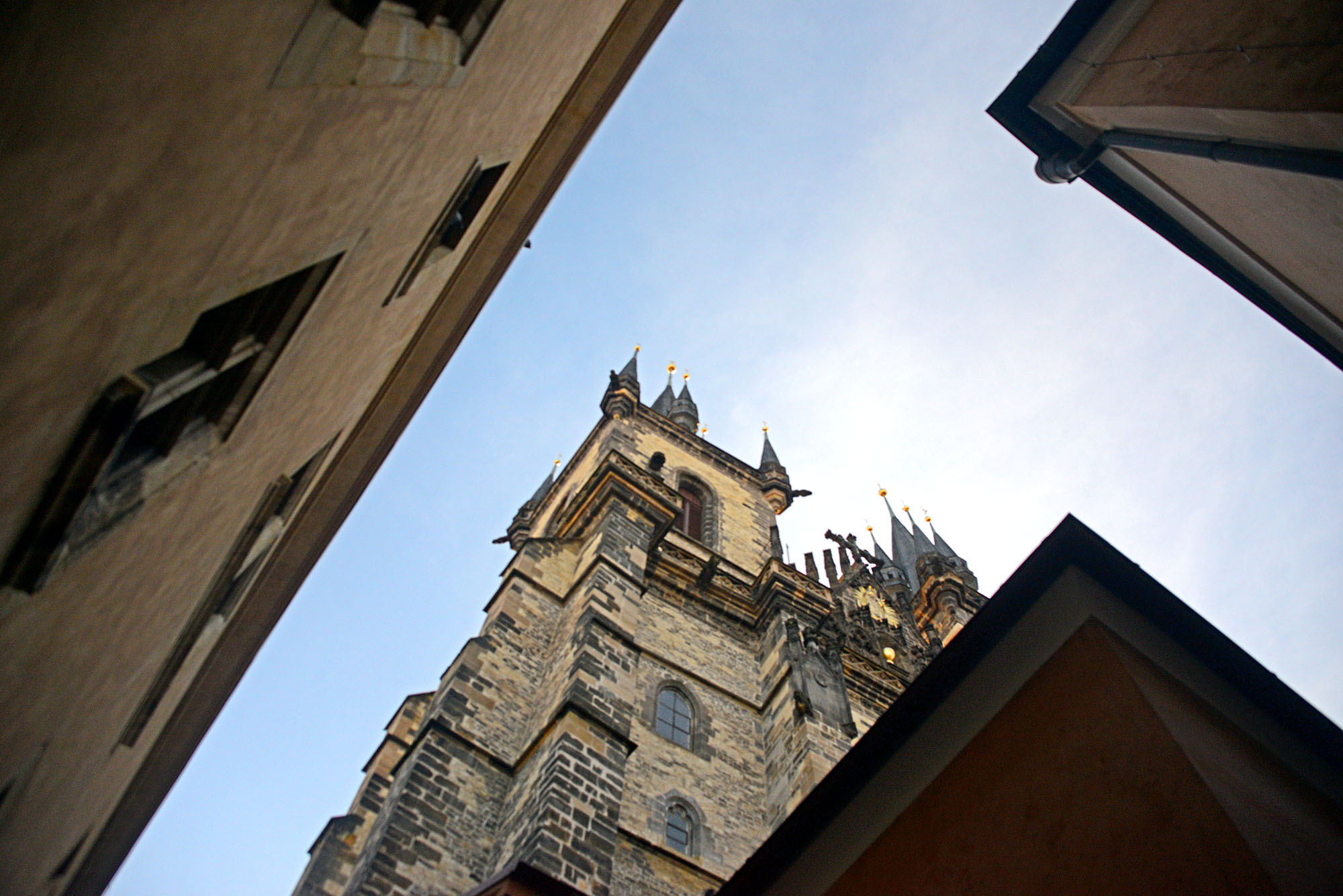
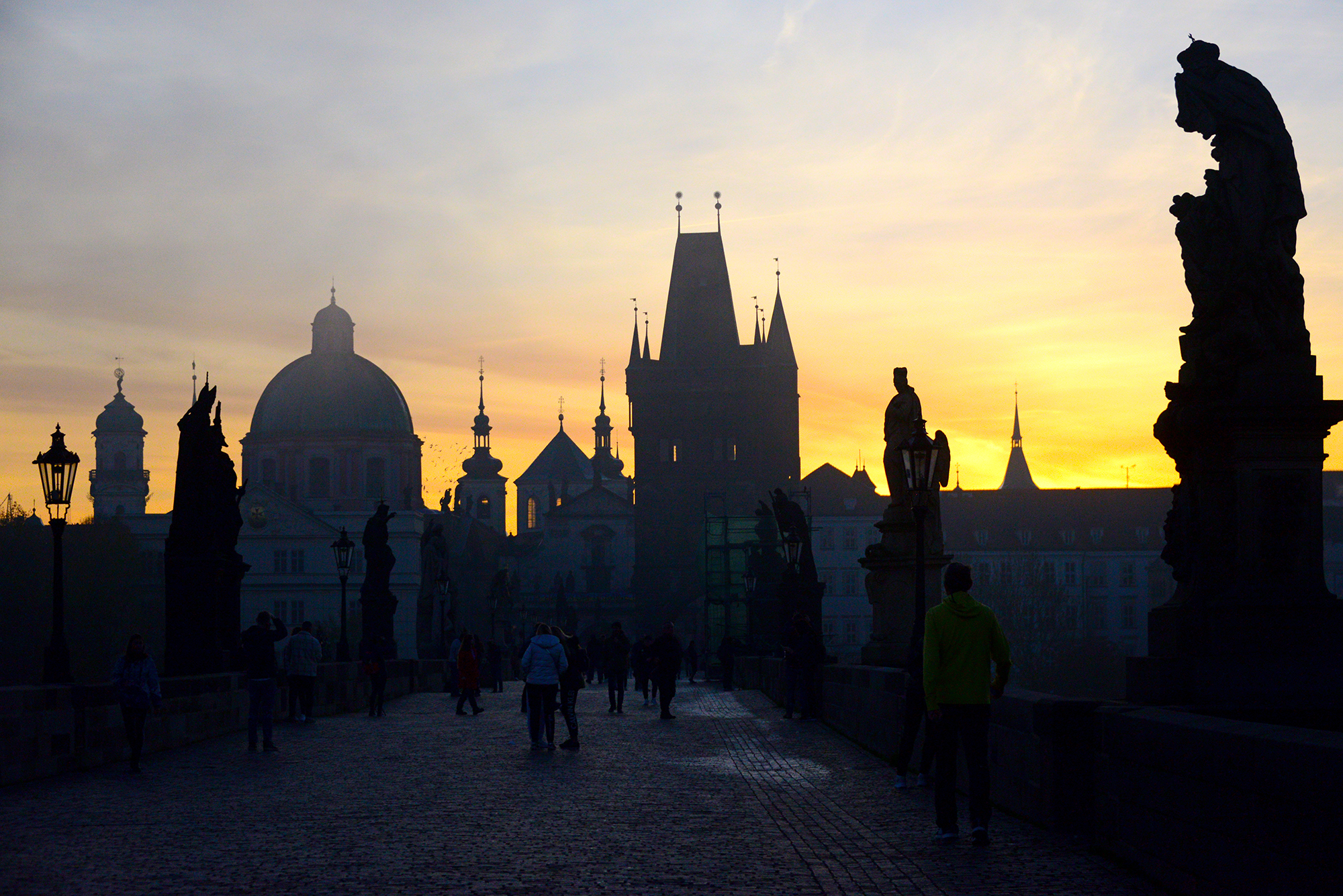
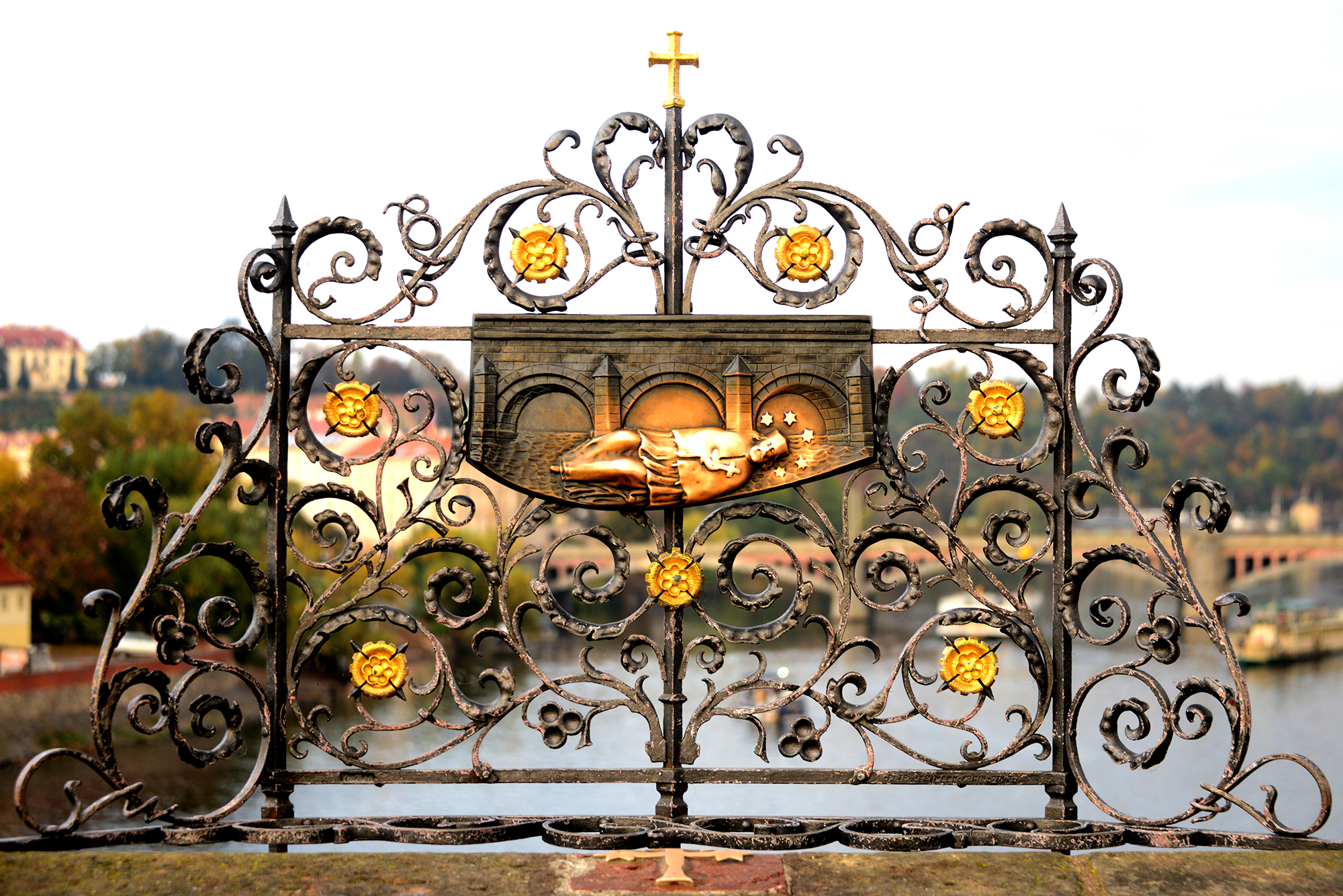
On one such morning I was, to add insult to injury, a somewhat hungover insect, with a slight head cold that had persisted for weeks. The temptation to collapse back into the warm hotel bed was great, but the fog beckoned. I made my way to Wenceslas square, the statue of the king but a faint shadow in the shifting morning mists. To my own surprise, I had no issues navigating the mysterious labyrinth. Soon I arrived at the Old Town Square, shimmering in the soft pink light of dawn, empty, bar for some people on their way to church- either that, or they were going to the head shop nearby the Saint Clement Cathedral, which was among the few establishments open at the crack of dawn. As I reached the river, I saw nothing at first. It was shrouded in heavy, white fog. Slowly, my eyes adjusted and the statues lining Charles Bridge came into focus- the stone apostles, as Sarah Perry calls them, as she sends one of the characters of her novel Melmoth walking over the bridge on a winter’s day. The bridge is there on a million postcards, but none can quite capture the magic and the fascination of a still morning, the river softly lapping below, the swathes of mist rising and then moving over the hills. A young Asian woman was clutching her wedding dress, shivering in the early morning chill, waiting for the sun to rise so the pictures could be taken. Her tiny frame, so fragile and incongruous against the dark outlines of the stone saints, was an unexpectedly poignant expression of the absurdities of our modern lives. She hesitantly touched the metal silhouette of a man, rubbed golden by many hands making a wish as they touched it, hopefully she asked to be spared pneumonia. She then flashed a beaming smile and lifted her fingers into the familiar V-shape. The man whose likeness she touched was Saint John of Nepomuk. He died by being thrown into the Vltava by an enraged King Wenceslas, purportedly on the very spot where we now stood.
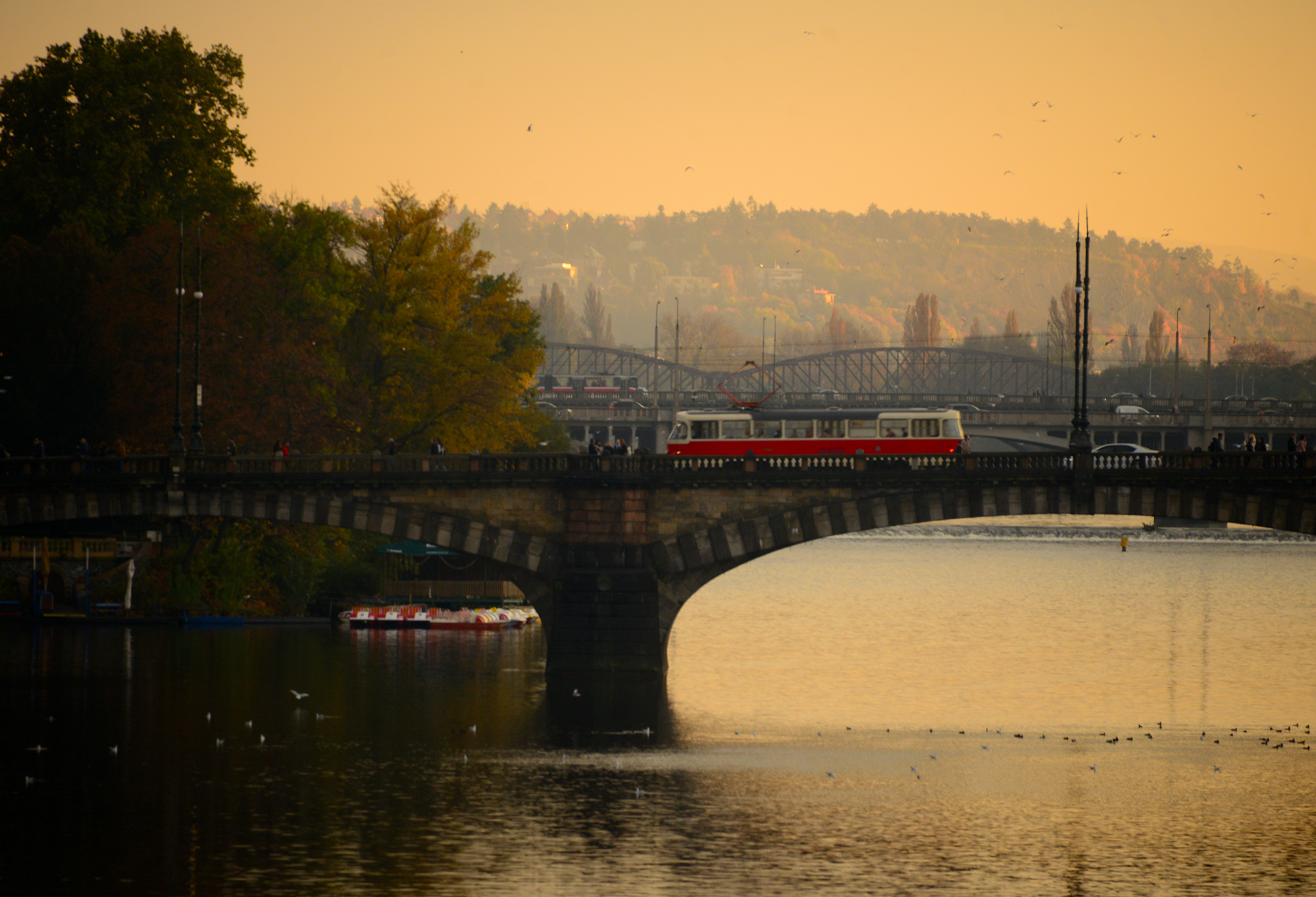
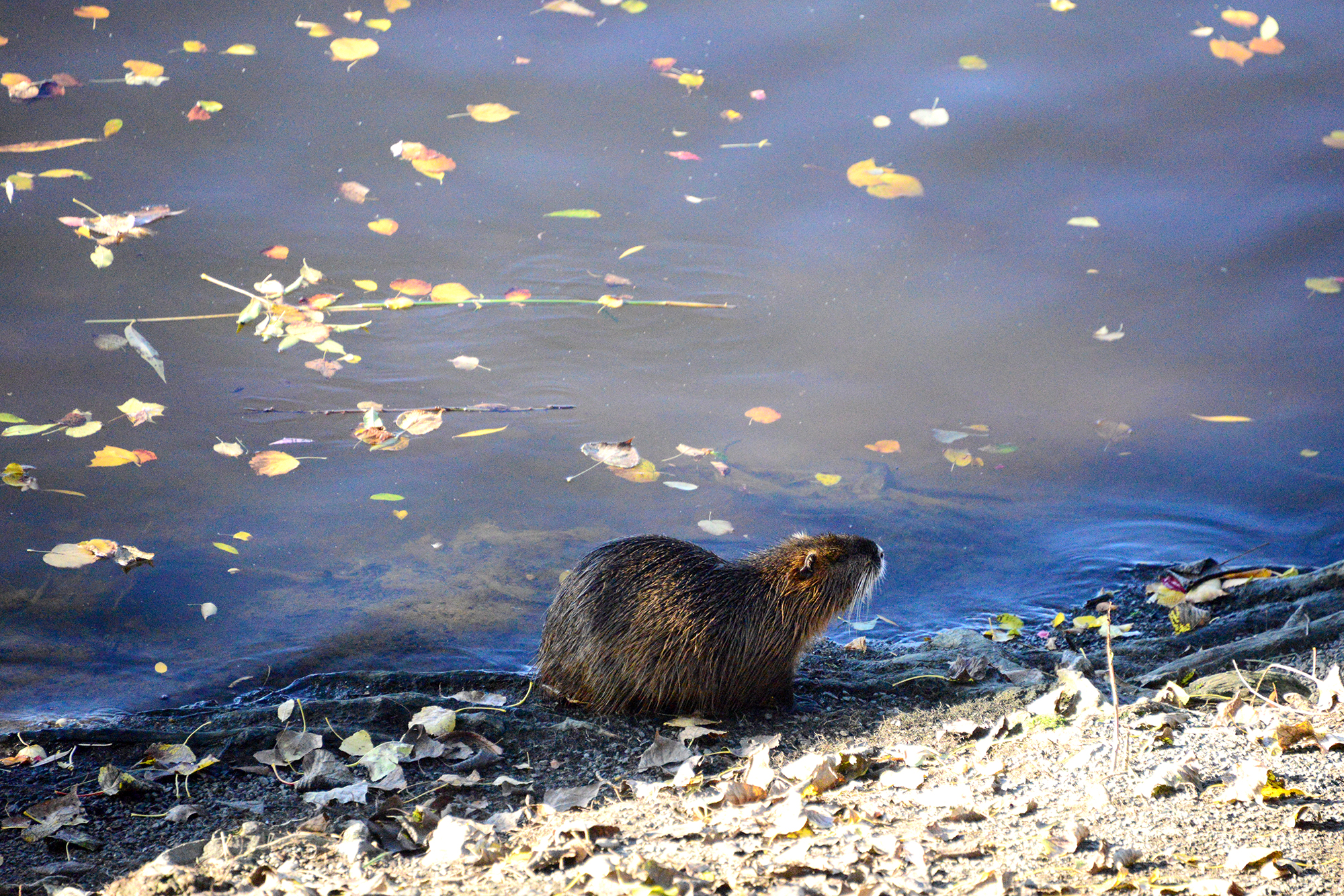
The first time I saw the statue of Saint John of Nepomuk on Charles Bridge, he looked oddly familiar. I was sure I’d seen a very similar statue before, but not in Prague. And indeed, the statue I was thinking of lies, somewhat off the beaten track, in my hometown of Arad. A bit more historical digging revealed that, as far as Catholic tradition goes, the patron saint of Arad remains Saint John of Nepomuk, a protector of waters and forests. A Czech man thrown into a river for having argued with a king. A river so peaceful now, teeming with beavers that walk up to greet you on the mossy shores. A connection sprung out from almost nowhere, but oh so close to my heart. And not the only connection between Prague and my hometown: I spent my whole childhood riding to school on line number 6, serviced by Czechoslovak Tatra trams. For a long while, I simply could not picture a tram that wasn’t a red Tatra, all other trams seemed sad travesties. There are hardly any Tatras left in Arad, but my heart does always beat a little faster, and merrier, wherever I see one, be it at home, or in Prague.
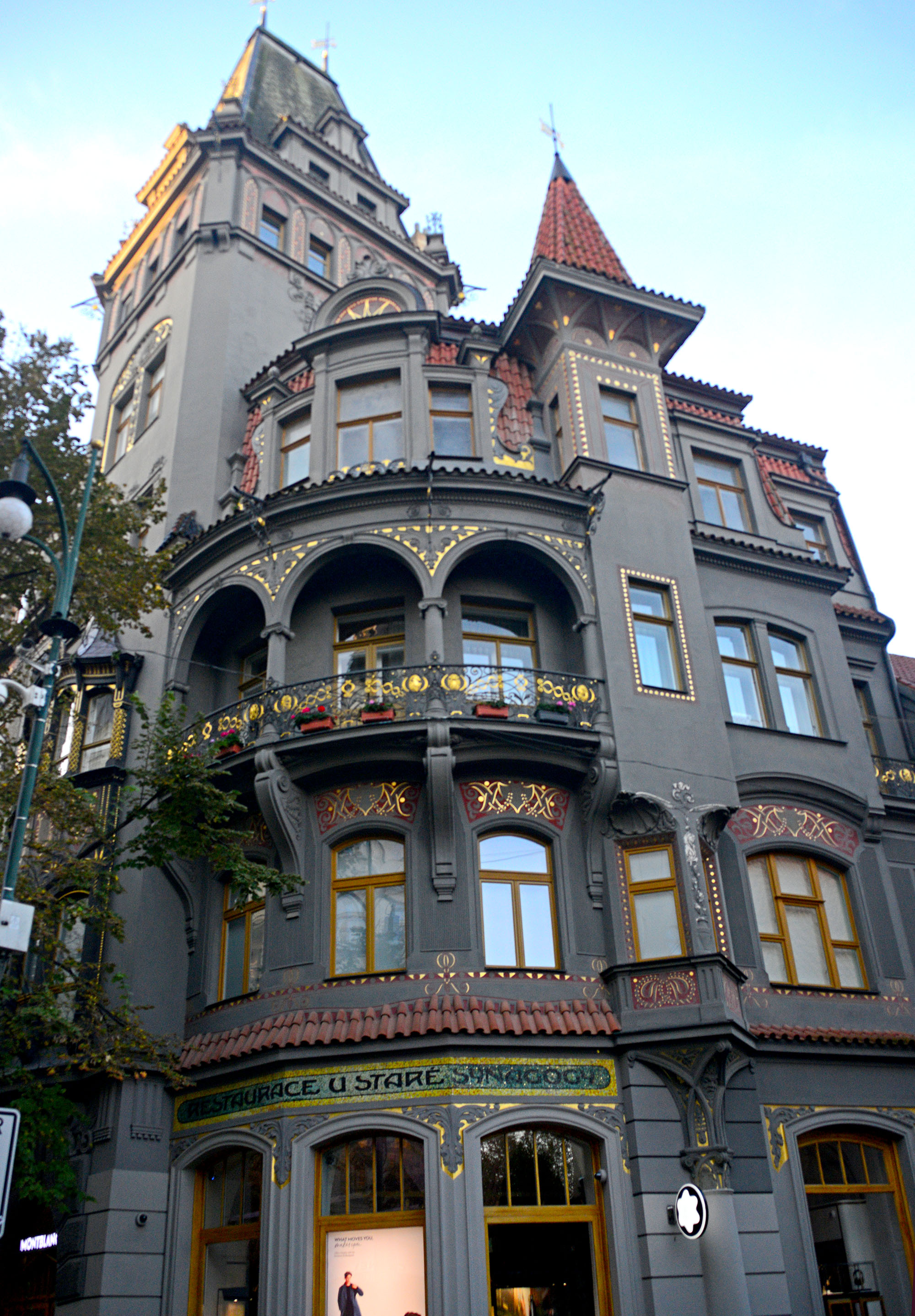
I felt it was time to go now, and ambled on towards Josefov, the Jewish quarter. I love Josefov as a name, because Vienna has a Josefstadt, and Budapest has a Józsefváros, and think what you may of the Josephs that gave their names to them, there is an undeniable historical connection between these places which informs both their past and their future. I also love Josefov because of its dizzying geometrical composition- if you want to get a feel of what I mean, a good place to start is the German silent horror film The Golem, of the same Expressionist school which gave us the more famous Nosferatu. These days, though, its lines are clean and orderly- a model neighbourhood with lovingly restored houses, an example of how historical quarters in Central and Eastern Europe could, and should look, if we had the money and patience to care about their fate. Quintessential Prague: bright and dark all at once, a city with a very old heart always renewing itself. I now realise that while this was started as the criminally procrastinated account of a visit to Prague with my parents last October, it has morphed into what it was meant to be in the first place. A love letter.
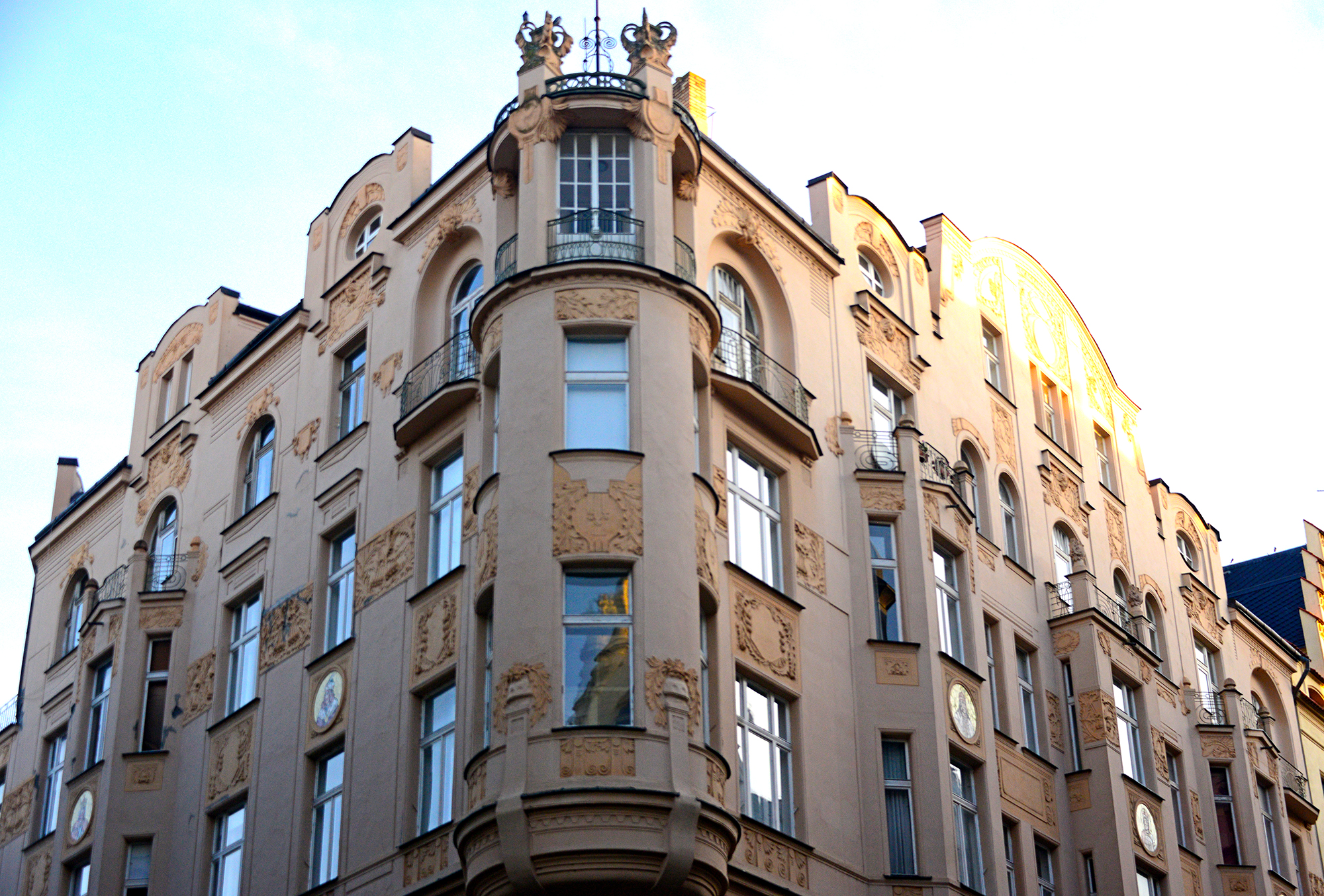

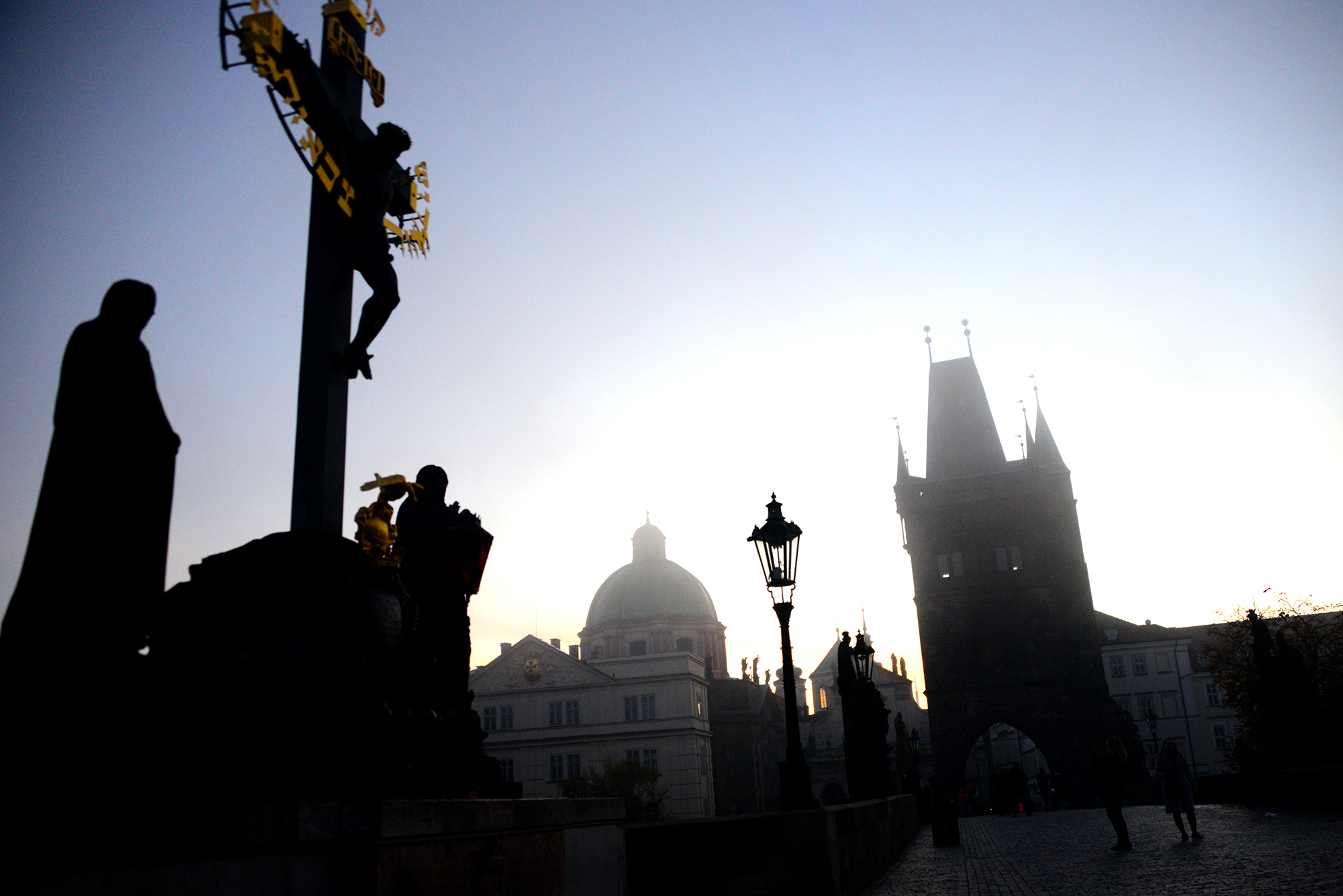
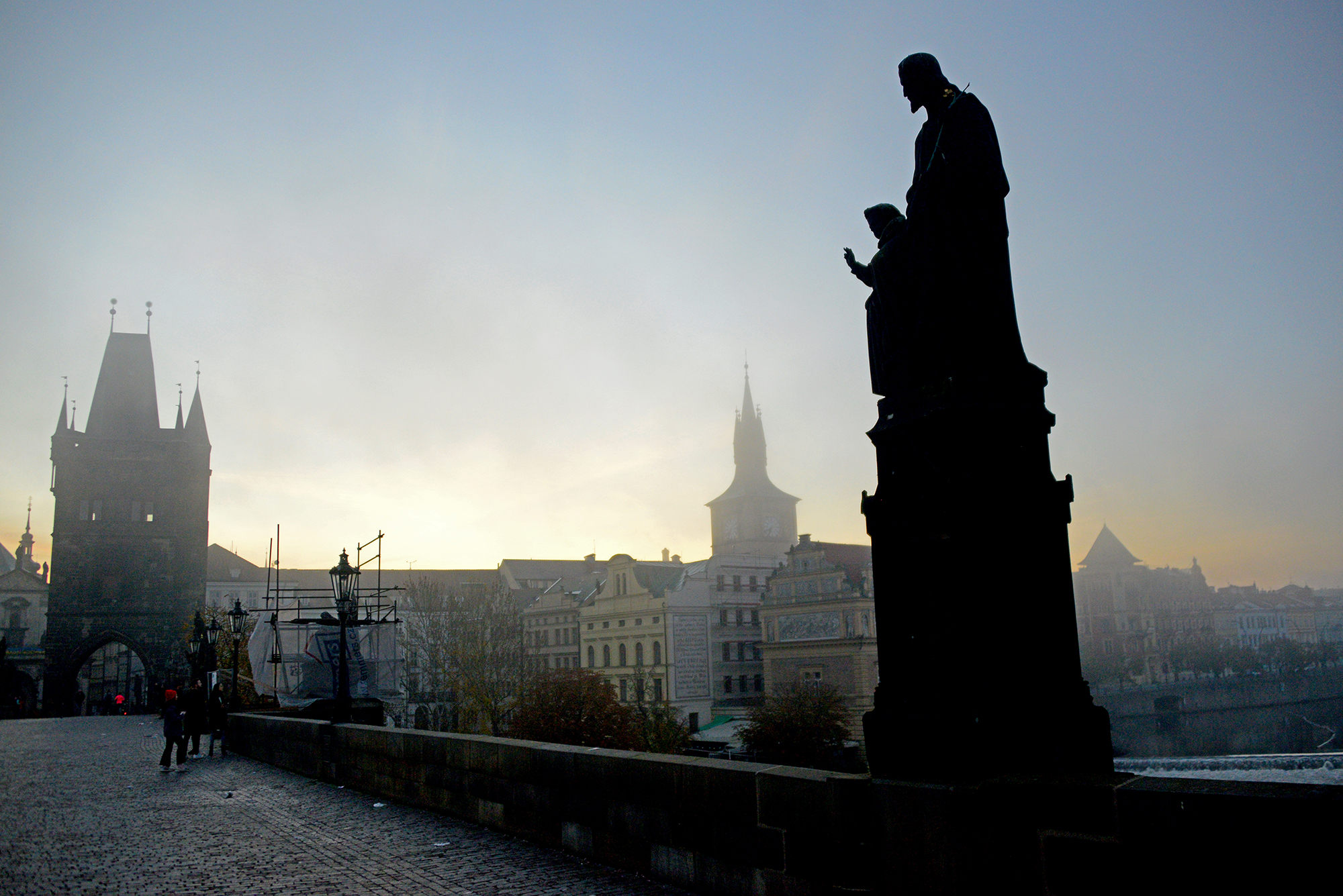
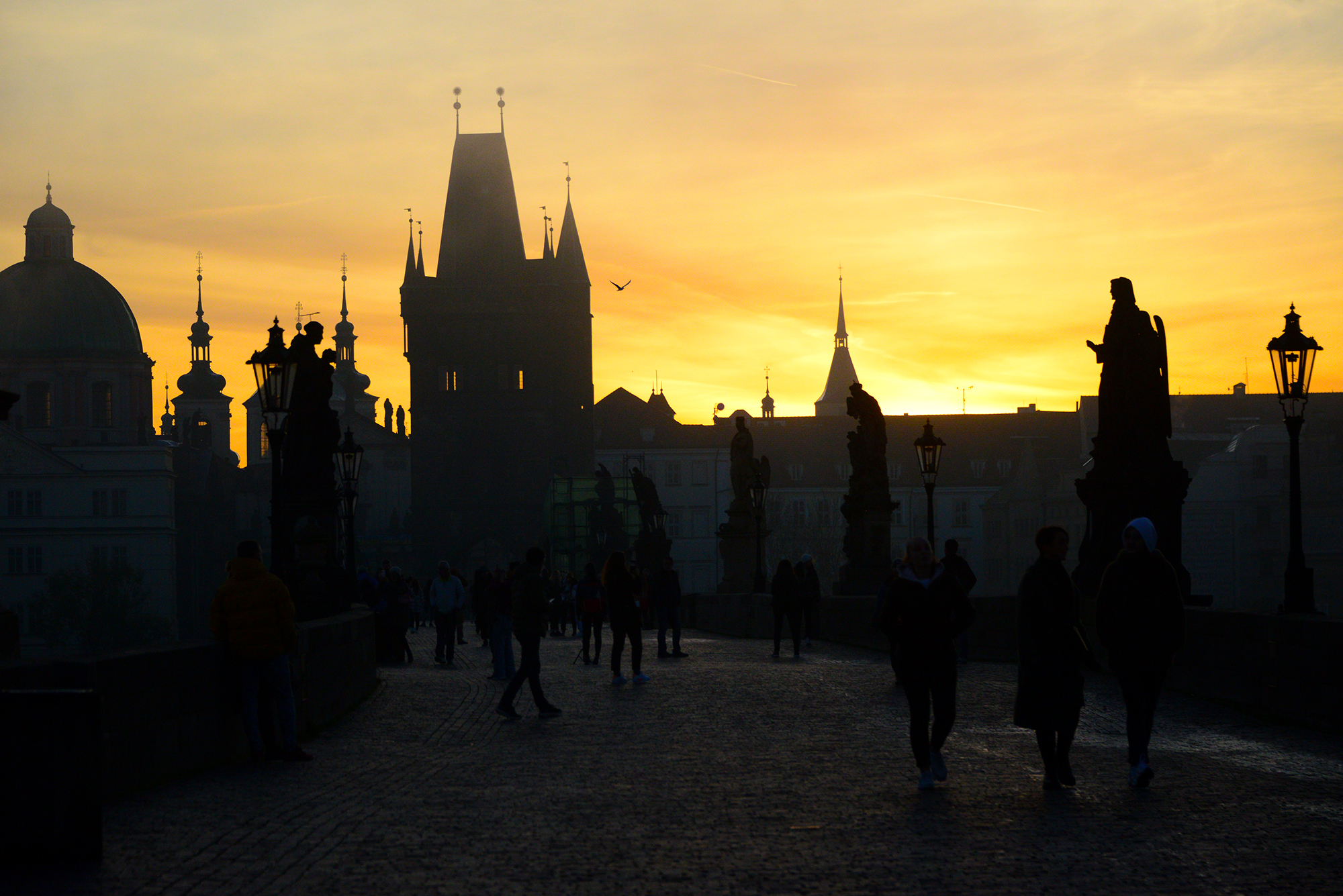

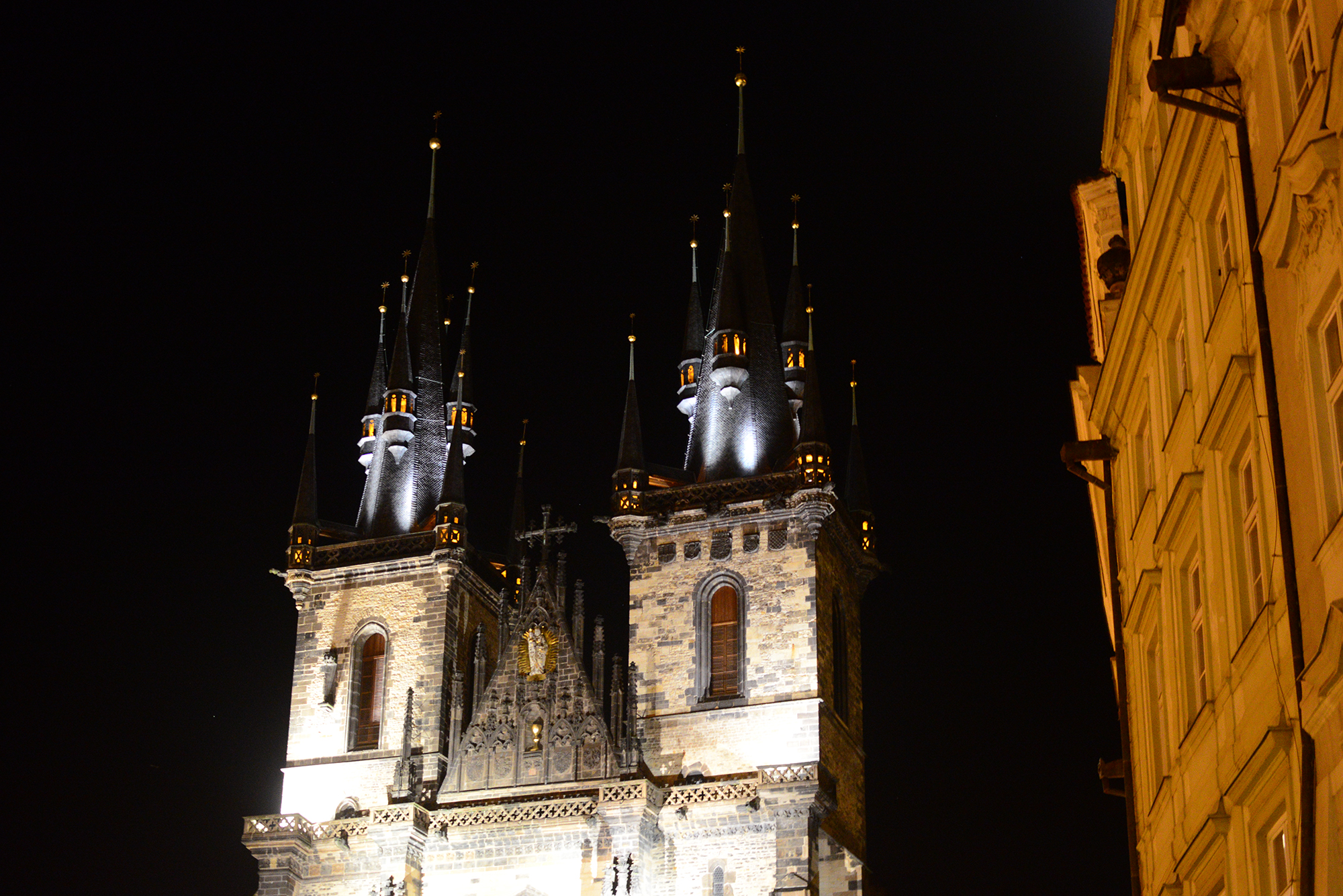
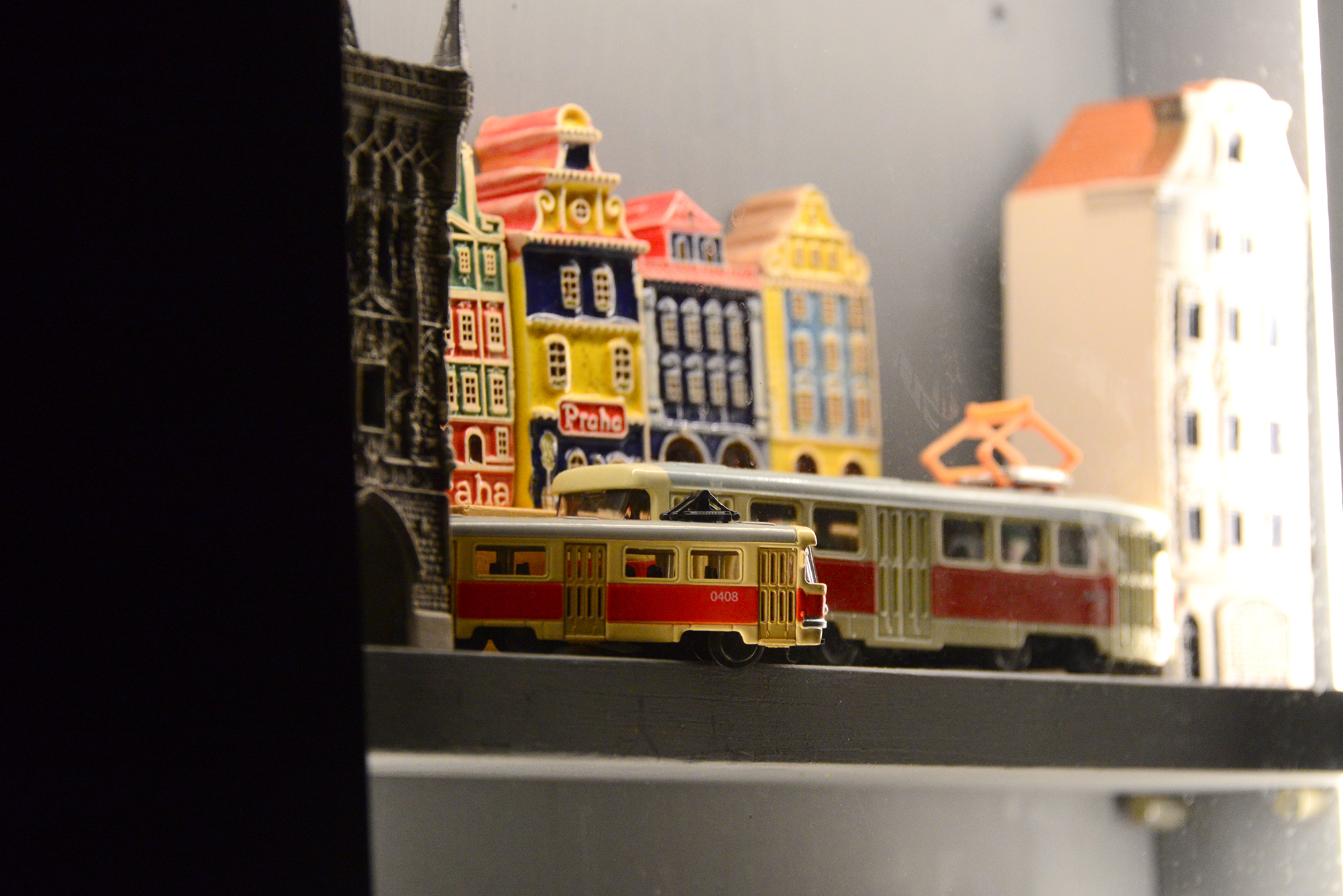
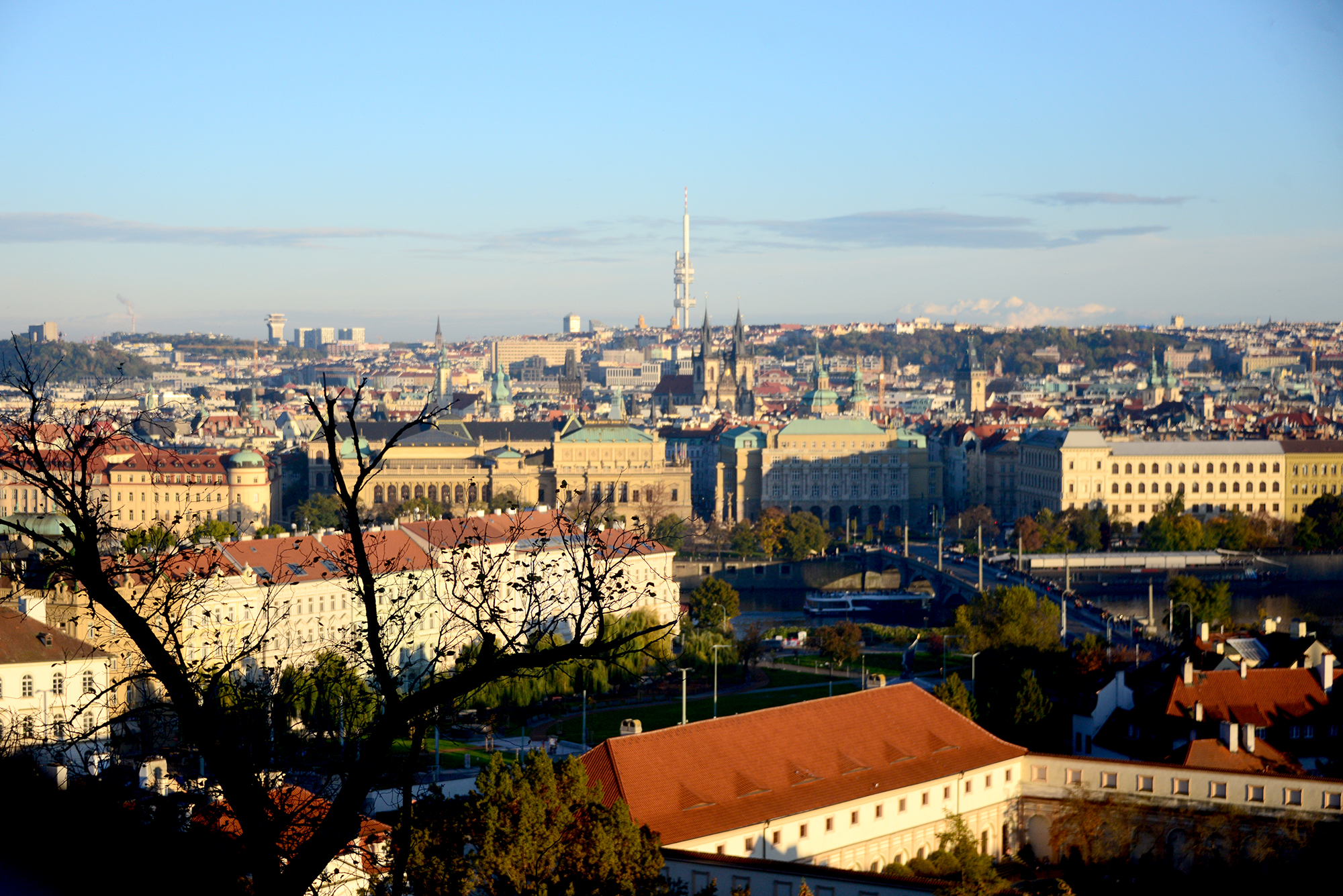
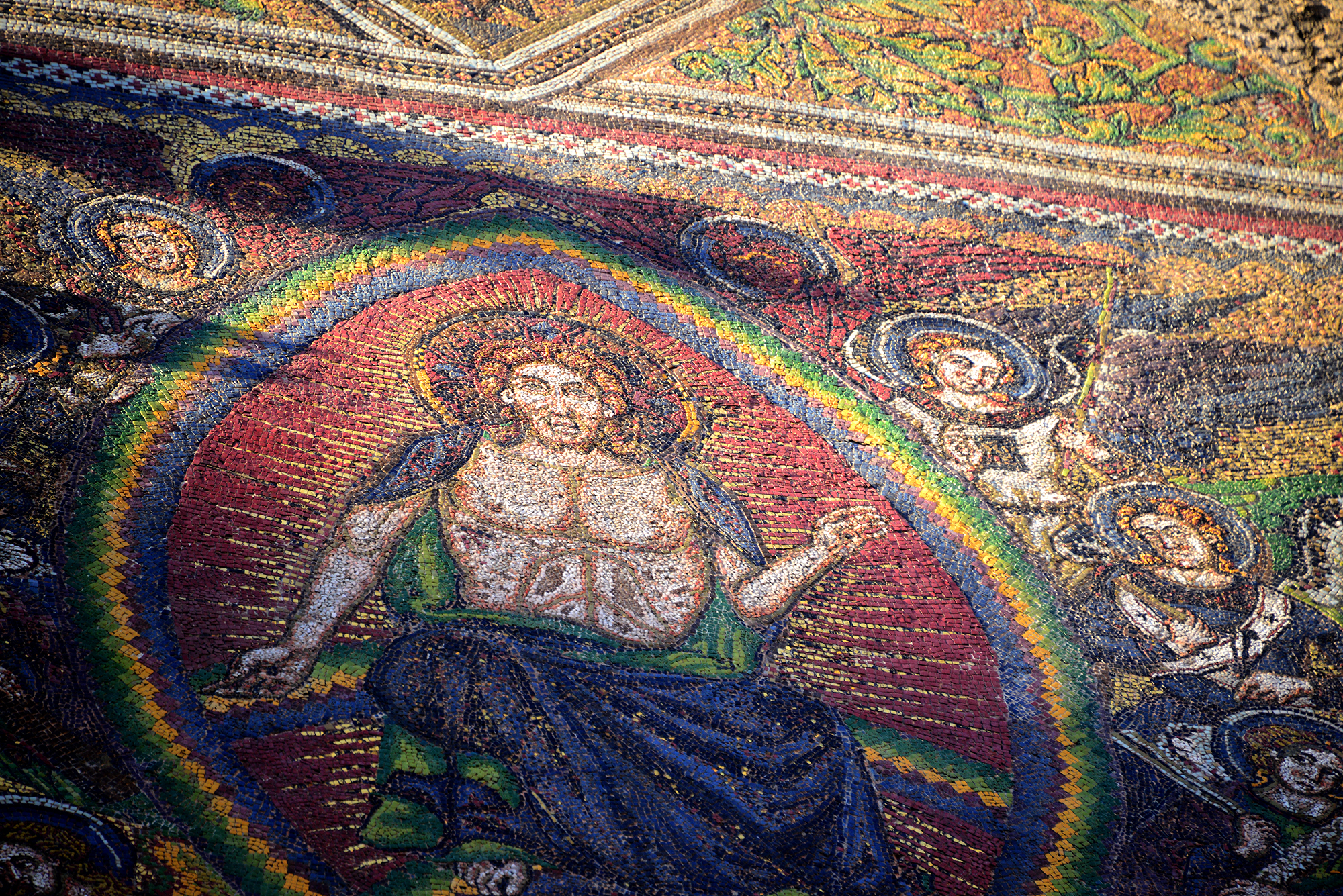

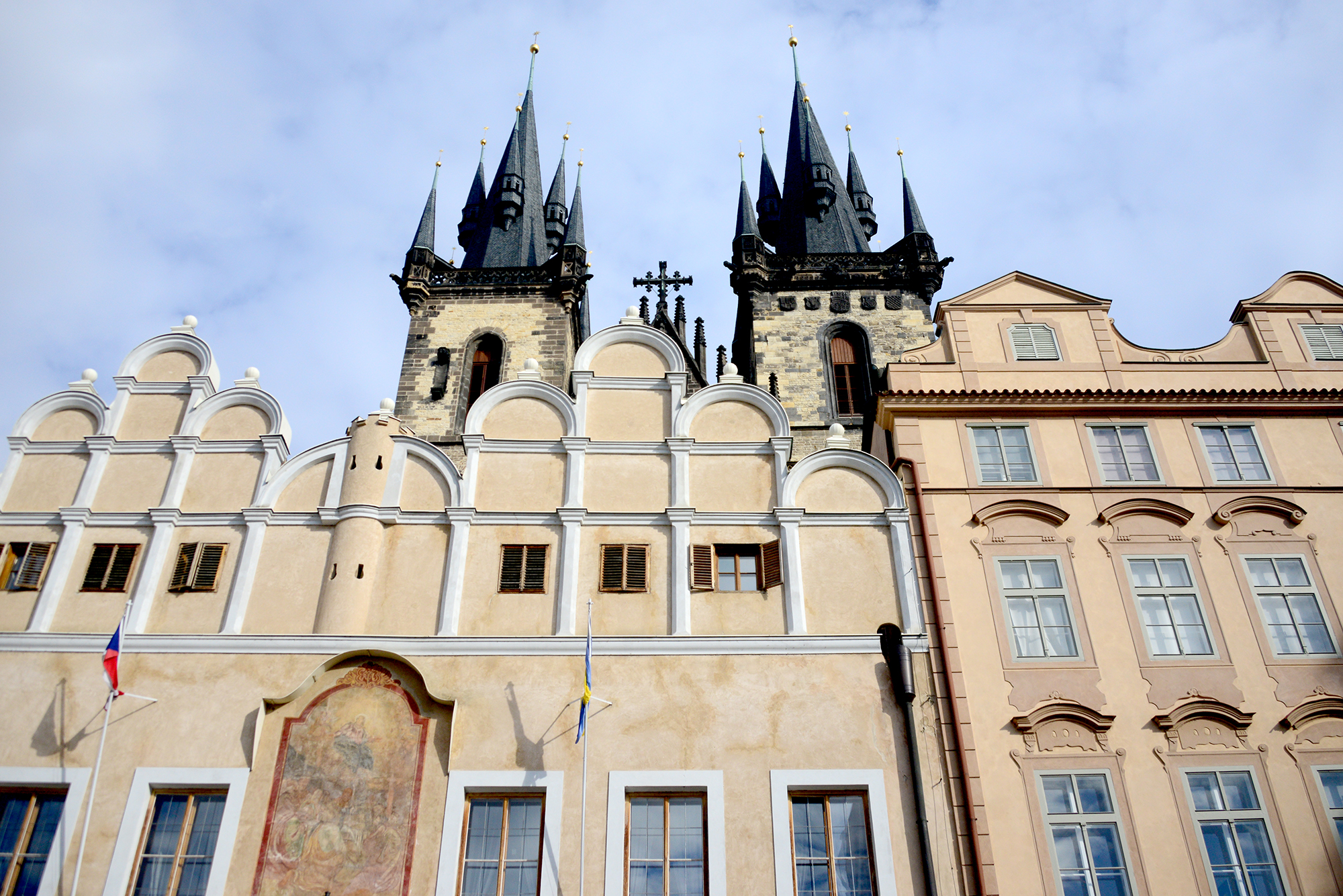

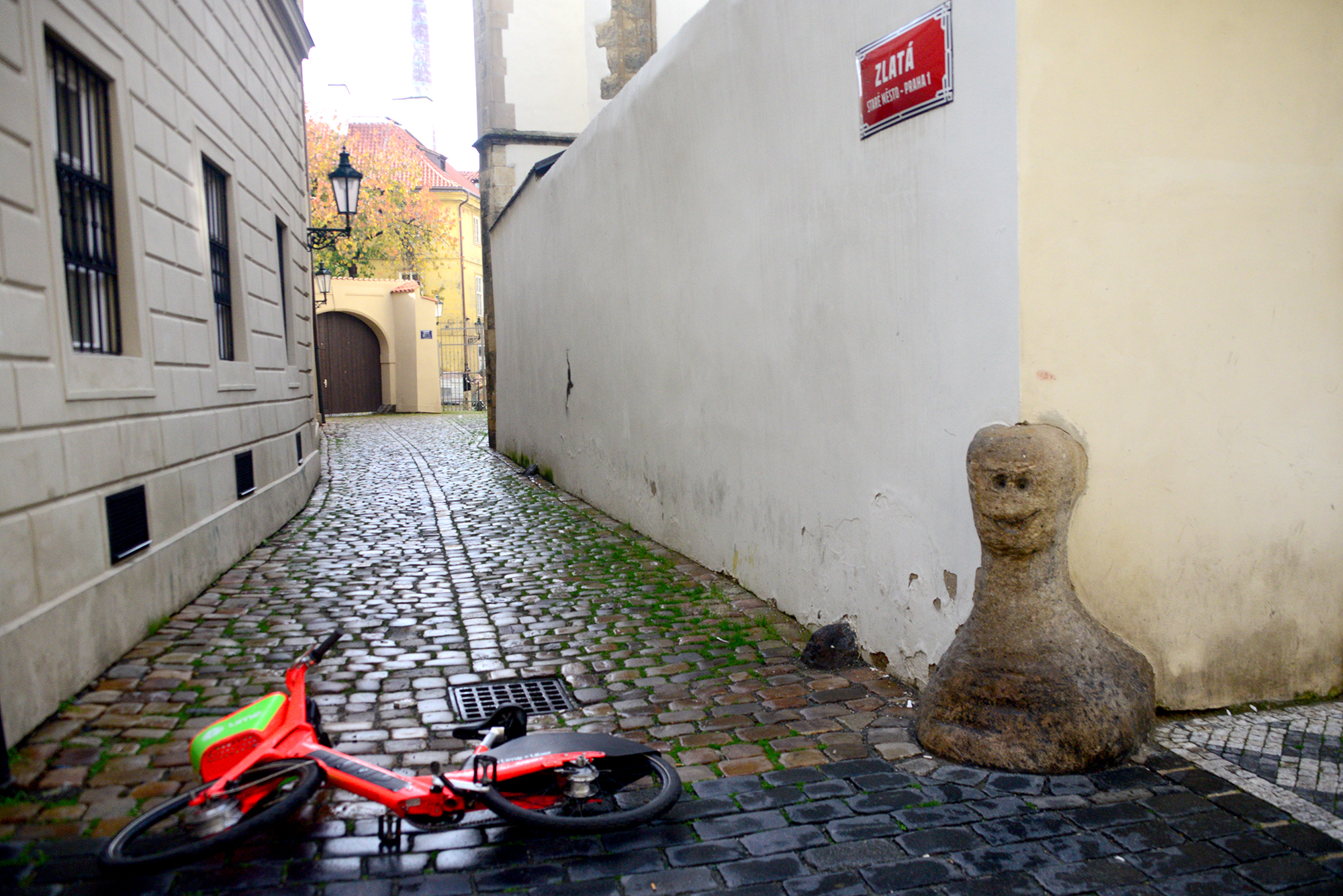
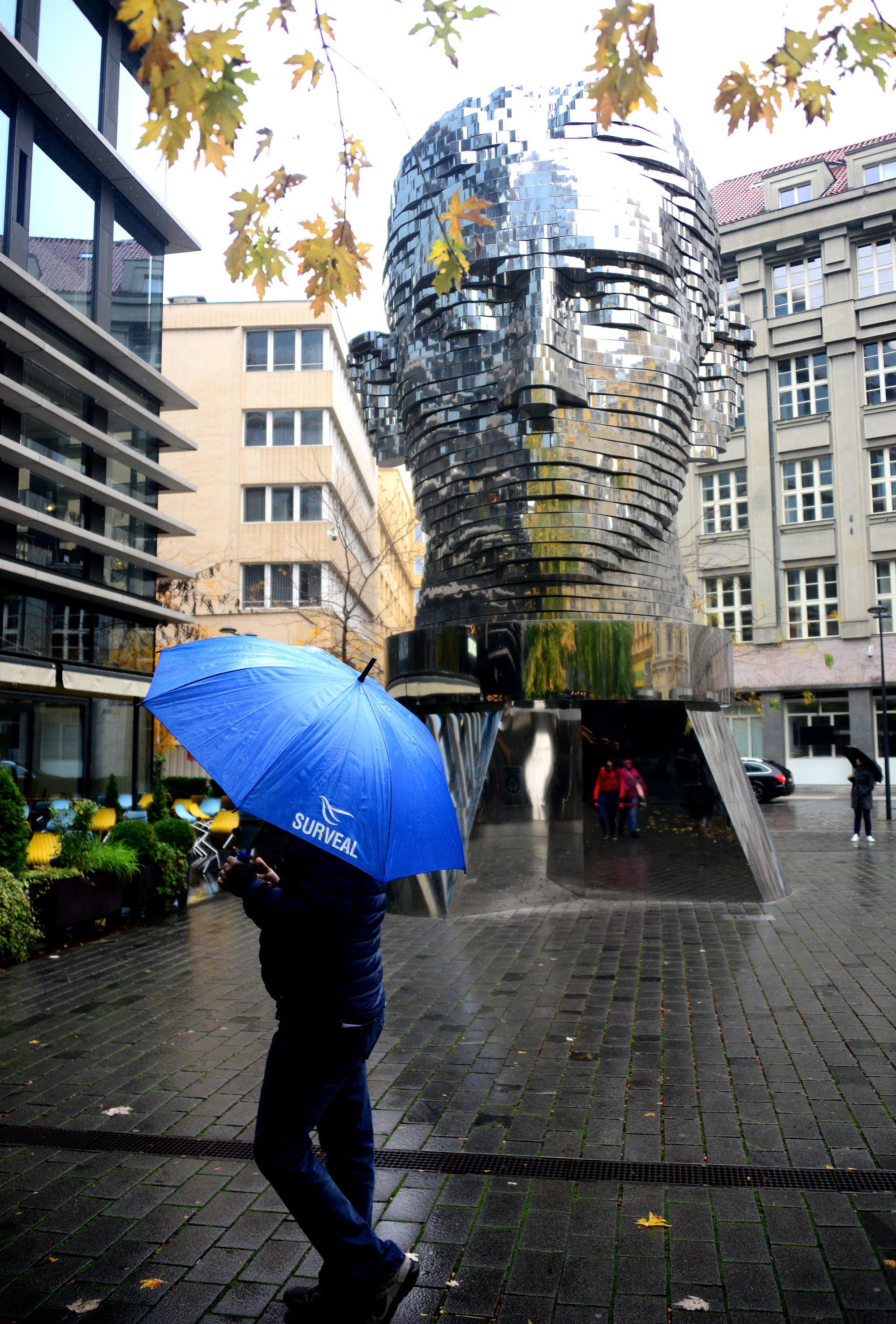

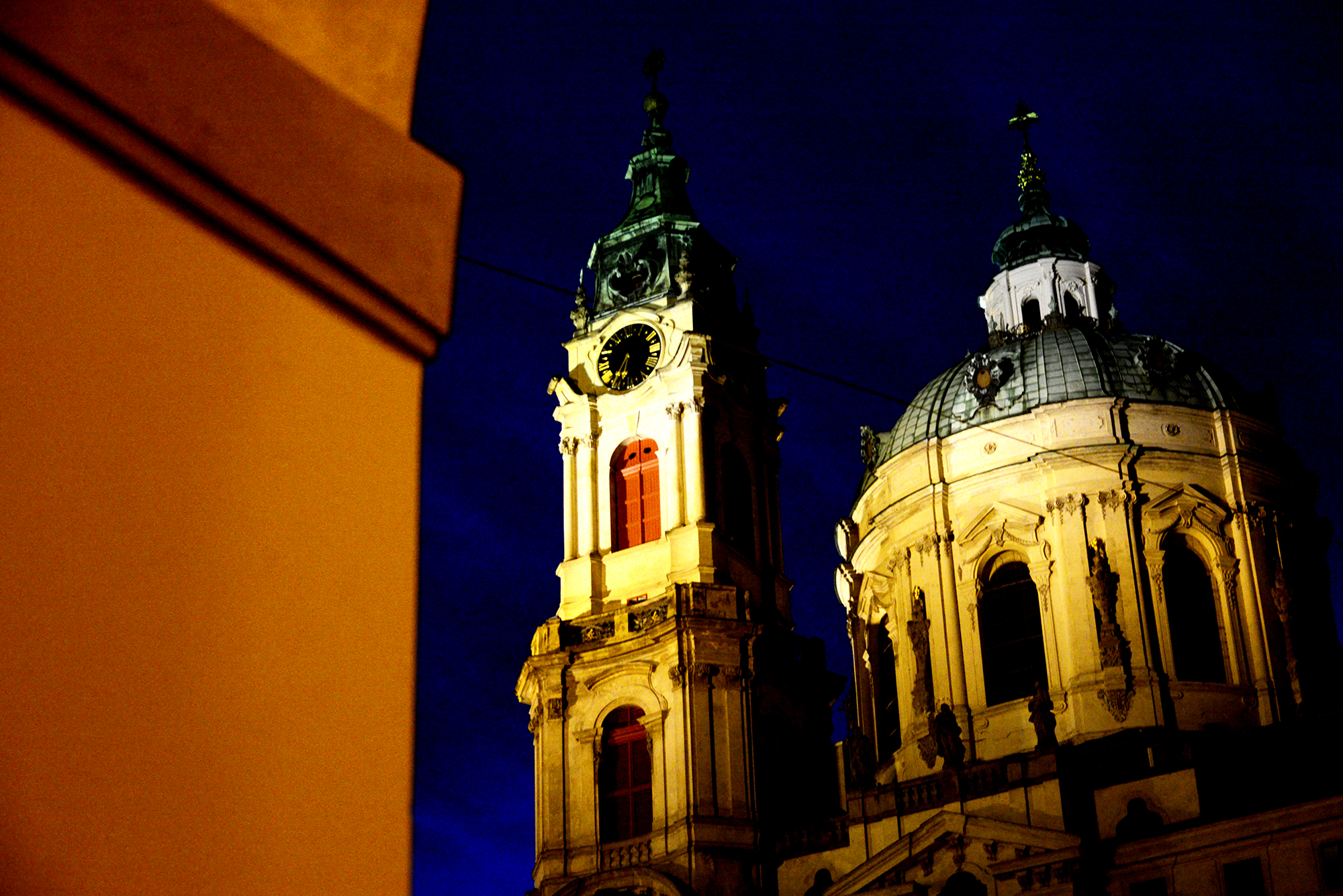
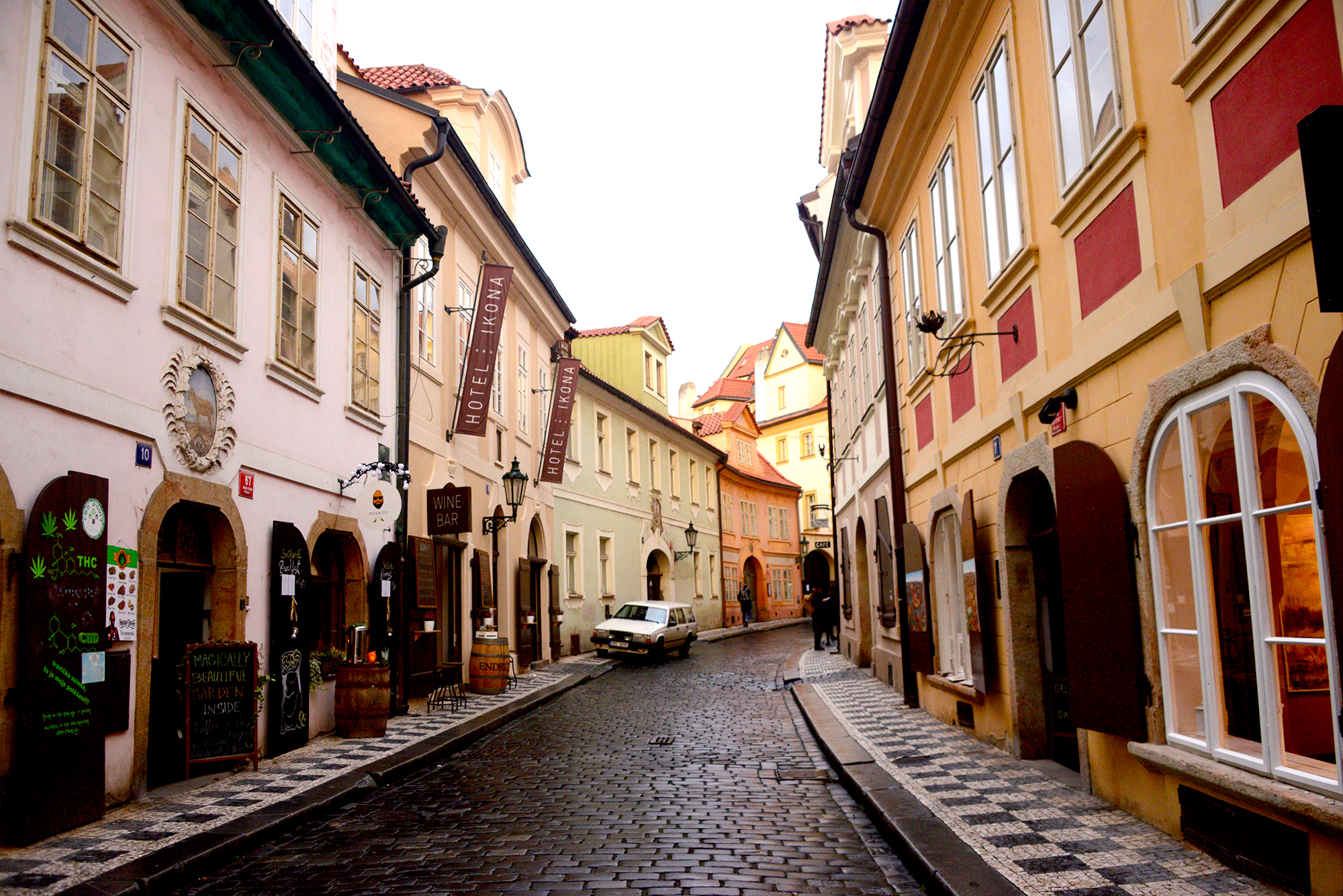
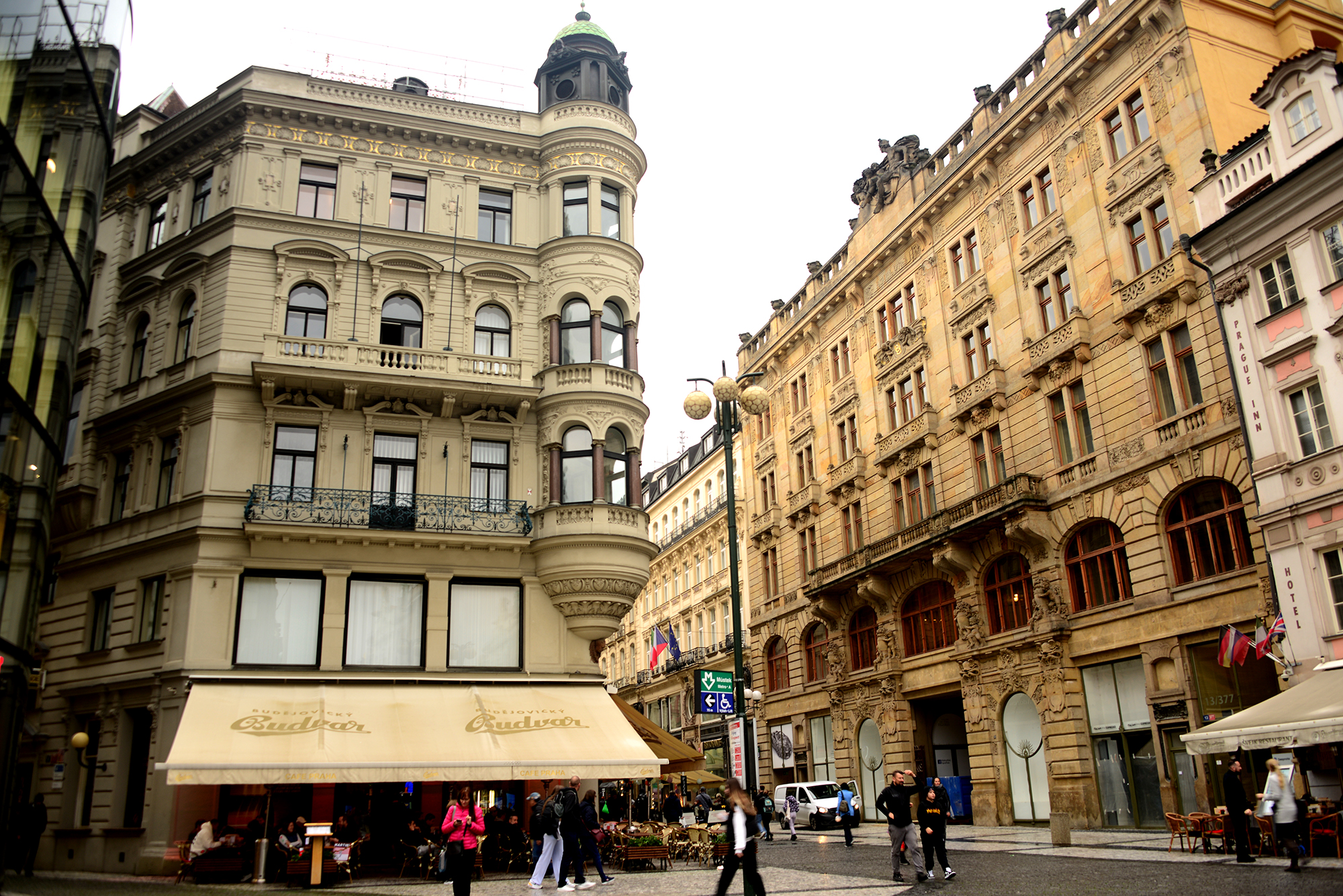
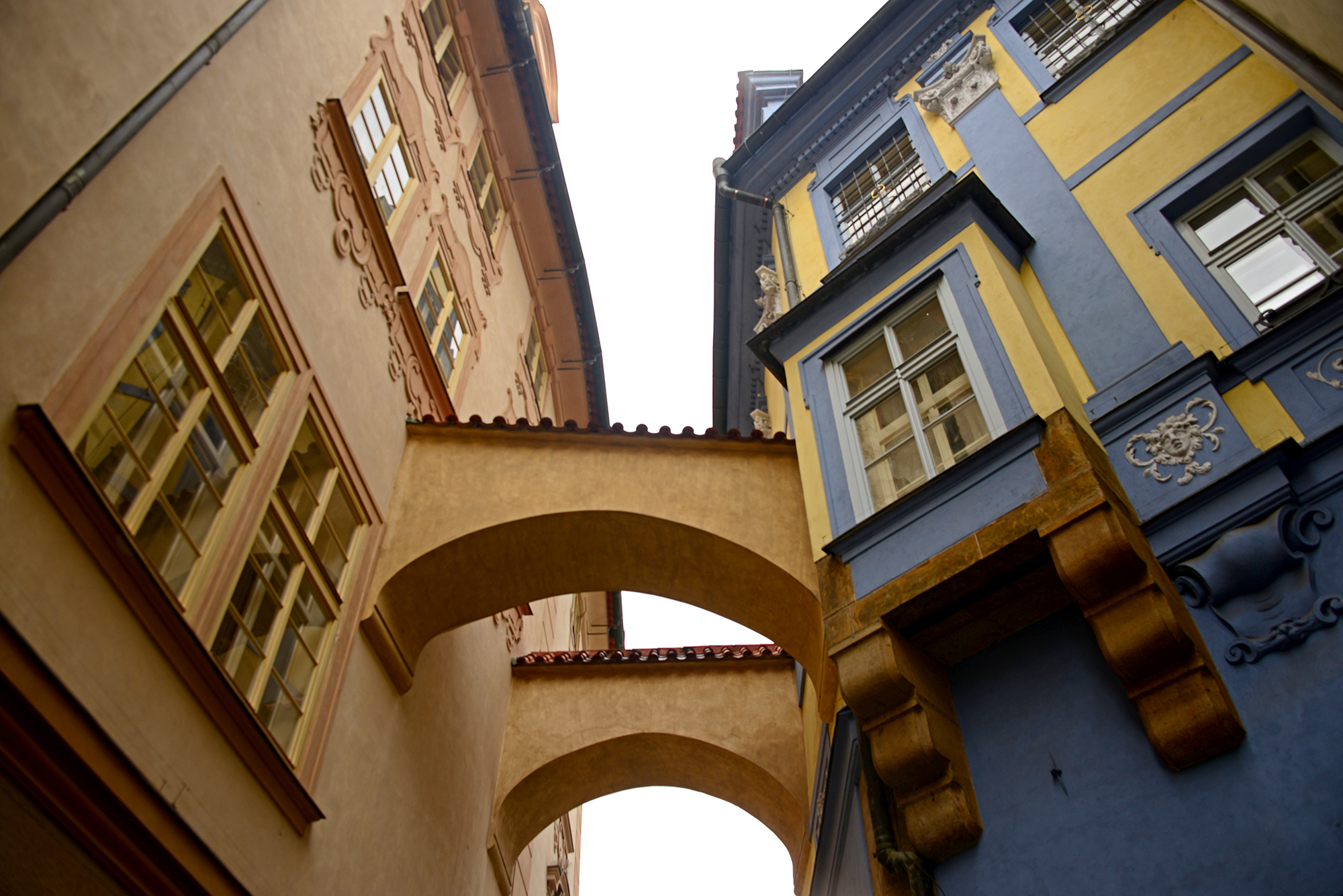
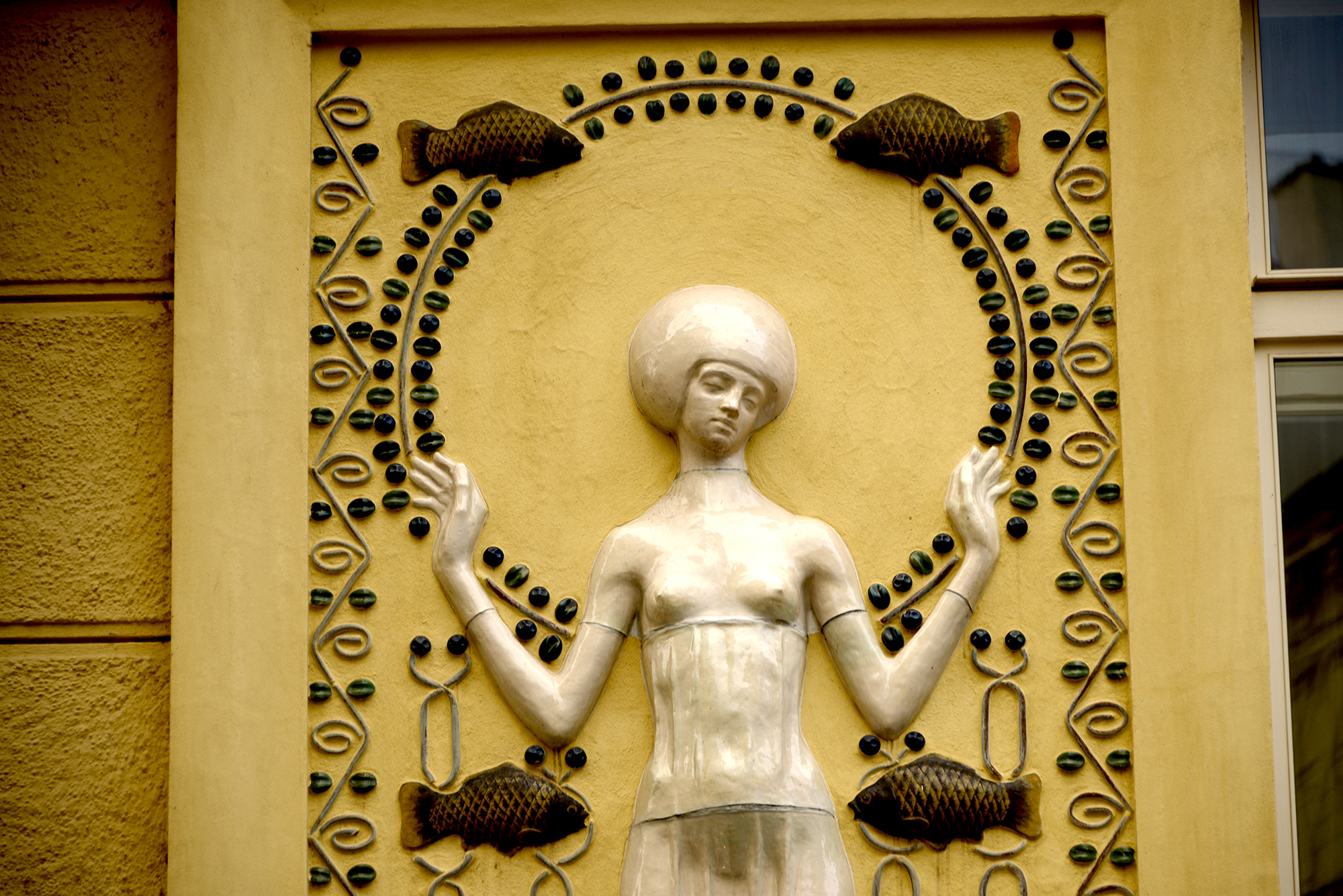

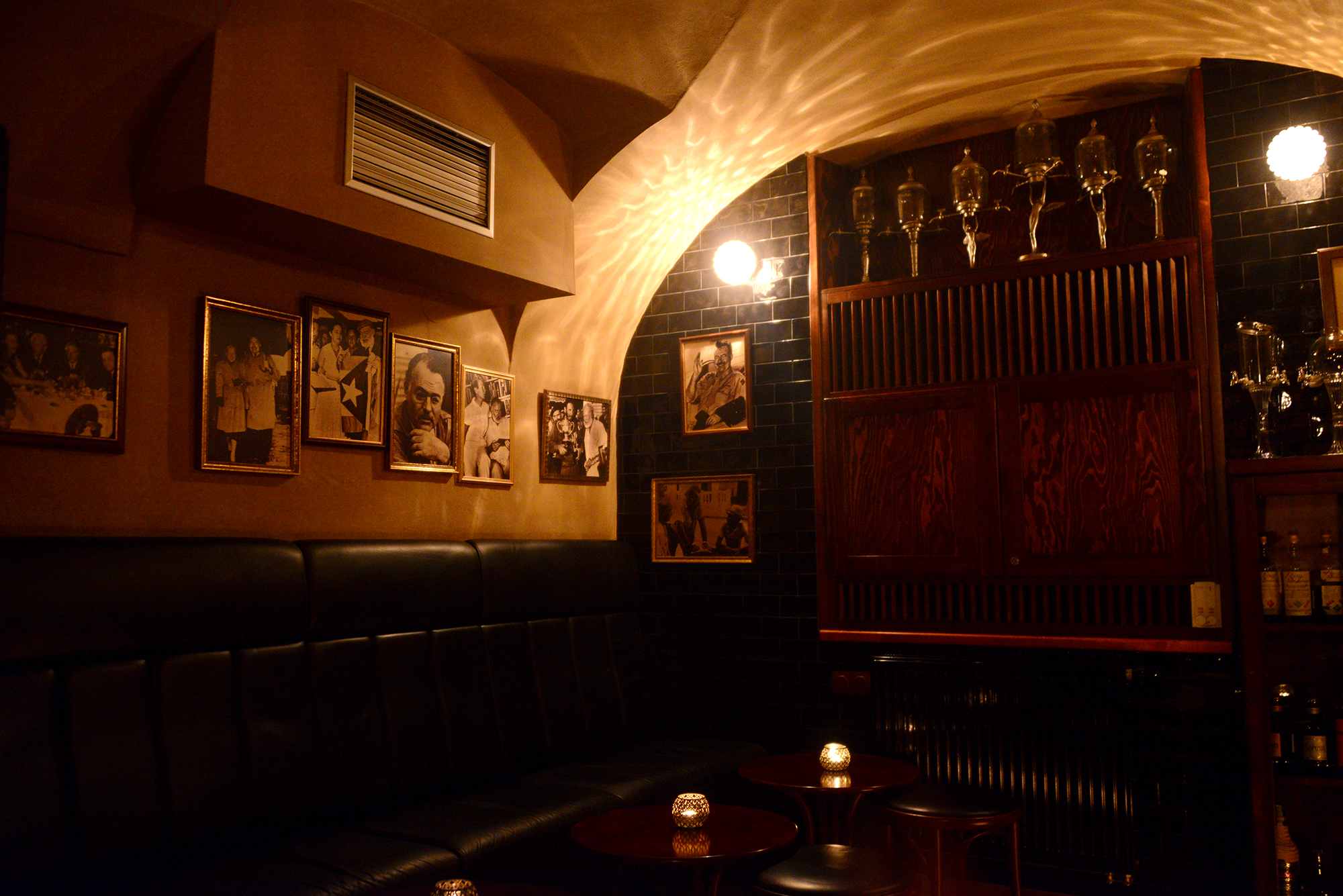
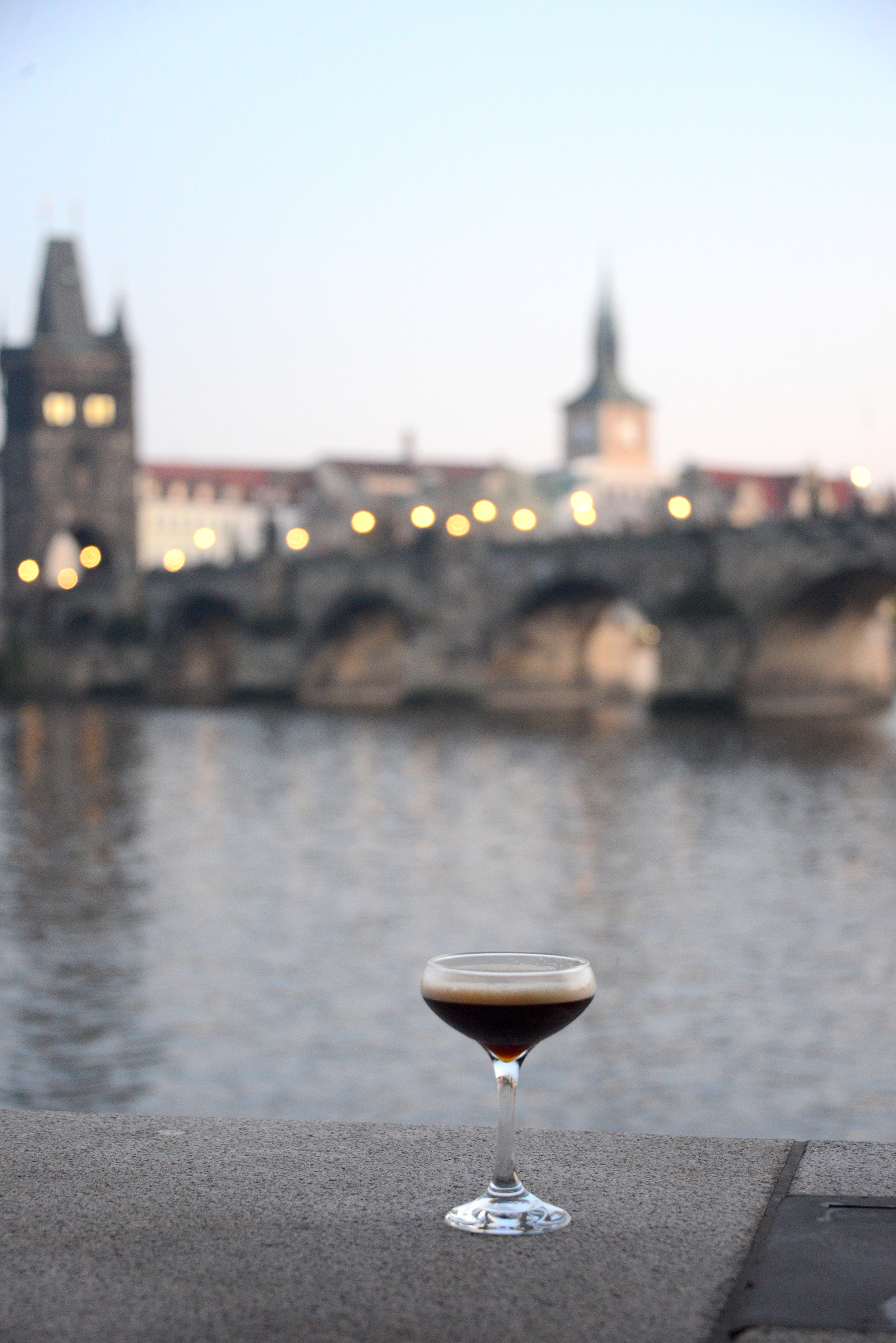
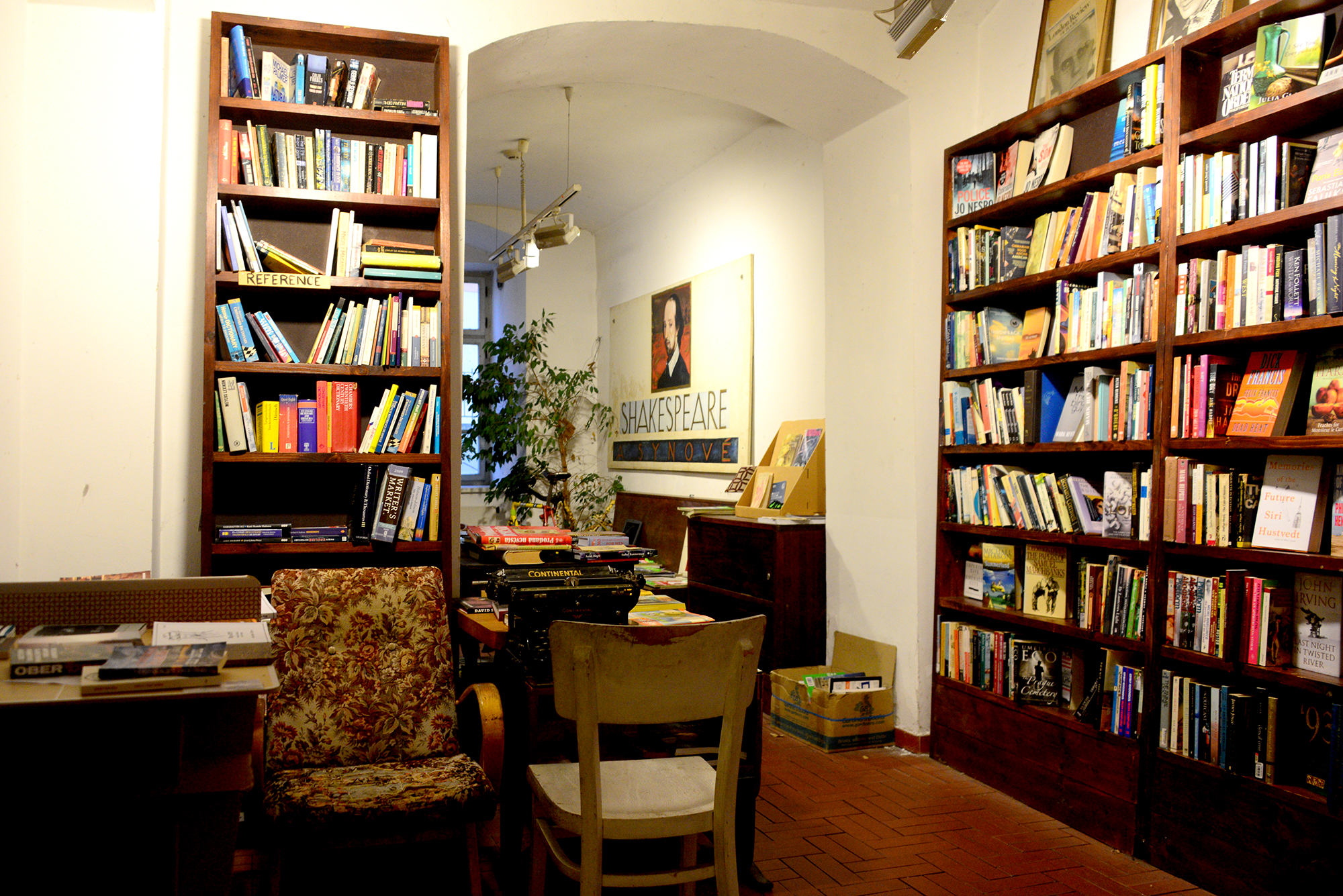
A few tips, then, for the more practically minded: for beer and traditional food, you can try the above mentioned U Kalicha, and also U Vejdovdů and U Medvidků . For a taste of more modern (read: craft) beers, you can check out Vojanův dvůr and if you feel like a tipple as well, there’s the Jelinek slivovitz museum right across the road. In Malá Strana we go to Beseda, and insist on sitting on the terrace even when it’s bloody cold. For cocktails in a literary vein, you can hit the Hemingway. Because we’re a little weak minded, we also drop in for an absinthe each time, our favourite modestly calls itself the ‘Mecca of absinthe in Prague’. For books, we had to the Shakespeare, not Shakespeare and Company, but Shakespeare and Sons, for once, while the Kavka is a more niche affaire of mostly art books, and mostly in Czech.
 Pocket Diary Budapest
You have beautiful photos of Prague! It’s the most beautiful in the fall 🙂
LikeLiked by 1 person